
SelfCare Simplified: Integrating Mental Health Apps into Your Daily Routine Seamlessly


Welcome to Mind Care Guide.
Feeling overwhelmed by the pursuit of mental well-being? You're not alone. In a world demanding so much, finding sustainable self-care strategies can seem impossible. But what if you could weave support seamlessly into your day? Discover how integrating mental health apps daily routine can be a powerful, accessible tool. Let's explore how technology can transform your daily life and nurture your inner peace. Ready to simplify your self-care journey?
Self-Care Simplified: Integrating Mental Health Apps into Your Daily Routine Seamlessly
- Understanding the Role of Mental Health Apps in Daily Wellbeing
- Creating a Personalized Mental Health App Routine
- Seamlessly Integrating Mental Health Apps into Your Day
- Maximizing the Effectiveness of Mental Health Apps in Your Daily Routine
- Choosing the Right Mental Health Apps for Long-Term Integration
- Maintaining a Healthy Balance: Avoiding Over-Reliance on Mental Health Apps
-
Frequently Asked Questions
- How can mental health apps specifically help improve my daily routine?
- What features should I look for in a mental health app to support my daily routine effectively?
- Are there any risks associated with relying too heavily on mental health apps for my daily routine?
- How can I ensure the mental health apps I use are credible and effective for my daily routine?
- How do I seamlessly integrate mental health apps into my existing daily routine without feeling overwhelmed?
- Final Reflection: Weaving Wellness into the Everyday
- Unleash Your Inner Calm: Start Your Mental Wellness Journey Today!
Understanding the Role of Mental Health Apps in Daily Wellbeing
Exploring the Landscape of Mental Wellness Applications
The digital age has ushered in a vast and varied landscape of tools designed to support mental wellness. Mental health apps are at the forefront of this technological shift, offering accessible and often affordable ways to engage in self-care. From guided meditations and breathing exercises to mood trackers and digital journaling, the options available cover a broad spectrum of mental health needs and preferences. It's estimated that there are thousands of mental wellness apps available across major app stores, reflecting a significant interest from developers and users alike in leveraging technology for emotional support.
This proliferation means that finding the right tools to fit a mental health apps daily routine requires some exploration. While many apps focus on general stress reduction and mindfulness, others are tailored to specific conditions like anxiety, depression, or insomnia. The accessibility of these tools, often available 24/7 on a smartphone, makes them a convenient option for individuals seeking to integrate mental health support into busy schedules. Understanding this diverse landscape is the first step towards building an effective mental health apps daily routine that genuinely meets personal needs.
Benefits of Integrating Mental Health Apps into Your Daily Life
Integrating mental health apps into your daily life offers numerous potential benefits, primarily centered around accessibility, convenience, and consistency. Unlike traditional therapy or wellness classes which may require scheduling and travel, apps are available whenever and wherever you need them. This constant availability encourages consistent engagement with self-care practices, which is crucial for sustained mental wellbeing. For instance, a brief guided meditation session can be completed during a commute, or a mood check-in can happen during a lunch break, making mental health support less of a separate task and more an embedded part of the day.
Furthermore, many mental health apps provide objective data tracking, allowing users to monitor their progress over time. Tracking mood patterns, sleep quality, or meditation consistency can offer valuable insights into personal triggers and effective coping strategies. Some studies, such as pilot programs, have indicated that regular use of certain mental health apps can lead to statistically significant reductions in reported stress levels or improvements in sleep quality within a few weeks. This data-driven feedback loop can empower individuals to make informed decisions about their self-care practices and refine their mental health apps daily routine for better outcomes.
Addressing Concerns and Limitations of Using Mental Health Apps Daily
While beneficial, integrating mental health apps into a daily routine also comes with potential concerns and limitations that users should be aware of. One significant issue is data privacy and security. Users often input sensitive personal information, such as mood states, thought patterns, or sleep habits, and it's crucial to understand how this data is stored, used, and protected by the app provider. Not all apps have robust privacy policies, and some may even share aggregated or anonymized data, raising questions about confidentiality and trust.
Another limitation is the variable effectiveness of different apps. While some apps are based on clinically validated techniques like CBT or mindfulness, others may lack scientific backing. Relying solely on an unproven app for significant mental health challenges can be ineffective or even detrimental. Additionally, apps are tools for self-management and should not be seen as a replacement for professional mental health care, especially for severe conditions. Over-reliance on an app without addressing underlying issues or seeking professional guidance when needed is a significant limitation of making mental health apps a sole component of a daily routine.
Creating a Personalized Mental Health App Routine
Assessing Your Mental Health Needs and Goals
The foundation of a successful mental health apps daily routine is a clear understanding of your personal needs and desired outcomes. Before downloading a single app, take time to reflect on what aspects of your mental wellbeing you want to focus on. Are you primarily struggling with anxiety, seeking ways to manage stress, aiming to improve sleep, or perhaps looking to cultivate more mindfulness in your day? Identifying specific areas for improvement helps narrow down the vast selection of apps available and ensures you choose tools that are relevant to your challenges.
Consider also your goals. Do you want to reduce daily stress by 15 minutes? Aim to get an extra hour of sleep per night? Practice gratitude journaling three times a week? Setting measurable, achievable goals provides direction for your app usage. For example, if your goal is to reduce anxiety before public speaking, you might look for apps offering specific guided meditations or breathing exercises for stressful situations, rather than a general mood tracker. This initial assessment phase is critical for building a personalized and effective mental health apps daily routine.
Identifying Suitable Mental Health Apps for Your Specific Needs
Once you've assessed your needs and goals, the next step is to identify apps that align with them. Different apps specialize in different areas of mental wellness, and choosing the right ones is key to building a useful mental health apps daily routine. Research apps based on their stated purpose, the techniques they employ (e.g., CBT, mindfulness, DBT), user reviews, and any information available about their clinical basis or development team.
It's often helpful to categorize apps by the type of support they offer. For instance, if you need help managing panic attacks, you'd look at apps specifically designed for anxiety management. If you want to gain insight into your emotional patterns, a mood tracking app would be appropriate. Exploring apps within these categories allows you to compare features and find the best fit for integrating into your daily life.
Apps for Anxiety Management and Stress Reduction
Apps in this category often offer guided meditations, breathing exercises, progressive muscle relaxation techniques, and calming sounds. Some incorporate elements of Cognitive Behavioral Therapy (CBT) to help users challenge anxious thoughts.
Apps for Mood Tracking and Emotional Regulation
These apps allow users to log their mood throughout the day, note factors influencing it, and identify patterns. They can provide insights into triggers and help users develop strategies for emotional regulation.
Apps for Sleep Improvement and Mindfulness Meditation
Sleep apps may offer guided meditations, bedtime stories, soundscapes, or sleep tracking features. Mindfulness apps typically provide guided meditation sessions, body scans, and exercises to increase present moment awareness.
Setting Realistic Goals and Time Commitments for App Usage
Integrating mental health apps into a daily routine requires realistic expectations about time and effort. Trying to use too many apps or dedicating excessive time can feel overwhelming and unsustainable. Start small, perhaps committing to using one or two apps for a few minutes each day. For example, aim for a 5-minute morning meditation or a 2-minute mood check-in during your lunch break.
As you become comfortable, you can gradually increase the frequency or duration of your app usage if needed. The key is to make it a manageable part of your existing schedule, not another source of stress. Setting realistic goals, like using a breathing app for 5 minutes during a stressful commute 3 times a week, makes it easier to stick to your mental health apps daily routine and experience the benefits consistently.
Seamlessly Integrating Mental Health Apps into Your Day

Morning Routine: Starting Your Day with Mental Wellness
Incorporating mental health apps into your morning routine can set a positive tone for the entire day. Instead of immediately checking emails or social media, dedicate the first few minutes to a mental wellness activity using an app. This could be a short guided meditation to cultivate calm and focus before the day's demands begin.
Alternatively, you might use a gratitude journaling app to reflect on things you are thankful for. This simple practice, taking perhaps just 3-5 minutes, can shift your perspective towards positivity and resilience. Making these activities a consistent part of your wake-up process helps solidify the mental health apps daily routine and ensures you prioritize your wellbeing from the start.
Using Mindfulness Apps for Morning Meditation
A 5-10 minute guided meditation using an app like Headspace or Calm can help quiet the mind and prepare you for the day. Many apps offer specific morning meditations.
Incorporating Gratitude Journals Through Mental Health Apps
Apps like Day One or Journey allow you to easily record gratitude entries. Thinking of three things you are grateful for each morning can boost mood and perspective.
Midday Mental Health Boosts: Finding Moments for Self-Care
The middle of the day, often filled with work or other responsibilities, can be a prime time for stress or fatigue to set in. Utilizing mental health apps for quick check-ins or calming exercises can provide a much-needed mental boost. A brief 1-2 minute breathing exercise during a work break can help reduce tension and improve focus.
Similarly, taking a moment to log your current mood and any contributing factors in a mood tracking app can provide valuable self-awareness and prevent emotions from building up unnoticed. These short, intentional uses of mental health apps throughout the day reinforce your commitment to your wellbeing and make your mental health apps daily routine a continuous source of support, not just a morning or evening task.
Utilizing Breathing Exercises Apps During Work Breaks
Apps often feature simple guided breathing exercises, such as 4-7-8 breathing, that can be done discreetly in just a minute or two to calm the nervous system.
Quick Mood Check-ins with Mood Tracking Apps
Taking 30 seconds to rate your mood and add a quick note in an app like Daylio or Moodpath can provide valuable data for later reflection and help you stay aware of your emotional state.
Evening Routine: Winding Down for Better Mental Health
The evening is an ideal time to use mental health apps to process the day, relax, and prepare for restful sleep. Incorporating a sleep meditation or calming soundscape from an app can signal to your body and mind that it's time to wind down, improving sleep quality.
Digital journaling using an app provides a private space to reflect on your experiences, process emotions, and clear your mind before bed. This practice, even for 5-10 minutes, can reduce rumination and anxiety that might interfere with sleep. Making these app-based activities a consistent part of your evening ritual strengthens your mental health apps daily routine and supports overall rest and recovery.
Sleep Meditation Apps for Restful Sleep
Apps like Calm, Headspace, or specialized sleep apps offer guided meditations or stories designed to relax the mind and body and facilitate falling asleep.
Digital Journaling for Reflection and Processing
Using apps such as Penzu or Journey allows you to write freely about your day, frustrations, successes, or thoughts, helping to process experiences and reduce mental clutter before sleep.
Maximizing the Effectiveness of Mental Health Apps in Your Daily Routine
Tracking Your Progress and Identifying Trends
Many mental health apps offer features to track usage, mood, sleep, or other relevant metrics over time. Actively utilizing these tracking capabilities is essential for understanding the impact of your mental health apps daily routine. Reviewing your progress charts or data logs can reveal patterns you might not otherwise notice, such as how consistent meditation affects your stress levels or how certain activities influence your mood.
Identifying these trends allows you to assess whether your current app usage is effective in helping you meet your goals. For example, if your sleep quality hasn't improved despite using a sleep app nightly for two weeks, you might need to adjust the app's settings, try a different technique, or explore other factors affecting your sleep. This data-driven approach empowers you to optimize your mental health apps daily routine for better results.
Adjusting Your Routine Based on Your Needs and Preferences
Your mental health needs and preferences are not static; they evolve over time. A rigid mental health apps daily routine that doesn't adapt is less likely to be sustainable or effective in the long run. Regularly evaluate whether the apps you are using still meet your needs. Perhaps you initially focused on anxiety but now want to work on self-compassion, requiring different app features or a different app altogether.
Be open to experimenting with new apps or adjusting how and when you use your current ones. If a morning meditation feels rushed, try moving it to your commute or lunch break. If a particular app isn't resonating with you, don't hesitate to explore alternatives. Flexibility and willingness to refine your mental health apps daily routine ensures it remains a supportive and relevant tool for your ongoing wellbeing journey.
Combining Mental Health Apps with Other Self-Care Practices
While mental health apps are valuable tools, they are most effective when integrated into a broader self-care strategy. Relying solely on apps without addressing other crucial aspects of wellbeing, such as physical health, social connection, and professional support, can limit their impact. Think of apps as supplements that enhance, rather than replace, other healthy habits.
For example, combining a mood tracking app with regular exercise might show a clear correlation between physical activity and improved mood. Using a mindfulness app alongside spending time in nature can deepen your connection to the present moment. Integrating your mental health apps daily routine with activities like balanced nutrition, sufficient sleep, spending time with loved ones, and engaging in hobbies creates a more holistic and robust foundation for mental wellness.
Choosing the Right Mental Health Apps for Long-Term Integration
Evaluating App Features and User Interface
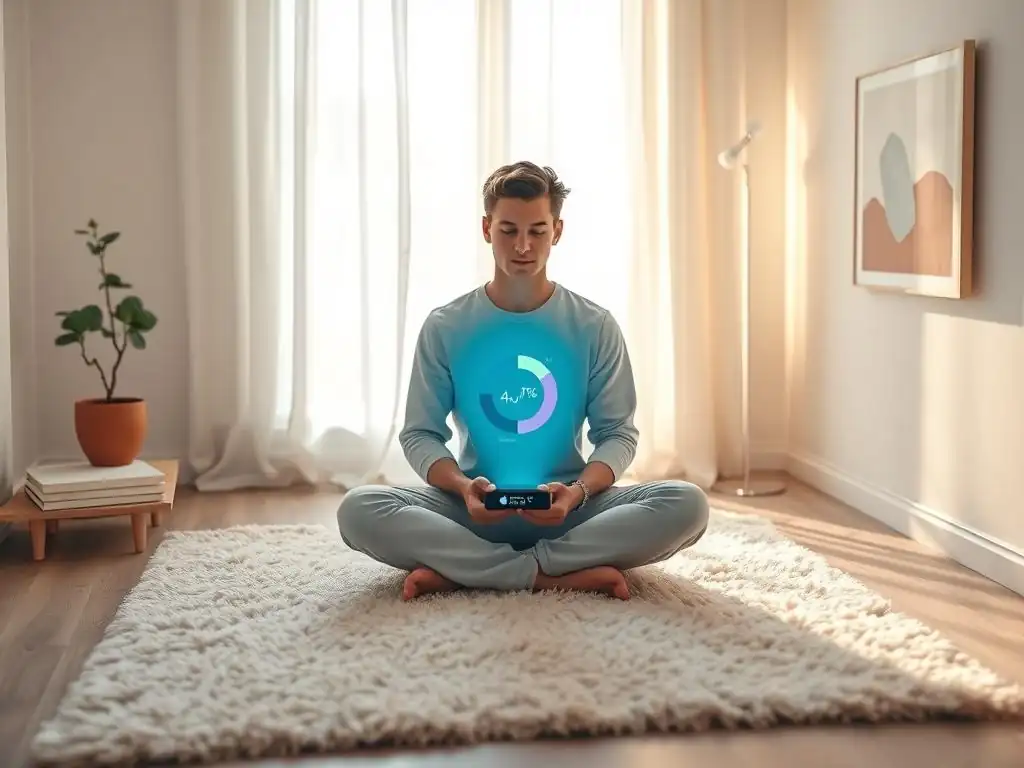
Selecting apps that you'll use consistently as part of a mental health apps daily routine requires careful evaluation of their features and user interface. An app might offer powerful tools, but if it's difficult to navigate, cluttered, or visually unappealing, you're less likely to use it regularly. Look for apps with intuitive design, clear instructions, and a user experience that feels comfortable and encouraging.
Consider the specific features offered and whether they align with your goals. Does a meditation app offer varying session lengths? Does a journaling app allow for tagging or searching entries? Does a mood tracker provide insightful visualizations of your data? Prioritizing apps with features that are not only relevant but also easy and pleasant to use increases the likelihood that they will become a sustainable part of your mental health apps daily routine.
Considering App Privacy and Security
Given the sensitive nature of the information often shared with mental health apps, understanding their privacy and security practices is paramount before making them part of your daily routine. Review the app's privacy policy carefully to understand what data is collected, how it's used, whether it's shared with third parties, and how it's protected. Look for apps that use encryption to secure your data and have clear policies on data retention and deletion.
Some apps may offer options for anonymous usage or allow you to store data locally on your device rather than in the cloud. While no system is entirely risk-free, choosing apps with transparent and robust privacy measures helps safeguard your personal information and builds trust, which is essential for consistent use within your mental health apps daily routine.
Understanding Subscription Models and Costs
Many high-quality mental health apps operate on a subscription model, offering a limited free version and requiring a paid subscription for full access to features. Before committing to an app for your mental health apps daily routine, understand the costs involved. Evaluate whether the free version meets your needs or if the paid features are worth the ongoing expense.
Compare the costs of different apps offering similar services. Some might offer monthly plans, while others provide discounted annual subscriptions. Consider whether the app offers a free trial period, which allows you to test its features and usability before paying. Being aware of the financial commitment helps you choose apps that are not only effective but also affordable and sustainable for long-term integration into your daily life.
Maintaining a Healthy Balance: Avoiding Over-Reliance on Mental Health Apps
Recognizing the Importance of Offline Activities
While integrating mental health apps into a daily routine is beneficial, it's crucial to maintain a healthy balance and avoid becoming overly reliant on digital tools. Real-world experiences, physical activity, time in nature, and face-to-face interactions are vital components of mental wellness that apps cannot replicate. Spending excessive time on apps, even those related to mental health, can sometimes detract from engaging in these essential offline activities.
Ensure that your mental health apps daily routine complements, rather than replaces, activities like exercising, spending time outdoors, pursuing hobbies, or connecting with friends and family. Set boundaries for screen time, even for wellness apps, and make conscious efforts to engage in non-digital self-care practices. A balanced approach ensures that technology serves as a supportive tool, not a primary crutch, in your wellbeing journey.
Seeking Professional Help When Needed
It is essential to remember that mental health apps are self-help tools and are not a substitute for professional mental health care. While apps can provide valuable support for managing stress, practicing mindfulness, or tracking moods, they are not designed to diagnose or treat serious mental health conditions like clinical depression, severe anxiety disorders, bipolar disorder, or psychosis.
If you are experiencing significant distress, persistent symptoms, or a mental health crisis, the most important step is to seek help from a qualified mental health professional, such as a therapist, counselor, or psychiatrist. Your mental health apps daily routine can be a helpful complement to professional treatment, but it should never be used as the sole intervention for serious concerns. Recognizing the limitations of apps and when to seek expert guidance is a critical aspect of responsible self-care.
Human connection and strong social support systems are fundamental pillars of mental wellness. Sharing experiences, feelings, and challenges with trusted friends, family members, or support groups provides emotional validation, perspective, and a sense of belonging that no app can fully replicate. Isolation can significantly worsen mental health challenges.
While some apps may offer community forums, these are not a substitute for genuine, in-person or voice-based interactions. Ensure that your mental health apps daily routine allows ample time and energy for nurturing your relationships. Actively connecting with others, whether through regular phone calls, meeting for coffee, or participating in group activities, is a vital component of a comprehensive approach to mental wellbeing that works in synergy with the support provided by mental health apps.
Frequently Asked Questions
How can mental health apps specifically help improve my daily routine?
Mental health apps can offer structured guidance for your daily routine, such as setting reminders for self-care activities and providing tools for tracking mood and habits. This helps establish consistency and promotes positive mental well-being.
What features should I look for in a mental health app to support my daily routine effectively?
Look for apps with features like guided meditations, mood trackers, journaling prompts, and goal-setting tools. These features help integrate mental health practices into your daily routine and provide personalized support.
Are there any risks associated with relying too heavily on mental health apps for my daily routine?
Yes, potential risks include over-reliance on technology, privacy concerns related to data sharing, and the possibility of replacing genuine human interaction with app-based solutions. It's important to use mental health apps as a supplement, not a complete replacement, for professional help.
How can I ensure the mental health apps I use are credible and effective for my daily routine?
Research the app's developers and scientific backing. Look for apps recommended by mental health professionals and read reviews from other users. Consider apps that prioritize data privacy and are developed with evidence-based practices.
How do I seamlessly integrate mental health apps into my existing daily routine without feeling overwhelmed?
Start by identifying small, manageable changes. Choose one or two features of an app and incorporate them gradually into your daily routine. Set realistic expectations and be patient with yourself as you build new habits and improve your mental well-being.
Final Reflection: Weaving Wellness into the Everyday
The seamless integration of mental health apps into our daily lives is no longer a futuristic concept; it's a vital tool for navigating the complexities of modern existence. The rising prevalence of stress, anxiety, and depression underscores the urgent need for accessible and effective self-care strategies, and mental health apps offer a powerful, personalized approach to managing mental wellbeing. This accessibility is transforming how we approach mental health, moving away from stigma and towards proactive self-management.
The impact of readily available mental health resources is profound. We are witnessing a shift in cultural attitudes, with open conversations about mental health becoming increasingly normalized. This positive change is fueled by the ease of access these apps provide, breaking down barriers to seeking help. The greatest glory in living lies not in never falling, but in rising every time we fall.
- Nelson Mandela. This quote resonates deeply because these apps offer a hand to help us rise, providing tools and support for navigating those inevitable falls in our mental health journeys.
Consider how you can weave these digital tools into your own daily routine. Perhaps it's a five-minute mindfulness session each morning, a gratitude journal entry before bed, or utilizing a cognitive behavioral therapy (CBT) app to address specific challenges. Don't underestimate the power of small, consistent actions. Start small, experiment with different apps, and find what works best for you. Your mental wellbeing is an investment worth making, and these apps are here to help you build a healthier, happier, and more resilient you.
Unleash Your Inner Calm: Start Your Mental Wellness Journey Today!
Thanks for taking the time to explore how mental health apps can simplify your self-care routine. We hope you found practical strategies to integrate these tools into your daily life and boost your well-being.
Ready to take the next step? Here's what you can do:
- Download your top choice app now! Try out a few apps from the list we provided, or explore the app store for ones that specifically meet your needs. This is your first step to a more mindful you.
- Share your experiences! Tell us (or your friends!) about the apps you're using, the challenges you've overcome, and any tips you've discovered. Let's build a supportive community together.
- Challenge yourself: Track your app usage for a week and reflect on how it impacts your mood and daily life. Note any changes in your stress levels or overall well-being.
What mental health app feature are you most excited to explore and integrate into your daily routine?