
Rewiring for Recovery: Harnessing Plasticity After Mental Health Challenges

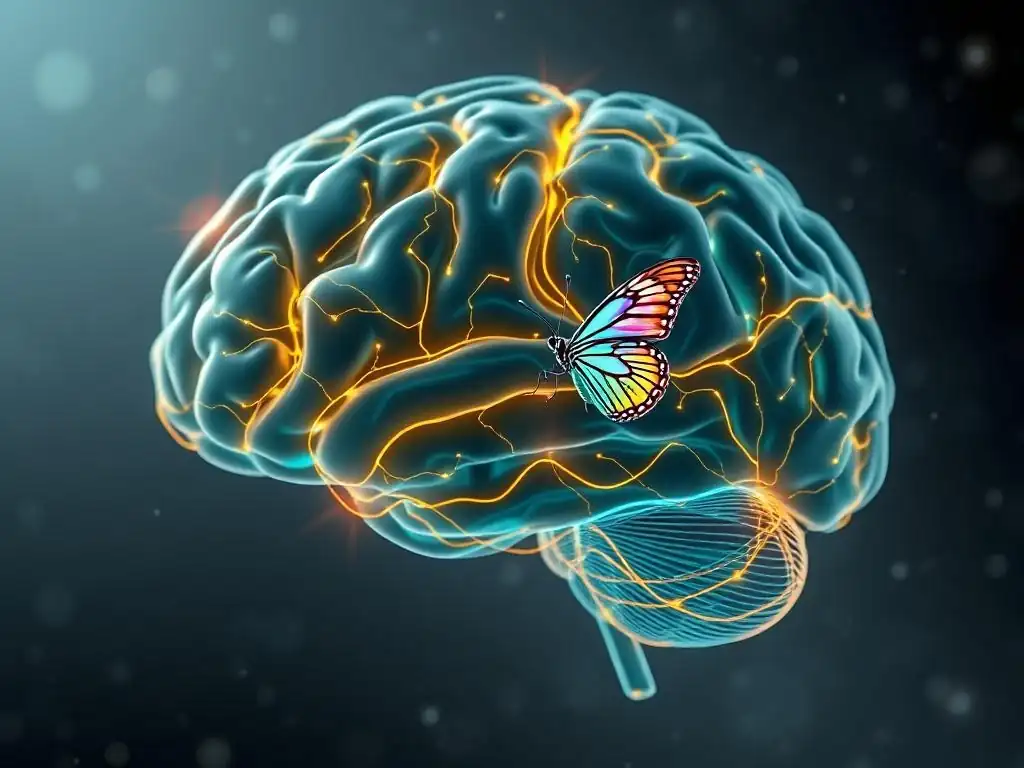
Welcome to Mind Care Guide, a safe space dedicated to your mental well-being.
Feeling like your mental health has left you permanently changed? You're not alone, and there's hope. Discover the incredible power of your brain to adapt and heal in our featured article, " Rewiring for Recovery: Harnessing Plasticity After Mental Health Challenges." Dive in to understand how plasticity after mental health challenges can be your key to a brighter future. Ready to explore the science behind recovery and unlock your potential for growth?
Rewiring for Recovery: Harnessing Plasticity After Mental Health Challenges
- Understanding Brain Plasticity and Mental Health Recovery
- Plasticity After Mental Health Challenges: A Roadmap to Recovery
- Rewiring the Brain: Practical Strategies for Mental Health
- Overcoming Obstacles in Harnessing Plasticity for Mental Health
- The Future of Plasticity Research in Mental Health
- Resources for Mental Well-being
-
Frequently Asked Questions
- How does brain plasticity relate to recovering from mental health challenges?
- Can anyone benefit from brain plasticity, regardless of the severity of their mental health condition?
- What are some practical ways to encourage brain plasticity after a mental health challenge?
- Is there a specific timeframe for seeing results when working on brain plasticity for mental health recovery?
- Where can I find resources and support to help me harness brain plasticity for my mental well-being?
- Final Reflection: The Enduring Power of Neuroplasticity in Healing
- Unleash Your Brain's Potential: Start Rewiring Today!
Understanding Brain Plasticity and Mental Health Recovery
Defining Brain Plasticity: The Key to Mental Wellness
Brain plasticity, often referred to as neuroplasticity, is the remarkable ability of the brain to change and adapt throughout life. This isn't just a concept applicable to childhood; the adult brain remains capable of reorganizing itself by forming new neural connections, altering existing ones, and even generating new neurons in specific areas like the hippocampus. This dynamic process is fundamental to learning, memory, and recovery from injury or illness.
Understanding this inherent capacity is crucial when discussing recovery from mental health challenges, as it underscores the potential for positive change within the brain's structure and function. It means that the patterns of thinking, feeling, and behaving associated with mental health conditions are not fixed but can be modified over time.
This adaptability is facilitated by changes at the synaptic level – the junctions between neurons. When we learn something new, practice a skill, or even engage in certain thought patterns, the connections between relevant neurons can strengthen or weaken. This synaptic plasticity allows for the formation of new neural pathways.
Beyond synaptic changes, plasticity involves structural changes, such as the growth of dendrites (branches of neurons) and axons (fibers that transmit signals), and even neurogenesis, the birth of new neurons, although this is more limited in the adult brain. Recognizing the power of plasticity after mental health challenges empowers individuals by highlighting the biological basis for recovery and the potential for the brain to heal and adapt.
How Mental Health Challenges Impact Brain Structure and Function
Mental health challenges are not merely psychological experiences; they often involve significant alterations in brain structure and function. Conditions like chronic stress, depression, anxiety disorders, and trauma-related disorders can lead to measurable changes in brain regions critical for mood, cognition, and emotional regulation.
For instance, research has shown that chronic stress can cause shrinkage in the hippocampus, a region vital for memory and emotional processing, and increase the size and activity of the amygdala, involved in fear and threat responses. Similarly, major depressive disorder is frequently associated with reduced volume in the prefrontal cortex, which is responsible for executive functions like decision-making and emotional control.
These structural changes are accompanied by functional alterations. Neural circuits involved in reward processing, stress response, and cognitive control can become dysregulated. For example, individuals with depression may show reduced activity in reward pathways, leading to anhedonia (inability to experience pleasure).
Those with anxiety disorders might exhibit heightened reactivity in circuits involving the amygdala and insula, contributing to excessive worry and physical symptoms. Understanding these impacts is not about assigning blame but about recognizing the biological substrate of these challenges. It sets the stage for exploring how harnessing plasticity after mental health challenges can help reverse or mitigate these alterations, paving the way for improved well-being.
The Link Between Neuroplasticity and Mental Health Resilience
Neuroplasticity is intimately linked to mental health resilience – the ability to adapt well in the face of adversity, trauma, tragedy, threats, or significant sources of stress. A more plastic brain is potentially a more resilient brain. The very mechanisms that allow the brain to be shaped by negative experiences also provide the capacity for it to be reshaped by positive ones and by therapeutic interventions.
For instance, developing effective coping strategies or learning to regulate emotions involves building and strengthening new neural pathways. This is the essence of harnessing plasticity after mental health challenges; it's about intentionally guiding the brain's natural ability to change towards healthier patterns.
Studies suggest that individuals with higher baseline levels of neuroplasticity or those who engage in activities known to promote plasticity may be better equipped to bounce back from stressful events. For example, research on mindfulness practitioners often shows changes in brain areas associated with attention, emotion regulation, and self-awareness, suggesting that these practices enhance plasticity in ways that support mental resilience.
Therefore, promoting neuroplasticity isn't just about treating existing conditions but also about building a more robust and adaptable brain that can better withstand future stressors. It's a proactive approach to mental well-being, leveraging the brain's inherent capacity for positive transformation.
Plasticity After Mental Health Challenges: A Roadmap to Recovery
Trauma-related disorders, such as Post-Traumatic Stress Disorder (PTSD), provide a stark example of how adverse experiences can profoundly impact brain function and structure. Individuals with PTSD often exhibit persistent changes in brain regions like the amygdala (hyperactive), hippocampus (reduced volume), and medial prefrontal cortex (hypoactive). These changes contribute to core symptoms such as intrusive memories, avoidance behaviors, negative alterations in cognition and mood, and heightened arousal. The brain essentially becomes wired to perceive threat even in safe environments, reflecting a maladaptive form of plasticity driven by the traumatic experience.
However, the very plasticity that facilitated these changes also offers the potential for recovery. Therapeutic interventions for PTSD, such as Trauma-Focused Cognitive Behavioral Therapy (TF-CBT) or Eye Movement Desensitization and Reprocessing (EMDR), work precisely by leveraging brain plasticity. They help individuals process traumatic memories in a safe context, gradually reducing the amygdala's hyper-reactivity and increasing the regulatory control of the prefrontal cortex.
Studies using fMRI scans have shown that successful treatment can lead to a normalization of activity in these brain regions, demonstrating that the maladaptive neural pathways can be weakened and replaced by healthier ones. This highlights the critical role of harnessing plasticity after mental health challenges, particularly severe ones like PTSD.
Assessing Your Brain's Plastic Potential: Neuropsychological Testing
Assessing an individual's brain's plastic potential isn't a simple blood test or scan; it's more about evaluating cognitive functions and identifying areas where cognitive training or therapeutic interventions might be most effective in promoting positive neuroplastic changes. Neuropsychological testing can provide valuable insights into cognitive strengths and weaknesses, such as attention, memory, executive functions, and processing speed, which are often impacted by mental health challenges. By identifying specific deficits, clinicians can tailor interventions designed to target those areas, essentially guiding the brain's plasticity towards improvement in those functions.
For example, a neuropsychological evaluation might reveal significant working memory deficits in someone recovering from depression. Knowing this, a recovery plan can incorporate specific cognitive training exercises known to improve working memory, which relies on strengthening neural circuits in the prefrontal and parietal cortices. While these tests don't directly measure "plasticity," they assess the outcomes of brain function and identify targets for interventions that promote beneficial plasticity after mental health challenges. Think of it as mapping the terrain to understand where rewiring efforts are most needed and likely to be impactful.
Setting Realistic Recovery Goals: A Plasticity-Focused Approach
Setting realistic goals is paramount in any recovery journey, and incorporating a plasticity-focused perspective adds another layer of understanding and patience. Recovery isn't about instantly erasing past experiences or brain changes; it's about gradually building new neural pathways and strengthening existing healthy ones. This process takes time, consistent effort, and often involves small, incremental changes.
A plasticity-focused goal acknowledges that the brain is capable of change but that this change occurs through repeated experiences and practice. For instance, instead of a goal like "never feel anxious again," a more realistic, plasticity-informed goal might be "practice mindfulness techniques daily for 10 minutes to build new neural pathways for emotional regulation" or "gradually increase social interactions to strengthen circuits related to positive social engagement."
Understanding that recovery involves rewiring the brain helps manage expectations about the pace of progress. There will be ups and downs, as the brain doesn't change in a perfectly linear fashion. Setbacks are not failures but moments where older, more established pathways might temporarily become more active.
The key is to return to practicing the new, healthier behaviors and thought patterns, which reinforces the nascent positive changes. This perspective fosters self-compassion and perseverance, recognizing that each effort contributes to the ongoing process of harnessing plasticity after mental health challenges. Tracking small wins, like successfully using a coping skill in a challenging moment, reinforces the positive changes occurring at the neural level.
Rewiring the Brain: Practical Strategies for Mental Health

Neuroplasticity-Based Therapies: Reshaping Neural Pathways
Neuroplasticity is the underlying mechanism that makes many forms of psychotherapy effective. Therapies don't just provide coping strategies; they actively help reshape neural pathways associated with maladaptive thoughts, emotions, and behaviors. By providing new experiences, insights, and skills, these therapies guide the brain's natural ability to change. Engaging in therapy is essentially providing the brain with structured, repeated experiences designed to promote beneficial plasticity after mental health challenges. The therapeutic relationship itself can also play a role, providing a safe environment that can influence brain states.
The effectiveness of these therapies in promoting neuroplastic changes is increasingly supported by neuroimaging studies. For example, research on individuals undergoing successful therapy for depression or anxiety has shown changes in connectivity between the amygdala and prefrontal cortex, indicating improved emotional regulation. This isn't just theoretical; it's a tangible biological process. Choosing a therapy modality that resonates with your needs and committing to the process is a powerful way to actively engage your brain's capacity for positive change and resilience.
Cognitive Behavioral Therapy (CBT) and Brain Plasticity
Cognitive Behavioral Therapy (CBT) is a prime example of a therapy that leverages brain plasticity. CBT helps individuals identify and challenge negative thought patterns and core beliefs that contribute to distress. By learning to recognize cognitive distortions and replace them with more balanced and realistic thoughts, individuals are actively creating new neural pathways. The repeated practice of challenging old thoughts and implementing new cognitive and behavioral strategies strengthens the connections associated with these healthier patterns while weakening the pathways linked to maladaptive ones.
Studies have shown that CBT can lead to measurable changes in brain activity. For instance, research on individuals with social anxiety disorder undergoing CBT has demonstrated decreased activity in the amygdala when exposed to social stimuli, alongside increased activity in the prefrontal cortex. This reflects a shift from an automatic fear response (amygdala) to increased cognitive control and regulation (prefrontal cortex). The consistent application of CBT principles in daily life provides the necessary repetition and reinforcement for the brain to undergo these beneficial plastic changes, making it a powerful tool for harnessing plasticity after mental health challenges.
Mindfulness and Meditation: Enhancing Neuroplasticity for Mental Well-being
Mindfulness and meditation practices, particularly those focused on attention regulation and non-judgmental awareness, have been shown to significantly enhance neuroplasticity. Regular meditation practice can lead to structural changes in brain regions associated with attention, self-awareness, and emotion regulation, such as the prefrontal cortex, insula, and hippocampus. For example, studies comparing long-term meditators to non-meditators often find increased cortical thickness in specific areas. Even relatively short periods of mindfulness training, such as an 8-week program, have been shown to produce measurable changes, including decreased amygdala volume and increased gray matter density in areas related to learning and memory.
These practices work by training the brain to observe thoughts and feelings without getting carried away by them, effectively weakening the neural pathways associated with automatic, reactive emotional responses. By repeatedly bringing attention back to the present moment, individuals strengthen the neural circuits involved in focused attention and cognitive control. This enhanced capacity for self-regulation and emotional distance is a key aspect of resilience and recovery. Incorporating mindfulness into a daily routine is a tangible way to promote beneficial plasticity after mental health challenges, fostering a greater sense of calm and control.
Neurofeedback: Directly Training Brain Activity for Improved Mental Health
Neurofeedback is a type of biofeedback that directly trains brain activity. Using sensors placed on the scalp, it measures brainwaves (electrical activity) and provides real-time feedback to the individual, typically in the form of a computer game or visual display. The individual learns to regulate their brain activity by being rewarded when their brainwaves move towards a desired pattern (e.g., increasing alpha waves associated with relaxation, or decreasing theta waves associated with inattention). This operant conditioning process leverages neuroplasticity, allowing the brain to learn to self-regulate.
Neurofeedback has been explored for various conditions, including ADHD, anxiety, depression, and PTSD. For instance, some studies suggest neurofeedback targeting specific brainwave patterns can help reduce symptoms of anxiety by training the brain towards a calmer state. While research is ongoing and its effectiveness varies depending on the condition and protocol, neurofeedback represents a fascinating application of harnessing plasticity after mental health challenges by providing direct, real-time information about brain states, allowing for targeted self-regulation training.
Lifestyle Changes that Promote Brain Plasticity and Mental Health
Beyond formal therapy, numerous lifestyle factors significantly influence brain plasticity and can powerfully support mental health recovery. These aren't merely supplementary; they are fundamental pillars of brain health and contribute directly to the brain's capacity to change and heal. Integrating these practices into daily life provides the brain with the optimal environment for positive neuroplastic adaptation. Focusing on these areas is an active way to promote beneficial plasticity after mental health challenges, creating a foundation for lasting well-being.
These lifestyle adjustments work by influencing key biological processes within the brain, such as the production of neurotrophic factors (like BDNF, Brain-Derived Neurotrophic Factor, which supports neuron growth and survival), reducing inflammation, improving blood flow, and regulating neurotransmitter levels. Making conscious choices about diet, exercise, and sleep directly impacts the brain's physical and chemical environment, enhancing its capacity for change and recovery.
The Role of Nutrition in Neuroplasticity and Mental Wellness
Nutrition plays a crucial role in brain health and function, directly influencing neuroplasticity. The brain requires a steady supply of specific nutrients to maintain its structure and support the complex processes involved in neuronal communication and change. Deficiencies in certain vitamins (like B vitamins, Vitamin D), minerals (like zinc, magnesium), and essential fatty acids (especially Omega-3s) have been linked to impaired cognitive function and increased risk of mental health issues. An inflammatory diet, high in processed foods, sugar, and unhealthy fats, can also negatively impact brain health and potentially hinder plastic processes.
Conversely, a nutrient-dense diet rich in fruits, vegetables, whole grains, lean proteins, and healthy fats (like those found in fish, nuts, and olive oil) supports brain health and promotes plasticity. Omega-3 fatty acids, for example, are building blocks of brain cell membranes and are known to support synaptic plasticity and reduce inflammation. Antioxidants and phytochemicals found in colorful plant foods help protect brain cells from damage. Prioritizing good nutrition is a foundational step in creating a brain environment conducive to healing and harnessing plasticity after mental health challenges.
Exercise and Mental Health: Boosting Brain Plasticity Naturally
Exercise is one of the most potent promoters of brain plasticity and has significant positive effects on mental health. Physical activity increases blood flow to the brain, delivering essential oxygen and nutrients. Crucially, exercise stimulates the production of neurotrophic factors, most notably BDNF, which acts like "fertilizer" for the brain, supporting the growth of new neurons (neurogenesis, particularly in the hippocampus) and strengthening synaptic connections. Regular aerobic exercise, even moderate levels like brisk walking, has been shown to improve mood, reduce anxiety, and enhance cognitive functions like memory and executive function, all of which rely on brain plasticity.
The effects of exercise are often seen in studies showing increased gray matter volume in areas like the hippocampus and prefrontal cortex in individuals who engage in regular physical activity. For someone recovering from depression or anxiety, incorporating exercise isn't just about physical fitness; it's a powerful tool for actively promoting beneficial plasticity after mental health challenges. Aiming for at least 150 minutes of moderate-intensity aerobic exercise per week, as recommended by health guidelines, can have profound effects on brain health and support the recovery process.
Sleep Hygiene: Optimizing Brain Function for Recovery
Sleep is a critical period for brain health and plays a vital role in consolidating memories, clearing metabolic waste products, and facilitating synaptic plasticity. During sleep, the brain prunes unnecessary synaptic connections and strengthens important ones, a process essential for learning and adaptation. Chronic sleep deprivation impairs cognitive function, increases stress reactivity, and is strongly associated with a higher risk of developing mental health conditions like depression and anxiety. Poor sleep quality can directly hinder the brain's ability to undergo positive plastic changes necessary for recovery.
Prioritizing good sleep hygiene – maintaining a consistent sleep schedule, creating a relaxing bedtime routine, ensuring a dark and quiet sleep environment, and avoiding stimulants before bed – is fundamental for optimizing brain function and supporting neuroplasticity. Aiming for 7-9 hours of quality sleep per night allows the brain to perform its essential restorative processes, enhancing its capacity for healing and adaptation. Effective sleep is a non-negotiable component when discussing how to harness plasticity after mental health challenges.
Learning and Skill Development: Engaging Neuroplasticity for Growth
Engaging in learning and skill development throughout life is a powerful way to stimulate and maintain brain plasticity. When we learn something new, whether it's a language, a musical instrument, or a complex cognitive task, we are actively creating and strengthening new neural pathways. This process challenges the brain, forcing it to build new connections and refine existing ones. This cognitive engagement is particularly beneficial for individuals in recovery, as it provides opportunities to build new competencies and foster a sense of accomplishment, counteracting feelings of helplessness or stagnation often associated with mental health issues.
Furthermore, learning new skills can improve cognitive functions that may have been impacted by mental health challenges, such as attention, memory, and problem-solving. It provides a structured way to exercise the brain's capacity for change. Actively seeking out learning opportunities is a practical strategy for promoting ongoing plasticity after mental health challenges.
Acquiring New Skills: Stimulating Brain Plasticity After Mental Health Challenges
The process of acquiring any new skill, whether it's cooking a new cuisine, learning to code, or mastering a craft, requires focused attention, practice, and error correction – all processes that drive brain plasticity. As you practice, the neural circuits involved in that skill become more efficient and robust. For someone navigating recovery, choosing to learn a new skill offers multiple benefits: it distracts from negative rumination, provides a sense of purpose, builds self-efficacy, and directly stimulates the brain's ability to form new connections.
For instance, learning a musical instrument involves complex coordination between auditory, motor, and cognitive areas of the brain. Regular practice leads to measurable changes in the size and connectivity of these brain regions. Similarly, learning a new language increases gray matter density in areas related to language processing and memory. Committing to the process of learning something new is a tangible investment in your brain's health and capacity for positive change, actively leveraging plasticity after mental health challenges.
Creative Activities and Mental Well-being: Fostering Neuroplasticity Through Art
Engaging in creative activities like painting, writing, music, or dance is another excellent way to foster neuroplasticity and support mental well-being. Creative expression often involves divergent thinking, emotional processing, and sensorimotor engagement, activating various brain regions and promoting connectivity between them. These activities can provide a non-verbal outlet for emotions, reduce stress, and enhance self-awareness, all of which are beneficial in recovery.
Studies on the effects of creative activities on the brain have shown increased connectivity in the default mode network (involved in self-referential thought and mind-wandering, often overactive in depression) and enhanced activity in reward pathways. Engaging in art, for example, can help individuals process difficult experiences and emotions in a safe and contained way, facilitating emotional regulation and promoting the formation of new, healthier emotional responses. Incorporating creative pursuits is a therapeutic way to stimulate beneficial plasticity after mental health challenges.
Overcoming Obstacles in Harnessing Plasticity for Mental Health
Harnessing plasticity after mental health challenges is a powerful concept, but the path isn't always smooth. Several common obstacles can arise, requiring patience, persistence, and strategic approaches to navigate. Recognizing these potential hurdles is the first step in developing strategies to overcome them and maintain momentum in the recovery process.
Addressing Resistance to Change: Fostering a Growth Mindset
One significant obstacle is internal resistance to change, often rooted in fear of the unknown, comfort in familiar patterns (even negative ones), or a belief that change is impossible. After experiencing mental health challenges, individuals might feel stuck or believe their brain is permanently damaged. This fixed mindset can be a major barrier to engaging in the very activities that promote plasticity. Fostering a growth mindset – the belief that abilities and intelligence can be developed through dedication and hard work – is crucial.
This involves reframing setbacks as learning opportunities, celebrating effort rather than just outcomes, and understanding that the brain is capable of change. Education about neuroplasticity itself can be empowering, providing a biological basis for hope and encouraging individuals to believe in their capacity for recovery. By consciously challenging self-limiting beliefs and embracing the possibility of growth, individuals can significantly reduce internal resistance and more effectively leverage plasticity after mental health challenges.
Managing Setbacks and Relapses: Maintaining Motivation and Hope
Setbacks and relapses are common occurrences in the journey of recovery from mental health challenges. They can be incredibly discouraging and lead individuals to question whether positive change is truly possible. However, viewing setbacks through the lens of neuroplasticity can help maintain motivation and hope. A setback doesn't mean the brain has reverted entirely to its previous state; it might simply mean that older, deeply ingrained neural pathways became temporarily more dominant under stress. The newer, healthier pathways are still there, perhaps just less strengthened.
The key is to not view a setback as a failure but as a signal to re-engage with the strategies that promote plasticity. Returning to therapy techniques, reinforcing positive lifestyle changes, and practicing learned skills helps reactivate and strengthen the beneficial pathways. Maintaining hope is fueled by remembering past progress and understanding that the brain's capacity for change remains. Developing a plan for managing setbacks, including identifying triggers and having coping strategies ready, is essential for navigating the non-linear nature of recovery and continuing to harness plasticity after mental health challenges.
The Importance of Support Systems in Neuroplasticity-Based Recovery
Social connection and support systems play a surprisingly significant role in promoting brain health and supporting the recovery process, acting as a form of external support for neuroplasticity. Positive social interactions can reduce stress hormones (like cortisol, which is detrimental to plasticity), increase oxytocin (a hormone associated with bonding and trust), and activate reward pathways in the brain. Feeling understood and supported can create a sense of safety that allows the brain to shift out of a defensive state, making it more receptive to positive change.
Isolation, on the other hand, is a known risk factor for both developing and struggling with mental health issues. Engaging with supportive friends, family, support groups, or mental health professionals provides crucial emotional validation, practical assistance, and motivation. These connections help reinforce positive behaviors and provide encouragement during difficult moments. Building and nurturing strong support systems is an often-underestimated but vital component of successfully harnessing plasticity after mental health challenges.
The Future of Plasticity Research in Mental Health
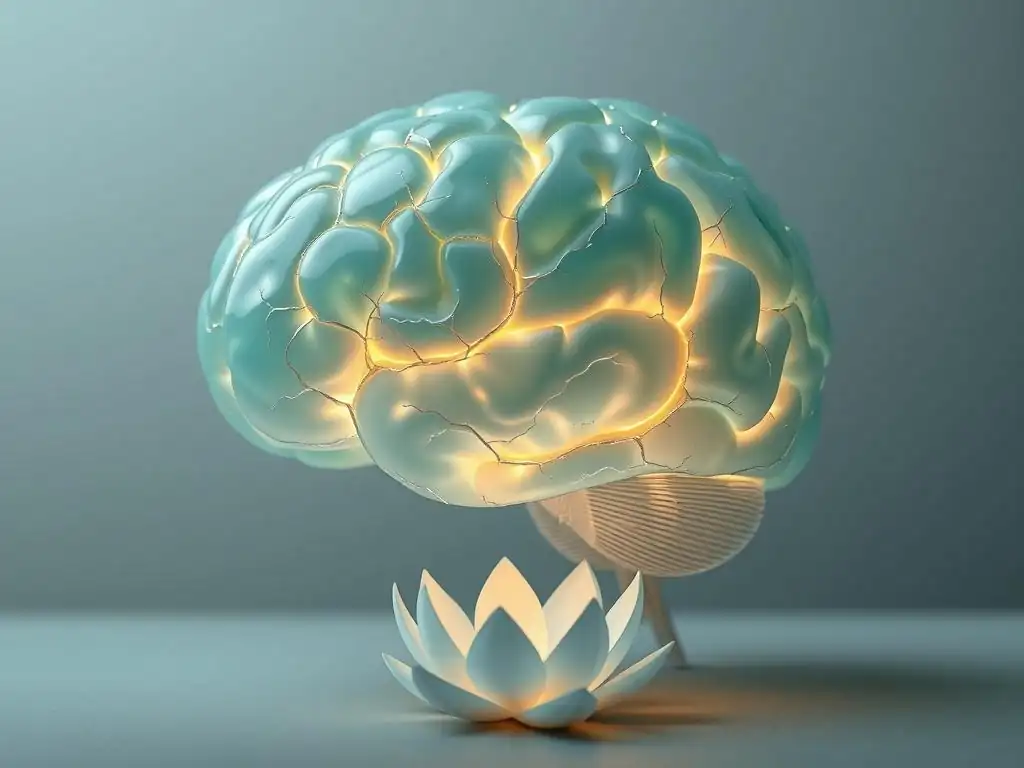
The field of neuroplasticity research is rapidly evolving, holding significant promise for future advancements in mental health treatment and recovery. As scientists gain a deeper understanding of the mechanisms underlying brain plasticity, new therapeutic targets and interventions are emerging. This research is not only confirming the biological basis of existing therapies but also paving the way for entirely novel approaches to promote brain health and resilience. The ongoing exploration of plasticity after mental health challenges is a dynamic area of scientific inquiry.
Emerging Therapies and Technologies for Enhancing Brain Plasticity
Exciting new therapies and technologies are being developed specifically to enhance brain plasticity. These include non-invasive brain stimulation techniques like Transcranial Magnetic Stimulation (TMS) and Transcranial Direct Current Stimulation (tDCS), which use magnetic fields or electrical currents to modulate neuronal activity in targeted brain regions. While still relatively new and with varying levels of evidence for different conditions, these techniques aim to directly influence the excitability and connectivity of neural circuits, potentially making the brain more receptive to plastic changes.
Other emerging areas include targeted cognitive training programs that use sophisticated computer interfaces to train specific cognitive skills known to rely on plastic brain changes, and pharmacological agents being investigated for their potential to enhance neurotrophic factor production or modulate synaptic function. As research progresses, these innovative approaches may offer more precise and powerful ways to promote beneficial plasticity after mental health challenges, potentially accelerating recovery and improving outcomes for a wider range of conditions.
Personalized Approaches to Brain Plasticity and Mental Health Recovery
One of the key directions in future research is the development of personalized approaches to harnessing brain plasticity for mental health recovery. Recognizing that each individual's brain is unique, shaped by genetics, life experiences, and the specific nature of their mental health challenges, suggests that a one-size-fits-all approach may not be optimal. Future interventions are likely to be tailored based on an individual's specific cognitive profile, brain activity patterns, genetic predispositions related to plasticity, and personal preferences.
This could involve using neuroimaging or advanced cognitive assessments to identify specific neural circuits or cognitive functions that are most impacted and developing targeted interventions (whether therapy, lifestyle changes, or technology-assisted methods) designed to promote plasticity in those precise areas. Personalized treatment plans that integrate various plasticity-promoting strategies based on an individual's unique needs and strengths hold the potential to significantly enhance the effectiveness of recovery efforts and optimize the process of harnessing plasticity after mental health challenges.
The Ethical Considerations of Neuroplasticity Interventions
As our ability to directly influence brain plasticity grows, it becomes increasingly important to consider the ethical implications of these interventions. Questions arise regarding the potential for misuse, equity of access to these technologies, and the definition of "enhancement" versus "treatment." For example, if brain stimulation techniques become widely available and highly effective at improving cognitive function or emotional regulation, who should have access? Should interventions solely focus on restoring function lost due to illness, or could they be used for broader enhancement?
Furthermore, there are ethical considerations around informed consent, potential long-term effects, and the societal implications of technologies that can alter brain function. As research in this area progresses, ongoing dialogue among scientists, clinicians, ethicists, policymakers, and the public is crucial to ensure that advancements in harnessing plasticity after mental health challenges are developed and used responsibly and equitably, prioritizing the well-being and autonomy of individuals.
Resources for Mental Well-being
Organizations Dedicated to Mental Health Support
Numerous organizations offer invaluable support, information, and resources for individuals navigating mental health challenges. These organizations often provide helplines, online resources, support group information, and educational materials that can empower individuals and their families. Examples include the National Alliance on Mental Illness (NAMI), the Depression and Bipolar Support Alliance (DBSA), and the Anxiety & Depression Association of America (ADAA). Utilizing the resources provided by such organizations can offer guidance, community, and practical tools on the path to recovery and in the process of harnessing plasticity after mental health challenges.
Seeking Professional Help: Finding a Qualified Therapist
Perhaps the most crucial step in harnessing plasticity after mental health challenges is seeking professional help from a qualified mental health therapist or counselor. Therapists are trained in evidence-based interventions, many of which are effective precisely because they leverage brain plasticity. They can provide personalized assessment, diagnosis, and treatment plans tailored to your specific needs and challenges.
A therapist can guide you through processes like CBT, trauma processing, or mindfulness training, providing the structure and support necessary to facilitate beneficial changes in the brain. Resources for finding qualified professionals include national mental health organizations' websites, local mental health service directories, and referrals from primary care physicians. Engaging with a therapist is an active and effective way to embark on the journey of rewiring for recovery.
Frequently Asked Questions
How does brain plasticity relate to recovering from mental health challenges?
Brain plasticity refers to the brain's ability to reorganize itself by forming new neural connections throughout life. This rewiring capacity is crucial for recovery as it allows individuals to adapt and develop new coping mechanisms after experiencing mental health challenges.
Can anyone benefit from brain plasticity, regardless of the severity of their mental health condition?
Yes, the potential for brain plasticity exists for everyone. While the extent of change may vary, the brain's inherent ability to adapt offers hope for improvement and enhanced well-being even with severe mental health conditions.
What are some practical ways to encourage brain plasticity after a mental health challenge?
Engaging in activities that stimulate the brain, such as learning new skills, practicing mindfulness, and maintaining social connections, can promote plasticity. Therapeutic interventions, like cognitive behavioral therapy (CBT), also play a significant role.
Is there a specific timeframe for seeing results when working on brain plasticity for mental health recovery?
The timeframe varies greatly depending on the individual, the nature of the challenge, and the consistency of effort. While some may experience noticeable changes relatively quickly, others might require longer-term commitment and patience to see significant improvements.
Where can I find resources and support to help me harness brain plasticity for my mental well-being?
Mind Care Guide offers a wealth of information, support, and resources related to mental well-being. Seeking guidance from qualified mental health professionals and connecting with support groups can also be incredibly beneficial.
Final Reflection: The Enduring Power of Neuroplasticity in Healing
The brain's capacity for change, neuroplasticity, isn't just a scientific concept; it's a lifeline for those navigating the complexities of mental health challenges. This article has explored the remarkable ways in which our brains can rewire themselves, offering pathways to recovery and improved well-being even after significant trauma or illness. Understanding this power is crucial, not just for individuals, but for the entire healthcare system striving to provide effective and compassionate care.
The journey of recovery is rarely linear, often marked by setbacks and moments of doubt. Yet, the consistent message woven throughout this exploration of neuroplasticity is one of hope and resilience. The ability of the brain to adapt and learn underscores the importance of personalized treatment plans and ongoing support. As Viktor Frankl so eloquently stated, >“Between stimulus and response there is a space. In that space is our power to choose our response. In our response lies our growth and our freedom.” This space, nurtured by understanding neuroplasticity, allows for conscious choices that foster healing and growth.
You, the reader, now hold the key to unlocking your brain's inherent potential for recovery. Don't let the challenges you face define you; instead, embrace the incredible capacity of your brain to adapt and heal. Seek out resources, connect with supportive communities, and actively engage in therapies and practices that promote neuroplasticity. Your journey towards well-being is a testament to the enduring power of your own mind, a power waiting to be harnessed. Begin today.
Unleash Your Brain's Potential: Start Rewiring Today!
Thanks for taking the time to explore the incredible power of neuroplasticity and its role in your recovery journey. You've learned how your brain can adapt and heal—now let's put that knowledge into action!
- Prioritize one small, achievable step towards your recovery goals today. This could be anything from a short walk in nature to journaling for five minutes or trying a new relaxation technique. Focus on consistency over intensity.
- Share your insights: Discuss this article with a friend, family member, or support group. Sharing your journey can be incredibly empowering for both yourself and others.
- Consider exploring additional resources on MindCareGuide.org (I cannot link here, but this sentence would be a placeholder for an internal link). Expand your knowledge and find further support to aid your journey.
What's one small step you'll take today to nurture your brain's incredible capacity for change?