
TBI and Trauma: The Complex Mental Health Link for Veterans


Welcome to Mind Care Guide, a space dedicated to nurturing your mental well-being.
Feeling lost or overwhelmed navigating the complexities of mental health after experiencing trauma? You're not alone. Many veterans face unique challenges, particularly when dealing with the intersection of TBI trauma veteran mental health. This guide delves into the critical link between Traumatic Brain Injuries (TBIs) and trauma, and how they impact mental health in veterans. Discover insights, support, and resources to navigate this complex landscape and begin your journey towards healing. Read on to understand more and find a path forward.
TBI and Trauma: The Complex Mental Health Link for Veterans - A Mind Care Guide
- Understanding the Intertwined Realities of TBI, Trauma, and Veteran Mental Health
- The Impact of TBI on Veteran Mental Well-being: A Deep Dive
- Differentiating TBI-Related Symptoms from Trauma-Related Symptoms in Veterans
- Addressing the Unique Mental Health Needs of Veterans with TBI and Trauma
- Support Systems and Resources for Veterans with TBI and Mental Health Challenges
- Strategies for Coping with TBI and Trauma: A Veteran's Guide to Mental Wellness
- The Future of TBI and Mental Health Research in the Veteran Population
- Advocating for Improved Mental Health Care for Veterans with TBI and Trauma
-
Frequently Asked Questions
- What is the connection between TBI and trauma in veterans?
- How does a TBI affect a veteran's mental health after experiencing trauma?
- What are some common mental health challenges faced by veterans with both TBI and trauma?
- What types of mental health support are available for veterans dealing with TBI and trauma?
- Where can veterans find resources and information about TBI, trauma, and mental health support?
- Final Reflection: Unraveling the Silent Scars of War
- Unlock Your Path to Healing: Next Steps for Veteran Wellbeing
Understanding the Intertwined Realities of TBI, Trauma, and Veteran Mental Health
Traumatic Brain Injury (TBI) and psychological trauma are significant challenges faced by many veterans, often occurring together and profoundly impacting their mental health. The unique experiences of military service, particularly in combat zones, can expose individuals to events that result in both physical head injuries and deep emotional wounds. Understanding the intricate relationship between TBI, trauma, and TBI trauma veteran mental health is crucial for providing effective support and care. This complex interplay means that symptoms can overlap, diagnoses can be challenging, and treatment approaches must be integrated to address the multifaceted needs of these veterans.
The journey of a veteran experiencing both TBI and trauma is often characterized by a challenging recovery path. The physical effects of a brain injury can disrupt cognitive functions, emotional regulation, and physical abilities, while psychological trauma can lead to conditions like PTSD, anxiety, and depression. When these issues coexist, they can amplify each other's severity, creating a complex web of symptoms that makes daily life incredibly difficult. Recognizing this intertwined reality is the first step toward developing comprehensive strategies for improving TBI trauma veteran mental health outcomes.
Exploring the Prevalence of Traumatic Brain Injury (TBI) Among Veterans
Traumatic Brain Injury has become a signature injury of the conflicts in Iraq and Afghanistan, though it is also prevalent among veterans from other eras and causes. Estimates vary, but Department of Defense data indicates that between 2000 and late 2023, over 490,000 service members were diagnosed with a TBI, with a significant portion of these being mild TBIs or concussions.
However, even mild TBIs can have lasting effects, and moderate to severe TBIs can lead to long-term neurological and psychological consequences. These figures highlight the widespread nature of TBI within the veteran population, making it a critical area of focus for TBI trauma veteran mental health.
The causes of TBI in military settings are diverse. Blast exposures from improvised explosive devices (IEDs) are a major contributor, but TBIs also result from vehicle accidents, falls, training incidents, and penetrating head wounds. A study published in the Journal of Head Trauma Rehabilitation estimated that veterans from the Iraq and Afghanistan wars with a history of TBI were significantly more likely to report mental health concerns compared to those without TBI. This prevalence underscores the urgent need for resources and support systems specifically tailored to address the unique challenges of TBI trauma veteran mental health.
The Connection Between Combat Trauma and Increased Risk of TBI
Combat environments inherently involve exposure to traumatic events, such as witnessing death, experiencing life-threatening situations, or being involved in violent conflict. These experiences are primary drivers of psychological trauma, leading to conditions like PTSD. Simultaneously, these same environments present a high risk for TBI through mechanisms like blast waves, collisions, or impacts. Research consistently shows a strong correlation between exposure to combat trauma and the likelihood of sustaining a TBI. For example, veterans exposed to intense combat often report higher rates of diagnosed TBI compared to those in non-combat roles.
This dual exposure creates a particularly challenging scenario for TBI trauma veteran mental health. A veteran might experience the psychological shock of witnessing an explosion and sustain a concussion from the blast wave. The physical injury to the brain can disrupt the very systems needed to process and recover from the psychological trauma. Conversely, the stress and hypervigilance associated with trauma can exacerbate symptoms like headaches, irritability, and difficulty concentrating, which are also common in TBI. This complex relationship necessitates integrated assessment and treatment approaches that recognize the overlapping nature of these conditions.
The Impact of TBI on Veteran Mental Well-being: A Deep Dive
The effects of Traumatic Brain Injury extend far beyond the physical injury itself, profoundly impacting a veteran's mental and emotional state. The brain is the seat of cognition, emotion, and behavior, and an injury can disrupt these functions in myriad ways. Veterans with TBI may experience changes in personality, mood swings, difficulty with memory and concentration, irritability, and problems with executive functions like planning and decision-making. These changes can strain relationships, impact employment, and contribute significantly to the development or worsening of mental health conditions, complicating the landscape of TBI trauma veteran mental health.
Furthermore, the invisible nature of many TBI symptoms, particularly those related to cognitive and emotional changes, can lead to frustration and misunderstanding from others, and even self-doubt for the veteran. A veteran might look physically fine but struggle immensely with daily tasks or emotional regulation. This lack of visible injury can make it harder for veterans to receive validation and support, potentially leading to isolation and worsening mental health. Addressing the impact of TBI on psychological well-being is therefore paramount in supporting TBI trauma veteran mental health.
How TBI Symptoms Can Mimic and Exacerbate Mental Health Conditions
One of the significant challenges in diagnosing and treating veterans with TBI and trauma is the considerable overlap in symptoms between TBI and common mental health conditions like PTSD, depression, and anxiety. For instance, irritability, difficulty sleeping, concentration problems, and memory issues are hallmark symptoms of both TBI and PTSD. This overlap can make it difficult for clinicians to differentiate between symptoms caused directly by the brain injury and those stemming from psychological trauma, or how the two interact. Accurate differential diagnosis is critical for tailoring effective treatment plans for TBI trauma veteran mental health.
Beyond mimicking symptoms, TBI can also directly exacerbate pre-existing or trauma-induced mental health conditions. Damage to brain regions responsible for emotional processing, impulse control, or stress response can make individuals more vulnerable to developing or experiencing more severe anxiety, depression, or mood swings. For example, a veteran who experienced trauma might develop PTSD, and a subsequent TBI could worsen their hypervigilance or increase emotional lability, making PTSD symptoms harder to manage. This complex interaction underscores the need for clinicians trained in both TBI and mental health to provide comprehensive care for TBI trauma veteran mental health.
Common Mental Health Challenges Faced by Veterans with TBI
Veterans with TBI are at a significantly increased risk of developing a range of mental health conditions. While PTSD is perhaps the most commonly discussed alongside TBI, depression, anxiety disorders, substance use disorders, and even increased risk of suicide are also frequently observed. The combination of cognitive deficits from TBI, emotional dysregulation, and the psychological burden of trauma creates a fertile ground for mental health challenges. Understanding these common co-occurring conditions is essential for providing holistic support for TBI trauma veteran mental health.
The stress of adapting to life after military service, often compounded by the difficulties posed by TBI symptoms and trauma, can further contribute to these mental health issues. Veterans may struggle with employment, maintaining relationships, and reintegrating into civilian life, all of which can be made harder by cognitive impairments or emotional distress. These factors collectively contribute to the complex picture of mental health challenges faced by veterans with TBI, necessitating targeted interventions and support systems.
Post-Traumatic Stress Disorder (PTSD) and TBI: A Confusing Overlap
The co-occurrence of PTSD and TBI is very common among combat veterans. Studies indicate that a large percentage of veterans diagnosed with TBI also meet the criteria for PTSD. The symptoms can be strikingly similar, making diagnosis challenging. Both can cause sleep disturbances, difficulty concentrating, irritability, and memory problems. However, some symptoms are more distinct: flashbacks and hypervigilance are core to PTSD, while specific cognitive deficits like word-finding difficulties or impaired executive function are more indicative of TBI.
The overlap can lead to misdiagnosis, where TBI symptoms are mistaken for PTSD, or vice versa, impacting the effectiveness of treatment. For instance, treating concentration problems solely as a symptom of PTSD might overlook the underlying neurological component from TBI. Clinicians must carefully assess the timing and nature of symptoms to differentiate between the two, or more commonly, recognize and treat the complex interaction of both conditions impacting TBI trauma veteran mental health.
Depression and Anxiety Following Traumatic Brain Injury in Veterans
Depression and anxiety are also highly prevalent among veterans with TBI. The physical and cognitive changes caused by TBI, coupled with the emotional burden of trauma and the challenges of recovery, can significantly contribute to feelings of sadness, hopelessness, worry, and fear. Difficulty performing tasks that were once easy, social isolation due to symptom management, and the struggle to regain independence can all lead to depressive symptoms.
Anxiety can manifest as excessive worry, panic attacks, or social anxiety, often exacerbated by the unpredictability of TBI symptoms or the hyperarousal associated with trauma. For example, a veteran with TBI might experience increased anxiety in crowded places due to sensory overload sensitivity from their injury, combined with social anxiety related to perceived cognitive difficulties. Addressing these mood and anxiety disorders is a critical component of comprehensive TBI trauma veteran mental health care.
Substance Abuse and Addiction as Coping Mechanisms Post-TBI
Substance use disorders are unfortunately common among veterans dealing with TBI and trauma. Alcohol, opioids, and other substances may be used to self-medicate symptoms like chronic pain, insomnia, anxiety, or depression. The cognitive impairments caused by TBI can also affect judgment and decision-making, potentially increasing the risk of developing a substance use problem.
While providing temporary relief, substance abuse ultimately worsens both TBI symptoms and mental health conditions, creating a vicious cycle. It can interfere with rehabilitation efforts, strain relationships, and lead to further health complications. Addressing substance use is therefore a necessary step in treating TBI trauma veteran mental health, often requiring integrated treatment plans that tackle addiction alongside TBI and trauma-related issues.

Accurately identifying the source of a veteran's symptoms – whether primarily from TBI, trauma, or the interaction of both – is one of the most significant clinical challenges. Symptoms like headaches, dizziness, fatigue, irritability, difficulty concentrating, and memory problems can arise from either TBI or PTSD. This diagnostic ambiguity complicates treatment planning, as interventions effective for trauma may not fully address TBI-specific cognitive deficits, and vice versa. A thorough and careful assessment process is essential for navigating this complexity in TBI trauma veteran mental health.
Clinicians must conduct detailed interviews, review medical history, and utilize a range of assessment tools to piece together the veteran's clinical picture. Understanding the specific circumstances of the injury and trauma, the timeline of symptom onset, and how symptoms manifest in different situations can provide crucial clues. For instance, were cognitive issues present immediately after the head injury, or did they develop later alongside trauma symptoms? This careful differentiation, while difficult, is vital for providing targeted and effective care.
Diagnostic Challenges: Untangling TBI and PTSD
The overlap between TBI and PTSD symptoms poses considerable diagnostic challenges. A veteran reporting memory problems might be experiencing a direct consequence of brain damage (TBI), or it could be a symptom of dissociation or difficulty recalling traumatic events (PTSD), or a combination of both. Irritability could be due to neurological changes from TBI or hyperarousal from PTSD. This makes relying solely on symptom checklists problematic.
Specialized training for clinicians is essential to recognize the nuances between TBI and PTSD presentations. Neuropsychological testing can help identify specific cognitive deficits indicative of TBI, while detailed psychiatric evaluations can assess the presence and severity of trauma-related symptoms. Often, a multidisciplinary team approach involving neurologists, neuropsychologists, psychiatrists, and therapists is required to accurately diagnose and understand the full scope of issues impacting TBI trauma veteran mental health.
The Importance of Accurate Assessment for Effective Treatment
Given the complex overlap, an accurate and comprehensive assessment is the cornerstone of effective treatment for veterans with TBI and trauma. An assessment that clearly identifies which symptoms are primarily related to the TBI, which are trauma-related, and how they interact allows clinicians to develop a truly integrated treatment plan. Without this clarity, treatment might focus on only one aspect, potentially neglecting other critical needs.
For example, treating PTSD without addressing underlying TBI-related cognitive issues might mean the veteran struggles to engage with therapy that requires complex cognitive processing. Conversely, focusing solely on TBI rehabilitation might miss the critical need for trauma processing to reduce hyperarousal and anxiety. Accurate assessment ensures that all facets of the veteran's TBI trauma veteran mental health are considered, leading to more targeted and ultimately more successful interventions.
Addressing the Unique Mental Health Needs of Veterans with TBI and Trauma
Effectively addressing the mental health needs of veterans with co-occurring TBI and trauma requires specialized and integrated approaches. Traditional mental health treatments may need adaptation to accommodate cognitive challenges associated with TBI, such as memory deficits or difficulty with complex instructions. Similarly, TBI rehabilitation programs need to incorporate strategies for managing emotional distress and trauma symptoms. A siloed approach is unlikely to be effective; instead, care must be coordinated and comprehensive, directly targeting the complexities of TBI trauma veteran mental health.
This often means bringing together different types of therapies and specialists. A veteran might receive cognitive rehabilitation therapy to improve memory and attention alongside trauma-focused psychotherapy. Medication management might be needed for mood or anxiety symptoms, carefully considering potential interactions with TBI symptoms. The goal is to create a treatment plan that addresses the veteran as a whole, recognizing the interplay between brain injury and psychological trauma.
Integrated Treatment Approaches for Co-Occurring TBI and Mental Health Conditions
Integrated care models are considered the gold standard for treating veterans with co-occurring TBI and mental health conditions. These models involve a team of healthcare professionals from different disciplines working together to provide coordinated care. This team might include neurologists, psychiatrists, psychologists, neuropsychologists, physical therapists, occupational therapists, speech therapists, and social workers.
In an integrated model, the treatment plan is holistic, addressing physical, cognitive, emotional, and social needs simultaneously. For example, a veteran might have therapy sessions focused on trauma processing adapted by a therapist who understands TBI-related cognitive limitations. Rehabilitation therapists can incorporate strategies to manage anxiety or irritability during physical or cognitive exercises. This collaborative approach ensures that the complexities of TBI trauma veteran mental health are addressed comprehensively, improving outcomes and quality of life.
Evidence-Based Therapies for Veterans with TBI and Trauma
Several evidence-based therapies have shown promise in treating veterans with TBI and trauma, although often requiring modifications to suit the individual's cognitive profile. The selection of therapy depends on the primary symptoms and the veteran's ability to engage with the treatment approach, always considering the impact of both TBI and trauma on their TBI trauma veteran mental health.
- Cognitive Behavioral Therapy (CBT)
- Eye Movement Desensitization and Reprocessing (EMDR)
- Prolonged Exposure (PE)
- Cognitive Rehabilitation Therapy (CRT)
- Mindfulness-Based Therapies
These therapies, when delivered by clinicians experienced in both TBI and trauma, can help veterans process traumatic memories, challenge negative thought patterns, develop coping skills, and improve cognitive function. Adaptation might involve using simplified language, providing written or visual aids, breaking down complex tasks, or pacing sessions differently.
Cognitive Behavioral Therapy (CBT) for TBI and PTSD
Cognitive Behavioral Therapy is a widely used and effective therapy for PTSD and other mental health conditions. It helps individuals identify and challenge negative thought patterns and behaviors that contribute to their distress. For veterans with co-occurring TBI, CBT can be adapted to account for cognitive challenges. This might involve using shorter sessions, providing session summaries, using visual aids, or focusing on specific, concrete goals.
Adapted CBT can help veterans with TBI trauma veteran mental health manage symptoms like anxiety, depression, and irritability. It teaches practical skills for coping with difficult emotions and situations. For instance, a veteran might learn techniques to manage hypervigilance or develop strategies for improving sleep, which are beneficial for both TBI recovery and trauma symptom management. The focus is on modifying dysfunctional thoughts and behaviors that are maintained by the interaction of brain injury effects and trauma responses.
Eye Movement Desensitization and Reprocessing (EMDR) Therapy for Trauma
EMDR is another evidence-based therapy specifically designed for processing traumatic memories. It involves recalling distressing memories while simultaneously engaging in bilateral stimulation, such as eye movements or tapping. The goal is to help the brain reprocess the traumatic memory so it is no longer as emotionally disturbing. EMDR has demonstrated effectiveness for veterans with PTSD.
While research is ongoing regarding its use with co-occurring TBI, many clinicians use adapted EMDR for veterans with mild TBI and trauma. Adaptations may include slower pacing, shorter sets of bilateral stimulation, or careful monitoring of cognitive load. The aim is to help veterans process the traumatic experiences that contribute to their TBI trauma veteran mental health issues, recognizing that the brain's ability to process information might be altered by the injury.
Occupational Therapy and Rehabilitation Strategies for TBI Recovery
Occupational therapy plays a crucial role in TBI recovery by helping veterans regain independence in daily life. Occupational therapists assess how TBI symptoms impact a veteran's ability to perform everyday tasks, such as managing finances, cooking, or returning to work or school. They then develop strategies and provide tools to compensate for cognitive deficits, improve executive function, and manage fatigue or sensory sensitivities.
For veterans with co-occurring trauma, occupational therapy can also incorporate strategies for managing anxiety or hypervigilance that interfere with daily activities. For example, an occupational therapist might help a veteran develop routines that reduce stress or design strategies for navigating public spaces despite feeling overwhelmed or hyperalert. Rehabilitation is a vital component of addressing the functional impact of TBI and supporting overall TBI trauma veteran mental health.
Support Systems and Resources for Veterans with TBI and Mental Health Challenges
Navigating the challenges of TBI and trauma requires robust support systems. Fortunately, numerous resources are available to veterans, ranging from government programs to community-based organizations and peer support networks. Accessing these resources is a critical step in the recovery journey and in managing TBI trauma veteran mental health.
These support systems provide not only clinical care but also practical assistance, emotional support, and a sense of community. Connecting with others who understand the unique experiences of military service, TBI, and trauma can significantly reduce feelings of isolation and improve coping. Awareness of available resources is key for veterans and their families seeking help.
VA Resources and Programs for Veterans with Traumatic Brain Injury and Mental Illness
The Department of Veterans Affairs (VA) is a primary provider of care for veterans and offers a wide range of services for those with TBI and mental health conditions. The VA has specialized Polytrauma System of Care sites across the country that provide interdisciplinary rehabilitation and care for complex injuries, including TBI. They also offer extensive mental health services, including therapy, medication management, and substance abuse treatment programs.
VA facilities often have integrated mental health and TBI clinics, recognizing the high rate of co-occurrence. Veterans can access comprehensive evaluations, individualized treatment plans, and ongoing support. The VA's commitment to addressing TBI trauma veteran mental health is reflected in its investment in specialized programs designed to meet the unique needs of this population, such as the OEF/OIF/OND (Operation Enduring Freedom, Operation Iraqi Freedom, Operation New Dawn) program which provides care coordination for veterans returning from these conflicts.
Community-Based Mental Health Services for Veterans
Beyond the VA system, numerous community-based organizations and private healthcare providers offer mental health services tailored to veterans. Non-profit organizations often provide free or low-cost counseling, support groups, and other forms of assistance. These services can be particularly valuable for veterans who live far from VA facilities or prefer to receive care in a non-VA setting.
Many community providers are increasingly trained in military culture and the specific challenges faced by veterans, including TBI trauma veteran mental health. Connecting with these local resources can provide additional layers of support, including peer support networks where veterans can connect with others who have similar experiences. Examples include organizations offering outdoor recreation therapy, service dog programs, or career counseling specifically for veterans with injuries or mental health needs.
The Role of Family and Peer Support in Veteran Mental Health Recovery After TBI
Family members play an invaluable role in the recovery of veterans with TBI and trauma. They often serve as caregivers, advocates, and emotional anchors. Education and support for families are crucial, as they too are impacted by the veteran's injuries and mental health challenges. Understanding the symptoms of TBI and trauma, learning effective communication strategies, and managing caregiver stress are vital.
Peer support, connecting with other veterans who have experienced similar challenges, is another powerful tool. Peer support groups, mentorship programs, and veteran service organizations provide a safe space for veterans to share experiences, offer mutual support, and build camaraderie. This connection can combat isolation, provide practical advice, and instill hope, significantly contributing to positive TBI trauma veteran mental health outcomes.
Strategies for Coping with TBI and Trauma: A Veteran's Guide to Mental Wellness
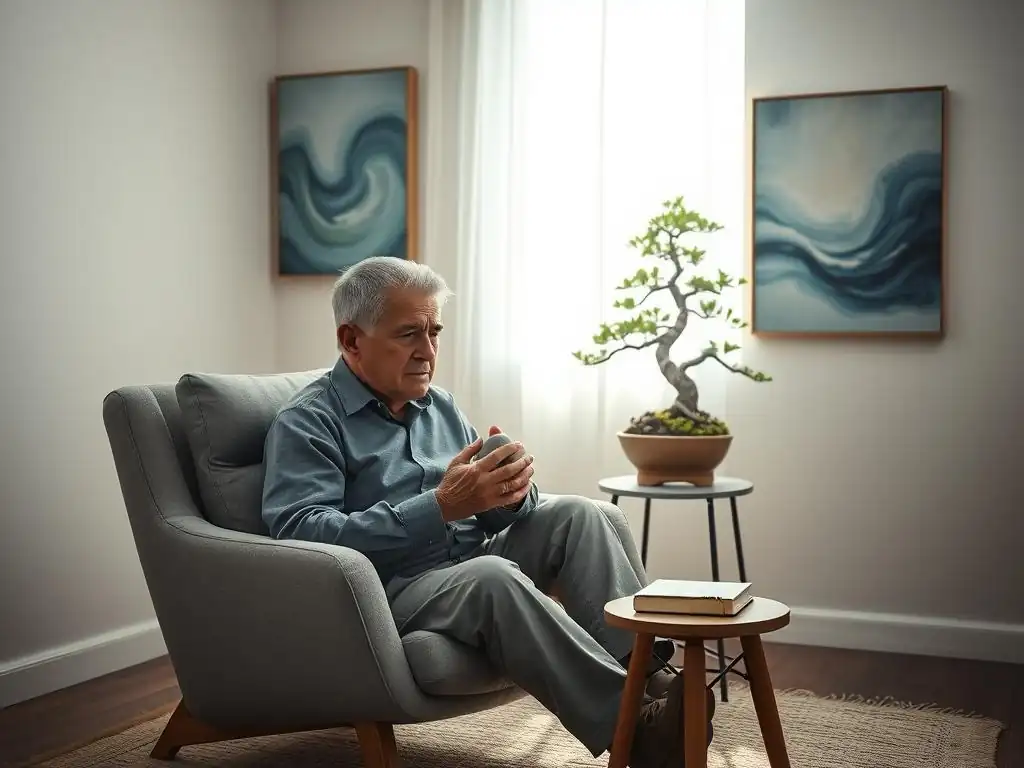
While professional treatment is essential, veterans can also adopt various coping strategies to manage the daily impact of TBI and trauma and promote their mental wellness. These strategies focus on self-care, building resilience, and developing healthy ways to navigate challenging emotions and cognitive difficulties. Empowering veterans with practical tools is a key aspect of supporting TBI trauma veteran mental health.
Developing a routine, practicing mindfulness, engaging in regular physical activity (as appropriate for TBI severity), and maintaining social connections are all valuable coping mechanisms. Learning to recognize triggers for both trauma symptoms and TBI-related issues (like fatigue or sensory overload) allows veterans to proactively manage their well-being. Recovery is an ongoing process, and building a repertoire of coping skills is crucial for long-term mental wellness.
Self-Care Techniques for Managing TBI and Trauma Symptoms
Self-care is not a luxury but a necessity for veterans managing TBI and trauma. Simple techniques can make a significant difference. These include prioritizing sleep, maintaining a balanced diet, and engaging in regular, gentle exercise such as walking or stretching, which can help manage fatigue and improve mood. Stress reduction techniques like deep breathing exercises, meditation, or progressive muscle relaxation can help calm the nervous system, which is often in a state of hyperarousal due to trauma.
- Prioritize consistent sleep schedule
- Eat nutritious meals regularly
- Engage in gentle physical activity (consult doctor)
- Practice deep breathing or meditation daily
- Schedule regular breaks to avoid cognitive overload
- Limit exposure to sensory triggers if sensitive
Managing cognitive symptoms of TBI might involve using calendars, alarms, and to-do lists to aid memory and organization. For trauma symptoms, creating a safe and predictable environment can reduce anxiety. Consistent self-care practices build a foundation for managing the daily complexities of TBI trauma veteran mental health.
Building Resilience and Promoting Mental Well-being Post-Injury
Building resilience is about developing the capacity to adapt and recover from adversity. For veterans with TBI and trauma, this involves cultivating a positive mindset, focusing on strengths, and finding meaning and purpose after service. Setting realistic goals, celebrating small victories, and maintaining a sense of hope are crucial components of this process.
Engaging in activities that bring joy and a sense of accomplishment, reconnecting with hobbies, or volunteering can help rebuild identity and self-esteem. Social connection is also a vital aspect of resilience; spending time with supportive friends and family or participating in peer groups provides emotional support and reduces isolation. Promoting resilience is an active process that significantly enhances TBI trauma veteran mental health.
Emotional Regulation Techniques for Veterans with TBI
Difficulty regulating emotions is a common challenge for veterans with TBI and trauma. This can manifest as increased irritability, anger outbursts, mood swings, or difficulty managing anxiety and sadness. Learning specific emotional regulation techniques is essential for improving relationships and overall quality of life.
Techniques such as identifying and labeling emotions, practicing mindfulness to observe emotions without judgment, and using distress tolerance skills (like distraction or self-soothing) can be highly effective. For veterans with TBI, these techniques may need to be taught using simplified language or visual aids, and practiced repeatedly. For example, a veteran might learn to recognize the physical signs of rising anger and use a specific breathing exercise sequence to calm down. Mastering emotional regulation is a key step in managing TBI trauma veteran mental health.
The Future of TBI and Mental Health Research in the Veteran Population
Research continues to advance our understanding of TBI, trauma, and their combined impact on veterans' mental health. Ongoing studies are exploring better diagnostic methods, more effective treatments, and preventative strategies. This research is critical for improving the care and support available to veterans dealing with TBI trauma veteran mental health challenges.
Areas of intense focus include understanding the long-term neurological consequences of TBI, the biological mechanisms underlying the interaction between TBI and PTSD, and the development of personalized treatment approaches. The insights gained from this research hold the promise of improving diagnosis accuracy and developing more targeted and effective interventions.
Ongoing Studies and Innovations in TBI Treatment
Current research is investigating various innovative approaches to TBI treatment. This includes exploring the potential of new medications to promote brain healing or manage specific symptoms like cognitive deficits or irritability. Non-pharmacological interventions, such as transcranial magnetic stimulation (TMS) or neurofeedback, are also being studied for their effectiveness in treating TBI symptoms and co-occurring conditions.
Furthermore, research is focused on refining rehabilitation strategies, including the timing and intensity of therapy, and developing new cognitive rehabilitation techniques. Understanding the individual variability in TBI recovery is also a key area, aiming to identify factors that predict better outcomes and tailor interventions accordingly. These advancements are vital for improving the lives of veterans managing TBI trauma veteran mental health.
The Use of Virtual Reality in TBI Rehabilitation for Veterans
Virtual Reality (VR) is emerging as a promising tool in the rehabilitation of veterans with TBI, particularly for addressing cognitive and functional deficits, and potentially aiding in trauma processing. VR can create immersive, controlled environments that simulate real-world situations, allowing veterans to practice skills like navigating complex spaces, managing distractions, or performing tasks that require executive function in a safe setting.
For veterans with trauma, VR exposure therapy is also being explored as a way to process traumatic memories in a controlled and gradual manner. While still an area of active research, VR offers innovative possibilities for both cognitive rehabilitation and trauma therapy, potentially providing new avenues for addressing the complex needs of TBI trauma veteran mental health.
Advocating for Improved Mental Health Care for Veterans with TBI and Trauma
Advocacy plays a crucial role in ensuring that veterans with TBI and trauma receive the high-quality, accessible mental healthcare they need and deserve. This involves raising public awareness, reducing the stigma associated with seeking help, and supporting legislative efforts to improve services and funding. Every individual can contribute to supporting TBI trauma veteran mental health.
Advocacy efforts highlight the unique challenges faced by this population and push for policy changes that expand access to specialized care, increase funding for research, and improve the coordination of services between the VA and community providers. By speaking out and supporting relevant initiatives, we can help ensure that veterans are not left to navigate these complex issues alone.
Raising Awareness and Reducing Stigma Surrounding TBI and Mental Illness
Raising awareness about the signs and symptoms of TBI and trauma, and their impact on mental health, is a critical step in reducing stigma. Many veterans may not recognize their symptoms as related to TBI or trauma, or they may hesitate to seek help due to fear of judgment or perceived weakness. Education campaigns aimed at veterans, their families, and the general public can help normalize conversations about TBI trauma veteran mental health.
Reducing stigma encourages veterans to come forward and seek timely help, which is crucial for better outcomes. Sharing stories of recovery, highlighting the effectiveness of treatment, and emphasizing that seeking help is a sign of strength, not weakness, are all part of breaking down barriers to care.
Supporting Legislation to Improve Veteran Access to Mental Healthcare
Legislative action is often necessary to ensure adequate funding and resources are allocated to veteran mental healthcare. Supporting bills that aim to expand VA services, improve access to community care, increase funding for TBI and mental health research, and enhance training for healthcare providers on military-specific issues are tangible ways to advocate.
Organizations that lobby on behalf of veterans' health issues play a vital role. Individuals can support these organizations, contact their elected officials, and participate in campaigns that highlight the importance of addressing TBI trauma veteran mental health. Policy changes can lead to significant improvements in the availability and quality of care for those who have served.
Frequently Asked Questions
What is the connection between TBI and trauma in veterans?
Traumatic Brain Injuries (TBIs) and trauma are often co-occurring conditions in veterans. The physical impact of a TBI can exacerbate the psychological effects of traumatic experiences, leading to more complex mental health challenges.
How does a TBI affect a veteran's mental health after experiencing trauma?
A TBI can alter brain function, impacting emotional regulation and cognitive processing. This makes it more difficult for veterans to process traumatic memories and cope with symptoms of PTSD and other mental health conditions.
What are some common mental health challenges faced by veterans with both TBI and trauma?
Veterans may experience increased rates of PTSD, depression, anxiety, substance abuse, and suicidal ideation. The combination of these conditions requires specialized and integrated mental healthcare.
What types of mental health support are available for veterans dealing with TBI and trauma?
Veterans can access a range of services including cognitive behavioral therapy (CBT), eye movement desensitization and reprocessing (EMDR), medication management, and peer support groups specifically tailored to their unique needs.
Where can veterans find resources and information about TBI, trauma, and mental health support?
Veterans can find resources through the Department of Veterans Affairs (VA), Mind Care Guide, and various non-profit organizations specializing in veteran mental health. These resources provide information, support, and access to treatment.
Final Reflection: Unraveling the Silent Scars of War
The invisible wounds of war, particularly traumatic brain injury (TBI) and its complex interplay with trauma, continue to plague our veterans, demanding immediate and sustained attention. The sheer scale of this issue, coupled with the often-delayed diagnosis and inadequate treatment, represents a profound societal failure to adequately support those who have served our nation. We must move beyond acknowledging the problem to actively implementing comprehensive and effective solutions.
The pervasive impact of TBI and trauma on the veteran community extends far beyond the individual, rippling outwards to affect families, communities, and the nation as a whole. The long-term consequences, including PTSD, depression, and cognitive impairments, often lead to social isolation, economic hardship, and a diminished quality of life. This underscores the urgent need for improved access to specialized care, research into innovative treatment modalities, and a societal shift towards greater understanding and empathy. The price of freedom is high, but it is a price we must pay. And those who pay it deserve our unwavering support.
This sentiment, while seemingly simple, encapsulates the profound moral obligation we have to our veterans.
You, the reader, now hold a deeper understanding of the intricate link between TBI, trauma, and mental health in veterans. Consider how this knowledge can inform your interactions with veterans in your life, whether it's a family member, friend, or colleague. Reach out, listen without judgment, and seek to understand the unique challenges they face. By fostering a culture of support, empathy, and advocacy, we can collectively work towards a future where the invisible wounds of war are not only acknowledged but effectively healed, allowing our veterans to live fulfilling and meaningful lives.
Unlock Your Path to Healing: Next Steps for Veteran Wellbeing
Thanks for taking the time to learn about the intricate connection between TBI, trauma, and mental health in veterans. We hope this article provided valuable insights and empowered you to better understand this crucial issue. Now, let's take the next step towards improved well-being.
- Prioritize your mental health: Schedule a check-up with your doctor or mental health professional to discuss your specific needs and explore available resources. This is your first, crucial step.
- Connect with fellow veterans: Share your experiences and learn from others within supportive veteran communities. Consider attending a local support group or engaging in online forums dedicated to veteran mental health.
- Explore mindfulness techniques: Start a daily practice of mindfulness or meditation, even just for 5 minutes, to help manage stress and improve mental clarity. This simple action can make a big difference.
What steps will you take today to prioritize your mental and emotional well-being?