
When Kids Act Out: Recognizing Mental Health Struggles Related to Divorce

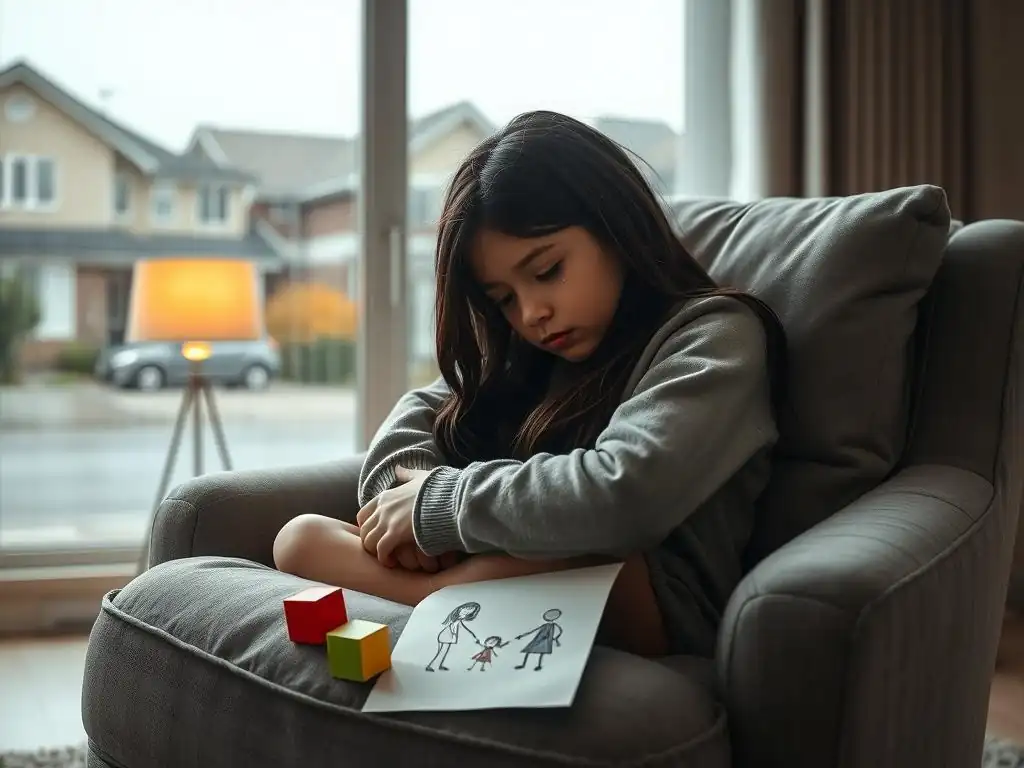
Welcome to Mind Care Guide, a space dedicated to nurturing your mental well-being. Are you noticing changes in your child's behavior following a divorce, and wondering if it's more than just adjustment? It's understandable to feel overwhelmed. We're here to help you navigate these challenging times. This week, we delve into the critical topic of Divorce impacting child mental health, offering insights and guidance to support your children through this transition. Let's explore together how to recognize the signs and find the right path forward.
- Understanding When Kids Act Out: Divorce and Child Mental Health
- Recognizing Signs of Mental Health Struggles in Children of Divorce
- The Impact of Divorce on Child Mental Health: A Deeper Dive
- Differentiating Normal Adjustment from Serious Mental Health Concerns
- Supporting Your Child's Mental Health During and After Divorce
- Addressing Specific Mental Health Challenges Related to Divorce
- Resources for Children and Families Dealing with Divorce and Mental Health
- Minimizing the Negative Impact of Divorce on Child Mental Well-being
-
Frequently Asked Questions
- How can I tell if my child's behavior changes after a divorce are normal or indicative of a mental health struggle?
- What are some common mental health challenges children might face due to their parents' divorce?
- What role does parental conflict play in a child's mental well-being during and after a divorce?
- What are some strategies for supporting my child's mental well-being during and after a divorce?
- Where can I find resources and support specifically tailored to help children cope with the mental health effects of divorce?
- Final Reflection: Understanding the Unseen Scars of Divorce
- Unlock Your Child's Resilience: Supporting Their Journey Through Divorce
Understanding When Kids Act Out: Divorce and Child Mental Health
Divorce is a challenging transition for any family, and while adults navigate the legal and emotional complexities, children often process the changes in ways that are not always obvious. Their world is shifting, and their reactions, sometimes expressed as "acting out," are frequently a direct response to the stress and uncertainty they are experiencing.
Understanding that these behaviors can be linked to the divorce impacting child mental health is the first step toward providing the necessary support. It's crucial for parents and caregivers to recognize that behavioral changes are not necessarily defiance, but can be a cry for help or a manifestation of underlying emotional distress caused by the family restructuring.
This article aims to shed light on the varied ways children express their struggles during and after parental separation. We will explore common signs of emotional distress and behavioral changes, delve into the deeper psychological impacts, and offer practical guidance on how to support your child's mental well-being. Recognizing the nuances of how divorce impacts child mental health is vital for fostering resilience and helping children navigate this significant life event with greater emotional stability.
Mind Care Guide's Perspective on Children's Behavioral Changes During Divorce
At Mind Care Guide, we understand that parental divorce is a significant life event that can profoundly affect a child's mental health trajectory. It's not just the separation itself, but the associated factors like conflict, changes in routine, financial stress, and shifting parent-child dynamics that contribute to the overall impact. Children lack the developed coping mechanisms of adults and often internalize or externalize their stress in ways that can be misinterpreted.
Our perspective emphasizes that behavioral changes in children of divorce are often indicators of internal struggles. These behaviors are not inherently "bad" but are signals that the child is having difficulty processing the changes and emotions. For example, a child who becomes withdrawn might be experiencing sadness or anxiety, while a child who becomes aggressive might be feeling frustrated, scared, or powerless. Recognizing these behaviors as potential signs of divorce impacting child mental health allows for a more empathetic and effective response, shifting the focus from discipline to support and understanding.
Recognizing Signs of Mental Health Struggles in Children of Divorce
Identifying the signs that a child is struggling mentally after a divorce requires attentive observation and a willingness to look beyond the surface behavior. Children don't always have the vocabulary to articulate their feelings about the separation or the changes it brings. Instead, their distress often manifests through changes in their mood, behavior, and even physical well-being. These signs can vary significantly depending on the child's age, personality, and the specific circumstances of the divorce, but understanding common indicators is key to early intervention and support for divorce impacting child mental health.
It's important to remember that a temporary period of adjustment is normal after a divorce. However, persistent or severe changes that interfere with the child's daily functioning—such as school performance, social interactions, or sleep—warrant closer attention. Recognizing these signs early is crucial for preventing potential long-term mental health challenges and ensuring the child receives the emotional support they need during this difficult transition.
Identifying Emotional Distress in Children Experiencing Parental Separation
Emotional distress in children of divorce can present in numerous ways, often reflecting feelings of sadness, fear, confusion, anger, or guilt. Younger children might regress to earlier behaviors, such as thumb-sucking or bedwetting, or become unusually clingy and fearful of separation from their primary caregiver. They may express sadness through frequent crying or appearing withdrawn and less engaged in activities they once enjoyed.
Older children and adolescents might internalize their distress, leading to symptoms like persistent sadness, feelings of hopelessness, or a loss of interest in hobbies and social activities. They might also exhibit increased irritability, mood swings, or difficulty concentrating in school. Some may express anger or resentment towards one or both parents. Recognizing these emotional shifts is critical, as they are often the root cause of the behavioral changes that can be attributed to divorce impacting child mental health. Pay attention to changes in their overall demeanor and emotional responsiveness.
Behavioral Manifestations: How Children Show Their Pain After Divorce
Children often "act out" because they lack the verbal skills or emotional regulation to express their complex feelings about the divorce. Their behaviors become a form of communication, signaling that they are struggling to cope with the changes and the associated stress. These manifestations can range from subtle shifts in habits to more overt disruptive behaviors. Understanding the potential link between these actions and the underlying emotional pain is vital for parents and caregivers navigating the challenges of divorce impacting child mental health.
Observing changes in sleep patterns, appetite, or academic performance are also important. A child who suddenly has trouble sleeping or eating, or whose grades drop significantly, may be experiencing stress and anxiety related to the divorce. These behavioral indicators are not isolated incidents but are often interconnected, reflecting the multifaceted ways children process and react to significant family disruption.
Common Behavioral Changes in Children Following Divorce: A Detailed Look
Common behavioral changes observed in children after divorce include increased irritability, defiance, or aggression towards siblings, peers, or parents. Some children may become withdrawn, spending more time alone and avoiding social interactions they previously enjoyed. There might be a noticeable decline in academic performance, with difficulty concentrating or completing schoolwork.
Other manifestations can include increased risk-taking behaviors, particularly in adolescents, or a sudden interest in activities that are out of character. Younger children might exhibit regressive behaviors like increased tantrums, asking for bottles or pacifiers, or having accidents after being potty-trained. These behaviors are often temporary but can persist if the child's emotional needs are not adequately addressed, highlighting the importance of recognizing the signs of divorce impacting child mental health.
Recognizing Anxiety and Depression in Children Affected by Divorce
Anxiety in children of divorce can manifest as excessive worry, fear of abandonment, difficulty sleeping, physical complaints like headaches or stomachaches, and increased need for reassurance. They might worry excessively about the future, the safety of their parents, or changes to their routine. This anxiety can lead to avoidance behaviors, such as refusing to go to school or participate in activities.
Symptoms of depression in children after divorce can include persistent sadness, loss of interest in activities, fatigue, changes in appetite or sleep, feelings of worthlessness or guilt, and difficulty concentrating. While less common in very young children, adolescents are particularly susceptible to experiencing depressive symptoms. Recognizing these signs is crucial, as both anxiety and depression are significant ways divorce impacting child mental health can present.
Understanding Aggression and Acting Out Behaviors Related to Divorce
Aggression and acting out behaviors are often external expressions of internal frustration, anger, fear, or a sense of powerlessness. Children might lash out verbally or physically at others, become defiant towards authority figures, or engage in destructive behavior. These actions can stem from feeling caught in the middle of parental conflict, resenting the changes imposed upon them, or struggling to process intense emotions they don't understand.
Sometimes, acting out is a bid for attention, even negative attention, as the child feels overlooked or less important amidst the parental separation. Understanding that aggression is often a symptom, not the core issue, is vital. It's a sign that the child is struggling to cope with the emotional turmoil associated with the divorce impacting child mental health and needs help finding healthier ways to express their feelings.
The Impact of Divorce on Child Mental Health: A Deeper Dive
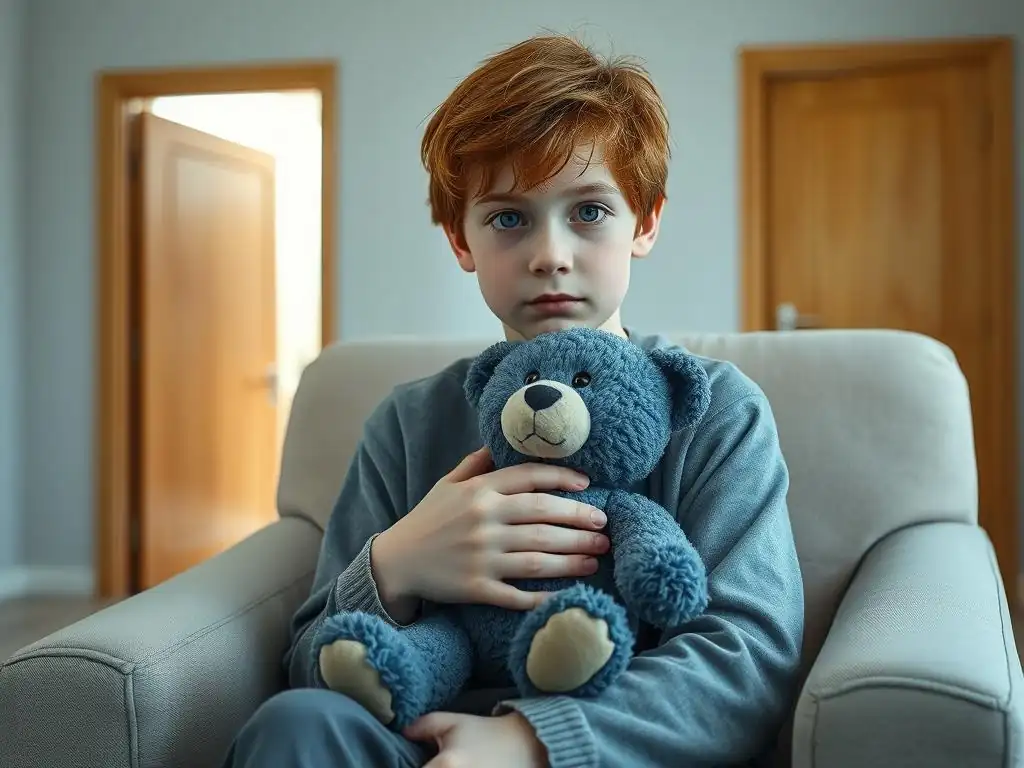
The impact of divorce on a child's mental health is a complex issue with varied outcomes depending on numerous factors, including the level of parental conflict, the quality of the parent-child relationship post-divorce, economic stability, and the child's individual resilience. While many children adjust well over time, a significant portion may experience short-term or even long-term challenges. Research consistently shows that high-conflict divorces are particularly detrimental, increasing the risk of psychological difficulties for children.
It's not the divorce itself in many cases, but how the transition is managed that has the most profound effect. Children exposed to ongoing parental hostility, inconsistent parenting, or significant instability in their living situation are more likely to face mental health challenges. Understanding these nuances is key to appreciating the full scope of how divorce impacting child mental health can unfold.
How Divorce Affects Children's Emotional and Psychological Well-being
Divorce can disrupt a child's sense of security and stability, leading to feelings of uncertainty about the future and their place within the changing family structure. Emotionally, children may experience a range of feelings, including grief over the loss of the intact family unit, confusion about the reasons for the separation, and fear about their relationship with each parent. They may also feel guilt, believing they are somehow to blame for the divorce.
Psychologically, the stress of divorce can affect a child's self-esteem and sense of identity. They may struggle with trust issues or have difficulty forming secure attachments in future relationships. The disruption to routines and potential moves can also impact their social connections and academic performance, further contributing to stress and potentially leading to anxiety or depression. These emotional and psychological shifts are central to understanding divorce impacting child mental health.
Long-Term Effects of Divorce on Children's Mental Health: What to Watch For
While many children are resilient, some may experience longer-term effects from parental divorce. Studies suggest that children of divorce may be at a slightly increased risk for developing anxiety disorders, depression, substance abuse issues, and difficulties in their own romantic relationships later in life, particularly if the divorce was high-conflict or involved significant instability. However, it's crucial to emphasize that divorce does not guarantee these outcomes.
Factors that mitigate long-term negative effects include a supportive relationship with at least one parent, minimal exposure to parental conflict, economic stability, and access to mental health support when needed. Parents who prioritize their child's well-being and maintain a cooperative co-parenting relationship significantly reduce the likelihood of long-term negative divorce impacting child mental health. Staying vigilant for persistent behavioral or emotional issues into adolescence and young adulthood is important.
Divorce Stress and Child Development: Understanding the Connection
The stress associated with divorce can significantly impact a child's development across various domains—emotional, social, and cognitive. Chronic stress can affect the developing brain, potentially impacting areas related to emotional regulation, decision-making, and stress response. Children living in high-conflict environments may be in a constant state of alert, which can interfere with their ability to learn and interact effectively.
Furthermore, the changes in family structure and dynamics can alter opportunities for social learning and emotional development. Children may have fewer opportunities for consistent interaction with both parents or extended family, impacting their social skills and understanding of relationships. Recognizing the profound link between divorce-related stress and different facets of child development is essential for providing targeted support and minimizing the negative divorce impacting child mental health.
Differentiating Normal Adjustment from Serious Mental Health Concerns
It is perfectly normal and expected for children to experience a period of adjustment after their parents divorce. They will likely feel a range of difficult emotions and exhibit some temporary changes in behavior as they process the new reality. This adjustment period can last anywhere from several months to a couple of years, and during this time, fluctuations in mood and behavior are common. The key is distinguishing these typical, albeit challenging, responses from signs of more serious, persistent mental health struggles that require professional intervention.
The line between normal adjustment and a more significant mental health concern can sometimes be blurry. It's less about the presence of difficult emotions or behaviors and more about their intensity, duration, and the degree to which they interfere with the child's ability to function in daily life—at school, with friends, and within the family. Persistent, severe, or worsening symptoms are red flags indicating that the divorce impacting child mental health may be more profound than typical adjustment.
When is Acting Out a Sign of Something More? Divorce and Child Psychology
Acting out becomes a sign of something more serious when it is persistent, severe, and significantly impacts the child's daily life. While occasional defiance or irritability is normal during stress, consistent aggression, withdrawal, or significant changes in personality that last for many months are concerning. For example, if a child's grades plummet and stay low for over a year, or if they completely stop engaging with friends and activities they used to love for an extended period, this suggests more than just temporary sadness.
Psychologically, persistent acting out can indicate underlying anxiety, depression, trauma, or difficulty processing complex emotions related to the divorce. It might be a sign that the child feels overwhelmed, helpless, or unable to cope with the changes. Understanding the principles of child psychology during divorce helps parents see these behaviors not as willful misbehavior, but as indicators of potential distress that needs professional attention to address the divorce impacting child mental health.
Seeking Professional Help: Recognizing the Need for Child Therapy After Divorce
Knowing when to seek professional help is critical for supporting your child's mental health after divorce. Consult a child therapist or mental health professional if your child's behavioral or emotional changes are severe, persistent (lasting more than 6-12 months), and significantly interfere with their functioning. Specific indicators include:
- Persistent sadness, crying, or feelings of hopelessness.
- Significant changes in sleep or appetite.
- Loss of interest in activities they previously enjoyed.
- Expressing thoughts of self-harm or death.
- Aggression that is frequent, intense, or directed at self or others.
- Extreme withdrawal or isolation.
- Significant and sustained decline in academic performance.
- Frequent physical complaints with no medical cause.
- Regression to behaviors significantly younger than their age that persist.
A mental health professional can assess the child's specific needs, provide coping strategies, and help them process their feelings about the divorce in a healthy way, mitigating the potential negative divorce impacting child mental health.
Supporting Your Child's Mental Health During and After Divorce
Supporting your child's mental health during and after a divorce is paramount. It requires patience, empathy, consistency, and a focus on their needs above adult conflicts. While the family structure changes, the quality of the parent-child relationship remains a critical protective factor. Children thrive on predictability and feeling loved and secure, even when their living situation is changing.
Parents play the most significant role in helping their children navigate the emotional landscape of divorce. By prioritizing the child's well-being, maintaining open communication, and creating a stable environment, parents can significantly buffer the potential negative divorce impacting child mental health. This section offers practical strategies to help parents support their children through this transition.
- Minimize Conflict: Shield your children from parental conflict. Arguments between parents are highly stressful and detrimental to a child's well-being.
- Maintain Routine: Stick to established routines as much as possible regarding school, activities, and bedtime. Predictability provides comfort.
- Ensure Stability: Provide a stable and safe home environment in both residences, if applicable.
- Spend Quality Time: Make dedicated time for each child, engaging in activities they enjoy.
- Listen Actively: Pay attention to their feelings, even if they are difficult to hear. Validate their emotions without judgment.
- Avoid Negative Talk About the Other Parent: Do not put your child in the middle or use them as messengers. Speaking negatively about the other parent harms the child.
- Encourage Expression: Provide outlets for them to express feelings, whether through talking, drawing, writing, or play.
- Monitor for Changes: Be observant of persistent shifts in mood, behavior, or academic performance.
- Seek Support for Yourself: Managing your own stress and emotions makes you a more effective parent.
Creating a Stable and Supportive Environment for Children of Divorce
Creating a stable and supportive environment involves more than just providing a roof over their heads. It means ensuring consistency in rules, expectations, and emotional availability across households where possible. It involves open communication channels where the child feels safe to express themselves without fear of retribution or feeling like they have to pick sides.
A supportive environment also means acknowledging the child's feelings and validating their experience of the divorce. It involves reassuring them that they are loved by both parents (if applicable and safe) and that the divorce is not their fault. Providing a sense of security and continuity helps children feel grounded during a time of significant upheaval, mitigating the potential negative divorce impacting child mental health.
Communication Strategies: Talking to Your Children About Divorce and Their Feelings
Open and age-appropriate communication is crucial. For younger children, keep explanations simple and reassuring, focusing on what will change and what will stay the same (e.g., "Mommy and Daddy will live in different houses, but we both love you very much, and we will both still see you"). For older children and adolescents, you can provide more detail, but always avoid blame or oversharing adult issues.
Listen more than you talk. Ask open-ended questions like "How are you feeling about the changes?" or "What's been the hardest part for you lately?" Be prepared for a range of emotions, including anger, sadness, or even seeming indifference (which can also mask distress). Validate their feelings by saying things like, "It sounds like you're feeling really angry about having to switch houses, and that's okay." Empowering children to talk about their feelings is a powerful tool in addressing the divorce impacting child mental health.
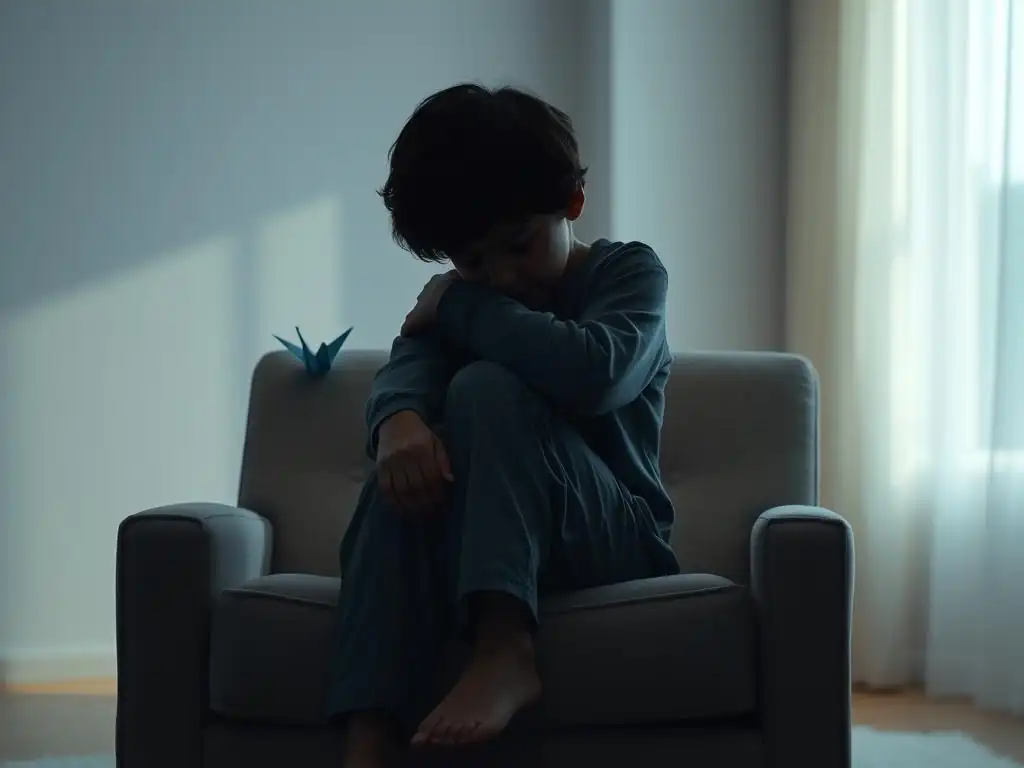
Divorce can trigger or exacerbate specific mental health challenges in children, including anxiety, depression, and issues related to anger and aggression. Recognizing the signs of these specific conditions is important because they often require targeted support strategies and potentially professional intervention. Addressing these challenges directly helps children develop healthier coping mechanisms and improves their overall well-being.
It's important not to pathologize every reaction to divorce, but to be aware of when typical stress responses cross into the territory of a clinical concern. Providing appropriate support tailored to the specific challenge the child is facing is key to helping them navigate the emotional aftermath and minimize the negative divorce impacting child mental health.
Managing Anxiety in Children After Parental Separation
Managing anxiety in children after divorce involves helping them feel safe, predictable, and in control where possible. Strategies include maintaining consistent routines, clearly explaining upcoming transitions (like custody exchanges), and providing reassurance. Teaching relaxation techniques, such as deep breathing or mindfulness, can also be helpful.
Parents can also help by modeling calm behavior and avoiding overly anxious reactions themselves. If a child's anxiety is severe or persistent, limiting their daily functioning, professional help from a therapist specializing in child anxiety is recommended. A therapist can teach the child specific coping skills and help them process their fears related to the changes, directly addressing anxiety related to the divorce impacting child mental health.
Coping with Depression in Children Experiencing Divorce
Coping with depression in children of divorce requires active support and often professional help. Encourage your child to talk about their feelings and validate their sadness. Maintain engagement in activities they previously enjoyed, even if they initially resist. Ensure they are getting enough sleep, eating nutritious food, and getting some physical activity.
If symptoms of depression persist or are severe, it is crucial to seek an evaluation from a mental health professional. Treatment for childhood depression often involves therapy (such as cognitive behavioral therapy or interpersonal therapy) and in some cases, medication. Addressing depression is vital for improving the child's quality of life and long-term mental health outcomes when divorce impacting child mental health leads to depressive symptoms.
Helping Children Overcome Anger and Aggression Resulting from Divorce
Helping children overcome anger and aggression involves teaching them healthier ways to express their frustration and other difficult emotions. This includes helping them identify their feelings, understanding the triggers for their anger, and teaching them alternative coping strategies like taking a break, deep breathing, or using words to express their needs.
Setting clear boundaries and consistent consequences for aggressive behavior is also important, but this should be coupled with empathy and support. Help the child understand why they feel angry and validate those feelings before addressing the behavior. If aggression is severe or persistent, a therapist can work with the child to explore the underlying causes of their anger and develop effective anger management skills, addressing this challenging aspect of divorce impacting child mental health.
Resources for Children and Families Dealing with Divorce and Mental Health
Navigating divorce and its impact on children's mental health can feel overwhelming, but you are not alone. Numerous resources are available to support both children and parents through this process. Accessing these resources can provide valuable information, coping strategies, and a sense of community, helping families build resilience and adjust more smoothly to their new circumstances.
Seeking external support is a sign of strength, not weakness. Whether through therapy, support groups, or educational materials, these resources offer specialized guidance tailored to the unique challenges faced by children and families experiencing divorce. Utilizing these tools is a proactive step in mitigating the potential negative divorce impacting child mental health.
Several types of therapy can be beneficial for children struggling with divorce-related mental health issues. Individual therapy with a child psychologist or therapist provides a safe space for the child to process their feelings, develop coping skills, and gain a better understanding of the changes in their family. Therapies like Play Therapy are often used with younger children, allowing them to express themselves through play.
For older children and adolescents, Cognitive Behavioral Therapy (CBT) or Dialectical Behavior Therapy (DBT) can help them identify and change negative thought patterns and behaviors related to the divorce. Family therapy can also be helpful, focusing on improving communication and relationships within the restructured family unit. Finding a therapist experienced in working with children of divorce is key to addressing the specific ways divorce impacting child mental health presents.
Support Groups for Children of Divorce: Finding a Community
Support groups offer children a valuable opportunity to connect with peers who are going through similar experiences. Being able to share feelings and challenges with others who understand can reduce feelings of isolation and normalize their reactions to the divorce. These groups often provide a structured environment where children can learn coping skills and build resilience together.
Many schools, community centers, and mental health organizations offer support groups specifically for children of divorce, often segmented by age group. Participating in a support group can provide children with a sense of belonging and validation, helping them feel less alone in navigating the complexities of divorce impacting child mental health.
A wealth of books and online resources are available to help both parents and children understand and cope with divorce. Books for children often use relatable stories and characters to explain divorce in an age-appropriate way and validate their feelings. Examples include "Dinosaurs Divorce" for younger children or books focused on specific challenges like managing two homes.
For parents, there are numerous guides on co-parenting, communicating with children about divorce, and understanding the psychological impact on children. Websites from reputable mental health organizations and family support services offer articles, tip sheets, and sometimes webinars. These resources can empower parents with knowledge and strategies to better support their child's mental health and navigate the challenges of divorce impacting child mental health.
Minimizing the Negative Impact of Divorce on Child Mental Well-being
While divorce presents challenges, its negative impact on children's mental well-being is not inevitable. Parents have considerable power to mitigate the difficulties by making conscious choices that prioritize their children's emotional needs and stability. Focusing on cooperative co-parenting, maintaining positive relationships where possible, and shielding children from conflict are protective factors that significantly enhance a child's ability to adjust and thrive post-divorce.
By adopting a child-centered approach to divorce, parents can create an environment that fosters resilience and emotional health. This involves putting aside personal grievances to focus on the shared goal of raising healthy, well-adjusted children. Proactive strategies can make a significant difference in minimizing the adverse divorce impacting child mental health.
Strategies for Co-Parenting Effectively to Protect Your Child's Mental Health
Effective co-parenting is one of the most critical factors in protecting a child's mental health after divorce. This involves parents working together cooperatively and respectfully regarding decisions about the children's upbringing, even if they have separate personal lives. Strategies include:
- Maintaining respectful communication: Even if you disagree, communicate civilly and focus on child-related issues.
- Establishing consistent rules and routines: Aligning rules and expectations across both households provides stability for the child.
- Sharing information: Keep each other informed about the children's school, health, and activities.
- Avoiding conflict in front of children: Resolve disagreements away from the children.
- Supporting the child's relationship with the other parent: Encourage and facilitate the child's time and bond with their other parent (unless there are safety concerns).
High-conflict co-parenting is strongly linked to negative divorce impacting child mental health. Prioritizing a cooperative approach is essential.
Prioritizing Your Child's Emotional Needs During and After Divorce
Prioritizing your child's emotional needs means being present, available, and responsive to their feelings. This involves checking in with them regularly, actively listening without judgment, and validating their emotions. It means providing comfort and reassurance when they are sad or scared and patiently helping them navigate their anger or frustration.
It also means managing your own emotions and seeking adult support so you don't rely on your child for emotional comfort. Children need to feel that their parents are capable of caring for them, not the other way around. Putting their emotional needs first is a powerful way to build their resilience and counter the potential negative divorce impacting child mental health.
Focusing on Child-Centered Divorce: Putting Your Child's Well-being First
A child-centered divorce approach means that every decision made during and after the separation is filtered through the lens of what is best for the children's physical, emotional, and psychological well-being. This requires parents to set aside their own hurt, anger, or desire to "win" and focus on minimizing the disruption and stress for their children.
This approach involves open communication between parents about the children, prioritizing their schedules and needs in custody arrangements, and making joint decisions that serve the children's best interests. By consistently putting the children first, parents create an environment that fosters their healthy adjustment and significantly reduces the likelihood of long-term negative divorce impacting child mental health.
Frequently Asked Questions
How can I tell if my child's behavior changes after a divorce are normal or indicative of a mental health struggle?
Normal adjustment includes sadness or anger. However, persistent and severe behavioral changes, like withdrawal, academic decline, or increased aggression, may signal a deeper issue. Professional help is advised.
What are some common mental health challenges children might face due to their parents' divorce?
Children may experience anxiety, depression, difficulty concentrating, or behavioral problems. These issues can stem from the stress and uncertainty created by the divorce.
What role does parental conflict play in a child's mental well-being during and after a divorce?
High levels of parental conflict significantly increase the risk of mental health problems in children. It creates an unstable and stressful environment, impacting their emotional security.
What are some strategies for supporting my child's mental well-being during and after a divorce?
Prioritize open communication, provide a stable and consistent routine, and encourage healthy coping mechanisms. Seeking professional therapy can also be beneficial.
Where can I find resources and support specifically tailored to help children cope with the mental health effects of divorce?
Mind Care Guide offers information, support groups, and resources related to child mental health and divorce. Therapists specializing in child and adolescent mental health are another valuable resource.
Final Reflection: Understanding the Unseen Scars of Divorce
The emotional fallout of divorce extends far beyond the dissolving of a marriage; it profoundly impacts the mental well-being of children. This reality, often overlooked amidst the legal and logistical complexities of separation, demands our immediate attention and understanding. The statistics are stark, the consequences long-lasting, and the need for proactive support undeniable.
Witnessing the disintegration of a family unit can leave lasting scars on a child's psyche, shaping their self-perception, relationships, and future emotional landscape. The impact is multifaceted, ranging from anxiety and depression to behavioral problems and academic struggles. It's crucial to remember that these aren't simply "acting out" phases; they are often symptoms of deeper emotional distress. The most important thing a father can do for his children is to love their mother.
– Theodore Hesburgh. This quote, while seemingly simple, highlights the interconnectedness of parental relationships and their influence on a child's sense of security and well-being. The disruption of this fundamental unit requires careful consideration and compassionate intervention.
You, the reader, are now equipped with a deeper understanding of the challenges children face during and after their parents' divorce. Take a moment to reflect on your own experiences, or those of people you know. Consider how you can contribute to creating a more supportive environment for children navigating this difficult transition.
Whether it's through increased awareness, advocating for better resources, or simply offering a listening ear, your actions can make a significant difference in the lives of children grappling with the emotional aftermath of divorce. Let's work together to ensure that these children receive the support they need to heal and thrive.
Unlock Your Child's Resilience: Supporting Their Journey Through Divorce
Thanks for taking the time to learn about the unique mental health challenges children face during their parents' divorce. You've gained valuable insights into recognizing the signs and understanding their emotional landscape. Now, let's move forward together.
- Prioritize open communication: Engage in honest, age-appropriate conversations with your child about their feelings related to the divorce. Create a safe space for them to express themselves without judgment.
- Seek professional guidance: Consider reaching out to a therapist specializing in children and family dynamics. They can provide tailored support and coping strategies for your family.
- Share this knowledge: Spread awareness by sharing this article with other parents or caregivers who might benefit from this information – a small act can make a significant difference.
What specific steps will you take today to nurture your child's emotional well-being during this transition?