
Effective Study Techniques to Reduce Test Anxiety and Boost Confidence


Welcome to Mind Care Guide, a safe space to navigate the complexities of mental well-being.
Feeling overwhelmed by test anxiety? You're not alone. Many students struggle with the pressure, but effective strategies exist. This guide dives deep into proven techniques to reduce test anxiety studying, offering practical advice to reclaim your confidence and ace those exams. Curious how to transform pre-test jitters into focused energy? Let's explore together.
- Understanding Test Anxiety and Its Impact on Performance
- Proven Study Methods to Minimize Test-Related Stress
- Creating a Conducive Study Environment for Anxiety Reduction
- Time Management Strategies to Combat Test Anxiety
- Cognitive Restructuring Techniques for Test Anxiety
- Mindfulness and Relaxation Exercises for Pre-Test Calm
- Nutrition and Sleep: Essential Components of Test Anxiety Management
- Seeking Support and Resources for Test Anxiety
-
Frequently Asked Questions
- What are some effective study techniques specifically designed to reduce test anxiety when studying?
- How does active recall contribute to reducing test anxiety while studying?
- Can spaced repetition help with test anxiety, and if so, how?
- How can practice tests help in managing test anxiety during the study process?
- Are there any relaxation techniques that can be integrated into my study routine to reduce test anxiety?
- Final Reflection: Mastering the Mind: From Test Anxiety to Triumph
- Unlock Your Academic Potential: Take Control of Your Learning!
Understanding Test Anxiety and Its Impact on Performance
Test anxiety is more than just feeling nervous before an exam; it's a psychological condition where worry about performance on tests interferes with the ability to perform. This anxiety can manifest in various ways, from physical symptoms like a racing heart or nausea to cognitive symptoms like difficulty concentrating or blanking out. It's a significant barrier for many students, regardless of their preparation level, directly impacting their ability to demonstrate what they know. Learning effective strategies for studying and managing stress is crucial for students looking to reduce test anxiety studying.
The impact of test anxiety extends beyond the immediate exam. Chronic anxiety can lead to avoidance behaviors, decreased motivation, and a negative self-perception regarding academic abilities. Studies indicate that a significant percentage of students report moderate to high levels of test anxiety, potentially affecting up to 10-20% of the student population.
This level of stress doesn't just make the test-taking experience unpleasant; it can genuinely lower grades and even influence future academic and career choices by discouraging students from pursuing fields perceived as high-pressure. Mastering study techniques that proactively address this anxiety is a key step towards academic success and overall well-being.
Identifying the Root Causes of Test Anxiety
Understanding why test anxiety develops is the first step in learning how to effectively reduce test anxiety studying. Often, it stems from a fear of failure and the perceived consequences of not performing well, such as disappointing parents, jeopardizing scholarships, or not getting into a desired program.
Perfectionism can also play a role, where individuals place excessive pressure on themselves to achieve flawless results, making any potential mistake feel catastrophic. Past negative testing experiences, like failing a previous exam or having a panic attack during a test, can also create a cycle of fear and avoidance that reinforces the anxiety.
Other contributing factors include poor study habits or inadequate preparation, which can lead to genuine concerns about being unprepared. However, even well-prepared students can suffer from test anxiety if they have negative thought patterns or lack coping mechanisms. Environmental factors, such as a highly competitive academic setting or pressure from others, can also exacerbate feelings of stress and anxiety surrounding exams. Pinpointing these specific triggers is vital for developing targeted strategies to reduce test anxiety studying effectively.
How Test Anxiety Affects Cognitive Function and Academic Success
Test anxiety significantly impairs cognitive function, directly hindering performance during exams. When anxiety levels rise, the body's stress response activates, flooding the system with hormones like cortisol. This physiological state can interfere with the prefrontal cortex, the part of the brain responsible for complex tasks like memory retrieval, critical thinking, and problem-solving. Students might experience a "mental block," finding it difficult to recall information they know or to think clearly under pressure. This cognitive impairment can lead to lower scores that do not accurately reflect the student's knowledge or preparation.
Furthermore, test anxiety can lead to decreased focus and increased distractibility during study sessions and exams. Worries about the outcome or negative self-talk ("I'm going to fail," "I'm not smart enough") consume mental resources that would otherwise be used for processing information or concentrating on the test questions. Over time, this cycle of anxiety and underperformance can erode confidence, making each subsequent test feel even more daunting. Implementing effective study techniques specifically designed to reduce test anxiety studying is essential not only for improving grades but also for building self-efficacy and a healthier relationship with academic challenges.
Adopting specific study methods can be incredibly effective in minimizing the stress associated with tests and exams. The goal isn't just to learn the material, but to learn it in a way that builds confidence and reduces the fear of forgetting or underperforming under pressure. Techniques like active recall and spaced repetition, backed by cognitive science, help solidify knowledge more effectively than passive methods like simple re-reading.
By focusing on deeper engagement with the material and strategic review, students can feel more prepared and less anxious. These methods are foundational for anyone looking to reduce test anxiety studying efficiently and confidently.
Beyond core learning techniques, incorporating practice and simulation into the study routine is vital. Familiarity with the test format, question types, and time constraints can significantly lower anxiety on exam day. This section explores several proven methods that shift the focus from rote memorization to understanding, application, and building genuine confidence in one's abilities, all contributing to a significant reduction in test-related stress and helping to reduce test anxiety studying effectively.
The Power of Active Recall: A Study Technique for Anxiety Relief
Active recall is a study method where you actively retrieve information from your memory rather than passively re-reading notes or textbooks. Instead of reading a paragraph and then immediately highlighting it, you would read it, close the book, and try to summarize the main points in your own words. This could involve using flashcards, answering questions without looking at the text, or explaining concepts aloud as if teaching someone else. This process strengthens memory traces and helps identify knowledge gaps before the test.
The benefit of active recall for reducing test anxiety studying is twofold: it improves retention significantly, meaning you're genuinely less likely to forget information during the test, and it builds confidence in your ability to retrieve information under pressure. When you repeatedly practice recalling information successfully during study sessions, the act of remembering during the actual exam feels less daunting and more natural.
Research suggests that students using active recall perform significantly better on tests compared to those using passive methods, sometimes by as much as 10-20% on average. This improved performance and confidence directly contribute to lowering anxiety levels.
Spaced Repetition: Optimizing Learning and Reducing Exam Fear
Spaced repetition is a technique that involves reviewing information at increasing intervals over time. The idea is to revisit material just as you're about to forget it, which strengthens the memory more effectively than cramming. This method can be implemented using physical flashcards (sorting them into piles based on how well you know the answer) or, more commonly and efficiently, using digital flashcard apps like Anki or Quizlet that employ algorithms to schedule reviews.
Implementing spaced repetition helps to reduce test anxiety studying by ensuring that knowledge is deeply ingrained and readily accessible, even weeks or months after the initial learning. Instead of facing an exam with vague memories of crammed information, you approach it with confidence in your long-term retention. This systematic review process eliminates the need for last-minute cramming sessions, which are notorious for increasing stress and anxiety. By distributing the learning load and reinforcing memory strategically, spaced repetition makes the prospect of testing less intimidating and more manageable.
Practice Tests and Mock Exams: Building Familiarity and Confidence
Taking practice tests and mock exams under timed conditions is one of the most effective ways to reduce test anxiety studying and boost confidence. This simulates the actual exam experience, allowing you to become familiar with the format, the types of questions asked, and the time constraints. It provides a realistic assessment of your preparedness and helps you identify areas where you need further study. Crucially, it helps demystify the testing situation itself, making it feel less like an unknown threat.
Regularly practicing under timed conditions helps train your brain to perform under pressure. It allows you to practice retrieval of information within the constraints of the exam setting and helps manage the pacing required to complete the test on time. Students who incorporate timed practice tests into their study routine often report feeling significantly more comfortable and less anxious on exam day, as they have already "rehearsed" the experience. Aiming to take at least 2-3 full-length practice tests before a major exam can make a substantial difference in reducing anxiety and improving performance.
Creating a Conducive Study Environment for Anxiety Reduction

The physical space where you choose to study plays a significant role in your ability to focus, retain information, and manage stress. A chaotic or distracting environment can make studying feel overwhelming and contribute to feelings of anxiety about not being able to concentrate or absorb the material. Conversely, a well-organized, comfortable, and quiet space can promote focus, enhance productivity, and create a sense of calm, making the task of studying feel less stressful and more manageable. Optimizing your study space is a key component of effective strategies to reduce test anxiety studying.
Beyond the physical setup, incorporating elements of relaxation and taking regular breaks within your study sessions are crucial for preventing burnout and keeping anxiety at bay. Studying for long, uninterrupted periods is often counterproductive, leading to fatigue, decreased retention, and increased stress. This section explores how to create an optimal study environment and integrate healthy habits that support both learning and emotional well-being, ultimately helping to reduce test anxiety studying more effectively.
Optimizing Your Study Space for Focus and Calm
Your study space should be a dedicated area free from major distractions. This might be a desk in your room, a quiet corner of a library, or a specific table at home. Ensure it is well-lit, comfortable, and has minimal clutter. Keep necessary study materials within reach, but remove items that could tempt you away from your work, such as phones (or turn off notifications), entertainment devices, and unrelated reading material. The goal is to create a zone that signals "focus time" to your brain.
Personalizing your space with calming elements can also be beneficial. This could include a plant, a comfortable chair, or perhaps soft background music (instrumental is often best for focus). Maintaining a consistent study location can help establish a routine and make it easier to transition into a focused mindset. A tidy, organized study area reduces visual clutter and the mental load associated with disorganization, contributing to a sense of control and calm that is essential for anyone looking to reduce test anxiety studying effectively.
The Importance of Breaks and Relaxation Techniques During Study Sessions
Regular breaks are not a luxury; they are a necessity for effective studying and anxiety management. Studying intensely for hours without a pause leads to mental fatigue, decreased concentration, and increased stress levels. Short, frequent breaks (e.g., 5-10 minutes every hour) can help refresh your mind and prevent burnout. During these breaks, step away from your study area, move your body, stretch, or do something completely unrelated to studying.
Incorporating brief relaxation techniques during breaks can further help manage stress. Simple deep breathing exercises, a short guided meditation (even just 2-3 minutes), or listening to calming music can help lower your heart rate and clear your mind before returning to your studies. Think of breaks as opportunities to reset and recharge, ensuring that your study time is as productive and stress-free as possible. Integrating these habits into your routine is a practical way to reduce test anxiety studying over the long term.
Time Management Strategies to Combat Test Anxiety
Poor time management is a significant contributor to test anxiety. Feeling overwhelmed by the sheer volume of material to cover or facing an exam with insufficient preparation time can trigger panic and stress. Effective time management isn't about cramming more hours into your day; it's about studying smarter, prioritizing tasks, and creating a realistic plan that allows you to cover all necessary material without feeling rushed or overwhelmed. Developing strong time management skills is fundamental for anyone aiming to reduce test anxiety studying effectively.
Implementing strategies like creating detailed study schedules, breaking down large assignments, and actively avoiding procrastination can transform the daunting task of exam preparation into a series of manageable steps. This structured approach provides a sense of control and predictability, which are powerful antidotes to anxiety. This section outlines practical time management techniques that build confidence and reduce the frantic rush often associated with pre-exam stress, helping you to reduce test anxiety studying with greater ease.
Creating a Realistic Study Schedule to Minimize Panic
The first step in effective time management is creating a realistic study schedule. Review your syllabus for all upcoming exams, quizzes, and assignments. Estimate how much time you will need to study for each subject, being honest about your current understanding and the difficulty of the material. Then, allocate specific time blocks in your calendar for studying each topic, spreading them out over days or weeks leading up to the exam. Avoid scheduling overly long sessions; remember the importance of breaks.
A realistic schedule acknowledges other commitments like classes, work, social activities, and sleep. Trying to fit 12 hours of studying into an already packed day is setting yourself up for failure and increased anxiety. Instead, aim for consistent, manageable study periods. Seeing your study plan laid out visually can reduce the feeling of being overwhelmed by demonstrating that you have a concrete plan to cover everything. Sticking to this schedule builds discipline and reduces the last-minute panic that fuels test anxiety, making it easier to reduce test anxiety studying consistently.
Prioritizing Tasks and Avoiding Procrastination
With a schedule in place, the next challenge is prioritizing tasks and avoiding procrastination. Identify the most important or difficult subjects and allocate study time for them when you are most focused and alert. Use techniques like the Eisenhower Matrix (urgent/important) or simply ranking tasks by deadline and difficulty to decide what to work on first. Tackling challenging subjects early can prevent them from looming over you and causing anxiety.
Procrastination is a major source of test anxiety because it leaves you with too much to do in too little time. Break down large tasks into smaller, more approachable steps. For example, instead of "Study Chapter 5," your task might be "Read pages 100-110 and take notes." Celebrate completing these small steps to build momentum.
If you find yourself procrastinating, try the "two-minute rule" – if a task takes less than two minutes, do it immediately. For longer tasks, commit to working on it for just 10-15 minutes; often, starting is the hardest part. Developing these habits is crucial to reduce test anxiety studying by ensuring adequate preparation time.
Breaking Down Large Subjects into Manageable Chunks
Large subjects or complex topics can feel overwhelming, triggering anxiety before you even begin to study. A powerful strategy to combat this feeling is to break down the material into smaller, more manageable chunks. Instead of viewing an entire textbook chapter as one monolithic block, divide it into sections, subheadings, or even individual concepts. Focus on mastering one chunk at a time before moving on to the next.
This approach makes the material seem less intimidating and allows you to track your progress more effectively. As you complete each small chunk, you build a sense of accomplishment and forward momentum, which boosts confidence and reduces feelings of being overwhelmed. For example, if studying for a history exam covering three major periods, focus on one period at a time. Within that period, break it down by key events, figures, or themes. This systematic deconstruction of the subject matter is a practical method to reduce test anxiety studying by making the learning process feel achievable and less daunting.
Cognitive Restructuring Techniques for Test Anxiety
Test anxiety is often fueled by negative thought patterns and beliefs about oneself, the test, or the outcome. These thoughts can become self-fulfilling prophecies, where anxiety about failing actually impairs performance. Cognitive restructuring is a therapeutic technique that involves identifying these negative or irrational thoughts, challenging their validity, and replacing them with more realistic and positive ones. This process is a cornerstone of cognitive behavioral therapy (CBT) and is highly effective in managing anxiety.
By consciously altering your internal dialogue and perspective on exams, you can significantly reduce the emotional impact of test anxiety. This section explores how to recognize the negative thoughts that contribute to your anxiety and provides strategies for reframing them in a more constructive way. Learning to challenge negative self-talk and cultivate a growth mindset are powerful tools for anyone seeking to reduce test anxiety studying and approach exams with greater confidence and resilience.
Identifying and Challenging Negative Thoughts About Exams
The first step in cognitive restructuring is becoming aware of the specific negative thoughts that arise when you think about tests or studying. These might include thoughts like "I'm going to fail," "I'm not smart enough," "No matter how much I study, I won't remember anything," or "Everyone else is smarter than me." Pay attention to these automatic thoughts; they often pop up without conscious effort and contribute directly to feelings of anxiety. Write them down to make them more tangible.
Once you've identified a negative thought, challenge its validity. Ask yourself:
- Is this thought based on facts or feelings?
- What is the evidence for this thought?
- What is the evidence against this thought?
- What's the worst that could realistically happen? How likely is that outcome?
- What would I tell a friend who had this thought?
Often, you'll find that negative thoughts are exaggerated, based on fear rather than reality. Systematically questioning these thoughts weakens their power and is a crucial step in learning how to reduce test anxiety studying effectively.
Replacing Negative Self-Talk with Positive Affirmations
After challenging negative thoughts, actively work to replace them with more balanced, realistic, or positive affirmations. An affirmation isn't about pretending everything is perfect, but about focusing on constructive and true statements. For example, instead of "I'm going to fail," a replacement thought could be "I am prepared because I have studied diligently," or "I will do my best, and that is enough." If the negative thought is "I'm not smart enough," a positive affirmation could be "I am capable of learning and improving," or "I have successfully learned challenging things before."
Practice these positive affirmations regularly, not just when you're feeling anxious. Write them down, say them aloud, or repeat them silently. The more you practice these new thought patterns, the more natural they will become, gradually replacing the old negative ones. This conscious effort to shift your internal dialogue is a powerful technique to reduce test anxiety studying by building a more positive and resilient mindset towards academic challenges.
Developing a Growth Mindset Towards Learning and Testing
Adopting a growth mindset is fundamentally about believing that your abilities and intelligence can be developed through dedication and hard work. This contrasts with a fixed mindset, which assumes qualities are innate and unchangeable. For test anxiety, a growth mindset means viewing tests not as judgments of your inherent intelligence, but as opportunities to demonstrate your current understanding and identify areas for improvement. Failure is seen as a learning opportunity, not a reflection of your worth.
Cultivating a growth mindset involves focusing on the process of learning rather than just the outcome (the grade). Emphasize effort, strategy, and persistence. When facing a difficult concept or a lower-than-expected grade, approach it with curiosity: "What can I learn from this mistake?" or "What different study strategy could I try?" This perspective shift reduces the pressure to be perfect and makes the prospect of testing less threatening. Embracing challenges as chances to grow is a powerful psychological technique that significantly helps to reduce test anxiety studying and fosters a healthier relationship with academic performance.
Mindfulness and Relaxation Exercises for Pre-Test Calm
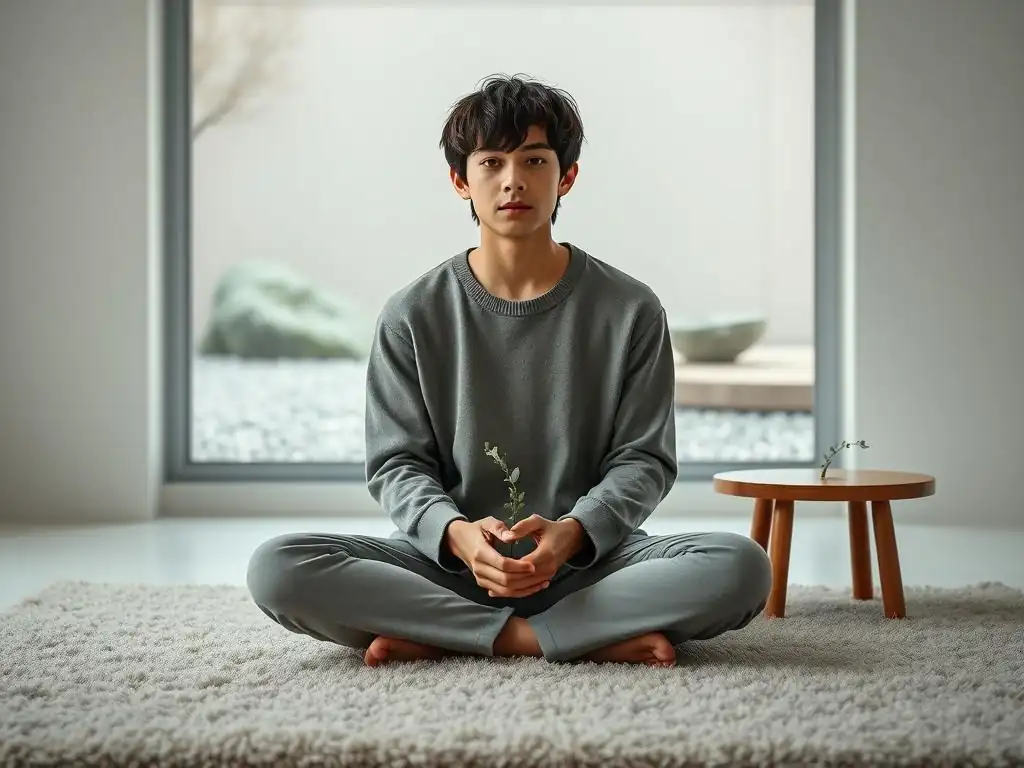
Even with thorough preparation and cognitive restructuring, some level of anxiety might persist as exam day approaches. Having a repertoire of mindfulness and relaxation techniques can be incredibly helpful for managing these acute feelings of stress and maintaining calm in the moments leading up to and during the test. These practices help ground you in the present moment, reducing the tendency for your mind to race with worries about the future or regrets about the past.
Incorporating these exercises into your routine, both during study periods and specifically before tests, trains your body and mind to respond to stress with calm rather than panic. Simple yet effective techniques like deep breathing, progressive muscle relaxation, and visualization can quickly lower physiological arousal and clear your mind, allowing you to approach the test feeling more centered and in control. Regularly practicing these methods is a vital component of learning how to reduce test anxiety studying and performing your best.
Deep Breathing Exercises to Reduce Anxiety Symptoms
Deep breathing is one of the simplest and most immediate ways to calm the nervous system. When you're anxious, your breathing tends to become shallow and rapid, which can exacerbate feelings of panic. Consciously slowing down and deepening your breath sends a signal to your brain to relax. A common technique is diaphragmatic or belly breathing.
- Find a comfortable position, sitting or lying down.
- Place one hand on your chest and the other on your belly, just below your rib cage.
- Inhale slowly and deeply through your nose, feeling your belly rise as you fill your lungs with air. The hand on your chest should remain relatively still.
- Exhale slowly through your mouth, gently pressing the air out and feeling your belly fall.
- Repeat this process for several minutes, focusing solely on the sensation of your breath moving in and out.
Practicing deep breathing for just 5-10 minutes can significantly reduce physical anxiety symptoms like a racing heart, shortness of breath, and muscle tension. It's a portable technique you can use right before walking into the exam room or even discreetly during the test itself if you feel overwhelmed. Mastering this simple exercise is a fundamental step in learning to reduce test anxiety studying and performing calmly under pressure.
Progressive Muscle Relaxation for Stress Management
Progressive muscle relaxation is a technique that involves tensing and then releasing different muscle groups in the body. This process helps you become aware of physical tension and teaches you how to release it consciously. It's particularly effective for combating the physical symptoms of anxiety, such as tight shoulders, clenched jaw, or stomach discomfort.
To practice:
- Find a quiet place to sit or lie down comfortably.
- Start with one muscle group, for example, your hands. Clench your fists tightly for about 5-10 seconds, noticing the tension.
- Then, release the tension completely, letting your hands go limp. Notice the difference between the tense state and the relaxed state.
- Move systematically through different muscle groups:
- Arms (forearms, upper arms)
- Shoulders and neck
- Face (jaw, eyes, forehead)
- Chest and stomach
- Back (upper, middle, lower)
- Legs (thighs, calves)
- Feet (ankles, toes)
- Take deep breaths throughout the exercise.
Regular practice of progressive muscle relaxation helps your body learn how to relax on command. It can be done as a longer exercise before studying or sleeping, or a shortened version can be used discreetly before an exam to release physical tension and help reduce test anxiety studying effectively.
Visualization Techniques for Success and Confidence
Visualization involves creating positive mental images of yourself succeeding and feeling calm during the test. This technique helps shift your focus from potential negative outcomes to positive possibilities, reinforcing confidence and reducing fear. It's a form of mental rehearsal that can prepare you psychologically for the exam experience.
To practice visualization:
- Find a quiet place and close your eyes.
- Take a few deep breaths to relax.
- Imagine yourself on exam day. Visualize the entire process:
- Feeling calm and confident as you walk into the room.
- Sitting down at your desk, feeling prepared and relaxed.
- Reading the questions clearly and understanding them.
- Accessing information easily from your memory.
- Feeling focused and managing your time effectively.
- Finishing the test feeling a sense of accomplishment and relief.
- Focus on the positive feelings associated with these images – confidence, calm, clarity, satisfaction.
Regularly visualizing success can help reprogram your brain to associate exams with positive feelings rather than fear. It builds mental resilience and self-efficacy, making the goal to reduce test anxiety studying feel more achievable. Practice this technique before studying, before sleep, and especially in the days leading up to an exam.
Nutrition and Sleep: Essential Components of Test Anxiety Management
While study techniques and psychological strategies are paramount, the foundational elements of physical health – nutrition and sleep – play a critical role in managing anxiety and optimizing cognitive function. Neglecting these basic needs can significantly worsen anxiety symptoms, impair concentration, and hinder memory retrieval, making effective studying and test-taking much more difficult. Supporting your body with proper fuel and rest is not just about physical health; it's a crucial part of preparing your mind to reduce test anxiety studying and perform optimally.
Ensuring adequate sleep and maintaining a balanced diet provide the necessary energy and cognitive resources required for focused study sessions and clear thinking during exams. This section highlights the importance of these often-overlooked factors and provides practical advice on how to integrate healthy eating and consistent sleep patterns into your pre-exam routine to support overall well-being and reduce test-related stress.
The Role of Diet in Mood Regulation and Cognitive Function
What you eat directly impacts your brain chemistry, energy levels, and mood, all of which influence anxiety. Consuming processed foods, excessive sugar, and caffeine can lead to energy crashes, irritability, and heightened anxiety. Instead, focus on a balanced diet rich in whole foods, lean proteins, complex carbohydrates, and healthy fats.
- Complex carbohydrates: Found in whole grains, fruits, and vegetables, these provide sustained energy.
- Lean proteins: Essential for neurotransmitter production, found in poultry, fish, beans, and nuts.
- Healthy fats: Omega-3 fatty acids, found in fish, flaxseeds, and walnuts, are crucial for brain health and can help regulate mood.
- Hydration: Dehydration can cause fatigue and difficulty concentrating; drink plenty of water throughout the day.
Avoid skipping meals, especially breakfast on exam day. Opt for foods that provide steady energy release rather than a sugar rush followed by a crash. While a small amount of caffeine might help some individuals focus, excessive amounts can increase nervousness and heart rate, worsening anxiety symptoms. Paying attention to your diet is a practical way to support your mental state and help reduce test anxiety studying by ensuring your brain is well-nourished.
Prioritizing Sleep for Optimal Brain Function and Reduced Anxiety
Sleep is arguably one of the most critical factors for both cognitive function and anxiety regulation. During sleep, your brain consolidates memories and processes information learned during the day. Lack of sleep impairs concentration, memory, problem-solving skills, and emotional regulation, all of which are vital for effective studying and test performance. Studies consistently show that adequate sleep improves academic performance. Adults typically need 7-9 hours of quality sleep per night.
Pulling all-nighters before an exam is counterproductive; it might feel like you're getting more study time, but the diminished cognitive function will likely outweigh any benefit. Prioritize consistent sleep patterns, especially in the week leading up to an exam. Establish a regular sleep schedule, going to bed and waking up at roughly the same time each day, even on weekends.
Create a relaxing bedtime routine (e.g., reading, taking a warm bath, avoiding screens) to signal to your body that it's time to wind down. Ensuring sufficient, quality sleep is fundamental to managing stress and optimizing your ability to reduce test anxiety studying effectively.
Seeking Support and Resources for Test Anxiety
Recognizing that you don't have to manage test anxiety alone is a crucial step. Many students experience this challenge, and there are numerous resources available to help. Seeking support from others – whether it's teachers, counselors, peers, or family – can provide valuable perspectives, practical advice, and emotional encouragement. Talking about your anxiety can also help normalize your feelings and reduce the sense of isolation.
Universities and colleges often have dedicated services aimed at supporting students' academic and mental health needs. Utilizing these resources can provide access to professional guidance, workshops on study skills and anxiety management, and academic support tailored to your specific challenges. Knowing when and where to seek help is empowering and significantly enhances your ability to implement strategies to reduce test anxiety studying and succeed academically.
Talking to Teachers, Counselors, and Peers About Your Concerns
Openly communicating about your test anxiety can be incredibly beneficial.
- Teachers/Professors: Informing your instructors about your anxiety can sometimes lead to helpful accommodations or simply make them more aware of your situation. They may offer advice on study strategies for their specific course or provide clarification on material that is causing stress.
- School Counselors/Psychologists: These professionals are trained to help students manage anxiety and stress. They can provide counseling, teach coping mechanisms, and offer strategies specifically designed to reduce test anxiety studying and taking exams. They can also help identify if your anxiety is part of a broader issue.
- Peers: Talking to classmates can reveal that you're not alone in your struggles. You can share study tips, form study groups (which can reduce anxiety through shared preparation), and offer mutual support. However, be mindful that peer conversations don't turn into comparing stress levels in a way that increases anxiety.
Choosing supportive individuals to confide in creates a network that reinforces your efforts to manage anxiety and provides external perspective and encouragement. This is a practical step in actively working to reduce test anxiety studying and navigating academic pressures.
Utilizing Campus Resources for Academic Support and Anxiety Management
Most educational institutions offer a range of resources designed to support students' success and well-being.
- Academic Support Centers: These centers often provide tutoring, workshops on study skills, time management, note-taking, and test preparation strategies. Improving your study skills directly addresses one root cause of anxiety – feeling unprepared.
- Counseling Services: As mentioned, campus counseling centers are invaluable for addressing anxiety. They may offer individual therapy, group sessions focused on anxiety or test stress, and workshops on relaxation techniques and cognitive strategies.
- Disability Services: If your test anxiety is severe and significantly impacts your academic functioning, you might be eligible for accommodations through the disability services office, such as extended time or a separate testing environment.
Proactively seeking out and utilizing these resources demonstrates agency in addressing your anxiety. These services are specifically designed to equip students with the tools and support needed to navigate academic challenges, including how to effectively reduce test anxiety studying and performing.
When to Seek Professional Help for Severe Test Anxiety
While the strategies discussed can be highly effective, sometimes test anxiety is severe and persistent, significantly interfering with daily life, studying, and academic performance despite your best efforts. This might manifest as panic attacks before or during tests, avoiding classes or even majors to escape testing, or experiencing chronic physical symptoms related to anxiety.
If your test anxiety feels overwhelming, is impacting your physical health, or is preventing you from pursuing your academic goals, it's important to seek help from a mental health professional. A therapist or counselor can help you explore underlying causes of your anxiety, teach advanced coping techniques like CBT or exposure therapy, and, if appropriate, discuss medication options with a psychiatrist. There is no shame in needing professional support, and it can be the most effective path to significantly reduce test anxiety studying and regain control over your academic life and well-being.
Frequently Asked Questions
What are some effective study techniques specifically designed to reduce test anxiety when studying?
Effective techniques include active recall, spaced repetition, and practice testing. These methods help solidify knowledge and build confidence, thus reducing anxiety related to test performance.
How does active recall contribute to reducing test anxiety while studying?
Active recall forces you to retrieve information from memory, rather than passively rereading. This strengthens neural pathways and provides a more accurate assessment of your knowledge, alleviating test anxiety.
Can spaced repetition help with test anxiety, and if so, how?
Yes. Spaced repetition involves reviewing material at increasing intervals. This method improves long-term retention and combats the feeling of being unprepared, which often fuels test anxiety.
How can practice tests help in managing test anxiety during the study process?
Practice tests simulate the actual testing environment. This helps you become familiar with the format, timing, and question types, thereby reducing anxiety associated with the unknown.
Are there any relaxation techniques that can be integrated into my study routine to reduce test anxiety?
Yes, incorporating relaxation techniques like deep breathing exercises, mindfulness meditation, or progressive muscle relaxation during study breaks can significantly lower anxiety levels and improve focus.
Final Reflection: Mastering the Mind: From Test Anxiety to Triumph
The strategies outlined in this article—active recall, spaced repetition, and mindful practice—aren't just study techniques; they're tools for reclaiming control over your academic journey. In a world increasingly defined by high-stakes assessments, mastering these methods isn't merely beneficial; it's essential for navigating the pressures of education and building lasting confidence.
The impact of test anxiety extends far beyond exam scores; it shapes self-perception, influences future academic choices, and even affects overall well-being. The pervasive nature of this anxiety underscores the importance of proactive strategies. The greatest discovery of all time is that a person can change his future by merely changing his attitude.
– Oprah Winfrey. This quote perfectly encapsulates the power of shifting your approach to studying from one of fear to one of empowered preparation. By implementing the techniques discussed, you can actively reshape your relationship with learning and transform the experience from one of dread to one of anticipation and accomplishment.
Now, consider how you can integrate these techniques into your own study habits. Experiment with active recall, schedule regular spaced repetition sessions, and incorporate mindfulness exercises into your routine. Don't be afraid to adapt these methods to suit your individual learning style. The journey to conquering test anxiety is a personal one, but the rewards—a calmer mind, increased confidence, and ultimately, improved academic performance—are well worth the effort. Embrace the challenge, and watch your academic potential flourish.
Unlock Your Academic Potential: Take Control of Your Learning!
Thanks for taking the time to explore effective study techniques! We hope you gained valuable insights into reducing test anxiety and building confidence. Now it's time to put this knowledge into action.
- Prioritize your learning: Identify one key study technique from the article that resonates most with you and commit to implementing it for your next exam. This could be anything from time blocking to active recall.
- Share your successes (or challenges): Tell us (or a friend!) about your experience using a new study method. Sharing your journey helps solidify your learning and can inspire others.
- Explore further: Dive deeper into the research behind your chosen technique! A little extra knowledge can build your confidence even further.
Ready to transform your study habits and ace your next test? What’s the one small step you can take today to improve your learning approach?