
Why Caregivers Desperately Need SelfCare Gifts for Their Mental Health

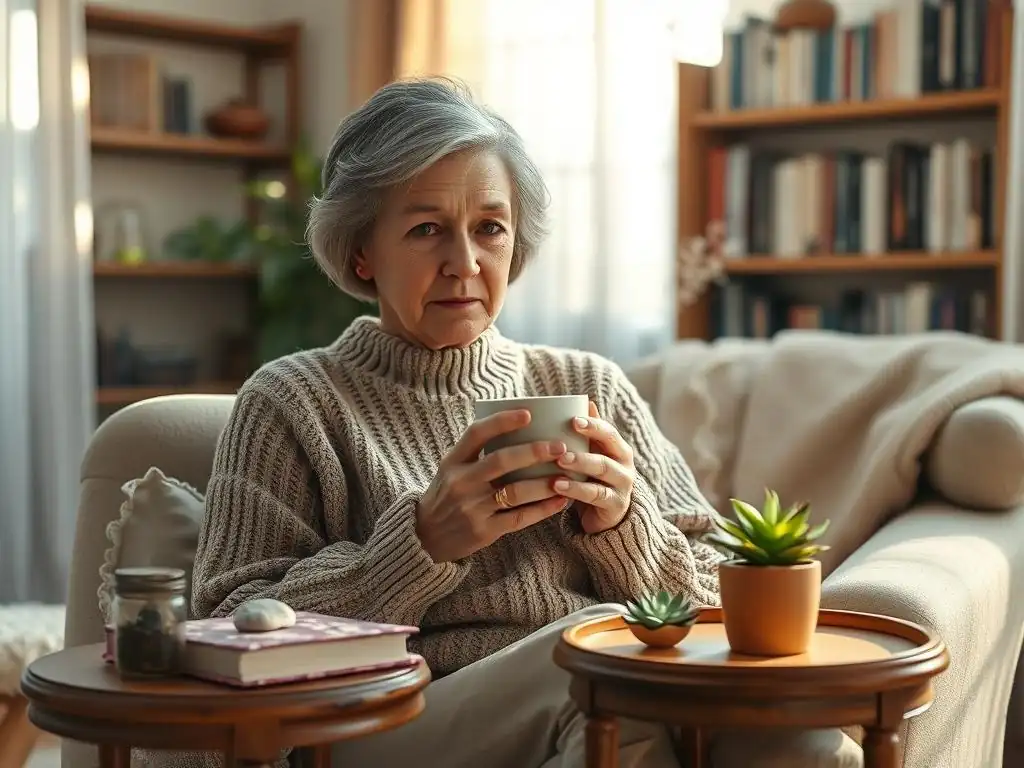
Welcome to Mind Care Guide, a space dedicated to nurturing your mental well-being. Are you a caregiver feeling the weight of responsibility? This article delves into the crucial role of self care gifts caregivers desperately need to replenish their emotional reserves. Discover thoughtful and practical ideas that can make a real difference in their lives and help them prioritize their own mental health. Let's explore how small acts of self-compassion can lead to significant improvements in overall well-being.
Why Caregivers Desperately Need Self-Care Gifts for Their Mental Health | Mind Care Guide
- Understanding the Critical Need for Self-Care Gifts for Caregivers
- Identifying the Best Self-Care Gifts Caregivers Will Actually Use
- Choosing Self-Care Gifts Based on Specific Caregiver Needs
- Maximizing the Impact of Self-Care Gifts: Tips for Giving and Receiving
- Conclusion: Investing in Self-Care Gifts is Investing in Caregiver Mental Health
-
Frequently Asked Questions
- Why are self-care gifts particularly important for caregivers?
- What types of self-care gifts are most beneficial for caregivers?
- How can self-care gifts help improve a caregiver's mental health?
- What are some affordable self-care gift ideas for caregivers?
- Where can I find resources and support for caregivers who are struggling with their mental health?
- Final Reflection: The Unsung Heroes Deserve a Gift of Self
- Unleash Your Inner Peace: Prioritize Your Well-being
Understanding the Critical Need for Self-Care Gifts for Caregivers
The Silent Struggle: Caregiver Burnout and Mental Health Decline
Caregiving is an act of profound love and dedication, yet it often comes with immense physical, emotional, and mental strain. Millions of people worldwide dedicate their lives to caring for others, whether it's an aging parent, a spouse with a chronic illness, or a child with special needs. This relentless responsibility, often performed without adequate support or respite, can lead to a state known as caregiver burnout. Burnout is more than just feeling tired; it's a state of emotional, physical, and mental exhaustion caused by prolonged and excessive stress.
The mental health implications of caregiver burnout are significant and well-documented. Studies consistently show that caregivers experience higher rates of depression and anxiety compared to the general population. For instance, research often indicates that a large percentage of family caregivers, sometimes estimated to be between 40% and 70%, report clinically significant symptoms of depression.
This silent struggle often goes unnoticed or unaddressed, as caregivers may feel guilty prioritizing their own needs or simply lack the time and energy to seek help. Providing thoughtful self-care gifts for caregivers isn't just a kind gesture; it's a crucial intervention that acknowledges their burden and offers a tangible pathway toward alleviating stress and preserving their mental well-being. These are essential self care gifts caregivers truly need.
Why Traditional Gifts Often Miss the Mark for Caregivers
When thinking about gifts, many people default to conventional options like clothing, electronics, or decorative items. While these gifts are perfectly fine in other contexts, they often fail to address the fundamental needs of someone immersed in the demanding world of caregiving. A caregiver's life is often characterized by a lack of time, energy depletion, emotional overwhelm, and a constant focus on the needs of another person. A new gadget or a piece of jewelry, while nice, doesn't directly alleviate the pressure of managing medications, coordinating appointments, providing personal care, or navigating complex emotional landscapes.
Traditional gifts can sometimes even add to a caregiver's burden, requiring effort to use, store, or maintain. What caregivers desperately need are gifts that offer respite, reduce stress, save time, or provide moments of peace and rejuvenation. Gifts that acknowledge their exhaustion and provide practical solutions or opportunities for genuine self-care are far more impactful. This is where the concept of intentional self-care gifts for caregivers becomes vital – selecting items or experiences specifically designed to support their mental health and ease their daily load.
The Power of Intentional Self-Care Gifts: A Mental Health Lifeline
Intentional self-care gifts are those specifically chosen to promote relaxation, reduce stress, save time, or provide emotional support for the caregiver. These gifts serve as a powerful message: "I see you, I appreciate you, and your well-being matters." Unlike generic presents, these gifts are tailored to the unique challenges and needs of a caregiver's life. They can range from practical services that free up time to sensory items that promote calm, or experiences that offer a much-needed escape.
Giving self-care gifts for caregivers is an investment in their mental resilience and overall health. By providing tools or opportunities for self-care, you are helping them recharge their batteries, manage stress more effectively, and prevent the descent into burnout.
A gift that offers a moment of peace, saves them an hour of chores, or helps them feel less alone can have a profound positive impact on their ability to continue providing care sustainably. These aren't just material items; they are lifelines that support the caregiver's capacity to cope, maintain their emotional balance, and remember their own needs amidst the demands of caring for others.
Identifying the Best Self-Care Gifts Caregivers Will Actually Use

Stress Relief Gifts for Caregivers: Calming the Chaos
The daily life of a caregiver is often filled with unpredictable challenges and constant demands, making stress relief not a luxury, but a necessity. Thoughtful gifts that specifically target stress can provide much-needed moments of calm and help manage the cumulative effects of ongoing pressure. These types of self-care gifts for caregivers focus on sensory experiences, relaxation techniques, or creating a tranquil environment, offering tangible ways to unwind and decompress even for short periods.
Effective stress relief gifts acknowledge the caregiver's limited time and energy, providing simple yet powerful methods to reduce anxiety and tension. They are designed to be easily incorporated into a busy routine or offer an immediate sense of calm. By choosing gifts that directly address stress, you are providing tools that empower caregivers to actively manage their emotional state and find pockets of peace amidst their demanding schedules, reinforcing the importance of caregiver self-care gifts.
Aromatherapy Diffusers with Essential Oils: Vitruvi Stone Diffuser vs. Stadler Form Julia Diffuser
Aromatherapy can be a simple yet effective way to alter mood and promote relaxation. Diffusers disperse essential oil molecules into the air, creating a soothing or uplifting atmosphere. For a caregiver facing stress, walking into a room scented with lavender or chamomile can provide an immediate sense of calm. High-quality diffusers, like the Vitruvi Stone Diffuser or the Stadler Form Julia Diffuser, are designed to be aesthetically pleasing and operate quietly, fitting seamlessly into a home environment without adding visual clutter or noise disturbance.
The Vitruvi Stone Diffuser is often praised for its elegant design and ceramic cover, making it look more like a piece of decor than an appliance. It typically offers different time settings, allowing caregivers to set it for a short burst of relaxation. The Stadler Form Julia Diffuser is known for its unique oscillating mist feature, distributing scent more widely.
Both are examples of how functional items can be beautiful and contribute positively to a caregiver's space, providing a simple, passive way to engage in stress relief whenever they are in the room. Pairing a diffuser with a selection of calming essential oils (like bergamot, frankincense, or ylang-ylang) offers a complete self-care package.
Weighted Blankets: The Science Behind Comfort and Anxiety Reduction (Featuring Gravity Blanket)
Weighted blankets have gained significant popularity for their ability to reduce anxiety and improve sleep quality through a concept called deep pressure stimulation. This gentle, evenly distributed weight mimics the feeling of being hugged or held, which can activate the parasympathetic nervous system, lowering heart rate and breathing, and promoting a sense of calm and security. For caregivers who often experience heightened stress levels and disrupted sleep patterns, a weighted blanket can be a powerful tool for relaxation and rest.
The Gravity Blanket is a well-known example in this category, often cited for its quality construction and design. Typically filled with fine glass beads or plastic pellets, these blankets come in various weights, usually recommended based on approximately 10% of the user's body weight.
Using a weighted blanket during moments of rest, while reading, or even overnight can help ground the caregiver, reduce feelings of restlessness, and make it easier to fall asleep and stay asleep. It's a passive form of therapy that requires no effort from the caregiver, making it an ideal self-care gift for caregivers who are physically and mentally exhausted.
Subscription Boxes Designed for Relaxation: Unboxing Joy and Reducing Decision Fatigue (e.g., TheraBox)
Subscription boxes curated around self-care and relaxation offer a regular dose of joy and a variety of products designed to promote well-being. For a caregiver, who likely has little time or mental energy to research and shop for self-care items, receiving a curated box delivered to their door is incredibly convenient and provides an element of surprise and delight. These boxes typically contain a mix of items such as aromatherapy products, bath bombs, journals, soothing teas, healthy snacks, and mindfulness exercises.
A popular example is TheraBox, often curated by therapists, which includes research-backed therapeutic activities and self-care products. The value lies not just in the items themselves, but in the act of receiving and opening the box – a small event to look forward to. It removes the burden of choosing how to practice self-care and instead presents a ready-made collection of tools and treats.
This type of gift provides ongoing support, reminding the caregiver each month that their well-being is important and offering new ways to relax and de-stress. These are excellent examples of practical and ongoing self care gifts caregivers can benefit from.
Time-Saving Gifts that Promote Caregiver Well-being
One of the most precious commodities for any caregiver is time. The demands of caregiving often consume every available minute, leaving little room for personal needs, rest, or even basic chores. Gifts that directly save time or reduce the mental load of managing household tasks can be profoundly impactful, offering caregivers the chance to reclaim moments for themselves or simply alleviate a source of stress. These practical self-care gifts for caregivers address the logistical challenges they face daily.
By gifting services or tools that automate or outsource necessary tasks, you are giving the caregiver the gift of time – time they can use to rest, pursue a hobby, connect with a friend, or simply do nothing at all. This type of support acknowledges that self-care isn't always about luxurious spa treatments; sometimes, it's about having one less thing on a never-ending to-do list. These time-saving solutions are essential caregiver self-care gifts because they directly alleviate burdens that contribute to exhaustion and burnout.
Meal Delivery Services: Reclaiming Precious Time and Energy (e.g., HelloFresh)
Planning meals, grocery shopping, and cooking take a significant amount of time and mental energy, especially after a long day of caregiving. Meal delivery services provide pre-portioned ingredients and easy-to-follow recipes delivered directly to the door, eliminating the need for grocery store trips and reducing meal planning stress. Services like HelloFresh offer a variety of meal options that can be prepared relatively quickly.
Gifting a subscription or a few weeks of a meal delivery service frees up several hours a week that the caregiver would otherwise spend on food-related tasks. It also ensures they have access to nutritious meals without the effort required to prepare them from scratch, which can be a challenge when exhausted. This practical gift reduces decision fatigue ("What's for dinner?") and provides a tangible reduction in their workload, offering more time for rest or other forms of self-care.
House Cleaning Services: A Sparkling Home, A Clearer Mind
Maintaining a clean living environment can be incredibly difficult for caregivers who are already overwhelmed with responsibilities. A messy or cluttered home can add to feelings of stress and being out of control. Gifting a professional house cleaning service, even for a one-time deep clean or a few recurring sessions, can make a significant difference.
Knowing that someone else is taking care of dusting, vacuuming, and scrubbing allows the caregiver to focus their limited energy elsewhere. Coming home to a clean space without having expended personal effort to achieve it provides a profound sense of relief and peace. This gift not only lightens their physical load but also contributes to their mental well-being by creating a more serene and less demanding home environment.
Smart Home Devices: Automating Tasks to Free Up Caregiver Time (e.g., Amazon Echo)
Smart home devices can automate small, repetitive tasks that chip away at a caregiver's time and attention. A device like an Amazon Echo can be used for setting timers, creating shopping lists by voice command, checking the weather, playing calming music, or even controlling smart lights or thermostats without having to get up.
While seemingly minor, the ability to manage simple household tasks hands-free or through voice commands can save precious minutes throughout the day. For a caregiver who is constantly on the go or has their hands full, these small efficiencies can add up, reducing frustration and freeing up mental bandwidth. It's a practical tool that streamlines parts of their daily routine, offering small pockets of saved time and effort that contribute to overall ease.
Personalized Self-Care Gifts: Showing You Truly Understand
The most impactful self-care gifts for caregivers are often those that feel deeply personal and show that the giver understands the unique challenges and joys of their caregiving journey. Personalized gifts go beyond generic self-care items; they are tailored to the individual's preferences, memories, and specific needs, demonstrating genuine empathy and recognition of their efforts. These gifts reinforce the message that the caregiver is seen and valued as an individual, not just in their role.
Personalization can take many forms, from incorporating cherished memories into a gift to providing tools that help the caregiver prioritize their own goals and well-being. These thoughtful touches make the gift feel more meaningful and can provide a stronger emotional boost than something off-the-shelf. They serve as a reminder of their identity beyond caregiving and encourage them to connect with their personal history and future aspirations.
Custom Photo Albums or Scrapbooks: Preserving Memories and Fostering Connection
Caregiving, while challenging, is also filled with moments of connection, love, and shared experiences. Creating a custom photo album or scrapbook filled with pictures of the caregiver and the person they care for, or other family members and friends, can be a deeply touching gift. It provides a tangible collection of happy memories and serves as a beautiful reminder of the love and bonds that underpin the caregiving relationship.
Spending time looking through photos can be a simple yet powerful form of emotional self-care, fostering feelings of warmth, gratitude, and connection. It allows the caregiver to reflect on positive moments and appreciate the meaningful aspects of their life, offering a counterbalance to the stress and difficulties. This personalized gift honors their journey and provides a source of comfort and joy they can revisit anytime.
Personalized Journals and Planners: Prioritizing Self-Care and Tracking Progress (Featuring Papier Journals)
Journaling can be a therapeutic practice, allowing caregivers to process their emotions, vent frustrations, and reflect on their experiences. A beautiful, personalized journal encourages them to set aside time for this important practice. Planners designed with self-care in mind can help caregivers intentionally schedule moments for themselves amidst their busy routines, treating self-care appointments with the same importance as medical ones.
Companies like Papier offer personalized journals and planners with various layouts and cover designs, allowing you to choose or even customize something that reflects the caregiver's style. A planner with sections for mood tracking, gratitude, or self-care goals can prompt them to prioritize their well-being and track their progress. This gift provides structure and encouragement for incorporating self-care into their daily or weekly routine, turning it from an afterthought into a planned activity.
Experience Gifts: A Chance to Recharge and Reconnect with Themselves (e.g., Massage, Spa Day)
Sometimes, the best gift is an experience that allows the caregiver to step away from their responsibilities entirely and focus solely on their own relaxation and rejuvenation. A gift certificate for a massage, a spa day, a class (like yoga or pottery), or tickets to a concert or play provides a much-needed break and an opportunity to reconnect with activities they enjoy or simply relax deeply.
The key to making this gift successful for a caregiver is ensuring they have the support needed to actually use it. Offering to arrange respite care or cover their responsibilities for the duration of the experience removes a major barrier. These experiences offer more than just temporary pleasure; they provide a mental and emotional reset, reminding the caregiver of their identity outside of their role and offering a vital opportunity to recharge.
Choosing Self-Care Gifts Based on Specific Caregiver Needs
Caregiving situations vary greatly depending on the needs of the care recipient. Tailoring self-care gifts to the specific challenges faced by caregivers in different circumstances demonstrates a deeper understanding and ensures the gift is truly relevant and helpful. What might be a perfect gift for a caregiver of an elderly parent with mobility issues might not be as useful for a caregiver of a child with complex medical needs. Considering the specific context helps identify the most impactful self care gifts caregivers will appreciate.
Understanding the nuances of the caregiving role – whether it involves managing cognitive decline, navigating complex medical treatments, or providing lifelong support – allows for the selection of gifts that address the most pressing stressors and needs. This personalized approach makes the gift feel more thoughtful and directly supports the caregiver's unique mental and emotional landscape.
Self-Care Gifts for Caregivers of Alzheimer's Patients: Managing Stress and Finding Moments of Peace
Caring for someone with Alzheimer's or other forms of dementia presents unique challenges, including managing unpredictable behaviors, communication difficulties, and the emotional toll of watching a loved one decline. Caregivers often experience high levels of stress, isolation, and grief. Gifts that help manage sensory overload, provide moments of calm, or offer respite are particularly valuable.
The environment can be chaotic and demanding, making tools that help the caregiver find personal space or mental quiet crucial. Gifts that offer structured relaxation or provide an opportunity for a break from the constant vigilance required can be incredibly supportive of their mental health. These are specific self-care gifts for caregivers dealing with the particular stresses of dementia care.
Noise-Canceling Headphones: Creating a Sanctuary of Silence (Featuring Bose Noise Cancelling Headphones 700)
The home environment when caring for someone with dementia can sometimes be noisy or unpredictable. Noise-canceling headphones offer a simple way for the caregiver to create a temporary sanctuary of silence, even if they are in the same room. They can use them to listen to calming music, a podcast, or simply enjoy quiet when the care recipient is resting or engaged in another activity.
High-quality headphones, like the Bose Noise Cancelling Headphones 700, are effective at blocking out ambient noise, providing a clear separation from potentially stressful sounds. This allows the caregiver to find moments of mental peace, focus on a task, or simply decompress without being disturbed. It's a practical tool for managing the immediate environment and creating personal space for relaxation.
Adult Coloring Books and Art Supplies: Engaging the Mind and Reducing Anxiety
Engaging in simple, repetitive, and creative activities like coloring can be a meditative practice that reduces anxiety and promotes mindfulness. Adult coloring books feature intricate designs that require focus, diverting the mind from stressful thoughts. Pairing a beautiful coloring book with a set of quality colored pencils or markers provides a complete package.
This activity can be done in short bursts whenever a few moments of quiet are available. It offers a non-demanding way to engage the mind, express creativity, and achieve a state of flow that can be deeply relaxing. It's a simple, accessible form of self-care that doesn't require significant time commitment or energy.
Respite Care Vouchers: Giving Caregivers a Much-Needed Break
Perhaps the most critical need for caregivers of individuals with dementia is respite – a temporary break from caregiving duties. Respite care can range from a few hours of in-home assistance to a short stay in a residential facility. Gifting vouchers for respite care is an incredibly practical and meaningful way to support the caregiver's mental health.
Knowing that their loved one is safely and competently cared for allows the caregiver to truly step away, rest, attend to their own needs, or spend time with others. This break is essential for preventing burnout and maintaining their own physical and emotional health. It's a gift that provides the opportunity for genuine rejuvenation.
Self-Care Gifts for Caregivers of Children with Special Needs: Supporting Their Unique Challenges
Caring for a child with special needs involves navigating complex medical, educational, and therapeutic systems, often coupled with significant emotional and physical demands. Caregivers may face financial strain, social isolation, and chronic stress related to their child's health and development. Gifts that support emotional resilience, provide physical comfort, or connect them with others who understand are particularly valuable.
The journey is often long-term and requires immense patience and strength. Self-care gifts for caregivers in this situation should acknowledge the intensity of their role and offer tools for sustained well-being and support networks. These are vital caregiver self-care gifts addressing specific challenges.
Mindfulness Apps and Meditation Courses: Cultivating Inner Calm and Resilience (e.g., Calm App)
Mindfulness and meditation practices can help caregivers manage stress, reduce anxiety, and cultivate emotional resilience in the face of ongoing challenges. Apps like Calm or Headspace offer guided meditations, breathing exercises, and sleep stories that can be accessed anytime, anywhere, fitting into a busy schedule.
Gifting a subscription to a premium mindfulness app provides the caregiver with a portable tool for finding moments of peace and centering themselves throughout the day. Learning meditation techniques can empower them to respond to stressful situations with greater calm and clarity, improving their overall mental state and ability to cope.
Ergonomic Support Pillows: Reducing Physical Strain and Promoting Restful Sleep (Featuring Coop Home Goods Pillow)
Caregiving for a child with special needs can involve significant physical demands, including lifting, transferring, and providing physical support. This can lead to chronic back pain, neck strain, and difficulty finding comfortable resting positions. An ergonomic support pillow can help alleviate physical discomfort and promote more restful sleep, which is often compromised for caregivers.
A pillow like the Coop Home Goods Original Pillow, which is adjustable and designed to provide support for various sleeping positions, can make a significant difference in physical comfort. Reducing physical pain contributes directly to improved mood and reduced stress, making it an important, practical self-care gift for caregivers.
Support Group Memberships: Connecting with Others Who Understand
One of the most isolating aspects of caring for a child with special needs can be the feeling that no one else truly understands the unique daily struggles. Connecting with other parents and caregivers who share similar experiences can provide invaluable emotional support, practical advice, and a sense of community. Gifting a membership to a relevant support group or covering the cost of attending conferences or workshops can be profoundly impactful.
This gift fosters social connection and reduces feelings of isolation, which are significant risk factors for caregiver burnout and depression. Sharing experiences and learning from others who have navigated similar challenges can provide renewed strength and perspective.
Caring for elderly parents often involves managing complex health issues, navigating healthcare systems, assisting with daily living activities, and providing emotional support through the aging process. Caregivers may also be juggling their own families and careers, leading to significant time constraints and stress. Gifts that promote physical comfort, provide mental stimulation, or offer practical assistance are highly beneficial.
This phase of caregiving can be long-term, requiring sustainable strategies for well-being. Self-care gifts for caregivers in this role should acknowledge the physical demands and the emotional weight of supporting aging loved ones, offering ways to ease their load and provide moments of personal engagement.
Massage Gift Certificates: Easing Physical Tension and Promoting Relaxation
Caregiving often involves physically demanding tasks, leading to muscle tension and fatigue. A professional massage can help alleviate physical aches and pains, reduce muscle tension, and promote deep relaxation. It's a direct way to address the physical toll of caregiving and encourage the caregiver to prioritize their body's need for rest and recovery.
A gift certificate for a massage provides a scheduled opportunity for the caregiver to receive therapeutic touch and release accumulated stress. It's a clear invitation to step away from their responsibilities and focus entirely on their own physical comfort and well-being.
Comfortable and Supportive Footwear: Prioritizing Comfort and Preventing Fatigue (Featuring Hoka Shoes)
Caregivers are often on their feet for extended periods, assisting with mobility, running errands, and managing household tasks. Comfortable and supportive footwear is essential for preventing fatigue, back pain, and foot problems. High-quality shoes designed for comfort and support can make a significant difference in their daily physical comfort and endurance.
Brands like Hoka are known for their exceptional cushioning and support, often recommended for individuals who spend a lot of time standing or walking. Gifting a pair of comfortable, supportive shoes is a practical investment in the caregiver's physical health, which directly impacts their energy levels and overall well-being.
Audiobooks and Podcasts: Engaging the Mind During Long Hours (Linking to Audible)
Caregiving can involve long hours spent sitting with the care recipient, driving to appointments, or performing repetitive tasks. Audiobooks and podcasts offer a way to engage the mind, learn something new, be entertained, or listen to calming content during these periods. This provides mental stimulation and a welcome distraction from the demands of caregiving.
Gifting a subscription to an audiobook service like Audible provides access to a vast library of titles that the caregiver can listen to while their hands are busy but their mind is free. It's a form of self-care that can be easily integrated into their existing routine, making mundane tasks more enjoyable or providing a mental escape.
Maximizing the Impact of Self-Care Gifts: Tips for Giving and Receiving

Giving a self-care gift is a wonderful gesture, but its impact can be amplified by how it is presented and encouraged. For caregivers who are conditioned to put others first, receiving permission and encouragement to use the gift is almost as important as the gift itself. Similarly, caregivers can maximize the benefits by actively integrating these gifts into their routine.
Making the process of giving and receiving intentional ensures that the gift serves its purpose: to genuinely support the caregiver's mental health and well-being. It involves communication, planning, and a continued emphasis on the importance of their self-care journey.
Presenting Self-Care Gifts Thoughtfully: Creating a Moment of Connection
The way a self-care gift is presented can significantly enhance its meaning. Instead of simply handing it over, take the time to explain why you chose this specific gift for them. Connect it to their caregiving journey and acknowledge the stress and challenges they face. For example, when giving a meal delivery service subscription, you might say, "I know how little time you have to yourself, and I hope this helps free up some of your evenings so you can relax."
Include a heartfelt card expressing your admiration for their strength and dedication. If the gift requires making arrangements (like respite care for an experience gift), offer to help coordinate the logistics. This thoughtful approach shows genuine care and understanding, making the gift feel like a true act of support rather than just another item. It transforms the gift into a moment of connection and recognition.
Encouraging Caregivers to Prioritize Self-Care: Removing Barriers and Fostering a Positive Mindset
Caregivers often feel guilty taking time for themselves or believe they don't deserve a break. Simply giving a self-care gift might not be enough; actively encouraging them to use it is crucial. Reassure them that taking care of themselves is not selfish, but necessary for their ability to continue providing care sustainably. Frame self-care not as a luxury, but as an essential component of their well-being and effectiveness.
Offer practical help that removes barriers to using the gift. For example, if you give a spa day certificate, offer to provide respite care for the duration of the appointment. If you give a journal, perhaps suggest setting aside 15 minutes each evening together (via call or in person, if possible) just for quiet reflection. Help them schedule the time in their calendar and hold them gently accountable. Foster a mindset that views self-care as an investment in their health and happiness, not a chore or an indulgence.
The Importance of Ongoing Self-Care: Building a Sustainable Routine for Caregiver Well-being
Self-care isn't a one-time event; it's an ongoing practice. While a thoughtful self-care gift can provide a significant boost, the long-term goal is to help the caregiver integrate self-care into their regular routine. Encourage them to think about small, consistent ways they can prioritize their well-being daily or weekly, even for just a few minutes.
Discuss strategies for building sustainable habits, such as setting aside specific times for relaxation, incorporating short mindfulness exercises, or seeking regular social connection. Remind them that even small acts of self-care can accumulate over time to make a big difference in managing stress and preventing burnout. Offer continued support and check in regularly to see how they are doing, reinforcing the message that their well-being is important beyond the initial gift.
Conclusion: Investing in Self-Care Gifts is Investing in Caregiver Mental Health
Caregivers are the unsung heroes of our communities, providing essential support with unwavering dedication. However, the emotional and physical toll of this role is immense, often leading to burnout and significant mental health challenges. Recognizing their silent struggle and proactively offering support is not just a kindness; it's a necessity.
Thoughtful, intentional self-care gifts for caregivers are powerful tools that acknowledge their efforts, provide tangible relief from stress and lack of time, and encourage them to prioritize their own well-being. Whether it's a gift that offers a moment of peace, saves precious hours, or provides emotional support, these presents are more than just items – they are investments in the caregiver's mental health and resilience. By choosing self care gifts caregivers truly need and presenting them with empathy and ongoing encouragement, we can help those who give so much to others remember the critical importance of caring for themselves.
Frequently Asked Questions
Why are self-care gifts particularly important for caregivers?
Caregivers often prioritize the needs of others, leading to burnout and neglect of their own well-being. Self-care gifts serve as a reminder and opportunity to prioritize their mental health.
What types of self-care gifts are most beneficial for caregivers?
Gifts that promote relaxation, stress reduction, and personal enjoyment are ideal. Examples include spa treatments, aromatherapy sets, or subscriptions to hobbies they enjoy. The key is to offer something tangible and actionable.
How can self-care gifts help improve a caregiver's mental health?
By providing caregivers with opportunities for rest and rejuvenation, self-care gifts can reduce stress, improve mood, and boost overall well-being. This allows them to better manage their responsibilities with improved mental clarity.
What are some affordable self-care gift ideas for caregivers?
Affordable options include journals, coloring books, essential oils, or even a simple handwritten note of appreciation. Personalized gifts often hold more value than expensive items.
Where can I find resources and support for caregivers who are struggling with their mental health?
The Mind Care Guide website offers a comprehensive guide with information, support, and resources. Additionally, local support groups and mental health professionals can provide personalized assistance and guidance.
Final Reflection: The Unsung Heroes Deserve a Gift of Self
The relentless dedication of caregivers often overshadows their own well-being, leaving them depleted and vulnerable. This is a crisis demanding immediate attention, not just for the caregivers themselves, but for the health and stability of the entire support system they uphold. The emotional, physical, and mental toll they bear is immense, and recognizing this is the first step towards meaningful change.
The impact of caregiver burnout extends far beyond the individual; it ripples through families and communities. It affects the quality of care provided, the overall health outcomes of those being cared for, and the emotional landscape of everyone involved. The persistent pressure to "always be there" often silences the caregiver's own needs, creating a cycle of exhaustion and resentment. Self-care is not selfish. You cannot serve from an empty vessel.
This simple truth underscores the critical importance of prioritizing self-care for caregivers, not as a luxury, but as a necessity.
Now, consider your own life. Do you know a caregiver? Are you a caregiver yourself? Take a moment to reflect on the sacrifices made, the burdens carried, and the strength demonstrated.
This isn't about material possessions; it's about acknowledging the profound value of self-care and actively seeking ways to replenish the wellspring of compassion that fuels their tireless dedication. Make a conscious effort to support the caregivers in your life – whether through a thoughtful gift, a listening ear, or simply a gesture of appreciation. Let's collectively shift the narrative, ensuring that those who care for others are also cared for, allowing them to continue their vital work with renewed energy and unwavering spirit.
Unleash Your Inner Peace: Prioritize Your Well-being
Thanks for taking the time to explore the vital connection between self-care and caregiving. We hope this article helped highlight the importance of prioritizing your mental health. Now, it's time to turn that understanding into action.
- Treat yourself to a well-deserved self-care gift: This could be anything from a relaxing bath bomb to a new book you've been wanting to read – anything that brings you joy and helps you recharge. Consider exploring a new hobby or activity that brings you peace.
- Share this article with a fellow caregiver: Let's build a supportive community where everyone understands the importance of self-care. Spread the word and encourage others to prioritize their well-being too.
- Reflect on one small act of self-compassion you can do today: It could be as simple as taking five minutes to breathe deeply or setting aside some time for a hobby. What small step will you take to nourish your mind and spirit?
What small act of self-care will you commit to today, and how will it make you feel more empowered and less stressed?