
Finding Local Aid: Discovering Community Resources for Caregivers

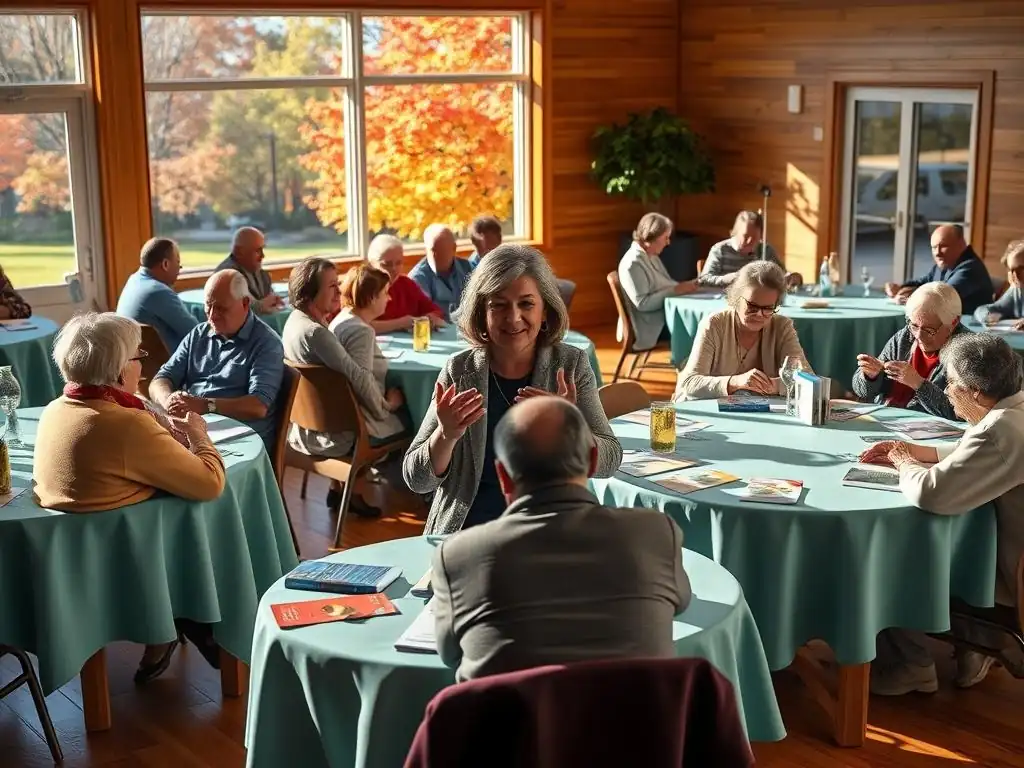
Welcome to Mind Care Guide, a space dedicated to nurturing your mental well-being.
Feeling overwhelmed as a caregiver? You're not alone. Many find themselves searching for assistance, and that's why we're here. This guide will help you discover invaluable local caregiver support resources within your community. Explore this article to uncover pathways to ease the burden and find the support you deserve. What resources are waiting to be discovered? Let's find out...
- Finding Local Aid: Discovering Community Resources for Caregivers in Your Community
- Understanding Your Caregiver Needs and Identifying Required Support
-
Discovering Local Caregiver Support Resources: A Comprehensive Guide
- Local Department/Agency on Aging: Your First Stop for Caregiver Assistance
- Alzheimer's Association - Your Local Chapter: Specialized Caregiver Programs and Services
- Local Hospital - Geriatric Care Department: Caregiver Education and Support Groups
- Local Community Center: Social and Recreational Opportunities for Caregivers and Care Recipients
- Local Faith-Based Organization: Spiritual and Practical Support for Caregivers
- Utilizing Online Directories and Databases to Find Local Resources
- Navigating Government Assistance Programs for Caregivers
- Connecting with Local Caregiver Support Groups: Building a Strong Support Network
- Accessing Respite Care Services: Taking a Break and Recharging
- Financial Assistance and Legal Resources for Caregivers
- Building a Sustainable Caregiving Plan with Local Resources
- Conclusion: Empowering Caregivers Through Local Resources
-
Frequently Asked Questions
- How can I find local caregiver support resources near me?
- What types of services are typically offered by local caregiver support resources?
- Are there any local caregiver support resources specifically tailored for caregivers of individuals with dementia?
- How can I determine if a local caregiver support resource is reputable and trustworthy?
- What if I can't afford local caregiver support resources? Are there any free or low-cost options?
- Final Reflection: The Ripple Effect of Community Care
- Unleash Your Support Network: Find the Help You Deserve
Finding Local Aid: Discovering Community Resources for Caregivers in Your Community
Introduction: The Importance of Local Support for Caregivers
Caregiving for a loved one is a profound act of love and dedication, yet it often comes with significant challenges. The demands can be relentless, encompassing everything from managing complex medical needs and daily living assistance to handling finances and navigating healthcare systems. Many caregivers report feelings of isolation, stress, and burnout, highlighting the critical need for robust support systems. While national organizations offer valuable resources, the most impactful aid often comes from local caregiver support resources rooted directly in your community.
Accessing support close to home provides tangible benefits. Local agencies and programs understand the specific needs and available services within your geographic area, offering tailored assistance that national bodies cannot always provide. Leveraging these community resources can help reduce the caregiver's burden, improve the quality of care for the recipient, and foster a sense of connection. Finding and utilizing these local caregiver services is not a luxury, but a necessity for maintaining well-being for both the caregiver and the individual receiving care, ultimately promoting the sustainability of the caregiving journey.
Understanding Your Caregiver Needs and Identifying Required Support
Assessing the Care Recipient's Needs: A Foundation for Effective Caregiving
The first step in finding appropriate support is to clearly understand the needs of the person you are caring for. This involves evaluating their abilities and limitations across various domains, including activities of daily living (ADLs) like bathing, dressing, and eating, as well as instrumental activities of daily living (IADLs) such as managing finances, transportation, and medication. Medical needs, mobility issues, cognitive status (memory, judgment), and emotional well-being should also be thoroughly assessed. Healthcare professionals, such as doctors, nurses, or social workers, can provide valuable assistance in conducting comprehensive assessments.
A detailed assessment helps pinpoint specific areas where help is needed. For example, if the care recipient has difficulty with mobility, you might need assistance with transfers or transportation. If they have cognitive impairment, specialized programs like adult day care or support tailored to dementia may be necessary. Documenting these needs provides a clear roadmap for identifying which local caregiver support resources are most relevant and beneficial, ensuring that the support sought directly addresses the challenges faced daily.
Identifying Your Personal Caregiving Needs: Prioritizing Self-Care
Equally important is recognizing and addressing your own needs as a caregiver. The role can be physically exhausting, emotionally draining, and financially challenging. Many caregivers neglect their own health, hobbies, and social connections, leading to burnout. Common caregiver needs include time for rest and personal appointments, emotional outlets, access to information and education, and practical help with care tasks or household chores. Prioritizing self-care is not selfish; it is essential for your ability to continue providing care effectively and sustainably.
Understanding your personal needs allows you to seek out specific local caregiver support resources designed to provide relief and replenishment. If you feel isolated, a local support group can offer peer connection. If you need time off, respite care services are available. If you are struggling with specific care tasks, educational workshops can provide necessary skills. Studies, such as those conducted by organizations like AARP, frequently highlight the significant stress levels among caregivers, underscoring the critical importance of leveraging available local support to protect your own physical and mental health.
Discovering Local Caregiver Support Resources: A Comprehensive Guide
Local Department/Agency on Aging: Your First Stop for Caregiver Assistance
Local Area Agencies on Aging (AAAs) or county-level departments dedicated to senior services are often the central point of access for a wide range of elder care and local caregiver support resources. These agencies are funded through federal and state programs, including the Older Americans Act and the National Family Caregiver Support Program (NFCSP). They serve as vital information and referral hubs, connecting caregivers to services such as transportation assistance, home-delivered meals, benefits counseling, and often, direct caregiver support programs.
Under the NFCSP, AAAs typically offer services specifically for family caregivers, which can include information about resources, assistance in accessing services, individual counseling, support groups, and respite care. For instance, a local AAA might administer grants that provide vouchers for a limited amount of respite hours or fund educational programs on caregiving topics. They can provide data specific to your area, such as the number of caregivers served annually or details on county-specific initiatives, making them an invaluable starting point in your search for local caregiver services.
Alzheimer's Association - Your Local Chapter: Specialized Caregiver Programs and Services
For caregivers supporting individuals with Alzheimer's disease or other dementias, the local chapter of the Alzheimer's Association is an indispensable resource. These chapters offer specialized programs and services that are specifically tailored to the unique challenges of dementia caregiving. Unlike general caregiving resources, their staff and volunteers possess expertise in the progression of dementia, communication techniques, and managing behavioral symptoms.
Local chapters commonly provide a 24/7 helpline staffed by trained professionals, offering crisis support and information. They also facilitate support groups specifically for dementia caregivers, providing a forum to share experiences with peers who truly understand. Educational programs cover topics such as understanding dementia stages, legal and financial planning, and strategies for daily care. Many chapters also offer care consultations, providing personalized guidance and referrals to other local caregiver support resources in the area, serving potentially hundreds of local families each year.
Local Hospital - Geriatric Care Department: Caregiver Education and Support Groups
Local hospitals, particularly those with robust geriatric, rehabilitation, or palliative care departments, can be significant providers of local caregiver support resources. They often play a crucial role in the transition from hospital to home, connecting families with necessary follow-up care, home health services, and equipment. Beyond direct patient care, these hospital departments frequently offer programs aimed at supporting family caregivers.
Many hospitals host educational workshops or series on specific health conditions relevant to their patient population, such as managing diabetes, caring for someone post-stroke, or understanding complex medication regimens. They may also facilitate caregiver support groups, often led by hospital social workers, nurses, or chaplains. These groups provide a space for caregivers to discuss challenges related to the patient's medical condition and treatment, offering both emotional support and practical advice from healthcare professionals familiar with the local system.
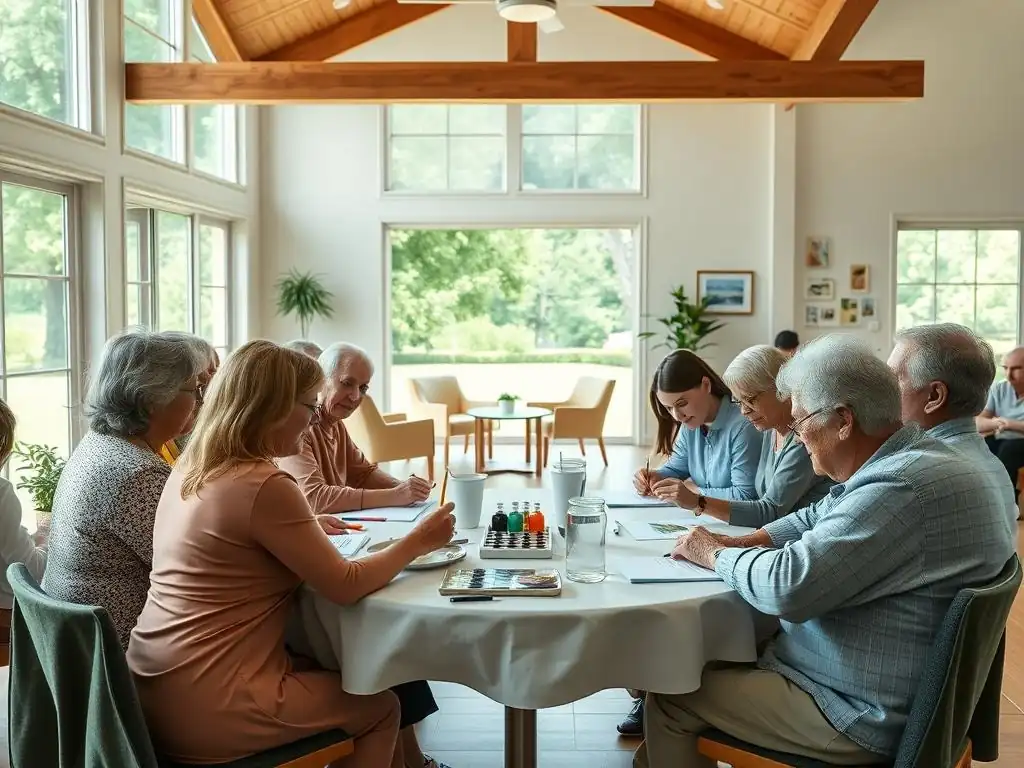
Local community centers, senior centers, or neighborhood hubs can offer valuable social and recreational opportunities that benefit both caregivers and care recipients, acting as important informal local caregiver support resources. These centers often provide structured activities like exercise classes, arts and crafts, games, educational presentations, and communal meals, which can combat isolation for both parties.
Beyond scheduled activities, some community centers host drop-in caregiver support meetings, provide information on local services, or even offer affordable adult day programs for care recipients. Attending activities at a community center can provide the caregiver with a brief period of respite while the care recipient is engaged and supervised, or offer a shared positive experience outside the home. A center might serve hundreds of seniors weekly, including many who attend with their caregivers, demonstrating their role in fostering community connection and providing informal support.
Local Faith-Based Organization: Spiritual and Practical Support for Caregivers
Many local churches, synagogues, mosques, and other faith-based organizations offer significant spiritual, emotional, and practical local caregiver support resources to their congregations and the wider community. These organizations often have established networks of volunteers and pastoral care teams dedicated to supporting members during challenging times, including the caregiving journey.
Support can take many forms: pastoral counseling, prayer support, organizing meal trains during crises, providing friendly visitors to combat isolation, or offering transportation to appointments. Some faith communities have specific ministries focused on elder care or health and wellness that may run support groups or provide short periods of volunteer respite care. For instance, a specific church might have a team of volunteers who commit to sitting with a care recipient for a few hours each week, providing essential relief and demonstrating the deep community ties that form valuable local caregiver services.
Utilizing Online Directories and Databases to Find Local Resources
Area Agency on Aging Website: A Powerful Tool for Caregiver Support
As mentioned earlier, Area Agencies on Aging (AAAs) are key hubs for information. Their websites are often powerful online tools designed to help users find local caregiver support resources efficiently. These sites typically feature searchable databases or directories listing various service providers and programs available within their specific geographic area, covering counties or regions.
These online portals allow caregivers to search for services based on categories like "respite care," "adult day services," "transportation," "home health agencies," "legal aid," or "caregiver support groups." Users can often filter results by location (zip code, city, county) or the specific needs of the care recipient. Leveraging the AAA website ensures you are accessing a vetted and comprehensive list of local caregiver services relevant to your immediate community.
Online Search Strategies: Optimizing Your Search for Local Caregiver Services
Beyond dedicated agency websites, effective use of general online search engines is crucial for discovering local caregiver support resources. Simply searching "caregiver support" might yield national results. To find resources specific to your area, use precise keywords combined with your location.
Try search phrases such as:
- "caregiver support group near me"
- "respite care [Your City, State]"
- "adult day program [Your County]"
- "Alzheimer's support [Your Town]"
- "in-home care assistance [Your Zip Code]"
Using variations and including your specific location helps narrow down results to relevant local caregiver services. Look for results from .gov websites (like your state's Department of Aging or Medicaid), .org websites (non-profits like the Alzheimer's Association, Parkinson's Foundation, local community groups), and reputable local healthcare providers. Check the "Services" or "Programs" sections of local organizational websites to confirm they offer support relevant to your needs.
Understanding Eligibility Requirements for Medicaid Waiver for [Your State]
Medicaid is a joint federal and state program that provides health coverage to eligible low-income individuals. Many states offer Home and Community-Based Services (HCBS) Waivers, often referred to as Medicaid Waivers. These waivers allow states to use Medicaid funds to provide services outside of institutional settings, such as nursing homes, enabling individuals to receive care in their homes or communities. For caregivers, a Medicaid Waiver can be a significant local caregiver support resource by funding services for the care recipient that reduce the caregiver's burden.
Eligibility for Medicaid Waivers typically depends on three main factors: financial eligibility (based on the care recipient's income and assets, which must be below specific state-defined limits, often tied to the Federal Poverty Level), functional eligibility (requiring a level of care that would qualify for nursing home admission), and medical necessity (requiring a physician's certification). Specific rules vary significantly by state, so understanding the criteria for the Medicaid Waiver in your state is essential for determining if this resource is accessible.
Application Process for Medicaid Waiver for [Your State]: A Step-by-Step Guide
Applying for a Medicaid Waiver in your state can be a complex process that requires patience and thorough documentation. While steps vary by state, the general process often begins with contacting your state's Medicaid office or the local Area Agency on Aging. They will guide you through the initial screening and application submission.
The application typically involves a comprehensive assessment of the care recipient's functional abilities, cognitive status, and medical needs, usually conducted by a case manager or nurse. Financial documentation (income statements, bank records, asset information) will also be required to verify eligibility. The process can take several weeks or months. Seeking assistance from a social worker or case manager through a local agency can be a valuable local caregiver support resource in navigating the paperwork, understanding requirements, and advocating for your loved one's needs throughout the application journey for your state's Medicaid Waiver program.
Connecting with Local Caregiver Support Groups: Building a Strong Support Network
The Benefits of Joining a Local Caregiver Support Group
Joining a local caregiver support group is one of the most impactful steps you can take to improve your well-being and resilience. Caregiving can be isolating, and these groups provide a safe, understanding environment where you can connect with others who are facing similar challenges. The benefits are numerous and deeply felt by participants.
Within a support group, you can share your experiences, frustrations, and successes without fear of judgment. This peer support helps reduce feelings of isolation and validates your emotions. You can gain practical advice and coping strategies from others who have navigated similar situations. Support groups offer emotional encouragement, reduce stress, and foster a sense of community. Participants often report feeling more empowered and less overwhelmed after regularly attending a local caregiver support resource group.
Finding and Choosing the Right Caregiver Support Group for You
Finding a local caregiver support resource group that fits your needs is key to benefiting from the experience. Start by checking with organizations like your local Area Agency on Aging, hospitals (especially geriatric or social work departments), disease-specific foundations (like the Alzheimer's Association or Parkinson's Foundation), and community centers. Many organizations list upcoming group meetings on their websites or newsletters.
When choosing a group, consider factors such as the group's focus (general caregiving, specific condition), whether it's peer-led or professionally facilitated, the meeting schedule (time of day, frequency), location, and size. It can be helpful to visit a few different groups to find the one where you feel most comfortable and connected. The right group environment can significantly enhance the effectiveness of this vital local caregiver support resource.
Accessing Respite Care Services: Taking a Break and Recharging

Understanding Different Types of Respite Care: In-Home, Adult Day Care, and More
Respite care provides temporary relief for primary caregivers, offering them a much-needed break to rest, attend to personal needs, or simply recharge. Recognizing the various forms of respite care available is crucial for finding the option that best suits your situation and the needs of the care recipient.
Common types include:
- In-Home Respite: A trained care provider comes to your home to care for your loved one, allowing you to leave the house.
- Adult Day Care: The care recipient attends a structured program at a community center or specialized facility during the day, providing social activities and supervision.
- Short-Term Institutional Stay: The care recipient stays overnight for a few days or weeks in a nursing home, assisted living facility, or hospital respite unit.
- Volunteer Respite: Volunteers from non-profits or faith-based groups provide supervision or companionship for a limited time.
Utilizing these different types of local caregiver support resources for respite allows caregivers to avoid burnout and maintain their own health, which is essential for providing long-term care.
Finding Affordable Respite Care Options in Your Community
The cost of respite care can be a barrier for many families, but various options exist to help make it more affordable or accessible. Government programs are a primary source of assistance. As mentioned, Medicaid Waivers in your state may cover respite care as part of a broader care plan for eligible individuals. The National Family Caregiver Support Program, administered through local AAAs, often provides grants or vouchers specifically for respite services.
Other potential sources of funding include:
- Veterans Administration (VA) benefits for eligible veteran caregivers or care recipients.
- Some long-term care insurance policies may include a respite care benefit.
- State-specific programs or grants for caregivers.
- Non-profit organizations or foundations focused on specific diseases (e.g., ALS Association, Parkinson's Foundation) may offer respite grants.
- Local volunteer programs or faith-based initiatives may offer free or low-cost respite.
Inquire with your local AAA or specific disease organizations about available funding or programs that can help you access this vital local caregiver support resource.
Financial Assistance and Legal Resources for Caregivers
Caregiving often presents significant financial challenges. Beyond the direct costs of medical supplies, medications, and potential in-home assistance, caregivers may face indirect costs such as lost wages, reduced work hours, or using personal savings. Estimates vary, but studies frequently show that family caregivers spend thousands of dollars annually out-of-pocket on caregiving expenses. Understanding potential sources of financial relief is a crucial local caregiver support resource.
Explore options such as:
- Tax credits and deductions: The IRS offers tax benefits for those caring for dependents, including deductions for medical expenses.
- State and local programs: Some states or counties offer grants or subsidies for specific caregiving expenses.
- Programs that pay family caregivers: While not widespread, some Medicaid Waivers or state programs allow certain family members to be paid caregivers, though eligibility is strict.
- Veterans benefits: The VA offers programs like the Aid and Attendance benefit or the Program of Comprehensive Assistance for Family Caregivers.
Consulting with a financial advisor who understands elder care costs or contacting your local AAA for benefits counseling can help you identify applicable local caregiver support resources.
Navigating the legal aspects of caregiving is essential for ensuring you can make decisions and manage affairs on behalf of your loved one when necessary. Key legal documents provide the authority to act. A Durable Power of Attorney (DPOA) allows you to manage financial matters, while a Healthcare Power of Attorney or Advance Directive (Living Will) allows you to make medical decisions if the care recipient becomes unable to do so. Having these documents in place while the care recipient still has the capacity to sign them is critical.
Other legal considerations include understanding guardianship or conservatorship (a court-appointed role if no POAs were established and the individual lacks capacity), estate planning, and adhering to privacy laws like HIPAA when communicating with healthcare providers. Seeking legal local caregiver support resources is highly recommended. Elder law attorneys specialize in these areas. Local Legal Aid societies may offer free or low-cost services for eligible individuals. Your local Area Agency on Aging often provides referrals to legal assistance programs or pro bono services available in your community.
Building a Sustainable Caregiving Plan with Local Resources
Creating a Personalized Caregiving Plan: Integrating Local Support Services
A sustainable caregiving journey requires more than just reacting to daily needs; it requires a proactive, personalized plan. This plan should outline the care recipient's ongoing needs, identify the caregiver's own physical and emotional needs, and detail how specific local caregiver support resources will be integrated to meet these needs. Think of it as a blueprint for managing care while safeguarding your own well-being.
Start by listing all care tasks, medical appointments, and necessary support activities. Then, match these needs with the local caregiver services you have identified:
- Need help with bathing? -> Schedule assistance from a home care agency found via the AAA database.
- Feeling overwhelmed? -> Plan to attend the weekly support group at the local hospital.
- Need time off? -> Arrange for respite care through a state-funded program.
Putting this plan in writing, perhaps using a simple task list format, and sharing it with other family members involved can help ensure everyone is aware of the strategy and the roles different local resources play.
### Caregiving Plan Checklist:
- [ ] List Care Recipient's Daily Needs (ADLs, IADLs, Medical)
- [ ] List Caregiver's Personal Needs (Respite, Emotional Support, Information)
- [ ] Identify Specific Local Resources for Each Need (Agency on Aging, Support Group, Respite Provider)
- [ ] Schedule Regular Use of Resources (e.g., Respite every other Saturday, Support Group weekly)
- [ ] Document Contact Information for Key Resources
- [ ] Share Plan with Family/Involved Parties
Regularly Reviewing and Adjusting Your Caregiving Plan
Caregiving situations are rarely static. The care recipient's health status may change, your own capacity or availability might shift, or new local caregiver support resources may become available in your community. Therefore, it is crucial to view your caregiving plan as a living document that requires regular review and adjustment.
Aim to formally review your plan every few months, or sooner if a significant change occurs in the care recipient's condition or your personal circumstances. Ask yourself:
- Are the current resources still meeting needs effectively?
- Are there new needs that require different types of local caregiver services?
- Am I getting enough rest and support?
- Are there new programs or funding options available locally?
Be flexible and willing to make changes. This might involve increasing the frequency of certain services, exploring different types of respite, or seeking additional financial or legal assistance. Proactive adjustments ensure the plan remains sustainable and continues to effectively leverage the local caregiver support resources available to you.
Conclusion: Empowering Caregivers Through Local Resources
Caregiving is an immense responsibility that can stretch individuals to their limits. Yet, you do not have to navigate this journey alone. A wealth of local caregiver support resources exists within communities, designed to provide practical assistance, emotional support, and crucial information. From Area Agencies on Aging and specialized disease organizations to local hospitals, community centers, and faith-based groups, help is often closer than you think.
Taking the step to identify and utilize these local caregiver services is an act of self-preservation and empowerment. By leveraging the support available in your community, you can reduce stress, prevent burnout, enhance your own well-being, and ultimately provide better, more sustainable care for your loved one. Don't hesitate to reach out, explore the options discussed, and build the network of local support that can make a profound difference in your caregiving experience.
Frequently Asked Questions
How can I find local caregiver support resources near me?
You can start by searching online using terms like "caregiver support groups" and your city or zip code. Also, check the Mind Care Guide for a dedicated section on local resources.
What types of services are typically offered by local caregiver support resources?
These resources often provide respite care (temporary relief for caregivers), support groups for sharing experiences, and educational workshops on caregiving skills.
Are there any local caregiver support resources specifically tailored for caregivers of individuals with dementia?
Yes, many organizations specialize in supporting caregivers of those with dementia. Look for resources affiliated with the Alzheimer's Association or other dementia-specific groups.
How can I determine if a local caregiver support resource is reputable and trustworthy?
Check for positive reviews and testimonials. Verify if the organization is licensed or accredited by relevant agencies, ensuring they meet quality standards.
What if I can't afford local caregiver support resources? Are there any free or low-cost options?
Many community centers and non-profit organizations offer free or low-cost caregiver support services. Also, inquire about financial assistance programs available through government agencies.
Final Reflection: The Ripple Effect of Community Care
The urgent need for accessible caregiver support is not a niche concern; it's a societal imperative. The strain on caregivers, often family members, is immense, and without readily available resources, the consequences ripple outwards, impacting families, communities, and the overall well-being of our society. Finding and utilizing these resources is not just beneficial; it's crucial for maintaining both the physical and mental health of those providing care.
The impact of accessible caregiver support extends far beyond the individual caregiver. It strengthens families, allowing them to navigate challenging times with greater resilience. It fosters stronger, more supportive communities where individuals feel less isolated and more empowered. This interconnectedness is vital. The best way to find yourself is to lose yourself in the service of others,
Mahatma Gandhi once said, and this rings true for caregivers who often sacrifice so much. Their well-being is intrinsically linked to the well-being of their communities, and supporting them is an investment in the future.
You, the reader, now hold the knowledge to navigate the landscape of local caregiver resources. Take a moment to reflect on the challenges faced by caregivers in your own life and community. Consider how you can contribute, whether it's by sharing this information with someone in need, volunteering your time, or simply offering a listening ear. Let's work together to build a more supportive and compassionate network for those who dedicate their lives to caring for others. The journey towards better caregiver support begins with each of us.
Unleash Your Support Network: Find the Help You Deserve
Thanks for taking the time to explore the world of caregiver support! We hope this article equipped you with valuable insights into finding local resources. Now it's time to put that knowledge into action.
- Prioritize your well-being by exploring at least one local resource mentioned in this article. Don't hesitate to reach out – you deserve the support.
- Share this article with another caregiver who could benefit from these resources. Strength comes from community!
- Consider leaving a comment below and sharing a resource you've found helpful – let's build a stronger support network together!
What's one small step you can take today to access the support you need?