
B Vitamins: Powering Your Brain and Stabilizing Your Mood


Welcome to Mind Care Guide, your trusted companion on the journey to mental well-being. Feeling overwhelmed, uncertain, or simply seeking a more balanced emotional state? You're not alone. Many struggle with mood fluctuations, and the solution might be simpler than you think. Curious to discover how B vitamins play a crucial role in mood stability? Dive into our latest article to uncover the science and practical steps you can take to nourish your brain and cultivate a brighter, more resilient you. Let's explore the power within!
- B Vitamins: Powering Your Brain and Stabilizing Your Mood - A Mind Care Guide
-
The Eight Essential B Vitamins: A Detailed Look
- Vitamin B1 (Thiamin): Fueling Brain Function and Energy Levels
- Vitamin B2 (Riboflavin): Supporting Cellular Energy Production
- Vitamin B3 (Niacin): Essential for Neurotransmitter Synthesis and Cognitive Function
- Vitamin B5 (Pantothenic Acid): Stress Reduction and Adrenal Support
- Vitamin B6 (Pyridoxine): Crucial for Serotonin and Dopamine Production
- Vitamin B7 (Biotin): Supporting Nerve Function and Metabolism
- Vitamin B9 (Folate): Preventing Neural Tube Defects and Aiding Mental Clarity
- Vitamin B12 (Cobalamin): Protecting Nerve Cells and Enhancing Cognitive Performance
- B Vitamins for Mood Stability: How They Work
- Identifying B Vitamin Deficiency: Symptoms and Testing
- Boosting Your B Vitamin Intake: Dietary Sources and Supplementation
- Optimizing B Vitamin Absorption: Tips and Strategies
- B Vitamins and Specific Mental Health Conditions
- Potential Side Effects and Interactions of B Vitamin Supplementation
- Creating a B Vitamin-Rich Diet for Enhanced Mood and Cognitive Function
- The Future of B Vitamin Research in Mental Health
- Conclusion: Harnessing the Power of B Vitamins for Mental Well-being and Enhanced Mood Stability
- Frequently Asked Questions
- Final Reflection: Unlocking the Mind-Mood Connection Through B Vitamins
- Unlock Your Brain's Potential: Boost Your Mood & Energy Today!
B Vitamins: Powering Your Brain and Stabilizing Your Mood - A Mind Care Guide
Why B Vitamins Matter for Brain Health and Mood
B vitamins are a group of eight distinct, water-soluble vitamins that play crucial roles in cellular metabolism. While often discussed together, each B vitamin has unique functions, many of which are profoundly important for the nervous system and overall brain health. They are essential coenzymes involved in energy production, DNA synthesis and repair, and the production of numerous neurochemicals.
Without adequate levels of these vitamins, the complex processes that keep our brains functioning optimally and our moods stable can be compromised. Think of them as vital cogs in the intricate machinery of the brain, facilitating everything from nerve signal transmission to the synthesis of mood-regulating neurotransmitters. Their water-soluble nature means they are not stored in the body to a significant extent, necessitating regular dietary intake to maintain sufficient levels.
Their impact on brain health extends beyond simple energy metabolism. B vitamins are integral to the myelination of nerve fibers, the protective sheath that allows for rapid and efficient communication between neurons. For example, Vitamin B12 is critical for maintaining the myelin sheath. Deficiencies can lead to neurological issues.
Furthermore, they are involved in reducing homocysteine levels, an amino acid that, at high concentrations, has been linked to an increased risk of cognitive decline and mood disorders. Research suggests that elevated homocysteine is observed in a significant percentage of individuals with depression, perhaps around 20-30%, highlighting a potential link that B vitamins, particularly B6, B9 (folate), and B12, can help mitigate by aiding in its conversion to other compounds. This demonstrates the foundational importance of these nutrients for maintaining not just cognitive function, but also B vitamins mood stability.
The Connection Between B Vitamin Deficiency and Mental Health Issues
Deficiencies in various B vitamins have been clinically associated with a spectrum of mental health challenges, ranging from mild mood disturbances to more severe conditions like depression, anxiety, and cognitive impairment. Because B vitamins are so fundamental to energy production and neurotransmitter synthesis, their absence can disrupt the delicate balance required for healthy mental function. For instance, a deficiency in Vitamin B1 (thiamin) can lead to symptoms such as irritability, depression, and difficulty concentrating, and in severe cases, Wernicke-Korsakoff syndrome, a neurological disorder.
Studies have shown that individuals with depression often exhibit lower levels of certain B vitamins, particularly folate and B12. One meta-analysis, combining data from multiple studies, indicated that individuals with depression were roughly 30-40% more likely to have low folate levels compared to non-depressed individuals.
Furthermore, the insidious onset of B vitamin deficiencies can make them difficult to spot, often mimicking symptoms of mental health conditions. Symptoms like fatigue, brain fog, irritability, and low mood could be attributed to stress or depression, when an underlying nutritional deficiency might be a contributing factor.
Vitamin B6 deficiency, for example, can impact the production of serotonin and dopamine, neurotransmitters crucial for regulating mood, sleep, and pleasure. While not the sole cause of complex conditions like depression or anxiety, addressing a B vitamin deficiency can be a critical step in a holistic approach to mental well-being.
It underscores the importance of ensuring adequate intake, whether through diet or supplementation, especially for individuals experiencing persistent mood challenges or those at higher risk of deficiency, such as older adults or individuals with certain dietary restrictions or medical conditions. Understanding this link is key to appreciating how B vitamins mood stability is supported.
The Eight Essential B Vitamins: A Detailed Look
Vitamin B1 (Thiamin): Fueling Brain Function and Energy Levels
Vitamin B1, known as thiamin, is indispensable for converting glucose into energy, a process vital for brain function as the brain relies heavily on glucose as its primary fuel source. It plays a critical role in nerve signal transmission and the synthesis of certain neurotransmitters. Thiamin is particularly concentrated in nerve cells, highlighting its importance for the nervous system's health and efficient operation. A sufficient supply of thiamin ensures that the brain's high energy demands are met, preventing metabolic bottlenecks that could impair cognitive function and contribute to feelings of fatigue and low mood.
Severe thiamin deficiency can lead to beriberi, characterized by neurological symptoms including confusion, irritability, and memory loss, and Wernicke-Korsakoff syndrome, a severe brain disorder often linked to chronic alcohol misuse which impairs thiamin absorption and utilization. Even sub-clinical deficiencies can manifest as subtle cognitive issues, fatigue, and mood changes.
While severe deficiency is less common in developed countries, certain populations, including older adults, individuals with diabetes, those undergoing bariatric surgery, or those with chronic alcohol dependence, are at higher risk. The recommended daily allowance (RDA) for adults is approximately 1.1-1.2 mg, amounts typically attainable through a balanced diet including whole grains, pork, and legumes.
Vitamin B2 (Riboflavin): Supporting Cellular Energy Production
Riboflavin, or Vitamin B2, is a key component of coenzymes (FAD and FMN) involved in various metabolic processes, including the conversion of food into energy. It is crucial for the function of other B vitamins, helping to activate B6 and folate. Its role in energy metabolism is fundamental to maintaining cellular health throughout the body, including the brain and nervous system. Adequate riboflavin levels support the efficient operation of mitochondria, the powerhouses within our cells, ensuring that the energy required for complex brain functions is readily available.
Riboflavin also acts as an antioxidant, helping to protect cells from oxidative damage, which is implicated in aging and various chronic diseases, including neurodegenerative conditions. While severe riboflavin deficiency (ariboflavinosis) is rare and often occurs alongside other nutrient deficiencies, it can lead to symptoms like fatigue, sore throat, and cracks in the corners of the mouth. The RDA for adults is about 1.1-1.3 mg. Ensuring sufficient intake through foods like dairy products, eggs, leafy green vegetables, and lean meats is important for overall cellular health and indirectly supports B vitamins mood stability by facilitating energy production.
Vitamin B3 (Niacin): Essential for Neurotransmitter Synthesis and Cognitive Function
Niacin, or Vitamin B3, is critical for energy metabolism and plays a vital role in the synthesis of neurotransmitters like serotonin, dopamine, and norepinephrine, which are central to regulating mood, sleep, and stress response. It is also involved in DNA repair and cell signaling, processes essential for maintaining healthy brain cells. Niacin's ability to influence neurotransmitter pathways directly links it to mental well-being and the potential for B vitamins mood stability.
A severe deficiency in niacin causes pellagra, a disease historically associated with diets poor in niacin-rich foods like corn (unless treated with alkali). Pellagra is characterized by the "four D's": dermatitis, diarrhea, dementia, and death. The dementia aspect highlights niacin's crucial role in cognitive function. While pellagra is uncommon today in regions with diverse food supplies, insufficient niacin intake can still contribute to fatigue, irritability, and difficulty concentrating.
The RDA for adults is around 14-16 mg NE (Niacin Equivalents). Dietary sources include meat, poultry, fish, nuts, and fortified grains. High doses of niacin supplements can have side effects, such as flushing, so intake should be managed carefully.
Vitamin B5 (Pantothenic Acid): Stress Reduction and Adrenal Support
Pantothenic acid, or Vitamin B5, is essential for the synthesis of coenzyme A (CoA), a molecule central to energy metabolism and the synthesis of fatty acids, cholesterol, and steroid hormones, including those produced by the adrenal glands in response to stress. It also plays a role in the synthesis of acetylcholine, a neurotransmitter important for memory and learning. Its involvement in stress hormone production has led to it sometimes being referred to as the "anti-stress vitamin," although this is an oversimplification.
While pantothenic acid deficiency is extremely rare due to its widespread presence in foods (the name comes from the Greek word "pantothen," meaning "from everywhere"), it could theoretically contribute to fatigue, irritability, and sleep disturbances if it occurred. The adequate intake (AI) for adults is around 5 mg, easily met through a varied diet including meat, vegetables, whole grains, and legumes. Its role in supporting the adrenal glands and acetylcholine synthesis indirectly contributes to overall resilience and cognitive function, supporting the broader picture of B vitamins mood stability.
Vitamin B6 (Pyridoxine): Crucial for Serotonin and Dopamine Production
Vitamin B6, primarily in the form of pyridoxal 5'-phosphate (PLP), is a coenzyme involved in over 100 enzyme reactions, many of which are critical for brain function. It is particularly important for the synthesis of several key neurotransmitters, including serotonin, dopamine, GABA, and norepinephrine. These neurotransmitters regulate mood, sleep, appetite, and stress response. Vitamin B6 is also involved in the metabolism of homocysteine, working alongside folate and B12.
Low levels of Vitamin B6 have been associated with increased symptoms of depression and anxiety. Because it is so integral to serotonin production, a deficiency can directly impact mood regulation. Some studies have explored B6 supplementation as an adjunctive therapy for depression, often in combination with other B vitamins.
For example, research looking at older adults has suggested that higher intakes of B6, B12, and folate are associated with a reduced risk of depression. The RDA for adults is approximately 1.3-1.7 mg. Good sources include poultry, fish, potatoes, bananas, and fortified cereals. Its direct role in synthesizing major mood-regulating neurotransmitters makes B6 a key player in supporting B vitamins mood stability.
Vitamin B7 (Biotin): Supporting Nerve Function and Metabolism
Biotin, or Vitamin B7, is best known for its role in maintaining healthy hair, skin, and nails, but it also plays a crucial role in cellular metabolism, acting as a coenzyme in the metabolism of carbohydrates, fats, and proteins. While its direct impact on mood and brain function is less studied compared to other B vitamins, it is involved in the synthesis of certain neurotransmitters and the health of nerve tissue.
Severe biotin deficiency is exceptionally rare in healthy individuals, typically only occurring in those with specific genetic disorders, those receiving long-term parenteral nutrition without supplementation, or those consuming excessive amounts of raw egg whites (which contain avidin, a protein that binds biotin). Symptoms of severe deficiency can include neurological issues like depression, lethargy, hallucinations, and numbness/tingling of the extremities.
The adequate intake (AI) for adults is 30 mcg, readily available in a wide variety of foods including eggs, nuts, seeds, and sweet potatoes. While not a primary focus for mood stability compared to others like B6, B9, and B12, its foundational role in metabolism and nerve health contributes to overall physiological balance.
Vitamin B9 (Folate): Preventing Neural Tube Defects and Aiding Mental Clarity
Folate, or Vitamin B9 (the synthetic form is folic acid), is crucial for DNA synthesis and repair, cell division, and rapid cell growth, making it particularly important during periods of development like pregnancy. It is also essential for the synthesis of neurotransmitters and plays a key role in the metabolism of homocysteine, working closely with B6 and B12. Its role in cell growth and neurotransmitter production is fundamental to brain health throughout life.
Folate deficiency is one of the most common B vitamin deficiencies. Low folate levels have been strongly linked to an increased risk of depression and poor response to antidepressant treatment. Research indicates that up to one-third of individuals with major depressive disorder may have low folate levels.
Supplementation with folic acid, often at doses higher than the RDA (400 mcg DFE for adults), has been explored as an adjunctive therapy for depression, with some studies showing a positive impact, particularly in individuals with genetically impaired folate metabolism. Folate is abundant in leafy green vegetables, legumes, nuts, and fortified grains, but it is sensitive to heat and cooking. Maintaining adequate folate levels is vital for preventing neurological issues and supporting B vitamins mood stability.
Vitamin B12 (Cobalamin): Protecting Nerve Cells and Enhancing Cognitive Performance
Vitamin B12, or cobalamin, is arguably one of the most critical B vitamins for neurological function and mental health. It is essential for the formation of myelin, the protective sheath around nerve fibers, and the synthesis of DNA. Like folate and B6, it is also crucial for the metabolism of homocysteine. B12 is necessary for the proper development and function of the central nervous system.
B12 deficiency can lead to severe neurological and psychiatric symptoms, including fatigue, weakness, numbness and tingling, difficulty walking, memory loss, disorientation, and depression. These symptoms can develop gradually and be mistaken for other conditions, including age-related cognitive decline or mental health disorders. Older adults, vegetarians and vegans (as B12 is primarily found in animal products), individuals with pernicious anemia, and those with digestive disorders like Crohn's disease or celiac disease are at higher risk of deficiency.
The RDA for adults is 2.4 mcg, but absorption can be complex, requiring intrinsic factor in the stomach. B12's direct role in nerve health and homocysteine metabolism makes it essential for preventing neurological damage and significantly impacts B vitamins mood stability and cognitive function.
B Vitamins for Mood Stability: How They Work
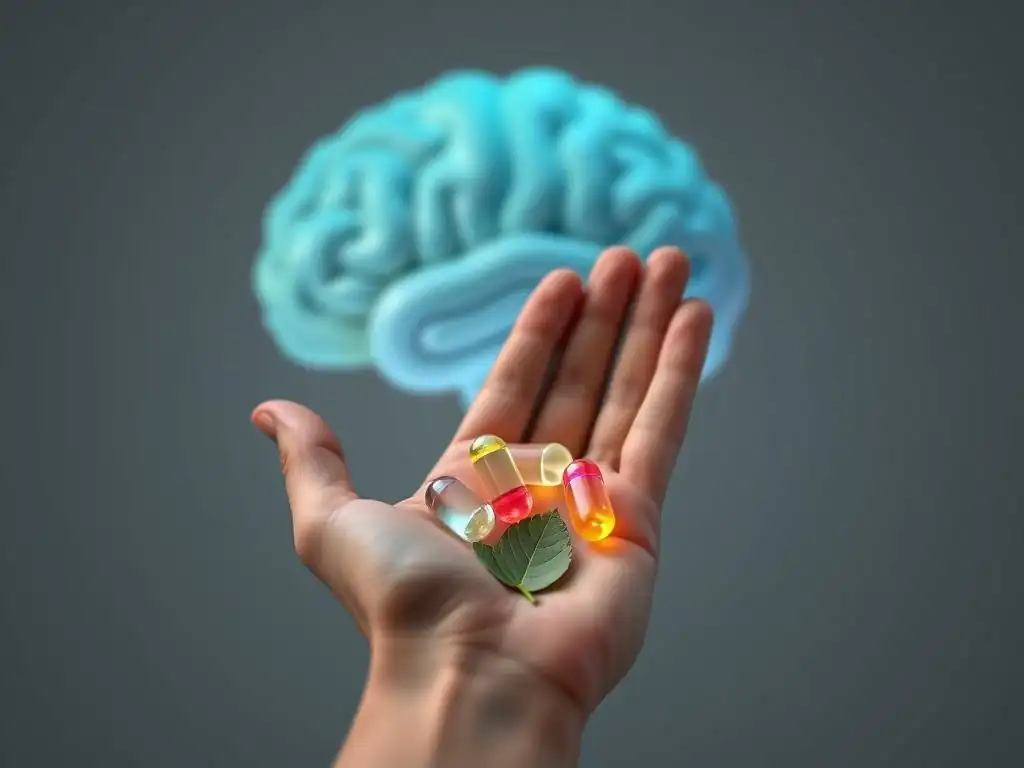
B Vitamins and Neurotransmitter Production: The Key Link
One of the primary ways B vitamins support mood stability is through their indispensable roles in the synthesis and regulation of neurotransmitters. As discussed, Vitamin B6 is a crucial coenzyme for the production of serotonin, often dubbed the "feel-good" neurotransmitter, which influences mood, sleep, and appetite. Similarly, B6, along with B3 (niacin), is involved in the synthesis of dopamine and norepinephrine, neurotransmitters vital for motivation, pleasure, attention, and the body's stress response. B vitamins also play a role in the production of GABA, an inhibitory neurotransmitter that helps calm the nervous system and reduce anxiety.
Without adequate levels of these B vitamins, the body's ability to produce these vital chemical messengers can be impaired. This can lead to imbalances that manifest as symptoms of depression, anxiety, irritability, and difficulty managing stress. For example, research indicates that low levels of serotonin are associated with depression. Ensuring sufficient B6 intake helps provide the necessary building blocks and enzymatic support for the body to produce serotonin efficiently. This biochemical support is a fundamental mechanism through which B vitamins mood stability is influenced, providing the necessary foundation for proper brain signaling.
The Impact of B Vitamins on Stress Response and Anxiety
B vitamins, particularly B5 (pantothenic acid), B6, and B12, play a role in the body's stress response system, including the function of the adrenal glands. Pantothenic acid is involved in the synthesis of cortisol, a primary stress hormone. While chronic high cortisol can be detrimental, the appropriate regulation of the stress response requires these hormonal pathways to function correctly. B vitamins also influence the nervous system's ability to handle stress by supporting the production of calming neurotransmitters like GABA and helping to regulate the release of stress-related hormones.
Studies have explored the impact of B vitamin supplementation on stress and anxiety levels. Some research, such as a study on young adults, has suggested that a high-dose B-vitamin complex can reduce subjective stress, improve mood, and decrease levels of fatigue. While the exact mechanisms are complex and likely involve multiple pathways, including neurotransmitter synthesis and energy metabolism, the collective action of various B vitamins appears to bolster the body's resilience to stress. This indicates that maintaining optimal B vitamin status can be a supportive strategy for managing anxiety and promoting B vitamins mood stability.
B Vitamins and the Gut-Brain Axis: A Two-Way Street
Emerging research highlights the intricate connection between the gut and the brain, known as the gut-brain axis, and B vitamins play a subtle yet significant role in this relationship. The gut microbiome – the trillions of bacteria residing in our digestive system – can produce some B vitamins, including biotin and Vitamin K (though Vitamin K is not a B vitamin).
However, the extent to which these microbially produced vitamins are absorbed and utilized by the human host is still being researched. Nevertheless, a healthy gut microbiome, supported by a balanced diet rich in fiber and nutrients (including B vitamins), is associated with improved mental well-being.
Conversely, stress and mental health conditions can negatively impact gut health, potentially affecting nutrient absorption, including B vitamins. Conditions like Irritable Bowel Syndrome (IBS), which often co-occurs with anxiety and depression, can impair the absorption of nutrients. Furthermore, some gut bacteria metabolize dietary components in ways that can affect B vitamin availability or produce metabolites that influence brain function.
While direct evidence specifically linking B vitamins mood stability via the gut microbiome is still developing, maintaining good gut health through diet and potentially probiotics can support overall nutrient absorption, including B vitamins, thereby indirectly benefiting mental health. It's a complex interplay where diet, gut health, B vitamins, and mental state are all interconnected.
Identifying B Vitamin Deficiency: Symptoms and Testing
Common Symptoms of B Vitamin Deficiency: A Checklist
Identifying a B vitamin deficiency can be challenging because the symptoms are often non-specific and can overlap with other medical or mental health conditions. However, recognizing potential signs is the first step toward seeking appropriate evaluation. Common symptoms of a general B vitamin deficiency or deficiencies in specific B vitamins include:
- Persistent fatigue and weakness
- Irritability, anxiety, or depression
- Difficulty concentrating or "brain fog"
- Memory problems
- Numbness or tingling in hands and feet (neuropathy), particularly with B12 deficiency
- Mouth sores or cracks at the corners of the mouth (angular stomatitis)
- Swollen, red tongue (glossitis)
- Pale skin (can be related to certain anemias caused by B12 or folate deficiency)
- Digestive issues like constipation or diarrhea
- Muscle weakness or cramps
It's important to note that these symptoms can vary depending on which specific B vitamin is deficient and the severity of the deficiency. For instance, severe B12 deficiency can lead to significant neurological symptoms, while a mild folate deficiency might primarily manifest as fatigue and low mood. If you experience a combination of these symptoms, especially if they are persistent or worsening, it is advisable to consult a healthcare professional to investigate potential causes, including nutritional deficiencies.
Testing for B Vitamin Levels: Understanding Your Results
Blood tests are the most common method for assessing B vitamin status. However, the specific tests used can vary depending on the suspected deficiency. For example:
- Vitamin B12: Serum B12 levels are typically measured. However, more sensitive markers like methylmalonic acid (MMA) and homocysteine are often used, as elevated levels can indicate a functional B12 deficiency even if serum levels are within the low-normal range. A level below approximately 200-300 pg/mL is often considered deficient, but symptoms can occur at higher levels for some individuals.
- Folate (Vitamin B9): Serum folate is measured, but red blood cell (RBC) folate is considered a better indicator of long-term status, as it reflects tissue stores. RBC folate levels below roughly 150-200 ng/mL can indicate deficiency. Elevated homocysteine can also suggest folate deficiency.
- Vitamin B6: Plasma pyridoxal 5'-phosphate (PLP) is the most common and reliable measure of B6 status. Levels below approximately 20 nmol/L may indicate deficiency.
- Other B Vitamins: Tests for other B vitamins like thiamin, riboflavin, niacin, pantothenic acid, and biotin are available but are less commonly performed unless a specific deficiency is suspected based on clinical presentation or risk factors.
Interpreting B vitamin test results requires clinical context, considering symptoms, dietary intake, medical history, and medications. A healthcare provider can help you understand your specific results and determine if a deficiency is contributing to your symptoms and how it might be impacting your B vitamins mood stability. It's not just about the numbers on a lab report but how those numbers relate to your overall health picture.
Boosting Your B Vitamin Intake: Dietary Sources and Supplementation
Top Food Sources of B Vitamins: A Comprehensive List
Incorporating a wide variety of nutrient-dense foods into your diet is the best way to ensure adequate intake of all B vitamins. Since they are found in many different food groups, a balanced diet is key. Here are some top food sources for each B vitamin:
- Vitamin B1 (Thiamin): Pork, sunflower seeds, whole grains (brown rice, whole wheat bread), legumes (black beans, lentils), fortified cereals. A 3-ounce serving of cooked pork loin provides about 0.5 mg of thiamin.
- Vitamin B2 (Riboflavin): Dairy products (milk, yogurt, cheese), eggs, lean meats, fortified cereals, leafy green vegetables (spinach, broccoli). One cup of milk contains approximately 0.4 mg of riboflavin.
- Vitamin B3 (Niacin): Poultry (chicken, turkey), fish (salmon, tuna), beef, pork, nuts, legumes, fortified grains. A 3-ounce serving of cooked chicken breast contains about 10 mg of niacin.
- Vitamin B5 (Pantothenic Acid): Found widely in almost all foods, making deficiency rare. Good sources include meat, poultry, fish, whole grains, legumes, broccoli, avocados, yogurt. A 3-ounce serving of beef liver provides over 5 mg.
- Vitamin B6 (Pyridoxine): Poultry, fish, potatoes, bananas, chickpeas, fortified cereals. A medium banana contains about 0.4 mg of B6.
- Vitamin B7 (Biotin): Eggs, nuts, seeds, sweet potatoes, spinach, broccoli, meat, fish. A large cooked egg provides about 10 mcg.
- Vitamin B9 (Folate): Leafy green vegetables (spinach, kale), legumes (lentils, chickpeas), asparagus, broccoli, citrus fruits, fortified grains (bread, cereal). One cup of cooked spinach contains approximately 260 mcg DFE.
- Vitamin B12 (Cobalamin): Primarily found in animal products: meat, poultry, fish, eggs, dairy. Fortified foods like cereals and plant-based milks are important sources for vegetarians and vegans. A 3-ounce serving of cooked salmon contains about 2.6 mcg.
Aiming for a diverse diet that includes items from these lists regularly can significantly contribute to meeting your daily B vitamin needs and supporting B vitamins mood stability through nutrition.
The Benefits and Risks of B Vitamin Supplements: What You Need to Know
B vitamin supplements can be beneficial for individuals who have difficulty meeting their needs through diet alone, such as those with dietary restrictions (e.g., vegans needing B12), malabsorption issues, certain medical conditions, or older adults. A B-complex supplement typically contains all eight B vitamins, often in varying amounts. Supplementation can help prevent or correct deficiencies and may offer benefits for energy levels, cognitive function, and B vitamins mood stability, particularly in deficient or at-risk populations. For instance, studies have shown that B12 supplementation can improve mood and cognitive function in older adults with low B12 levels.
However, supplementation is not without potential risks, especially at high doses. Since B vitamins are water-soluble, excess amounts are generally excreted in urine, but very high intakes of certain B vitamins can cause side effects. For example, excessive niacin can cause skin flushing, liver damage, and digestive upset.
High doses of B6 have been linked to nerve damage (neuropathy). While less common for other B vitamins, it's crucial to adhere to recommended dosages and consult with a healthcare professional before starting supplementation, especially if you have underlying health conditions or are taking medications. Supplementation should complement, not replace, a healthy diet.
Choosing the Right B Vitamin Supplement: Factors to Consider
When considering a B vitamin supplement to support B vitamins mood stability or address a deficiency, several factors should be taken into account. First, identify why you are considering a supplement. Is it to address a known deficiency, support a specific dietary need (like veganism), or generally support well-being? If a deficiency is suspected, testing is crucial to determine which specific B vitamin(s) are needed. For example, a B12 deficiency requires a B12 supplement, not necessarily a full B-complex.
Consider the form of the vitamin. For B12, methylcobalamin and adenosylcobalamin are often preferred forms over cyanocobalamin, especially for individuals with certain genetic variations (like MTHFR). Folate can be supplemented as folic acid or the more readily usable form, L-methylfolate, which may be beneficial for individuals with impaired folate metabolism and depression.
Look for supplements from reputable brands that undergo third-party testing for purity and potency. Check the dosage to ensure it aligns with recommended intakes or therapeutic levels advised by a healthcare provider. Lastly, discuss your needs and potential supplement choices with a doctor or registered dietitian, particularly if you are taking medications, as interactions can occur.
Optimizing B Vitamin Absorption: Tips and Strategies
Enhancing B Vitamin Absorption: Diet and Lifestyle Adjustments
Maximizing the absorption of B vitamins from your diet involves several strategies. Consuming B vitamins from whole food sources is generally preferred, as foods contain other nutrients that can enhance absorption and utilization. For example, the B vitamins in meat are often more bioavailable than those in plant sources. Eating a varied diet ensures you get a broad spectrum of B vitamins and their cofactors. Pairing foods can also help; for instance, Vitamin C can enhance the absorption of some B vitamins.
Lifestyle factors also play a role. Managing stress can improve gut health, which in turn supports nutrient absorption. Ensuring adequate stomach acid is crucial for releasing B12 from food proteins; conditions that reduce stomach acid (like aging or use of certain medications) can impair B12 absorption. Maintaining a healthy digestive system through a fiber-rich diet and adequate hydration supports overall nutrient uptake. Avoiding excessive alcohol consumption is also important, as alcohol can interfere with the absorption and metabolism of several B vitamins, particularly thiamin, folate, and B6, negatively impacting B vitamins mood stability.
Factors Impeding B Vitamin Absorption: Addressing Underlying Issues
Several factors can interfere with the absorption, utilization, or storage of B vitamins, potentially leading to deficiencies even with adequate dietary intake. These include:
- Age: Older adults often have reduced stomach acid and intrinsic factor, impairing B12 absorption. They may also have lower dietary intake.
- Gastrointestinal Disorders: Conditions like celiac disease, Crohn's disease, pernicious anemia, and atrophic gastritis can damage the intestinal lining or interfere with specific absorption mechanisms (like intrinsic factor for B12).
- Medications: Certain medications can deplete B vitamins or interfere with their absorption. Examples include proton pump inhibitors (PPIs) and H2 blockers (reduce stomach acid, affecting B12), metformin (can reduce B12 absorption), and certain anticonvulsants (can affect folate and B6).
- Alcohol Consumption: Chronic heavy alcohol use significantly impairs the absorption and metabolism of multiple B vitamins.
- Genetic Factors: Some individuals have genetic variations (e.g., MTHFR gene variants) that affect the metabolism and utilization of folate, requiring different forms or higher doses.
- Dietary Restrictions: Vegan and vegetarian diets are naturally low in B12, requiring supplementation or fortified foods.
Identifying and addressing these underlying factors is crucial for preventing or correcting B vitamin deficiencies. This might involve dietary changes, supplementation, managing the underlying medical condition, or discussing medication alternatives with a healthcare provider. Simply supplementing without addressing the root cause may not be sufficient to restore optimal B vitamin status and support B vitamins mood stability.
B Vitamins and Specific Mental Health Conditions

B Vitamins for Depression: Exploring the Evidence
Numerous studies have investigated the link between B vitamins and depression, with a particular focus on folate, B12, and B6. Low levels of folate and B12 are frequently observed in individuals with depression, and some research suggests that deficiency may predict a poorer response to antidepressant treatment. A meta-analysis of several studies found that supplementing with folic acid (B9) in addition to antidepressants resulted in a greater reduction in depressive symptoms compared to antidepressants alone, particularly in individuals with low baseline folate levels. The proposed mechanism involves their role in neurotransmitter synthesis and homocysteine metabolism.
While B vitamin supplementation is not a standalone cure for depression, the evidence suggests it can be a valuable adjunctive therapy, especially when a deficiency is present or suspected. Some studies have also explored the benefits of a B-complex supplement for depression, with mixed but generally promising results, particularly in populations with suboptimal nutrient intake.
For example, one trial showed that high-dose B vitamins improved mood and reduced stress in healthy young adults. It's important to emphasize that individuals experiencing depressive symptoms should seek professional help, and any nutritional interventions should be discussed with a healthcare provider as part of a comprehensive treatment plan aimed at supporting B vitamins mood stability.
B Vitamins for Anxiety: Calming the Nervous System
The role of B vitamins in managing anxiety is also an area of active research. Given their involvement in the production of neurotransmitters that regulate the nervous system, such as GABA (inhibitory) and norepinephrine (stress response), it's plausible that adequate B vitamin status supports a balanced state less prone to anxiety. Vitamin B6 is particularly relevant due to its role in GABA synthesis. Pantothenic acid (B5) is often cited for its potential role in supporting the adrenal glands and stress response, although direct evidence linking B5 supplementation specifically to reduced anxiety is less robust than for other B vitamins.
Some studies investigating B-complex supplementation have reported reductions in stress and anxiety levels. For instance, a randomized controlled trial found that B-complex supplementation significantly reduced symptoms of stress, anxiety, and depression in a cohort of adults.
While more targeted research is needed to isolate the effects of individual B vitamins on anxiety, the collective impact of ensuring sufficient intake of all B vitamins likely contributes to a more resilient nervous system and supports the body's ability to manage stress, thereby promoting B vitamins mood stability. As with depression, B vitamins should be considered part of a broader strategy for managing anxiety, alongside therapy, stress management techniques, and potentially medication, all guided by a healthcare professional.
B Vitamins for Cognitive Function: Enhancing Memory and Focus
B vitamins are essential for maintaining cognitive function throughout life. B12, folate, and B6 are particularly important for brain health and are involved in processes like myelin formation (B12), DNA synthesis (folate, B12), and neurotransmitter production (B6, B3, B9, B12). Deficiencies in these vitamins are strongly linked to cognitive impairment, memory loss, and even dementia-like symptoms, especially in older adults. Elevated homocysteine levels, which these three vitamins help metabolize, are associated with an increased risk of cognitive decline.
Studies have shown that supplementation with B12, folate, and B6 can improve cognitive function, particularly in individuals with existing deficiencies or elevated homocysteine. For example, a large randomized controlled trial (the VITACOG trial) found that supplementation with high doses of B6, B12, and folic acid significantly slowed the rate of brain atrophy (shrinkage) in specific regions associated with Alzheimer's disease in older adults with mild cognitive impairment and elevated homocysteine.
While not a cure for dementia, maintaining optimal B vitamin status appears to be a crucial strategy for preserving cognitive health and supporting B vitamins mood stability, which is often intertwined with cognitive well-being.
Potential Side Effects and Interactions of B Vitamin Supplementation
High-Dose B Vitamin Supplementation: Precautions and Considerations
While water-soluble B vitamins are generally considered safe because excess amounts are typically excreted, taking very high doses of certain B vitamins can lead to side effects. It's crucial to be aware of the upper limits for some of these vitamins and to avoid exceeding them without medical supervision.
- Niacin (B3): High doses (often used to manage cholesterol) can cause flushing (red, warm skin), itching, digestive upset, liver damage, and elevated blood sugar. The Tolerable Upper Intake Level (UL) for adults is 35 mg/day for niacin from supplements and fortified foods (this UL applies to niacinamide and nicotinic acid, but the flushing is primarily associated with nicotinic acid).
- Vitamin B6 (Pyridoxine): Chronic high doses (typically exceeding 100-200 mg/day) can cause peripheral neuropathy, a type of nerve damage leading to numbness, tingling, and pain in the extremities. The UL for adults is 100 mg/day.
- Folate (B9/Folic Acid): While excess folate from food is not known to cause harm, high intake of synthetic folic acid from supplements or fortified foods can mask a Vitamin B12 deficiency. This is a significant concern because B12 deficiency can cause irreversible nerve damage if left untreated, and high folate can prevent the anemia symptom that often prompts testing. The UL for synthetic folic acid for adults is 1000 mcg/day.
- Other B Vitamins (B1, B2, B5, B7, B12): There are no established ULs for thiamin, riboflavin, pantothenic acid, biotin, or cobalamin from food or supplements, as adverse effects from high intake have not been consistently reported. However, this does not mean extremely high doses are without any potential risk.
It is always best to stick to recommended daily allowances or the dosages recommended by a healthcare professional based on your individual needs, especially when aiming to support B vitamins mood stability.
B Vitamin Interactions: Medications and Other Supplements
B vitamins can interact with certain medications, potentially affecting the efficacy of the medication or the absorption/metabolism of the vitamin. It is essential to inform your doctor and pharmacist about all supplements you are taking. Some examples of interactions include:
- Medications affecting stomach acid (PPIs, H2 blockers): Can reduce the absorption of Vitamin B12 and potentially thiamin.
- Metformin: A common diabetes medication, can interfere with Vitamin B12 absorption.
- Certain Anticonvulsants (e.g., phenytoin, carbamazepine, valproate): Can interfere with folate, B6, and B12 metabolism, potentially increasing the risk of deficiency.
- Levodopa (for Parkinson's disease): High doses of B6 can interfere with the effectiveness of levodopa unless a specific formulation is used.
- Certain Antibiotics (e.g., tetracycline): Can interfere with the absorption of some B vitamins.
Interactions with other supplements are generally less common but possible. For example, certain nutrients in very high doses might compete for absorption pathways. It's also important to consider the total intake of a specific B vitamin from multiple sources (food, fortified food, multiple supplements) to avoid exceeding safe limits, particularly for niacin and B6. Always discuss potential interactions with a healthcare provider to ensure safe and effective supplementation practices when using B vitamins mood stability as a health goal.
Creating a B Vitamin-Rich Diet for Enhanced Mood and Cognitive Function
Integrating B Vitamin-Rich Foods into Your Daily Diet
Building a diet rich in B vitamins involves conscious choices across all meal times and snacks. Instead of focusing on individual vitamins, aim for dietary diversity. Start your day with fortified breakfast cereals or oatmeal, which often contain added B vitamins, particularly folic acid and B12. Include eggs or dairy products in your breakfast for riboflavin, biotin, and B12.
For lunch and dinner, incorporate lean meats, poultry, or fish several times a week. A serving of salmon provides excellent B12 and B6. Include legumes like lentils, chickpeas, or black beans in salads, soups, or stews for folate, thiamin, and B6. Make sure to include plenty of leafy green vegetables like spinach and kale, which are rich in folate.
Snack on nuts and seeds (sunflower seeds are a good thiamin source) or a banana (for B6). Choosing whole grains over refined grains whenever possible also significantly boosts your intake of multiple B vitamins. For example, one slice of whole wheat bread contains more thiamin, riboflavin, and niacin than a slice of white bread. Prioritizing variety ensures a synergistic intake of all essential B vitamins, laying a robust foundation for B vitamins mood stability.
Quick and Easy B Vitamin-Boosted Recipes
Incorporating B vitamins doesn't require complex cooking. Here are a couple of simple ideas:
- Lentil Soup: A hearty soup made with lentils (folate, thiamin, B6), carrots, celery, and vegetable broth. Quick to prepare, stores well, and packed with B vitamins. One cup of cooked lentils provides about 350 mcg DFE of folate and 0.3 mg of thiamin.
- Salmon and Spinach Salad: Grilled or baked salmon (B12, B6, Niacin) served over a bed of fresh spinach (folate) with a drizzle of olive oil and lemon juice. A 3-ounce serving of salmon provides over 2.5 mcg of B12 and 0.6 mg of B6, while a cup of spinach adds over 200 mcg DFE of folate.
- Fortified Cereal with Milk and Berries: A classic quick breakfast. Most fortified cereals provide significant amounts of folic acid and B12. Milk adds riboflavin and B12. Check the nutrition label for specific amounts; some cereals provide 100% of the daily value for several B vitamins.
These examples show how easily B vitamin-rich foods can be integrated into daily meals, contributing to overall nutritional status and supporting B vitamins mood stability through consistent dietary intake.
The Future of B Vitamin Research in Mental Health
Advanced Research: B Vitamins and Neurological Disorders
Future research into B vitamins and mental health is likely to delve deeper into their specific roles in complex neurological and psychiatric disorders. Studies are exploring the potential of high-dose B vitamins, particularly B6, folate, and B12, in mitigating cognitive decline and potentially slowing the progression of conditions like Alzheimer's disease, building on findings from trials like VITACOG.
Researchers are also investigating the interplay between B vitamins, genetic factors (like MTHFR variants), and treatment response in conditions like depression and schizophrenia. For example, studies are examining whether individuals with certain genetic profiles benefit more from specific forms or doses of folate (like L-methylfolate) for depression.
Furthermore, the role of B vitamins in neuroinflammation and oxidative stress, processes implicated in many neurological and mental health conditions, is an area of growing interest. B vitamins, particularly riboflavin and niacin, have antioxidant properties or support antioxidant systems in the body. Understanding how B vitamins modulate these cellular processes could open new avenues for therapeutic interventions. The focus is shifting from simply preventing deficiency to understanding how optimal B vitamin status can support brain resilience and potentially influence disease trajectories, further clarifying the impact of B vitamins mood stability on overall brain health.
Personalized Nutrition: Tailoring B Vitamin Intake for Optimal Mental Health
A significant trend in nutritional science is the move towards personalized nutrition, and B vitamins are at the forefront of this. As genetic testing becomes more accessible, individuals can identify genetic variations that might affect their ability to absorb or metabolize certain B vitamins, such as the MTHFR gene variant's impact on folate. This information can help tailor dietary recommendations and supplement choices, ensuring that individuals get the most bioavailable forms and appropriate doses.
Future research will likely refine these personalized approaches, using a combination of genetic data, blood biomarkers (including functional markers like MMA and homocysteine), dietary assessments, and even microbiome analysis to create highly individualized B vitamin recommendations. The goal is to move beyond generic RDAs and develop precise nutritional strategies that optimize B vitamin status for each individual's unique biochemical needs, thereby maximizing the potential for supporting cognitive function, energy levels, and B vitamins mood stability. This personalized approach holds promise for more effective prevention and management strategies in mental health.
Conclusion: Harnessing the Power of B Vitamins for Mental Well-being and Enhanced Mood Stability
The eight B vitamins are not just essential for basic metabolic functions; they are indispensable for the health and optimal performance of our brains and nervous systems. Their roles in energy production, DNA synthesis, nerve function, and crucially, neurotransmitter synthesis, directly impact our cognitive abilities and emotional states. Deficiencies in various B vitamins, particularly B1, B6, B9 (folate), and B12, have been consistently linked to increased risks of depression, anxiety, cognitive decline, and other neurological symptoms. Maintaining adequate levels is a fundamental aspect of supporting mental well-being and achieving B vitamins mood stability.
While a balanced and varied diet rich in whole grains, lean proteins, legumes, nuts, seeds, and leafy green vegetables is the ideal way to obtain these vital nutrients, supplementation can be a necessary and effective strategy for individuals with dietary restrictions, malabsorption issues, or confirmed deficiencies. However, it is crucial to approach supplementation thoughtfully, considering potential risks and interactions, and ideally under the guidance of a healthcare professional.
As research continues to uncover the intricate ways B vitamins influence brain health, it becomes increasingly clear that paying attention to our intake of these powerful nutrients is a worthwhile investment in our mental resilience and overall quality of life. By prioritizing dietary sources and addressing potential deficiencies, we can harness the power of B vitamins to support a healthier, more stable mood and sharper cognitive function.
Frequently Asked Questions
What role do B vitamins play in mood stability?
B vitamins are essential for neurotransmitter synthesis, which directly impacts mood regulation. Deficiencies can lead to mood swings and increased susceptibility to stress. They are crucial for brain function.
Which B vitamins are most important for mood?
While all B vitamins are important, B6, B9 (folate), and B12 are particularly crucial for mood. They are involved in creating neurotransmitters like serotonin and dopamine.
Can B vitamin supplements replace traditional mental health treatment?
No, B vitamin supplements should not replace traditional mental health treatment. They can be a supportive addition to therapy and medication, but always consult a doctor for proper diagnosis and treatment.
How can I ensure I'm getting enough B vitamins in my diet?
Consume a balanced diet rich in whole grains, leafy greens, meat, and dairy. Fortified foods can also contribute, but a varied diet is the best approach.
What are the signs of a B vitamin deficiency that might affect mood?
Symptoms can include fatigue, irritability, depression, and difficulty concentrating. If you suspect a deficiency, consult a healthcare professional for testing and personalized recommendations.
Final Reflection: Unlocking the Mind-Mood Connection Through B Vitamins
The crucial role of B vitamins in mental well-being is no longer a niche concept; it's a vital piece of the puzzle in understanding and supporting our brain health. The evidence presented clearly demonstrates the intricate relationship between adequate B vitamin intake and mood stability, impacting everything from cognitive function to emotional regulation. Ignoring this connection is akin to neglecting a fundamental pillar of our overall health.
The impact of B vitamins extends far beyond simple nutrient intake; they represent a powerful tool in navigating the complexities of mental health in our modern world. The constant pressures of daily life, coupled with increasingly demanding lifestyles, often lead to deficiencies that can significantly impact our emotional equilibrium. This underscores the importance of proactive nutritional strategies. The mind is its own place, and in itself can make a heaven of hell, a hell of heaven.
– John Milton. This quote, while not directly about B vitamins, highlights the power of our internal landscape, a landscape significantly influenced by the nutrients we provide it.
Consider your own well-being. Are you prioritizing the nourishment your brain needs to thrive? Take a moment to reflect on your diet and consider whether you're providing your body with the essential B vitamins it requires to support optimal mood and cognitive function. Make a conscious choice to invest in your mental health by exploring ways to incorporate these vital nutrients into your daily routine. Your mind, and your mood, will thank you for it.
Unlock Your Brain's Potential: Boost Your Mood & Energy Today!
Thanks for taking the time to explore the fascinating world of B vitamins and their impact on brain health and mood! You've learned how vital these nutrients are for optimal well-being. Now it's time to put that knowledge into action.
- Prioritize B Vitamins: Start incorporating B-rich foods into your diet today. Think leafy greens, legumes, and whole grains. Even a small change can make a big difference!
- Share Your Journey: Tell a friend or family member about the benefits of B vitamins and encourage them to explore this path to better brain health with you. Supporting each other makes the journey more rewarding.
- Dive Deeper: Explore the Mind Care Guide website for more detailed information on specific B vitamins and their unique benefits—we have tons of resources to help you optimize your brainpower.
Ready to experience the positive effects of B vitamins? What's the first B-rich food you'll add to your grocery list this week?