
Diagnosing the Undiagnosed: Getting Help for Early Childhood Depression


Welcome to Mind Care Guide.
Are you concerned about a child's persistent sadness or withdrawal? It can be heartbreaking to witness, and understanding the nuances of early childhood depression treatment options is the first vital step towards healing. This guide offers empathetic support and evidence-based strategies to help you navigate this challenging journey. What if a brighter future is within reach? Let's explore the possibilities together.
Diagnosing and Addressing Depression in Preschoolers: A Guide for Parents and Professionals
- Understanding Depression in Preschoolers
- The Importance of Early Diagnosis and Intervention
- Identifying Contributing Factors: Understanding the Roots of Depression in Preschoolers
- Diagnosing Depression in Preschoolers: A Collaborative Process
-
Treatment Options for Depression in Preschoolers: Evidence-Based Approaches
- Parent-Child Interaction Therapy (PCIT): Strengthening the Parent-Child Bond
- Play Therapy: Using Play to Explore Emotions and Develop Coping Skills
- Medication: Considerations and Guidelines for Use in Preschoolers
- Promoting Healthy Routines: Sleep, Nutrition, and Physical Activity as Therapeutic Tools
- Supporting Your Preschooler: Practical Strategies for Parents
- Finding the Right Support: Resources for Parents and Professionals
- Long-Term Management and Prevention: Fostering Resilience
- Conclusion: Fostering Hope and Resilience in Preschoolers with Depression
-
Frequently Asked Questions
- What are some common signs and symptoms of early childhood depression that parents should be aware of?
- Why is early diagnosis and treatment of depression in young children so important?
- What are the primary early childhood depression treatment options available, as discussed by Mind Care Guide?
- How does the Mind Care Guide approach helping parents navigate the challenges of seeking treatment for their depressed child?
- Where can parents find further information and support regarding early childhood depression treatment options on the Mind Care Guide website?
- Final Reflection: The Urgent Need for Early Intervention in Childhood Depression
- Unveil Your Child's Potential: Next Steps Towards Support
Understanding Depression in Preschoolers
Defining Depression in Preschoolers: Beyond Typical Toddler Behavior
Depression in preschoolers, often referred to as early onset depression, is a complex mood disorder that extends far beyond the typical tantrums, mood swings, or defiance commonly associated with the toddler and preschool years. While all young children experience fluctuating emotions and behavioral challenges as they navigate development, persistent and pervasive sadness, irritability, or loss of interest in activities can signal a more serious underlying issue. Unlike adult depression, which is often characterized by verbalized feelings of hopelessness or worthlessness, depression in this age group primarily manifests through behavioral changes and non-verbal cues.
Research indicates that while less common than in older children or adults, early childhood depression is a real and impactful condition, potentially affecting between 1% and 3% of preschool-aged children. Recognizing this distinction is crucial because dismissing concerning behaviors as "just a phase" can delay critical intervention. Understanding that a preschooler can genuinely experience clinical depression requires a shift in perspective, acknowledging that even very young minds can be affected by significant emotional distress that impairs their daily functioning and development.
Recognizing the Signs of Depression in Preschoolers: Behavioral and Emotional Indicators
Identifying depression in preschoolers can be challenging because their emotional expression is limited compared to older individuals. Key indicators are often observed through persistent changes in behavior and emotional states that deviate significantly from their usual patterns and interfere with their ability to play, learn, and interact. These signs are not fleeting but tend to be present consistently over a period, typically two weeks or longer, and across different environments.
Common signs include persistent sadness or irritability that doesn't lift, a noticeable loss of interest or pleasure in activities they previously enjoyed (like playing with favorite toys or engaging with peers), and changes in appetite or sleep patterns (either sleeping much more or less than usual, or difficulty falling/staying asleep). Other indicators might include increased clinginess or separation anxiety, decreased energy levels or constant fatigue, frequent crying spells without apparent cause, withdrawal from social interactions, or an increase in negative self-talk or expressions of guilt (though this is less common and harder to interpret in very young children).
Observing a cluster of these symptoms over time, rather than just one or two isolated incidents, is essential for concern.
Differentiating Between Typical Mood Swings and Depressive Disorders in Preschoolers
Distinguishing between the normal, albeit sometimes intense, emotional fluctuations of early childhood and the signs of a depressive disorder requires careful observation and an understanding of developmental norms. Typical preschooler mood swings are often tied to specific events – frustration with a toy, tiredness, hunger – and tend to be short-lived, resolving once the immediate trigger is addressed or the child is soothed. A child might cry intensely when asked to clean up but quickly become happy playing a game minutes later.
In contrast, the sadness or irritability associated with depression is more pervasive and persistent. It isn't easily alleviated by comfort or distraction and seems to hang over the child for extended periods, often daily. A child with depression might lack the energy or interest to engage in play at all, even when presented with enjoyable activities.
They may appear flat or withdrawn for hours, rather than having brief moments of distress interspersed with typical happy or playful behavior. Professionals use diagnostic criteria that consider the severity, persistence, and impact of symptoms on the child's functioning across multiple settings (home, preschool) to make this crucial differentiation.
The Importance of Early Diagnosis and Intervention
Untreated early childhood depression can cast a long shadow over a preschooler's development, impacting their social, emotional, and cognitive growth significantly. Socially, depressed children often struggle with peer interactions, exhibiting withdrawal, irritability, or difficulty engaging in cooperative play. This can lead to social isolation and a lack of opportunities to develop essential social skills, creating a negative feedback loop where their difficulties impede positive peer experiences. A study following young children with depressive symptoms found that they were significantly more likely to experience peer rejection and have fewer friendships compared to their non-depressed counterparts.
Emotionally, persistent depression can hinder a child's ability to develop healthy emotional regulation skills. They may struggle to identify or express their feelings constructively, leading to increased frustration, outbursts, or internalizing distress. Cognitively, the energy depletion and loss of interest associated with depression can impair their ability to focus, learn, and engage with educational activities.
This can affect pre-literacy and pre-numeracy skills, potentially impacting readiness for kindergarten and later academic success. Longitudinal studies suggest that children with untreated early onset depression are at a higher risk for developing depression and other mental health disorders later in childhood and adolescence, highlighting the critical need for timely intervention.
Benefits of Early Intervention: Improving Outcomes and Preventing Long-Term Issues
Initiating early childhood depression treatment options as soon as symptoms are recognized offers substantial benefits, significantly improving outcomes and potentially preventing long-term difficulties. Early intervention provides young children with the support and tools they need during critical developmental periods, helping them get back on a healthy trajectory before difficulties become entrenched. Therapeutic approaches tailored for this age group, like parent-child therapy or play therapy, focus on the unique needs and communication styles of preschoolers.
Studies evaluating early intervention programs for young children with depressive symptoms or risk factors have shown promising results, including improvements in mood, behavior, and social functioning. For instance, interventions focused on strengthening the parent-child relationship have demonstrated reductions in child depressive symptoms and parental stress. Addressing depression early can help mitigate its negative impact on brain development, emotional regulation, and social skill acquisition, potentially reducing the likelihood of recurring depressive episodes or the development of other mental health challenges in the future. Accessing early childhood depression treatment options promptly is an investment in a child's long-term well-being.
Addressing Parental Concerns and Misconceptions About Mental Health in Young Children
Parents often face significant concerns and grapple with misconceptions when confronted with the possibility of their preschooler having depression. Common worries include the stigma associated with mental health diagnoses, fear of medication, uncertainty about how therapy works for such young children, and guilt or self-blame regarding the child's condition. Some parents may also believe that young children are simply too young to experience clinical depression, viewing symptoms as behavioral problems or phases they will outgrow.
It is essential for mental health professionals and pediatricians to address these concerns with empathy and clear, accurate information. Educating parents about the reality of early childhood mental health conditions, explaining the evidence-based early childhood depression treatment options available, and emphasizing that depression is a treatable illness—not a reflection of bad parenting—can help alleviate anxiety and reduce stigma. Providing resources, support groups, and opportunities for open dialogue encourages parents to seek and engage with necessary professional help for their child.
Identifying Contributing Factors: Understanding the Roots of Depression in Preschoolers
Temperament and Individual Vulnerability: Identifying At-Risk Children
A child's innate temperament can play a role in their vulnerability to developing depression. Some children are born with temperamental traits that make them more reactive to stress, more sensitive to negative stimuli, or more prone to emotional withdrawal. For example, children with an "inhibited" or "slow-to-warm-up" temperament might naturally be more cautious, shy, or less adaptable to new situations, which, under certain environmental conditions, could contribute to feelings of anxiety or sadness that might manifest as depressive symptoms.
Research suggests that certain temperamental profiles, particularly those characterized by high negative emotionality or behavioral inhibition, are associated with an increased risk of developing internalizing disorders like depression and anxiety later in life. While temperament is not destiny, understanding a child's inherent disposition helps parents and professionals identify those who might be more susceptible and benefit from early support and interventions aimed at building resilience and coping skills, potentially before the need for formal early childhood depression treatment options arises.
Family Dynamics and Their Impact on a Preschooler's Mental Health
The family environment is a primary influence on a preschooler's mental health. Dysfunctional family dynamics, such as high levels of conflict between parents, parental mental health issues (especially maternal depression, which can impact a parent's ability to be emotionally available), substance abuse within the household, or inconsistent or unsupportive parenting styles, can significantly increase a child's risk of developing depression. Children are highly attuned to the emotional climate of their home.
A chaotic or emotionally volatile home environment can create chronic stress for a young child, overwhelming their developing coping mechanisms. Conversely, a stable, nurturing, and emotionally responsive family environment acts as a protective factor. Parents who are able to provide consistent routines, express warmth and affection, and respond sensitively to their child's emotional needs foster a sense of security and support that is crucial for healthy emotional development and can buffer against the development of depressive symptoms, complementing any early childhood depression treatment options that might be necessary.
Adverse Experiences and Trauma: The Role of Difficult Events in Triggering Depression
Exposure to adverse childhood experiences (ACEs) and trauma is a significant risk factor for depression in young children. These can include experiences such as parental divorce, loss of a loved one, serious illness of the child or a family member, exposure to domestic violence, child maltreatment (abuse or neglect), or even significant transitions like frequent moves. Even single, highly stressful events can be traumatic for a young child whose capacity to understand and process difficult experiences is limited.
The impact of trauma on a developing brain can be profound, affecting the child's stress response system and emotional regulation abilities. A child who has experienced trauma may exhibit symptoms that overlap with depression, such as withdrawal, emotional numbing, increased fear or anxiety, or changes in behavior and mood. Addressing the trauma itself is a critical component of any early childhood depression treatment options, often requiring specialized trauma-informed therapeutic approaches that help the child feel safe and process their experiences in a supportive environment.
Diagnosing Depression in Preschoolers: A Collaborative Process
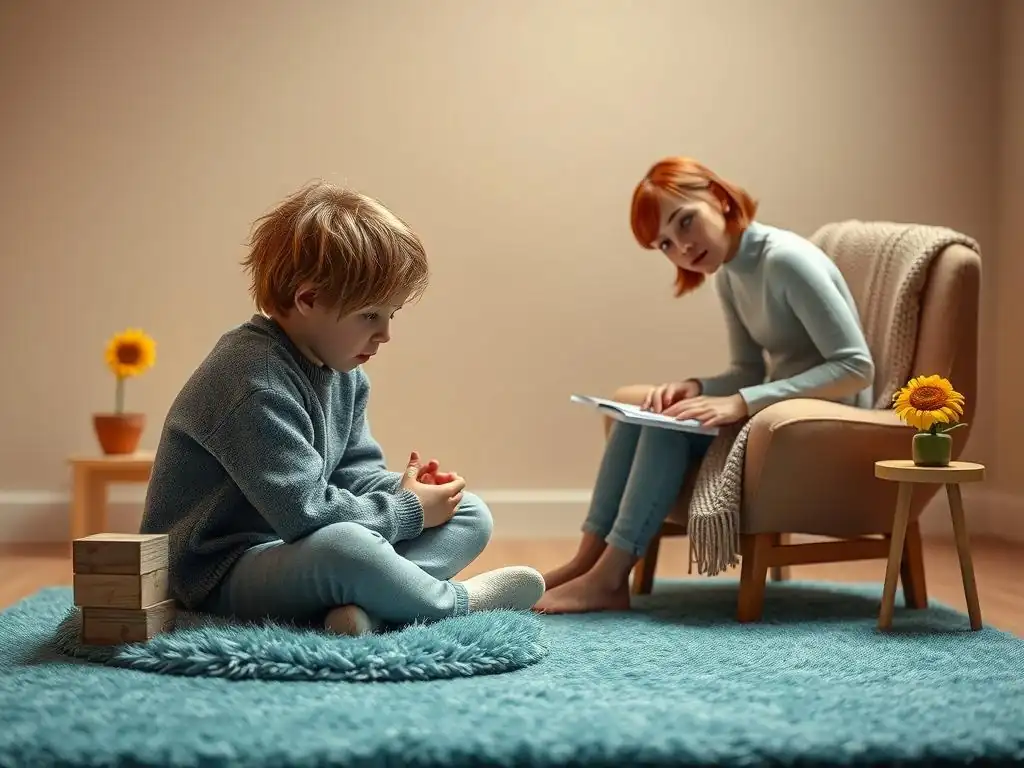
The Role of Pediatricians and Early Childhood Educators in Identifying Potential Issues
Pediatricians and early childhood educators are often the first adults outside the family to notice potential signs of depression in a preschooler. Pediatricians see children regularly for well-child checkups and are trained to monitor developmental milestones and overall health. They can screen for parental concerns about behavior and mood and observe the child's affect and interaction style during visits. Some pediatric practices utilize brief screening tools or questionnaires for parents to complete, which can flag potential mental health concerns.
Early childhood educators, such as preschool teachers or daycare providers, spend significant time with children in a structured environment and can observe their behavior, social interactions, and emotional regulation skills relative to their peers. They can identify persistent withdrawal, lack of engagement in activities, changes in energy level, or difficulties interacting with others that might not be as apparent at home. Their observations are invaluable in building a comprehensive picture of the child's functioning across different settings and are a crucial part of the diagnostic process for early childhood depression.
Psychological Evaluations and Screening Tools: Adapting Assessments for Young Children
Diagnosing depression in preschoolers typically involves a comprehensive psychological evaluation conducted by a qualified child psychologist or psychiatrist. This process is adapted for young children, relying less on self-report (as preschoolers cannot reliably articulate abstract feelings) and more on information gathered from multiple sources and direct observation. The evaluation usually includes detailed interviews with parents or primary caregivers about the child's history, development, behaviors, and symptoms, often using structured or semi-structured interview guides.
Standardized screening questionnaires and rating scales are also frequently used, completed by parents and teachers. Examples include the Child Behavior Checklist (CBCL) or the Preschool Feelings Checklist, which ask about specific behaviors and emotional symptoms. Direct observation of the child during play or interaction sessions with the clinician is another key component, allowing the professional to assess the child's mood, energy level, social engagement, and play patterns firsthand. These various sources of information are synthesized to determine if the child's symptoms meet the diagnostic criteria for a depressive disorder according to established clinical guidelines.
Parent-Teacher Communication: Sharing Observations and Building a Comprehensive Picture
Effective communication between parents and teachers is paramount in the process of diagnosing and supporting a preschooler with potential depression. Both parties observe the child in different contexts – the home environment with family dynamics and the school environment with peers and structured activities. Sharing these observations provides a more complete and nuanced understanding of the child's behavior and challenges.
Regular check-ins, whether formal meetings or informal conversations, allow parents to share concerns they've noticed at home (e.g., changes in sleep or appetite, persistent sadness) and teachers to share observations from the classroom (e.g., withdrawal from play, difficulty participating, irritability with peers). This collaborative approach helps identify patterns, rule out situational factors, and ensure that clinicians receive a well-rounded view when conducting evaluations or planning early childhood depression treatment options. A united front also ensures consistency in supporting the child across both environments once a diagnosis is made and intervention begins.
Treatment Options for Depression in Preschoolers: Evidence-Based Approaches
Parent-Child Interaction Therapy (PCIT): Strengthening the Parent-Child Bond
Parent-Child Interaction Therapy (PCIT) is a highly effective, evidence-based early childhood depression treatment option, particularly useful when depressive symptoms coexist with disruptive behaviors or when the parent-child relationship is strained. PCIT focuses on improving the quality of the parent-child relationship and teaching parents specific skills to manage their child's behavior and support their emotional development. It typically involves weekly coaching sessions where a therapist observes the parent and child interacting through a one-way mirror and provides real-time guidance to the parent via an earpiece.
The therapy is divided into two phases: Child-Directed Interaction (CDI) and Parent-Directed Interaction (PDI). CDI focuses on enhancing the parent-child relationship through skills like praising, reflecting, imitating, describing, and showing enthusiasm for the child's positive behaviors and play. PDI teaches parents consistent discipline strategies. Studies have shown that PCIT can lead to significant reductions in child behavior problems and depressive symptoms, improvements in parenting stress, and strengthening of the parent-child attachment, often within 12-20 sessions.
Play Therapy: Using Play to Explore Emotions and Develop Coping Skills
Play therapy is another cornerstone of early childhood depression treatment options, recognizing that play is a child's natural language and a primary way they explore their world and express themselves. In play therapy, a trained therapist provides a safe and supportive environment where the child can use toys, art supplies, sand trays, and other materials to act out feelings, experiences, and conflicts that they may not be able to verbalize.
The therapist observes the child's play themes and interactions, reflecting on their behavior and helping them process difficult emotions or experiences. Through play, children can gain a sense of control, learn problem-solving skills, and develop more adaptive ways of coping with stress and sadness. Play therapy can help depressed preschoolers express their inner world, understand their feelings better, and begin to work through the underlying issues contributing to their symptoms. It is a non-directive approach that empowers the child within a therapeutic relationship.
Medication: Considerations and Guidelines for Use in Preschoolers
Medication, specifically antidepressant medication, is generally not the first-line early childhood depression treatment option for preschoolers and is used with extreme caution in this age group. Psychosocial interventions like PCIT and play therapy are almost always recommended as the initial course of treatment. However, in rare cases of severe depression that do not respond to other treatments, or when co-occurring conditions like severe anxiety are present, a child psychiatrist may consider medication.
If medication is considered, it is done so with careful evaluation of the potential risks and benefits, close monitoring for side effects, and typically in conjunction with ongoing therapy. Dosage is carefully adjusted based on the child's weight and response. There is limited research on the long-term effects and optimal dosing of antidepressants in children under six, making the decision to prescribe a complex one that involves thorough discussion with parents and careful consideration of the individual child's needs and circumstances.
Promoting Healthy Routines: Sleep, Nutrition, and Physical Activity as Therapeutic Tools
Beyond formal therapeutic interventions, establishing and maintaining healthy routines plays a vital supportive role in early childhood depression treatment options and overall well-being. Adequate and consistent sleep is crucial; preschoolers typically need 10-13 hours per 24-hour period. Sleep disturbances are common in depression, and addressing them can significantly improve mood and energy levels.
Ensuring balanced nutrition supports brain health and stable energy. Limiting sugary snacks and processed foods while encouraging fruits, vegetables, and whole grains can have a positive impact. Regular physical activity, such as active play outdoors, helps regulate mood, reduce stress, and improve sleep. Aiming for at least 60 minutes of moderate to vigorous physical activity daily is recommended. Structuring the day with predictable times for meals, sleep, and play provides a sense of security and stability that is particularly beneficial for a child struggling with depression.
Supporting Your Preschooler: Practical Strategies for Parents
Creating a Safe and Predictable Home Environment: Establishing Routines and Boundaries
A safe, predictable, and nurturing home environment is fundamental in supporting a preschooler with depression and complements professional early childhood depression treatment options. Young children thrive on routine and predictability. Establishing consistent daily schedules for waking, meals, playtime, and bedtime helps reduce anxiety and provides a sense of security. Knowing what to expect helps a child feel more in control in a world that can otherwise feel overwhelming.
Setting clear, consistent, and age-appropriate boundaries also contributes to a sense of safety and structure. While it's natural to want to shield a depressed child, maintaining reasonable expectations for behavior and providing gentle, firm guidance is important. A chaotic or overly permissive environment can exacerbate feelings of instability. Focus on creating a calm, warm atmosphere where the child feels unconditionally loved and supported, even when they are struggling.
Encouraging Emotional Expression and Validation: Helping Children Identify and Manage Feelings
Helping a preschooler identify and express their emotions is a key parenting strategy that supports their emotional development and recovery from depression. Since young children lack sophisticated verbal skills, parents can use simple language and visual aids (like feeling charts with faces) to help them label basic emotions such as "sad," "mad," "happy," and "scared." Validate their feelings by acknowledging what they are experiencing without judgment ("I see you are feeling very sad right now").
Encourage expression through play, drawing, or simple words. For example, "Can you show me how sad feels with your teddy bear?" or "Draw a picture of how you feel inside." Teach simple coping strategies like taking a deep breath or hugging a favorite toy when feeling overwhelmed. This process builds emotional literacy and helps the child understand that all feelings are okay, while learning healthy ways to manage difficult ones, reinforcing skills learned in early childhood depression treatment options.
Encouraging positive interactions and supporting the development of social skills is vital, as depressed preschoolers often withdraw from social engagement. Create opportunities for positive one-on-one interaction with you through dedicated special playtime. Engage in activities that are enjoyable for both of you, focusing on connection and fun rather than performance.
Gently encourage interactions with peers in low-pressure settings, like parallel play alongside another child or short, supervised playdates. Help them practice simple social skills like sharing (when developmentally appropriate), taking turns, and expressing needs respectfully. Praise their efforts in social situations, no matter how small. While respecting their need for quiet time, avoid allowing complete social isolation, as positive relationships are a powerful protective factor and a goal of early childhood depression treatment options.
Finding the Right Support: Resources for Parents and Professionals

Locating Qualified Mental Health Professionals: Child Psychologists and Therapists
Finding qualified mental health professionals experienced in working with very young children is crucial when seeking early childhood depression treatment options. Look for licensed child psychologists, child psychiatrists, licensed clinical social workers, or licensed professional counselors who specialize in early childhood mental health (ages 0-5 or 0-8). These professionals have specific training in child development, play-based assessment, and therapeutic modalities appropriate for this age group, such as PCIT or child-centered play therapy.
You can typically find these professionals through referrals from your pediatrician, local children's hospitals or mental health clinics, professional organizations (like the American Academy of Child and Adolescent Psychiatry or the Association for Play Therapy), or online directories. Don't hesitate to ask about their experience working with preschoolers and their approach to treating depression in this age group during an initial consultation.
Connecting with Parent Support Groups: Sharing Experiences and Building Community
Connecting with other parents who have children experiencing similar challenges can be incredibly validating and helpful. Parent support groups provide a safe space to share experiences, challenges, and successes, reducing feelings of isolation. Hearing from others who understand the unique difficulties of navigating early childhood depression treatment options and supporting a young child with mental health needs can offer practical advice, emotional support, and hope.
Check with local mental health clinics, community centers, or national mental health organizations (like the National Alliance on Mental Illness - NAMI) for information on parent support groups focused on early childhood mental health or specific conditions like depression. Online forums and social media groups can also provide connections, though it's important to seek out moderated groups associated with reputable organizations for reliable information and support.
Accessing affordable early childhood depression treatment options can be a significant challenge for families. Understanding your health insurance coverage for mental health services is essential. Contact your insurance provider to inquire about your benefits, including copays, deductibles, in-network vs. out-of-network providers, and any limitations on the number of therapy sessions. Be aware of parity laws that require insurers to cover mental health services at the same level as physical health services.
If insurance coverage is limited or you are uninsured, explore other funding options. Community mental health centers often offer services on a sliding scale based on income. Some states have publicly funded early intervention programs that may cover mental health services for eligible children. Non-profit organizations and university training clinics may also offer lower-cost services. Don't let financial concerns prevent you from seeking help; inquire about all available resources.
Long-Term Management and Prevention: Fostering Resilience
Building Emotional Regulation Skills: Teaching Children to Manage Stress and Emotions
Fostering emotional regulation skills is a key aspect of long-term management and prevention of depression in preschoolers, building upon the foundation laid by early childhood depression treatment options. This involves helping children understand, express, and manage their emotions in healthy ways. Simple techniques can be taught, such as identifying feelings, taking deep breaths when upset, using words instead of actions to express anger or frustration, and learning to tolerate uncomfortable feelings.
Parents can model healthy emotional expression and coping strategies. When you feel stressed, calmly explain what you are doing to manage it ("Mommy feels a little frustrated right now, I'm going to take a deep breath"). Use play to practice different emotional scenarios. As children develop these skills, they become better equipped to handle stress, navigate social challenges, and recover from setbacks, reducing their vulnerability to future depressive episodes.
Promoting Positive Self-Esteem and Confidence: Encouraging a Sense of Competence
Nurturing a preschooler's self-esteem and sense of competence is crucial for building resilience against depression. Children who feel capable and valued are better able to cope with challenges. Focus on praising effort and specific behaviors rather than just outcomes ("You worked so hard on building that tower!" instead of just "That's a great tower!"). Provide opportunities for the child to succeed at age-appropriate tasks, giving them a sense of mastery.
Allow them to make choices when appropriate, fostering independence and control. Encourage their interests and provide positive feedback on their unique strengths. Avoid overly harsh criticism or unrealistic expectations. A child who feels loved, capable, and confident is developing an internal reservoir of strength that serves as a protective factor throughout life, complementing the work done in early childhood depression treatment options.
Maintaining Ongoing Communication and Support: Ensuring Continued Well-being
Long-term well-being for a child who has experienced early childhood depression involves maintaining ongoing communication with professionals and providing consistent support at home. Even after formal early childhood depression treatment options conclude, staying connected with a pediatrician or therapist for periodic check-ins can be beneficial, allowing for early identification of any recurring symptoms or new challenges.
Continue to prioritize open communication within the family, creating a space where the child feels safe to express their feelings as they grow. Be attuned to changes in their behavior or mood, recognizing that mental health is a lifelong journey. Providing consistent emotional support, maintaining healthy routines, and continuing to build their emotional and social skills are ongoing processes that foster resilience and support their continued mental well-being.
Conclusion: Fostering Hope and Resilience in Preschoolers with Depression
Frequently Asked Questions
What are some common signs and symptoms of early childhood depression that parents should be aware of?
Early childhood depression can manifest differently than adult depression. Look for persistent sadness or irritability, loss of interest in play, and changes in sleep or appetite.
Why is early diagnosis and treatment of depression in young children so important?
Early intervention is crucial because untreated depression can negatively impact a child's cognitive, social, and emotional development. It can also increase the risk of future mental health issues.
What are the primary early childhood depression treatment options available, as discussed by Mind Care Guide?
The most common options include therapy, particularly play therapy or cognitive-behavioral therapy (CBT) adapted for young children, and in some cases, medication under the careful supervision of a psychiatrist.
Mind Care Guide offers resources and support to help parents understand the diagnostic process, find qualified mental health professionals specializing in early childhood depression, and advocate for their child's needs.
Where can parents find further information and support regarding early childhood depression treatment options on the Mind Care Guide website?
The website provides articles, guides, and directories of mental health professionals. Look for sections specifically addressing childhood mental health and depression treatment resources.
Final Reflection: The Urgent Need for Early Intervention in Childhood Depression
The silent suffering of young children with depression is a crisis demanding immediate attention. Early identification and intervention are not merely beneficial; they are crucial for shaping a child's future trajectory, preventing long-term mental health struggles, and fostering a brighter, healthier life. The lack of awareness and readily available resources remains a significant barrier, highlighting the urgent need for systemic change and increased public understanding.
The impact of untreated childhood depression extends far beyond the individual child; it ripples outwards, affecting families, communities, and ultimately, society as a whole. The emotional toll on parents and caregivers is immense, and the long-term consequences for the child can include academic difficulties, strained relationships, and increased risk of substance abuse and other mental health challenges later in life. The best time to treat childhood depression is early, before it has a chance to take root and cause lasting damage.
This simple truth underscores the importance of the information presented in this article and the need for continued advocacy and research in this vital area.
You, the reader, now hold the power to make a difference. Take the time to learn the signs and symptoms of early childhood depression. If you suspect a child in your life may be struggling, reach out to a healthcare professional. Don't hesitate; early intervention can be life-changing. Let's work together to create a world where every child has access to the support and treatment they need to thrive, breaking the silence and fostering a future where mental health is prioritized and understood.
Unveil Your Child's Potential: Next Steps Towards Support
Thanks for taking the time to learn more about early childhood depression. We hope this article shed light on the often-overlooked challenges and provided you with valuable insights. Now, let's take action to support your child’s wellbeing.
- Schedule a consultation with your pediatrician or a child psychologist: This is the most crucial step in getting your child the help they need. Don't hesitate; early intervention makes a significant difference.
- Connect with other parents facing similar challenges: Sharing experiences and finding support within a community can be incredibly empowering. Search for local support groups or online forums.
- Consider journaling your observations and concerns: This will help you track your child’s progress and provide valuable information to your healthcare provider. A detailed record can be an invaluable tool for creating a tailored support plan.
What small step will you take today to prioritize your child's mental health journey?