
AgeAppropriate Resources: Finding Help for Senior Anxiety

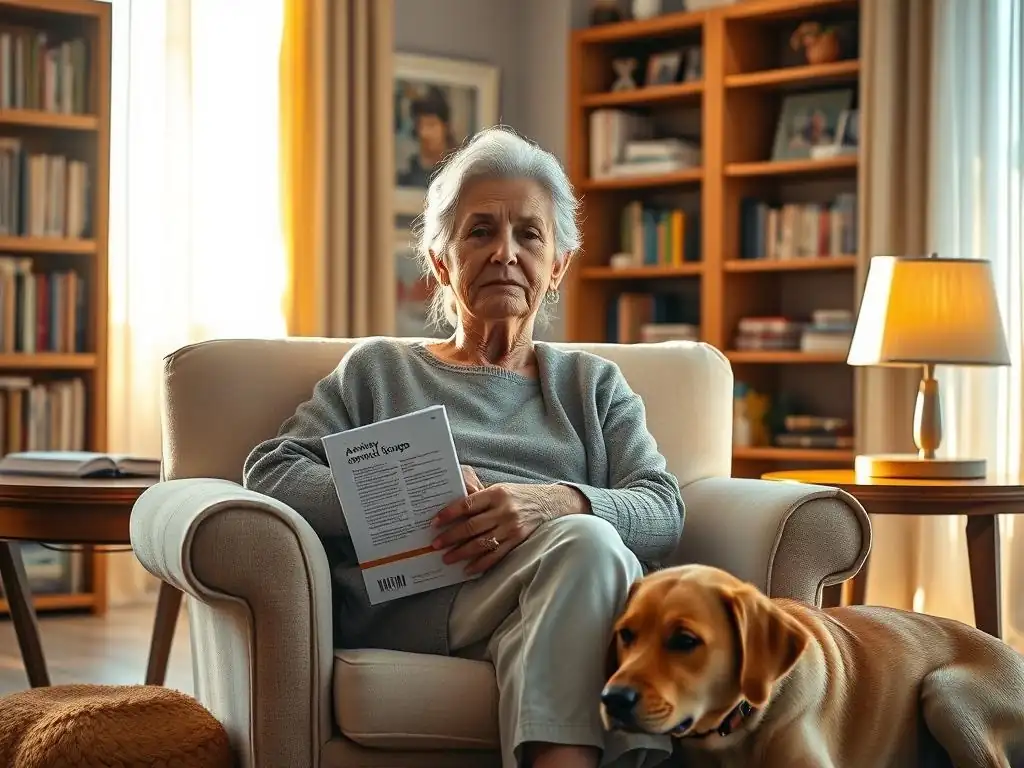
Welcome to Mind Care Guide, your sanctuary for mental well-being.
Feeling overwhelmed by anxiety as you navigate the golden years? You're not alone. Many seniors experience heightened anxiety, but finding appropriate support can be challenging. This is why we've created this Senior Anxiety Resource Guide, a comprehensive and compassionate collection of tools and strategies designed specifically for you. Discover practical solutions and empowering information to reclaim your peace of mind, starting right here. Let's explore together.
- Senior Anxiety Resource Guide: Finding Age-Appropriate Support
- Recognizing the Unique Challenges of Anxiety in Seniors
- The Importance of Age-Appropriate Resources for Senior Anxiety
- Types of Senior Anxiety Resources: A Comprehensive Overview
-
Finding the Right Senior Anxiety Resource: A Step-by-Step Approach
- Step 1: Identifying Specific Anxiety Symptoms and Needs
- Step 2: Researching Local and National Senior Anxiety Resources
- Step 3: Consulting with Healthcare Professionals for Recommendations
- Step 4: Evaluating the Credibility and Effectiveness of Resources
- Step 5: Monitoring Progress and Adjusting the Support Plan
- Overcoming Barriers to Accessing Senior Anxiety Resources
- Building a Supportive Environment for Seniors Experiencing Anxiety
- Long-Term Management of Senior Anxiety: Promoting Mental Well-being
- Senior Anxiety Resource Directory: Key Organizations and Websites
- Conclusion: Empowering Seniors to Manage Anxiety with the Right Resources
-
Frequently Asked Questions
- What makes a resource "age-appropriate" for senior anxiety?
- Where can I find a comprehensive "Senior Anxiety Resource Guide"?
- What are some common causes of anxiety in seniors?
- What types of support are available for seniors experiencing anxiety?
- How can I help a senior loved one who is struggling with anxiety?
- Final Reflection: Navigating the Labyrinth of Senior Anxiety
- Unveil Your Next Steps: Easing Senior Anxiety
Senior Anxiety Resource Guide: Finding Age-Appropriate Support
Understanding Anxiety in Older Adults
Anxiety is a natural human emotion, but for older adults, it can manifest in unique ways and be particularly challenging. Unlike the more commonly discussed depression in seniors, anxiety disorders are also prevalent, affecting a significant portion of the older population. It's estimated that around 10-20% of adults aged 65 and older experience clinically significant anxiety symptoms, which can range from generalized worry and restlessness to panic attacks and specific phobias.
This emotional state can profoundly impact their quality of life, affecting daily activities, social interactions, and physical health. Recognizing that anxiety is not just a normal part of aging is the first critical step toward seeking effective help and finding appropriate support.
The experience of anxiety in older adults is often intertwined with age-related changes and life transitions. Retirement, loss of loved ones, declining physical health, financial concerns, and changes in living situations can all contribute to increased stress and worry.
Furthermore, medical conditions common in older age, such as heart disease, respiratory problems, or thyroid issues, can sometimes mimic or exacerbate anxiety symptoms, making diagnosis complex. Therefore, a comprehensive understanding of how anxiety presents in this age group, distinct from other health issues, is essential for developing effective strategies and leveraging the right senior anxiety resource guide to find tailored support.
Recognizing the Unique Challenges of Anxiety in Seniors
The aging process brings about various physiological and psychological changes that can uniquely contribute to anxiety. For instance, neurochemical changes in the brain, while not fully understood, may play a role in increased vulnerability to anxiety disorders. Additionally, chronic health conditions, which are more common in older adults, often bring with them pain, limitations, and uncertainty about the future, all potent sources of worry and anxiety. A senior anxiety resource guide must acknowledge these underlying factors to provide truly age-appropriate recommendations.
Sensory impairments, such as vision or hearing loss, can also heighten anxiety by making older adults feel less connected to their environment and more vulnerable. Reduced mobility can lead to social isolation, a known risk factor for both anxiety and depression. Furthermore, cognitive changes, even mild ones, can cause worry about declining mental capacity. These interconnected physical and mental changes create a complex landscape where anxiety can take root, necessitating a nuanced approach to identification and support that goes beyond standard adult anxiety models.
Common Anxiety Triggers Specific to Older Adults
Older adults face a distinct set of potential anxiety triggers rooted in their stage of life. The loss of a spouse, friends, or family members is a profound trigger, leading to grief that can manifest as anxiety about one's own mortality or future loneliness. Retirement, while anticipated, can trigger anxiety related to loss of identity, structure, and financial security. Health crises, whether their own or that of a loved one, are significant stressors that can escalate worry to clinical anxiety.
Changes in living situations, such as moving from a long-time home to assisted living, can also be deeply unsettling and anxiety-inducing. Fear of falling, crime, or financial exploitation are other concerns that disproportionately affect this age group and can contribute to persistent worry. Understanding these specific triggers is vital for caregivers and healthcare providers to identify anxiety early and connect seniors with a senior anxiety resource guide that addresses these unique life circumstances.
Why Senior Anxiety Often Goes Undetected
Despite its prevalence, anxiety in older adults is frequently overlooked or misdiagnosed. One major reason is that symptoms can be atypical compared to younger adults. Instead of overt panic attacks, seniors might present with physical complaints like digestive issues, fatigue, or increased pain, which are then attributed solely to their medical conditions. They may also express worry primarily about health or finances, which can be dismissed as understandable concerns rather than symptoms of an anxiety disorder.
Furthermore, older adults grew up in a time when mental health issues were heavily stigmatized, making them less likely to report feelings of excessive worry, nervousness, or fear. They may feel ashamed or believe that anxiety is a sign of weakness or simply a normal part of aging they must endure.
Healthcare providers, too, may not always screen specifically for anxiety in this population, focusing instead on physical health concerns. This combination of factors contributes to a significant gap between the number of seniors experiencing anxiety and those receiving appropriate diagnosis and treatment, highlighting the critical need for accessible and destigmatized senior anxiety resource guides.
The Importance of Age-Appropriate Resources for Senior Anxiety
Tailoring Anxiety Treatment to the Needs of Older Adults
Effective treatment for senior anxiety requires approaches that are specifically adapted to the unique characteristics and needs of older adults. Standard therapeutic techniques may need modification to account for potential cognitive changes, sensory impairments, or physical limitations. For example, cognitive behavioral therapy (CBT), a highly effective treatment for anxiety, might be delivered at a slower pace, use larger print materials, or incorporate strategies to accommodate mobility issues.
Medication management also requires specialized knowledge when treating older adults. Seniors often take multiple medications for various health conditions, increasing the risk of drug interactions and side effects from anxiety medications. Lower doses or different types of medications may be necessary. Therefore, accessing a senior anxiety resource guide that emphasizes geriatric-specific mental healthcare expertise is crucial for ensuring safe and effective treatment tailored to their specific physiological and psychological profile.
Addressing Stigma and Access to Mental Healthcare for Seniors
Stigma remains a significant barrier preventing older adults from seeking help for anxiety. Many seniors internalize negative societal attitudes about mental illness, viewing it as a personal failing rather than a treatable health condition. This can lead to feelings of shame and reluctance to discuss their struggles with family, friends, or healthcare providers. Initiatives aimed at reducing this stigma through public awareness campaigns and educational programs are vital components of a comprehensive senior anxiety resource guide.
Access issues also pose challenges. Transportation difficulties, limited mobility, and financial constraints can make it hard for seniors to attend therapy appointments or access mental health services. A lack of mental health professionals specializing in geriatric care in certain areas exacerbates this problem. Resources that offer home-based therapy, telehealth options, or connect seniors with affordable or covered services are essential for improving access and ensuring that financial or logistical barriers do not prevent them from receiving the support they need.
The Benefits of Specialized Senior Anxiety Programs
Programs specifically designed for older adults experiencing anxiety offer several advantages. These programs often employ mental health professionals with expertise in geriatric psychology and the unique challenges faced by seniors. They can provide group therapy settings where older adults can connect with peers facing similar issues, reducing feelings of isolation and fostering mutual support. The content and pace of these programs are typically adapted to be more accessible and relevant to the experiences of older adults.
Specialized programs may also integrate activities beneficial for seniors, such as gentle exercise, mindfulness practices, or social components, which address holistic well-being alongside anxiety management. By focusing exclusively on the needs of this age group, these programs can create a more comfortable and effective therapeutic environment. Including information about how to locate and access these specialized programs is a key feature of a valuable senior anxiety resource guide, helping seniors find support that truly understands their situation.
Types of Senior Anxiety Resources: A Comprehensive Overview

Mental Health Professionals Specializing in Geriatric Anxiety
Finding a mental health professional with experience treating older adults is paramount. These specialists understand the interplay between physical health, cognitive function, and mental well-being in later life.
Finding Geriatric Psychiatrists and Psychologists
Geriatric psychiatrists are medical doctors who specialize in the mental health of older adults and can prescribe medication while considering complex medical histories. Geriatric psychologists hold doctoral degrees and specialize in providing therapy and psychological assessments for seniors. They are skilled in adapting therapeutic techniques, such as CBT or acceptance and commitment therapy (ACT), to the needs of older clients.
Locating these specialists can involve consulting your primary care physician, using online directories filtered by age specialization, or contacting local hospitals with geriatric departments. A robust senior anxiety resource guide will often list organizations or databases that help in this search.
The Role of Therapists and Counselors in Senior Anxiety Management
Licensed clinical social workers (LCSWs), licensed professional counselors (LPCs), and marriage and family therapists (MFTs) can also be excellent resources. Many have experience working with older adults and can provide individual or group therapy focused on coping strategies, life transitions, and reducing anxiety symptoms. While they cannot prescribe medication, they play a crucial role in providing emotional support, practical tools, and connecting seniors with other necessary services. When searching for these professionals, it's beneficial to inquire about their experience with geriatric mental health and their approach to treating anxiety in this age group.
Community-Based Support Groups for Older Adults with Anxiety
Connecting with peers can significantly reduce feelings of isolation and provide valuable emotional support. Support groups offer a space for shared experiences and coping strategies.
Local Senior Centers and Their Mental Health Programs
Many local senior centers offer a variety of programs aimed at promoting well-being, including support groups, counseling services, and workshops on stress management or mindfulness. These centers are often easily accessible within the community and provide a welcoming environment. While not always specifically focused on anxiety, general mental wellness groups or groups centered around coping with loss or health challenges can be very beneficial for managing anxiety symptoms. Visiting a local senior center or checking their activity schedule can reveal available resources.
Online Support Groups and Forums for Senior Anxiety
For seniors who are homebound, live in rural areas, or prefer anonymity, online support groups and forums offer a valuable alternative. Platforms like the Anxiety & Depression Association of America (ADAA) or the National Alliance on Mental Illness (NAMI) often host or list online communities. These groups allow seniors to connect with others from the comfort of their homes, share experiences, and receive encouragement. While not a substitute for professional therapy, they can provide a sense of community and reduce feelings of being alone in the struggle with anxiety.
Government and Non-Profit Organizations Offering Senior Anxiety Support
Various governmental and non-profit entities provide resources, information, and sometimes direct services for older adults' mental health.
Medicare and Medicaid Coverage for Mental Health Services
Understanding health insurance coverage is critical for accessing affordable mental healthcare. Medicare Part B generally covers outpatient mental health services, including therapy, counseling, and visits with psychiatrists or psychologists. Coverage details can vary, so it's important to check specific plan benefits.
Medicaid also provides mental health coverage, which varies by state but typically includes a range of services. Navigating these systems can be complex, and organizations like the Administration for Community Living (ACL) or local Area Agencies on Aging often provide assistance with understanding benefits and finding covered providers, serving as a vital part of a senior anxiety resource guide.
National Institute of Mental Health (NIMH) Resources for Seniors
The National Institute of Mental Health (NIMH) is a leading federal agency conducting research on mental disorders. While they do not provide direct clinical services, their website offers a wealth of information about anxiety disorders, treatment options, and ongoing research that older adults and their families can access. They also provide brochures and fact sheets that can help seniors understand their condition and available resources. This serves as a valuable informational component within a broader senior anxiety resource guide.
Assistive Technology and Apps for Anxiety Management in Seniors
Technology can be a helpful tool for managing anxiety symptoms, offering accessible ways to practice relaxation and therapeutic techniques.
Relaxation and Meditation Apps Designed for Older Adults
Many apps offer guided meditation, breathing exercises, and relaxation techniques that can help reduce anxiety. Some apps, like Calm or Headspace, have simple interfaces that can be relatively easy for seniors to navigate. Others may offer specific programs tailored for stress reduction or sleep improvement, common concerns for anxious seniors. While not a replacement for professional help, incorporating daily practice with these tools can be a beneficial adjunct to treatment. Checking app reviews for ease of use and accessibility features is important.
Cognitive Behavioral Therapy (CBT) Apps for Senior Anxiety
Several apps are designed to deliver CBT-based techniques, such as identifying negative thought patterns and practicing cognitive restructuring. Apps like MoodTools or Pacifica (now Sanvello) offer exercises and tracking features that align with CBT principles. While these apps are not a substitute for therapy with a trained professional, they can reinforce skills learned in therapy or provide introductory tools for managing anxious thoughts. It's important to note that effectiveness can vary, and guidance from a mental health professional on using such apps is recommended, particularly for seniors who may be new to digital tools or therapeutic concepts.
Finding the Right Senior Anxiety Resource: A Step-by-Step Approach
Step 1: Identifying Specific Anxiety Symptoms and Needs
The first step is to gain clarity on the specific ways anxiety is affecting the individual. Are the symptoms primarily excessive worry? Do they involve panic attacks? Is there anxiety related to specific situations like social events or health appointments? Recognizing whether the anxiety is mild, moderate, or severe is also important. Consider how the anxiety interferes with daily life, sleep, appetite, and social activities. Documenting these symptoms and their impact can be incredibly helpful when discussing concerns with a healthcare provider or searching for a suitable senior anxiety resource guide.
Step 2: Researching Local and National Senior Anxiety Resources
Once symptoms are identified, begin researching available resources. Start locally by looking into senior centers, community mental health clinics, and hospitals with geriatric services. Expand the search to national organizations focused on mental health or aging, such as NAMI, ADAA, or the National Council on Aging (NCOA). Utilize online directories provided by professional organizations like the American Psychological Association (APA) or the American Association for Geriatric Psychiatry (AAGP), often allowing filtering by location and specialization. This research phase is about building a list of potential options found through a comprehensive senior anxiety resource guide search.
Step 3: Consulting with Healthcare Professionals for Recommendations
Your primary care physician is an excellent starting point. Discuss the anxiety symptoms openly and honestly. They can rule out any underlying medical conditions contributing to the symptoms and provide referrals to mental health specialists or programs in your area. Geriatricians, if available, are particularly helpful due to their expertise in the complex health needs of older adults. Don't hesitate to ask for specific recommendations based on the individual's needs and preferences. A healthcare professional can often connect you directly with trusted resources.
Step 4: Evaluating the Credibility and Effectiveness of Resources
Before committing to a resource, take time to evaluate its suitability. For professionals, check their credentials, experience with geriatric anxiety, and therapeutic approach. For programs or organizations, look for evidence of their effectiveness – do they use evidence-based practices like CBT? Are there testimonials or reviews available? Consider the cost, insurance coverage, location, and accessibility. Talking to the resource provider directly about their approach to senior anxiety can help determine if it's a good fit. A reliable senior anxiety resource guide will often provide criteria for evaluating options.
Step 5: Monitoring Progress and Adjusting the Support Plan
Anxiety management is often an ongoing process. Once a resource or treatment plan is in place, it's essential to regularly monitor its effectiveness. Are symptoms improving? Is the individual feeling better equipped to cope? If progress is slow or symptoms worsen, don't hesitate to discuss this with the healthcare provider or resource provider. The support plan may need adjustments, which could involve trying a different therapist, modifying medication, adding a support group, or incorporating new coping strategies. The journey to managing senior anxiety is dynamic and requires flexibility.
Overcoming Barriers to Accessing Senior Anxiety Resources
Addressing Financial Constraints and Insurance Coverage
The cost of mental healthcare can be a significant barrier for seniors, especially those on fixed incomes. Understanding what Medicare, Medicaid, or private insurance plans cover is crucial. Explore options like community mental health centers, which often offer services on a sliding scale based on income. University psychology departments may also have training clinics offering lower-cost therapy. Patient assistance programs for medications are another avenue to explore. Actively seeking out information on coverage and financial aid is a necessary step detailed in any practical senior anxiety resource guide.
Isolation can exacerbate anxiety and make it harder to access help. Encourage social engagement through senior centers, clubs, or volunteer work. For transportation challenges, explore local senior transportation services, ride-sharing programs, or volunteer driver networks. Family and friends can also play a vital role in providing rides to appointments. Telehealth services, which allow therapy sessions to take place via video call, are increasingly available and can bypass transportation and mobility barriers entirely.
Promoting Awareness and Reducing Stigma Surrounding Mental Health in Seniors
Educating older adults, their families, and the community about senior anxiety is key to reducing stigma. Share accurate information about anxiety as a treatable condition. Encourage open conversations about mental well-being. Support campaigns that destigmatize mental health in older populations. When seniors feel less ashamed, they are more likely to seek the help they need from the resources identified in a senior anxiety resource guide, improving their chances of recovery and a better quality of life.
Building a Supportive Environment for Seniors Experiencing Anxiety

Family and Caregiver Education on Senior Anxiety
Families and caregivers play a critical role in supporting older adults with anxiety. Educating them about the signs and symptoms of senior anxiety, common triggers, and effective coping strategies empowers them to provide appropriate support. Understanding that anxiety is not within the individual's control and requires professional help can foster empathy and reduce frustration. Resources like workshops, online courses, or brochures from mental health organizations can provide this essential education.
Creating a Calming and Safe Home Environment
The home environment can significantly impact anxiety levels. Ensure the living space feels safe and secure. Reduce clutter and create organized spaces to minimize feelings of overwhelm. Incorporate elements that promote relaxation, such as comfortable seating, soothing colors, or access to natural light. If mobility is an issue, ensure the home is easily navigable to reduce anxiety about falls or navigating obstacles. A peaceful home serves as a sanctuary, helping to mitigate external stressors.
Social connection and purposeful activities are vital for mental well-being in older adults. Encourage participation in social events, hobbies, or volunteer opportunities that align with their interests and abilities. Even small, regular interactions with friends or family can make a significant difference. Meaningful activities, whether it's gardening, painting, or helping others, provide a sense of purpose and accomplishment, which can effectively counter feelings of worry and restlessness associated with anxiety.
Long-Term Management of Senior Anxiety: Promoting Mental Well-being
Integrating Relaxation Techniques and Mindfulness Practices
Learning and regularly practicing relaxation techniques like deep breathing, progressive muscle relaxation, or guided imagery can help seniors manage acute anxiety symptoms and reduce overall stress. Mindfulness practices, which involve focusing on the present moment without judgment, can help interrupt cycles of anxious thoughts. These techniques are skills that improve with practice and can be integrated into daily routines. Many senior anxiety resource guides include sections or links (though not here due to constraints) to tutorials or apps for these practices.
Maintaining a Healthy Lifestyle: Diet, Exercise, and Sleep
Physical health is intrinsically linked to mental health. Encouraging a balanced diet, regular physical activity (tailored to ability), and consistent sleep hygiene are fundamental to managing anxiety long-term. Even moderate exercise, like a daily walk, can significantly reduce stress and improve mood. Ensuring adequate nutrition and addressing sleep disturbances are also crucial components of a holistic approach to senior anxiety management.
Ongoing Monitoring and Adjustment of the Support Plan
Managing senior anxiety is not a one-time fix but a continuous process. Regular check-ins with healthcare providers and mental health professionals are necessary to monitor symptoms, assess the effectiveness of current strategies, and make adjustments as needed. Life circumstances change, and the support plan should evolve accordingly. Remaining proactive and adaptable is key to promoting long-term mental well-being and ensuring that the individual continues to benefit from their senior anxiety resource guide and support network.
Senior Anxiety Resource Directory: Key Organizations and Websites
- National Alliance on Mental Illness (NAMI): Offers support groups, educational programs, and a helpline for individuals and families affected by mental illness, including anxiety in older adults. They have local chapters across the country.
- Anxiety & Depression Association of America (ADAA): Provides information on anxiety disorders, treatment options, and a find-a-therapist directory. Their website features resources specifically addressing anxiety in older adults.
- Administration for Community Living (ACL): A federal agency that provides information and resources for older adults and their families, including links to Area Agencies on Aging which can help navigate local support services, including mental health resources.
- National Institute on Aging (NIA): Offers information about health and aging research, including mental health topics relevant to older adults. Their publications provide reliable information on anxiety and ways to seek help.
- Medicare.gov: The official U.S. government site for Medicare information, detailing coverage for mental health services. Understanding these benefits is essential for accessing affordable care.
Conclusion: Empowering Seniors to Manage Anxiety with the Right Resources
Anxiety is a prevalent and often debilitating condition for many older adults, but it is not an inevitable part of aging. With the right understanding, identification, and access to age-appropriate resources, seniors can effectively manage their anxiety and significantly improve their quality of life. This senior anxiety resource guide has highlighted the unique challenges faced by this population and the diverse range of support available, from specialized mental health professionals and community programs to technological aids and vital information resources.
Empowering seniors means equipping them and their support networks with the knowledge to recognize anxiety, the tools to seek help, and the confidence to navigate the available options. By addressing the specific factors contributing to senior anxiety, overcoming barriers to access, and building supportive environments, we can ensure that older adults receive the compassionate and effective care they deserve. Utilizing a comprehensive senior anxiety resource guide is a crucial step on the path toward reducing distress and promoting lasting mental well-being in later life.
Frequently Asked Questions
What makes a resource "age-appropriate" for senior anxiety?
Age-appropriate resources are tailored to the unique needs and challenges faced by older adults, considering factors like cognitive abilities, physical limitations, and life experiences. This ensures the information is accessible and relevant.
Where can I find a comprehensive "Senior Anxiety Resource Guide"?
Mind Care Guide offers a comprehensive resource guide specifically designed to address senior anxiety. It provides information, support, and resources for various mental health challenges faced by seniors.
What are some common causes of anxiety in seniors?
Common causes include social isolation, physical health problems, and loss of loved ones. These factors can significantly impact a senior's mental well-being and contribute to feelings of anxiety.
What types of support are available for seniors experiencing anxiety?
Support options include therapy, support groups, and medication, often combined for the best outcome. Resources also cover lifestyle adjustments that can help manage anxiety symptoms.
How can I help a senior loved one who is struggling with anxiety?
Offer emotional support, help them access professional resources, and encourage social engagement. Create a safe and supportive environment where they feel comfortable sharing their feelings.
The anxieties faced by our aging population are not merely a byproduct of age; they are a critical societal issue demanding immediate attention. The resources available, or rather, the lack of readily accessible and age-appropriate resources, highlight a significant gap in our support systems. This necessitates a proactive and compassionate approach to addressing the unique challenges seniors face in managing their mental well-being.
The journey of researching and compiling this guide underscored the profound impact anxiety has on the lives of older adults and their families. The emotional toll, the isolation, and the struggle to navigate a complex healthcare system are all too real. Growing old is not for the faint of heart,
a wise friend once told me, and this rings truer than ever when considering the often-overlooked mental health needs of seniors. This article aims to be a beacon of hope, a starting point for those seeking help and understanding.
Now, it's your turn. Take a moment to reflect on the information presented. Consider the seniors in your life – your parents, grandparents, neighbors, or even acquaintances. Are they receiving the support they need? Could you be a source of comfort, guidance, or simply a listening ear? Let this guide be a catalyst for action, prompting you to reach out, to learn more, and to contribute to a more compassionate and supportive environment for our aging population. The journey towards alleviating senior anxiety begins with awareness, understanding, and a commitment to making a difference.
Unveil Your Next Steps: Easing Senior Anxiety
Thank you for taking the time to learn about easing anxiety in seniors. We hope this article provided valuable insights and practical strategies. Now, it's time to put that knowledge into action!
- Prioritize a Conversation: Start a gentle conversation with your loved one about their anxieties. This open dialogue is the first step toward finding solutions together. Remember, active listening is key.
- Explore Local Support: Research local senior centers, support groups, or mental health professionals specializing in geriatric care. Many resources are available, and finding the right fit can make a world of difference.
- Share Your Knowledge: Share this article with other family members, friends, or caregivers who are facing similar challenges. Let's build a supportive network to help our seniors thrive.
What small step can you take today to make a positive impact on a senior's well-being?