
The Mental Health of Grandmothers: Supporting a Key Role


Welcome to Mind Care Guide, a space dedicated to nurturing your mental well-being.
Feeling overwhelmed supporting a beloved grandmother's mental health? You're not alone. Discover invaluable grandmother mental health support resources to navigate this challenging journey with compassion and understanding. Uncover practical strategies and empowering insights to help you provide the best possible care and create a brighter future for her. Ready to learn more?
- The Mental Health of Grandmothers: Supporting a Key Role | Mind Care Guide
- Recognizing the Signs: Identifying Mental Health Issues in Grandmothers
- The Importance of Supporting Grandmother Mental Health
- Practical Strategies for Supporting Grandmother Mental Health
- Mental Health Resources
- Family's Role in Supporting Grandmother Mental Health
- Fostering Resilience: Empowering Grandmothers
- Conclusion: Prioritizing Grandmother Mental Health
-
Frequently Asked Questions
- What are some common mental health challenges faced by grandmothers?
- Where can I find support resources specifically tailored for grandmothers' mental health?
- How can family members best support a grandmother struggling with her mental health?
- What are the signs that a grandmother might be experiencing a mental health issue?
- What are the unique benefits of addressing a grandmother's mental health needs?
- Final Reflection: The Unsung Burden and Unwavering Strength of Grandmothers
- Unlock Grandmothers' Wellbeing: Take Action Today!
The Mental Health of Grandmothers: Supporting a Key Role | Mind Care Guide
The Evolving Role of Grandmothers in Modern Families
The role of a grandmother has transformed significantly over recent decades. No longer is it solely defined by occasional visits and holiday gatherings. Today, grandmothers are increasingly involved in the daily lives of their grandchildren, often providing regular childcare, financial assistance, and emotional support. This expanded role can be incredibly rewarding, offering a deep connection with younger generations and a renewed sense of purpose. However, it also brings new responsibilities and pressures that can impact a grandmother's mental well-being.
This shift is partly driven by socioeconomic factors, such as the rising cost of childcare, the increase in dual-income families, and challenging economic conditions that necessitate multigenerational living arrangements. For instance, in the United States, estimates suggest that roughly 2.7 million children are being raised by a grandparent. This statistic highlights a significant population of grandmothers who are essentially acting as primary caregivers, juggling the demands of parenting later in life, which can be physically and emotionally taxing and directly influence the need for accessible grandmother mental health support resources.
Common Mental Health Concerns in Grandmothers: An Overview
Grandmothers, like any population group, are susceptible to a range of mental health challenges. However, their unique life stage and roles can make certain conditions more prevalent or manifest differently. Depression and anxiety are common concerns, often linked to life transitions such as retirement, loss of a spouse or friends, health issues, or the stresses of caregiving. The emotional burden of supporting family members, especially grandchildren facing difficulties, can also contribute significantly to feelings of worry and sadness.
Beyond depression and anxiety, grandmothers may also grapple with feelings of loneliness and social isolation, particularly if they live far from family or have limited mobility. Grief and loss are also profound experiences in later life, dealing with the deaths of loved ones, including peers, spouses, or even adult children.
While not strictly a mental health condition, changes in cognitive function can also be a source of anxiety and distress for grandmothers and their families, impacting their independence and sense of self. Recognizing these common concerns is the first step in providing effective support and finding appropriate grandmother mental health support resources.
Risk Factors Affecting Grandmothers' Mental Well-being
Several factors can increase a grandmother's vulnerability to mental health issues. One significant risk factor is the assumption of caregiving responsibilities, particularly for grandchildren. This can lead to increased stress, financial strain, and a lack of personal time, potentially resulting in caregiver burnout. A study might indicate, for example, that grandmothers who are primary caregivers report higher levels of stress and depression compared to those in less demanding roles.
Other risk factors include existing physical health problems, which can limit mobility and independence and contribute to feelings of frustration or helplessness. Social isolation, often due to geographical distance from family, loss of a spouse, or reduced social circles, is a major contributor to depression and anxiety in older adults, including grandmothers. Financial instability or concerns about the future can also be a significant source of stress. Understanding these risk factors is crucial for identifying grandmothers who may be at higher risk and proactively offering grandmother mental health support resources.
Recognizing the Signs: Identifying Mental Health Issues in Grandmothers
Depression and Anxiety in Grandmothers: Identifying Symptoms
Depression and anxiety can manifest subtly in grandmothers, sometimes being mistaken for typical signs of aging or physical ailments. Symptoms of depression might include persistent sadness, loss of interest in previously enjoyed activities, changes in appetite or sleep patterns, fatigue, irritability, difficulty concentrating, and feelings of worthlessness or guilt. It's important to note that older adults may not always report feeling "sad" but might instead complain more about physical symptoms or a lack of energy.
Anxiety in grandmothers can appear as excessive worry about family, health, or finances. Physical symptoms like restlessness, difficulty sleeping, muscle tension, and digestive problems are also common. They might avoid social situations they once enjoyed or express constant unease. Recognizing these specific signs, rather than dismissing them as just "getting older," is vital for connecting grandmothers with necessary care and grandmother mental health support resources.
Loneliness is a subjective feeling of being isolated, while social isolation is the objective lack of social contact. Both can have profound negative impacts on a grandmother's mental and physical health. Chronic loneliness is linked to increased risk of depression, anxiety, cognitive decline, and even physical health problems like heart disease. A grandmother who has lost her spouse, whose children live far away, or who has mobility issues may find herself increasingly isolated.
The impact of social isolation extends beyond emotional distress; it can erode a grandmother's sense of purpose and belonging. Without regular interaction, they may lose opportunities for intellectual stimulation, emotional support, and physical activity. This makes fostering social connections and providing avenues for community involvement a crucial aspect of grandmother mental health support resources.
Grief and Loss: Coping with Bereavement in Later Life
Later life is often marked by significant losses – partners, siblings, friends, and sometimes even adult children. Grief is a natural response to loss, but prolonged or complicated grief can significantly impact a grandmother's mental health, potentially leading to depression or anxiety. The process of grieving can be particularly challenging if the grandmother has limited support or is simultaneously dealing with other stressors.
Coping with bereavement involves processing complex emotions, adjusting to life without the loved one, and finding ways to honor their memory while rebuilding one's own life. For grandmothers, this might also involve supporting grieving family members, adding another layer of emotional complexity. Access to bereavement counseling and support groups are essential grandmother mental health support resources during these difficult times.
Changes in Cognitive Function: Spotting Early Signs
While not all changes in cognitive function are indicative of mental health issues, they can cause significant distress and anxiety for grandmothers and their families. Mild cognitive impairment or early signs of dementia can manifest as memory problems, difficulty with problem-solving or decision-making, confusion with time or place, and changes in mood or personality. These changes can understandably lead to feelings of frustration, fear, and sadness.
It's important to differentiate between normal age-related memory lapses (like occasionally forgetting a name) and more persistent or disruptive changes that impact daily life. If a grandmother or her family notices significant changes in her cognitive abilities, seeking a medical evaluation is crucial. Early diagnosis and support can help manage symptoms, plan for the future, and connect the family with appropriate cognitive and grandmother mental health support resources.
The Importance of Supporting Grandmother Mental Health
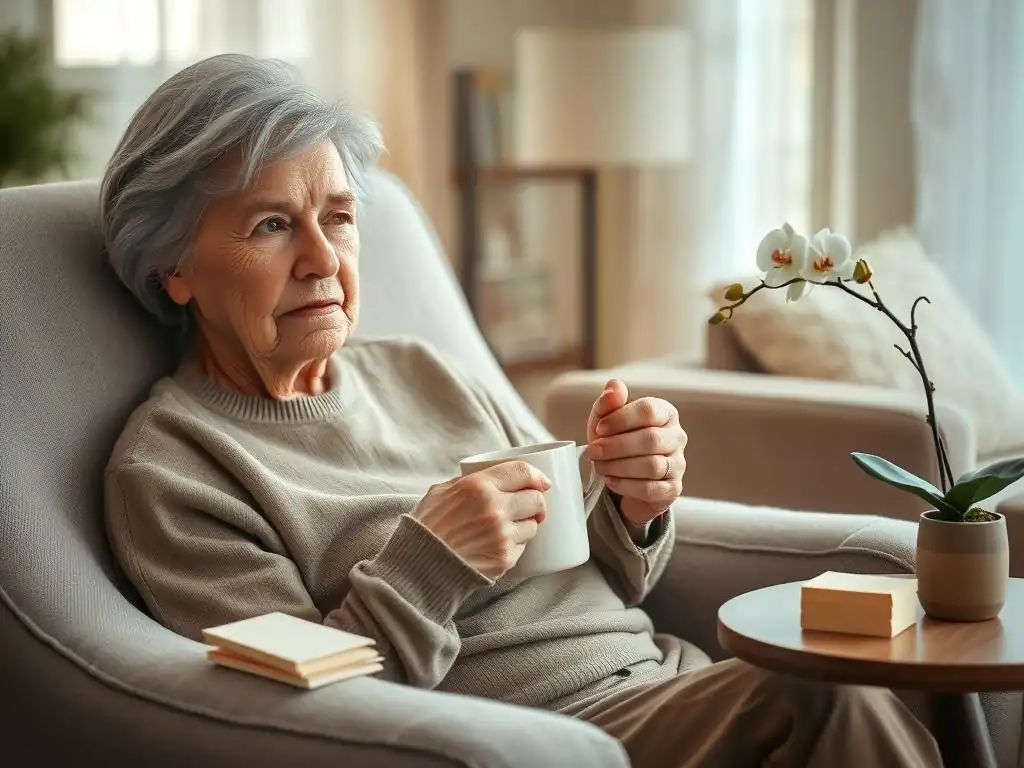
Why Supporting Grandmothers Benefits the Whole Family
A grandmother's mental well-being doesn't exist in isolation; it ripples outwards, impacting the entire family unit. A grandmother who is mentally healthy is better equipped to provide emotional support, practical help, and a stable presence for her children and grandchildren. Her resilience and positive outlook can serve as a source of strength for the whole family, helping them navigate their own challenges.
Conversely, a grandmother struggling with depression, anxiety, or other mental health issues may find it difficult to engage with her family, provide support, or even care for herself. This can place additional burdens on adult children and potentially impact the emotional environment for grandchildren. Investing in grandmother mental health support resources is an investment in the health and stability of the entire family system.
The Positive Impact of Grandmother Involvement on Child Development
Research consistently shows the positive impact of involved grandparents on child development. Grandmothers often provide a unique form of support – a blend of unconditional love, wisdom, and a connection to family history. Their involvement can contribute to children's emotional security, academic performance, and social skills. For children in challenging circumstances, a grandmother's presence can be a critical source of stability and resilience.
For example, studies have indicated that children with involved grandparents may exhibit fewer behavioral problems and have better emotional adjustment. A mentally healthy grandmother is better positioned to offer consistent, nurturing support, read to grandchildren, help with homework, and simply be present, all of which contribute positively to a child's growth and development. This highlights the importance of ensuring grandmothers have access to the support they need to be present and well.
Grandmothers as Caregivers: The Need for Respite and Support
As mentioned earlier, many grandmothers are primary caregivers for their grandchildren, a role often referred to as "grandfamilies." This can be incredibly demanding, requiring significant physical and emotional energy, often without the same level of support or resources available to younger parents. Grandmothers who are caregivers are at higher risk for stress, burnout, and related mental health issues.
Providing respite care – temporary relief from caregiving duties – is essential for these grandmothers. This allows them time to rest, attend to their own needs, and recharge. Access to support groups specifically for grandparent caregivers, financial assistance programs, and counseling services are critical grandmother mental health support resources for this vital population. Acknowledging and addressing caregiver burnout is paramount.
Practical Strategies for Supporting Grandmother Mental Health
Building a Strong Support Network for Grandmothers
A robust support network is a cornerstone of good mental health. For grandmothers, this network can include family members, friends, neighbors, and community connections. Encouraging and facilitating regular contact with loved ones is vital, whether through visits, phone calls, or video chats. Family members can make a conscious effort to include grandmothers in social activities and family events.
Beyond immediate family, connecting with peers can be incredibly beneficial. This might involve joining clubs, volunteer groups, or senior centers where grandmothers can share experiences, build friendships, and feel a sense of belonging. Helping a grandmother identify and connect with potential sources of support is a practical step in enhancing her mental well-being and accessing potential grandmother mental health support resources.
Active participation in social and community life is a powerful antidote to loneliness and isolation. Encourage grandmothers to pursue hobbies, join classes, or volunteer for causes they care about. Senior centers often offer a wide range of activities, from exercise classes and art groups to educational workshops and social events. Community gardens, book clubs, or faith-based organizations can also provide valuable opportunities for connection.
For grandmothers with mobility issues, exploring options like virtual social groups or online communities can help maintain connections. The key is to find activities that align with the grandmother's interests and abilities, making social engagement enjoyable and sustainable. These activities not only provide social contact but also a sense of purpose and routine, contributing positively to mental health. Exploring local community centers is a good starting point for finding such grandmother mental health support resources.
Promoting Physical Activity and Healthy Lifestyle Choices
Physical health is inextricably linked to mental health. Encouraging grandmothers to engage in regular physical activity can have significant benefits, including reducing symptoms of depression and anxiety, improving sleep, and boosting mood. Even moderate activities like walking, gentle yoga, or gardening can make a difference. It's important to find activities that are safe and enjoyable for the individual grandmother.
In addition to exercise, promoting healthy eating habits and ensuring adequate sleep are crucial. Maintaining good physical health provides a foundation for mental resilience. Supporting a grandmother in making healthy lifestyle choices, perhaps by joining her for walks or helping with meal planning, is a direct way to support her overall well-being. Information on healthy aging and lifestyle can be found through various grandmother mental health support resources.
Accessing Professional Mental Health Services
Sometimes, professional help is needed. It's important to destigmatize seeking therapy or counseling for mental health challenges. Encourage grandmothers to talk to their primary care physician about any concerns they have regarding their mood, anxiety, or stress levels. Doctors can provide initial assessments, rule out physical causes for symptoms, and make referrals to mental health specialists.
Therapy, such as cognitive behavioral therapy (CBT) or interpersonal therapy, can be very effective in treating depression and anxiety in older adults. Psychiatrists can assess whether medication might be beneficial. Navigating the healthcare system can be daunting, so offering practical assistance with finding therapists, scheduling appointments, or understanding insurance coverage can be invaluable. Information on accessing professional care is a key part of grandmother mental health support resources.
Mental Health Resources
National Mental Health Organizations
Several national organizations offer valuable information, resources, and support for mental health. These include organizations focused on mental illness generally, as well as those specifically addressing the needs of older adults or women. Websites and helplines can provide educational materials, directories of mental health professionals, and information on various conditions.
Examples might include organizations like the National Alliance on Mental Illness (NAMI) or the Depression and Bipolar Support Alliance (DBSA), which offer support groups and educational programs. Resources specifically tailored to the aging population can be found through organizations like the National Council on Aging. These national bodies serve as vital hubs for finding grandmother mental health support resources.
Local Community Resources and Support Groups
Local resources often provide the most accessible and tailored support. Community mental health centers offer a range of services, often on a sliding scale based on income. Senior centers frequently host support groups for various issues, including grief, caregiving, or general mental wellness. Public libraries and community boards can be good places to find information about local offerings.
Support groups provide a safe space for grandmothers to connect with others facing similar challenges, share experiences, and gain mutual support. Groups specifically for grandparent caregivers, widows, or those dealing with specific health conditions can be particularly beneficial. Exploring what's available locally is a practical step in utilizing grandmother mental health support resources.
Online Mental Health Resources
The internet offers a wealth of mental health resources, from informational websites and blogs to online support forums and teletherapy platforms. Many reputable organizations provide evidence-based information about mental health conditions, treatment options, and coping strategies. Online support groups can offer connection for grandmothers who are homebound or live in rural areas.
However, it's crucial to use reputable sources online and be cautious about the information shared in public forums. Websites of national mental health organizations, government health agencies, and established healthcare providers are generally reliable. Teletherapy has also become a more accessible option for accessing professional help remotely. Online platforms complement traditional grandmother mental health support resources.
Financial Assistance Programs for Mental Healthcare
The cost of mental healthcare can be a barrier for some grandmothers. Fortunately, various programs and resources exist to help. Medicare and Medicaid provide coverage for mental health services, though coverage details can vary. State and local governments often have programs to support access to mental health care for low-income individuals or specific populations.
Non-profit organizations and community health centers may offer services on a sliding fee scale based on ability to pay. Prescription assistance programs can help with the cost of mental health medications. Researching available financial assistance options is an important step in ensuring grandmothers can access the care they need without undue financial burden. Information about these programs is an integral part of comprehensive grandmother mental health support resources.
Family's Role in Supporting Grandmother Mental Health
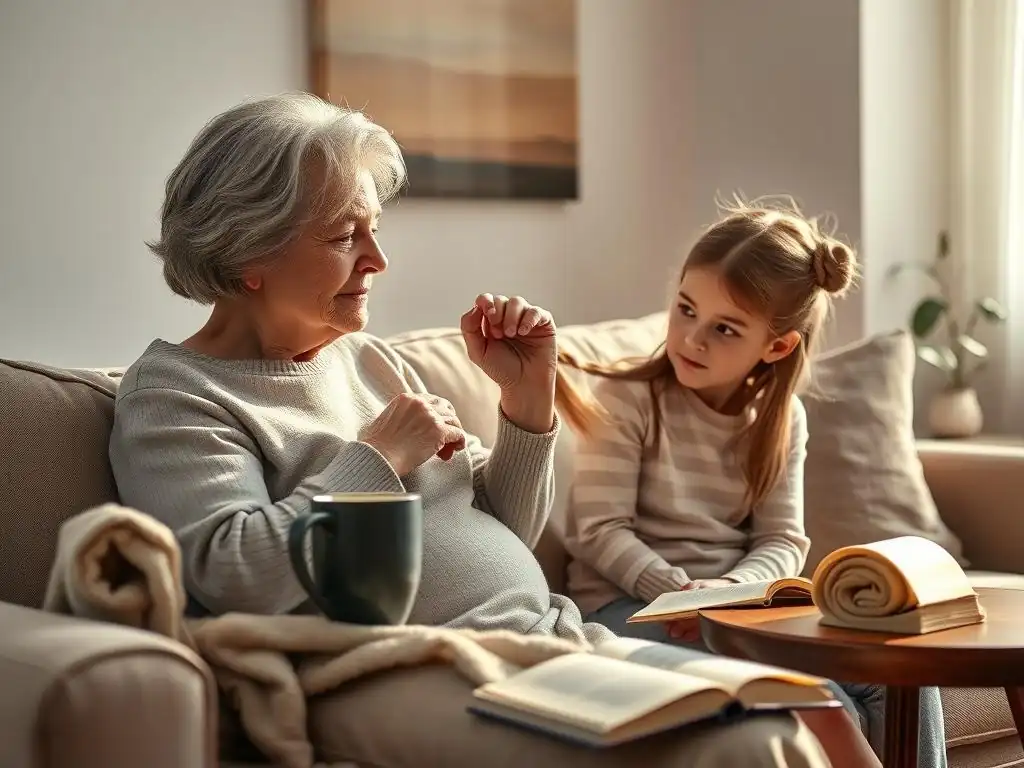
Open Communication: Talking About Mental Health
Creating an environment where mental health can be discussed openly and without judgment is paramount. Family members can initiate conversations by expressing concern in a caring and non-confrontational way. Phrases like, "I've noticed you seem a bit down lately, is everything okay?" or "I'm here to listen if you ever want to talk about how you're feeling" can open the door.
Sharing personal experiences with mental health, if comfortable, can help normalize the conversation and reduce stigma. It's important to listen actively and empathetically, validating the grandmother's feelings without trying to immediately fix everything. Open communication is the foundation for providing effective support and connecting grandmothers with grandmother mental health support resources.
Reducing Stigma: Encouraging Grandmothers to Seek Help
Stigma surrounding mental illness remains a significant barrier, particularly for older generations who may have grown up in a time when mental health issues were not openly discussed or understood. Family members can play a crucial role in challenging this stigma by talking about mental health as being just as important as physical health.
Encouraging a grandmother to seek professional help should be framed as a sign of strength and self-care, not weakness. Sharing positive experiences with therapy or highlighting the benefits of seeking support can help. Reassuring her that seeking help is a brave step towards feeling better is key. Reducing stigma makes it easier for grandmothers to access available grandmother mental health support resources.
Providing Practical Assistance and Emotional Support
Support takes many forms. Practical assistance might include helping with errands, transportation to appointments, managing finances, or navigating paperwork related to healthcare or benefits. Offering to accompany a grandmother to a doctor's appointment or a support group meeting can also provide valuable encouragement.
Emotional support involves being present, listening without judgment, and offering reassurance. Simply spending quality time together, engaging in enjoyable activities, or offering a comforting presence can make a significant difference. Letting a grandmother know she is loved, valued, and not alone in her struggles is incredibly powerful. Practical help and emotional connection are essential components of utilizing grandmother mental health support resources.
Recognizing and Addressing Caregiver Burnout
If a grandmother is a caregiver, family members must be vigilant in recognizing signs of caregiver burnout, such as exhaustion, irritability, withdrawal from social activities, and changes in health. Caregiver burnout is a serious issue that impacts the well-being of both the caregiver and the person being cared for.
Offering respite care, even for a few hours a week, can provide much-needed relief. Encouraging the grandmother to take breaks, pursue her own interests, and maintain her social connections is vital. Discussing the possibility of professional support, like in-home care services or support groups for caregivers, can also be helpful. Addressing caregiver burnout is a critical element of supporting grandmother mental health support resources.
Fostering Resilience: Empowering Grandmothers
Promoting Self-Care Practices
Empowering grandmothers involves encouraging them to prioritize their own needs and well-being. Promoting self-care practices is fundamental. This can include encouraging adequate sleep, healthy eating, regular exercise, and finding time for relaxation and enjoyable activities. Simple practices like taking a warm bath, reading a book, or listening to music can be powerful stress relievers.
Self-care isn't selfish; it's necessary for maintaining mental and physical health. Helping a grandmother identify activities that nourish her spirit and providing the time and space for her to engage in them is a valuable form of support. Integrating self-care into daily routines enhances a grandmother's overall resilience. Information on self-care is often included in grandmother mental health support resources.
Encouraging Hobbies and Interests
Hobbies and interests provide a sense of purpose, enjoyment, and opportunities for social connection. Encourage grandmothers to rediscover old passions or explore new ones, whether it's gardening, painting, knitting, playing a musical instrument, or joining a book club. Engaging in activities they find fulfilling can boost mood and provide a sense of accomplishment.
These activities offer mental stimulation and can serve as healthy distractions from worries or stressors. Supporting a grandmother in pursuing her hobbies, perhaps by providing materials, transportation, or simply encouragement, is a way to invest in her happiness and mental vitality. Hobbies are often a gateway to social interaction and accessing informal grandmother mental health support resources.
Building a Sense of Purpose
A strong sense of purpose is a protective factor for mental health in later life. For grandmothers, purpose can come from various sources: their role in the family, volunteering, pursuing a passion, or continuing to learn and grow. Helping a grandmother identify what gives her life meaning and supporting her in engaging in those activities is crucial.
This might involve acknowledging and celebrating her contributions to the family, finding volunteer opportunities that align with her skills and interests, or encouraging her to take a class or learn a new skill. Feeling needed and valued contributes significantly to a grandmother's self-esteem and overall mental well-being. Activities that foster purpose are often highlighted within grandmother mental health support resources.
The Importance of Intergenerational Connections
Maintaining strong connections with younger generations, particularly grandchildren, is a powerful source of joy and purpose for many grandmothers. These relationships provide emotional support, reduce feelings of isolation, and offer opportunities for positive interaction and shared experiences. Facilitating regular, meaningful interactions between grandmothers and their grandchildren is invaluable.
This could involve arranging regular visits, helping with video calls, encouraging shared activities like cooking or crafting, or simply creating opportunities for them to spend time together. Intergenerational relationships are mutually beneficial, providing support and perspective to both the grandmother and the grandchild. These connections are a natural form of grandmother mental health support resources.
Conclusion: Prioritizing Grandmother Mental Health
The Ongoing Need for Awareness and Support
The mental health of grandmothers is a critical, yet sometimes overlooked, aspect of family and community well-being. Their evolving roles, coupled with the unique challenges of later life, necessitate a focused approach to support. Raising awareness about the specific mental health issues grandmothers face and reducing the stigma associated with seeking help are ongoing efforts that require collective action.
Prioritizing access to appropriate and affordable grandmother mental health support resources is essential. This includes professional mental healthcare, support groups, community programs, and strategies for building strong social networks. By understanding the challenges, recognizing the signs, and implementing practical strategies, families and communities can work together to ensure grandmothers receive the support they need to thrive, benefiting not only them but also the generations they cherish.
Frequently Asked Questions
What are some common mental health challenges faced by grandmothers?
Grandmothers often face challenges like loneliness and isolation, coping with loss, and managing age-related health concerns. These can significantly impact their mental well-being.
Where can I find support resources specifically tailored for grandmothers' mental health?
Mind Care Guide offers resources including articles on grandmother mental health, links to relevant support groups, and directories of mental health professionals specializing in elder care.
How can family members best support a grandmother struggling with her mental health?
Family members can provide emotional support, help with practical tasks and errands, and encourage grandmothers to seek professional help when needed.
What are the signs that a grandmother might be experiencing a mental health issue?
Signs can include changes in mood or behavior, withdrawal from social activities, and expressed feelings of hopelessness or worthlessness. It's important to notice these changes.
What are the unique benefits of addressing a grandmother's mental health needs?
Addressing these needs improves overall family well-being, strengthens intergenerational relationships, and ensures grandmothers can continue to play a vital role in their families' lives.
Final Reflection: The Unsung Burden and Unwavering Strength of Grandmothers
The mental health of grandmothers is not a niche concern; it's a critical pillar of familial well-being, directly impacting multiple generations. Ignoring their struggles means neglecting a vital support system and risking the emotional health of entire families. The weight of societal expectations, familial responsibilities, and personal challenges often falls disproportionately on grandmothers, demanding immediate attention and comprehensive support.
The ongoing influence of societal pressures on grandmothers is profound, often leaving them feeling unseen and unheard. They are frequently expected to shoulder the burdens of childcare, eldercare, and emotional support without adequate resources or recognition. This silent sacrifice often comes at a significant cost to their own mental well-being. The greatest gift we can give our children is the love of reading.
While this quote speaks to a different context, it highlights the importance of giving our grandmothers the gift of support and understanding – a gift that nourishes their well-being and strengthens the family unit.
You, the reader, now hold the knowledge to identify the signs of distress in the grandmothers in your life and to actively seek out the resources available to support them. Don't underestimate the power of a listening ear, a helping hand, or simply acknowledging their invaluable contributions. Take a moment to reflect on the grandmothers who have shaped your life, and consider how you can contribute to a more supportive and understanding environment for this often-overlooked generation. Let's work together to ensure that the strength and wisdom of grandmothers are nurtured, not depleted.
Unlock Grandmothers' Wellbeing: Take Action Today!
Thanks for taking the time to learn about the crucial role grandmothers play and the importance of their mental health. We hope this article provided valuable insights and empowered you to support the amazing grandmothers in your life.
Now, let's turn those insights into action:
- Prioritize a conversation: Schedule a dedicated time to genuinely connect with a grandmother in your life. Ask open-ended questions about her well-being and actively listen to her responses. This simple act can make a world of difference.
- Share this article: Spread awareness about the unique challenges and needs of grandmothers by sharing this article with your friends and family on social media. Let's start a conversation!
- Explore local resources: Look for community support groups or mental health services specifically designed to support older adults. Many resources are available, waiting to be discovered.
What small act of support will you offer a grandmother in your life today?