
Role Models: Men Who Are Open About Their Mental Health Journeys


Welcome to Mind Care Guide, a sanctuary for your mental well-being.
It takes courage to navigate the complexities of the mind, and we understand the challenges you face. Are you searching for inspiration and guidance? In this article, we delve into Men's Mental Health Role Models, exploring the powerful impact of open conversations and shared experiences. Discover how these courageous individuals are breaking down stigmas and paving the way for a healthier, more supportive world. Ready to find your own path to well-being? Let's begin...
Role Models: Men Who Are Open About Their Mental Health Journeys
- Understanding the Power of Male Mental Health Role Models
- Prominent Men Sharing Their Mental Health Struggles
- The Ripple Effect: How Male Role Models Influence Mental Healthcare
- Lessons Learned from Men's Mental Health Journeys
- Beyond Celebrities: Everyday Male Mental Health Heroes
- Resources for Men Seeking Mental Health Support
- Continuing the Conversation: The Future of Men's Mental Health Advocacy
-
Frequently Asked Questions
- What makes someone a good men's mental health role model?
- Why is it important to have men's mental health role models?
- Can men's mental health role models be from any profession or background?
- How can I find men's mental health role models to learn from?
- What is the main benefit of learning from men's mental health role models?
- Final Reflection: The Ripple Effect of Vulnerability
- Unlock Your Support Network: Share Your Story, Find Strength
Understanding the Power of Male Mental Health Role Models
Why Men's Mental Health Role Models Matter: Breaking Down Stigma
Historically, societal norms have often dictated that men should be stoic, strong, and emotionally impenetrable. This traditional view of masculinity has created significant barriers to men openly discussing or seeking help for mental health challenges. The reluctance to appear vulnerable has contributed to a pervasive stigma, making it difficult for many men to acknowledge their struggles with conditions like depression, anxiety, or trauma.
This silence can lead to delayed diagnosis, lack of treatment, and tragically, higher rates of suicide among certain male demographics compared to women in many parts of the world. Studies consistently show that men are less likely than women to seek professional mental healthcare.
The emergence of prominent men's mental health role models is crucial in dismantling this deep-seated stigma. When influential figures, particularly those known for strength or success in traditionally masculine fields like sports or entertainment, share their personal battles, it sends a powerful message: mental health challenges are real, they affect everyone regardless of status, and seeking help is a sign of strength, not weakness.
These male mental health role models provide tangible examples that contradict the harmful stereotypes, making it safer for average men to consider their own mental wellbeing and feel less isolated in their experiences. Their narratives create cracks in the wall of silence that surrounds men's mental health.
The Impact of Openness: Inspiring Others to Seek Help
The decision by a man to openly discuss his mental health journey has a profound ripple effect. It validates the experiences of countless others who may be suffering in silence, letting them know they are not alone. This validation is a critical first step towards seeking help.
When a man hears a respected figure articulate feelings and struggles similar to his own, it can significantly reduce feelings of shame and isolation, which are major deterrents to seeking support. The act of sharing transforms abstract mental health concepts into relatable human experiences, making the idea of therapy, counseling, or support groups feel less daunting and more accessible.
Moreover, men's mental health role models often share the specific steps they took to manage their conditions, such as engaging in therapy, practicing mindfulness, or building a strong support network. These practical insights provide a roadmap for others who might not know where to start. Seeing a successful man discuss his positive outcomes from seeking professional help can directly encourage others to take that crucial step.
The visibility of these journeys helps to normalize mental healthcare as a vital component of overall health, just as important as physical health check-ups. Their stories move the conversation from acknowledging a problem to actively pursuing solutions, inspiring actionable change in men's health-seeking behaviors.
Prominent Men Sharing Their Mental Health Struggles
Dwayne "The Rock" Johnson: Battling Depression
Dwayne "The Rock" Johnson, known globally for his immense physical strength and charismatic public persona, has been remarkably candid about his struggles with depression. His openness challenges the perception that only those who appear outwardly vulnerable can experience such challenges. He has spoken about facing depression multiple times throughout his life, including during difficult periods like his mother's attempted suicide when he was a teenager and later after his football career ended prematurely. His willingness to discuss these low points, despite his image as an unbreakable action star, has resonated deeply with millions.
Johnson has emphasized the importance of talking about mental health and not suffering in silence. He has shared how he initially tried to tough it out, believing he had to overcome it alone, a common mindset among men. However, he realized the necessity of reaching out and communicating his feelings.
His message often centers on the idea that depression doesn't discriminate and that vulnerability is a strength. By sharing his personal fight, he provides a powerful example of a male mental health role model who demonstrates that even the strongest individuals need support sometimes, encouraging other men to recognize their own struggles and seek help without shame.
He's famously quoted saying:
I found that, with depression, one of the most important things you could realize is that you're not alone. You're not the first to go through it, and you're not going to be the last to go through it.
Michael Phelps: Overcoming Anxiety and Suicidal Thoughts
Michael Phelps, the most decorated Olympian of all time, has become a prominent advocate for mental health, sharing his intense battles with anxiety, depression, and suicidal ideation, particularly after his Olympic careers. His story is a stark reminder that extraordinary achievement and public adoration do not equate to internal peace. Phelps has spoken extensively about the profound emptiness and darkness he felt after major competitions, periods when the structure and purpose of elite sport were removed, leaving him grappling with long-standing mental health issues he had previously suppressed.
Phelps's journey highlights the critical need for ongoing mental health support, even for individuals who seem to have it all. He has been open about hitting rock bottom and finally seeking therapy, which he credits with saving his life. He now actively works to destigmatize mental health issues, particularly in the athletic community and among men.
His foundation focuses on promoting mental wellness and providing resources. By detailing his path from suicidal thoughts to finding peace through therapy and openness, Phelps serves as a powerful male mental health role model, demonstrating that recovery is possible and that seeking help is a courageous step towards healing.
He has shared the turning point:
I didn't want to be alive anymore... It was a point where I felt like the world would be better off without me. I finally sought help and realized it's okay to not be okay.
Ryan Reynolds: Managing Anxiety
Ryan Reynolds, beloved for his wit and charm on screen, has also spoken openly about his lifelong struggle with anxiety. His willingness to discuss this less visible but equally challenging mental health condition helps normalize it for many who experience similar feelings. Reynolds has described anxiety as something he has dealt with since childhood, often feeling overwhelming worry and nervousness, even in situations where he appears completely at ease to the public. He has spoken about using humor as a coping mechanism, but also the underlying tension and pressure he often feels.
Reynolds's candidness about anxiety, particularly in the context of his demanding career and public life, makes him a relatable male mental health role model. He has discussed the importance of managing his anxiety, including through exercise and recognizing his own patterns and triggers. His transparency helps to validate the experiences of men who may not face severe depression but still grapple with debilitating anxiety in their daily lives. By sharing his ongoing journey, he reinforces the message that mental health is a continuous process of management and self-care, not a problem to be solved once and for all.
Reflecting on his experience, he noted:
I've had anxiety my whole life. I feel like I have two parts of my personality, that one takes over when that happens... I internalize it.
The Ripple Effect: How Male Role Models Influence Mental Healthcare
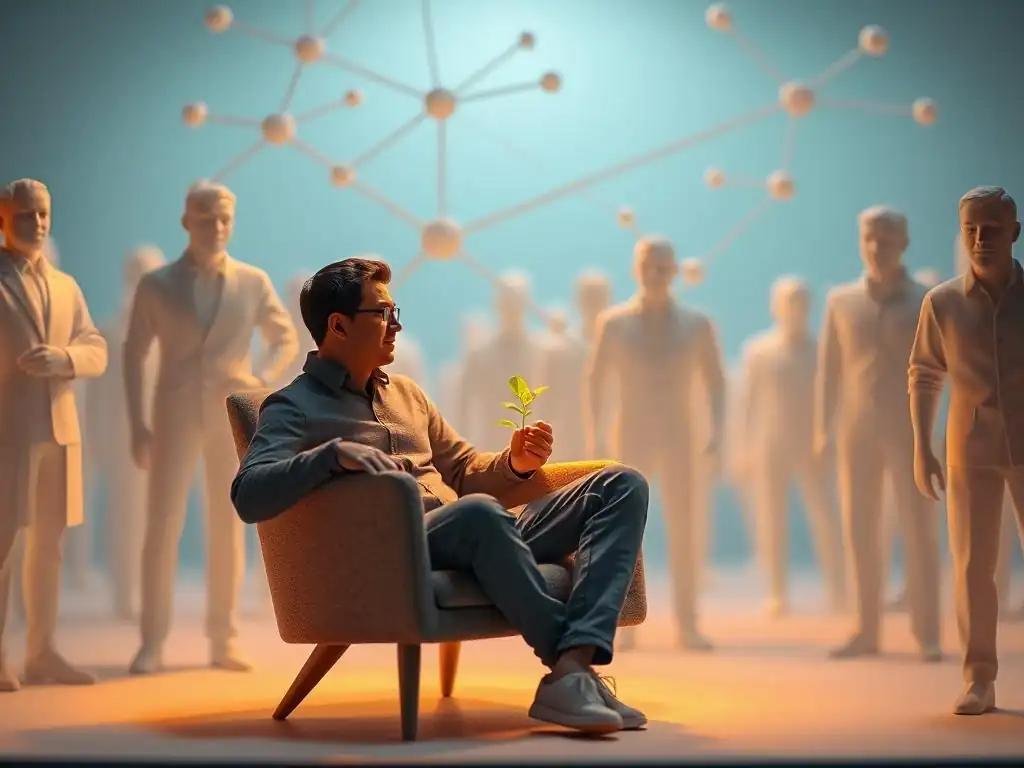
Encouraging Help-Seeking Behaviors in Men
The visibility of men's mental health role models directly contributes to encouraging help-seeking behaviors among the wider male population. When a man sees someone he admires or relates to talk about going to therapy, it demystifies the process and makes it seem like a viable, even desirable, option. It shifts the perception from therapy being only for those in crisis or those perceived as "weak" to being a tool for self-improvement, resilience building, and managing life's inevitable challenges. This can be particularly impactful for men who have grown up believing that expressing emotional distress is inappropriate or unmanly.
Furthermore, these public figures often share details, even if general, about how they accessed help – perhaps mentioning talking to a doctor, finding a therapist, or connecting with a support group. This practical information can lower the barrier to entry for men who might feel lost about where to start.
The sheer number of news articles, interviews, and social media posts generated by these men's stories creates a constant, positive reinforcement loop, slowly chipping away at the reluctance many men feel about admitting they need support. This increased visibility translates into more men potentially reaching out to mental health professionals or trusted friends.
Normalizing Conversations About Mental Wellbeing
One of the most significant impacts of male mental health role models is the normalization of conversations about mental wellbeing in everyday settings. When celebrities, athletes, or public figures discuss their mental health challenges, it provides a common reference point for others. It gives men permission to bring up similar topics with friends, family, or colleagues. Instead of feeling like they are entering uncharted or forbidden territory, they can point to these examples and say, "If he can talk about it, maybe I can too." This opens up spaces for more authentic and vulnerable communication between men.
This normalization extends beyond personal conversations into broader public discourse. Media outlets cover these stories, schools incorporate mental health education, and workplaces begin to address mental wellness more openly. The dialogue moves from hushed whispers to more open discussion, reducing the shame associated with mental health struggles. This shift is crucial for creating environments where men feel safe to express their feelings and seek support without fear of judgment or ridicule. The ongoing conversation fostered by these men's mental health role models is vital for long-term cultural change.
Promoting Mental Health Awareness and Education
Men's mental health role models are powerful agents for increasing general mental health awareness and education. By sharing their experiences with specific conditions like depression, anxiety, or PTSD, they educate the public about what these conditions can look and feel like. They often highlight symptoms, triggers, and the impact on daily life, providing insights that resonate more deeply than clinical descriptions alone. This lived experience perspective helps to build empathy and understanding among those who may not have personal experience with mental illness.
Beyond simply raising awareness of conditions, these figures often advocate for better mental health resources and education. They might support campaigns, partner with mental health organizations, or use their platforms to share informational resources. Their advocacy shines a spotlight on the need for accessible and affordable mental healthcare for everyone, including men. By promoting education, these male mental health role models equip individuals and communities with the knowledge needed to recognize signs of distress in themselves and others, challenge misconceptions, and understand the importance of early intervention.
Lessons Learned from Men's Mental Health Journeys
The Importance of Vulnerability and Self-Acceptance
A central lesson from the journeys of men's mental health role models is the profound importance of vulnerability and self-acceptance. These men demonstrate that admitting you are struggling is not a weakness, but a fundamental act of courage and self-respect. For generations, men have been conditioned to suppress emotions and project an image of invincibility.
The stories of figures like Michael Phelps or Dwayne Johnson show that true strength lies not in never falling, but in acknowledging the fall and reaching out for a hand up. This shift from a mindset of 'toughing it out' to one of honest self-appraisal is revolutionary for many men.
Self-acceptance is also a recurring theme. These men often describe a process of coming to terms with their mental health condition as part of who they are, rather than a flaw or failure. They learn to manage their conditions and integrate their mental health journey into their identity in a healthy way. This self-acceptance is crucial because it allows them to move past shame and focus on recovery and wellbeing. Their examples teach other men that it's okay to not be okay, and that accepting this reality is the first step towards healing and building a more authentic self.
Strategies for Coping with Mental Health Challenges: Insights from Role Models
Men's mental health role models often share the specific strategies they have employed to cope with their challenges, offering practical insights for others. Common strategies mentioned include therapy (such as cognitive behavioral therapy or talk therapy), medication (when necessary and prescribed by a professional), mindfulness and meditation, regular exercise, maintaining healthy sleep patterns, and setting boundaries. Ryan Reynolds, for example, has spoken about using exercise as a way to manage his anxiety. Michael Phelps highlights the transformative impact of consistent therapy sessions.
These shared strategies are invaluable because they come from lived experience. They offer concrete examples of actions men can take beyond simply "talking about it." The specific tools and techniques discussed, such as identifying triggers, developing coping mechanisms, or practicing self-care, provide a tangible starting point for men seeking to improve their mental wellbeing. By detailing these processes, these male mental health role models empower others with actionable steps they can explore, making the path to recovery seem less abstract and more achievable.
Building a Support System: Connecting with Others Who Understand
Another critical lesson highlighted by men's mental health role models is the indispensable role of a strong support system. Many who share their stories emphasize that they did not overcome their challenges alone. They relied on the support of partners, family members, close friends, therapists, support groups, or fellow sufferers. Dwayne Johnson has spoken about the importance of talking to someone he trusts. Michael Phelps found connection and understanding in group therapy settings.
These examples underscore the fact that mental health is not a solitary battle. Building connections with others who understand, whether through personal relationships or structured support environments, provides validation, reduces isolation, and offers a network for mutual encouragement and practical assistance. For men who may have been raised to be self-reliant to a fault, seeing their male mental health role models emphasize the power of connection is a vital lesson in the strength that comes from interdependence and community. It encourages them to reach out and build their own support networks.
Beyond Celebrities: Everyday Male Mental Health Heroes

Highlighting Ordinary Men Sharing Their Stories
While celebrity role models are important for raising broad awareness, the impact of everyday men sharing their mental health stories is equally, if not more, powerful on a personal level. These are fathers, brothers, sons, colleagues, and friends who choose to be open within their own communities. Their stories are often highly relatable, dealing with the pressures of work, family responsibilities, financial stress, or everyday anxieties that resonate deeply with other men facing similar circumstances. Hearing a neighbor or co-worker talk about seeking therapy can feel more accessible and less intimidating than hearing it from a global superstar.
These ordinary men become vital male mental health role models within their immediate circles. Their courage in sharing breaks down micro-level stigma within families, workplaces, and social groups. They demonstrate that it's possible to navigate mental health challenges while holding down a job, being a good parent, or maintaining friendships. Their authenticity and proximity make their messages incredibly impactful, encouraging other men within their sphere of influence to consider their own mental health and potentially share their own experiences, creating a ripple effect from the ground up.
The Power of Peer Support and Community
The sharing of stories by everyday men often leads to the formation or strengthening of peer support networks. These can be formal support groups, online communities, or simply informal connections between friends who agree to be open and supportive of each other's mental wellbeing. Peer support is incredibly valuable because it offers a unique form of empathy and understanding that comes from shared experience. Men in these groups can talk openly about their struggles without fear of judgment from people who truly 'get it'.
Within these communities, men find validation, practical advice, and a sense of belonging that combats the isolation often associated with mental health issues. They can share coping strategies that have worked for them, recommend resources, and offer encouragement during difficult times. The power of these peer-led initiatives, fueled by the willingness of ordinary men to be vulnerable, is immense. They create safe spaces where men can shed societal expectations and simply be honest about how they are feeling, reinforcing the positive impact of male mental health role models at a community level.
Creating a Culture of Openness in the Workplace
Workplaces have traditionally been environments where men feel particular pressure to hide emotional vulnerability. However, as everyday men become more open about their mental health journeys, they are helping to foster a culture of openness in professional settings. When a male colleague feels comfortable sharing that he took a mental health day, is managing anxiety, or is attending therapy, it signals to others that it is acceptable and supported within that environment. Leaders who share their own experiences are particularly effective male mental health role models in this context.
This increasing openness can lead to tangible changes in workplace culture, such as the implementation of better mental health benefits, employee assistance programs, and training for managers on supporting employee mental wellbeing. It helps to reduce the fear of discrimination or negative repercussions for seeking help. Creating a workplace where men feel safe discussing their mental health not only benefits the individuals but also contributes to a healthier, more productive, and more compassionate work environment for everyone.
Resources for Men Seeking Mental Health Support
Finding a Therapist or Counselor: Options for Men's Mental Health
For men inspired by male mental health role models to seek professional help, finding the right therapist or counselor is a crucial step. There are various avenues to explore. Starting with a primary care physician is often a good first move, as they can provide referrals and rule out any physical health issues contributing to symptoms. Many health insurance plans offer directories of in-network mental health professionals. Online therapy platforms have also become increasingly popular, offering convenience and flexibility, which can be particularly appealing to men who may face time constraints or prefer the privacy of remote sessions.
When searching for a therapist, men might consider looking for practitioners who specialize in men's issues or who have experience working with the specific challenges men often face, such as anger management, work stress, or navigating relationships. It's important to find a therapist with whom one feels comfortable and can build a trusting relationship, as this is key to effective therapy.
Don't be discouraged if the first therapist isn't the right fit; it's okay to try a few sessions and then seek someone else if needed. Resources from national mental health organizations often provide search tools and guidance specifically for finding mental health support tailored to men.
Support Groups and Online Communities for Men
Beyond individual therapy, support groups and online communities offer valuable resources for men seeking mental health support. These groups provide a space to connect with other men who are facing similar struggles, offering peer support, shared experiences, and mutual encouragement. Organizations like the National Alliance on Mental Illness (NAMI) or the Depression and Bipolar Support Alliance (DBSA) often have local chapters that host support groups. Some groups are general, while others focus on specific conditions or demographics, including groups specifically for men.
Online communities and forums dedicated to men's mental health provide accessibility and anonymity for those who may not be ready for in-person interaction. These platforms allow men to share their stories, ask questions, and receive support from peers around the world at any time. While online communities can be incredibly helpful, it's important to be discerning and ensure the community is moderated and promotes healthy coping mechanisms. Connecting with other men who understand can significantly reduce feelings of isolation and provide practical, real-world advice.
Crisis Resources and Hotlines: Immediate Help Available
For men experiencing a mental health crisis, immediate help is available through various crisis resources and hotlines. These services are designed to provide urgent support for individuals experiencing suicidal thoughts, severe panic attacks, or other acute mental health emergencies. Crisis hotlines, such as the National Suicide Prevention Lifeline (available via phone or text), offer confidential support 24/7. Trained counselors are available to listen, provide a safe space to talk, and offer guidance on immediate steps to take or resources for ongoing support.
Knowing these resources exist and having their contact information readily available is crucial. These services are free, confidential, and staffed by individuals trained to help people in crisis. Reaching out to a hotline or crisis text line is a courageous step towards getting help when it's needed most. For men who feel they have nowhere else to turn, these resources provide a vital lifeline, reinforcing the message that help is always available, no matter how dark things may seem. Emergency rooms at hospitals are also equipped to handle mental health emergencies.
Continuing the Conversation: The Future of Men's Mental Health Advocacy
Empowering Men to Become Mental Health Advocates
The work of men's mental health role models is far from over; it's a catalyst for ongoing advocacy. A critical next step is empowering more men, both those with lived experience and allies, to become advocates themselves. This means encouraging men to not only talk about their own journeys if they feel comfortable but also to speak up in support of others, challenge stigmatizing language, and promote mental health awareness within their own spheres of influence – be it at home, work, or in their communities.
Empowerment can come through education about mental health conditions, training in how to support someone in distress (like QPR or Mental Health First Aid), and providing platforms for men's voices to be heard. Organizations and initiatives focused on men's wellbeing play a key role in equipping men with the tools and confidence to become effective advocates. As more men step into advocacy roles, the collective voice demanding better mental healthcare access and greater understanding will grow stronger, building on the foundation laid by prominent role models.
Challenging Traditional Masculinity and Promoting Emotional Intelligence
A fundamental aspect of advancing men's mental health is actively challenging restrictive norms of traditional masculinity that discourage emotional expression and vulnerability. Advocacy efforts must continue to highlight that emotional intelligence – the ability to understand and manage one's own emotions and recognize and influence the emotions of others – is a strength, not a weakness. Promoting emotional literacy from a young age is crucial, teaching boys that it's healthy and normal to feel a full range of emotions and to express them constructively.
This involves shifting cultural narratives in media, education, and parenting to portray masculinity in a way that includes emotional depth, empathy, and the willingness to seek help. It means celebrating male mental health role models who embody these qualities. By redefining what it means to 'be a man' to include emotional openness and self-care, society can create an environment where future generations of men feel less pressure to conform to harmful stereotypes and more empowered to prioritize their mental wellbeing.
Building a More Supportive and Understanding Society for Men's Mental Wellness
Ultimately, the goal is to build a society that is inherently more supportive and understanding of men's mental wellness. This requires systemic changes alongside individual acts of courage. It means ensuring equitable access to affordable, quality mental healthcare for all men, regardless of their socioeconomic status, race, or location. It means integrating mental health education into school curricula and public health campaigns.
It also involves fostering empathy and understanding at a community level, creating spaces where men feel safe to be vulnerable without fear of judgment. This includes supporting men's mental health organizations, encouraging open dialogue in families and workplaces, and challenging stigma whenever it appears. By continuing the conversation initiated by men's mental health role models and working collectively, society can create a future where seeking help for mental health is as normal and accepted for men as it is for any other health concern, leading to healthier, happier lives for men everywhere.
Frequently Asked Questions
What makes someone a good men's mental health role model?
A good role model is someone who publicly shares their experiences with mental health challenges, promotes seeking help, and reduces stigma associated with mental illness.
Why is it important to have men's mental health role models?
Having role models normalizes discussions around mental health and helps men feel less alone in their struggles. They inspire others to seek support and prioritize their well-being.
Can men's mental health role models be from any profession or background?
Yes, role models can come from any profession or background. What matters is their willingness to be open and vulnerable about their mental health journey.
How can I find men's mental health role models to learn from?
You can find them through online searches, social media, mental health organizations, and news articles. Look for individuals who resonate with you and whose stories inspire you.
What is the main benefit of learning from men's mental health role models?
The primary benefit is gaining hope and encouragement. Seeing others overcome challenges can empower you to take steps towards your own healing and improved mental well-being.
Final Reflection: The Ripple Effect of Vulnerability
The normalization of men's mental health struggles is not just a trend; it's a vital shift in societal consciousness. Open conversations about mental well-being are no longer a niche topic, but a necessary step towards creating a healthier and more empathetic world for everyone. The men profiled in this article represent a powerful vanguard in this movement, demonstrating the strength found in vulnerability and paving the way for future generations.
The impact of these men sharing their stories extends far beyond individual experiences. Their bravery is dismantling harmful stereotypes, creating space for others to seek help without shame, and fostering a culture of support. The greatest glory in living lies not in never falling, but in rising every time we fall.
- Nelson Mandela. This quote perfectly encapsulates the resilience and hope these role models embody, inspiring us all to embrace our imperfections and seek strength in community.
You, the reader, now hold the power to continue this ripple effect. Consider the men highlighted in this article, their journeys, and the courage it took to share their stories. Reflect on your own experiences, and consider how you can contribute to a more supportive environment for men struggling with their mental health. Reach out to a friend, family member, or colleague who might need support. Share this article. Be the change you wish to see in the world. Your action, no matter how small, can make a profound difference.
Thanks for taking the time to explore the powerful journeys of these men. You've gained valuable insights into the importance of open communication around mental health—a crucial step toward creating a more supportive world. Now, let's take action together.
- Share this article: Let's normalize conversations about men's mental health. Spread the word by sharing this article on your favorite social media platform. This simple act can make a huge difference.
- Start a conversation: Reach out to a friend, family member, or colleague who might benefit from these stories. Even a small gesture of support can go a long way.
- Reflect on your own journey: Consider how these stories resonate with you and what steps you can take to prioritize your mental well-being. Are there changes you can make today?
What's one small step you can take this week to support yourself or someone else's mental health journey?