
The Pressure to Perform: Social Media and the Masking of Mood Disorders


Welcome to Mind Care Guide.
Ever feel like you're only showing the "highlight reel" of your life online? We understand. In a world saturated with curated images, it's easy to feel pressured to project an unrealistic version of yourself. This pressure can be especially challenging for those struggling with mood disorders.
Explore our insightful article, "The Pressure to Perform: Social Media and the Masking of Mood Disorders," where we delve into the complexities of social media masking mood, uncovering how it can impact your mental well-being and offering strategies to break free from the facade. Are you ready to unmask the truth and prioritize your authentic self? Read on to discover more.
- The Pressure to Perform: Social Media and the Masking of Mood Disorders
- Social Media Masking Mood: An Overview
- The Pressure to Perform on Social Media: Fueling the Mask
- How Social Media Hides the Reality of Mood Disorders
- Specific Mood Disorders and Social Media Masking
- The Psychological Effects of Social Media Masking
- Recognizing Social Media Masking in Yourself and Others
- Strategies for Healthy Social Media Use and Mental Well-being
- Breaking Free from the Mask: Cultivating Authentic Connection
- Resources for Mental Health and Social Media Support
- Conclusion: Navigating Social Media with Awareness and Self-Care
-
Frequently Asked Questions
- What exactly is "social media masking mood" and why is it a concern?
- How does social media contribute to the pressure to mask mood disorders?
- What are some signs that someone might be masking a mood disorder on social media?
- What are the potential negative consequences of consistently masking mood disorders on social media?
- What steps can individuals take to reduce the pressure to mask their mood on social media and prioritize their mental well-being?
- Final Reflection: Unmasking the Truth Behind the Filtered Smile
- Unmask Your True Self: Take Control of Your Mental Wellbeing
Social media platforms have become integral parts of modern life, connecting billions of people worldwide. While offering avenues for communication and community, they also present unique challenges to mental well-being, particularly concerning the presentation of self. The curated nature of online profiles often encourages users to showcase idealized versions of their lives, inadvertently fostering an environment where masking, or hiding, genuine emotional states and mental health struggles becomes common practice. This phenomenon is particularly relevant for individuals navigating mood disorders, who may feel immense pressure to conform to perceived online norms of happiness and success.
Understanding the intricate relationship between social media use and the manifestation and masking of mood disorders is crucial. For many, the digital space becomes a stage where symptoms of depression, anxiety, or bipolar disorder are carefully concealed behind a veneer of positive posts and cheerful interactions. This social media masking mood behavior isn't merely superficial; it can have profound implications for an individual's ability to seek help, receive support, and manage their condition effectively. It creates a significant disconnect between their internal experience and their external presentation, leading to increased isolation and potentially worsening symptoms over time.
Social media masking, in the context of mood disorders, refers to the deliberate act of concealing one's true emotional state and symptoms of mental illness while interacting on social media platforms. This goes beyond simply not oversharing; it involves actively constructing an online persona that contradicts one's internal reality.
Someone experiencing severe depression might post photos of themselves smiling at a social gathering, or someone with anxiety might appear outwardly confident and carefree online, all while struggling immensely in private. This behavior is often driven by a fear of judgment, a desire to fit in, or a belief that displaying distress is unacceptable or will lead to negative repercussions.
The impact of this social media masking mood on mental health is significant and often detrimental. By constantly suppressing true feelings and presenting a false front, individuals deny themselves the opportunity for authentic connection and support. This can exacerbate feelings of isolation, as their online interactions don't reflect their true needs.
Furthermore, the effort required to maintain this facade can be exhausting, consuming valuable mental energy that could otherwise be used for coping or recovery. Research broadly suggests that this kind of emotional labor online correlates with increased stress and psychological distress, particularly among those already vulnerable to mood disorders.
Mood disorders, such as major depressive disorder, persistent depressive disorder, and bipolar disorders, affect a substantial portion of the global population. The World Health Organization estimates that depression alone affects over 280 million people worldwide. Concurrently, social media usage is nearly ubiquitous, with billions of active users daily. This creates a massive intersection where individuals managing mood disorders are also navigating the complex social landscape of platforms like Instagram, Facebook, TikTok, and Twitter.
Studies and reports consistently highlight that young adults, a demographic with high social media engagement, also show rising rates of mood disorders and anxiety. For instance, some surveys among young adults indicate that a significant majority use social media daily, and a considerable percentage within this group report experiencing symptoms of depression or anxiety. This overlap underscores the critical need to understand how online behaviors, including the tendency for social media masking mood, influence the experience and management of these conditions in a population highly integrated into the digital world.
Curated Perfection: The Illusion of Happiness Online
Social media platforms are designed to be highlight reels, showcasing the most positive aspects of users' lives. This environment fosters a culture of curated perfection, where filters, careful photo selection, and optimistic captions create an often unrealistic portrayal of daily life. Users are constantly exposed to images of others' perceived successes, happiness, and ideal lifestyles, which sets a powerful, often unattainable, standard. This relentless display of perceived perfection exerts significant pressure on individuals to present a similarly flawless image, regardless of their internal state.
For someone dealing with a mood disorder, this pressure to conform to the illusion of happiness can be overwhelming. Feeling obligated to post cheerful updates or beautiful photos when experiencing symptoms like low energy, lack of interest, or emotional numbness forces them into a performance. They might feel that revealing their true struggles would make them an outlier or disrupt the positive flow of their feed, reinforcing the impulse for social media masking mood. This constant comparison to idealized online lives can intensify feelings of inadequacy and isolation, making the internal struggle even harder to bear.
The public nature of social media interactions inherently involves an element of judgment. Every post, comment, and like (or lack thereof) can be perceived as a form of evaluation. This constant potential for scrutiny can significantly amplify anxiety, particularly for individuals already prone to worrying about others' opinions or experiencing social anxiety. The fear of negative comments, not receiving enough likes, or being misunderstood can be a powerful deterrent to authentic self-expression online.
This amplified fear directly contributes to social media masking mood. Individuals with mood disorders might worry that disclosing their struggles will lead to stigma, misunderstanding, or even the loss of social connections. They may fear being labeled as "attention-seeking" or "negative." To avoid this perceived judgment, they hide their symptoms, presenting a more socially acceptable facade. This cycle of fear and concealment prevents them from accessing the very support networks that social media could potentially offer, trapping them in a loop of anxiety and self-doubt fueled by the platform itself.
Social comparison theory posits that individuals evaluate their own social and personal worth by comparing themselves against others. On social media, opportunities for upward social comparison (comparing oneself to someone perceived as better off) are abundant. Users are constantly bombarded with images and stories of others' achievements, relationships, appearance, and happiness, often presented in their most favorable light. This creates fertile ground for feelings of envy, inadequacy, and dissatisfaction with one's own life.
For individuals with mood disorders, who may already struggle with low self-esteem or negative self-perception, this constant upward comparison can be particularly damaging. Seeing endless streams of seemingly perfect lives can reinforce negative self-talk and deepen feelings of worthlessness or failure. This psychological distress can exacerbate symptoms of depression and anxiety. The pressure to measure up to these idealized online standards further drives the need for social media masking mood, as individuals attempt to present a version of themselves that feels worthy of comparison, rather than their authentic, struggling self.
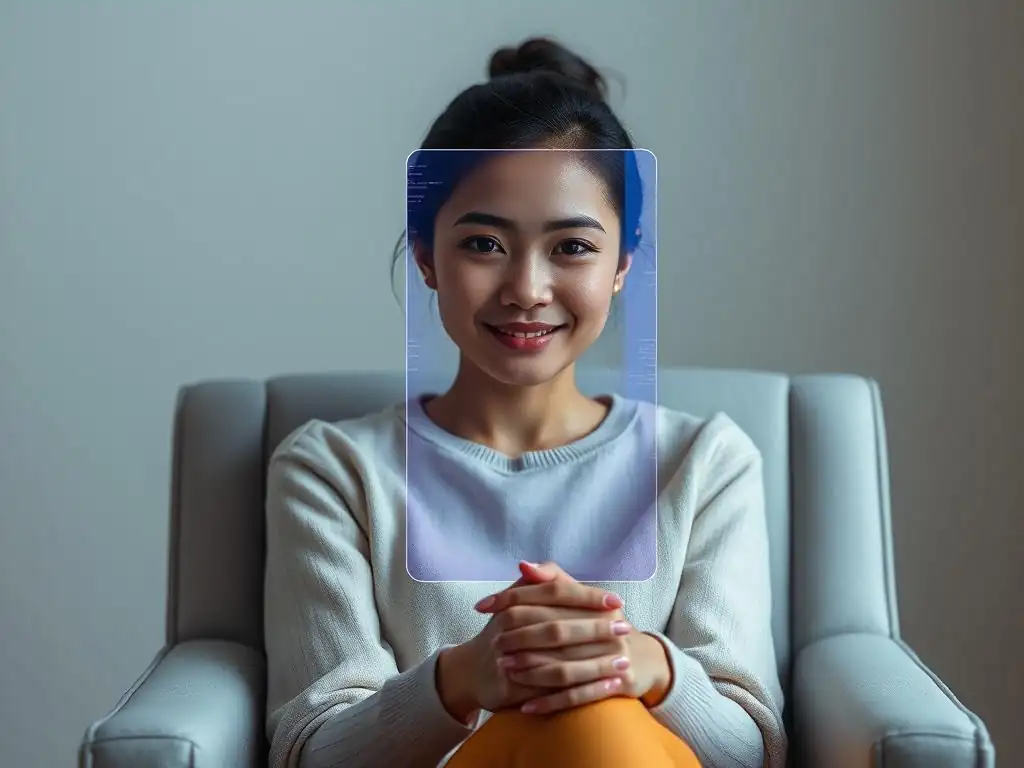
Creating a False Persona: The Effort Behind the Mask
Maintaining a false persona on social media, especially when struggling with a mood disorder, requires significant conscious effort. It involves carefully selecting what to share (and what not to share), crafting specific captions, choosing flattering photos, and engaging in interactions that align with the desired "happy" or "stable" image.
This isn't merely passive omission; it's an active performance. For example, someone experiencing a depressive episode might spend hours trying to find the "right" photo that doesn't betray their fatigue or lack of interest, or meticulously write a cheerful post about a minor activity they managed, while omitting the hours spent feeling numb or overwhelmed.
This continuous performance of a false self is mentally taxing. It requires emotional regulation skills to suppress genuine feelings and cognitive effort to manage online interactions in a way that upholds the persona. This labor can drain energy and focus, leaving less capacity for coping with the actual symptoms of the mood disorder or engaging in activities that could aid recovery, such as therapy or self-care. The effort involved in social media masking mood can become a significant burden, contributing to burnout and increased psychological distress.
The Disconnect Between Online Presentation and Offline Reality
One of the most profound consequences of social media masking mood is the widening gap between an individual's online presentation and their offline reality. Online, they may appear vibrant, social, and successful; offline, they might be struggling with severe symptoms, withdrawing from real-life interactions, or finding it difficult to manage daily tasks. This disconnect can be incredibly isolating. Friends and family who primarily interact with them online may be completely unaware of the depth of their struggles, making it less likely they will offer support.
This disparity also affects the individual internally. They may feel like a fraud, living a double life. The positive reinforcement they receive online for their masked persona can feel hollow, knowing it's based on an untruth. This feeling of inauthenticity can erode self-esteem and make it harder to accept their true feelings and experiences. The contrast between the perceived ease and happiness of their online self and the difficulty of their offline reality can intensify feelings of failure and hopelessness associated with mood disorders.
Suppressing Symptoms: The Impact of Masking on Mood Disorder Progression
Actively suppressing or hiding the symptoms of a mood disorder, whether consciously on social media or in other contexts, can negatively impact the progression of the illness. Mood disorders are complex conditions that often require recognition, acceptance, and specific interventions like therapy or medication for effective management. When symptoms are hidden, they are less likely to be acknowledged by the individual and less likely to be noticed by others who could encourage seeking help.
The act of social media masking mood contributes to this suppression by reinforcing the idea that symptoms are something to be ashamed of and concealed. This can delay diagnosis and treatment. Untreated or poorly managed mood disorders can worsen over time, leading to more severe episodes, functional impairment, and increased risk of comorbidity with other health issues. By hiding their struggles online, individuals may be inadvertently preventing themselves from accessing the timely and appropriate care needed to navigate their condition and improve their well-being.
Depression and the Pressure to Appear Cheerful
Depression is characterized by persistent feelings of sadness, loss of interest or pleasure, fatigue, and difficulty concentrating, among other symptoms. These symptoms are often antithetical to the vibrant, active image frequently portrayed on social media. Individuals with depression may feel intense pressure to counteract their internal state by presenting an outwardly cheerful or engaged persona online. They might post photos from past happier times, share positive news even if they feel numb, or use cheerful emojis to mask their emotional pain.
The effort to appear cheerful online when experiencing depression is a prime example of social media masking mood. This can involve significant emotional labor, forcing smiles for photos or writing upbeat captions that feel deeply untrue. This performance can be utterly draining, exacerbating the fatigue that is a core symptom of depression. It also creates a barrier to seeking help, as others may see their online presence and assume they are doing well, failing to recognize the signs of their struggle.
Anxiety Disorders and the Fear of Online Scrutiny
Anxiety disorders, including generalized anxiety disorder, social anxiety disorder, and panic disorder, involve excessive worry, fear, and nervousness. Social media, with its inherent public nature and potential for judgment, can be a significant trigger for anxiety. Individuals with anxiety disorders may experience intense worry about posting the "right" content, receiving negative feedback, being misunderstood, or not measuring up to others. This fear of online scrutiny can lead to avoidance or, conversely, excessive monitoring of their online presence.
Social media masking mood for someone with an anxiety disorder often involves hiding the signs of their anxiety. They might avoid posting anything that reveals vulnerability, carefully curate their interactions to appear confident and calm, or overthink every online communication. The fear of judgment fuels this masking, preventing them from sharing their true feelings or seeking support within online communities that could potentially offer understanding. The constant vigilance required to maintain this calm facade online can heighten their overall anxiety levels.
Bipolar disorder is characterized by significant shifts in mood, energy, and activity levels, ranging from periods of elevated mood (mania or hypomania) to periods of depression. Managing these fluctuating states on social media presents unique challenges and opportunities for masking. During depressive episodes, individuals may engage in social media masking mood similar to those with major depression, hiding their low energy and despair behind a facade of normalcy.
During manic or hypomanic episodes, the presentation can be different. While some might overshare or engage in impulsive online behaviors, others might still feel the pressure to maintain a consistent, stable image, masking the rapid thoughts, grandiosity, or irritability that can accompany these states. The pressure to appear stable and functional, avoiding the stigma associated with mood swings, can drive masking behaviors across both poles of the disorder. This hiding makes it harder for others to recognize when an individual is entering an episode and might need support or intervention.
Increased Feelings of Isolation and Loneliness
One of the most paradoxical effects of social media masking mood is the increase in feelings of isolation and loneliness, despite being constantly connected online. By presenting a false self, individuals create a barrier to authentic connection. Their online interactions, while numerous, may feel superficial because they are not based on their true experiences or emotional state. People are connecting with the mask, not the person behind it.
This lack of genuine connection can deepen the sense of being alone, even when surrounded by online "friends." The energy spent maintaining the mask might also reduce the capacity or desire for real-life social interactions, further limiting opportunities for authentic connection and support. This cycle – masking leading to superficial connections, leading to increased isolation – can significantly worsen the psychological burden of a mood disorder.
Exacerbation of Existing Mood Disorder Symptoms
The constant pressure to perform, the fear of judgment, social comparison, and the effort of maintaining a false persona can actively exacerbate the symptoms of existing mood disorders. For someone with depression, the fatigue from masking can deepen their lack of energy. For someone with anxiety, the fear of online scrutiny can intensify their worry and nervousness. The feeling of inauthenticity and the disconnect between online and offline life can fuel feelings of hopelessness or worthlessness.
Moreover, when individuals successfully social media mask mood, they may receive positive reinforcement (likes, positive comments) for the masked persona. While this might feel good temporarily, it reinforces the behavior of hiding and can make it harder to acknowledge the reality of their condition. This lack of acknowledgment, both internally and externally, can delay seeking help and interfere with effective coping strategies, allowing symptoms to persist or worsen.
The Cycle of Validation and Disappointment
Social media often operates on a system of external validation through likes, comments, and shares. For someone social media masking mood, receiving positive feedback on their curated persona can provide a temporary sense of validation and acceptance. This can feel rewarding and reinforce the belief that the mask is necessary and effective. However, this validation is directed at the false self, not the authentic person or their real struggles.
This creates a cycle: the individual masks their symptoms, receives validation for the mask, which temporarily feels good but doesn't address the underlying issues, leading to continued masking. When the validation doesn't come, or when the individual is faced with the reality of their struggles offline, the temporary relief fades, often replaced by disappointment and a reinforced sense of inadequacy. This dependence on external validation for an inauthentic self is psychologically taxing and can perpetuate the masking behavior rather than encouraging authenticity and help-seeking.
Identifying Warning Signs
Recognizing social media masking mood in yourself or others requires looking beyond the surface presentation. Warning signs might include a significant discrepancy between someone's online persona and their offline demeanor; for example, appearing highly social and energetic online but being withdrawn and low-energy in person. Other signs could be an overly curated or consistently positive online feed that seems to lack any genuine vulnerability or reflection of life's inevitable difficulties.
Pay attention to sudden changes in social media behavior – becoming significantly more or less active, or a drastic shift in the tone or content of posts. Vague or indirect posts hinting at distress, followed by a quick return to cheerful content, can also be a sign. While these signs are not definitive proof of a mood disorder or masking, they warrant closer attention and perhaps a gentle, non-judgmental conversation about how the person is truly feeling.
[ ] Look for discrepancies between online and offline behavior.
[ ] Note overly positive or curated online feeds.
[ ] Observe sudden changes in social media activity or tone.
[ ] Pay attention to vague distress signals followed by a return to masking.
Supporting someone you suspect is social media masking mood requires sensitivity and empathy. Avoid directly confronting them about their online persona. Instead, focus on their well-being in real life. Initiate genuine, face-to-face or voice conversations where you can ask how they are really doing, creating a safe space for them to share without judgment. Let them know you've noticed they seem different lately (if applicable) and that you're there for them.
Encourage them to talk about their feelings and validate their experiences, regardless of what they present online. Share your own experiences (if appropriate and comfortable) to foster a sense of shared vulnerability. Gently suggest seeking professional help, offering to assist them in finding resources if they are open to it. Remember that breaking free from social media masking mood is a process, and patience and consistent support are key. Focus on strengthening the real-life connection rather than commenting on their online presence.

Setting Boundaries: Limiting Time and Exposure to Triggering Content
Developing healthy social media habits is crucial for mitigating the pressures that contribute to social media masking mood. One effective strategy is setting clear boundaries around social media use. This involves limiting the amount of time spent on platforms daily – perhaps setting a timer or using app limits. Reducing overall exposure lessens the constant influx of curated content and opportunities for comparison.
Equally important is identifying and limiting exposure to content that triggers negative feelings, anxiety, or the urge to mask. This could mean unfollowing or muting accounts that promote unrealistic standards, cause excessive social comparison, or make you feel worse about yourself. Being intentional about whose content you consume can significantly improve the social media experience and reduce the pressure to perform.
Practicing Self-Compassion: Accepting Imperfection and Authenticity
Counteracting the pressure for online perfection requires cultivating self-compassion. This means treating yourself with the same kindness, understanding, and acceptance you would offer a friend. Recognize that everyone experiences difficulties, flaws, and imperfections, and that's a normal part of the human experience. Accept that your worth isn't tied to how perfect your life looks online or the number of likes you receive.
Embracing authenticity means allowing yourself to be real, even if that means not always presenting a perfect image. It's okay not to be okay sometimes. Practicing self-compassion helps reduce the fear of judgment that fuels social media masking mood, making it easier to be genuine both online and offline. It shifts the focus from external validation to internal acceptance.
For individuals struggling with mood disorders and the impact of social media, seeking professional help is a vital step. Therapists specializing in mood disorders and the psychological effects of technology can provide tailored support. Cognitive Behavioral Therapy (CBT) or Dialectical Behavior Therapy (DBT) can help individuals challenge negative thought patterns related to social comparison and self-worth, develop healthier coping mechanisms, and reduce the urge to social media mask mood.
Therapy can also provide strategies for managing mood disorder symptoms directly, addressing the underlying issues that contribute to the desire to hide. A mental health professional can help individuals navigate the complexities of social media use, develop healthier digital habits, and work towards building an authentic self that doesn't require constant performance or masking. Support groups, both online and offline, can also offer a sense of community and shared experience, reducing feelings of isolation.
Breaking Free from the Mask: Cultivating Authentic Connection
Fostering Real-Life Relationships and Support Systems
Reducing reliance on social media masking mood involves strengthening real-life connections. Investing time and energy in face-to-face relationships with friends, family, or support groups provides a space where you can be your authentic self without the pressure to perform. These relationships offer genuine empathy, understanding, and support that superficial online interactions often lack.
Prioritizing real-life hangouts, phone calls, or engaging in shared activities fosters deeper bonds based on mutual experience and vulnerability. These connections serve as a buffer against the negative effects of social media and provide a much-needed reality check, reminding you that genuine acceptance comes from being seen and valued for who you truly are, struggles and all.
Embracing Vulnerability: Sharing Authentic Experiences Online and Offline
Breaking free from the cycle of social media masking mood requires courage to embrace vulnerability. This doesn't mean oversharing every detail of your struggles online, but it does involve allowing yourself to be more authentic in your interactions, both digitally and in person. This might start small, perhaps by sharing a less-than-perfect moment with a trusted friend, or posting something online that reflects a more realistic aspect of your day, rather than just the highlights.
Sharing authentic experiences, even the challenging ones, creates opportunities for genuine connection and support. It allows others to see the real you and fosters empathy. While vulnerability can feel scary, it is the foundation of true connection and a powerful antidote to the isolation fueled by masking. It also gives others permission to be more authentic in return, contributing to a more realistic and supportive social environment.
The Importance of Digital Detox and Mindfulness Practices
Regularly taking breaks from social media (digital detox) is essential for gaining perspective and reducing the unconscious pressure to perform. This could be a few hours, a day, or even longer. Stepping away allows you to reconnect with your offline life, assess your relationship with social media, and reduce exposure to content that might trigger social media masking mood behaviors.
Incorporating mindfulness practices can also help. Mindfulness involves paying attention to the present moment without judgment. This can help you become more aware of your feelings and thoughts before you go online, making you less susceptible to the pressure to mask. Mindfulness can also help you observe your reactions to social media content without immediately engaging in comparison or feeling the need to curate a response. These practices empower you to use social media more intentionally rather than reactively.
Finding Help and Support
If you or someone you know is struggling with a mood disorder, social media masking mood, or the negative effects of social media on mental health, help is available. Reaching out is a sign of strength.
- Mental Health Professionals: Therapists, counselors, psychologists, and psychiatrists can provide diagnosis, therapy, and medication management.
- Crisis Hotlines: For immediate support during a mental health crisis.
- Support Groups: Peer-led groups offer a safe space to share experiences and coping strategies.
- Mental Health Organizations: Non-profits and government organizations provide information, resources, and helplines.
- Primary Care Physician: Your doctor can be a first point of contact for discussing mental health concerns and getting referrals.
The phenomenon of social media masking mood highlights a significant challenge at the intersection of digital life and mental well-being. The pressure to present a perfect, happy facade online can exacerbate symptoms of mood disorders, increase isolation, and prevent individuals from seeking necessary support. Recognizing this behavior in ourselves and others is the first step towards fostering healthier interactions. By setting boundaries, practicing self-compassion, embracing authenticity, and prioritizing real-life connections, individuals can mitigate the negative impacts of social media.
Moving forward, there is a collective responsibility to create online environments that are more empathetic and accepting of vulnerability. This involves users consciously choosing authenticity over perfection, platforms exploring features that promote well-being rather than comparison, and a broader societal effort to destigmatize mental health struggles. Promoting positive online interactions means building communities where it is safe to be real, where support is readily available, and where the pressure to perform is replaced by genuine connection and understanding, ultimately reducing the need for social media masking mood.
Frequently Asked Questions
Social media masking mood refers to the act of presenting a false, often positive, emotional state on social media platforms despite experiencing underlying mental health challenges. This is concerning because it can hide genuine struggles and prevent individuals from seeking needed help.
Social media often promotes a culture of curated perfection, leading individuals to feel pressure to display only their best selves. This can exacerbate feelings of inadequacy and drive them to hide their true emotions and mental health struggles.
Signs can include excessive posting of seemingly perfect moments, a significant discrepancy between online persona and known offline behavior, and a reluctance to discuss real-life challenges online.
Consistently masking can lead to increased feelings of isolation and loneliness, further deepening the mood disorder. It can also prevent individuals from seeking necessary treatment and support due to the perceived pressure to maintain a facade.
Individuals can take breaks from social media, limit their exposure to idealized content, and prioritize authentic connections with others. They can also seek professional help to address underlying mental health issues and develop coping mechanisms.
Final Reflection: Unmasking the Truth Behind the Filtered Smile
The pervasive nature of social media has created a culture where the pressure to perform, to project an image of unwavering happiness and success, is immense. This curated reality, however, often masks the silent struggles of millions grappling with mood disorders. The carefully constructed online personas we present, while seemingly innocuous, can exacerbate the very conditions they attempt to hide, creating a vicious cycle of pressure and isolation.
The impact of this constant performance on mental health is undeniable, subtly shaping our self-perception and influencing our relationships. We are bombarded with idealized versions of reality, leading to feelings of inadequacy and fostering a culture of comparison. Comparison is the thief of joy,
as Theodore Roosevelt famously stated, and this rings truer than ever in the age of social media. The curated perfection we see online often leaves us feeling inadequate, especially for those already struggling with the internal turmoil of a mood disorder. This pressure to maintain a flawless online facade only intensifies the internal struggle, creating a sense of shame and isolation that prevents individuals from seeking help.
You, the reader, are now equipped with a deeper understanding of this complex interplay between social media and mental health. Consider your own online presence: Are you presenting an authentic version of yourself, or are you inadvertently contributing to the pressure to perform? Take a moment to reflect on your relationship with social media and its impact on your well-being.
Prioritize your mental health, seek support when needed, and remember that vulnerability is a strength, not a weakness. Let's work together to create a more compassionate and understanding online environment where authenticity thrives and seeking help is normalized, not stigmatized.
Unmask Your True Self: Take Control of Your Mental Wellbeing
Thanks for taking the time to explore the often-hidden connection between social media and mood disorders. We hope you gained valuable insights into managing your online presence and prioritizing your mental health.
Now, let's turn those insights into action:
- Prioritize a digital detox: Schedule one day a week (or even just a few hours!) completely free from social media. Notice how you feel – the difference might surprise you.
- Engage in mindful social media use:Actively curate your feed, unfollowing accounts that trigger negative emotions. Focus on positive and supportive content instead.
- Share your story (if you feel comfortable):Connect with others by sharing your experiences in the comments below. Your insights can help someone else.
What small step will you take today to reclaim your mental wellbeing from the pressures of social media?