
The Meditator's Secret Weapon: Essential Cushions & Chairs

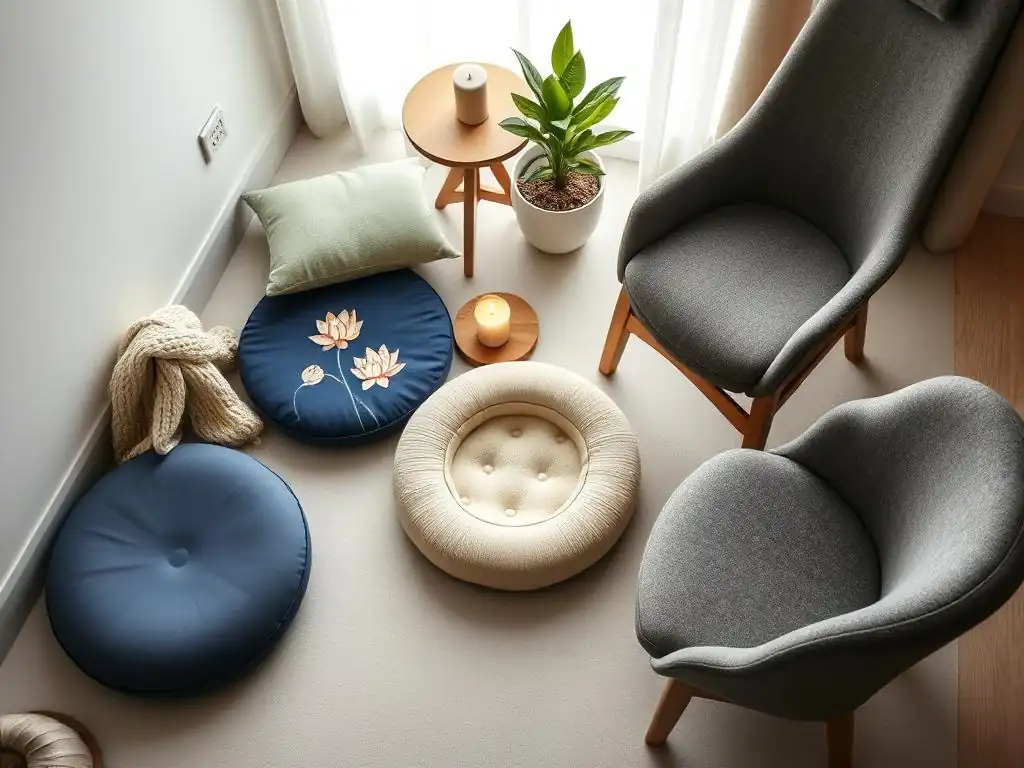
Welcome to Mind Care Guide, a sanctuary for your mental well-being. Feeling overwhelmed? Searching for a way to deepen your practice? Discover how something as simple as the right support can transform your meditation experience. Explore our guide to comfortable meditation cushions benefits, and unlock the secret to finding true peace and focus. Are you ready to take the next step on your journey to inner harmony?
The Meditator's Comfort: Cushions & Chairs
- Enhance Meditation with Comfortable Support: Benefits
- Top Meditation Cushions for Comfort and Posture
- Meditation Chairs: Ergonomic Support
- Finding the Perfect Fit: Matching Needs
- Maintaining Cushions and Chairs
- Maximize Your Meditation Practice: Comfortable Meditation Cushions
-
Frequently Asked Questions
- What are the key benefits of using comfortable meditation cushions?
- How do meditation cushions differ from regular cushions, and why is this important?
- Can using a meditation cushion really improve my mental well-being?
- What types of meditation cushions are available, and which is best for beginners?
- Where can I find reliable information and resources about meditation techniques and related tools like cushions?
- Final Reflection: Finding Stillness, Finding Comfort
- Unlock Your Inner Peace: Find Your Perfect Meditation Seat
Enhance Meditation with Comfortable Support: Benefits
The Importance of Comfortable Support for Meditation
Achieving a state of deep focus and mindfulness during meditation is significantly influenced by physical comfort. When the body is at ease, the mind is less distracted by aches, stiffness, or the constant need to shift position. Discomfort acts as a persistent signal to the brain, pulling attention away from the breath, the present moment, or the object of meditation.
This makes it challenging to sustain concentration for extended periods, often leading to frustration and shorter practice sessions. Investing in supportive aids like comfortable meditation cushions or chairs directly addresses this fundamental barrier, creating an environment conducive to deeper mental exploration.
Studies and anecdotal evidence from long-term practitioners consistently highlight the link between proper physical alignment and mental clarity. For instance, maintaining a stable base and an upright spine allows energy to flow more freely according to some traditions, and from a physiological standpoint, it ensures adequate circulation and reduces muscular tension.
While the exact impact varies from person to person, many meditators report that resolving physical discomfort through the use of appropriate seating can increase their meditation time by anywhere from 15% to 50% or more, allowing for a more immersive and beneficial experience. This underscores the profound benefits of comfortable meditation cushions and chairs.
Top Meditation Cushions for Comfort and Posture
Zafu Cushions: Grounded Meditation
Zafu cushions are perhaps the most iconic meditation support, traditionally used in Zen Buddhist practice. Their round, pleated shape is designed to elevate the hips, allowing the knees to rest below them when sitting cross-legged (like in Sukhasana or Burmese style) or in the lotus position (Padmasana). This elevation is crucial for tilting the pelvis slightly forward, which helps the spine naturally align into a gentle curve, promoting an upright yet relaxed posture. The firm filling provides a stable base, preventing the hips from sinking and maintaining the structural integrity of the seated position throughout the meditation session.
The primary benefits of Zafu cushions center around posture and alleviating common meditation discomforts. By raising the hips, they reduce pressure on the knees, ankles, and hips themselves, making sitting cross-legged accessible and comfortable for many who would otherwise find it painful.
This proper alignment can also significantly reduce lower back strain, a frequent complaint among meditators sitting on flat surfaces. While individual results vary, many users report a noticeable decrease in back pain within weeks of consistently using a Zafu, allowing them to sit for longer durations, perhaps extending their practice from 10-15 minutes to 20-30 minutes or more.
When choosing a Zafu cushion, several factors are key. The filling material, typically buckwheat hulls or kapok fiber, dictates firmness and weight. Buckwheat hulls offer a firmer, heavier feel that conforms slightly to the sitter's shape, while kapok is lighter and softer but compresses more over time.
Height is also important; taller individuals or those with less hip flexibility may benefit from a higher cushion (perhaps 6-7 inches), while shorter individuals or those with greater flexibility might prefer a lower one (around 4-5 inches). The fabric should be durable and comfortable, such as cotton or hemp, and ideally have a removable, washable cover. Considering these elements ensures you find a Zafu that contributes to the comfortable meditation cushions benefits you seek.
Zabuton Mats: Comfort for Knees and Ankles
Zabuton mats are large, flat cushions that serve as a base layer for meditation, typically used in conjunction with a Zafu cushion or a Seiza bench. Placed beneath the seated practitioner, the Zabuton provides a soft, padded surface for the knees, ankles, and feet. This is particularly important for those who sit in cross-legged positions or kneeling (Seiza), where direct pressure on a hard floor can quickly lead to discomfort, numbness, and pain, distracting from the meditation practice. The Zabuton creates a dedicated, comfortable space for meditation, signaling a transition into practice.
The main benefit of using a Zabuton mat is protecting and cushioning the lower extremities. When sitting on a hard floor, the pressure exerted on the knees and ankles can be considerable, potentially causing pain or long-term issues. A Zabuton, typically 2-4 inches thick, disperses this pressure, allowing the meditator to remain comfortable and focused for longer periods.
For individuals with sensitive joints or those new to floor sitting, a quality Zabuton can be the difference between a painful five minutes and a comfortable twenty minutes. This enhances the overall experience and helps unlock the benefits of comfortable meditation cushions by providing essential ground support.
Choosing the right Zabuton involves considering its size, thickness, and material. Size should be generous enough to accommodate your knees and feet comfortably when sitting on your primary cushion or bench; standard sizes are often around 30x30 inches or larger. Thickness impacts the level of cushioning; a thicker mat (3-4 inches) offers more protection than a thinner one (1-2 inches).
Materials vary, but cotton batting is common, providing a soft, dense feel. Some higher-end Zabutons might use foam or a blend for added durability and support. Ensure the cover is durable and ideally removable for cleaning, as the mat will be in contact with the floor.
Cushion Filling: Choosing What Works for You
Choosing the right filling for your meditation cushion is a personal decision that impacts comfort, support, and durability. Two of the most popular options are buckwheat hulls and kapok fiber, each offering distinct properties. Buckwheat hulls are the hard outer shells of buckwheat seeds. When used as filling, they create a firm, dense cushion that conforms slightly to the shape of the sitter, providing stable support. The hulls shift and settle, allowing you to adjust the cushion's shape to some extent. They are also breathable, which can be a benefit during longer sits.
- Buckwheat Hull Cushions: Benefits and Drawbacks.
- Pros: Firm, stable support; conforms slightly; breathable; adjustable (hulls can be added or removed); durable.
- Cons: Heavier than kapok; can make a rustling sound; may compress slightly over time requiring refilling.
Kapok fiber is a light, fluffy material derived from the seed pods of the kapok tree. It is significantly lighter than buckwheat hulls and provides a softer, more yielding cushion. Kapok doesn't shift or conform in the same way as buckwheat; it maintains a consistent shape but compresses more under weight. This makes it feel softer initially, though it may flatten more over prolonged use or without occasional fluffing.
- Kapok Filled Cushions: Benefits and Drawbacks.
- Pros: Very lightweight and portable; soft and comfortable feel; silent compared to buckwheat.
- Cons: Less firm support; compresses more over time; not easily adjustable (cannot add/remove fiber like hulls); less breathable than hulls.
Comparing buckwheat and kapok reveals a trade-off between firmness and weight. Buckwheat is favored by those seeking strong, stable support and willing to accept the extra weight and slight rustling. It's excellent for maintaining specific postures. Kapok is ideal for those prioritizing portability and a softer feel, perhaps for shorter sits or when traveling. While both provide comfortable meditation cushions benefits, the "best" filling depends entirely on the individual's body, preferred sitting posture, and priorities regarding support versus portability. Some practitioners even use a combination, perhaps a buckwheat Zafu on a kapok Zabuton.
Meditation Chairs: Ergonomic Support
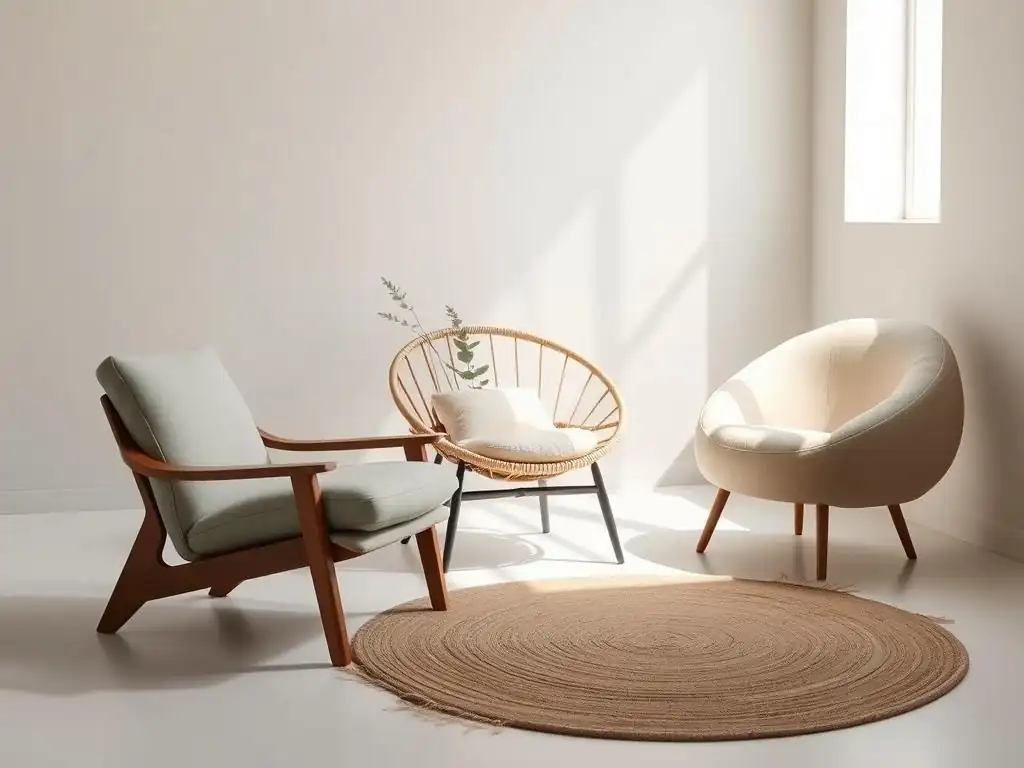
Benefits of Meditation Chairs
Meditation chairs offer an alternative to floor-based sitting, providing ergonomic support that can make meditation accessible and comfortable for a wider range of individuals. Unlike standard chairs, meditation chairs are often designed specifically to encourage an upright posture conducive to meditation, while providing necessary support to prevent strain.
They are particularly beneficial for those who find sitting on the floor painful or impossible due to age, physical injuries, limited flexibility, or chronic conditions such as arthritis or back problems. For these individuals, a meditation chair can transform meditation from a source of physical discomfort into a truly comfortable and sustainable practice.
The primary advantages of meditation chairs lie in their ergonomic design and built-in posture support. Many models feature a backrest that encourages spinal alignment and prevents slouching, a common issue when the core muscles tire during longer sits. Some chairs include integrated lumbar support, which helps maintain the natural curve of the lower spine, significantly reducing lower back pain.
By providing stable support for the back and sometimes armrests, these chairs allow the meditator to relax the muscles typically used to maintain an upright position, freeing energy and attention for mental focus. This support is crucial for unlocking the comfortable meditation cushions benefits, even in a chair format.
While a basic chair might suffice for short periods, a dedicated meditation chair or stool is designed with the specific needs of meditation in mind. Features like a slightly forward-sloping seat pan can help tilt the pelvis forward, mimicking the effect of a Zafu cushion and promoting better spinal alignment.
The presence of a backrest allows for periods of supported sitting, which can be invaluable for extending meditation time. For someone struggling to sit for even 10 minutes on the floor or a regular chair due to pain, a well-designed meditation chair could enable them to comfortably sit for 20, 30, or even 45 minutes, deepening their practice considerably.
Backjack Chairs: Simple and Portable
Backjack chairs represent a simple, portable, and affordable option for seated meditation, particularly popular among students, travelers, or those with limited space. Essentially, a Backjack consists of a fabric seat attached to a metal frame that provides back support.
The frame typically folds flat, making it easy to store under a bed or in a closet, and lightweight enough to carry to a meditation class or retreat. The design allows the user to sit on the floor (or a Zabuton) while leaning back against the supportive frame, relieving pressure on the back muscles that would otherwise be working to keep the spine erect.
The key benefits of Backjack chairs are their portability, ease of use, and the relief they offer to the back. Weighing typically between 3-5 pounds, they are significantly lighter and more transportable than traditional chairs. The folding mechanism is straightforward, allowing for quick setup and storage.
For individuals who experience back fatigue or pain when sitting unsupported on the floor, the Backjack provides just enough support to make sitting possible and more comfortable. While they don't offer the full ergonomic shaping of some dedicated meditation chairs, they effectively prevent slouching and allow the user to relax their back muscles during meditation.
A Backjack chair is the right choice for someone who needs basic back support but prioritizes portability, affordability, and ease of storage. It's ideal for those who meditate in different locations, live in small spaces, or are looking for an entry-level meditation support that's more comfortable than sitting directly against a wall.
While it doesn't elevate the hips or cushion the knees like a Zafu or Zabuton, it can be effectively used in combination with a Zabuton mat for added lower body comfort. It's a practical tool for enhancing the comfortable meditation cushions benefits, offering supported sitting without the bulk of a full chair.
Seiza Benches: Kneeling Support
Seiza is a traditional Japanese sitting posture where one kneels with the tops of the feet flat on the floor and sits back onto the heels. While considered a formal and stable posture, it can place significant pressure on the knees, ankles, and feet, which many Western practitioners find uncomfortable or painful, especially for extended periods.
A Seiza bench is designed to alleviate this pressure by providing a surface to sit on that elevates the hips above the heels and feet. This allows the practitioner to maintain the upright spine characteristic of the Seiza posture without the full weight of the body resting on the lower joints.
Seiza benches primarily benefit those who prefer the kneeling posture but suffer discomfort in their knees or ankles when sitting directly on the floor. By lifting the body weight off the heels, the bench dramatically reduces the pressure on the ankle and knee joints. This can prevent numbness, tingling, and pain, enabling the meditator to sustain the posture for much longer durations.
For individuals with sensitive knees or limited ankle flexibility, a Seiza bench can make the kneeling posture accessible and comfortable, allowing them to experience the grounding and stability that Seiza offers without physical distraction. This is another avenue to explore the benefits of comfortable meditation cushions (or benches, in this case).
When choosing a Seiza bench, key considerations are height and the angle of the seat. The height should be sufficient to allow your feet and ankles to rest comfortably beneath you without being crushed by your body weight; standard heights typically range from 6 to 8 inches. Some benches have a flat seat, while others have a slightly angled seat that tilts the pelvis forward, further promoting an upright spine.
Materials vary from simple wooden benches (often foldable for portability) to padded versions for added comfort. The goal is to find a bench that provides just enough elevation to relieve pressure while still allowing you to feel grounded and stable in the kneeling posture.
Full-Support Meditation Chairs: Comfort and Posture
Full-support meditation chairs are designed to offer maximum ergonomic comfort and postural assistance, closely resembling a comfortable low chair but specifically tailored for meditation. These chairs often feature a robust frame, a padded seat, and a high backrest that may include adjustable lumbar support and even a headrest. They are built to provide comprehensive support for the spine, from the base to the shoulders and neck, aiming to eliminate physical distractions entirely and allow for prolonged, deep meditation sessions. These are often the most comfortable meditation cushions and chairs available, offering a significant level of support.
The benefits of full-support meditation chairs include optimal posture support, significant reduction in back pain, and enhanced overall comfort, particularly during extended sits. The adjustable backrests allow users to find the precise angle that supports their spine comfortably, while integrated lumbar support maintains the natural curve of the lower back, preventing the slumping that can lead to pain.
For individuals with chronic back issues, limited core strength, or those planning very long meditation retreats or daily sessions (e.g., 45-60 minutes or more), these chairs can be invaluable. They allow the body to be fully supported, freeing the mind to focus entirely on the practice.
While full-support chairs represent a greater investment than cushions or simpler benches, their potential impact on the quality and duration of one's meditation practice can be substantial. They are often the preferred choice for meditation centers or for home practitioners for whom comfort and support are the absolute top priorities, and portability is less of a concern. The stability and comprehensive support they offer can lead to fewer physical interruptions during meditation, potentially accelerating progress and making the practice more enjoyable and sustainable over the long term.
Finding the Perfect Fit: Matching Needs
Considering Meditation Style and Frequency
Your personal meditation style and how often you practice should heavily influence your choice of support. If you primarily practice shorter, daily mindfulness sessions (e.g., 10-20 minutes) and are comfortable with floor sitting, a simple Zafu cushion might be perfectly adequate.
However, if you engage in longer sits (30+ minutes), attend retreats, or practice multiple times a day, the need for more robust support, like a Zabuton mat in addition to a Zafu, or even a meditation chair, becomes more pronounced. The longer you plan to sit, the more critical comfortable meditation cushions and chairs become for sustaining your practice.
Physical limitations and personal preferences are also key factors. Someone with knee issues will likely need a Zabuton or a Seiza bench, while someone with lower back pain might find a Zafu or a meditation chair with lumbar support more beneficial. Flexibility plays a role; individuals with tight hips might struggle with cross-legged positions on a low cushion and benefit from a higher Zafu or a chair. Ultimately, the most effective support is one that allows you to sit comfortably and stably for the duration of your practice without significant physical distraction.
Beyond comfort and posture, practical considerations like space, portability, and budget also factor into the decision. If you live in a small apartment, a large, full-support chair might not be feasible, making a foldable Backjack or easily storable cushions a better choice. If you travel frequently or attend classes, a lightweight and portable option is essential. While meditation supports range in price from relatively inexpensive Zafu cushions (perhaps $40-$80) to more costly full-support chairs (potentially $150-$300+), view it as an investment in your well-being and practice sustainability.
Improving Meditation Posture: Comfortable Alignment
Achieving proper seated posture during meditation is fundamental for comfort and focus. The goal is to maintain a stable base with the hips slightly elevated (when sitting on the floor), allowing the spine to rise naturally from the pelvis. The shoulders should be relaxed, the chest open, and the head balanced atop the spine with the chin slightly tucked. This alignment reduces strain on muscles and joints, promotes healthy circulation, and supports alertness without tension. Comfortable meditation cushions and chairs are designed precisely to facilitate this alignment.
Cushions and chairs act as tools to help the body find and maintain this optimal posture. A Zafu cushion elevates the hips to encourage the forward pelvic tilt needed for a straight spine in cross-legged positions. A Seiza bench does the same for kneeling.
Meditation chairs provide a structured seat and backrest that guide the spine into an upright position, sometimes with specific lumbar support to maintain the lower back's natural curve. Using these supports correctly allows the body to settle into a stable, aligned position with less muscular effort than sitting unsupported, making it easier to hold the posture for extended periods.
Using the wrong support, or sitting on a hard surface without any, often leads to common posture problems that disrupt meditation. Slouching is prevalent when the back lacks support or the core tires, leading to upper back and neck pain. Sitting with hips too low can strain the knees and lower back.
Numbness or tingling in the legs and feet can result from pressure points or poor circulation caused by misalignment. Comfortable meditation cushions and chairs directly address these issues by providing the necessary elevation, cushioning, and structural support to prevent these problems, allowing the meditator to focus on the mind rather than the body.
Combining Cushions and Chairs for Maximum Comfort
For many meditators, the optimal setup involves combining different types of supports to address multiple comfort needs simultaneously. Experimenting with various combinations can lead to a significantly more comfortable and sustainable practice tailored to individual requirements. This approach leverages the specific benefits of different supports, creating a synergistic effect that enhances overall comfort and allows for deeper meditation.
A common and highly effective combination is using a Zafu cushion placed on top of a Zabuton mat. The Zafu elevates the hips for spinal alignment and reduces pressure on the knees, while the Zabuton provides soft cushioning for the knees, ankles, and feet resting on the floor. This pairing offers comprehensive support for floor sitting, addressing both postural alignment and joint protection, making it a popular choice for those who sit cross-legged or in Burmese style. Many find this combination unlocks the full comfortable meditation cushions benefits.
Another useful combination might involve using a Zabuton mat with a Backjack chair or a Seiza bench. If using a Backjack, the Zabuton cushions the lower body where it meets the floor, while the Backjack provides essential back support. For those using a Seiza bench, a Zabuton placed beneath the bench ensures that the tops of the feet and ankles are cushioned where they rest on the floor behind the bench, preventing discomfort and numbness in those areas. These combinations demonstrate how different supports can be mixed and matched to create a personalized, highly comfortable meditation setup.
Maintaining Cushions and Chairs
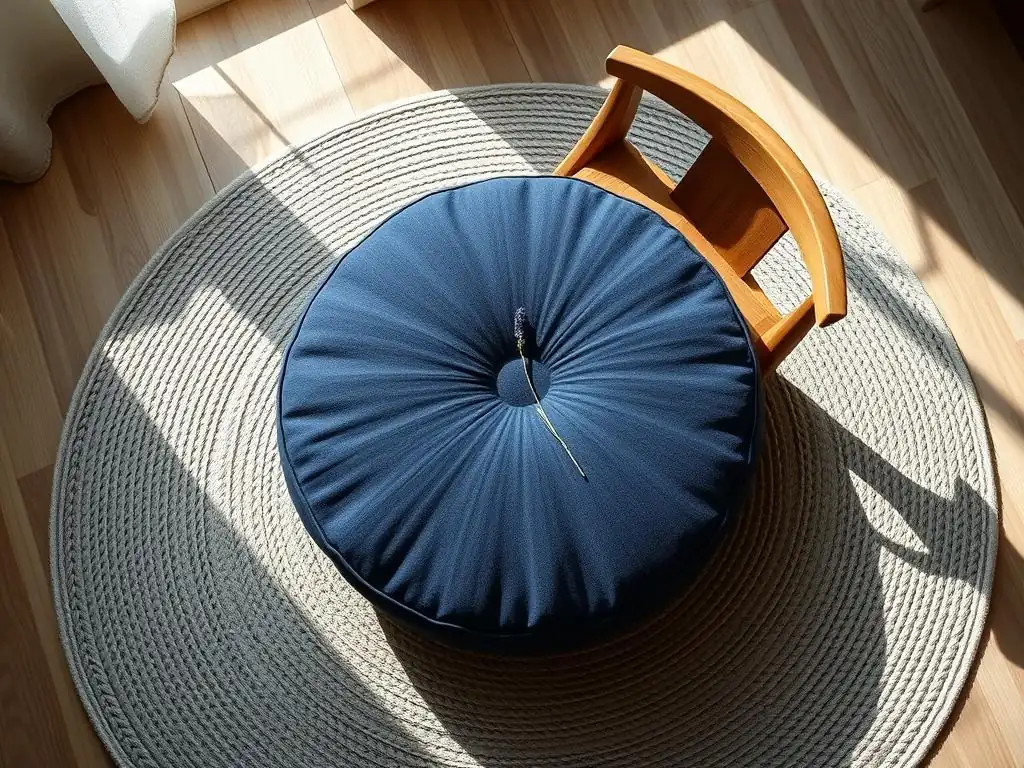
Cleaning and Care Tips for Meditation Cushions
Proper care and cleaning are essential for maintaining the hygiene, appearance, and longevity of your meditation cushions. Regular cleaning helps remove dust, sweat, and odors that can accumulate over time, ensuring your meditation space remains fresh and inviting. Most quality meditation cushions come with removable covers made from durable fabrics like cotton or hemp. These covers can typically be machine washed on a gentle cycle with mild detergent and air-dried. Always check the manufacturer's specific care instructions, as some fabrics or dyes may require special handling.
For cushions with non-removable covers or for spot cleaning, use a damp cloth with a small amount of mild soap. Avoid saturating the filling, especially if it's buckwheat hulls, as moisture can lead to mildew or damage. Allow the cushion to air dry thoroughly, ideally in a sunny spot, which can also help to naturally disinfect and refresh the fabric. For deeper cleaning or to remove persistent odors, consider using a fabric freshener spray designed for upholstery or placing the cushion outdoors in fresh air on a dry day.
Proper storage also contributes to the cushion's lifespan. When not in use, store cushions in a dry, clean area away from direct sunlight, which can fade fabrics. Avoid storing them in damp basements or garages where mildew can form. For buckwheat-filled cushions, periodically emptying the hulls (perhaps once every few years) and cleaning the cover and inner liner, then refilling with fresh hulls or reusing the old ones after airing, can revitalize the cushion's firmness and freshness. This attention to care helps preserve the comfortable meditation cushions benefits over time.
Cleaning and Care Tips for Meditation Chairs
Maintaining meditation chairs, whether they are simple Backjacks, Seiza benches, or full-support chairs, involves caring for their specific materials, typically fabric, wood, or metal frames. For fabric seats and backrests, follow similar cleaning principles as cushions. If the fabric is removable, machine wash according to instructions. For non-removable upholstery, spot clean with a mild soap and damp cloth. Avoid harsh chemicals that could damage the fabric or cause discoloration. Regular vacuuming with an upholstery attachment can help remove dust and debris.
Wooden or metal frames require different care. Wooden benches or chair frames can be wiped down with a damp cloth and dried immediately. Avoid using excessive water or harsh cleaning agents. Periodically, a wood polish or conditioner can be used on finished wood to maintain its luster and prevent drying or cracking. Metal frames, common in Backjack chairs, can be wiped clean with a damp cloth. Check for any signs of rust on metal parts and address them promptly according to the material type.
Proper storage for chairs depends on their type. Foldable Backjacks or Seiza benches should be stored in a dry place when folded. Full-support chairs are typically stationary but should be kept out of direct sunlight if possible to prevent fabric fading. Regularly inspect the chair for any signs of wear and tear, such as loose screws, frayed fabric, or unstable legs. Addressing these issues early can prevent further damage and ensure the chair remains safe and comfortable for use, preserving the benefits of comfortable meditation chairs for your practice.
Maximize Your Meditation Practice: Comfortable Meditation Cushions
Recap of Benefits
Investing in supportive seating, whether comfortable meditation cushions or chairs, offers a multitude of benefits that can profoundly impact your meditation practice. The most immediate advantage is enhanced comfort and reduced physical pain, which removes a major barrier to consistent practice. This allows you to sit for longer durations without the distraction of discomfort in the knees, hips, ankles, or back, making meditation a more enjoyable and less physically demanding activity.
Furthermore, proper support promotes improved posture and spinal alignment. By elevating the hips or providing back support, these tools help maintain a natural, upright spine, which not only feels better physically but also supports alertness and reduces muscular fatigue. This alignment is key to unlocking the full potential of comfortable meditation cushions benefits, enabling the body to be at ease while the mind is engaged.
Ultimately, the physical comfort and postural support provided by appropriate cushions and chairs lead to increased focus and mindfulness. With fewer physical distractions, your attention is more readily available to concentrate on your breath, body sensations, or meditation object. This deeper focus can lead to more profound and effective meditation sessions, potentially accelerating progress and making your practice a more powerful tool for mental well-being.
Where to Buy
When seeking comfortable meditation cushions and chairs, look for reputable retailers specializing in meditation supplies or ergonomic seating. Consider stores that focus on ethical and sustainable manufacturing practices, often found online or in specialized wellness shops. These suppliers are more likely to offer high-quality, durable products made from natural or eco-friendly materials, aligning with a mindful lifestyle.
- Search for meditation supply stores online.
- Explore websites dedicated to yoga or wellness products.
- Check local spiritual centers or retreat facilities, which may have recommended suppliers.
- Look for brands known for using organic or sustainably sourced materials like organic cotton, hemp, or responsibly harvested buckwheat.
Final Thoughts: Investing in Your Meditation Journey
Prioritizing comfort and support in your meditation practice is not a luxury; it's a practical step towards consistency and depth. While meditation itself requires no external tools, the reality for many is that physical discomfort is a significant impediment. Comfortable meditation cushions and chairs are not crutches but rather aids that make the posture accessible and sustainable, allowing you to focus on the mental training that is the essence of meditation.
Experimentation is key to finding the perfect fit. Don't hesitate to try different types of cushions (Zafu, Zabuton), benches (Seiza), or chairs (Backjack, full-support) or combinations thereof. What works for one person may not work for another, and your needs may change over time as your flexibility or practice evolves. Visiting a store where you can try out different options is ideal, but reading reviews and understanding material properties can also guide your choice when buying online.
Make the conscious decision to invest in your practice. Acquiring a comfortable meditation cushion or chair is an investment in your physical well-being and your mental clarity. By creating a comfortable and supportive meditation environment, you remove unnecessary obstacles and make it easier to show up on your cushion or chair consistently. Take action today to enhance your comfort and unlock the full potential of your meditation journey.
Frequently Asked Questions
What are the key benefits of using comfortable meditation cushions?
Comfortable meditation cushions provide essential support and promote proper posture, reducing strain and discomfort. This allows for deeper focus and a more sustained meditation practice.
How do meditation cushions differ from regular cushions, and why is this important?
Meditation cushions are specifically designed to support the spine and hips in common meditation postures. Regular cushions often lack the necessary firmness and shape for optimal alignment.
Can using a meditation cushion really improve my mental well-being?
Yes, by improving comfort and reducing physical distractions, meditation cushions facilitate a more effective and consistent meditation practice. This can lead to improved mental clarity and reduced stress.
What types of meditation cushions are available, and which is best for beginners?
Common types include zafus, zabutons, and benches. A standard zafu cushion is often recommended for beginners due to its versatility and ease of use in supporting a comfortable seated position.
Websites like Mind Care Guide offer comprehensive guides, information, and resources on meditation techniques and tools, emphasizing the importance of mental well-being and supportive practices.
Final Reflection: Finding Stillness, Finding Comfort
The pursuit of inner peace is a timeless journey, and the comfort of our physical posture plays a surprisingly significant role in its success. A seemingly small detail like the right meditation cushion or chair can be the difference between a fleeting moment of mindfulness and a deeply transformative practice. This article explored the various options available, highlighting the crucial link between physical ease and mental clarity.
The impact of comfortable meditation support extends far beyond the individual practice. It's about creating a sanctuary, a space dedicated to self-care and inner exploration. This is a powerful act of self-compassion, a recognition of the body's needs as integral to the spiritual journey. The body is your temple. Keep it pure and clean for the soul to reside in.
This simple truth underscores the importance of investing in tools that enhance, rather than hinder, our meditative experience.
Now, consider your own practice. What adjustments can you make to create a more supportive and comfortable meditation space? Perhaps it's time to invest in a new cushion, explore different seating options, or simply rearrange your environment to foster a greater sense of calm and focus. Embrace the opportunity to nurture your body and mind simultaneously; the journey to inner peace begins with a comfortable seat.
Unlock Your Inner Peace: Find Your Perfect Meditation Seat
Thanks for exploring the world of mindful seating with us! We hope you now have a clearer understanding of how the right cushion or chair can deepen your meditation practice. Ready to take the next step towards a more comfortable and fulfilling meditation journey?
- Find your perfect fit: Spend some time researching the specific cushion or chair types discussed, considering your body type and personal preferences. This is your chance to prioritize your comfort and well-being!
- Share your insights: Tell us about your experience! What are your thoughts on different meditation seating options? Share your favorite discoveries in the comments below.
- Explore alternative postures: While cushions and chairs are great, don't limit yourself! Try experimenting with other comfortable meditation postures like cross-legged or kneeling.
What unique comfort factor are you most excited to explore in your meditation practice?