
Is Social Media Hiding or Revealing Your Teen's Depression Signs?


Welcome to Mind Care Guide, your trusted companion on the journey to mental well-being.
Feeling lost in the digital age, wondering if your teen's social media habits are a window into their happiness or a masked cry for help? You're not alone. Navigating the complexities of teenage mental health can be daunting, especially when social media is involved. This guide will shed light on " Teen social media depression signs," offering insights and practical steps to understand and support your loved one. Let's explore the subtle clues and empower you to make a difference.
Is Social Media Hiding or Revealing Your Teen's Depression Signs?
- Introduction: The Double-Edged Sword of Social Media and Teen Mental Health
- Social Media's Potential to Mask Depression in Teens
- Unveiling Depression: How Social Media Can Reveal Underlying Struggles
- Key Social Media Depression Signs in Teenagers to Watch For
- Differentiating Between Normal Teen Behavior and Potential Depression Warning Signs
- Practical Strategies for Parents and Caregivers
- Beyond Social Media: A Holistic Approach to Teen Mental Wellness
- Conclusion: Navigating the Digital Landscape and Protecting Your Teen's Mental Health
-
Frequently Asked Questions
- How can I tell if my teen's social media use is contributing to their depression, rather than just being normal teen activity?
- What are some specific social media behaviors that might indicate my teen is struggling with depression?
- If I suspect my teen is experiencing social media-related depression, what's the first thing I should do?
- Should I immediately restrict my teen's social media access if I see potential depression signs?
- Where can I find additional resources and support if my teen is showing signs of social media-related depression?
- Final Reflection: Unmasking the Digital Mask of Teen Depression
- Unlock Your Teen's World: Understand & Connect
Social media has become an intrinsic part of adolescent life, offering avenues for connection, self-expression, and information sharing. However, its pervasive presence also introduces complexities, particularly concerning mental well-being. The relationship between social media use and teen depression is not straightforward; it's often described as a double-edged sword. While platforms can provide support networks and a sense of belonging, they can also expose teens to social comparison, cyberbullying, and unrealistic portrayals of life, potentially exacerbating or even triggering depressive symptoms. Understanding this nuance is crucial for parents and caregivers attempting to decipher teen social media depression signs.
Research into the impact of social media on adolescent mental health is ongoing, with varying findings depending on the nature and extent of use. Some studies suggest a correlation between heavy social media use and increased rates of depression and anxiety among teenagers.
For instance, one large-scale study involving thousands of adolescents found that using social media for three hours or more per day was associated with a higher risk of mental health problems, including symptoms indicative of depression. This data highlights the potential negative influence, but it also underscores the need to look beyond mere usage time and consider how teens are interacting online when evaluating potential teen social media depression signs.
Why Recognizing Teen Depression Signs is Crucial
Adolescence is a period of significant change and emotional development, making it challenging to distinguish typical moodiness from more serious mental health issues like depression. Depression in teenagers can manifest differently than in adults, often presenting as irritability, anger, or withdrawal rather than overt sadness. Early recognition of any signs, including potential teen social media depression signs, is paramount because timely intervention can significantly improve outcomes. Untreated depression can lead to academic difficulties, substance abuse, risky behaviors, and in severe cases, suicidal thoughts or attempts.
Ignoring or dismissing subtle indicators because they seem like "just teenage angst" can delay necessary support. The digital world adds another layer of complexity, as teens often express themselves and navigate social challenges online. Therefore, being attuned to how their online behavior might reflect their internal state is an essential part of safeguarding their mental health. Recognizing the specific ways depression can show up on social media platforms allows parents and caregivers to open conversations and seek professional help when needed, preventing the condition from deepening and causing further distress.
Social media platforms often encourage the presentation of an idealized self. Teens, like many users, carefully curate their profiles, showcasing highlights of their lives while omitting struggles or negative emotions. This involves selecting flattering photos, posting about positive experiences, and crafting witty or cheerful captions. The pressure to maintain this 'perfect' online persona can be immense, creating an illusion of constant happiness or success that hides underlying difficulties, including potential teen social media depression signs. A teen might post vibrant pictures from an outing, for example, while privately feeling isolated and overwhelmed.
This curated reality makes it difficult for external observers, even close family, to gauge a teen's true emotional state. They might see a stream of seemingly happy updates and assume everything is fine, missing the subtle shifts in mood or behavior that are masked by this digital facade. The effort required to maintain such a persona can also be emotionally draining for a teen struggling with depression, adding another layer of burden while preventing them from expressing their true feelings or seeking help. The contrast between their internal experience and their external online presentation can be vast.
The Pressure to Conform and the Fear of Vulnerability Online
Adolescence is inherently a time when fitting in feels crucial, and social media amplifies this pressure to conform to perceived norms. Teens often feel compelled to present themselves in ways that they believe will earn likes, comments, and validation from peers. This might mean avoiding posts that express sadness, vulnerability, or genuine struggle, fearing judgment, rejection, or negative reactions. The online environment, despite its potential for connection, can paradoxically foster a fear of showing authentic emotion, particularly challenging ones.
This fear of vulnerability online can effectively silence a teen who is experiencing depression. Instead of reaching out or subtly signaling distress, they might retreat further into their curated persona, believing that admitting they are struggling will make them seem weak or uncool. This internal conflict—the need to connect versus the fear of being judged—can exacerbate feelings of isolation, a common symptom of depression. Parents looking for teen social media depression signs might overlook this lack of emotional expression online as a potential indicator, focusing instead on overt negative content.
Subtle changes in a teen's mood or behavior might be easily masked by the performative nature of social media. In real life, a parent might notice a teen is quieter than usual, lacking energy, or showing less interest in hobbies. Online, however, these internal states can be hidden behind a veneer of activity. A teen might still be liking posts, commenting generically, or even posting sporadically, giving the impression of normal engagement despite feeling withdrawn and lethargic in their offline life.
Furthermore, the sheer volume of online activity can make it difficult to spot deviations. Scrolling through hundreds of posts from various friends can desensitize parents to minor changes in their teen's posting habits or interaction style. What might be a significant shift—like a sudden drop in witty comments or a preference for passive consumption over active posting—could be easily missed amidst the digital noise. This makes it crucial to look beyond just the content of posts and consider the patterns and nuances of their overall online presence when assessing teen social media depression signs.
Digital Footprints: Identifying Changes in Online Behavior Indicative of Depression
While social media can mask struggles, it also leaves digital footprints that can, ironically, reveal underlying issues like depression. Changes in a teen's typical online behavior can serve as significant indicators. This might include a sudden increase or decrease in the frequency of posting, shifts in the time of day they are most active (e.g., increased activity late at night, suggesting sleep problems), or changes in the types of accounts they follow or interact with. For example, a teen who previously posted vibrant, social content might shift to sharing more reclusive or introspective material.
Observing these patterns over time is key. A temporary lull in posting might be normal, but a sustained withdrawal from platforms they previously engaged with heavily, or conversely, an excessive, almost compulsive increase in use, could be red flags. Pay attention to changes in interaction patterns: Are they liking fewer posts from friends? Are they engaging in arguments more frequently? These deviations from their baseline online behavior can be subtle but meaningful teen social media depression signs that warrant further attention and conversation.
Sometimes, teens experiencing depression may use social media to express their feelings directly, even if subtly. This can range from posting lyrics of sad songs or sharing melancholic quotes to more explicit statements about feeling down, hopeless, or overwhelmed. While some of these might be dismissed as typical teenage drama, a pattern of such posts, especially if they escalate in intensity or frequency, should be taken seriously as potential teen social media depression signs.
Examples might include posts like "Just feeling really empty lately..." or "Wish things were different." In more concerning instances, teens might post about feeling like a burden, not wanting to wake up, or making vague references to ending pain. While platform algorithms are designed to flag some of these, relying solely on automated systems is insufficient. Parents and caregivers who are connected with their teens online might be the first, or only, ones to see these direct cries for help and need to know how to respond appropriately and urgently.
Subtle Signals: Deciphering Indirect Hints of Depression in Posts and Interactions
Beyond overt statements, teens may leave subtle clues about their depression through indirect means on social media. This could involve changes in the type of content they consume or share – perhaps suddenly following many accounts related to mental health struggles, self-harm, or negative themes. Their interactions might change; they might stop engaging with positive posts from friends or only interact with content that aligns with a negative self-view.
Even seemingly innocuous posts can hold hidden meaning. A sudden shift to posting only black and white photos, a consistent use of dark or self-deprecating humor, or repeated sharing of content about loneliness or feeling misunderstood can be subtle teen social media depression signs. Deciphering these requires not just seeing the post, but understanding the context of the teen's usual online persona and recognizing deviations. It's about looking for patterns and themes that suggest a persistent negative mood or outlook, rather than just isolated instances.

Increased Isolation and Decreased Real-Life Interaction
One of the classic signs of depression is withdrawal from social activities and isolation. While teens might remain active online, a significant teen social media depression sign can be a noticeable decrease in their desire or willingness to engage in real-life interactions. They might start cancelling plans with friends, avoiding family gatherings, or spending excessive amounts of time alone in their room, even if they are concurrently active on social media platforms.
This shift from offline social engagement to primarily online presence, especially if accompanied by other changes, can be a strong indicator. For example, a teen who used to enjoy going out with friends on weekends might now spend those evenings scrolling through Instagram or gaming alone. While online connection has its place, a marked preference for virtual interaction over real-world relationships can signify withdrawal, a core symptom frequently observed among teen social media depression signs.
Changes in Posting Frequency and Content
Significant changes in how often a teen posts or what they post about can be revealing teen social media depression signs. A sudden drop in posting frequency from someone who was previously very active might indicate a loss of interest or energy. Conversely, an unusually high frequency of posting, sometimes at odd hours, could signal restlessness or an attempt to seek external validation to combat internal emptiness.
The content itself is also critical. Watch for a shift towards negative, hopeless, or self-deprecating themes. This could include posts about feeling worthless, misunderstood, or like a burden. Conversely, a sudden, drastic shift towards overly positive or manic-seeming posts that seem out of character could also be a mask for underlying distress. For example, a teen might post excessively cheerful content to counteract pervasive feelings of sadness, making it a subtle but important sign among potential teen social media depression signs.
Social media can be a breeding ground for negative self-comparison, which often manifests as negative self-talk and body image issues online. Teens might post comments about feeling ugly, fat, or inadequate, or they might excessively edit photos to achieve an unrealistic standard. Engaging with content that promotes unhealthy body ideals or expresses self-hatred can be a significant warning sign.
Posts or comments indicating low self-esteem, such as "I'm so awkward" or "Why can't I look like them?" are concerning. Furthermore, fixating on likes and comments as a measure of self-worth, and showing distress when posts don't receive the desired validation, are behaviors linked to poor mental health outcomes. These expressions of negative self-perception, often amplified by the visual and comparative nature of social media, are key teen social media depression signs.
Cyberbullying and Online Harassment as Contributing Factors
Experiencing cyberbullying or online harassment is a significant risk factor for depression in teenagers. Social media platforms can become arenas for bullying, spreading rumors, or excluding peers. Being a target of such behavior, or even witnessing it frequently, can have a profound negative impact on a teen's mental health, leading to feelings of shame, isolation, anxiety, and depression.
Signs that a teen might be experiencing cyberbullying include increased secretiveness about their online activity, becoming visibly upset after using social media, avoiding certain platforms, or expressing fear or anxiety related to online interactions. While not a direct symptom of depression itself, being a victim of cyberbullying is a major stressor that can trigger or worsen depressive episodes, making it a critical factor to consider when evaluating potential teen social media depression signs.
Changes in sleep patterns are common symptoms of depression. In the context of social media, this often manifests as increased usage late at night, sometimes referred to as "vamping." Teens might stay up for hours scrolling, posting, or interacting online, contributing to insufficient and disrupted sleep. This lack of quality sleep can significantly worsen depressive symptoms, creating a vicious cycle.
Noticing that your teen is consistently online late into the night, waking up tired, or struggling to get out of bed in the morning can be a sign of both sleep disturbance and potential depression. While some late-night social media use might be typical, a persistent pattern that impacts their daily functioning is a red flag. Excessive nocturnal online activity is a frequently observed behavior among teens struggling with their mental health and should be considered alongside other teen social media depression signs.
Differentiating Between Normal Teen Behavior and Potential Depression Warning Signs
Understanding Typical Adolescent Mood Swings
Adolescence is characterized by fluctuating hormones and significant brain development, leading to what are often perceived as "typical" mood swings. Teens may experience intense emotions, rapid shifts from happy to irritable, and periods of withdrawal. These fluctuations are a normal part of navigating the challenges of growing up, establishing independence, and figuring out their identity. It's important for parents to recognize that not every bad mood or period of quietness signifies depression.
Normal adolescent mood swings are often tied to specific events (e.g., a fight with a friend, a bad test grade) and tend to be relatively short-lived, resolving within a day or two. The teen can still experience moments of joy, engage with family and friends, and maintain interest in their hobbies. While challenging for parents, these are distinct from the pervasive, persistent low mood and loss of interest characteristic of clinical depression.
Recognizing the Difference Between Sadness and Clinical Depression
Sadness is a normal human emotion experienced by everyone in response to loss, disappointment, or difficult circumstances. It is temporary and usually resolves on its own or with support from loved ones. Clinical depression, however, is a medical illness characterized by a persistent state of sadness, hopelessness, or emptiness, accompanied by a cluster of other symptoms that significantly impair daily functioning for an extended period, typically two weeks or longer.
The key difference lies in the duration, intensity, and impact on daily life. A teen experiencing sadness might feel down for a few days after a breakup but can still attend school, hang out with friends sometimes, and find moments of pleasure.
A teen with clinical depression, on the other hand, might struggle to get out of bed, lose interest in all activities (even those they used to love), experience changes in appetite and sleep, feel constantly fatigued, and have difficulty concentrating, in addition to persistent low mood. The signs are more pervasive and debilitating, and can include the teen social media depression signs discussed earlier.
When to Seek Professional Help: Red Flags and Critical Indicators
Knowing when to move from observation and supportive conversation to seeking professional help is critical. Several red flags indicate that a teen's struggles likely extend beyond typical adolescent challenges and warrant evaluation by a mental health professional. These include persistent sadness or irritability lasting two weeks or more, significant changes in sleep or appetite, loss of interest in previously enjoyed activities, fatigue, feelings of worthlessness or excessive guilt, difficulty concentrating, and recurring thoughts of death or suicide.
Specific critical indicators that require immediate professional intervention include any mention of suicide or self-harm, giving away possessions, saying goodbye, or engaging in reckless behavior. If you observe several concerning teen social media depression signs, such as frequent posts about hopelessness, withdrawal from online and offline interactions, or direct expressions of suicidal ideation, do not hesitate to seek help immediately from a therapist, counselor, pediatrician, or a crisis hotline. It is always better to err on the side of caution when a teen's mental health is in question.
Practical Strategies for Parents and Caregivers
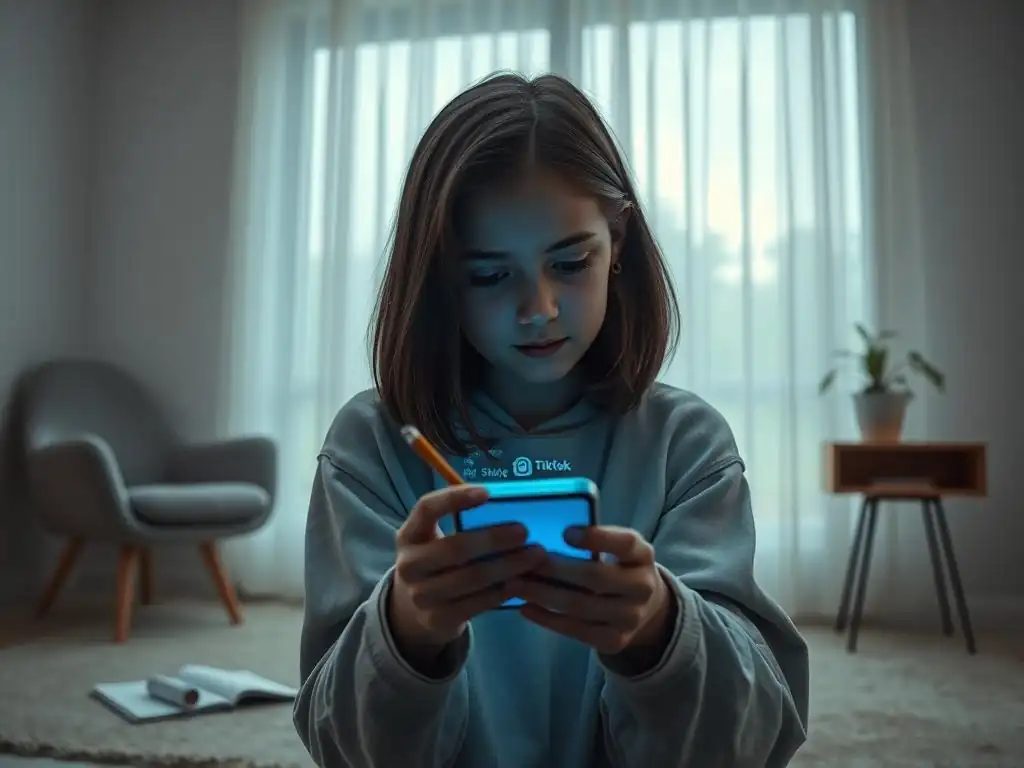
Establishing open, non-judgmental communication is foundational. Instead of demanding access to accounts or issuing ultimatums, approach your teen with empathy and curiosity. Ask them about their experiences online – what platforms they use, what they enjoy, what they dislike, and how it makes them feel. Use specific observations about potential teen social media depression signs you've noticed as a starting point for conversation, framing them as concerns for their well-being rather than accusations.
For example, you might say, "I noticed you've been posting a lot less lately, or that some of your recent posts seem a bit sad. I'm just wondering how you're doing and if everything is okay." Let them know you're there to listen without judgment and that you understand social media can be complicated.
Encourage them to talk about the pressures they face online, cyberbullying experiences, or feelings of inadequacy that might arise from social comparison. This builds trust and makes it more likely they will confide in you if they are struggling with depression or other mental health issues.
Responsible monitoring of a teen's social media can be a complex issue, balancing privacy with safety. Overtly spying or reading private messages without cause can erode trust. However, being connected to your teen on platforms where they are active (if they allow it) provides a window into their online world. Pay attention to the general tone of their posts, who they interact with publicly, and the types of content they engage with, looking for potential teen social media depression signs as discussed earlier.
Consider establishing agreements about social media use and monitoring from the outset. For younger teens, this might involve having access to their accounts. For older teens, it might mean periodic check-ins and discussions about online safety and well-being. The goal is not to police every interaction but to stay informed enough to recognize significant changes or red flags that suggest they may be struggling with depression or are at risk online. Frame monitoring as a way to ensure their safety and well-being, not as a lack of trust.
Setting Healthy Boundaries and Encouraging Offline Activities
Helping teens develop a healthy relationship with social media involves setting clear boundaries and encouraging a balance with offline activities. Discuss screen time limits, especially around bedtime, as excessive nighttime use is linked to sleep disturbances and can be a teen social media depression sign. Encourage them to take breaks from scrolling and engage in activities that promote well-being, such as exercise, hobbies, spending time in nature, or face-to-face interactions with friends and family.
Work with your teen to establish household rules around social media use, such as no phones during meals or after a certain hour. Lead by example with your own technology habits. Encourage participation in sports, clubs, arts, or volunteer work – activities that build skills, foster real-world connections, and provide a sense of accomplishment outside of the digital realm. These offline engagements are crucial for overall mental health and can act as protective factors against depression.
Seeking Professional Help: Therapists and Mental Health Resources for Teens
If you observe persistent potential teen social media depression signs or other concerning behaviors, the most important step is to seek professional help. Pediatricians can be a good first point of contact; they can rule out physical causes for symptoms and provide referrals to mental health specialists. Therapists, counselors, and psychologists specializing in adolescent mental health can conduct thorough assessments, provide diagnosis if appropriate, and offer evidence-based treatments like cognitive behavioral therapy (CBT) or dialectical behavior therapy (DBT).
Do not delay seeking help out of fear or stigma. Many resources are available, including school counselors, community mental health centers, and private practice therapists. Websites like the National Alliance on Mental Illness (NAMI) or the Depression and Bipolar Support Alliance (DBSA) offer information and support group listings. Remember that seeking professional help is a sign of strength and the most effective way to support your teen through depression.
The Importance of Physical Activity, Nutrition, and Sleep
Promoting overall physical health is fundamental to supporting a teen's mental wellness, irrespective of their social media use. Regular physical activity has been shown to reduce symptoms of depression and anxiety; even moderate exercise for 30-60 minutes several times a week can have a positive impact on mood. Encourage your teen to find activities they enjoy, whether it's team sports, dancing, hiking, or simply going for walks.
Nutrition also plays a role. A balanced diet rich in fruits, vegetables, whole grains, and lean proteins provides the necessary nutrients for brain function and overall energy levels. Limiting excessive sugar, processed foods, and caffeine can help stabilize mood. Crucially, ensuring your teen gets adequate sleep (typically 8-10 hours per night for adolescents) is vital, as sleep deprivation significantly worsens mental health symptoms, including those related to teen social media depression signs.
Building Strong Family Relationships and Support Systems
A strong, supportive family environment is a powerful protective factor against depression and other mental health challenges. Nurturing open relationships where teens feel safe to express their feelings and know they will be heard and supported is essential. Regular family time, whether it's sharing meals, playing games, or simply talking, strengthens bonds and provides a sense of security.
Encourage your teen to maintain connections with supportive friends and other trusted adults, such as teachers, coaches, or relatives. Having a network of people they can turn to for help and understanding reduces feelings of isolation, a common symptom of depression. Building resilience involves knowing you are not alone and having people who care about your well-being.
Fostering Self-Esteem and Resilience in Adolescents
Developing healthy self-esteem and resilience helps teens navigate the challenges of adolescence, including the pressures of social media. Encourage them to pursue interests and hobbies that bring them joy and a sense of accomplishment, independent of external validation. Praise their efforts and strengths, focusing on their character and values rather than just achievements or appearance.
Teach them coping skills for dealing with stress, disappointment, and negative emotions. This could involve mindfulness techniques, problem-solving skills, or strategies for reframing negative thoughts. Help them understand that setbacks are a normal part of life and that they have the capacity to overcome challenges. Empowering teens with these tools helps them build inner strength that can buffer the potential negative impacts of social media and reduce vulnerability to depression.
Ultimately, helping teens navigate social media in a way that protects their mental health involves empowering them to be mindful and responsible users. Talk to them about the curated nature of online content and the potential for social comparison to negatively impact self-esteem. Encourage them to critically evaluate what they see online and to focus on authentic connections rather than chasing likes or followers.
Teach them strategies for managing their social media use, such as setting personal time limits, unfollowing accounts that make them feel bad about themselves, and taking digital detox breaks. Discuss online safety and the importance of being kind and respectful in their online interactions. Empowering them with knowledge and skills helps them develop a healthier relationship with social media and reduces its potential to contribute to or mask teen social media depression signs.
Creating a Supportive Environment for Open Communication About Mental Health
The most significant factor in supporting a teen's mental health, both online and offline, is creating an environment where talking about feelings and struggles is normalized and encouraged. Make it clear that mental health is just as important as physical health and that seeking help for depression or anxiety is a sign of strength, not weakness. Share your own experiences (appropriately) to show vulnerability and build rapport.
Regularly check in with your teen about how they are feeling, not just about what they are doing. Be observant of changes in their behavior, including potential teen social media depression signs, but approach these observations with care and concern. Knowing that they have a safe space to discuss difficult emotions and challenges, without fear of judgment, is the most powerful tool you have in protecting their mental health in the digital age.
Frequently Asked Questions
It's about changes. Look for a noticeable increase in social media use coupled with a decline in real-life interactions and mood. Excessive comparison to others online is also a red flag.
Pay attention to frequent negative self-comparisons, a sudden lack of interest in posting, or sharing content promoting sadness or hopelessness. Also, watch for cyberbullying involvement, either as a victim or perpetrator.
Start a non-judgmental conversation. Create a safe space for them to share their feelings without fear of being punished for their social media use. Active listening is crucial.
Not necessarily. Sudden restriction can backfire, making them feel isolated and unheard. Instead, focus on establishing healthy boundaries and promoting mindful social media use.
Mind Care Guide offers a comprehensive guide to mental well-being, including resources for teen mental health and managing social media's impact. Consult a mental health professional for personalized guidance.
Final Reflection: Unmasking the Digital Mask of Teen Depression
The pervasive nature of social media in teenagers' lives means that its influence on mental health, particularly depression, is no longer a question, but a critical issue demanding our immediate attention. The subtle signs of depression, often masked by carefully curated online personas, can be devastatingly difficult to detect, highlighting the urgent need for increased awareness and proactive intervention.
The insidious way social media can both exacerbate and conceal depression in teens is deeply troubling. It's a double-edged sword: a platform for connection, yet also a breeding ground for comparison, cyberbullying, and the relentless pressure to project an idealized self. The internet is a powerful tool, but it's also a mirror reflecting our deepest insecurities.
This quote perfectly encapsulates the complex relationship between teens, social media, and mental well-being. Understanding this dynamic is crucial for parents, educators, and the teens themselves.
You, the reader, now possess a deeper understanding of the often-hidden signs of depression lurking within the seemingly vibrant world of social media. Take a moment to reflect on your own interactions with technology and the young people in your life. Are you equipped to recognize the subtle cues?
Are you fostering open communication and creating a safe space for vulnerability? The future well-being of our teens depends on our collective willingness to engage with this challenge, to learn, to listen, and to act. Let's work together to create a digital landscape that supports, rather than silences, the voices of our struggling youth.
Unlock Your Teen's World: Understand & Connect
Thanks for taking the time to learn more about recognizing the subtle signs of teen depression. You've now gained valuable insights into understanding your teen's emotional landscape. Let's turn this knowledge into action!
- Prioritize open communication: Schedule a dedicated time to talk with your teen, free from distractions, focusing on active listening and showing empathy. This is the most crucial step to fostering a trusting relationship.
- Explore additional resources: Look into local support groups or online communities dedicated to supporting teens and families facing mental health challenges. These can provide invaluable connections and practical advice.
- Share this vital information: Forward this article to a friend or family member who might benefit from learning more about teen depression. Knowledge is power, and sharing this information can help others.
What specific steps will you take today to strengthen your connection with your teen and support their well-being?