
The Subtle Differences: How to Spot Teen Depression vs. Normal Sadness


Welcome to Mind Care Guide, a sanctuary for understanding and nurturing your mental well-being.
Are you grappling with the complexities of teen depression vs. sadness? It's a delicate balance, and distinguishing between the two can be challenging. This guide offers compassionate insights and practical advice to help you navigate these murky waters. Discover the subtle differences and learn how to provide the support needed, opening a path toward healing and hope. Intrigued? Let's begin.
The Subtle Differences: How to Spot Teen Depression vs. Normal Sadness
Navigating the emotional landscape of adolescence can be challenging for both teenagers and their parents or guardians. It's a period marked by significant physical, emotional, and social changes, often leading to mood swings, increased sensitivity, and periods of sadness. While sadness is a normal human emotion, especially during times of stress or disappointment, persistent and severe sadness, along with other specific symptoms, can indicate a more serious condition: teen depression. Understanding the key distinctions between typical adolescent sadness and clinical teen depression is crucial for providing appropriate support and seeking timely help.
Recognizing the signs of teen depression vs sadness can feel like walking a tightrope. On one hand, you don't want to overreact to normal adolescent moodiness. On the other hand, missing the signs of actual depression can have serious consequences for a teenager's well-being and future development. This article aims to illuminate the subtle but critical differences, offering guidance on how to spot when sadness might be something more profound and requiring professional attention.
- Understanding Teen Depression vs. Typical Adolescent Sadness
-
Key Distinctions: Identifying the Signs of Teenage Depression
- Duration and Intensity: How Long and How Deep?
- Impact on Daily Functioning: Is it Affecting School, Social Life, and Hobbies?
- Changes in Sleep and Appetite: Recognizing Depressive Patterns
- Persistent Irritability and Anger: Beyond Typical Teen Moodiness
- Loss of Interest and Pleasure (Anhedonia): A Core Symptom of Teen Depression
- Recognizing the Symptoms of Normal Sadness in Teens
- Teen Depression vs. Sadness: A Comparative Analysis
- Identifying Risk Factors for Teen Depression
- Seeking Help: When to Consult a Professional for Teen Depression
- Supporting a Teenager Struggling with Depression or Sadness
- Resources for Teen Mental Health and Depression Support
-
Frequently Asked Questions
- How can I tell the difference between normal sadness and depression in teenagers?
- What are some key symptoms that differentiate teen depression from simply feeling sad?
- Why is it important to distinguish between teen depression and sadness?
- If I suspect my teen is depressed, what is the first step I should take?
- Where can I find resources and support for teen depression?
- Final Reflection: Understanding the Shadow of Teen Depression
- Unlock Your Teen's Well-being: Take the Next Step
Understanding Teen Depression vs. Typical Adolescent Sadness
Adolescence is inherently a time of heightened emotions. Teenagers are grappling with identity formation, peer relationships, academic pressures, and significant biological changes. It's perfectly normal for them to experience sadness in response to life events like a breakup, failing a test, not making a team, or conflict with friends. This transient sadness is a healthy part of emotional development, teaching resilience and coping skills.
However, teen depression is a clinical mood disorder that goes far beyond temporary feelings of being down. It is characterized by a persistent state of sadness, emptiness, or irritability, coupled with a loss of interest or pleasure in activities. Unlike normal sadness, which is usually tied to specific events and resolves relatively quickly, depression is a pervasive state that significantly impacts a teenager's thoughts, feelings, behaviors, and physical health for an extended period. Distinguishing teen depression vs sadness requires looking at the duration, intensity, and impact of the symptoms.
The teenage years are often described as an emotional rollercoaster, and for good reason. Hormonal shifts, brain development, and the increasing complexity of social interactions contribute to a wide range of emotional experiences. Teens may feel intensely happy one moment and profoundly sad the next, sometimes without an immediately apparent cause. This emotional volatility is a typical part of growing up.
During this phase, teenagers are learning to process complex feelings, manage stress, and build emotional regulation skills. Experiencing sadness in response to setbacks is a natural part of this process. A teen might feel sad about a poor grade, argue with a parent, or face social rejection. These feelings, while painful, are usually temporary, and the teen can still find joy in other aspects of their life and maintain connections with others. This normal range of adolescent emotions is distinct from the persistent and debilitating state characteristic of teen depression.
Why Differentiating Between Teen Depression and Sadness Matters
Accurately differentiating between normal teen sadness and clinical depression is paramount for several reasons. Firstly, untreated depression in adolescents can have severe long-term consequences, including academic failure, substance abuse, risky behaviors, and, tragically, an increased risk of suicide. Early identification and intervention are critical to preventing these outcomes and setting a teenager on a path towards recovery and healthy development.
Secondly, misidentifying depression as just "teenage moodiness" can lead to a lack of necessary support and treatment, prolonging suffering. Conversely, over-pathologizing normal sadness can lead to unnecessary anxiety and potentially inappropriate interventions. Understanding the specific signs that point towards depression allows parents, educators, and caregivers to respond effectively, seeking professional help when needed and offering appropriate support tailored to the teen's actual needs. The ability to spot the signs of teen depression vs sadness is the first step towards getting help.
Key Distinctions: Identifying the Signs of Teenage Depression
While both sadness and depression involve feelings of unhappiness, depression presents a cluster of symptoms that are more severe, persistent, and impactful on a teen's life. Recognizing these specific indicators is key to differentiating normal sadness from a potential depressive episode. These signs often represent a significant departure from the teenager's usual behavior and emotional state.
It's important to look for a combination of symptoms that last for at least two weeks and represent a change from the teen's previous functioning. No single symptom is definitive on its own; rather, it's the pattern and severity of multiple symptoms that signal the presence of clinical depression. This comprehensive approach is essential when trying to understand teen depression vs sadness.
Duration and Intensity: How Long and How Deep?
One of the most significant differences between normal sadness and teen depression lies in the duration and intensity of the emotional state. Normal sadness is typically triggered by a specific event and is temporary, usually lasting for a few hours or days. While it can be painful, it doesn't completely overwhelm a teenager's ability to function or experience other emotions. The feelings are often proportionate to the triggering event.
In contrast, teen depression is characterized by a persistent feeling of sadness, emptiness, or irritability that lasts for at least two consecutive weeks, and often much longer. This feeling is intense and pervasive, coloring every aspect of the teen's life. It's not simply feeling "down" but a profound, heavy emotional state that doesn't lift easily. The intensity of the emotional pain is often disproportionate to any current life circumstances, or it persists long after a triggering event has passed. This enduring and deep emotional state is a hallmark when considering teen depression vs sadness.
Another critical indicator of teen depression is its impact on a teenager's ability to function in their daily life. A teen experiencing normal sadness might still go to school, complete homework (perhaps with less enthusiasm), and interact with friends, even if they feel a bit withdrawn or less energetic. They might feel sad about a specific situation but can still engage with their responsibilities and interests.
Teen depression, however, often leads to a significant impairment in functioning across multiple areas. A depressed teen might struggle to get out of bed, miss school frequently, experience a dramatic drop in grades, or stop participating in extracurricular activities they once loved. Social withdrawal is common, with teens isolating themselves from friends and family. Simple tasks can feel overwhelming, and they may lack the energy or motivation to engage in activities that were previously important to them. This functional impairment is a key differentiator in the teen depression vs sadness comparison.
Changes in Sleep and Appetite: Recognizing Depressive Patterns
Significant changes in sleep patterns and appetite are common physical symptoms associated with teen depression, less so with normal sadness. A teenager who is simply sad might have a restless night or skip a meal due to upset, but these changes are usually temporary.
Depression can cause persistent sleep disturbances, such as insomnia (difficulty falling or staying asleep), hypersomnia (excessive sleeping), or disrupted sleep-wake cycles. Similarly, appetite changes can manifest as a significant decrease in appetite and weight loss, or conversely, an increase in appetite and weight gain. These physical symptoms are not typically present with transient sadness and can be important clues pointing towards clinical teen depression. Monitoring these changes can help when assessing teen depression vs sadness.
Persistent Irritability and Anger: Beyond Typical Teen Moodiness
While sadness is a core symptom of depression, in teenagers, irritability and anger can be equally, if not more, prominent than overt sadness. Normal teenage mood swings can involve occasional irritability or frustration, often tied to specific situations or feeling misunderstood. This is usually fleeting and doesn't define their overall mood.
However, persistent irritability, anger, and agitation that seem out of proportion or occur without a clear trigger can be a major sign of teen depression. The teen might lash out at loved ones, seem constantly on edge, or express their distress through defiant or risky behavior rather than tears. This chronic state of negative emotion is a key feature distinguishing depressive irritability from typical adolescent moodiness when considering teen depression vs sadness.
Loss of Interest and Pleasure (Anhedonia): A Core Symptom of Teen Depression
Anhedonia, the inability to experience pleasure or interest in activities that were once enjoyed, is a classic symptom of depression and is rarely seen with normal sadness. A sad teenager might temporarily lose enthusiasm for something related to their sadness (like being less excited about school after failing a test), but they can still find joy in other areas of their life.
A depressed teenager, however, experiences a pervasive loss of interest. Hobbies, sports, social activities, even spending time with best friends, may lose their appeal. They might express feeling bored or empty, finding no joy in anything. This lack of engagement and inability to feel pleasure is a significant indicator of depression and a major difference compared to the temporary loss of interest that might accompany normal sadness. This symptom is crucial when evaluating teen depression vs sadness.
Recognizing the Symptoms of Normal Sadness in Teens
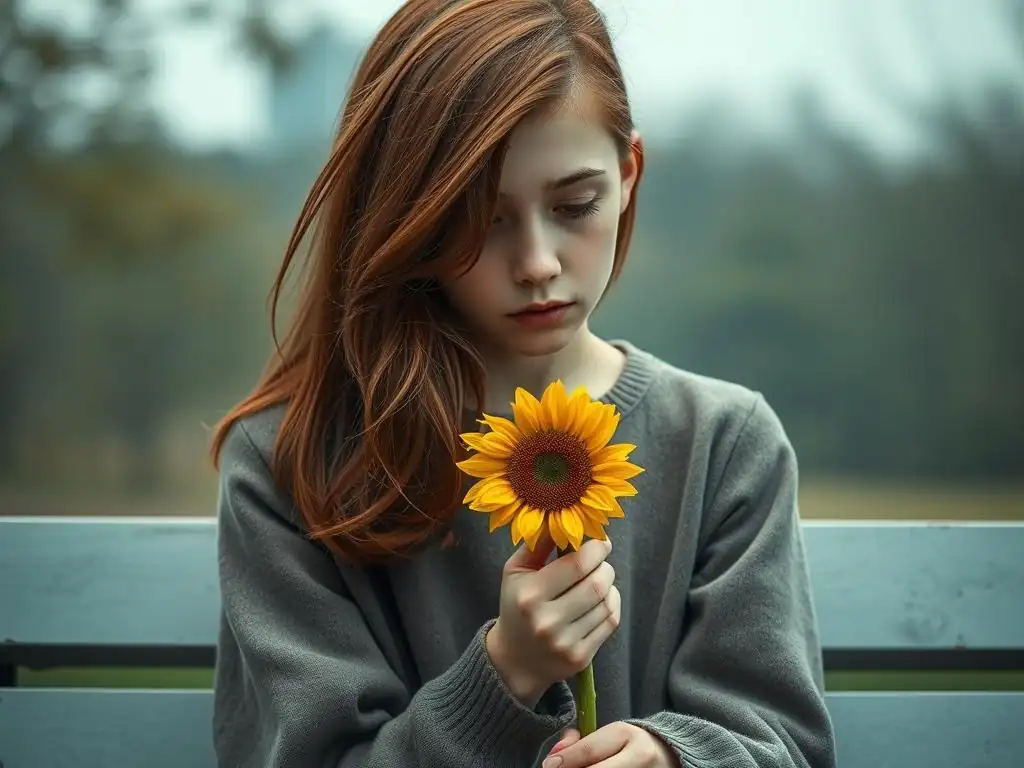
Understanding what constitutes normal sadness in adolescence is just as important as recognizing the signs of depression. Normal sadness is a healthy, albeit uncomfortable, emotional response to life's challenges and disappointments. It is characterized by specific features that differentiate it from a depressive episode.
Identifying normal sadness helps prevent unnecessary worry and ensures that appropriate support is given without pathologizing typical adolescent experiences. While empathy is always needed, the approach to normal sadness differs significantly from the intervention required for teen depression.
Triggered by Specific Events: Understanding Situational Sadness
Normal sadness in teenagers is typically a reaction to a specific event or situation. This could be something like a breakup, a poor grade on an important assignment, conflict with a friend or family member, not getting into a desired college, or losing a competition. The sadness has a clear cause, and the teen can usually articulate what they are feeling sad about.
This situational nature is a key characteristic. While the sadness might feel intense in the moment, it is directly linked to the event. The emotional response is understandable and proportionate to the situation. This contrasts sharply with the pervasive, often seemingly unprovoked, sadness experienced in teen depression. Recognizing the trigger is a crucial step in distinguishing teen depression vs sadness.
Temporary and Fleeting: Sadness That Comes and Goes
Unlike the persistent state of teen depression, normal sadness is temporary. It might last for a few hours, a day, or perhaps a few days following a difficult event, but it eventually lifts. The teenager can experience other emotions alongside the sadness, and moments of happiness or enjoyment are still possible.
The feeling of sadness comes and goes, fluctuating in intensity depending on thoughts about the triggering event or external circumstances. It does not settle into a constant, unchanging state of despair or emptiness. This transient nature is a strong indicator that the sadness is a normal response rather than a symptom of clinical depression. The impermanence is a key difference when comparing teen depression vs sadness.
Even when feeling sad, a teenager experiencing normal sadness is typically still able to maintain their social connections, albeit perhaps with slightly less energy or enthusiasm than usual. They might still want to spend time with friends or family, talk about their feelings, or seek comfort from loved ones. While they might need some alone time, they don't usually isolate themselves completely.
Maintaining social engagement, even when feeling down, is a sign of emotional resilience. It shows that the teen is still able to connect with others and draw support from their relationships. This contrasts with the social withdrawal and isolation often seen in teen depression, where the teen may actively avoid contact with friends and family. The ability to maintain social ties is a significant factor in the teen depression vs sadness comparison.
Ability to Experience Joy: Moments of Happiness Amidst Sadness
Perhaps one of the most telling signs that sadness is normal rather than depressive is the teenager's continued ability to experience moments of joy, pleasure, or interest. Even when feeling sad about a specific issue, they can still laugh at a joke, enjoy a favorite meal, feel happy about a positive event, or get excited about something they are looking forward to.
These pockets of positive emotion demonstrate that the teen's capacity for pleasure (anhedonia) is intact, unlike in depression where this capacity is significantly impaired. The sadness coexists with other emotions and doesn't completely extinguish their ability to feel happy or engaged. This presence of joy, even intermittently, is a strong indicator against clinical depression and helps clarify teen depression vs sadness.
Teen Depression vs. Sadness: A Comparative Analysis
Comparing the symptoms side-by-side highlights the fundamental differences between normal adolescent sadness and clinical depression. While there can be overlap in some emotional expressions, the underlying nature, severity, and impact on the teen's life diverge significantly. This comparative analysis is crucial for accurate assessment.
Looking at emotional expressions, behavioral changes, and cognitive patterns provides a clearer picture of whether a teen is experiencing a temporary emotional state or a more serious mood disorder. This detailed comparison is essential for understanding teen depression vs sadness.
Comparing Emotional Expressions: Sadness vs. Hopelessness
At the core, the emotional experience differs. Normal sadness is typically characterized by feelings of unhappiness, disappointment, or hurt related to a specific event. There might be crying, withdrawal for a short period, or verbal expression of feeling "down." While painful, there is usually an underlying sense that the feeling will pass and things will get better.
Teen depression, conversely, is often marked by a profound sense of hopelessness, emptiness, or despair, in addition to or instead of overt sadness. The teen may feel like nothing will ever improve, that they are worthless, or that there is no point in trying. Irritability and anger can also be dominant emotional expressions. This pervasive sense of despair and lack of future orientation is a key emotional distinction in the teen depression vs sadness comparison.
Contrasting Behavioral Changes: Withdrawal vs. Temporary Disinterest
Behavioral changes are common in both sadness and depression, but their nature and severity differ. A teen who is sad might temporarily withdraw from social activities or hobbies directly related to the source of their sadness (e.g., not wanting to practice soccer after failing to make the team). However, they usually maintain engagement in other areas of their life and with other people.
A depressed teenager often exhibits more widespread and persistent behavioral changes. This includes significant social isolation, avoiding nearly all social interactions, dropping out of multiple activities, neglecting personal hygiene, and struggling with schoolwork or attendance. There's a general lack of motivation and energy that affects multiple domains, not just those related to a specific disappointment. This pervasive withdrawal and lack of engagement is a major sign of teen depression vs sadness.
Assessing Cognitive Differences: Negative Thoughts vs. Realistic Concerns
Cognitive patterns also reveal important differences. A sad teen might dwell on the specific event that caused their sadness, perhaps thinking "That was unfair" or "I wish I hadn't failed." These thoughts are usually tied to the situation and might involve self-pity or frustration, but they don't typically spiral into pervasive negative self-beliefs or distorted thinking about life in general.
In teen depression, negative thought patterns are much more entrenched and global. Depressed teens often experience persistent thoughts of worthlessness, guilt, helplessness, and self-bliss, even when there is no clear reason. They may have difficulty concentrating, making decisions, or remembering things. They might view the future bleakly and struggle with suicidal thoughts. These distorted and pervasive negative cognitions are a hallmark of depression and a critical factor when evaluating teen depression vs sadness.
Identifying Risk Factors for Teen Depression
While depression can affect any teenager, certain factors can increase a teen's vulnerability. Understanding these risk factors doesn't mean a teen will develop depression, but it highlights areas where extra support and vigilance might be needed. Recognizing these potential influences is important when considering the likelihood of teen depression vs sadness.
These risk factors often interact with each other, creating a complex web of potential influences on a teenager's mental health. Being aware of these factors allows for proactive measures and earlier intervention if symptoms begin to emerge.
Family History of Mental Illness: Genetic Predisposition
A significant risk factor for teen depression is having a family history of depression or other mental health conditions, such as bipolar disorder or anxiety disorders. Research suggests a genetic component to depression, meaning that a teenager with a parent or sibling who has experienced depression is at a higher risk themselves.
While genetics are not destiny, they do create a predisposition. This means that in the face of stress or challenging life events, a teen with a family history might be more susceptible to developing clinical depression compared to a teen without such a history. This genetic link is an important consideration when evaluating a teen's emotional state and potential for teen depression vs sadness.
Experiencing Trauma or Loss: The Impact of Difficult Life Events
Experiencing traumatic events or significant losses can also significantly increase a teenager's risk of developing depression. This includes events like the death of a loved one, parental divorce, physical or sexual abuse, neglect, witnessing violence, or natural disasters. These experiences can overwhelm a teen's coping mechanisms and trigger a depressive episode.
The impact of trauma or loss can be profound and long-lasting. While normal sadness is a healthy response to grief or difficult events, persistent symptoms of depression that don't resolve over time, or emerge months later, can indicate that the teen is struggling with the aftermath in a clinically significant way. The lingering effects of trauma are a strong risk factor for teen depression vs sadness.
Peer relationships play a crucial role in adolescent development, and negative experiences within these relationships can be detrimental to mental health. Being bullied, whether physically, verbally, or cybernetically, can lead to feelings of shame, fear, and worthlessness, significantly increasing the risk of depression. Similarly, social isolation or feeling excluded by peers can erode a teen's self-esteem and sense of belonging.
Chronic bullying or persistent social difficulties create a stressful environment that can contribute to the onset of depression. The constant stress and negative interactions can make it difficult for a teen to maintain a positive self-image and feel hopeful about their social future, pushing sadness towards clinical depression. The impact of negative peer dynamics is a major factor in considering teen depression vs sadness.
Academic Pressure and Stress: The Demands of School
The academic environment can be a significant source of stress for teenagers. Pressure to achieve high grades, intense competition for college admissions, heavy workloads, and challenging exams can all contribute to anxiety and, in some cases, depression. While some stress is normal and can be motivating, chronic or overwhelming academic pressure can be detrimental.
Teens who feel constantly overwhelmed, inadequate, or who experience failure despite significant effort may be at higher risk. The inability to meet perceived expectations, whether from themselves, parents, or teachers, can lead to feelings of hopelessness and worthlessness, contributing to depressive symptoms. Managing academic stress is important in mitigating the risk of teen depression vs sadness.
Seeking Help: When to Consult a Professional for Teen Depression
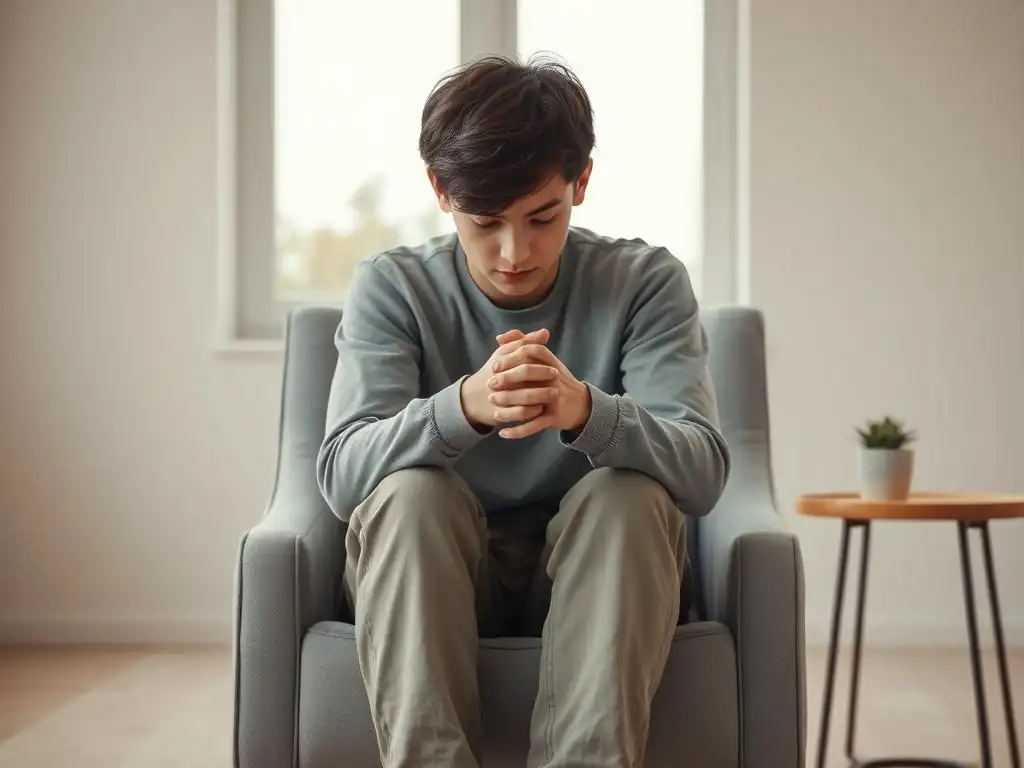
Knowing when normal sadness has potentially crossed the line into clinical depression is crucial for seeking appropriate help. While it can be challenging to make this determination, certain signs strongly suggest that professional intervention is necessary. Hesitation in seeking help can prolong suffering and potentially worsen the condition.
If you observe a combination of the key signs of depression, especially if they are persistent and impacting the teen's daily life, it is time to consult a mental health professional. They are equipped to conduct a proper evaluation and recommend the most effective course of action.
Recognizing the Need for Intervention: When Sadness Becomes Depression
The need for professional intervention arises when the symptoms of sadness become persistent, severe, and interfere with a teenager's ability to function in multiple areas of their life. This isn't about reacting to a bad mood that lasts a day or two after a specific event. It's about recognizing a significant and sustained change in the teen's emotional state, behavior, and overall well-being.
Look for symptoms like:
- [_] Persistent sadness, irritability, or emptiness lasting two weeks or more.
- [_] Loss of interest or pleasure in previously enjoyed activities.
- [_] Significant changes in sleep (too much or too little) or appetite (eating too much or too little, with corresponding weight change).
- [_] Fatigue or loss of energy.
- [_] Feelings of worthlessness or excessive guilt.
- [_] Difficulty concentrating, remembering, or making decisions.
- [_] Restlessness or slowed movements.
- [_] Recurrent thoughts of death or suicide.
If several of these symptoms are present for two weeks or longer, it's a strong indicator that the teen may be experiencing depression and requires professional evaluation. This is the point where differentiating teen depression vs sadness becomes critical for action.
Finding a Mental Health Professional: Therapists, Counselors, and Psychiatrists
Once the decision is made to seek professional help, the next step is finding the right mental health professional. Several types of professionals can assist teenagers struggling with depression:
- Therapists or Counselors: These professionals, such as licensed clinical social workers (LCSW), licensed professional counselors (LPC), or licensed marriage and family therapists (LMFT), provide talk therapy (psychotherapy). They can help teens understand their feelings, develop coping strategies, and address underlying issues contributing to their depression. Cognitive Behavioral Therapy (CBT) and Interpersonal Therapy (IPT) are commonly used and effective for adolescent depression.
- Psychologists: Psychologists hold a doctorate degree (Ph.D. or Psy.D.) and are trained in diagnosing mental health conditions and providing psychotherapy. They can conduct comprehensive psychological assessments to aid in diagnosis and treatment planning.
- Psychiatrists: Psychiatrists are medical doctors (MD) who specialize in mental health. They can diagnose mental health conditions, provide psychotherapy, and prescribe medication if necessary. For moderate to severe depression, medication may be considered in conjunction with therapy.
Consulting with the teen's primary care physician is often a good first step, as they can rule out any physical causes for symptoms and provide referrals to mental health specialists.
Treatment Options for Teen Depression: Therapy and Medication
The primary treatment for mild to moderate teen depression is psychotherapy, particularly CBT and IPT. These therapies help teens identify negative thought patterns and behaviors, develop healthier coping mechanisms, and improve their relationships. Therapy provides a safe space for teens to explore their feelings and challenges.
For moderate to severe depression, a combination of psychotherapy and antidepressant medication may be recommended. Selective Serotonin Reuptake Inhibitors (SSRIs) are the most commonly prescribed type of antidepressant for adolescents. Medication can help regulate brain chemistry and alleviate symptoms, making it easier for the teen to engage in therapy and daily life. Any decision regarding medication should be made in careful consultation with a psychiatrist and the family, weighing potential benefits and risks. A comprehensive treatment plan often involves both therapy and, when needed, medication to address teen depression effectively.
Supporting a Teenager Struggling with Depression or Sadness
Whether a teenager is experiencing normal sadness or clinical depression, support from family and friends is invaluable. The approach to support will differ slightly depending on whether it's transient sadness or persistent depression, but empathy, understanding, and open communication are always essential. Providing support is key when navigating teen depression vs sadness.
Creating a supportive environment involves listening without judgment, encouraging healthy habits, and knowing when and how to seek professional help. Your presence and understanding can make a significant difference in a teenager's emotional well-being.
Open Communication and Active Listening: Creating a Safe Space
One of the most important things you can do is foster open communication. Encourage your teenager to talk about their feelings, whether they are experiencing sadness or symptoms of depression. Let them know you are there to listen without judgment, criticism, or immediately trying to "fix" things. Sometimes, simply being heard is the most helpful thing.
Practice active listening:
- [_] Pay full attention when they are speaking.
- [_] Use verbal and non-verbal cues to show you are engaged (e.g., nodding, making eye contact, saying "I understand").
- [_] Reflect back what you've heard to ensure you understand correctly (e.g., "So, it sounds like you're feeling really overwhelmed with school right now? ").
- [_] Validate their feelings, even if you don't fully understand them (e.g., "It makes sense that you would feel sad after that happened").
- [_] Avoid interrupting or offering unsolicited advice unless they ask for it.
Creating this safe space helps build trust and makes it easier for a teen to open up, which is crucial whether they are dealing with sadness or teen depression.
Encouraging healthy coping mechanisms can help teenagers manage stress and difficult emotions, regardless of whether they are experiencing sadness or depression. For sadness, these activities can help them feel better and bounce back more quickly. For depression, they can be important components of a broader treatment plan.
Suggest or encourage activities such as:
- Engaging in regular physical activity or sports. Exercise is known to boost mood.
- Pursuing hobbies or creative outlets like art, music, writing, or journaling.
- Spending time in nature.
- Practicing mindfulness or relaxation techniques.
- Maintaining social connections with supportive friends and family.
- Getting enough sleep and eating nutritious meals.
Helping teens develop a toolkit of healthy ways to deal with difficult feelings is a valuable life skill that supports their mental well-being and resilience against challenges like teen depression vs sadness.
Seeking Professional Guidance: Supporting the Teen and the Family
If you suspect your teenager is experiencing depression, seeking professional guidance is essential. This not only helps the teen but also provides support and strategies for the family. Caring for a depressed teenager can be emotionally challenging, and families often benefit from professional support as well.
A mental health professional can provide:
- An accurate diagnosis and personalized treatment plan for the teen.
- Guidance for parents on how to best support their depressed teenager.
- Family therapy sessions to improve communication and dynamics.
- Education about depression and its treatment.
Remember, you don't have to navigate teen depression alone. Reaching out for professional help is a sign of strength and is crucial for the well-being of the entire family when facing the complexities of teen depression vs sadness.
Resources for Teen Mental Health and Depression Support
Access to reliable information and support is vital for anyone concerned about teen mental health and depression. Numerous organizations and resources are available to provide guidance, information, and direct support.
These resources can offer valuable insights into understanding teen depression vs sadness, provide tools for parents and teens, and offer immediate help in crisis situations.
Websites and Organizations Dedicated to Teen Mental Health
Many reputable organizations offer extensive information, guides, and resources specifically focused on adolescent mental health and depression. These websites can provide detailed information on symptoms, causes, treatment options, and how to support a struggling teen.
Examples of resources include:
- National Alliance on Mental Illness (NAMI): Offers information on various mental health conditions, including depression, and provides support and education for families.
- The Jed Foundation: Focuses on protecting emotional health and preventing suicide among teens and young adults. They offer resources for teens, parents, and colleges.
- Child Mind Institute: Provides information on childhood and adolescent mental health disorders, including comprehensive guides on depression.
- Depression and Bipolar Support Alliance (DBSA): Offers support groups and resources for individuals with depression and bipolar disorder, including specific resources for young people.
These platforms are excellent starting points for gaining a deeper understanding of teen depression vs sadness and learning how to access help.
Hotlines and Crisis Lines for Immediate Support
For situations where a teenager is in crisis, experiencing suicidal thoughts, or needs immediate support, hotlines and crisis lines provide confidential help 24/7. These services are staffed by trained counselors who can provide immediate support and guidance.
Important resources for immediate help include:
- National Suicide Prevention Lifeline: Provides free and confidential support for people in distress.
- Crisis Text Line: Offers free, 24/7 crisis support via text message.
- The Trevor Project: Provides crisis intervention and suicide prevention services to LGBTQ youth.
Having these numbers readily available is crucial. Reaching out to a hotline can provide immediate relief and connect the teen or concerned individual with necessary resources during a crisis related to teen depression or overwhelming sadness.
Frequently Asked Questions
How can I tell the difference between normal sadness and depression in teenagers?
Normal sadness is usually temporary and tied to a specific event. Teen depression, however, is a persistent low mood that affects daily life and may not have an obvious trigger.
What are some key symptoms that differentiate teen depression from simply feeling sad?
Look for symptoms like loss of interest, changes in sleep or appetite, and persistent feelings of worthlessness or hopelessness. These are signs that go beyond typical sadness.
Why is it important to distinguish between teen depression and sadness?
Early identification of depression is crucial. It allows for timely intervention and access to appropriate mental health support, preventing potential long-term negative consequences.
If I suspect my teen is depressed, what is the first step I should take?
The first step is to open a conversation with your teen. Listen without judgment and validate their feelings, then consider seeking professional help.
Where can I find resources and support for teen depression?
Mind Care Guide offers information, support, and resources for various mental health challenges, including teen depression. Consult with mental health professionals and explore reputable online sources.
Final Reflection: Understanding the Shadow of Teen Depression
The ability to discern the subtle yet crucial differences between teenage sadness and depression is not merely an academic exercise; it's a vital skill for parents, educators, and young people themselves. Misunderstanding these distinctions can lead to delayed intervention and prolonged suffering, impacting the mental health and well-being of countless adolescents. The consequences of inaction are far too significant to ignore.
The pervasive nature of sadness in the teenage years, coupled with the often-masked symptoms of depression, creates a challenging landscape for accurate identification. This article aimed to illuminate that landscape, providing tools and insights to navigate this complex terrain. The stigma surrounding mental health continues to hinder open conversations and timely support, perpetuating a cycle of suffering. The greatest barrier to mental health care is not the lack of treatment options, but the lack of conversation.
This quote highlights the urgent need for increased awareness and understanding, fostering environments where young people feel safe to express their struggles without fear of judgment.
You now possess a deeper understanding of the nuances separating transient sadness from the persistent grip of depression. Take this knowledge and use it. Talk to your teenagers. Listen actively. Learn to recognize the signs, not just the obvious ones, but the subtle shifts in behavior, mood, and engagement. If you suspect depression, seek professional help without hesitation. Remember, early intervention can make all the difference in a young person's life, offering them a chance to thrive and reach their full potential. Your attention and care could be the lifeline they need.
Unlock Your Teen's Well-being: Take the Next Step
Thanks for taking the time to learn about the crucial differences between teen depression and normal sadness. We hope this knowledge empowers you to support your teen effectively. Now, let's turn that understanding into action:
- Prioritize open communication: Schedule a dedicated time this week to talk with your teen, focusing on creating a safe space for sharing feelings without judgment. This conversation might be the first step in seeking professional help if needed.
- Explore additional resources: Learn more about teen mental health by checking out reputable online resources and support groups. You might be surprised by the wealth of information available.
- Share this article: Help spread awareness about teen mental health by sharing this article with other parents, family, or friends who might benefit from this important information.
What small step can you take today to strengthen your connection with your teen and prioritize their mental health?