
The Power of Now: Simple Mindfulness Techniques to Calm Your Mind

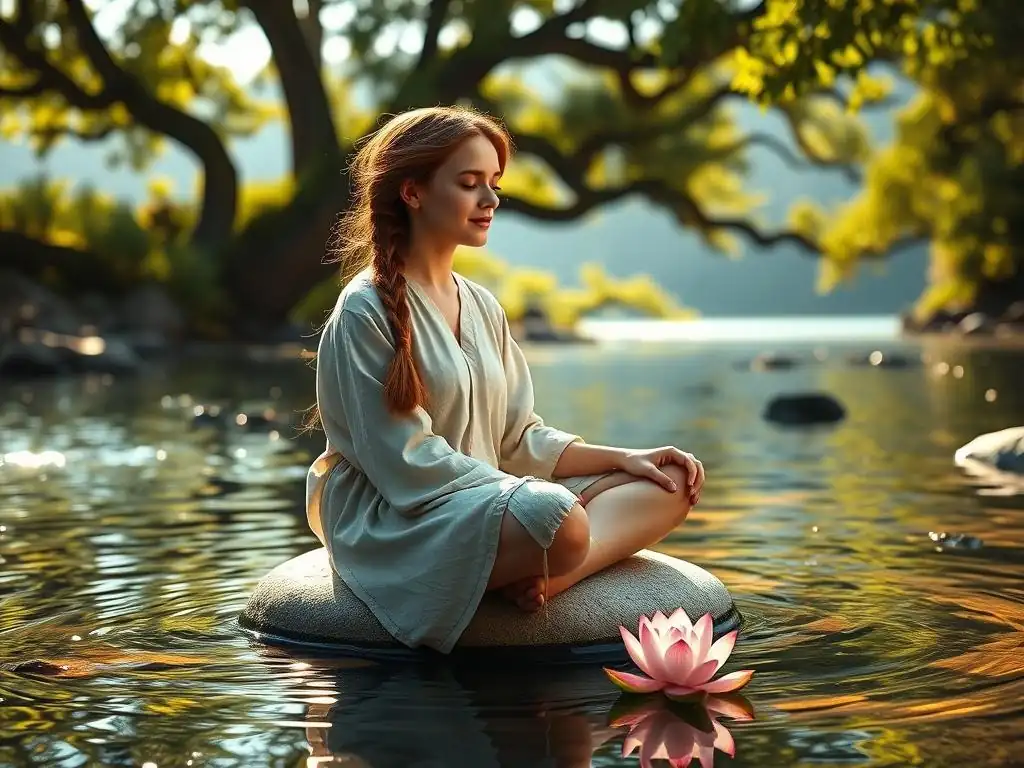
Welcome to Mind Care Guide, a safe space dedicated to nurturing your mental well-being. Feeling overwhelmed by anxiety's grip? You're not alone. Discover how simple mindfulness techniques can become your anchor in the storm, offering a path towards calm and clarity. Intrigued? Let's explore how the power of the present moment can help you reclaim your peace of mind...
The Power of Now: Simple Mindfulness Techniques to Calm Your Mind
- Introduction: Finding Calm Through Mindfulness
- Understanding Mindfulness: What It Is and Why It Works
- Simple Mindfulness Techniques to Calm Anxiety
- Integrating Mindfulness into Daily Life for Lasting Calm
- Conclusion: Embracing the Power of Now for a Calmer Mind
-
Frequently Asked Questions
- What exactly is mindfulness, and how can it help with anxiety?
- How quickly can I expect to see results from using mindfulness techniques to calm anxiety?
- Are there different types of mindfulness techniques that are more effective for certain types of anxiety?
- Can mindfulness techniques completely eliminate anxiety, or is it more about managing symptoms?
- Where can I find reliable resources to learn more about mindfulness techniques and anxiety management?
- Final Reflection: Embracing the Present Moment for Lasting Peace
- Unleash Your Inner Calm: Start Practicing Mindfulness Today!
Introduction: Finding Calm Through Mindfulness
In the hustle and bustle of modern life, finding moments of peace can feel like a distant dream. Many of us grapple with stress and anxiety daily, our minds often racing with worries about the past or future. This constant mental chatter can be exhausting and significantly impact our well-being. Fortunately, there's a powerful tool available to help anchor us in the present moment and cultivate a sense of calm: mindfulness.
Mindfulness is more than just a buzzword; it's a practice that can fundamentally change how we interact with our thoughts, feelings, and the world around us. Learning simple mindfulness techniques to calm anxiety can provide immediate relief in stressful situations and build resilience over time. This guide explores what mindfulness is, why it's effective for managing anxiety, and introduces practical methods you can start using today to reclaim your inner peace and embrace the power of now.
Understanding Mindfulness: What It Is and Why It Works
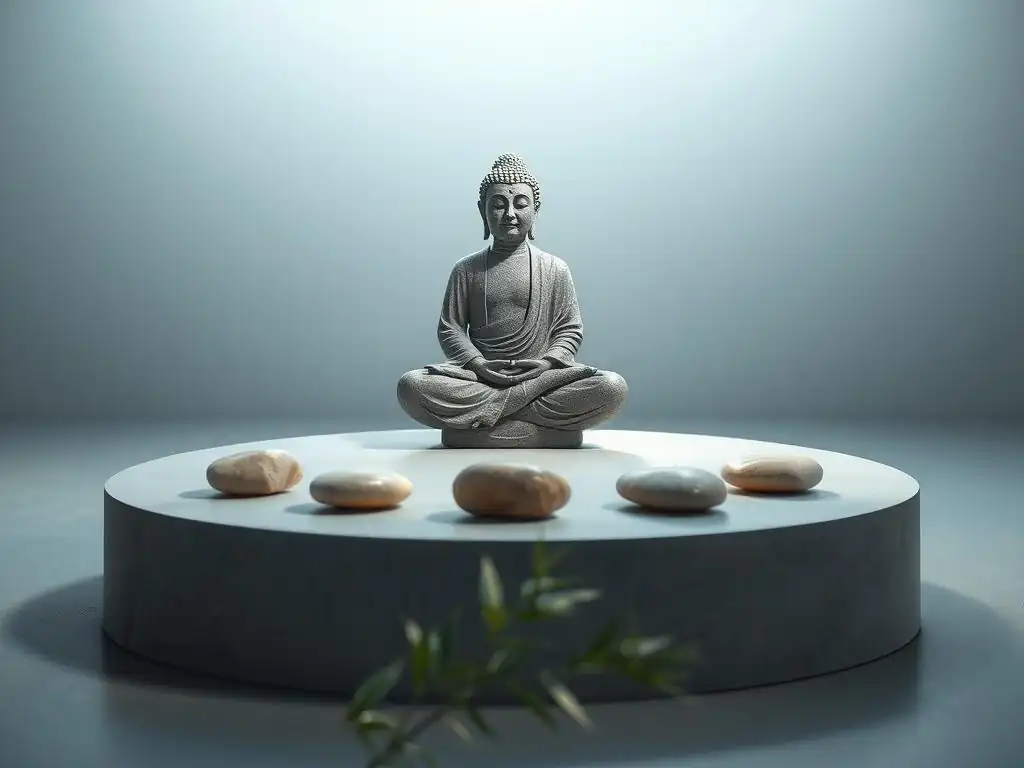
Defining Mindfulness: A Beginner's Guide
Mindfulness can be defined as paying deliberate attention, without judgment, to the present moment. It involves observing our thoughts, feelings, bodily sensations, and the environment around us as they arise, without trying to change or suppress them. It's about cultivating a state of awareness where we are fully present, rather than being lost in rumination or future worries.
For beginners, practicing mindfulness might start with simply noticing your breath for a few moments, acknowledging the physical sensation of air entering and leaving your body. It's not about clearing your mind entirely, which is a common misconception, but rather about noticing what is in your mind and body, accepting it without evaluation. This non-judgmental observation is key to detaching from overwhelming thoughts and finding mental space.
The Science Behind Mindfulness and Anxiety Reduction
Research has increasingly demonstrated the effectiveness of mindfulness techniques to calm anxiety. Studies utilizing fMRI scans have shown that regular mindfulness practice can lead to changes in brain structure and function. Specifically, it can decrease activity in the amygdala, the brain's fear center responsible for processing threats and triggering the stress response, while increasing activity in the prefrontal cortex, which is involved in higher-level functions like self-awareness, concentration, and emotional regulation.
Furthermore, mindfulness helps regulate the body's physiological response to stress. It can lower cortisol levels, the primary stress hormone, and reduce heart rate and blood pressure. By training the mind to stay present and observe thoughts without getting swept away by them, mindfulness weakens the automatic link between anxious thoughts and the body's stress reaction. For instance, a meta-analysis of over 200 studies involving participants with clinical anxiety showed a significant reduction in anxiety symptoms following mindfulness-based interventions, with effect sizes often comparable to those seen in cognitive-behavioral therapy.
Mindfulness vs. Meditation: Clarifying the Differences
While often used interchangeably, mindfulness and meditation are not exactly the same thing, though they are closely related. Meditation is a broader term referring to a variety of practices that train the mind, often focusing on concentration, awareness, or emotional regulation. Mindfulness is a quality of awareness – that non-judgmental present-moment attention – that can be cultivated through various meditation techniques.
Think of it this way: meditation is the exercise, and mindfulness is the muscle you build. You can practice mindful eating, mindful walking, or mindful listening without formally sitting down for a 20-minute meditation session. However, dedicated meditation practices, such as sitting meditation focusing on the breath or body sensations, are some of the most effective ways to develop and strengthen the trait of mindfulness in your daily life. Using mindfulness techniques to calm anxiety can be achieved through both formal meditation and informal mindful moments throughout the day.
Simple Mindfulness Techniques to Calm Anxiety
Breathing Exercises for Immediate Anxiety Relief
When anxiety strikes, focusing on your breath is one of the quickest and most accessible ways to ground yourself in the present moment. Simple breathing exercises can activate the parasympathetic nervous system, counteracting the "fight or flight" response triggered by anxiety. By consciously controlling the breath, you send a signal to your brain that you are safe, helping to calm your nervous system and reduce feelings of panic or overwhelm.
These techniques don't require any special equipment or location; they can be practiced anywhere, anytime you feel anxiety building. Even a few minutes of focused, intentional breathing can make a significant difference in shifting your state from anxious to calm. These are essential mindfulness techniques to calm anxiety quickly.
Diaphragmatic Breathing: A Step-by-Step Guide
Diaphragmatic breathing, also known as belly breathing, is a fundamental technique for activating the relaxation response. It involves engaging the diaphragm, a large muscle located beneath the lungs, rather than relying on shallow chest breaths. This type of breathing increases oxygen intake and slows down the heart rate.
Here’s how to practice diaphragmatic breathing:
- [ ] Find a comfortable position, either sitting or lying down.
- [ ] Place one hand on your chest and the other just below your rib cage, on your abdomen.
- [ ] Inhale slowly and deeply through your nose, feeling your abdomen rise against your hand. Your chest should remain relatively still.
- [ ] Exhale slowly through pursed lips, as if blowing out a candle, feeling your abdomen fall. Gently contract your abdominal muscles to push the air out completely.
- [ ] Repeat for several minutes, focusing your attention solely on the sensation of your breath and the movement of your abdomen. Aim for a slightly longer exhale than inhale, which further promotes relaxation. Practice this for 5-10 minutes when feeling anxious.
Alternate Nostril Breathing (Nadi Shodhana) for Balancing the Mind
Alternate Nostril Breathing, or Nadi Shodhana in Sanskrit, is a yogic breathing technique believed to balance the left and right hemispheres of the brain and calm the nervous system. It's particularly helpful for reducing agitation and promoting mental clarity, making it a powerful mindfulness technique to calm anxiety.
Follow these steps for Nadi Shodhana:
- [ ] Sit comfortably with your spine straight.
- [ ] Close your right nostril gently with your right thumb.
- [ ] Inhale slowly and deeply through your left nostril.
- [ ] Close your left nostril with your right ring finger. Release your thumb from your right nostril.
- [ ] Exhale slowly and completely through your right nostril.
- [ ] Inhale through your right nostril.
- [ ] Close your right nostril with your thumb. Release your ring finger from your left nostril.
- [ ] Exhale through your left nostril.
- [ ] This completes one cycle. Continue for 5-10 cycles, breathing smoothly and evenly. If any nostril feels blocked, simply breathe through the open one until it clears.
Body Scan Meditation for Stress Reduction
The body scan is a mindfulness meditation technique that involves systematically bringing your attention to different parts of your body, noticing any sensations without judgment. It helps you become more aware of physical tension and learn to release it, grounding you firmly in the present moment. This practice can reveal how anxiety manifests physically and provides a tool to gently work with those sensations.
Regular body scan practice enhances interoceptive awareness – the ability to perceive the internal state of your body. This heightened awareness can help you recognize early signs of stress or anxiety before they become overwhelming, allowing you to intervene with other mindfulness techniques to calm anxiety more effectively.
Performing a Body Scan: A Detailed Walkthrough
A body scan can be performed while lying down or sitting comfortably. The goal is gentle, curious awareness, not relaxation itself, although relaxation is a common byproduct.
Here is a common way to perform a body scan:
- [ ] Find a quiet place where you won't be disturbed. Lie down on your back or sit upright in a chair with your feet flat on the floor.
- [ ] Close your eyes gently or soften your gaze. Take a few deep breaths to settle in.
- [ ] Bring your attention to your feet. Notice any sensations: tingling, warmth, coolness, pressure where they touch the floor or surface. Just observe without trying to change anything.
- [ ] Slowly move your awareness up your body: ankles, lower legs, knees, thighs, hips. Pause at each area, bringing your full attention there. Notice sensations. If you encounter discomfort or tension, simply acknowledge it with kindness.
- [ ] Continue moving up: lower back, abdomen, chest, upper back, shoulders, arms, hands, fingers. Pay attention to every part.
- [ ] Move to your neck, throat, face (jaw, cheeks, eyes, forehead), and finally the crown of your head.
- [ ] Once you've scanned the entire body, take a moment to feel the body as a whole.
- [ ] When ready, gently open your eyes and bring your awareness back to your surroundings. A typical guided body scan can last from 10 to 40 minutes.
Benefits of Regular Body Scan Practice
Engaging in body scan meditation regularly offers numerous benefits, particularly for those seeking mindfulness techniques to calm anxiety. One significant advantage is improved sleep quality. By releasing physical tension and quieting the mind before bed, individuals often find it easier to fall asleep and stay asleep. Studies have shown that participants in mindfulness programs that include body scans report reduced insomnia symptoms.
Another key benefit is increased awareness of physical sensations associated with emotions. Many people hold stress and anxiety in their bodies – tight shoulders, clenched jaw, upset stomach. The body scan helps you identify these physical manifestations, allowing you to address them consciously. For example, someone who regularly practices body scan might notice their shoulders tensing up during a stressful meeting and consciously relax them, preventing tension headaches or escalating anxiety. Over time, this practice builds resilience and a greater sense of connection between mind and body.
Mindful Walking: Finding Peace in Movement
Mindful walking is a practice that brings mindful awareness to the simple act of walking. Instead of rushing from one place to another or letting your mind wander, you engage your senses and pay attention to the physical sensations and surroundings of the present moment. It's a way to integrate mindfulness into daily activity, transforming an ordinary task into an opportunity for calm and presence.
This technique is particularly useful for people who find sitting meditation challenging or prefer a more active approach to managing stress. It allows you to use movement itself as an anchor for your attention, making it an effective mindfulness technique to calm anxiety, especially when feeling restless or agitated.
How to Practice Mindful Walking
Mindful walking can be done anywhere – outdoors, indoors, in a park, or even just pacing in a room. The key is to bring intention and awareness to the experience.
Here are the steps for mindful walking:
- [ ] Find a quiet place where you can walk undisturbed for 10-20 minutes. You can walk in a straight line back and forth or follow a path.
- [ ] Start by standing still for a moment. Feel your feet on the ground. Notice your posture.
- [ ] Begin walking at a slower pace than usual. Bring your attention to the sensations in your feet and legs as you lift one foot, move it forward, and place it back on the ground. Notice the weight shifting.
- [ ] Pay attention to the movement of your body – the swing of your arms, the rhythm of your steps.
- [ ] Expand your awareness to include your other senses: notice the sights around you without getting lost in thought about them, the sounds (birds, traffic, wind), the smells, the feeling of air or sun on your skin.
- [ ] When your mind wanders (which it will), gently notice that it has wandered and guide your attention back to the sensations of walking or your surroundings. There's no need for self-criticism; simply acknowledge and return.
- [ ] Continue walking mindfully for your chosen duration. As you finish, pause again to notice your body standing still before continuing with your day.
Integrating Mindful Walking into Your Daily Routine
Incorporating mindful walking into your daily life doesn't require setting aside large blocks of time. Even short periods can be beneficial. For example, instead of scrolling through your phone during your lunch break, take a 10-minute mindful walk around the block. Pay attention to the feeling of the pavement under your feet, the sounds of the city, the faces of people passing by.
You can also make your commute more mindful by focusing on the sensations of walking to the bus stop or train station, rather than letting your mind race about the day ahead. Even walking from one room to another in your home can be a brief opportunity for mindful movement. Making mindful walking a regular habit can provide consistent opportunities to use these mindfulness techniques to calm anxiety throughout your day, interrupting cycles of worry and bringing you back to the present.
Mindful Eating: Savoring the Present Moment
Mindful eating is the practice of paying full attention to your food – its appearance, smell, taste, texture – and to the experience of eating. It involves being aware of your hunger and fullness cues, appreciating the nourishment the food provides, and noticing the thoughts and feelings that arise during a meal, all without judgment. This simple act can transform eating from a rushed, often unconscious activity into a grounding and pleasurable experience.
For individuals struggling with anxiety, particularly anxiety related to food or body image, or those who use food to cope with emotions, mindful eating can be a powerful tool. It encourages a healthier relationship with food and helps distinguish between physical hunger and emotional cravings, acting as a unique mindfulness technique to calm anxiety linked to these patterns.
The Art of Mindful Eating: A Sensory Experience
Practicing mindful eating engages all your senses and slows down the eating process, allowing you to fully appreciate your food and notice your body's signals. It's not about dieting or strict rules, but about cultivating awareness.
Here’s how to practice mindful eating:
- [ ] Start before you even pick up your fork. Look at your food. Notice the colors, shapes, and arrangement on your plate.
- [ ] Smell your food. Bring it closer to your nose and inhale deeply. What aromas do you detect?
- [ ] Take a small bite. Before chewing, notice the texture and temperature in your mouth.
- [ ] Chew slowly and thoroughly. Pay attention to the changing textures and flavors as you chew. Try to identify different ingredients.
- [ ] Notice the impulse to swallow. When you do swallow, pay attention to the sensation as the food moves down your throat.
- [ ] Between bites, put your fork or spoon down. Take a breath. Notice how you feel – are you still hungry? How satisfied are you?
- [ ] Continue eating slowly, paying attention to each bite. Stop when you feel comfortably full, not stuffed.
Benefits of Mindful Eating for Anxiety and Emotional Regulation
Mindful eating offers several benefits that can help manage anxiety and improve emotional regulation. By focusing solely on the act of eating, you interrupt the cycle of anxious thoughts that might otherwise occupy your mind during meal times. This present-moment focus provides a break from worrying.
Furthermore, mindful eating helps you become more attuned to your body's internal signals. Many people with anxiety experience physical symptoms like stomach discomfort or nausea, and mindful eating can help them differentiate these sensations from actual hunger or fullness. It also fosters a greater awareness of emotional eating patterns.
By noticing the urge to eat when stressed, bored, or anxious before you automatically reach for food, you create space to choose a different coping mechanism, thereby using mindful eating as a specific application of mindfulness techniques to calm anxiety related to emotional states. One study indicated that participants who practiced mindful eating reported a significant decrease in binge eating episodes and improved emotional regulation skills.
Integrating Mindfulness into Daily Life for Lasting Calm

Mindfulness isn't just something you do during a formal meditation session; it's a quality of awareness that can be brought to any moment of your day. Integrating mindfulness techniques to calm anxiety effectively requires weaving these practices into the fabric of your daily routine. This consistent application helps build resilience and makes mindfulness a default setting rather than an occasional activity.
Starting small and being patient with yourself is key. You don't need hours each day; even a few minutes here and there can make a profound difference over time. The goal is progress, not perfection.
Creating a Mindfulness Routine: Tips and Strategies
Establishing a regular mindfulness routine can significantly enhance your ability to manage anxiety. Consistency is more important than duration when you're starting out.
Here are some tips for creating a sustainable routine:
- Start Small: Begin with just 2-5 minutes of practice each day. This could be a brief mindful breathing exercise upon waking or before bed.
- Anchor to Existing Habits: Link your mindfulness practice to something you already do daily, like brushing your teeth, having coffee, or commuting. For example, commit to one minute of mindful breathing before you check your phone in the morning.
- Schedule It: Treat your mindfulness time like any other important appointment. Put it on your calendar.
- Create a Dedicated Space (Optional): Having a specific quiet corner can be helpful, but isn't necessary. Your practice space can be anywhere you feel comfortable.
- Use Reminders: Set alarms on your phone or leave visual cues (like a sticky note) to remind you to pause and be mindful.
- Vary Your Practice: Don't feel limited to one technique. Experiment with mindful walking during your lunch break, mindful eating at dinner, and a body scan before sleep. Using a variety of mindfulness techniques to calm anxiety keeps the practice fresh and engaging.
Overcoming Challenges in Mindfulness Practice
It's common to encounter challenges when trying to establish a mindfulness practice. The mind is naturally prone to wandering, and you might feel impatient, frustrated, or like you're "doing it wrong." These are normal parts of the process.
Common challenges and how to approach them:
- Mind Wandering: This is not a failure! The practice is noticing that your mind has wandered and gently bringing your attention back. Each time you do this is a strengthening of your mindfulness muscle.
- Feeling Restless or Bored: Acknowledge these feelings without judgment. Sometimes, incorporating movement practices like mindful walking or yoga can be helpful.
- Difficulty Finding Time: Revisit the "Start Small" and "Anchor to Existing Habits" strategies. Even 60 seconds counts.
- Increased Awareness of Discomfort: As you become more mindful, you might notice physical tension or difficult emotions more clearly. This can be uncomfortable. Approach these sensations with curiosity and self-compassion. Breathing into the discomfort can sometimes help. Remember, using these mindfulness techniques to calm anxiety doesn't mean anxiety will disappear entirely, but you'll learn to relate to it differently.
- Expectation of Bliss: Mindfulness isn't about feeling relaxed or blissful all the time. It's about being present with whatever is happening. Some sessions might feel peaceful, others might feel challenging. Both are valid.
Resources for Further Mindfulness Exploration
For those interested in deepening their understanding and practice of mindfulness techniques to calm anxiety, numerous resources are available. Books offer comprehensive guidance and theoretical background. Jon Kabat-Zinn's Full Catastrophe Living is a foundational text on Mindfulness-Based Stress Reduction (MBSR). Sharon Salzberg's Real Happiness provides a 28-day program for meditation.
Mobile applications have become incredibly popular tools for guided mindfulness practice. Apps like Calm, Headspace, and Insight Timer offer guided meditations of various lengths, body scans, mindful walking guides, and talks on mindfulness. Many offer free basic content, with premium subscriptions for more extensive libraries. Attending local mindfulness workshops or retreats, or joining online communities and courses, can also provide valuable instruction, support, and a sense of connection with others on a similar path. Exploring these resources can help solidify your practice and provide ongoing support.
Conclusion: Embracing the Power of Now for a Calmer Mind
Anxiety can feel overwhelming, pulling us away from the present moment into cycles of worry and fear. However, by learning and applying simple mindfulness techniques to calm anxiety, we equip ourselves with powerful tools to anchor our awareness in the here and now. From the quiet focus of mindful breathing and body scans to the active presence of mindful walking and eating, these practices offer pathways back to a state of calm and clarity.
Integrating mindfulness into daily life isn't a quick fix, but a continuous journey of cultivating awareness and self-compassion. By committing to even a few minutes of practice each day, you can gradually reshape your relationship with anxious thoughts and feelings, building resilience and fostering a deeper sense of inner peace. Embrace the power of now, one mindful breath, one mindful step, one mindful bite at a time, and discover the profound impact it can have on calming your mind and enhancing your overall well-being.
Frequently Asked Questions
What exactly is mindfulness, and how can it help with anxiety?
Mindfulness is the practice of paying attention to the present moment without judgment. It helps with anxiety by reducing overthinking and increasing awareness of thoughts and feelings.
How quickly can I expect to see results from using mindfulness techniques to calm anxiety?
Results vary, but consistent practice is key. Many people experience initial benefits within a few weeks, while deeper changes may take longer.
Are there different types of mindfulness techniques that are more effective for certain types of anxiety?
Yes, techniques like body scan meditations can be helpful for physical anxiety symptoms, while focused attention meditation can address racing thoughts. Experiment to find what works best for you.
Can mindfulness techniques completely eliminate anxiety, or is it more about managing symptoms?
Mindfulness is primarily a tool for managing anxiety symptoms and improving coping skills. It doesn't necessarily eliminate anxiety entirely, but it can significantly reduce its impact on your life.
Where can I find reliable resources to learn more about mindfulness techniques and anxiety management?
Mind Care Guide offers comprehensive information, support, and resources. You can also explore reputable apps, websites, and qualified mental health professionals for guidance.
Final Reflection: Embracing the Present Moment for Lasting Peace
The relentless pace of modern life often leaves us feeling overwhelmed, anxious, and disconnected from ourselves. This constant state of "future-thinking" and "past-regretting" prevents us from experiencing the profound calm and clarity that comes from simply being present. The techniques explored in this article—from mindful breathing to body scans—are not mere fleeting trends; they are powerful tools for navigating the anxieties of today's world and cultivating a more peaceful inner landscape.
The impact of mindfulness on our collective well-being is undeniable. It's no longer a niche practice but a growing movement, recognized for its ability to reduce stress, improve focus, and enhance emotional regulation. The shift towards prioritizing mental health is a positive one, and the integration of mindfulness techniques into our daily lives is a crucial step in this journey. The present moment is filled with joy and happiness. If you are attentive, you will see it.
– Thich Nhat Hanh. This quote beautifully encapsulates the core message: peace isn't a destination, but a state of being accessible in each breath.
Now, consider how you can integrate these simple yet profound techniques into your own life. Start small—perhaps with just five minutes of mindful breathing each day. Notice the subtle shifts in your mood, your energy levels, and your overall sense of well-being. Don't be discouraged by setbacks; the journey towards mindfulness is a continuous process of learning and growth. Embrace the power of the present moment, and discover the transformative peace that awaits you within.
Unleash Your Inner Calm: Start Practicing Mindfulness Today!
Thanks for taking the time to explore the power of mindfulness with us! We hope you discovered valuable techniques to bring more peace and focus into your daily life. Ready to take the next step?
- Begin your mindfulness journey with a 5-minute guided meditation. Even short practices can make a big difference.
- Share this article with a friend who might also benefit from these simple techniques. Spread the calm!
- Try incorporating one new mindfulness practice into your routine this week. Notice how it shifts your perspective and energy levels.
What small step will you take today to cultivate more presence and peace in your life?