
From Pain to Peace: Your Guide to Supportive Meditation Seating

Welcome to Mind Care Guide, your sanctuary for navigating the complexities of mental well-being. Are you finding it difficult to quiet your mind and truly relax? Perhaps your current meditation practice is literally a pain in the back? We understand.
In this article, "From Pain to Peace," we delve into the world of meditation seating for anxiety, exploring how the right support can transform your practice and bring you closer to inner calm. Discover how finding the perfect seat can unlock a deeper, more comfortable, and ultimately more effective meditation experience. Curious to learn more about finding your perfect peaceful perch? Let's begin...
From Pain to Peace: Your Guide to Supportive Meditation Seating
- Finding Your Calm: The Importance of Comfortable Meditation Seating for Anxiety Relief
- Understanding Your Needs: Identifying the Best Meditation Seating for Your Anxiety
- Top Meditation Seating Options for Anxiety: Reviews and Recommendations
- Beyond the Seating: Complementary Tools for Anxiety-Reducing Meditation
- Making the Right Choice: A Step-by-Step Guide to Selecting Your Ideal Meditation Seating
- Transforming Your Meditation Experience: From Pain to Peace
- Conclusion: Investing in Your Well-being through Supportive Meditation Seating
-
Frequently Asked Questions
- How does meditation seating specifically help with anxiety?
- What are the key features to look for in meditation seating for anxiety?
- What types of meditation seating are most recommended for those with anxiety?
- Can meditation seating alone cure anxiety?
- Where can I find reliable information and resources on meditation techniques to use with my new seating?
- Final Reflection: Finding Peace Through Posture
- Unlock Your Inner Calm: Start Your Meditation Journey Today!
Finding Your Calm: The Importance of Comfortable Meditation Seating for Anxiety Relief
Anxiety can manifest in many ways, often leading to physical tension and restlessness that makes finding stillness challenging. Meditation is a powerful tool for managing anxiety, offering a path to cultivate calm and presence. However, physical discomfort during meditation, such as aching knees, a sore back, or numb feet, can become a significant distraction, pulling your focus away from your breath and inner state and amplifying feelings of frustration or agitation. This is where the right meditation seating becomes crucial.
Investing in supportive meditation seating isn't just about luxury; it's about creating a foundation of physical ease that allows your mind to settle. When your body is comfortable and properly supported, the physical barriers to deep relaxation are significantly reduced. This allows you to dedicate your mental energy entirely to the practice of meditation itself, making it a much more effective tool for anxiety relief. Finding the ideal meditation seating for anxiety can truly transform your practice from a struggle against discomfort into a peaceful sanctuary.
Why Proper Posture Matters: Alleviating Physical Discomfort During Meditation
Maintaining proper posture during meditation is essential not only for physical comfort but also for facilitating an alert yet relaxed state of mind. Slouching or sitting with a strained back can impede circulation, compress organs, and lead to pain points in the hips, knees, or lower back. This physical discomfort becomes a persistent distraction, making it difficult to enter or sustain a meditative state and potentially exacerbating the restlessness often associated with anxiety.
Supportive meditation seating helps you achieve a stable, upright posture with minimal effort. A slight forward tilt of the pelvis, often facilitated by a cushion or bench, allows the spine to naturally align in its gentle 'S' curve. This alignment distributes weight evenly, reduces pressure on joints and muscles, and promotes better circulation. By alleviating these common sources of physical pain, proper posture supported by appropriate meditation seating for anxiety allows you to focus your attention inward, fostering a sense of calm and stability that is vital for managing anxious thoughts.
How Meditation Seating Can Enhance Your Mental Well-being
Beyond simply preventing physical pain, the right meditation seating plays a significant role in enhancing mental well-being, particularly for those dealing with anxiety. When you are comfortable and feel physically supported, it creates a sense of safety and groundedness that can counteract the floating or restless feelings often associated with anxiety. This physical stability provides a anchor for the mind, making it easier to stay present and less likely to be swept away by anxious thought patterns.
Furthermore, using dedicated meditation seating helps establish a routine and a physical cue for entering a meditative state. Over time, sitting on your specific cushion or chair signals to your mind and body that it's time to transition into a mode of calm and introspection. This ritual can be incredibly comforting and empowering for individuals with anxiety, providing a predictable pathway to peace. Many users report that having comfortable, designated meditation seating for anxiety makes them more likely to practice consistently, leading to cumulative benefits in stress reduction and emotional regulation.
Understanding Your Needs: Identifying the Best Meditation Seating for Your Anxiety
Choosing the right meditation seating for anxiety is a personal journey, as what works for one person may not work for another. Your ideal seating solution will depend on several factors, including your body type, flexibility, any existing physical conditions (like back pain or knee issues), and your preferred meditation style. Taking the time to assess these needs honestly is the first step toward finding supportive seating that genuinely enhances your practice.
Consider your current physical limitations. Do your knees ache easily? Does your lower back scream after just five minutes of sitting on the floor? Are your ankles stiff? Identifying these specific challenges will narrow down the options and help you prioritize features like height, cushioning, and back support. The goal is to find meditation seating that removes these physical barriers, allowing you to sit comfortably for the duration of your meditation session without distraction.
Assessing Your Current Meditation Practice and Physical Limitations
Reflect on your current meditation habits. How long do you typically sit? Do you prefer sitting on the floor or need elevated support? Are you meditating at home exclusively, or do you travel and need something portable? For example, someone who meditates for 30-45 minutes daily and experiences significant lower back pain might benefit most from an ergonomic meditation chair, while someone practicing 10 minutes on the go might prioritize a lightweight, foldable bench or a small zafu cushion.
It's also helpful to consider your flexibility and strength. If you have tight hips or limited ankle flexibility, traditional cross-legged positions on a flat cushion might be difficult or painful. In such cases, a bench or a chair that allows your legs to be positioned differently (e.g., tucked under or extended) might be a better fit. Be honest about what your body needs; selecting appropriate meditation seating for anxiety is about supporting your physical form so your mind can be free.
Different Types of Meditation Seating: A Comprehensive Overview
The world of meditation seating offers a variety of options, each designed to support different needs and preferences. Understanding the characteristics of each type can help you determine which might be the best meditation seating for your anxiety and physical requirements.
Meditation Cushions (Zafus and Zabutons): Traditional Comfort and Support
Meditation cushions, particularly the combination of a zafu and zabuton, represent a traditional form of meditation seating. A zafu is a round or crescent-shaped cushion, typically filled with kapok or buckwheat hulls, designed to elevate the hips and tilt the pelvis slightly forward. This elevation helps the knees rest below the hips, reducing strain and promoting a natural spinal curve. The height of the zafu (often between 4 to 7 inches) is a key factor to consider based on your flexibility.
A zabuton is a large, flat mat that provides cushioning for the knees and ankles when sitting on a zafu. It adds a layer of comfort between your body and the hard floor, preventing numbness and pressure points in the lower legs. This combination offers excellent support for floor-based sitting postures like cross-legged, Burmese, or seiza (kneeling). For many, the grounded feeling provided by sitting close to the floor on a zafu and zabuton combo offers a sense of stability that can be particularly calming when dealing with anxiety.
Meditation Chairs: Ergonomic Designs for Back Pain and Anxiety
Meditation chairs provide back support, making them an excellent option for individuals who struggle with back pain or find it difficult to maintain an upright posture without assistance. These chairs range from simple floor chairs with a backrest to more elaborate models with integrated cushions and ergonomic curves. They elevate you slightly off the floor while still allowing for a grounded feel.
Ergonomic meditation chairs are specifically designed to support the natural curvature of the spine, reducing strain on the back muscles. This can significantly improve comfort during longer meditation sessions. For someone whose anxiety is heightened by physical discomfort or fear of pain, a meditation chair can remove a major barrier, allowing them to relax more deeply into their practice. The stability and support offered by a chair can also contribute to a feeling of security.
Benches and Stools: Alternative Options for Focused Practice
Meditation benches and stools offer another alternative, particularly popular for the kneeling posture (seiza). A meditation bench is typically a low bench with legs, designed to be straddled while kneeling. The bench elevates the hips, allowing the legs to tuck underneath and the ankles to rest comfortably on the floor (often with a zabuton underneath for padding). This posture can be very stable and provides excellent spinal alignment.
Benches come in various heights and some feature a rocking base that allows for micro-adjustments, promoting comfort. They are often lightweight and portable, making them convenient for travel. For those who find cross-legged positions uncomfortable or impossible, a meditation bench offers a stable and supportive alternative that facilitates an upright posture conducive to focused meditation and reducing physical distractions linked to anxiety.
Key Features to Consider When Choosing Meditation Seating for Anxiety
When selecting the best meditation seating for your anxiety, several features are paramount. Focusing on these aspects will help you find a solution that not only supports your body but also contributes to a more peaceful and consistent meditation practice.
Support and Stability: Maintaining Proper Spinal Alignment
The primary function of supportive meditation seating is to help you maintain a stable, upright posture with ease. Look for seating that encourages the natural curve of your spine and allows your hips to be slightly higher than your knees if sitting on the floor. For cushions, consider the fill material (buckwheat offers firm, adjustable support; kapok is softer). For chairs and benches, assess the back support (if applicable) and the sturdiness of the structure. A stable base prevents wobbling or shifting, which can be distracting and unsettling, especially when trying to calm an anxious mind.
Proper spinal alignment reduces muscle strain and pressure on the lower back, which are common sources of discomfort that can interrupt meditation. Seating that promotes good posture allows you to sit for longer periods without pain, fostering a deeper sense of relaxation and focus. This physical stability is foundational to cultivating mental calm and making your meditation seating truly effective for anxiety relief.
Comfort and Cushioning: Ensuring a Relaxing and Pain-Free Experience
While support is key for posture, comfort is essential for a pleasant meditation experience. Sufficient cushioning prevents pressure points in the knees, ankles, hips, and tailbone. A zabuton is almost always recommended for floor-based seating to protect the lower legs. For chairs, look for adequate padding on the seat and backrest.
The material of the cushioning also plays a role. Natural fills like buckwheat hulls allow for airflow, which can be cooler, while foam or fiberfill provides consistent softness. Testimonials often highlight comfort as a major factor in consistent practice; if your meditation seating for anxiety is uncomfortable, you're less likely to use it regularly. Prioritizing comfort ensures that your meditation time is something you look forward to, rather than dread due to anticipated pain.
Adjustability and Portability: Adapting to Your Needs and Space
Consider how your needs might change or where you plan to meditate. Some meditation cushions allow you to adjust the amount of fill to customize the height and firmness. Certain benches have rocking bases or adjustable heights. If you travel frequently or attend meditation classes, a lightweight, foldable bench or a small, easily transportable zafu might be ideal.
Portability is also relevant if you need to move your meditation seating around your home easily. A bulky chair might be perfect for a dedicated space, but less practical if you need to tuck it away. Think about the versatility of the seating – can it accommodate different sitting styles? Can it be used in different locations? Choosing meditation seating for anxiety that adapts to your lifestyle increases the likelihood of consistent use.
Material and Durability: Investing in Long-Lasting Support
The materials used in your meditation seating affect not only comfort but also durability and ease of cleaning. Look for sturdy fabrics like cotton canvas or twill that can withstand regular use. Fill materials like buckwheat hulls are known for their longevity and ability to hold their shape, while foam or fiberfill may compress over time.
Consider if the cover is removable and washable – this is a practical feature that helps maintain hygiene. Investing in well-made meditation seating from reputable brands, even if it costs a bit more upfront (say, a quality zafu/ zabuton set might range from $80-$150), can be more economical in the long run compared to frequently replacing cheaper, less durable options. Durable meditation seating for anxiety is a long-term investment in your well-being.
Top Meditation Seating Options for Anxiety: Reviews and Recommendations
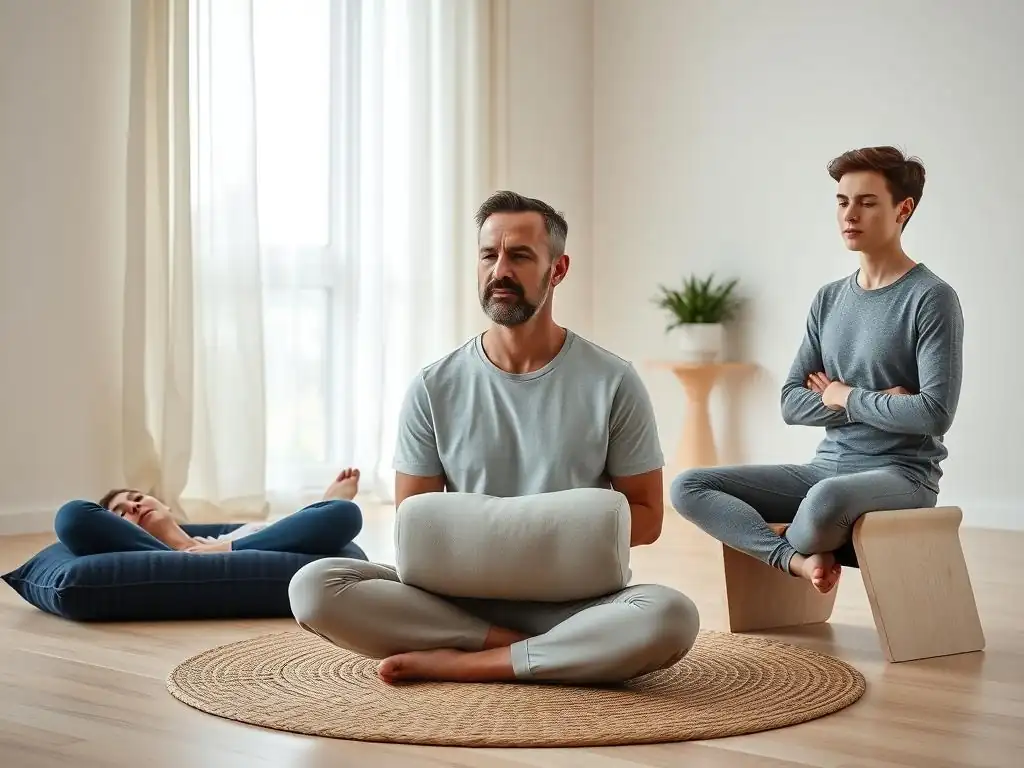
Based on popularity, user reviews, and suitability for promoting comfort and focus, several types of meditation seating stand out. While specific product availability varies, we can look at representative examples of highly-regarded categories that serve as excellent meditation seating for anxiety.
The Zafu & Zabuton Combo: A Classic Choice for Grounded Meditation
The zafu and zabuton combination remains a cornerstone of meditation practice for many, offering a traditional and highly effective way to sit comfortably on the floor. This setup is favored for its ability to create a stable, elevated seat for the hips while providing essential cushioning for the lower legs. It encourages a grounded connection to the earth, which many find inherently calming and centering when managing anxious feelings.
The versatility of the zafu allows for various sitting postures, including cross-legged, Burmese style, or even kneeling with the zafu placed between the ankles. The supportive lift from the zafu helps maintain the natural lumbar curve, reducing the tendency to slouch and alleviating pressure on the knees and hips. Paired with the protective layer of the zabuton, this combo minimizes physical distractions, allowing practitioners to sink more deeply into their meditation, making it excellent meditation seating for anxiety.
Product Spotlight: The Friends of Meditation Zafu and Zabuton Set - Features, Benefits, and User Reviews
- Features: This set typically includes a round or crescent-shaped
zafufilled with organic buckwheat hulls and a generously sizedzabutonmat, often around 30x30 inches, filled with cotton batting. Covers are usually made from durable cotton twill and are often removable for washing. Buckwheat fill allows users to add or remove hulls to customize the cushion's height and firmness, tailoring the support precisely to their needs. - Benefits: Users frequently praise the excellent support and durability of buckwheat-filled
zafus. The adjustable fill is a significant advantage for finding the perfect height to relieve knee and hip strain. The largezabutonprovides ample padding for ankles and knees, preventing numbness during longer sits. Many reviewers note that this set has significantly improved their ability to sit comfortably for extended periods. - User Reviews: Across various platforms, this type of set often receives average ratings of 4.5 to 4.8 stars out of 5. Common positive comments highlight the quality of materials, the effectiveness of the support for posture, and the comfort provided by the
zabuton. Some users mention the weight of buckwheat as a minor drawback for portability, but overall satisfaction regarding comfort and support is high.
Why it Works for Anxiety: How this combo promotes relaxation and reduces tension.
The zafu and zabuton combo works well as meditation seating for anxiety because it provides a stable, grounded base that fosters a sense of security. Elevating the hips helps the spine align naturally, releasing physical tension that anxiety often causes in the back and shoulders. The comfort provided by the zabuton prevents the physical discomfort of sitting on a hard floor, which can be a significant source of distraction and restlessness for an anxious mind.
By minimizing physical pain and promoting a relaxed posture, this seating allows the practitioner to direct their attention inward, focusing on the breath or meditation object rather than being pulled out of the moment by discomfort. The ritual of sitting on this dedicated set can also become a calming anchor, signaling a transition into a peaceful state. This combination helps create the physical conditions necessary for the mind to quiet down and find peace amidst anxious thoughts.
Ergonomic Meditation Chairs for Back Pain and Anxiety Relief
For individuals who experience significant back pain or find sitting on the floor challenging, ergonomic meditation chairs offer a supportive alternative. These chairs provide the necessary back support to maintain an upright posture without strain, allowing the meditator to relax their back muscles rather than engaging them constantly to stay erect. This can be a game-changer for those whose anxiety is compounded by physical discomfort or fear of pain.
Ergonomic designs often feature contoured seats and supportive backrests that follow the natural curve of the spine. By reducing pressure on the lumbar region and promoting healthy alignment, these chairs make longer meditation sessions accessible and comfortable. For someone whose meditation practice is frequently interrupted or cut short by back pain, a supportive chair removes this barrier, enabling more consistent and effective engagement with mindfulness techniques for anxiety relief.
Product Spotlight: The BackJack Floor Chair - Features, Benefits, and User Reviews
- Features: The
BackJackchair is a popular example of a simple, portable meditation floor chair. It typically consists of a padded fabric seat and a metal frame that provides upright back support. The chair folds flat for easy storage and transport. It allows you to sit on the floor or a cushion while leaning back against the supportive frame. - Benefits: Users value the
BackJackfor its portability and immediate back support. It's significantly lighter than traditional chairs and folds down to a compact size, making it easy to take to classes or move around the house. It's also generally more affordable than dedicated meditation chairs or high-end cushion sets. It provides enough lift and support to make floor sitting accessible for those who cannot maintain an upright posture unassisted. - User Reviews: The
BackJackoften receives ratings around 4.0 to 4.3 stars. Positive feedback frequently mentions its convenience, portability, and effectiveness in providing back support. Some users find the padding minimal for long sits and might add an extra cushion underneath, while others note that the angle is fixed. However, its simplicity and functionality for basic back support are widely appreciated.
Addressing Back Pain: How ergonomic design supports proper posture and reduces discomfort.
Ergonomic meditation chairs are specifically engineered to counteract the common causes of back pain during sitting. By providing a supportive backrest that aligns with the lumbar curve, they prevent slouching, which can strain the ligaments and muscles of the lower back. This external support allows the back muscles to relax, reducing fatigue and the buildup of tension.
Furthermore, chairs often position the hips slightly higher than the knees, even when elevated off the floor, which helps maintain the natural spinal alignment. By reducing the muscular effort required to sit upright and alleviating pressure points, ergonomic meditation seating for anxiety that includes back support makes it possible to sit comfortably for the duration of your practice. This freedom from physical pain allows you to fully immerse yourself in the techniques aimed at calming the nervous system and managing anxious thoughts.
Portable Meditation Benches for On-the-Go Calm
Meditation benches offer a comfortable and stable alternative to floor cushions or chairs, particularly for those who prefer or find the kneeling (seiza) posture most comfortable. They elevate the hips, allowing the legs to tuck underneath without the ankles and knees bearing the weight of the body. This position can be very stable and promotes a naturally aligned spine.
Many meditation benches are designed with portability in mind, featuring folding legs or a lightweight construction. This makes them an excellent choice for individuals who travel, attend meditation retreats, or simply want the flexibility to meditate in different locations, such as outdoors. Having portable meditation seating for anxiety ensures that you can access the calming benefits of meditation wherever you are, providing a consistent tool for managing stress.
Product Spotlight: The Still Sitting Folding Meditation Bench - Features, Benefits, and User Reviews
- Features: A representative example like the
Still Sittingbench is typically made of wood and features legs that fold flat against the seat. The seat is often slightly angled forward to encourage a natural spinal curve. Some models have curved or rocking legs that allow for subtle adjustments during the sit. They are designed to be lightweight and easy to carry. - Benefits: Users highly value the portability and stability of folding meditation benches. The kneeling posture facilitated by the bench is comfortable for many who find cross-legged positions difficult. The angled seat helps maintain good posture effortlessly. The ability to fold it flat makes storage and transport exceptionally easy, fitting into bags or suitcases.
- User Reviews: Folding meditation benches like this often receive ratings around 4.4 to 4.7 stars. Positive comments frequently mention the quality of craftsmanship, the ease of portability, and the comfort provided in the kneeling posture. Some users note that a
zabutonis essential underneath the bench for ankle comfort, as the wood surface alone can be hard.
Finding Peace Anywhere: The benefits of a portable bench for travel and outdoor meditation.
The primary benefit of a portable meditation bench as meditation seating for anxiety is the freedom it offers to practice anywhere. Travel can be a significant trigger for anxiety for many people. Having a familiar, comfortable, and supportive piece of seating that can easily be packed allows you to maintain your meditation routine even when away from home. This consistency provides a valuable anchor of calm in potentially stressful environments.
Practicing meditation outdoors has proven benefits for mental well-being, connecting with nature and reducing stress. A portable bench makes it easy to find a comfortable spot in a park, garden, or even a quiet corner of a busy city. By providing stable and comfortable seating regardless of the ground surface, a portable bench removes physical barriers to outdoor practice, allowing you to access the combined benefits of meditation and nature for enhanced anxiety relief.
Beyond the Seating: Complementary Tools for Anxiety-Reducing Meditation
While supportive meditation seating for anxiety is a crucial foundation, several complementary tools can further enhance your practice and deepen your sense of calm. Integrating these elements can create a more immersive and effective environment for managing anxious thoughts and feelings.
Guided Meditation Apps: Calm, Headspace, Insight Timer - Enhance Your Practice with Expert Guidance
Guided meditation apps like Calm, Headspace, and Insight Timer offer structured meditation sessions led by experienced teachers. These apps provide a wide variety of meditations tailored to specific needs, including anxiety, stress reduction, sleep, and focus. For beginners, guided meditations can be incredibly helpful in learning techniques like mindfulness, breath awareness, and body scans.
Even experienced meditators can benefit from guided sessions, which can offer fresh perspectives or simply provide the comforting presence of a teacher's voice. Many apps track your progress, which can be motivating for maintaining a consistent practice. Using a guided meditation while comfortably seated on your chosen meditation seating for anxiety creates a powerful synergy, combining physical ease with expert mental guidance.
Essential Oils and Aromatherapy: Creating a Relaxing and Calming Atmosphere
Certain essential oils are known for their calming and anxiety-reducing properties. Diffusing oils like lavender, chamomile, bergamot, or frankincense in your meditation space can help create a serene and inviting atmosphere. The olfactory sense is strongly linked to memory and emotion, and associating specific scents with your meditation practice can help trigger a relaxation response.
A few drops of essential oil in a diffuser before or during your meditation session can deepen the sense of peace and tranquility. This simple addition, combined with comfortable meditation seating for anxiety, appeals to multiple senses, helping to ground you in the present moment and enhance the overall meditative experience.
Weighted Blankets: Promoting a Sense of Security and Groundedness
Weighted blankets have gained popularity for their calming effects, particularly for individuals with anxiety or sensory processing issues. The gentle, even pressure distributed by a weighted blanket mimics the feeling of being held or hugged, which can activate the parasympathetic nervous system and promote a sense of safety and security.
Using a weighted blanket draped over your lap or shoulders while sitting on your meditation seating for anxiety can enhance the feeling of being grounded and settled. This added layer of sensory input can be particularly helpful for individuals who feel restless or jittery due to anxiety, providing a comforting weight that encourages stillness and relaxation during meditation.
Making the Right Choice: A Step-by-Step Guide to Selecting Your Ideal Meditation Seating
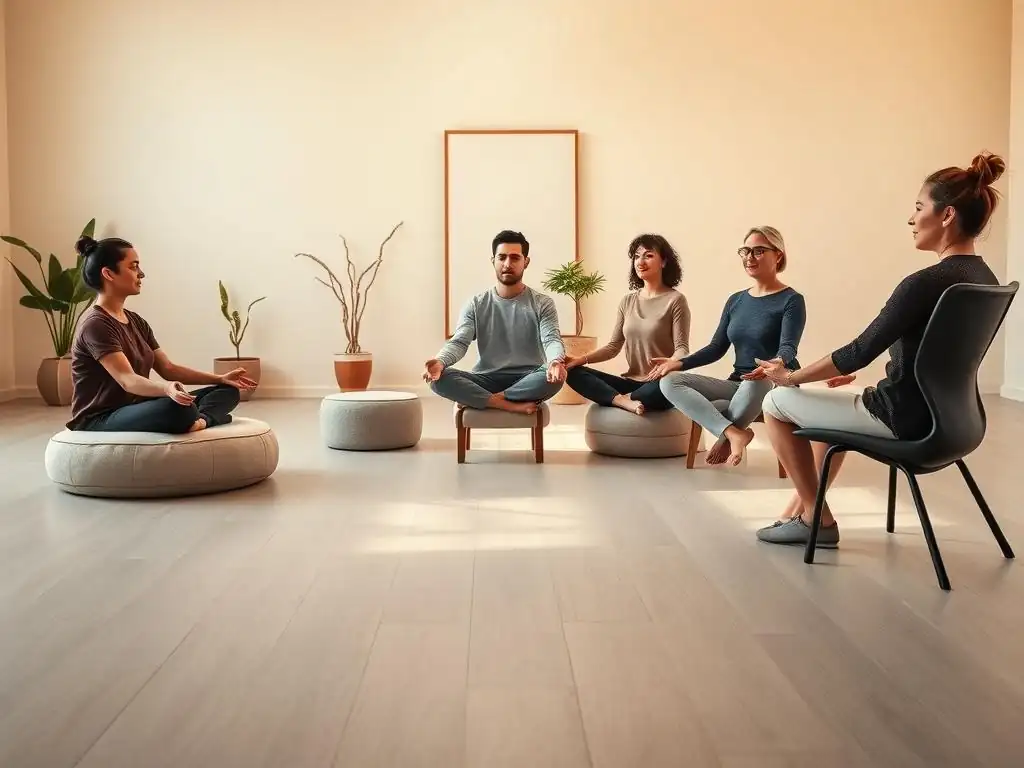
Choosing the perfect meditation seating for anxiety involves a systematic approach to ensure you find a solution that truly meets your needs and supports your practice. Follow these steps to make an informed decision:
- [ ] Step 1: Assess Your Physical Needs and Limitations.: Honestly evaluate any pain points (back, knees, hips, ankles) and your current flexibility. Do you find it easy or difficult to sit on the floor?
- [ ] Step 2: Define Your Meditation Style and Duration.: How long do you typically meditate? Do you prefer a specific posture (e.g., cross-legged, kneeling)? Where do you usually practice?
- [ ] Step 3: Research Different Seating Types.: Learn about
zafus/zabutons, meditation chairs, and benches. Understand the pros and cons of each in relation to your needs. - [ ] Step 4: Prioritize Key Features.: Based on your assessment, which features are most important? Support, comfort, portability, adjustability?
- [ ] Step 5: Set a Budget.: Determine how much you are willing to invest. Remember that durability and comfort can be worth a higher price point in the long run.
- [ ] Step 6: Read Reviews and Gather Information.: Look at what other users, especially those with similar physical concerns or anxiety, say about specific products or types of meditation seating.
- [ ] Step 7: Try Before You Buy (If Possible).: If you have access to a meditation center or store, try sitting on different types of seating to see how they feel.
- [ ] Step 8: Make Your Selection.: Based on your research and assessment, choose the meditation seating for anxiety that best aligns with your needs and preferences.
Consider Your Budget: Balancing Quality and Affordability
Meditation seating options range widely in price, from simple foam cushions costing around $20-$30 to high-end ergonomic chairs potentially costing $200 or more. While it's tempting to opt for the cheapest option, remember that quality and durability often correlate with price. A poorly made cushion might flatten quickly, or a flimsy chair might not provide adequate support, ultimately hindering your practice.
Consider your meditation practice as an investment in your mental health. While you don't need the most expensive item, investing in comfortable, supportive, and durable meditation seating for anxiety is likely to pay off in terms of consistent, pain-free practice. Look for options that offer good value – quality materials, solid construction, and positive user feedback – within your comfortable price range. Sometimes, a slightly higher initial cost saves money on replacements and significantly enhances your meditation experience.
Read Customer Reviews: Learning from Others' Experiences
Customer reviews are an invaluable resource when choosing meditation seating for anxiety. They provide insights into how products perform in real-world use. Pay close attention to reviews from individuals who mention similar physical challenges (like back pain or knee issues) or who specifically discuss using the seating for anxiety or stress reduction.
Look for comments on comfort over time, durability, ease of use, and how well the seating supports posture. For example, if multiple reviews mention a cushion flattening quickly or a chair becoming uncomfortable after 20 minutes, it might not be the right choice for longer sits. Conversely, consistent positive feedback about support and comfort for extended periods is a good sign. Reviews can help you anticipate potential issues and confirm the reported benefits of specific meditation seating for anxiety.
Try Before You Buy (If Possible): Ensuring a Comfortable Fit
The best way to know if a piece of meditation seating is right for you is to sit on it. If you have access to a local meditation supply store, yoga studio, or meditation center, ask if you can try out their cushions, benches, or chairs. Spend a few minutes sitting in your preferred meditation posture to see how your body feels.
Pay attention to how your hips, knees, ankles, and back are supported. Does it feel stable? Is there any immediate discomfort? Does it feel like you could comfortably sit for the duration of your typical meditation session? Trying out different options firsthand is the most reliable way to ensure you select meditation seating for anxiety that provides the perfect fit and support for your unique body.
Transforming Your Meditation Experience: From Pain to Peace
Once you have found your ideal meditation seating for anxiety, integrating it effectively into your routine is key to transforming your practice from one potentially marred by physical discomfort into a truly peaceful and restorative experience. The right seating is a tool, and how you use it matters.
Creating a dedicated space and consistently using your new seating will help establish a strong habit and reinforce the positive association between your seating, your space, and the feeling of calm. Proper care for your seating will ensure it remains supportive and comfortable for years to come, continuing to serve as a reliable aid in managing your anxiety through meditation.
Creating a Dedicated Meditation Space for Anxiety Relief
Designating a specific area for your meditation practice can significantly enhance its effectiveness, especially when dealing with anxiety. This space doesn't need to be large or elaborate – a quiet corner in a room is sufficient. The key is to make it a calm, clean, and inviting environment free from distractions like work materials, electronics, or clutter.
Place your supportive meditation seating for anxiety prominently in this space. You might add elements that promote relaxation, such as a small plant, a calming piece of art, or a soft blanket. Having a dedicated space signals to your mind that this is where you go to find peace. This ritual of entering your meditation space and settling into your comfortable seating can become a powerful trigger for relaxation and a sense of safety, helping to alleviate anxious feelings before you even begin to meditate.
Integrating Your New Seating into Your Daily Routine
Consistency is vital for reaping the full benefits of meditation for anxiety relief. Make a conscious effort to use your new, comfortable meditation seating every time you practice. Even if you only have five or ten minutes, sit on your cushion, bench, or chair. This reinforces the positive association and helps make meditation a non-negotiable part of your day.
Try placing your meditation seating in a visible spot as a gentle reminder. Schedule your meditation time and treat it with the same importance as any other appointment. By consistently using your supportive meditation seating for anxiety, you build a habit that makes the practice easier to maintain, leading to cumulative reductions in stress and anxiety over time.
Maintaining Your Meditation Seating: Care and Longevity Tips
Proper care for your meditation seating ensures its longevity and continued comfort. For cushions with removable covers, wash them according to the manufacturer's instructions (often cold water, gentle cycle, air dry). For buckwheat-filled cushions, airing them out periodically can help keep them fresh. The hulls can also be replaced over time if they become compressed.
Wooden benches or chairs can usually be wiped down with a damp cloth. Avoid exposing your seating to direct sunlight for extended periods, which can fade fabrics or dry out wood. If cushions or padding become significantly flattened or unsupportive, consider refilling or replacing them. Maintaining your meditation seating for anxiety ensures it remains a reliable and comfortable support for your practice, allowing you to focus on your well-being rather than physical discomfort.
Conclusion: Investing in Your Well-being through Supportive Meditation Seating
Navigating anxiety requires tools and practices that foster calm, stability, and presence. Meditation is a powerful pathway to cultivating these states, but physical discomfort can be a significant barrier. Investing in supportive meditation seating for anxiety is not a luxury; it is a practical and effective step towards removing physical distractions and creating the optimal conditions for a transformative meditation experience. Whether you choose a traditional zafu and zabuton, an ergonomic chair, or a portable bench, finding seating that allows you to sit comfortably and with proper posture is foundational to a consistent and beneficial practice.
By providing physical ease and stability, comfortable meditation seating frees your mind to engage fully with techniques for managing anxious thoughts and emotions. It helps create a dedicated space and ritual for calm, reinforcing the positive habit of daily meditation. Coupled with complementary tools like guided apps or aromatherapy, supportive seating enhances the overall experience, making meditation more accessible, enjoyable, and effective in your journey from pain to peace.
Finding Long-Term Anxiety Relief Through Consistent Meditation Practice
The true power of supportive meditation seating lies in its ability to facilitate consistent practice. When meditation is comfortable and free from physical pain, you are more likely to show up on your cushion or chair day after day. It is this consistency that leads to long-term anxiety relief. Regular meditation helps train the mind to observe thoughts without judgment, regulate the nervous system, and cultivate a greater sense of calm and resilience in the face of stress.
Your meditation seating for anxiety is an investment in your ability to practice regularly. It is a tool that supports your physical body so you can focus on the subtle work of calming the mind. By prioritizing comfort and support, you empower yourself to build a sustainable meditation habit that can profoundly impact your mental well-being, helping you find lasting peace amidst the challenges of anxiety.
Frequently Asked Questions
How does meditation seating specifically help with anxiety?
Meditation seating provides physical comfort and stability, which allows you to focus on your breath and thoughts instead of discomfort. This reduces distractions and helps calm the nervous system, ultimately alleviating anxiety.
What are the key features to look for in meditation seating for anxiety?
Look for seating that provides good posture support, such as a backrest or cushion for your lower back. Consider features like adjustable height and breathable materials to maximize comfort and minimize physical tension.
What types of meditation seating are most recommended for those with anxiety?
Popular options include meditation cushions (zafus), meditation benches, and chairs designed for mindful sitting. The best choice depends on your individual body type, flexibility, and any existing physical limitations.
Can meditation seating alone cure anxiety?
No, meditation seating is a supportive tool, not a cure. It facilitates comfortable and consistent meditation practice, which can significantly reduce anxiety symptoms as part of a broader approach to mental well-being.
Where can I find reliable information and resources on meditation techniques to use with my new seating?
Mind Care Guide offers a comprehensive guide to mental well-being, including information and resources for various mental health challenges. Explore our website for tips on meditation techniques suitable for anxiety relief.
Final Reflection: Finding Peace Through Posture
The pursuit of inner calm is a universal human desire, and the right posture can be a surprisingly powerful tool in achieving it. In a world increasingly characterized by anxiety and stress, finding effective methods for self-soothing is more crucial than ever. This guide has explored the often-overlooked connection between physical comfort and mental well-being, demonstrating how supportive meditation seating can significantly impact your practice and overall sense of peace.
The journey from discomfort to ease in meditation is a microcosm of the larger journey towards inner peace. It's a process of self-discovery, of learning to listen to your body's needs and honoring them. This understanding extends far beyond the cushion or chair; it informs how we approach all aspects of our lives, encouraging a mindful awareness of our physical and emotional states. The body is your temple. Keep it pure and clean for the soul to reside in.
This quote, while simple, underscores the profound connection between physical and mental well-being that this article has highlighted.
Now, consider your own meditation practice. What adjustments can you make to your seating to enhance your comfort and deepen your experience? Take a moment to reflect on the subtle yet significant ways your physical posture influences your mental state. Experiment with different positions, cushions, and supports. Remember, the goal is not perfection, but progress—a gentle unfolding towards a more peaceful and present you. Embrace the journey, and may your path to inner peace be filled with comfort and ease.
Unlock Your Inner Calm: Start Your Meditation Journey Today!
Thanks for taking the time to explore the world of supportive meditation seating with us! We hope you gained valuable insights into finding the perfect posture for your practice. Now it's time to put that knowledge into action.
- Invest in your comfort: Begin your search for the ideal meditation cushion or chair. Consider the factors we discussed – posture, material, and personal preference – to find a perfect fit for your body and meditation style.
- Share your experience: Tell us about your favorite meditation seating arrangement! What works best for you, and why? Let's build a supportive community of mindful meditators.
- Discover new techniques: Explore different meditation styles and see how your new seating enhances your practice. Experiment with different positions and observe the subtle shifts in your experience.
Ready to transform your meditation practice? What small step will you take today to improve your comfort and deepen your connection to inner peace?