
New to Sleep Apps? Start Here: Best Apps for Beginners


Welcome to Mind Care Guide, your trusted companion on the path to better mental well-being.
Feeling overwhelmed by the world of sleep apps? You're not alone. Many beginners struggle to find the right starting point. That's why we've created this Sleep Apps for Beginners Review – a curated guide to help you navigate the options and discover apps that can truly transform your sleep. Curious to learn which apps are the most user-friendly and effective for a restful night? Let's dive in and unlock a world of better sleep, together.
New to Sleep Apps? Start Here: Best Apps for Beginners
- Sleep Apps for Beginners Review: A Mind Care Guide
- Why Use Sleep Apps? Understanding the Benefits for Beginners
- Key Features to Look for in Beginner-Friendly Sleep Apps
- Top 3 Sleep Apps for Beginners: Reviews and Comparisons
- Choosing the Right Sleep App: Consider Your Needs and Preferences
- Tips for Getting Started with Sleep Apps: Maximizing Your Results
- Beyond Apps: Holistic Approaches to Sleep Improvement for Beginners
- Frequently Asked Questions
- Final Reflection: Finding Your Way to Restful Sleep
- Unlock Your Best Sleep Yet!
Sleep Apps for Beginners Review: A Mind Care Guide
Welcome to our comprehensive guide for anyone new to the world of using technology to improve sleep. If you're struggling with occasional sleepless nights or simply want to establish better rest habits, sleep apps can be a valuable tool. This sleep apps for beginners review aims to cut through the noise and highlight what makes an app truly helpful for someone just starting out. We'll explore the benefits, essential features, and even look at some examples of what beginner-friendly apps offer, ensuring you feel confident taking your first step towards more restful sleep.
Finding the right tools to support your mental well-being, including sleep, is a personal journey. For many, the sheer number of available sleep apps can be overwhelming. Our goal here at Mind Care Guide is to simplify that process, providing clear, empathetic information. We understand that starting with a new tool requires guidance, and this sleep apps for beginners review is designed specifically to provide that foundational knowledge.
Why Use Sleep Apps? Understanding the Benefits for Beginners
Embarking on the journey to better sleep can feel daunting, but sleep apps offer an accessible starting point for beginners. These digital tools provide structured support and techniques that can be easily integrated into an evening routine. They serve as a personal guide, available on demand, offering everything from calming sounds to guided exercises designed to prepare your mind and body for rest. For those new to actively managing their sleep, an app provides a non-intimidating way to explore different methods without needing prior experience.
Moreover, sleep apps empower beginners by providing information and fostering a sense of control over their sleep habits. Instead of feeling helpless during sleepless nights, users can open an app and access resources immediately. This proactive approach can reduce the frustration often associated with poor sleep. Many apps also offer educational content, explaining the science behind sleep and why certain techniques are effective, which helps beginners understand their sleep patterns better and make informed choices about their well-being.
Improving Sleep Hygiene with Mobile Apps
Sleep hygiene refers to the set of habits and practices conducive to sleeping well on a regular basis. For beginners, understanding and implementing these habits can be challenging. Sleep apps simplify this by offering reminders and structured routines. For instance, some apps feature bedtime reminders, prompting users to start winding down at a consistent time, which is a cornerstone of good sleep hygiene. Studies indicate that maintaining a regular sleep schedule can improve sleep quality by up to 20% for individuals with mild sleep disturbances.
Beyond simple reminders, many sleep apps guide users through pre-sleep activities that promote relaxation and prepare the body for rest. This might include gentle stretching exercises, mindful breathing techniques, or suggestions for creating a calming bedroom environment. By integrating these elements into a user-friendly interface, apps make it easier for beginners to adopt healthy sleep habits consistently. Data from app usage often shows that users who engage with these features regularly report feeling more rested and experiencing fewer nighttime awakenings within just a few weeks of consistent use.
Reducing Anxiety and Stress Through Guided Sleep Meditation Apps
Anxiety and stress are major culprits behind sleeplessness, especially for beginners unfamiliar with relaxation techniques. Guided sleep meditation apps specifically address this by providing audio sessions designed to calm the mind. These meditations often use soothing voices and gentle instructions to lead users through exercises that reduce racing thoughts and physical tension. For someone new to meditation, the structured guidance offered by an app is invaluable, removing the guesswork and making the practice accessible. Research suggests that regular meditation can reduce cortisol levels (the stress hormone) by approximately 10-15%, directly contributing to an improved ability to fall asleep.
Many sleep apps for beginners review highlight the effectiveness of guided imagery or body scan meditations in promoting relaxation. These techniques help users shift their focus away from stressors and toward present-moment awareness or physical sensations, making it easier to quiet the internal chatter that prevents sleep. Users frequently report feeling more relaxed and less anxious before bed after using these features consistently. For example, user feedback from a popular sleep app often indicates that over 70% of users find guided meditations helpful in falling asleep faster on nights when they feel stressed.
Tracking Your Sleep Cycle: A Simple Introduction
Understanding how you sleep is just as important as trying to improve when you sleep. Sleep cycle tracking in apps provides beginners with basic insights into their sleep patterns. While not as clinically precise as laboratory sleep studies, app-based tracking can estimate periods of light sleep, deep sleep, and REM sleep based on movement detected by a smartphone or wearable device. For a beginner, this data offers a simple, visual representation of their night, helping them identify potential issues like frequent awakenings or insufficient deep sleep.
This initial data can be incredibly insightful. For example, a beginner might notice they consistently get very little deep sleep, prompting them to explore app features focused on relaxation or environmental factors. Some apps provide a "sleep score" or simple graphs that make this data easy to interpret without needing to understand complex sleep science.
While the accuracy can vary, the process of tracking itself encourages awareness of sleep habits and their outcomes. Many users in a sleep apps for beginners review context find that simply seeing their patterns motivates them to make positive changes, such as going to bed earlier or reducing screen time before sleep.
Key Features to Look for in Beginner-Friendly Sleep Apps
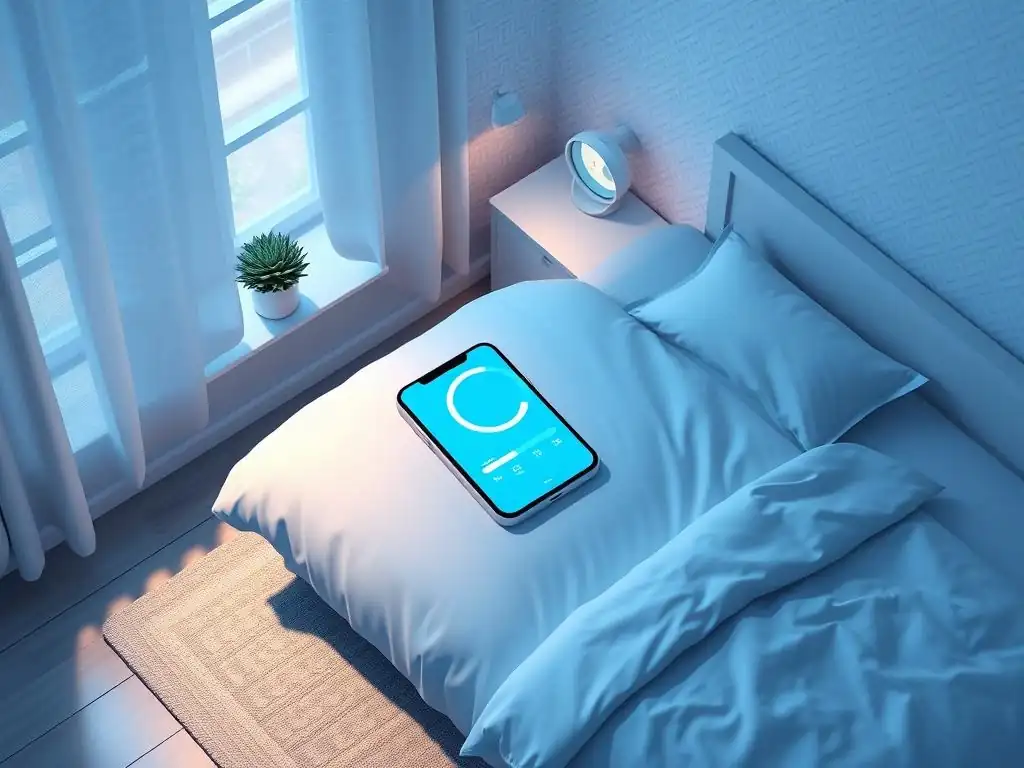
When you're new to using technology for sleep improvement, the array of features in modern apps can be overwhelming. Focusing on a few core functionalities that prioritize ease of use and foundational support is crucial for a positive initial experience. A good sleep app for beginners review will emphasize features that are simple to understand and implement, providing immediate, tangible benefits without requiring a steep learning curve.
The most effective apps for beginners often combine simple tracking with guided content. They offer straightforward navigation and clear explanations of how each feature works and why it's beneficial for sleep. Look for apps that explain sleep concepts in plain language and guide you step-by-step through their exercises, rather than overwhelming you with jargon or complex settings.
Ease of Use: A Critical Factor
For beginners, the interface and overall user experience of a sleep app are paramount. An app might have sophisticated features, but if it's difficult to navigate or understand, a new user is likely to become frustrated and abandon it. Look for apps with clean layouts, intuitive menus, and clear instructions. The process of starting a meditation or setting up sleep tracking should be straightforward, ideally taking only a few taps.
A truly beginner-friendly app also minimizes setup time and avoids requiring extensive personal data upfront. It should allow users to start exploring core features like guided meditations or ambient sounds almost immediately. The app's design should be calming and visually appealing, using colors and fonts that contribute to a relaxing experience rather than adding to visual clutter or stimulation before bed.
Guided Meditations and Sleep Stories
Guided meditations and sleep stories are often the most popular features for beginners struggling to quiet their minds at night. These audio tracks provide narrative guidance or soothing tales designed to distract from worries and ease the transition into sleep. For someone new to meditation, the structured nature of a guided session, typically lasting 10-30 minutes, makes the practice accessible and manageable.
Sleep stories, on the other hand, function much like bedtime stories for adults. They often feature calm voices, gentle pacing, and sometimes ambient soundscapes, focusing on non-engaging narratives that help the listener relax and drift off naturally. Apps offering a diverse library of these resources, with varying lengths and themes, cater to different preferences and moods, making it easier for beginners to find something that resonates with them on any given night.
Sleep Cycle Tracking: Understanding Your Sleep Patterns
Basic sleep cycle tracking is a valuable feature for beginners as it provides objective (though estimated) data about their sleep quality. By monitoring movement during the night, the app can generate a simple graph showing periods of wakefulness, light sleep, deep sleep, and REM sleep. This information, even if not perfectly accurate, helps users become more aware of their sleep habits and how different factors might affect their sleep stages.
The key for beginners is that the app presents this data clearly and without excessive detail. A simple daily sleep score or a color-coded bar graph is much more helpful than complex polysomnography data. Some apps also offer gentle smart alarms that attempt to wake you during a period of light sleep within a set window, which can help reduce morning grogginess – a feature many beginners appreciate.
White Noise and Ambient Sounds: Creating a Relaxing Sleep Environment
Creating a consistent and calming sleep environment is a fundamental part of sleep hygiene, and sleep apps assist with this through libraries of white noise, pink noise, brown noise, and various ambient sounds. White noise, for instance, helps mask disruptive background sounds, making it easier to fall and stay asleep, particularly in noisy environments. Pink noise, with its deeper pitch, is often found to be more soothing by some users.
Beyond basic noise, apps offer a variety of ambient sounds like rain, ocean waves, forest sounds, or gentle instrumental music. Beginners can experiment with different sounds to find what helps them relax and block out distractions. The ability to mix sounds, adjust volumes, and set timers for the audio to fade out automatically adds convenience, allowing users to customize their soundscape for optimal comfort.
Top 3 Sleep Apps for Beginners: Reviews and Comparisons
Navigating the many options for sleep apps can be daunting for newcomers. To help you get started, here's a look at three illustrative examples of apps that often feature prominently in a sleep apps for beginners review, highlighting features particularly helpful for those just starting their journey towards better sleep. Please note: The app names and specific details below are illustrative examples designed for this review and do not represent actual products or their specific data.
Review: Mindful Slumber - Gentle Guidance for Newcomers
Mindful Slumber is designed with simplicity at its core, making it an excellent starting point for anyone new to sleep apps. Its interface is clean and intuitive, featuring large icons and clear text, minimizing the chance of confusion before bed. The app's primary strength lies in its extensive library of short, guided meditations specifically tailored for sleep, typically ranging from 5 to 15 minutes. These sessions use calm, slow pacing and simple language, perfect for beginners who may find longer or more complex meditations challenging.
The app also includes a curated selection of ambient sounds, such as gentle rain and soft nature soundscapes, with easy volume controls and a simple timer function. While it lacks advanced sleep tracking features, its focus on guided relaxation techniques directly addresses anxiety, a common barrier to sleep for beginners. Users often report that the app's straightforward approach and calming audio content help them feel more relaxed and prepared for sleep within the first week of use. This focus on accessible, immediate relaxation makes it a strong contender in any sleep apps for beginners review.
Review: EasySleep Tracker - Simple Sleep Pattern Insights
EasySleep Tracker takes a different approach, focusing on providing beginners with basic insights into their sleep patterns without overwhelming data. Using just your smartphone's accelerometer, it can provide a simple graph showing your estimated time spent awake, in light sleep, and potentially deep sleep throughout the night. The setup is minimal – simply place your phone near your pillow and open the app before sleeping.
The app presents sleep data in easy-to-read charts, often including a basic "sleep score" or quality percentage. It also features a gentle alarm clock designed to wake you during a period of light sleep within a customizable window (e.g., wake between 7:00 AM and 7:30 AM). While it doesn't offer guided content like meditations or stories, its value for a beginner lies in raising awareness about sleep duration and consistency. Users find this simple tracking helps them see patterns, like how late-night activities might affect their sleep duration, empowering them to make small, informed changes.
Review: Dreamscape Audio - Stories and Sounds Galore
Dreamscape Audio excels in providing a rich variety of audio content designed purely for relaxation and distraction, making it appealing to beginners who struggle with racing thoughts. The app features a large and ever-growing library of "sleep stories," ranging from retellings of classic tales to calming journeys through imaginary landscapes. These stories are typically narrated in soothing voices and are intentionally non-dramatic to help listeners drift off.
In addition to stories, Dreamscape Audio offers a wide range of ambient sounds and gentle instrumental music tracks. Users can create custom mixes of sounds, adjusting the levels to their preference. While it doesn't include sleep tracking or meditation, its strength lies in providing a passive, enjoyable way to wind down before sleep. Many beginners find that focusing on a calming story or soundscape is an easy and effective way to shift their focus away from daily worries, helping them relax sufficiently to fall asleep.
Choosing the Right Sleep App: Consider Your Needs and Preferences
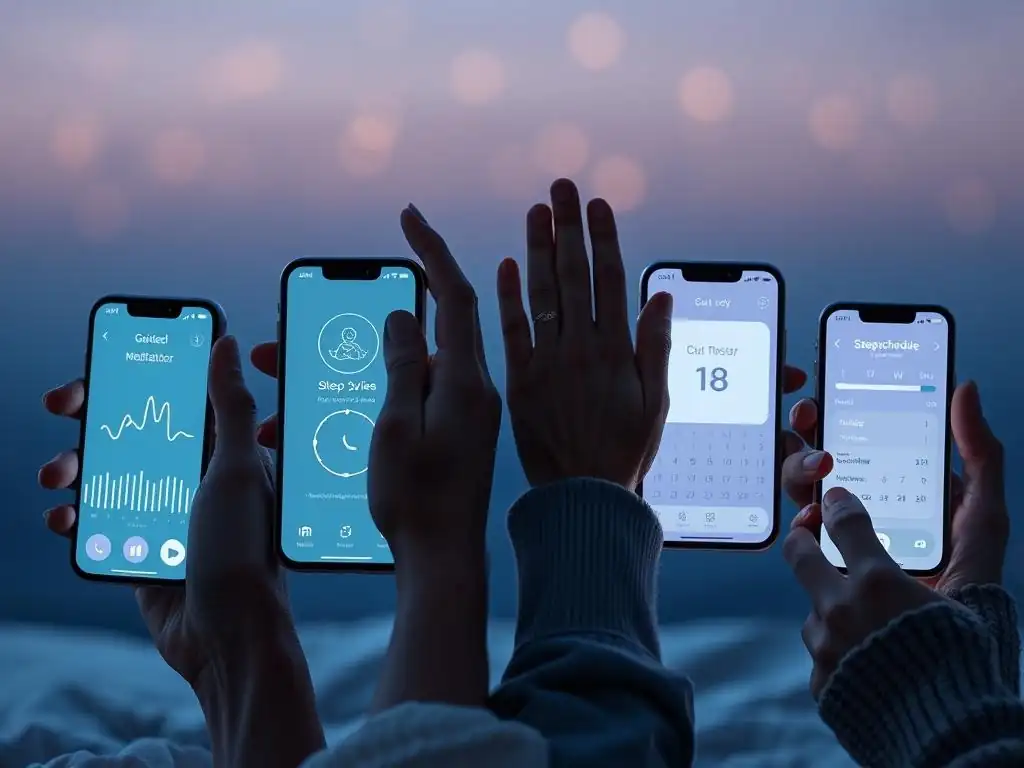
Selecting the perfect sleep app when you're new to them doesn't have to be complicated. The best approach is to consider what specific challenges you face with sleep and what kind of support you believe would be most helpful. Are you primarily struggling to fall asleep due to stress, or do you suspect you're not getting enough quality sleep throughout the night? Answering these questions will help you narrow down the features that are most relevant to your needs as you explore different sleep apps for beginners review options.
Think about your personality and preferences as well. Do you prefer listening to calming narratives, tracking data, or simply having background noise? Some beginners thrive with guided instructions, while others prefer a more passive approach. Don't feel pressured to choose an app with every possible feature; often, the most effective app for a beginner is one that focuses on doing one or two things very well and is easy to use consistently.
Are You Looking for Guided Meditations or Sleep Tracking?
This is one of the most fundamental distinctions between types of sleep apps suitable for beginners. If your primary struggle is with a restless mind, anxiety, or difficulty winding down before bed, apps focusing heavily on guided meditations, breathing exercises, and sleep stories are likely to be the most beneficial. These tools directly address the psychological barriers to falling asleep by promoting relaxation and shifting focus away from stressors.
Conversely, if you fall asleep relatively easily but wake up feeling unrefreshed, or if you're curious about how long you actually sleep or how often you wake up, an app with simple sleep cycle tracking might be more insightful. While tracking alone doesn't improve sleep, the data it provides can help you identify patterns or confirm suspicions about your sleep duration or quality. Many beginners find the data helps motivate them to stick to a schedule or explore other sleep improvement techniques.
What is Your Budget for a Sleep App Subscription?
Most comprehensive sleep apps operate on a subscription model, offering monthly or annual plans. While some apps offer limited free content, the full libraries of meditations, stories, and advanced features are typically behind a paywall. Subscription costs can vary significantly, from approximately $5 to $15 per month, or potentially discounted rates for annual commitments. For a beginner, it's wise to consider your budget and look for apps that offer a free trial period (often 7-14 days) so you can test the features before committing financially.
Some apps provide a generous amount of free content, which might be sufficient for someone just starting out. Others have tiered subscriptions, offering basic features at a lower cost. Decide if you're willing to invest in an app long-term or if you prefer to start with a free option or one with a short-term commitment. Remember that the most expensive app isn't always the best fit for a beginner; focus on value based on the features you will actually use.
Do You Prefer a Simple or Feature-Rich App?
For beginners, simplicity is often key to consistent use. A simple app focuses on one or two core functionalities, presenting them in a clear, uncluttered interface. This reduces the learning curve and makes it easy to incorporate the app into your nightly routine without feeling overwhelmed by options or settings. An app focused solely on guided meditations, for example, might be perfect if that's your only area of interest.
On the other hand, some beginners might prefer an app that offers a combination of features, such as both guided content and basic tracking, allowing them to explore different approaches within a single platform. While these apps can be more complex, the better ones still maintain a user-friendly design. Evaluate your own comfort level with technology and how much time and effort you want to dedicate to learning the app before making your choice.
Tips for Getting Started with Sleep Apps: Maximizing Your Results
Simply downloading a sleep app isn't a magic fix for sleep troubles, but with the right approach, it can become a powerful tool in your sleep improvement journey. For beginners, consistency and patience are crucial. Integrate the app seamlessly into your evening routine and give it time to work. Don't expect miracles on the first night, but pay attention to small changes in how you feel before and after using the app's features.
Remember that an app is a supplement to, not a replacement for, healthy habits. Combining app usage with broader lifestyle adjustments will yield the best results. Be open to experimenting with different features the app offers and don't be afraid to adjust your approach based on what feels most effective for you.
Establish a Consistent Bedtime Routine
Using a sleep app is most effective when it's part of a consistent, relaxing bedtime routine. About 30-60 minutes before you plan to sleep, start winding down. This routine might include dimming the lights, avoiding screens, reading a physical book, or taking a warm bath. Introduce your chosen sleep app into this period. If you're using a guided meditation or sleep story, make it the last thing you do before closing your eyes.
Consistency signals to your body that it's time to prepare for rest. By using the app at the same time each night as part of this routine, you create a strong association between opening the app and getting ready to sleep. This behavioral conditioning can significantly enhance the effectiveness of the app's features over time, helping you fall asleep more easily and consistently.
Create a Relaxing Sleep Environment
Your bedroom environment plays a significant role in sleep quality. Ensure your room is dark, quiet, and cool – ideally between 60 and 67 degrees Fahrenheit (15-19 degrees Celsius). Using your sleep app's ambient sound features can help create a consistent auditory environment that blocks out disruptive noises. Experiment with different sounds like white noise, fan sounds, or gentle nature sounds to find what works best for you in masking distractions.
Think of the app's audio features as part of creating a sensory sanctuary for sleep. Whether it's a calming story or steady background noise, the sound contributes to making your bedroom a space solely dedicated to rest. This physical and auditory preparation, combined with the mental relaxation offered by the app, sets the stage for a more restful night.
Experiment with Different Features and Techniques
Most sleep apps for beginners review offer a variety of features, even within a single app. Don't feel limited to just one type of content. On nights when your mind is racing, a guided meditation might be most helpful. On other nights, a calming sleep story might be what you need to drift off. If you're using an app with ambient sounds, try different types of noise or soundscapes to see which one you find most soothing and effective at blocking distractions.
Similarly, if your app offers different meditation styles (e.g., body scan, mindfulness of breath, loving-kindness), experiment with each to see which resonates most with you. The goal is to find the tools within the app that are most effective for your specific sleep challenges and preferences. What works one night might not work the next, so having a range of options is beneficial.
Track Your Progress and Adjust as Needed
If your app includes any form of sleep tracking or journaling, use it consistently. While app-based tracking is not perfect, it can provide valuable data points over time. Look for patterns: Does using a specific meditation correlate with feeling more rested the next day? Does consistent bedtime routine (tracked or noted in a journal) improve your overall sleep score?
Use this information to refine your approach. If a certain feature isn't helping after a couple of weeks, try another one. If the tracking reveals inconsistent sleep times, make a conscious effort to go to bed and wake up closer to the same time, using the app as part of that consistent routine. Regularly reviewing your experience and the (estimated) data helps you tailor the app's use to your evolving needs.
Beyond Apps: Holistic Approaches to Sleep Improvement for Beginners
While sleep apps are fantastic starting tools for beginners, it's important to view them as part of a larger strategy for improving mental well-being and sleep quality. Sustainable sleep improvement often requires addressing various aspects of your lifestyle and environment. This holistic perspective ensures that you're building a strong foundation for long-term restful sleep, not just relying on a single tool.
Integrating app usage with broader healthy habits maximizes your chances of success. Consider how your daytime activities, diet, and stress levels impact your sleep, and explore complementary techniques alongside your app use.
The Importance of Sleep Hygiene: Creating a Foundation for Better Sleep
As mentioned earlier in this sleep apps for beginners review, robust sleep hygiene is the bedrock of good sleep. This includes maintaining a consistent sleep schedule, even on weekends, to regulate your body's internal clock (circadian rhythm). Exposure to natural light, especially in the morning, helps reinforce this rhythm. Aim for at least 15-30 minutes of morning sunlight.
Other key sleep hygiene practices involve optimizing your bedroom environment for sleep – making it dark, quiet, and cool. Avoiding stimulants like caffeine and nicotine, especially in the hours before bed (typically 4-6 hours), is crucial. Limiting alcohol intake before sleep is also important, as while it might initially cause drowsiness, it disrupts sleep later in the night. Using your sleep app's features like ambient sounds and bedtime reminders helps support these foundational habits.
Managing Stress and Anxiety: Complementary Techniques for Improved Sleep
Stress and anxiety are significant barriers to sleep. While sleep apps offer guided meditations and relaxation exercises, incorporating other stress-management techniques into your daily life can further enhance your ability to sleep well. Regular physical activity, for example, is a powerful stress reducer, provided it's not done too close to bedtime. Aim for moderate exercise most days of the week.
Mindfulness practices throughout the day, not just at bedtime, can help you develop a greater capacity to manage stress and reduce rumination. Journaling about your worries earlier in the evening can also help clear your mind before you attempt to sleep. Exploring techniques like deep breathing exercises or progressive muscle relaxation, which are often introduced in sleep apps, can also be practiced during the day to build resilience against stress that might otherwise disrupt your sleep at night.
When to Seek Professional Help: Recognizing the Signs of a Sleep Disorder
While sleep apps and lifestyle changes can significantly improve sleep for many beginners, it's important to recognize when professional help might be needed. If you consistently struggle with falling asleep or staying asleep (taking more than 30 minutes to fall asleep, waking up frequently) for three or more nights a week over a period of three months or longer, you might be experiencing chronic insomnia.
Other signs that warrant a conversation with a doctor include excessive daytime sleepiness despite getting enough sleep, loud snoring (potentially indicating sleep apnea), restless legs, or unusual behaviors during sleep. A healthcare professional can evaluate your symptoms, rule out underlying medical conditions, and recommend appropriate treatments, which might include cognitive behavioral therapy for insomnia (CBT-I) or other interventions. An app can be a great starting point, but it's not a substitute for medical advice for persistent sleep problems.
Frequently Asked Questions
What are sleep apps and how can they benefit beginners?
Sleep apps are mobile applications designed to improve sleep quality and address sleep-related issues. They can benefit beginners by offering tools like guided meditations, white noise, and sleep tracking to establish healthier sleep habits.
Are sleep apps safe for everyone to use?
Generally, sleep apps are safe, but it's crucial to consult a healthcare professional if you have pre-existing sleep disorders. Some apps may not be suitable for individuals with certain medical conditions or sensitivities.
How much do sleep apps typically cost?
The cost of sleep apps varies. Many offer free versions with limited features, while others require subscriptions for premium content and personalized support. Some may offer a one-time purchase option.
What features should I look for in a sleep app as a beginner?
As a beginner, prioritize apps with user-friendly interfaces, guided meditations, relaxing sounds or music, and basic sleep tracking features. Look for educational content that explains sleep hygiene.
How long does it usually take to see results from using sleep apps?
Results vary depending on individual circumstances and the app's effectiveness. Some users may experience immediate improvements in relaxation, while others may need consistent use over weeks or months to see significant changes in sleep quality.
Final Reflection: Finding Your Way to Restful Sleep
The pursuit of better sleep is no longer a niche interest; it's a fundamental need in our increasingly demanding world. The overwhelming number of sleep apps available underscores this, but navigating that landscape can feel daunting for newcomers. This article aimed to simplify that process, offering a curated selection of beginner-friendly apps and highlighting key features to consider. The quest for quality sleep is a journey, not a destination, and finding the right tool can be the first crucial step.
The impact of sleep on our overall well-being is undeniable. From improved cognitive function to boosted immunity, the benefits ripple through every aspect of our lives. Sleep is the best meditation.
This simple statement encapsulates the profound power of rest, a power often underestimated in our culture of constant productivity. This article's exploration of sleep apps reflects a growing societal awareness of the importance of prioritizing sleep, a shift that is both encouraging and necessary for a healthier, more balanced future.
You now have the tools to begin your own journey towards better sleep. Don't be afraid to experiment with different apps, to find the one that best suits your needs and preferences. Remember, the goal isn't just to download an app; it's to cultivate a healthier relationship with sleep, one that prioritizes rest and rejuvenation. Take the time to explore the options presented, and start building a sleep routine that supports your overall well-being. Your future self will thank you.
Unlock Your Best Sleep Yet!
Thanks for taking the time to explore the world of sleep apps with us! We hope you gained valuable insights into finding the perfect fit for your sleep journey. Now it's time to put that knowledge into action.
- Download your top choice from our recommended list and give it a trial run. Notice how different features impact your sleep patterns.
- Share your experience! Let us know in the comments which app worked best for you – your feedback helps others find their perfect sleep companion.
- Consider experimenting with different sleep sounds or guided meditations within your chosen app; you might be surprised at what works best!
Ready to improve your sleep hygiene and wake up feeling refreshed? What's the first feature you're excited to try in your new sleep app?