
Understanding Different Modalities: CBT, DBT, and More Online

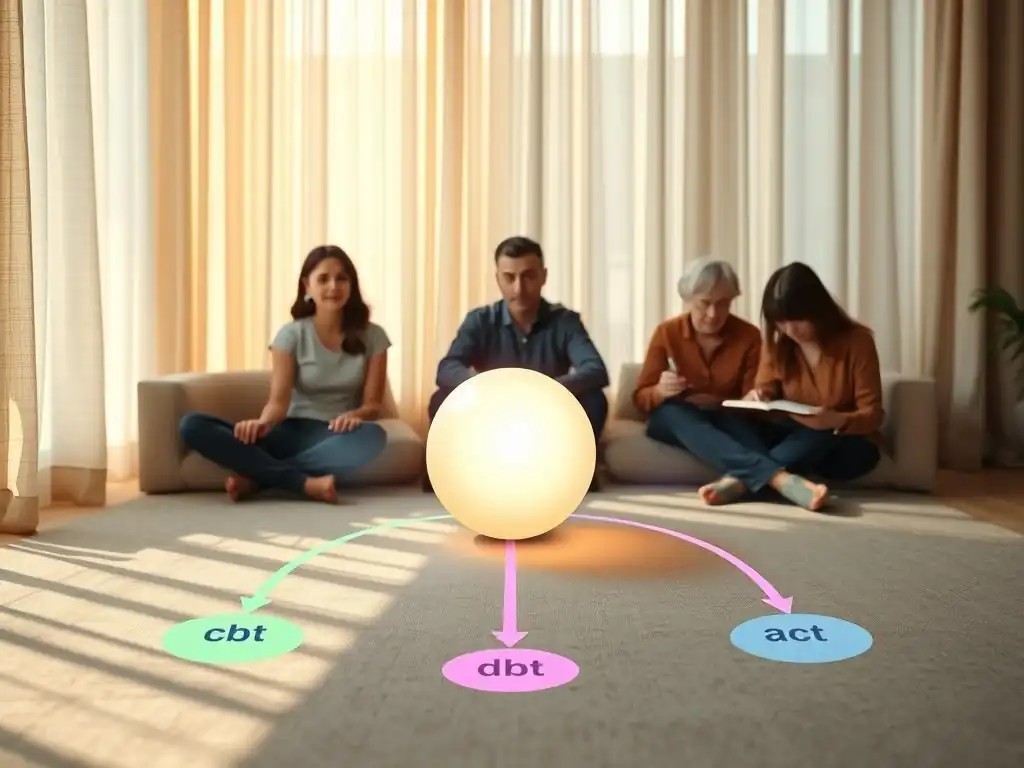
Welcome to Mind Care Guide, a space dedicated to nurturing your mental well-being. Feeling overwhelmed by the options available for mental health support? This article dives deep into understanding different modalities like CBT, DBT, and more, and how technology can connect you with the resources you need. Discover practical strategies and valuable insights to empower your journey towards a healthier mind. Ready to explore the possibilities? Let's begin.
Exploring Effective Therapy Modalities Online
- Understanding Various Approaches to Online Mental Wellness
- Cognitive Behavioral Therapy (CBT) Online: Changing Thought Patterns
- Dialectical Behavior Therapy (DBT) Online: Managing Intense Emotions
- Beyond CBT and DBT: Additional Online Therapy Modalities
- Selecting the Right Online Therapy Modality for Your Needs
- The Evolution of Online Therapy: Trends and Advancements
- Optimizing Your Online Therapy Experience
- Finding Qualified and Licensed Online Therapists
- Understanding the Costs and Coverage of Online Therapy
- Online Therapy: Empowering Mental Well-being Through Technology
-
Frequently Asked Questions
- What is the core difference between CBT and DBT?
- How can online mental health support benefit me?
- What mental health challenges can CBT and DBT effectively address?
- How do I find a qualified therapist who specializes in CBT or DBT online?
- What other therapeutic modalities are available besides CBT and DBT?
- Final Reflection: Navigating the Landscape of Mental Health Support
- Unlock Your Mental Wellness Journey: Next Steps to Healing
Understanding Various Approaches to Online Mental Wellness
Embarking on a journey toward improved mental well-being often involves exploring different therapeutic approaches. With the rise of technology, accessing mental health support has become more convenient through online platforms. These digital spaces offer a variety of modalities, each designed to address specific challenges and promote healing and growth. Understanding the core principles of treatments like Cognitive Behavioral Therapy (CBT), Dialectical Behavior Therapy (DBT), and others available online is crucial for making informed decisions about your care.
Online therapy provides a flexible and accessible way to engage with evidence-based treatments. Whether you're dealing with anxiety, depression, trauma, or difficulties managing intense emotions, digital platforms connect you with licensed therapists who specialize in various techniques. This exploration will delve into some of the most common and effective modalities available online, highlighting their unique features and how they can contribute to your overall mental health support journey.
Cognitive Behavioral Therapy (CBT) Online: Changing Thought Patterns
CBT is one of the most widely researched and utilized forms of psychotherapy. Its fundamental premise is that our thoughts, feelings, and behaviors are interconnected, and by changing negative or unhelpful thought patterns, we can positively impact our emotional state and actions. Online CBT adapts this proven approach to a digital format, allowing individuals to work with a therapist remotely to identify and challenge distorted thinking.
This modality typically involves practical exercises and homework assignments designed to help individuals become more aware of their cognitive processes. The focus is often on present-day problems and developing coping strategies for future challenges. Online platforms facilitate this by providing interactive tools, worksheets, and secure video or text-based sessions, making CBT accessible to a broader audience seeking mental health support.
Core Principles of CBT: Identifying and Modifying Negative Thoughts
A central tenet of CBT involves pinpointing specific negative automatic thoughts that contribute to distress. These thoughts often occur rapidly and outside conscious awareness but significantly influence how we feel and behave. For instance, someone with social anxiety might automatically think, "Everyone is judging me," before entering a social situation, leading to increased anxiety and avoidance. The therapist helps the client identify these patterns and the underlying beliefs that fuel them.
Once identified, the next step is to critically evaluate and challenge these negative thoughts. This isn't about simply replacing negative thoughts with positive ones, but rather examining the evidence for and against them and developing more balanced and realistic perspectives. Techniques like cognitive restructuring, where clients learn to reframe thoughts, and behavioral experiments, where they test the validity of their fears, are key components. This process empowers individuals to gain control over their internal dialogue and reduce the impact of unhelpful thinking styles on their mental well-being.
Benefits of Online CBT: Accessibility and Affordability
One of the most significant advantages of online CBT is its enhanced accessibility. For individuals living in rural areas, those with mobility issues, or people with busy schedules, online therapy removes geographical barriers and reduces the time commitment associated with travel to appointments. It allows access to a wider pool of therapists who specialize in CBT, potentially connecting clients with the best fit regardless of their location. Studies suggest that the effectiveness of online CBT is comparable to in-person therapy for many conditions.
Beyond accessibility, online CBT can often be more affordable than traditional therapy. Many online platforms offer various pricing models, including subscription plans or per-session rates that may be lower than typical in-office fees. Furthermore, the reduction in travel costs and time off work contributes to the overall cost-effectiveness. This increased affordability makes evidence-based mental health support, like CBT, more attainable for individuals who might otherwise face financial constraints.
Conditions Treated with Online CBT: Anxiety Disorders, Depression, PTSD
Online CBT has demonstrated effectiveness in treating a wide range of mental health conditions. It is particularly well-established for anxiety disorders, including Generalized Anxiety Disorder (GAD), Panic Disorder, Social Anxiety Disorder, and specific phobias. Clients learn to identify and challenge anxious thoughts and gradually confront feared situations through exposure techniques, often facilitated digitally.
Depression is another condition where online CBT is widely used. It helps individuals identify negative thought patterns associated with low mood, challenge beliefs about hopelessness or worthlessness, and engage in behavioral activation to increase participation in enjoyable activities. Online CBT is also a recommended treatment for Post-Traumatic Stress Disorder (PTSD), where it helps individuals process traumatic memories, challenge distorted beliefs about the trauma, and reduce avoidance behaviors. While effectiveness varies by individual, research consistently supports online CBT as a valuable tool for managing these conditions and providing essential mental health support.
Dialectical Behavior Therapy (DBT) Online: Managing Intense Emotions
Dialectical Behavior Therapy (DBT) is a comprehensive therapeutic approach originally developed to treat individuals with Borderline Personality Disorder (BPD), characterized by intense emotional dysregulation and difficulties in relationships. DBT combines standard CBT techniques with concepts of mindfulness, acceptance, and dialectics (finding a synthesis between opposing ideas). Online DBT adapts the core components of this therapy, often including individual therapy sessions and skills training groups.
The goal of DBT is to help individuals build a life worth living by teaching them practical skills to manage difficult emotions, improve relationships, tolerate distress, and be more present in the moment. While traditionally delivered in person, online platforms now offer accessible ways to participate in DBT skills training and individual therapy, providing vital mental health support to those who need it.
Key Components of DBT: Mindfulness, Distress Tolerance, Emotional Regulation, Interpersonal Effectiveness
DBT is structured around four core modules of skills training. Mindfulness is the foundation, teaching individuals to pay attention to the present moment without judgment, helping them observe their thoughts and feelings without getting overwhelmed. Distress Tolerance skills are crucial for getting through difficult situations and intense emotions without making things worse, using techniques like self-soothing or distracting.
Emotional Regulation skills help individuals understand, reduce the intensity of, and change unwanted emotions. This includes identifying emotions, understanding what triggers them, and learning techniques to reduce emotional vulnerability. Interpersonal Effectiveness skills focus on how to get needs met, say no, and navigate relationships while maintaining self-respect, balancing priorities, and building healthy connections. These modules are often taught in a group format, which can be effectively delivered online through video conferencing.
Who Can Benefit from Online DBT: Emotion Dysregulation, Self-Harm, Suicidal Ideation
While initially designed for BPD, DBT has proven effective for a broader range of challenges characterized by difficulties managing intense emotions. Individuals struggling with chronic suicidal ideation, self-harm behaviors, or significant emotional instability often find DBT skills invaluable. The therapy provides concrete tools to help them cope with overwhelming feelings and reduce impulsive, destructive behaviors.
Beyond BPD, online DBT can also benefit individuals with certain eating disorders, substance use disorders, depression that doesn't respond to other treatments, and PTSD, particularly when these conditions involve difficulties with emotional regulation. The emphasis on learning practical skills makes DBT highly applicable for anyone seeking better ways to handle emotional storms and improve their overall emotional well-being, making online DBT a valuable avenue for mental health support.
Advantages of Online DBT Skills Training: Convenience and Support
Participating in DBT skills training online offers significant advantages, particularly concerning convenience. Group sessions, a cornerstone of DBT, can be accessed from anywhere with an internet connection, eliminating the need for travel and making it easier to fit into a busy schedule. This increased accessibility means that individuals who live far from treatment centers or have mobility issues can still benefit from this evidence-based therapy.
Furthermore, online platforms can offer supplementary support between sessions. This might include access to digital workbooks, reminder notifications for practicing skills, or online forums for peer support (though privacy and ethical guidelines must be strictly followed). The structure of online DBT skills training, often delivered through video conferencing, allows participants to engage with the material and interact with the facilitator and other group members, fostering a sense of community and shared learning, crucial for effective mental health support.
Beyond CBT and DBT: Additional Online Therapy Modalities

While CBT and DBT are prominent, the landscape of online therapy encompasses a variety of other effective modalities. Each approach offers a unique perspective and set of techniques for addressing mental health challenges. Exploring these options can help individuals find a therapeutic fit that aligns with their specific needs, preferences, and goals for mental health support.
These alternative modalities often build upon principles found in CBT and DBT but introduce different core concepts or focus areas. From exploring values and acceptance to enhancing interpersonal relationships or leveraging mindfulness for relapse prevention, the diversity of online therapy options ensures that individuals can access tailored support for their journey towards well-being.
Acceptance and Commitment Therapy (ACT) Online: Focusing on Values and Acceptance
Acceptance and Commitment Therapy (ACT) is a behavioral therapy that emphasizes acceptance of difficult thoughts and feelings rather than trying to eliminate them. Alongside acceptance, ACT focuses on committing to actions that are guided by one's personal values. The core idea is to increase psychological flexibility, allowing individuals to be present, open up, and do what matters.
Online ACT helps clients identify their core values (e.g., connection, growth, health) and then commit to behaviors that align with those values, even in the presence of internal discomfort. Techniques include mindfulness exercises to increase present moment awareness and creative hopelessness to help clients stop struggling with unworkable strategies. Online platforms provide tools like values clarification exercises and action planning worksheets, making ACT principles accessible digitally for effective mental health support.
Mindfulness-Based Cognitive Therapy (MBCT) Online: Preventing Relapse in Depression
Mindfulness-Based Cognitive Therapy (MBCT) integrates elements of Cognitive Behavioral Therapy with mindfulness meditation practices. It was specifically developed to help individuals who have experienced recurrent episodes of depression to prevent future relapses. The therapy teaches participants to become more aware of their thoughts and feelings without judgment, helping them to recognize depressive thought patterns as simply mental events rather than absolute truths.
Online MBCT typically involves guided meditations, gentle movement, and group discussions facilitated through video conferencing. Participants learn to observe the "coming and going" of thoughts and feelings, particularly those associated with low mood or worry, and respond to them with greater awareness and less reactivity. This practice helps individuals break the cycle of rumination that often precedes depressive episodes, offering a proactive approach to maintaining mental well-being and preventing the need for intensive mental health support later.
Interpersonal Therapy (IPT) Online: Improving Relationships and Communication
Interpersonal Therapy (IPT) is a time-limited therapy that focuses on improving interpersonal relationships and social functioning to reduce psychological distress. It is based on the principle that mental health problems, particularly depression, are often linked to difficulties in relationships or life transitions. IPT doesn't delve into past trauma or deeply ingrained thought patterns as much as CBT or DBT; instead, it hones in on current relationship issues.
Online IPT helps clients identify problem areas in their relationships, such as grief, role disputes (conflicts over expectations in a relationship), role transitions (adjusting to major life changes like divorce or becoming a parent), or interpersonal deficits (difficulties forming or maintaining relationships). The therapist works collaboratively with the client to develop strategies for improving communication, resolving conflicts, and building a stronger support network. This focus makes online IPT particularly effective for individuals whose mental health challenges are closely tied to their social environment and who seek mental health support centered on relational dynamics.
Selecting the Right Online Therapy Modality for Your Needs
Choosing the most suitable online therapy modality is a crucial step in your mental health journey. With options like CBT, DBT, ACT, MBCT, and IPT available, it's important to consider your specific challenges, personality, and goals for therapy. A careful evaluation can help you identify the approach that resonates most with you and offers the best potential for positive change.
This selection process isn't always straightforward and may involve some exploration or initial consultations. However, taking the time to understand what each modality offers and how it aligns with your needs can significantly enhance the effectiveness of your online mental health support experience.
Identifying Your Specific Mental Health Challenges
The first step in selecting a therapy modality is to clearly identify the primary mental health challenges you are facing. Are you struggling with overwhelming anxiety or persistent negative thoughts? CBT might be a strong fit. Do you experience intense, rapidly shifting emotions and difficulties in relationships, perhaps with self-harm urges? DBT could be particularly helpful. Is your distress linked to difficulties navigating life transitions or conflicts with others? IPT might be the most relevant approach.
Consider the specific symptoms you experience and the areas of your life most impacted. Reflect on what you hope to achieve through therapy. Are you looking to change thought patterns, learn skills to manage emotional crises, build better relationships, or find acceptance? Articulating these points will provide valuable direction when researching different modalities and discussing options with potential therapists, guiding you toward the most appropriate mental health support.
Considering Therapist Specialization and Approach
Even within a specific modality like CBT or DBT, therapists may have different areas of specialization or slightly varied approaches. Some therapists might focus on trauma-informed CBT, while others specialize in using CBT for specific phobias. Similarly, a DBT therapist might emphasize skills training groups or individual coaching. It is important to find a therapist whose expertise aligns with your particular needs.
Researching a therapist's background, training, and areas of focus is essential. Many online therapy platforms provide detailed profiles of their therapists, including their credentials, licenses, and therapeutic orientations. Don't hesitate to ask questions during an initial consultation about their experience with your specific issues and how they typically implement the chosen modality, ensuring you find the right fit for effective mental health support.
Building a Strong Therapeutic Relationship Online
Regardless of the modality chosen, the quality of the therapeutic relationship, also known as the therapeutic alliance, is a powerful predictor of successful outcomes. This holds true for online therapy as much as for in-person sessions. A strong alliance is built on trust, empathy, clear communication, and a shared understanding of goals.
Even through a screen, it's vital to feel comfortable and connected with your therapist. Pay attention to how you feel during initial consultations. Do you feel heard and understood? Does the therapist seem knowledgeable and empathetic? Don't be afraid to try a few different therapists before committing if the initial connection doesn't feel right. A good rapport is fundamental to engaging fully in the therapeutic process and maximizing the benefits of online mental health support.
The Evolution of Online Therapy: Trends and Advancements
Online therapy has rapidly evolved from a niche service to a mainstream option for mental health support. Driven by technological advancements and increasing demand for accessible care, the digital therapy landscape is constantly innovating. Understanding these trends provides insight into the future of mental health support and how technology continues to expand possibilities for treatment.
This evolution includes integrating cutting-edge technologies, reaching previously underserved populations, and navigating the complex ethical considerations inherent in digital health care. As online therapy matures, it promises even more personalized, effective, and accessible ways for individuals to receive the mental health support they need.
Integration of Technology: AI and Virtual Reality in Therapy
The integration of advanced technologies like Artificial Intelligence (AI) and Virtual Reality (VR) is shaping the future of online therapy. AI is being explored for various applications, such as developing sophisticated chatbots for initial screening, providing automated self-help exercises based on principles of CBT or DBT, or analyzing session transcripts (with strict privacy controls) to help therapists identify patterns or track client progress more efficiently.
Virtual Reality offers immersive experiences that can be particularly powerful for exposure therapy, a technique used in CBT for phobias or PTSD. For example, someone with a fear of heights could experience being on a virtual balcony in a controlled, safe environment. While still emerging, these technologies have the potential to enhance therapeutic interventions, make them more engaging, and extend the reach of mental health support.
Expanding Access to Underserved Populations
One of the most significant impacts of online therapy is its ability to expand access to mental health support for populations that have historically been underserved. This includes individuals in rural areas with limited local resources, people with physical disabilities that make travel difficult, those with social anxiety who find in-person interactions challenging, and individuals from marginalized communities who may feel more comfortable seeking help from a therapist outside their immediate geographical area.
Online platforms break down geographical and logistical barriers, connecting people with licensed professionals regardless of location. This is particularly important in regions with a shortage of mental health providers. By making therapies like CBT and DBT available remotely, online platforms are playing a vital role in democratizing access to care and ensuring that more people can receive timely and appropriate mental health support.
Addressing Ethical Considerations in Digital Mental Health
As online therapy grows, addressing its unique ethical considerations is paramount. Issues such as ensuring client confidentiality and data security in digital spaces are critical. Online platforms must use robust encryption and comply with health privacy regulations (like HIPAA in the United States) to protect sensitive client information. Therapists must also establish clear protocols for managing crises or emergencies when working remotely.
Another consideration is the need for therapists to be licensed in the state or region where the client is located, as licensing laws vary. Ensuring that therapists are adequately trained in delivering therapy specifically online, recognizing the nuances of digital communication, is also vital. Ongoing efforts by professional organizations and regulatory bodies are working to establish best practices and guidelines to ensure that online mental health support is delivered safely, ethically, and effectively.
Optimizing Your Online Therapy Experience

Once you've selected a modality and found a therapist, taking proactive steps to optimize your online therapy experience can significantly enhance its effectiveness. Online therapy requires a slightly different approach than in-person sessions, and being prepared can help you make the most of your time with your therapist and the mental health support you receive.
From creating a conducive environment to actively engaging in the process and supplementing therapy with self-care, these strategies can help ensure that your digital therapeutic journey is as productive and beneficial as possible, whether you're engaging in CBT, DBT, or another modality.
Creating a Dedicated and Confidential Therapy Space
Finding a private, quiet, and comfortable space for your online therapy sessions is essential. This dedicated area helps minimize distractions and ensures confidentiality. Informing others in your household about your session time and requesting privacy can prevent interruptions. Using headphones can further enhance privacy and focus, ensuring that your conversation with your therapist remains confidential.
Ideally, this space should have a stable internet connection and adequate lighting. Sitting somewhere you feel relaxed and safe will help you open up and engage fully in the therapeutic process. Creating this boundary between your therapy time and the rest of your daily life is crucial for maintaining focus and getting the most out of your mental health support sessions.
Engaging Actively in the Therapeutic Process
Online therapy is not a passive activity; active engagement is key to achieving positive outcomes. This means attending sessions consistently, being open and honest with your therapist, and actively participating in discussions and exercises. If your modality, like CBT or DBT, involves homework or skill practice between sessions, commit to completing these tasks.
Don't hesitate to ask questions, provide feedback on what feels helpful or unhelpful, and communicate any challenges you're facing in applying the concepts learned in therapy to your daily life. Your therapist is a guide, but your active participation and willingness to implement strategies are what drive change and make the mental health support you receive truly effective.
Supplementing Online Therapy with Self-Care Practices
While therapy provides structured mental health support, supplementing it with consistent self-care practices is crucial for overall well-being. Self-care can reinforce the skills learned in therapy, help manage stress, and support emotional regulation. This might include practicing mindfulness techniques learned in DBT or MBCT, engaging in activities that align with your values as explored in ACT, or using relaxation techniques learned in CBT.
Other self-care activities could involve maintaining a healthy sleep schedule, eating nutritious foods, exercising regularly, spending time in nature, engaging in hobbies, or connecting with supportive friends and family. These practices complement the therapeutic work done online, creating a holistic approach to mental health support and strengthening your capacity to manage challenges and build resilience.
Finding Qualified and Licensed Online Therapists
Identifying a qualified and licensed online therapist is a critical step in accessing effective mental health support. The digital space offers numerous options, and it's important to know how to vet potential therapists to ensure they meet professional standards and are a good fit for your needs, whether you're seeking CBT, DBT, or another modality.
Taking the time to research credentials, read reviews, and utilize reputable platforms can help you connect with a competent professional who can provide safe and effective care. This diligence is an investment in your mental well-being.
Utilizing Online Therapy Directories and Platforms
Reputable online therapy platforms and directories are excellent resources for finding qualified therapists. Platforms like Talkspace, BetterHelp, and Amwell employ licensed therapists and often allow you to filter by specialization, such as CBT, DBT, anxiety, depression, or trauma. Directories like the Psychology Today directory or the Anxiety & Depression Association of America (ADAA) therapist finder also list therapists who offer online services.
These resources typically provide detailed profiles of therapists, including their licenses, educational background, years of experience, and areas of expertise. Using these established platforms helps ensure that you are connecting with professionals who have met the necessary requirements to provide mental health support.
Checking Credentials and Reading Reviews
Before committing to a therapist, it is vital to verify their credentials. Ensure they are licensed to practice in your state or location and check for any board certifications or specialized training relevant to your needs (e.g., certification in DBT). Licensing information is often available on the therapist's profile or can be verified through state licensing boards.
Reading reviews or testimonials from other clients can also provide valuable insights into a therapist's style, effectiveness, and how they work with clients online. While reviews should be taken with a grain of salt, consistent themes can offer a helpful perspective. Combining credential verification with client feedback provides a more complete picture when choosing a provider for your mental health support.
Evaluating Therapist Fit During an Initial Consultation
Most online therapy platforms or individual therapists offer an initial consultation, often free or at a reduced rate. Use this opportunity to evaluate the therapist's fit. Ask about their experience with your specific concerns, their approach to the modality you're interested in (like CBT or DBT), and what a typical course of therapy might look like.
Pay attention to how you feel during the consultation. Do you feel comfortable talking to them? Do they listen actively and answer your questions clearly? Do their communication style and personality seem like a good match for you? A good rapport is foundational for effective therapy, and the initial consultation is your chance to assess this vital connection before committing to ongoing mental health support.
Understanding the Costs and Coverage of Online Therapy
Understanding the financial aspects of online therapy is crucial when seeking mental health support. Costs can vary significantly depending on the platform, the therapist's qualifications, the session duration, and the specific services offered (e.g., individual therapy vs. group skills training like in DBT). Exploring different pricing models and potential insurance coverage options is essential for budgeting and accessing affordable care.
While online therapy can sometimes be more cost-effective than traditional in-person sessions, it's important to investigate the details to avoid unexpected expenses and ensure that the mental health support you need is financially sustainable.
Comparing Pricing Models and Subscription Plans
Online therapy platforms typically offer various pricing structures. Some operate on a subscription model, where you pay a weekly or monthly fee for a certain number of live sessions or unlimited messaging. Others charge per session, with rates varying based on the therapist's experience and the session length. Individual therapists offering online services may have their own fee structures, often comparable to their in-person rates but without the added costs of travel.
Compare the total cost based on the frequency of sessions you anticipate needing. Consider what is included in the price – live video sessions, messaging, access to resources, etc. Understanding these models helps you budget effectively and choose a platform that offers a cost-effective way to receive consistent mental health support, whether it's for CBT, DBT, or another therapy.
Investigating Insurance Coverage and Reimbursement Options
Insurance coverage for online therapy has expanded significantly in recent years, but it still varies widely depending on your specific plan and location. Many major insurance providers now cover teletherapy services, often at the same rate as in-person visits, especially for modalities like CBT and DBT which are recognized as evidence-based treatments.
Contact your insurance provider directly to inquire about your specific benefits for "telehealth" or "telemental health" services. Ask about coverage for the type of provider you plan to see (e.g., licensed clinical social worker, psychologist), the cost-sharing requirements (copays, deductibles, coinsurance), and if there are any restrictions on the platforms or providers you can use. Some online platforms also work directly with insurance companies, simplifying the billing process for your mental health support.
Utilizing Employee Assistance Programs (EAPs) for Online Therapy
Many employers offer Employee Assistance Programs (EAPs) as a benefit to their employees and sometimes their family members. EAPs typically provide a limited number of free counseling sessions (often around 3-6 sessions) for various personal and work-related issues, including mental health concerns.
A significant number of EAPs now include online therapy as an option. This can be an excellent way to access initial mental health support, explore a modality like CBT or DBT, or address a specific short-term issue without any out-of-pocket cost. Contact your HR department or check your employee benefits information to see if an EAP is available to you and if it covers online counseling services.
Online Therapy: Empowering Mental Well-being Through Technology
The advent and evolution of online therapy represent a significant leap forward in how individuals can access mental health support. By leveraging technology, evidence-based modalities like CBT and DBT are becoming more available, affordable, and convenient for a wider population. This digital transformation is not just about replicating in-person therapy online; it's about creating new possibilities for care and support.
As technology continues to advance, the potential for online therapy to address mental health challenges on a global scale is immense. It empowers individuals to take control of their well-being, connecting them with the right resources and professional help needed to navigate life's difficulties and build resilience for the future.
The Growing Importance of Accessible Mental Health Care
The need for accessible mental health care has never been more apparent. Millions worldwide experience mental health conditions each year, yet barriers like cost, stigma, geographical location, and limited provider availability prevent many from seeking help. Online therapy directly addresses many of these obstacles, significantly increasing the reach of essential mental health support.
By making therapy available from the privacy and comfort of one's home, online platforms reduce the logistical hurdles and can ease the initial anxiety some people feel about seeking help. This enhanced accessibility means that individuals can receive timely interventions, potentially preventing conditions from worsening and promoting earlier recovery and improved quality of life.
Leveraging Technology to Improve Mental Health Outcomes
Technology is proving to be a powerful tool for improving mental health outcomes. Beyond simply facilitating video sessions, online platforms can provide supplementary resources, track progress, offer between-session support, and even incorporate elements of gamification or AI-driven insights to enhance engagement and effectiveness. The data collected through online platforms can also contribute to research, further refining therapeutic approaches like online CBT and DBT.
The flexibility offered by online therapy allows individuals to integrate mental health support more seamlessly into their lives. This can lead to greater consistency in attending sessions and practicing skills, which are crucial factors for therapeutic success. As technology continues to innovate, its role in delivering personalized, effective, and widespread mental health support will undoubtedly grow, empowering more people to achieve and maintain mental well-being.
Frequently Asked Questions
What is the core difference between CBT and DBT?
CBT focuses on identifying and changing negative thought patterns to improve mood. DBT, on the other hand, builds on CBT but emphasizes emotional regulation and distress tolerance, especially for individuals with intense emotions.
How can online mental health support benefit me?
Online platforms offer convenient access to therapy, psychoeducation, and support groups from the comfort of your own home. This can be especially helpful for those in remote areas or with mobility limitations.
What mental health challenges can CBT and DBT effectively address?
CBT is often used for anxiety, depression, and OCD. DBT is primarily used for borderline personality disorder but can also help with self-harm and emotional dysregulation in other conditions.
How do I find a qualified therapist who specializes in CBT or DBT online?
Look for therapists with specific certifications in CBT or DBT. Check their credentials, read reviews, and schedule a consultation to ensure they're a good fit for your needs. Websites like Mind Care Guide can help you find resources.
What other therapeutic modalities are available besides CBT and DBT?
Numerous options exist, including psychodynamic therapy, humanistic therapy, and mindfulness-based therapies. Mind Care Guide offers information on various modalities and mental health support to help you make informed decisions.
The accessibility of online mental health resources like CBT and DBT is revolutionizing how we approach mental wellbeing, offering hope and support to millions. This accessibility, however, also necessitates a critical understanding of the different modalities available and their suitability for individual needs. Choosing the right path to mental wellness requires informed decision-making, and this article aimed to provide a foundational understanding to aid in that process.
The impact of readily available online therapy is profound, shifting the conversation around mental health from one of stigma and inaccessibility to one of empowerment and self-care. This shift is not without its challenges, of course, but the potential for positive change is undeniable. As we increasingly rely on technology for support, the need for clear information and responsible practice becomes even more critical. The greatest glory in living lies not in never falling, but in rising every time we fall.
- Nelson Mandela. This quote resonates deeply because the journey to mental wellness is rarely linear; it requires resilience, understanding, and the right tools to navigate the ups and downs.
Consider the information presented in this article as a starting point on your own journey. Take the time to research further, to understand your own needs, and to find the therapeutic modality that best suits your unique circumstances. Don't hesitate to seek professional guidance; a therapist can help you navigate the options and develop a personalized plan for your mental wellbeing. Your mental health is an investment worth making, and the resources are available to help you thrive.
Unlock Your Mental Wellness Journey: Next Steps to Healing
Thank you for taking the time to explore the world of CBT, DBT, and other online mental wellness modalities! We hope you gained valuable insights into finding the right approach for your needs. Now it's time to put that knowledge into action.
- Identify your top therapy priority: Based on what you've learned, which modality (CBT, DBT, etc.) resonates most with your current challenges? Consider journaling your thoughts on this to solidify your choice.
- Research therapists or online platforms: Now that you have a better idea of the type of therapy you're interested in, start researching qualified professionals or reputable online platforms offering these services. Look for testimonials and verify credentials.
- Share your newfound knowledge: Discuss what you've learned with a trusted friend or family member. Their support and understanding can be invaluable as you embark on this journey.
What's the first step you'll take to prioritize your mental wellbeing based on the information you've discovered today?