
The Role of Pharmacogenomics in Personalized Mood Disorder Treatment


Welcome to Mind Care Guide.
Feeling lost navigating the complexities of mood disorder treatment? You're not alone. We understand the journey can be overwhelming, and finding the right path to well-being is crucial. This guide offers a beacon of hope, diving deep into pharmacogenomics mood disorder treatment options, a cutting-edge approach to personalized care. Intrigued by the possibility of tailoring your treatment to your unique genetic makeup? Let's explore how pharmacogenomics could revolutionize your path to recovery.
The Role of Pharmacogenomics in Personalized Mood Disorder Treatment
- Introduction to Pharmacogenomics and Mood Disorder Treatment
- How Pharmacogenomics Works in Mood Disorder Treatment
- Benefits of Pharmacogenomics-Guided Mood Disorder Treatment
-
Pharmacogenomics for Specific Mood Disorders
- Pharmacogenomics in the Treatment of Major Depressive Disorder (MDD)
- Personalized Treatment Strategies for Bipolar Disorder using Genetic Information
- Utilizing Pharmacogenomics for Anxiety Disorders Co-occurring with Mood Disorders
- Considering Pharmacogenomics in Treatment-Resistant Depression (TRD)
- Interpreting Pharmacogenomic Test Results and Treatment Implications
- Limitations and Challenges of Pharmacogenomics in Mental Health
- The Future of Pharmacogenomics in Psychiatry
- Accessing Pharmacogenomic Testing
- Conclusion: Embracing Personalized Treatment for Mood Disorders
-
Frequently Asked Questions
- What is pharmacogenomics and how does it relate to mood disorders?
- How can pharmacogenomic testing help in treating mood disorders?
- What types of mood disorders can benefit from pharmacogenomic testing?
- Is pharmacogenomic testing a replacement for traditional methods of diagnosing and treating mood disorders?
- Where can I access pharmacogenomic testing for mood disorder treatment, and what are the associated costs?
- Final Reflection: Charting a Course Towards Personalized Mental Healthcare
- Unlock Your Personalized Path to Better Mood
Introduction to Pharmacogenomics and Mood Disorder Treatment
Understanding Mood Disorders and Traditional Treatment Approaches
Mood disorders, such as Major Depressive Disorder (MDD) and Bipolar Disorder, represent significant global health challenges, affecting millions of people worldwide. These conditions are characterized by persistent disturbances in mood, often leading to profound impacts on daily functioning, relationships, and overall quality of life. Traditional approaches to treating mood disorders typically involve psychotherapy, medication, or a combination of both.
While these methods have helped many individuals, finding the right medication at the correct dose can often be a lengthy and challenging process. It's not uncommon for patients to try several different medications before finding one that is effective and tolerable, a process sometimes referred to as "trial-and-error."
This trial-and-error approach can be frustrating for both patients and clinicians. Studies indicate that a substantial percentage of individuals with MDD, perhaps up to 50-60%, may not achieve remission with the first antidepressant prescribed. Furthermore, side effects can be a significant barrier to adherence, leading some patients to discontinue treatment prematurely. The variability in response and side effects highlights the inherent biological differences among individuals and underscores the need for more personalized treatment strategies in mental healthcare. Developing more targeted and effective pharmacogenomics mood disorder treatment options is a critical area of research and clinical application.
What is Pharmacogenomics? - Tailoring Medication to Your Genes
Pharmacogenomics is a field that explores how a person's genetic makeup influences their response to drugs. The term combines "pharmacology" (the study of drugs) and "genomics" (the study of genes and their functions).
Essentially, it aims to understand how variations in our genes can affect how our bodies absorb, distribute, metabolize, and excrete medications, as well as how drugs interact with their intended targets in the body. This genetic information can provide valuable insights into whether a medication is likely to be effective, what dose might be most appropriate, and if a person is at higher risk for experiencing adverse side effects.
Applying pharmacogenomics to mental health treatment means using genetic information to help guide the selection and dosing of psychiatric medications, including those for mood disorders. Instead of relying solely on observed responses and side effects, clinicians can use genetic test results to make more informed decisions from the outset. For example, variations in genes encoding liver enzymes that break down antidepressants can predict how quickly a drug is cleared from the body, influencing how much of the drug reaches its target. This moves towards a more predictive and personalized approach to pharmacogenomics mood disorder treatment options.
The Promise of Personalized Medicine in Mental Healthcare
The concept of personalized medicine is gaining traction across various medical fields, and psychiatry is no exception. Personalized medicine aims to tailor medical treatment to the individual characteristics of each patient, moving away from a one-size-fits-all approach. In mental healthcare, this means considering not just symptoms and diagnosis, but also genetic factors, lifestyle, environment, and other biological markers to develop the most effective and least burdensome treatment plan. Pharmacogenomics is a key component of this personalized approach, particularly when it comes to medication management.
For individuals struggling with mood disorders, personalized medicine holds the promise of reducing the time it takes to find an effective treatment, minimizing debilitating side effects, and ultimately improving outcomes. By using tools like pharmacogenomic testing, clinicians can potentially bypass the trial-and-error phase, leading to faster symptom relief and a better quality of life. This shift towards personalized pharmacogenomics mood disorder treatment options represents a significant step forward in optimizing mental health care.
How Pharmacogenomics Works in Mood Disorder Treatment
Genetic Testing for Mood Disorder Medications: A Comprehensive Overview
Genetic testing for mood disorder medications typically involves analyzing specific genes known to influence drug response. These genes often fall into categories related to drug metabolism (how the body breaks down medication) and drug targets or receptors (where the medication acts in the body). The test usually requires a simple sample, such as a cheek swab or saliva, which is then sent to a specialized laboratory for analysis. The lab extracts DNA from the sample and examines the relevant gene variations, often called polymorphisms or single nucleotide polymorphisms (SNPs).
A typical pharmacogenomic test panel for psychiatric medications might include genes involved in the metabolism of many common antidepressants, antipsychotics, and mood stabilizers. The results are then compiled into a report that indicates how a person's genetic profile might affect their response to various medications. This information can help guide prescribing decisions, suggesting which medications might be more or less effective, which might require dose adjustments, or which might carry a higher risk of side effects based on the individual's genetic makeup.
Identifying Gene Variations Affecting Drug Metabolism and Response
One of the primary ways pharmacogenomics influences mood disorder treatment is by identifying variations in genes that encode liver enzymes responsible for drug metabolism. The cytochrome P450 (CYP450) enzyme system is particularly important in this regard, metabolizing a vast number of medications, including many antidepressants and antipsychotics. Variations in CYP450 genes can lead to different enzyme activities among individuals. For example, someone might be a "poor metabolizer" for a particular enzyme, meaning they break down certain drugs very slowly, leading to higher-than-expected drug levels in the body and potentially increasing the risk of side effects.
Conversely, someone might be an "ultrarapid metabolizer," breaking down drugs very quickly, which could result in lower-than-expected drug levels and reduced efficacy. Beyond metabolism, pharmacogenomics also examines genes related to drug targets, such as neurotransmitter transporters or receptors (e.g., serotonin transporter genes like SLC6A4). Variations in these genes could theoretically influence how strongly a drug binds to its target or how the body responds downstream, potentially impacting the drug's effectiveness. Understanding these variations helps in selecting optimal pharmacogenomics mood disorder treatment options.
CYP450 Enzymes and Their Impact on Antidepressant Efficacy
The CYP450 enzyme system plays a crucial role in the metabolism of many commonly prescribed antidepressants, including selective serotonin reuptake inhibitors (SSRIs), serotonin-norepinephrine reuptake inhibitors (SNRIs), and tricyclic antidepressants (TCAs). Key enzymes involved include CYP2D6, CYP2C19, and CYP2B6. For instance, CYP2D6 metabolizes drugs like fluoxetine (Prozac - converted to active metabolite norfluoxetine) and paroxetine (Paxil). Variations in the CYP2D6 gene can classify individuals as poor, intermediate, extensive (normal), or ultrarapid metabolizers.
Studies have shown that individuals classified as poor or ultrarapid metabolizers for certain CYP enzymes may have altered drug concentrations in their blood when taking standard doses of affected medications. For example, a poor metabolizer of a drug primarily cleared by CYP2D6 might accumulate the drug, increasing the risk of side effects.
An ultrarapid metabolizer might clear the drug too quickly, potentially leading to inadequate drug levels for therapeutic effect. While the clinical impact varies depending on the specific drug and gene, understanding these metabolic differences through pharmacogenomic testing can help clinicians adjust medication selection or dosage, aiming for better efficacy and tolerability.
Pharmacogenomic Testing Process: From Sample Collection to Results
The process of obtaining pharmacogenomic insights for mood disorder treatment is relatively straightforward. It typically begins with a healthcare provider ordering a pharmacogenomic test. The patient then provides a biological sample, most commonly through a non-invasive cheek swab or a saliva collection kit, though blood samples can also be used. These kits are often mailed directly to the patient's home or collected in a clinical setting.
Once the sample is collected, it is sent to a certified laboratory specializing in pharmacogenomic analysis. The lab processes the sample to extract DNA and analyze the relevant genetic variations using advanced genotyping technology. After the analysis is complete, the lab generates a detailed report.
This report typically lists the genes tested, identifies the specific variations found in the patient's DNA, and provides interpretations regarding how these variations may influence response to various medications, often categorized by therapeutic area, including psychiatry. The report is then sent back to the ordering healthcare provider, who can discuss the findings with the patient and use the information to inform their treatment decisions, contributing to more personalized pharmacogenomics mood disorder treatment options.
Benefits of Pharmacogenomics-Guided Mood Disorder Treatment
Improved Medication Selection and Reduced Trial-and-Error
One of the most significant potential benefits of using pharmacogenomics in mood disorder treatment is the ability to make more informed initial medication choices. Instead of randomly selecting a medication and waiting weeks to see if it works and is tolerated, genetic insights can help predict which drugs might be more likely to be effective and well-tolerated for a specific individual based on their genetic makeup.
For instance, if a patient's genetic profile suggests they are a poor metabolizer of a drug that requires extensive metabolism by CYP2D6, the clinician might choose an alternative medication that is metabolized by a different pathway, potentially avoiding high drug levels and associated side effects.
This targeted approach can substantially reduce the frustrating and often debilitating period of trial-and-error. By improving the likelihood of selecting a more suitable medication from the outset, patients may experience symptom relief sooner and avoid the negative experiences associated with ineffective treatments or severe side effects. This improved initial selection process is a core promise of pharmacogenomics mood disorder treatment options.
Minimizing Adverse Drug Reactions and Side Effects
Adverse drug reactions (ADRs) and side effects are a major challenge in treating mood disorders, often leading to poor adherence and treatment failure. Pharmacogenomics can help identify individuals who are at higher risk for certain side effects based on their genetic profile. For example, variations in genes related to drug metabolism can predict whether a standard dose of a medication might lead to dangerously high drug concentrations, increasing the risk of dose-dependent side effects like nausea, dizziness, or more severe complications.
By identifying these risks beforehand, clinicians can potentially select alternative medications or adjust dosages preemptively to minimize the likelihood of ADRs. While pharmacogenomics doesn't predict all side effects (as many are not genetically determined), it can provide valuable warnings for those related to drug metabolism or specific drug-target interactions. Reducing the burden of side effects can greatly improve a patient's quality of life and their willingness to continue treatment, leading to better long-term outcomes.
Enhanced Treatment Efficacy and Faster Symptom Relief
Beyond reducing side effects, pharmacogenomics also holds the potential to enhance treatment efficacy. By guiding the selection of medications that are more likely to be effective for an individual based on their genetic profile, patients may respond better and experience faster symptom relief. For example, if a patient is an ultrarapid metabolizer of a drug, a standard dose might be cleared too quickly to reach therapeutic levels. Knowing this genetically could prompt the clinician to consider a higher dose (if safe and appropriate) or choose a different medication less affected by that metabolic pathway.
Studies evaluating the clinical utility of pharmacogenomic testing in psychiatry have shown promising results, with some indicating that patients whose treatment is guided by genetic testing may achieve remission faster or have higher rates of remission compared to those receiving standard care. While more large-scale studies are needed, the data suggest that tailoring medication based on genetic insights can lead to more effective pharmacogenomics mood disorder treatment options.
Cost-Effectiveness of Pharmacogenomic Testing
While the upfront cost of pharmacogenomic testing might seem significant, proponents argue that it can be cost-effective in the long run. The traditional trial-and-error approach often involves multiple doctor visits, pharmacy costs for ineffective medications, managing side effects, and potentially lost productivity due to prolonged illness. Each failed medication trial can cost hundreds or thousands of dollars in direct and indirect costs.
By potentially reducing the number of failed medication trials and the duration of untreated or inadequately treated illness, pharmacogenomic testing could lead to overall cost savings. A study might show that the cost of a genetic test is offset by reductions in healthcare utilization (fewer appointments, hospitalizations) and prescription costs over a period of months or years. While the cost-effectiveness can vary depending on the specific test panel and healthcare system, the potential to achieve effective treatment faster makes a compelling economic argument for integrating pharmacogenomics into mood disorder treatment.
Pharmacogenomics for Specific Mood Disorders
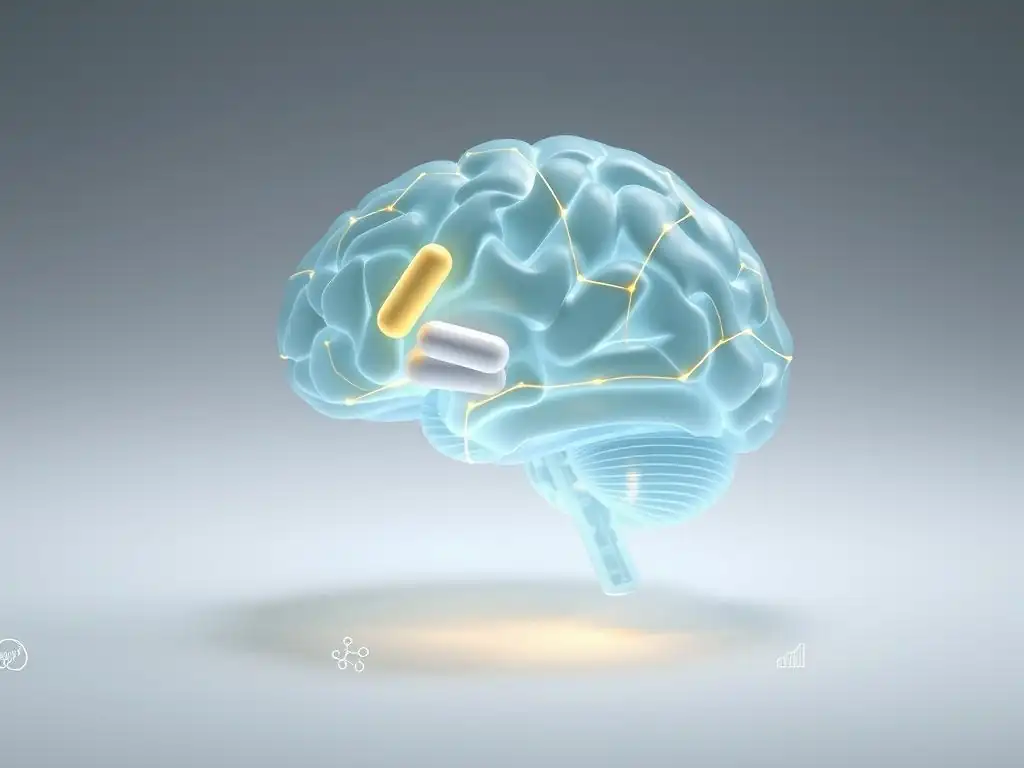
Pharmacogenomics in the Treatment of Major Depressive Disorder (MDD)
Major Depressive Disorder (MDD) is one of the most common mood disorders treated with medication, making it a prime target for pharmacogenomic research and application. Antidepressants, such as SSRIs, SNRIs, and TCAs, are frequently prescribed, and their metabolism is significantly influenced by CYP enzymes like CYP2D6, CYP2C19, and CYP2B6. Pharmacogenomic testing can identify variations in these enzymes that predict altered drug metabolism, helping clinicians select an antidepressant that is likely to be metabolized normally by the patient, or adjust the dose of one that is affected by their genetic profile.
Furthermore, research is exploring the role of genes related to drug targets and neurotransmitter pathways in predicting antidepressant response. While the evidence for these genes is generally less robust than for metabolism genes, they represent potential future targets for personalized treatment. Utilizing pharmacogenomics for MDD aims to improve the high non-response rates seen with initial treatments and minimize the debilitating side effects that can complicate recovery. This application is central to developing effective pharmacogenomics mood disorder treatment options.
Personalized Treatment Strategies for Bipolar Disorder using Genetic Information
Bipolar disorder, characterized by shifts between manic and depressive episodes, is another complex mood disorder where pharmacogenomics is beginning to play a role. Medications used to treat bipolar disorder include mood stabilizers (like lithium, valproate, lamotrigine), antipsychotics, and sometimes antidepressants. Many of these medications are also metabolized by CYP enzymes. For example, some antipsychotics used in bipolar treatment are metabolized by CYP2D6 and CYP3A4.
Genetic testing can help predict how quickly individuals metabolize these drugs, potentially influencing dosing to maintain therapeutic levels and reduce the risk of side effects, particularly with drugs that have a narrow therapeutic window, like some mood stabilizers. While pharmacogenomics for bipolar disorder is perhaps less developed than for MDD, the potential to personalize treatment based on how patients metabolize and respond to the diverse range of medications used in bipolar care is significant. This offers a pathway towards more tailored pharmacogenomics mood disorder treatment options.
Utilizing Pharmacogenomics for Anxiety Disorders Co-occurring with Mood Disorders
Anxiety disorders frequently co-occur with mood disorders, particularly depression. Treating these co-occurring conditions often involves medications like SSRIs and SNRIs, which are also commonly used for MDD. Since these medications are metabolized by the same set of CYP enzymes (CYP2D6, CYP2C19, etc. ), the pharmacogenomic principles applied to MDD treatment are often relevant for patients with co-occurring anxiety. Identifying genetic variations that affect the metabolism of these shared medications can help optimize treatment for both conditions simultaneously.
For example, if a patient with co-occurring depression and anxiety is prescribed an SSRI, pharmacogenomic testing can provide insights into how they will metabolize that specific drug, guiding dosage to ensure adequate levels for treating both sets of symptoms while minimizing side effects. While pharmacogenomics testing is not specific to anxiety disorders alone in the same way it is for metabolism of antidepressants, its utility in guiding medication selection for the common pharmacological treatments of co-occurring conditions makes it a valuable tool in comprehensive mental health care.
Considering Pharmacogenomics in Treatment-Resistant Depression (TRD)
Treatment-Resistant Depression (TRD) is defined as MDD that has not responded adequately to at least two different antidepressant trials. TRD is a major clinical challenge, and finding effective pharmacogenomics mood disorder treatment options is crucial. Pharmacogenomics testing is increasingly being considered as a tool in the management of TRD. One reason for treatment resistance might be pharmacokinetic issues – the drug isn't reaching therapeutic levels due to rapid metabolism, or side effects from slow metabolism are preventing adequate dosing or adherence.
In cases of TRD, pharmacogenomic testing can help identify if genetic variations are contributing to poor response or intolerance to previous medications. For example, if a patient failed trials on two different SSRIs metabolized by CYP2C19, and testing reveals they are an ultrarapid metabolizer for this enzyme, it might explain the lack of efficacy.
This information could then guide the selection of an antidepressant less affected by CYP2C19 metabolism or suggest alternative strategies. While TRD is complex and often involves multiple factors beyond genetics, pharmacogenomics offers one piece of the puzzle in developing more effective strategies for this challenging condition.
Interpreting Pharmacogenomic Test Results and Treatment Implications
Understanding Your Pharmacogenomic Report
Receiving a pharmacogenomic report can be empowering but also potentially overwhelming due to the technical nature of the information. Reports typically list the genes analyzed (e.g., CYP2D6, CYP2C19, SLC6A4), the specific variations or alleles found in your DNA, and an interpretation of how these variations may impact your response to various medications. For metabolism genes, the report often classifies individuals into categories like "poor metabolizer," "intermediate metabolizer," "extensive (normal) metabolizer," or "ultrarapid metabolizer" for specific enzymes.
The report will usually include a list of medications, often categorized by therapeutic area, indicating how your genetic profile might affect your response to each one. Color-coding is frequently used, such as green for medications where no significant gene-drug interaction was found (potentially standard dosing), yellow for those where a moderate interaction suggests caution or dose adjustment, and red for those where a significant interaction suggests potential issues with efficacy or increased risk of side effects, possibly recommending avoidance or significant dose alteration.
It's crucial to remember that these reports are not definitive prescriptions but rather guides to inform clinical decision-making.
Working with Your Doctor to Adjust Medication Based on Genetic Insights
Pharmacogenomic test results are intended to be used by healthcare providers in conjunction with other clinical information, such as your symptoms, diagnosis, medical history, other medications you are taking, and previous treatment responses. Your doctor will review the report with you, explaining what the findings mean in the context of your specific situation and current treatment plan.
For example, if your report indicates you are a poor metabolizer of a medication you are currently taking and experiencing side effects, your doctor might suggest reducing the dose or switching to an alternative medication that is less affected by your genetic profile.
If you are about to start a new medication, your doctor can use the report to help select a drug that is predicted to be a better fit for your genetic makeup, or to determine an appropriate starting dose. It's a collaborative process where genetic information is integrated into the broader clinical picture to optimize your pharmacogenomics mood disorder treatment options. Don't hesitate to ask questions about your report and how it influences the treatment plan.
Potential Drug-Gene Interactions and Alternative Treatment Options
The core of a pharmacogenomic report for mood disorders is identifying potential drug-gene interactions. For instance, a report might highlight that a common antidepressant is significantly metabolized by an enzyme (e.g., CYP2D6), and your genetic profile indicates you are an ultrarapid metabolizer of that enzyme. This constitutes a significant drug-gene interaction, suggesting the standard dose of that antidepressant might be ineffective for you because it's cleared from your body too quickly.
In such cases, the report and your doctor might discuss alternative treatment options. This could involve selecting a different antidepressant that is metabolized by a pathway less affected by your genetics, or, in some instances, adjusting the dose of the original medication significantly (though dose adjustments based solely on pharmacogenomics require careful clinical consideration). The goal is to avoid medications where known problematic drug-gene interactions exist for you and to favor those predicted to work more effectively and safely based on your genetic blueprint, enhancing the potential of pharmacogenomics mood disorder treatment options.
Limitations and Challenges of Pharmacogenomics in Mental Health
The Complexity of Gene-Environment Interactions
While pharmacogenomics provides valuable insights into how genes influence drug response, it's important to recognize that genes are not the only factor at play. Drug response is a complex phenotype influenced by a multitude of factors, including environmental influences, lifestyle choices (like diet and smoking), other medical conditions, age, sex, and the presence of other medications (which can cause drug-drug interactions that affect metabolism). These non-genetic factors can significantly impact how a person responds to medication, sometimes overshadowing or interacting with genetic predispositions.
For example, smoking can induce (speed up) the activity of certain CYP enzymes (like CYP1A2), potentially leading to faster metabolism of drugs metabolized by that enzyme, regardless of genetic variations. Similarly, certain foods or supplements can inhibit enzyme activity. Pharmacogenomic tests typically focus on genetic factors, and while increasingly sophisticated, they do not capture the full picture of these complex gene-environment and drug-drug interactions. Clinicians must integrate genetic information with all these other factors when making treatment decisions.
Ethical Considerations and Data Privacy
The use of pharmacogenomic testing in mental health raises several ethical considerations. Questions about data privacy and security are paramount, as genetic information is highly personal and potentially sensitive. Patients need assurance that their genetic data will be stored securely and used only for the intended purpose of informing their medical treatment, not for other purposes without explicit consent. There are also concerns about potential discrimination based on genetic information, although legal protections like the Genetic Information Nondiscrimination Act (GINA) in the United States aim to prevent discrimination in health insurance and employment.
Furthermore, there are ethical considerations around informed consent – ensuring patients fully understand what the test entails, what the results might mean, and the potential limitations before agreeing to testing. Clinicians also face ethical challenges in interpreting results and communicating them to patients in a way that is accurate, helpful, and doesn't lead to unnecessary anxiety or changes in behavior (e.g., stopping medication based solely on a "yellow" rating without clinical context).
Accessibility and Affordability of Pharmacogenomic Testing
Despite the potential benefits, accessibility and affordability remain significant challenges for widespread adoption of pharmacogenomic testing in mood disorder treatment. The cost of testing can vary widely depending on the panel size and the laboratory. While costs have decreased over time, they can still be a barrier for many individuals. Insurance coverage for pharmacogenomic testing for psychiatric medications is variable and often depends on the specific insurance plan and whether the test is deemed medically necessary.
Even when the test is covered, co-pays and deductibles can be substantial. Beyond cost, access to clinicians who are knowledgeable and comfortable interpreting and utilizing pharmacogenomic information in their practice can also be a limitation, particularly in underserved areas. Increasing the accessibility and affordability of these tests is crucial for ensuring that all individuals, regardless of their socioeconomic status, can potentially benefit from personalized pharmacogenomics mood disorder treatment options.
Need for Further Research and Clinical Validation
While research supporting the use of pharmacogenomics in predicting drug metabolism is robust for many genes and medications, the clinical utility and impact on patient outcomes for certain gene-drug pairs, particularly those related to drug targets or complex polygenic effects, require further validation through large-scale, prospective clinical trials. Demonstrating a consistent, clinically meaningful improvement in response rates, remission rates, or reduction in side effects directly attributable to pharmacogenomics-guided treatment compared to standard care is essential for widespread adoption and reimbursement.
The field is continuously evolving, with new genes being studied and our understanding of existing gene-drug interactions deepening. Ongoing research is needed to refine algorithms used in interpreting test results, explore the role of less common genetic variations, and investigate how pharmacogenomic information can be best integrated into complex treatment decisions, especially for challenging cases like TRD or bipolar disorder. Robust clinical validation is key to moving pharmacogenomics from a promising tool to a standard of care for pharmacogenomics mood disorder treatment options.
The Future of Pharmacogenomics in Psychiatry
Advancements in Genetic Testing Technologies
The technology for genetic testing is rapidly advancing, becoming faster, cheaper, and more comprehensive. Next-generation sequencing (NGS) technologies, for example, allow for the simultaneous analysis of hundreds or thousands of genes, potentially providing a more complete picture of an individual's genetic predispositions relevant to drug response. As these technologies become more accessible, future pharmacogenomic tests for mood disorders may expand beyond the current panel of metabolism genes to include a wider range of genes related to drug targets, disease susceptibility, and even genes that influence the likelihood of developing specific side effects.
Miniaturization and automation in laboratories are also contributing to increased efficiency and reduced costs. These technological advancements promise to make pharmacogenomic testing more widely available and provide more detailed and clinically relevant information to guide personalized pharmacogenomics mood disorder treatment options.
Integrating Pharmacogenomics into Routine Clinical Practice
A major goal for the field is to integrate pharmacogenomics into routine clinical practice for mental health conditions. This requires not only accessible and affordable testing but also enhanced education and training for healthcare providers – psychiatrists, primary care physicians, pharmacists, and genetic counselors. Clinicians need to feel confident in ordering tests, interpreting the complex reports, and applying the information effectively in shared decision-making with patients.
Electronic health records (EHRs) are increasingly incorporating pharmacogenomic decision support tools that can alert clinicians to potential drug-gene interactions when prescribing medications. As these tools become more sophisticated and integrated, they can help ensure that pharmacogenomic insights are considered automatically at the point of care. This integration is essential for pharmacogenomics to move from a specialized tool to a routine part of personalized pharmacogenomics mood disorder treatment options.
Developing New Medications Based on Pharmacogenomic Insights
Pharmacogenomic research is not only helping to optimize the use of existing medications but is also influencing the development of new drugs. By understanding how genetic variations affect drug response and identifying specific genetic targets involved in mood disorders, researchers can design medications that are more likely to be effective for specific patient populations or develop drugs that bypass metabolic pathways known to cause issues for large groups of people.
For example, if a genetic variant is strongly associated with poor response to a certain class of drugs, pharmaceutical companies might focus on developing drugs that work through alternative mechanisms or are metabolized differently. This gene-informed drug discovery process holds the potential to create more targeted and effective treatments from the ground up, further advancing personalized pharmacogenomics mood disorder treatment options.
The Role of Artificial Intelligence (AI) in Pharmacogenomics for Mood Disorders
Artificial Intelligence (AI) and machine learning are poised to play a significant role in the future of pharmacogenomics. AI algorithms can analyze vast amounts of complex data, including genetic profiles, clinical data, treatment responses, and side effect information, to identify patterns and predict drug response with greater accuracy than traditional methods. AI can help refine the interpretation of pharmacogenomic test results, integrating genetic data with other patient characteristics to provide more nuanced recommendations.
AI can also assist in identifying novel gene-drug associations, predicting potential drug-drug-gene interactions, and even simulating how different genetic profiles might respond to various treatment scenarios. As AI tools become more sophisticated, they can serve as powerful decision support systems for clinicians, helping them navigate the complexity of pharmacogenomic information and ultimately leading to more precise and effective personalized pharmacogenomics mood disorder treatment options.
Accessing Pharmacogenomic Testing
Questions to Ask Your Doctor About Pharmacogenomics
If you are considering pharmacogenomic testing for your mood disorder treatment, it's important to have an open conversation with your healthcare provider. Here are some questions you might consider asking:
- How could pharmacogenomic testing potentially help guide my mood disorder treatment?
- Is pharmacogenomic testing appropriate for my specific condition and current medications?
- Which genes are included in the test panel you recommend, and what do they tell us?
- How reliable and clinically validated is this test?
- How will the test results be used to inform my treatment plan?
- What are the potential benefits and limitations of testing for me?
- What is the cost of the test, and is it likely to be covered by my insurance?
- How long does it take to get the results, and who will explain them to me?
- How is my genetic information protected and kept private?
Asking these questions can help you understand the potential value of pharmacogenomics for your situation and make an informed decision about whether testing is right for you as part of exploring pharmacogenomics mood disorder treatment options.
Resources for Locating Pharmacogenomic Testing Services
Several laboratories and companies offer pharmacogenomic testing services relevant to psychiatric medications. You can often find these services through referrals from your healthcare provider. Some major diagnostic laboratories and specialized pharmacogenomics companies provide these tests. Many offer direct-to-consumer options as well, although it is strongly recommended that testing for medical purposes, especially for conditions like mood disorders, be ordered and interpreted by a qualified healthcare professional within the context of a clinical relationship.
Organizations focused on personalized medicine or specific mental health conditions may also provide information or lists of resources. Websites of professional organizations related to psychiatry or clinical pharmacology might offer guidance on finding testing services. When exploring options, look for laboratories that are certified (e.g., CLIA certified in the U.S.) and have demonstrated expertise in pharmacogenomic analysis and reporting for psychiatric medications.
Insurance Coverage for Pharmacogenomic Testing
Insurance coverage for pharmacogenomic testing for mood disorder treatment varies significantly depending on your insurance provider, your specific plan, and potentially your diagnosis or treatment history (e.g., documented treatment resistance). Some insurance companies are increasingly recognizing the value of pharmacogenomics in improving outcomes and reducing costs in the long run and may cover all or part of the test cost, especially if a patient has failed previous medication trials.
However, coverage is not universal, and some insurers may consider the test experimental or investigational. It is essential to verify coverage with your insurance provider before getting tested to understand potential out-of-pocket costs. Many laboratories offer assistance with insurance pre-authorization or provide patient assistance programs to help manage costs. Discussing insurance coverage with your doctor's office staff or directly with the testing laboratory can help clarify the financial aspects of pursuing pharmacogenomics mood disorder treatment options.
Conclusion: Embracing Personalized Treatment for Mood Disorders
The Potential of Pharmacogenomics to Transform Mental Healthcare
The journey to finding effective treatment for mood disorders can be arduous, marked by uncertainty and frustration. Pharmacogenomics offers a powerful tool to potentially transform this experience by providing a more personalized and data-driven approach to medication management. By leveraging insights from an individual's genetic makeup, clinicians can make more informed decisions about medication selection and dosing, moving away from the traditional trial-and-error method towards a more precise approach. This has the potential to reduce the time to effective treatment, minimize debilitating side effects, and improve overall outcomes for individuals struggling with conditions like depression and bipolar disorder.
While pharmacogenomics is not a panacea and has limitations, particularly regarding the complexity of mental illness and the need for further research, its current applications in predicting drug metabolism are already providing valuable guidance. As technology advances and our understanding deepens, the role of pharmacogenomics in mental healthcare is poised to grow, offering hope for more targeted and effective interventions.
Empowering Patients with Genetic Information for Informed Treatment Decisions
Pharmacogenomic testing also plays a crucial role in empowering patients. Receiving and understanding genetic information related to drug response can give individuals a greater sense of agency and control over their treatment journey. It provides concrete, biological reasons why certain medications may or may not have worked for them in the past and offers a rationale for future treatment choices. This knowledge can alleviate self-blame often associated with treatment failure and foster a more collaborative relationship between patients and their healthcare providers.
By being informed about how their unique genetic profile might influence medication response, patients can engage more actively in discussions about their treatment plan, ask relevant questions, and feel more confident in the decisions being made. This empowerment is a vital component of effective mental healthcare and underscores the value of integrating pharmacogenomics into personalized pharmacogenomics mood disorder treatment options.
Future Directions and Research Opportunities in Pharmacogenomics and Mental Health
The field of pharmacogenomics in mental health is dynamic and ripe with future possibilities. Ongoing research continues to identify new genetic markers associated with drug response and explore the complex interplay between genes, environment, and clinical outcomes. Future studies will likely focus on validating the clinical utility of larger gene panels, investigating polygenic risk scores (which consider the combined effect of multiple genetic variations), and understanding how pharmacogenomic data can be integrated with other biological markers (like protein levels or brain imaging) for even more precise predictions.
There is also a significant opportunity to improve access to and education about pharmacogenomics for both clinicians and patients. As the evidence base grows and technology becomes more affordable, the integration of pharmacogenomics into standard clinical guidelines for pharmacogenomics mood disorder treatment options is likely to expand, ultimately benefiting a greater number of individuals seeking effective and personalized care for their mental health.
Frequently Asked Questions
What is pharmacogenomics and how does it relate to mood disorders?
Pharmacogenomics studies how your genes affect your response to drugs. This allows for personalized treatment of mood disorders by predicting which medications are most likely to be effective and safe for you.
How can pharmacogenomic testing help in treating mood disorders?
Pharmacogenomic testing can identify genetic variations that influence drug metabolism and response. This information helps doctors select the most appropriate medication and dosage, potentially reducing side effects and improving treatment outcomes.
What types of mood disorders can benefit from pharmacogenomic testing?
Pharmacogenomics can be helpful in treating various mood disorders, including major depressive disorder, bipolar disorder, and anxiety disorders that often co-occur with mood disturbances.
Is pharmacogenomic testing a replacement for traditional methods of diagnosing and treating mood disorders?
No, pharmacogenomic testing is not a replacement, but rather a valuable tool that complements traditional methods. It provides additional information to guide treatment decisions, working alongside clinical assessment and patient history.
Where can I access pharmacogenomic testing for mood disorder treatment, and what are the associated costs?
Pharmacogenomic testing is typically ordered by a healthcare professional. The availability and cost of testing can vary depending on your location and insurance coverage, so it's important to discuss these aspects with your doctor.
Final Reflection: Charting a Course Towards Personalized Mental Healthcare
The integration of pharmacogenomics into mood disorder treatment represents a paradigm shift in mental healthcare, offering the potential for significantly improved outcomes and a reduction in the trial-and-error approach that often characterizes current practices. This is not merely a technological advancement; it's a fundamental change in how we understand and address mental illness, moving from a one-size-fits-all approach to a more precise and individualized strategy. The implications for patients struggling with debilitating conditions like depression and bipolar disorder are profound.
The journey towards truly personalized mental healthcare is far from over, but the progress made in pharmacogenomics is undeniably transformative. The ability to predict an individual's response to medication based on their genetic makeup offers hope where previously there was often only uncertainty and frustration. This resonates deeply with me, having witnessed firsthand the challenges faced by individuals navigating the complexities of mood disorder treatment. The greatest obstacle to discovery is not ignorance—it is the illusion of knowledge.
This quote highlights the importance of continuous research and refinement in this field, pushing beyond the limitations of traditional approaches.
Consider the implications of this knowledge. You, the reader, might be a healthcare professional seeking to optimize your patients' care, a researcher striving to unravel the complexities of the human genome, or simply an individual grappling with a mood disorder. Regardless of your background, I urge you to reflect on the potential of pharmacogenomics.
Embrace the opportunity to learn more, to advocate for personalized treatment options, and to contribute to a future where mental healthcare is truly tailored to the unique needs of each individual. The journey towards better mental health begins with a deeper understanding of ourselves, and pharmacogenomics provides a powerful tool to guide us on that path.
Unlock Your Personalized Path to Better Mood
Thanks for taking the time to explore the exciting world of pharmacogenomics and its impact on mood disorder treatment! You've gained valuable insights into how your unique genetic makeup can guide your treatment journey. Now, let's put this knowledge into action.
- Schedule a consultation with your doctor: Discuss your genetic predisposition and explore how pharmacogenomic testing can personalize your medication plan for more effective and safer mood management. This is the most crucial step towards optimizing your treatment.
- Share this article with a loved one: Help spread awareness about the potential of pharmacogenomics in improving mental health care. A conversation could make a world of difference.
- Explore online resources: Continue your learning journey by researching reputable organizations and studies focused on pharmacogenomics and mood disorders. Discover what more personalized medicine can offer.
What specific steps will you take to discuss pharmacogenomic testing with your doctor during your next appointment?