
The Secret to Understanding Your Feelings: Choosing the Right Mood Tracker


Welcome to Mind Care Guide, your compassionate companion on the journey to mental well-being.
Ever feel lost in a sea of emotions, struggling to understand what's truly going on inside? You're not alone. This guide is designed to help you navigate those turbulent waters, starting with a powerful tool: mood tracking. Discover the surprising mood tracker benefits for anxiety and how they can unlock a deeper understanding of your emotional patterns. Keep reading to find the perfect mood tracker and begin your personalized path to greater self-awareness and peace.
- Understanding the Power of Mood Tracking for Anxiety Relief: A Mind Care Guide
- Decoding Your Emotions: Key Features of Effective Mood Trackers
- Mood Tracker App Showdown: Comparing Top Options for Anxiety
- Choosing the Right Mood Tracker: A Personalized Approach to Anxiety Management
- Beyond the App: Maximizing the Benefits of Mood Tracking
-
Frequently Asked Questions
- How can a mood tracker specifically help with anxiety?
- What are the main mood tracker benefits for anxiety?
- What types of mood trackers are available, and which is best for managing anxiety?
- How frequently should I use a mood tracker to see benefits for anxiety?
- Can a mood tracker replace professional treatment for anxiety?
- Final Reflection: Unlocking Emotional Wellbeing Through Mindful Tracking
- Unlock Your Emotional Intelligence: Start Tracking Today!
Understanding the Power of Mood Tracking for Anxiety Relief: A Mind Care Guide
Why Track Your Mood? Unveiling the Benefits for Anxiety Management
Tracking your mood offers a powerful pathway to gaining clarity over your emotional landscape, particularly when navigating the complexities of anxiety. Anxiety can often manifest as a confusing whirlwind of feelings, making it difficult to pinpoint triggers or understand patterns. By consistently logging your emotional state, you create a tangible record that reveals insights you might otherwise miss.
This practice transforms abstract feelings into observable data points, helping you see connections between your activities, thoughts, and the intensity of your anxiety. For instance, you might notice through tracking that your anxiety levels consistently spike on Sunday evenings, perhaps linked to anticipating the work week, or that incorporating a 15-minute walk significantly reduces feelings of unease later in the day. This data-driven self-awareness is a crucial first step in developing effective coping strategies.
Beyond identifying patterns, the act of using a mood tracker provides a sense of control and empowerment. When anxiety feels overwhelming, the simple act of logging your mood, noting contributing factors, and perhaps recording a coping mechanism used can feel like a proactive step. This engagement shifts your focus from passively enduring anxiety to actively understanding and managing it.
Over time, reviewing your historical data can highlight progress – perhaps showing fewer high-anxiety days or a decrease in the average intensity of anxious feelings over several weeks or months. This visual evidence of improvement, even small shifts, can be incredibly validating and motivating, reinforcing positive behaviors and building resilience against future anxious episodes. The benefits of a mood tracker for anxiety extend beyond mere recording; it becomes a tool for self-discovery, pattern recognition, and fostering a sense of agency in your mental wellness journey.
Decoding Your Emotions: Key Features of Effective Mood Trackers
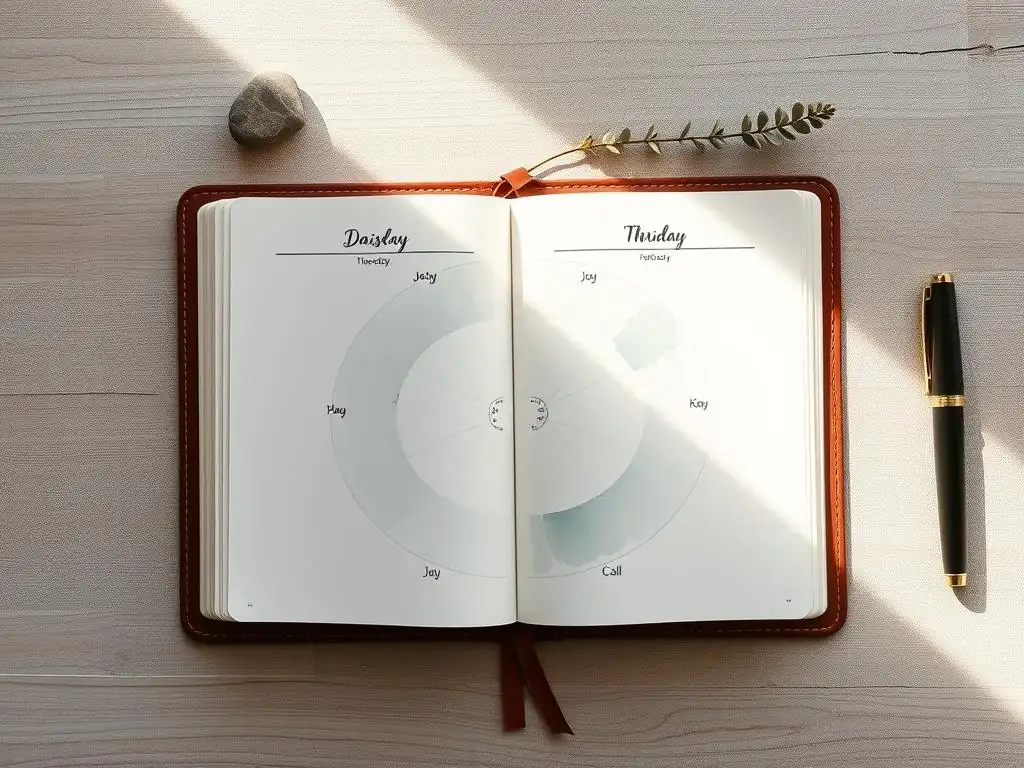
Must-Have Features in a Mood Tracker App for Anxiety Sufferers
For individuals grappling with anxiety, certain features in a mood tracker app are not just helpful, but essential for maximizing its therapeutic value. A critical feature is the ability to easily log not just a general mood (like happy, sad, or anxious), but also the intensity of that mood on a scale, perhaps from 1 to 10.
Anxiety can fluctuate greatly in severity throughout the day or week, and tracking intensity provides a more nuanced understanding of its impact. Coupled with this, the app should allow for detailed notes or tags.
This enables users to record potential triggers (e.g., "difficult conversation," "skipped lunch," "too much caffeine") and activities or coping mechanisms used (e.g., "meditated," "called a friend," "went for a run"). Without the ability to add context, a simple mood rating offers limited insight into why you felt a certain way, which is vital for identifying actionable steps to manage anxiety.
Another indispensable feature is robust data visualization and reporting. Simply inputting data isn't enough; the app needs to present it back in a way that is easy to understand and reveals patterns over time. Look for apps that offer charts or graphs showing mood trends daily, weekly, or monthly. Being able to see visually that your anxiety tends to peak on certain days or during specific periods can be incredibly informative.
Furthermore, some advanced apps might offer correlation analysis, suggesting potential links between logged activities or triggers and your mood. For example, an app might show a correlation between poor sleep and higher anxiety scores the following day. This type of data analysis empowers you to make informed decisions about lifestyle adjustments that can proactively help in managing your anxiety symptoms. The best mood tracker for anxiety will transform your raw data into meaningful, actionable insights.
Mood Tracker App Showdown: Comparing Top Options for Anxiety
Calm: Mindfulness and Mood Tracking Combined
Calm is widely recognized for its extensive library of guided meditations, sleep stories, and mindfulness programs. While primarily a meditation app, it incorporates mood check-ins and tracking features within its interface. The focus here is often on connecting your mood to your mindfulness practice and sleep quality, offering a holistic view that can be particularly beneficial for anxiety, as meditation and sleep are key coping strategies.
Users can rate their mood and often add brief notes about how they are feeling or what they have done. The integration means you can transition directly from logging anxiety to accessing a tool designed to alleviate it.
- Pricing: Calm offers a limited free version. A premium subscription, Calm Premium, is required for full access to content and typically costs around $14.99 USD per month or $69.99 USD per year. A lifetime subscription is also sometimes available for approximately $399.99 USD. Prices may vary by region and promotions.
- Affiliate Opportunity: Information about a public, widely accessible affiliate program for Calm is not readily available. Partnerships and corporate wellness programs are common, but direct affiliate opportunities for individual promoters are less publicized and may require specific inquiry.
Day One: Journaling and Mood Tracking for Emotional Clarity
Day One is a highly-regarded journaling app that excels in providing a rich environment for detailed entries, and it includes robust features for mood tracking. It allows users to not only select a mood but also add extensive text, photos, location data, and tags to each entry. This makes it ideal for those who find writing about their feelings a crucial part of managing anxiety.
You can deeply explore the context surrounding your moods, noting specific events, thoughts, or physical sensations. The search and tagging features make it easy to look back and find entries related to "anxiety triggers" or "coping success."
- Pricing: Day One offers a free basic version with core journaling features. The premium subscription, Day One Premium, unlocks unlimited journals, photos, audio recordings, and syncing across devices, typically costing around $2.92 USD per month (billed annually at $34.99 USD) or $4.99 USD per month (billed monthly).
- Affiliate Opportunity: Details regarding a public affiliate program for Day One are not easily found. As a niche, premium journaling app, they may focus more on direct sales or partnerships rather than broad affiliate marketing.
Reflectly: AI-Powered Mood Journaling
Reflectly positions itself as an AI-powered journaling app designed to help users structure their thoughts and gain insights into their well-being. It prompts users with questions about their day and feelings, making the process less daunting for those new to journaling or mood tracking. The app uses AI to help identify patterns and provide personalized insights based on entries, which can be particularly helpful for uncovering subtle trends related to anxiety. It focuses on reflecting on positive experiences alongside challenges, promoting a balanced perspective.
- Pricing: Reflectly offers a limited free version. The premium version, Reflectly Premium, is needed for full access to personalized insights, advanced statistics, and unlimited entries. Pricing typically ranges from $9.99 USD per month or $59.99 USD per year, though promotional pricing is common.
- Affiliate Opportunity: Information about a public affiliate program for Reflectly is not readily available. Like many wellness apps, they may prioritize direct customer acquisition or partnerships.
Moodpath: An Assessment and Tracking Tool for Mental Wellbeing
Moodpath is specifically designed as a mental health assessment and tracking tool. Over a 14-day period, it asks users daily questions about their emotional state, symptoms, and experiences. After the assessment period, it provides insights and summaries that can be shared with a therapist. While it serves as a mood tracker, its primary function is often geared towards identifying potential signs of depression and anxiety and facilitating conversations with mental health professionals. It's less about freeform journaling and more about structured data collection relevant to clinical assessment.
- Pricing: Moodpath offers a free version that includes the 14-day assessment and basic insights. Access to full analysis, progress tracking beyond the initial period, and additional content typically requires a premium subscription, which may cost around $9.99 USD per month or $59.99 USD per year. Pricing details can vary.
- Affiliate Opportunity: Details on a public affiliate program for Moodpath are not readily available. Given its focus on clinical relevance, partnerships might be geared towards healthcare providers or mental health platforms rather than general affiliates.
Choosing the Right Mood Tracker: A Personalized Approach to Anxiety Management

Identifying Your Needs: What Are You Hoping to Achieve with Mood Tracking?
Selecting the ideal mood tracker is a highly personal decision that should align directly with your specific goals for managing anxiety. Are you primarily interested in simply noting your mood and identifying basic triggers? Or do you want a tool that allows for deep, reflective journaling alongside your mood logs?
Perhaps you're looking for something that integrates with other wellness practices like meditation or sleep tracking, or a tool specifically designed to help you prepare information for therapy sessions. Understanding your core needs will narrow down the options significantly. For example, someone focused on identifying triggers for sudden panic attacks might prioritize an app with quick logging and detailed tagging capabilities, while someone working on general anxiety management might benefit more from an app that encourages daily reflection and tracks mood fluctuations over longer periods.
Consider how you plan to use the data the app collects. Do you want to see simple charts showing your mood trend over a week, or do you need sophisticated reports that might correlate your mood with factors like sleep, exercise, or social interactions? If you plan to share insights with a therapist, look for apps that offer exportable reports or summaries.
If you prefer a more guided experience, an app that prompts you with questions might be better than a blank journal page. Taking a moment to list what features are non-negotiable and what insights you hope to gain from using a mood tracker for anxiety will make the selection process much more effective and ensure the tool you choose truly supports your mental wellness journey.
Trial Periods and Free Features: Testing the Waters Before Committing
Before committing to a paid subscription for any mood tracker app, it is highly recommended to take advantage of free trials or robust free versions. Many apps offer a limited set of features for free, allowing you to experience the basic logging process and interface. This lets you see if the app's design resonates with you and if the core functionality meets your initial needs without any financial commitment.
A trial period, typically 7 or 14 days, offers access to the full suite of premium features. This is invaluable for testing advanced capabilities like detailed analytics, correlation reports, or premium content that might be crucial for your anxiety management strategy. Use this time to log diligently and explore all aspects of the app.
During the trial or when using the free version, pay close attention to the user experience. Is the app easy to navigate, even when you're feeling anxious or overwhelmed? Does the logging process feel like a chore, or is it quick and intuitive? Consider how well it fits into your daily routine – can you log your mood quickly throughout the day, or does it require significant time investment?
Test features like adding notes, tags, and reviewing past entries. If the app feels clunky, confusing, or doesn't provide the insights you were hoping for even with the premium features unlocked during a trial, it's likely not the right fit. Utilizing these free options is a smart way to ensure that the mood tracker you ultimately choose will be a tool you actually use consistently to benefit your anxiety.
Beyond the App: Maximizing the Benefits of Mood Tracking
While mood tracking is a powerful tool for self-discovery, the insights gained can be even more beneficial when shared appropriately, especially for managing anxiety. For individuals working with a therapist or counselor, sharing anonymized or summarized mood data can provide valuable objective information about your week or month between sessions. Instead of relying solely on memory, which can be distorted by current mood states, you can present concrete patterns of anxiety levels, triggers, and the effectiveness of coping mechanisms you've tried.
This allows therapists to gain a clearer picture of your daily struggles and successes, leading to more targeted and effective therapeutic interventions. For example, seeing a chart showing anxiety spikes before social events can lead to specific strategies for social anxiety.
It is crucial, however, to approach sharing data with privacy and safety in mind. Understand how the app handles your data and only share information through secure channels or by showing your therapist summaries on your device. Avoid sharing highly personal details in insecure ways.
Beyond professional help, discussing general trends or insights gained from your mood tracker with trusted friends or support groups can also be helpful. Sharing that "I've noticed my anxiety is much lower on days I get enough sleep" can open up conversations and reinforce positive habits within your support network. The key is to share mindfully, ensuring your privacy is protected while leveraging the data to enhance communication and support for your mental well-being.
Integrating Mood Tracking into Your Daily Routine
Consistency is key to unlocking the full benefits of a mood tracker for anxiety. Making mood tracking a regular part of your day helps build a comprehensive data set that reveals meaningful patterns over time. Find moments that naturally fit into your schedule.
This could be first thing in the morning, during a lunch break, or before bed. Some people find it helpful to set reminders on their phone to prompt them to log their mood at specific times. Aim for at least one entry per day, but consider logging multiple times if your moods fluctuate significantly or if you want to track the impact of specific events or activities on your anxiety throughout the day.
Don't let perfection be the enemy of progress. There will be days when you forget to log your mood, or when you only have time for a quick rating without detailed notes. That's okay. The goal is consistent effort, not flawless execution.
If you miss a day, simply pick up where you left off. Try to make the process as easy as possible – choose an app with a user-friendly interface and quick input options. The easier it is to use, the more likely you are to stick with it. By integrating mood tracking into your daily flow, you transform it from a sporadic task into a valuable habit that continuously provides insights, helping you better understand and manage your anxiety over the long term.
Frequently Asked Questions
How can a mood tracker specifically help with anxiety?
A mood tracker helps identify anxiety triggers by recording your feelings and associated events. This allows you to recognize patterns and correlations, leading to better management. Ultimately, it fosters self-awareness around anxious feelings.
What are the main mood tracker benefits for anxiety?
The primary benefits include improved self-awareness, the ability to identify triggers, and a greater sense of control over anxiety. These lead to more effective coping strategies and overall mental well-being.
What types of mood trackers are available, and which is best for managing anxiety?
Options range from digital apps to pen-and-paper journals. The "best" tracker depends on individual preference, but apps often offer convenience and data analysis, potentially beneficial for anxiety management.
How frequently should I use a mood tracker to see benefits for anxiety?
Consistent, daily tracking is ideal for identifying patterns and triggers. Even brief entries can provide valuable insights over time, leading to a better understanding of your anxiety.
Can a mood tracker replace professional treatment for anxiety?
No, a mood tracker is a supplementary tool, not a replacement for professional help. It can be a valuable asset in conjunction with therapy or medication, but it's not a cure for anxiety.
Final Reflection: Unlocking Emotional Wellbeing Through Mindful Tracking
Understanding and managing our emotions is no longer a luxury, but a necessity in today's fast-paced world. The pervasive impact of anxiety on modern life underscores the critical importance of tools like mood trackers, offering a pathway to self-awareness and proactive mental health management. This isn't just about identifying highs and lows; it's about building a deeper understanding of the intricate relationship between our thoughts, feelings, and behaviors.
The journey of self-discovery through mood tracking is profoundly personal, a testament to the power of introspection and self-compassion. It's about recognizing patterns, identifying triggers, and ultimately, taking control of our emotional landscape. This process has resonated deeply with me, reinforcing the importance of mindful self-care. The unexamined life is not worth living,
Socrates famously said, and this rings truer than ever when considering our emotional wellbeing. By actively engaging with our feelings, we empower ourselves to navigate life's challenges with greater resilience and grace.
Now, it's your turn. Consider the insights shared in this article – the benefits of consistent tracking, the different types of mood trackers available, and the potential for positive change. Choose a method that resonates with you, commit to a period of mindful tracking, and observe the transformative power of self-awareness. Don't just passively experience your emotions; actively engage with them, learn from them, and use that knowledge to build a more fulfilling and emotionally balanced life. The journey to understanding your feelings begins with a single step – the decision to start tracking.
Unlock Your Emotional Intelligence: Start Tracking Today!
Thanks for taking the time to explore the world of mood tracking with us! We hope you now have a clearer understanding of how choosing the right tracker can significantly improve your emotional well-being. Ready to take the next step?
- Begin your emotional journey: Select the mood tracking method that resonates most with you from the ones discussed and start tracking your feelings consistently. Even a few days of tracking can reveal insightful patterns!
- Share your experience: Let us know in the comments which method you’ve chosen and why! Connecting with others on this journey can make a big difference.
- Explore deeper: Consider experimenting with journaling alongside your chosen tracking method to gain an even richer understanding of your emotions.
What unique insight do you think consistent mood tracking will uncover about your emotional landscape?