
Getting Started with Online Couples Therapy: A StepbyStep Guide


Welcome to Mind Care Guide, your sanctuary for navigating the complexities of mental well-being. Are you and your partner facing challenges that feel overwhelming? You're not alone. Many couples are discovering the transformative power of connection through digital means. This article will guide you through online couples therapy step by step, revealing how to take the first (and often most difficult) steps towards a healthier, happier relationship. Curious to see how virtual sessions can bridge the distance? Let's begin...
Getting Started with Online Couples Therapy: A Step-by-Step Guide
- Introduction: Is Online Couples Therapy Right for You?
- Step 1: Identifying Your Needs and Goals for Couples Counseling Online
- Step 2: Choosing the Right Online Couples Therapy Platform
- Step 3: Setting Up Your Account and Matching with a Therapist
- Step 4: Preparing for Your First Online Couples Therapy Session
- Step 5: Engaging Actively in Online Couples Therapy Sessions
- Step 6: Monitoring Progress and Adjusting Your Approach
- Conclusion: Embracing Online Couples Therapy for a Healthier Relationship
-
Frequently Asked Questions
- What is online couples therapy, and how does it differ from traditional therapy?
- What are the potential benefits of choosing online couples therapy?
- What steps should I take to find a qualified online couples therapist?
- How does online couples therapy work step-by-step, from initial contact to ongoing sessions?
- What are some common challenges couples face in online therapy, and how can they be overcome?
- Final Reflection: Navigating Intimacy in the Digital Age
- Unlock Deeper Connection: Start Your Couples Therapy Journey Today!
Introduction: Is Online Couples Therapy Right for You?
Navigating the complexities of a relationship can be challenging, and sometimes couples need external support to communicate effectively, resolve conflicts, and strengthen their bond. Traditionally, this support came in the form of in-person couples counseling. However, with advancements in technology, online couples therapy step by step has become a convenient and effective alternative for many pairs seeking guidance from licensed therapists. This guide will walk you through the process, helping you understand how to embark on this therapeutic journey from the comfort of your own space.
Online couples therapy offers flexibility, accessibility, and often, a wider selection of therapists than might be available locally. It can be particularly beneficial for couples with busy schedules, those living in different locations, or individuals who feel more comfortable discussing sensitive topics from a familiar environment. Exploring this option is the first step in understanding how online couples therapy can potentially reshape your relationship dynamics and foster healthier interactions.
Step 1: Identifying Your Needs and Goals for Couples Counseling Online
Before diving into platforms and therapists, the crucial initial step in beginning online couples therapy is for both partners to reflect on the specific issues they wish to address and what they hope to achieve through the process. This introspection sets the foundation for a productive therapeutic journey. It's about pinpointing the core challenges that are impacting the relationship and envisioning the desired state of your partnership.
Defining Your Relationship Challenges and Desired Outcomes
Relationships face various stressors, from communication breakdowns and financial disagreements to infidelity, parenting conflicts, or simply feeling disconnected. Taking the time to articulate these challenges, perhaps by each partner listing their top concerns independently before discussing them together, can be incredibly illuminating. Common issues brought to therapy include frequent arguments that don't get resolved, a lack of intimacy, or difficulty navigating major life transitions like moving or starting a family. Identifying these pain points is the first part of this step-by-step process for online couples therapy.
Equally important is defining shared and individual goals. What would success look like after engaging in therapy? Goals could range from improving active listening skills, learning conflict resolution techniques, rebuilding trust, increasing emotional intimacy, or deciding on a future path for the relationship.
Research suggests that couples who enter therapy with clear, shared goals tend to experience more positive outcomes. For instance, a 2017 meta-analysis indicated that approximately 70-80% of couples who complete therapy report significant improvement in their relationship satisfaction, often linked to addressing specific, predetermined issues. Setting these intentions guides the therapeutic work and provides benchmarks for progress.
Assessing Your Compatibility with Online Couples Therapy
While online couples therapy step by step offers numerous advantages, it's not a perfect fit for every couple or every situation. Consider factors like your comfort level with technology – reliable internet access and a private space free from interruptions are essential. Both partners need to feel relatively at ease speaking openly via video call. Some couples might find the physical presence of a therapist in a room more conducive to deep emotional work, while others appreciate the convenience and perceived anonymity of the online format.
Furthermore, the severity of the relationship issues should be considered. While online therapy is effective for many common problems, couples dealing with severe domestic violence or acute safety concerns may require in-person support or other immediate interventions. Discussing these practical and personal preferences as a couple is a vital step in determining if online couples therapy aligns with your needs. Many platforms offer a free initial consultation or assessment call, which can be a good opportunity to gauge comfort levels and ask questions about the process.
Step 2: Choosing the Right Online Couples Therapy Platform
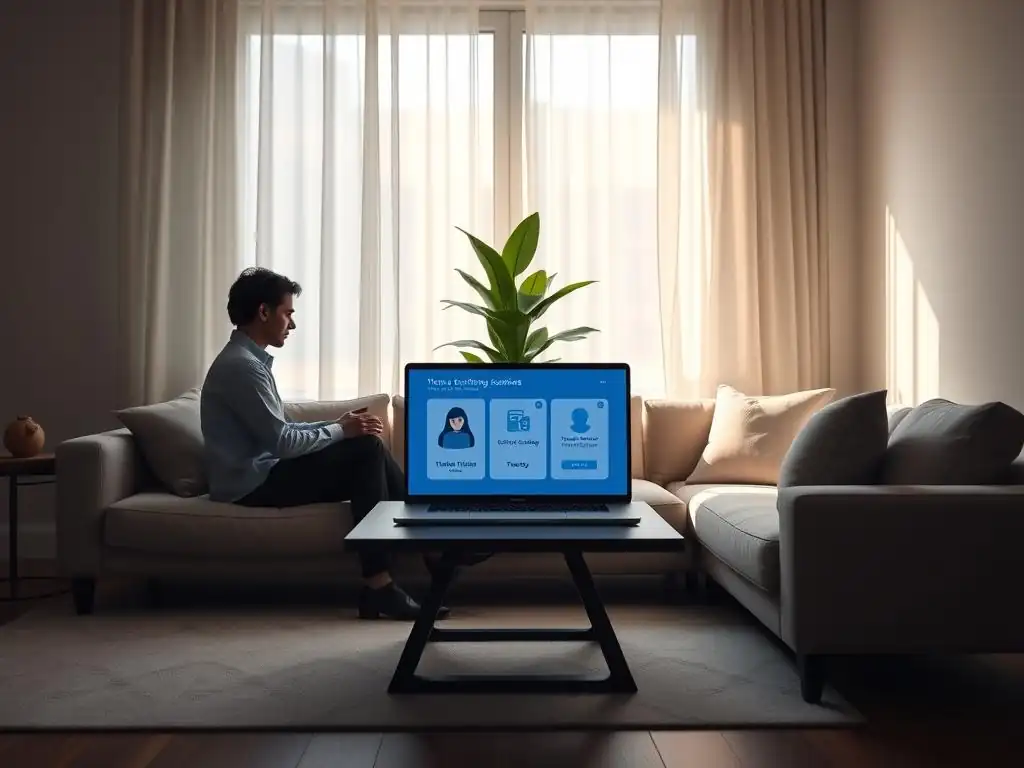
Once you and your partner have decided that online couples therapy is a viable option, the next significant step is selecting the platform that best meets your specific requirements. The online therapy landscape has expanded considerably, offering various services, pricing models, and therapist specializations. Taking the time to research and compare is crucial for finding a good fit.
Researching and Comparing Different Online Therapy Platforms
The market for online couples therapy platforms is diverse, with options ranging from large, well-known services to smaller, specialized providers. Start by looking at platforms that explicitly offer couples counseling, as not all general online therapy platforms do. Key aspects to investigate include the platform's reputation, user reviews, the licensing and qualifications of their therapists, and their approach to couples therapy. Some platforms might focus on specific modalities like Emotionally Focused Therapy (EFT) or Gottman Method, while others offer a broader range.
Consider the cost structure as part of this step-by-step research for online couples therapy. Pricing models vary widely; some charge a weekly or monthly subscription fee that might include a certain number of live sessions, while others operate on a pay-per-session basis. For example, session costs can range from approximately $60 to $250 or more, depending on the platform, therapist's qualifications, and session length (typically 45-60 minutes). Check if they accept insurance, as coverage for online mental health services is becoming more common, though it varies significantly by provider and plan.
Key Features to Look for in an Online Couples Therapy Platform
Beyond cost and therapist qualifications, several platform features can enhance your online couples therapy experience. Look for platforms that offer flexible scheduling options, allowing both partners to easily book sessions that fit their potentially conflicting schedules. The availability of different communication formats – video calls are standard for couples therapy, but secure messaging or phone calls might be supplementary options – is also worth considering.
Privacy and data security are non-negotiable features. Ensure the platform is HIPAA-compliant (in the U.S.) or adheres to equivalent privacy standards in your region, protecting your sensitive information. A user-friendly interface, reliable video technology, and accessible customer support are also practical considerations that contribute to a smooth step-by-step engagement with online couples therapy. Some platforms also offer supplementary resources like worksheets, articles, or journaling features which can complement the therapy sessions.
Comparing Online Therapy Platforms: A Detailed Look
To illustrate the comparison process, let's consider hypothetical platform types. Platform A might be a large, subscription-based service with a vast network of therapists, offering unlimited messaging and weekly live sessions for a flat monthly fee. This could be appealing for couples who anticipate needing frequent contact and support. A potential drawback might be less control over therapist selection initially.
Platform B, on the other hand, might be a smaller, specialized platform focusing exclusively on couples therapy with therapists trained in specific modalities like EFT. They might charge per session, potentially at a higher rate, but offer more personalized matching and access to highly specialized expertise. This could be better for couples seeking a particular therapeutic approach.
Platform C might be a hybrid, offering both subscription and pay-per-session models, with varied therapist profiles. Comparing these structures against your budget, desired therapy style, and scheduling needs is a critical step in choosing the right online couples therapy provider. Many review sites and comparison articles provide detailed breakdowns of costs, features, and user experiences across popular platforms, which can aid your decision-making process.
Step 3: Setting Up Your Account and Matching with a Therapist
Once you've selected a platform, the next practical step in starting online couples therapy is the onboarding process. This typically involves creating an account and providing information that will help the platform match you with a suitable therapist. While the exact steps vary by platform, understanding the general flow can ease the process.
Creating Your Profile and Completing the Assessment Questionnaire
Setting up your account usually involves providing basic demographic information for both partners. A crucial part of this step is completing an assessment questionnaire. This questionnaire gathers details about your relationship history, the specific issues you're facing (as identified in Step 1), your therapy goals, and any preferences you have regarding a therapist (e.g., gender, age range, specific clinical approach like CBT or Gottman Method, background). Be as honest and detailed as possible in your responses, as this information directly impacts the therapist matching process.
For example, you might be asked about the duration of your relationship, significant life events you've experienced together, the frequency and nature of your conflicts, and what you hope to achieve from online couples therapy step by step. Some platforms might also ask about availability preferences to help match you with therapists whose schedules align with yours. Providing comprehensive information at this stage helps ensure you are matched with a therapist who has relevant experience and expertise in the areas you need support with.
The Therapist Matching Process: What to Expect
After completing your profile and questionnaire, the platform uses this information to match you with a licensed therapist or a small selection of therapists. This process can take anywhere from a few hours to a few days, depending on the platform. Some platforms automatically assign a therapist based on algorithms, while others have a manual review process. You might receive one therapist match or be given a choice of several profiles to review.
When reviewing therapist profiles, look at their credentials, years of experience, areas of specialization (specifically in couples therapy), and their therapeutic approach. Many platforms provide a brief bio or even an introductory video. If you are matched with a therapist who doesn't feel like a good fit after reviewing their profile, most reputable platforms allow you to request a different therapist.
This is a key advantage of many online couples therapy step-by-step processes – the flexibility to find a therapist you both feel comfortable and confident working with. Don't hesitate to utilize this option if necessary; a strong therapeutic alliance is crucial for effective outcomes.
Step 4: Preparing for Your First Online Couples Therapy Session
With your therapist matched and your first session scheduled, the next step is to prepare yourselves and your environment for the initial meeting. Proper preparation can help ease any anxiety and ensure you make the most of your first experience with online couples therapy. This involves both practical arrangements and mental readiness.
Setting the Stage for a Successful Session
Choosing a private, quiet, and comfortable space is paramount for online couples therapy. Ensure you have reliable internet access and a device with a camera and microphone (a laptop or tablet is often better than a phone for visibility). Minimize potential distractions – turn off notifications, silence phones, and make arrangements for children or pets. Both partners should ideally be in the same physical location during the session, sitting side-by-side or close to each other, using the same device, to foster a sense of unity and shared experience, though this isn't always possible for couples in different locations.
Practicing a quick tech check beforehand can prevent last-minute glitches. Ensure your camera and microphone work and that the platform's video client is functioning correctly. Having a glass of water and a notepad and pen nearby can also be helpful.
Mentally, it's beneficial to briefly review the goals you identified in Step 1 and consider what you hope to discuss in the first session. Remember that the first session is often introductory, allowing the therapist to get to know you as a couple and understand your history and challenges. This preparation is a valuable step in getting online couples therapy underway smoothly.
Understanding the Role of the Therapist
In your first session, the therapist will typically explain their approach, confidentiality policies, and the structure of future sessions. Their primary role is to create a safe, neutral, and supportive environment where both partners feel heard and understood. They act as a facilitator, guiding conversations, identifying negative interaction patterns, and teaching communication and conflict resolution skills. They are not there to take sides or act as a judge.
The therapist will ask questions to understand the history of your relationship, the current issues, and your individual perspectives. They might observe how you interact with each other during the session. Their expertise lies in identifying underlying dynamics and helping you both see the relationship system more clearly. Recognizing that the therapist is a trained professional guiding a process, rather than someone providing quick fixes, is an important part of this step-by-step journey into online couples therapy. They will introduce strategies and techniques, but the work of implementing them falls to the couple.
Step 5: Engaging Actively in Online Couples Therapy Sessions

Attending sessions is just one part of the process; active engagement during and between sessions is critical for seeing positive changes through online couples therapy. This means being present, open, and willing to participate fully, even when discussing difficult topics.
Active Listening and Empathetic Communication
A core component of successful couples therapy, whether online or in-person, is improving communication. Your therapist will likely guide you in practicing active listening – truly hearing and understanding your partner's perspective without interrupting or formulating your rebuttal. This involves paying attention not just to the words, but also to the emotions being conveyed. Paraphrasing what you've heard to ensure understanding is a technique often taught and practiced in sessions.
Empathetic communication goes hand-in-hand with active listening. It's about trying to understand and share your partner's feelings, even if you don't agree with their viewpoint. Your therapist might introduce specific communication structures, like using "I" statements instead of accusatory "You" statements (e.g., "I feel lonely when we don't spend time together" vs. "You never spend time with me"). Consistently applying these techniques during your online couples therapy sessions and practicing them at home is a fundamental step towards healthier interactions. Many couples report that simply learning to communicate more effectively resolves a significant portion of their conflicts.
Implementing Strategies and Techniques Learned in Therapy
Therapy is not just about talking; it's about learning and applying new skills. Your therapist will provide strategies tailored to your specific challenges. This might include techniques for managing anger, negotiating differences, expressing appreciation, or increasing intimacy. They might assign "homework" exercises to practice between sessions, such as scheduling dedicated time for connection, practicing a specific communication technique, or working through a conflict using new tools.
Successfully navigating online couples therapy step by step requires both partners to commit to doing this work outside of the scheduled session time. For example, if conflict resolution is a goal, the therapist might teach a structured method like the "repair attempt" where partners learn to quickly de-escalate arguments. Practicing this during a real disagreement at home reinforces the learning. Consistency in implementing these strategies is often the differentiating factor between couples who see significant improvement and those who don't. It requires conscious effort and mutual commitment.
Step 6: Monitoring Progress and Adjusting Your Approach
As you continue with online couples therapy, it's important to periodically assess your progress towards the goals you set in Step 1. Therapy is a dynamic process, and checking in on what's working and what isn't allows you to make necessary adjustments to your approach and discuss them with your therapist.
Tracking Your Relationship Goals and Outcomes
Regularly revisit the specific challenges and desired outcomes you identified at the beginning of your online couples therapy journey. Are you arguing less frequently? Do you feel more connected? Are you using the communication skills you've learned? Keeping a shared journal or simply dedicating time each month to discuss your progress as a couple can be beneficial. It helps reinforce the positive changes and highlight areas that still need attention.
Your therapist will also likely check in on your progress. They might use standardized questionnaires periodically to measure changes in relationship satisfaction or specific symptoms (like conflict frequency or emotional distance). Discussing these observations openly with your therapist is a key step in ensuring the therapy remains effective and aligned with your needs. For instance, data from various studies on couples therapy effectiveness often show gradual improvement over several months, with significant shifts often noted after 12-20 sessions, depending on the complexity of the issues. Tracking your own progress helps make this data feel personal and actionable.
Communicating with Your Therapist About Your Progress
Open and honest communication with your therapist is vital. If you feel therapy isn't progressing as you hoped, if the goals have shifted, or if you have concerns about the therapist's approach, bring these up directly. Your therapist is there to support you, and constructive feedback allows them to tailor the sessions more effectively. For example, you might say, "We've been working on communication, which is better, but we feel we haven't addressed the underlying trust issues sufficiently yet."
Similarly, celebrate successes with your therapist. Acknowledging progress, no matter how small, reinforces positive changes and motivates continued effort. This ongoing dialogue ensures that your online couples therapy step by step journey remains targeted and productive, allowing the therapist to adjust techniques, focus on different areas, or even discuss the possibility of reducing session frequency as you approach your goals. Therapy is a collaborative process, and your active feedback is a crucial part of that collaboration.
Conclusion: Embracing Online Couples Therapy for a Healthier Relationship
Embarking on online couples therapy step by step is a significant commitment to the health and longevity of your relationship. From identifying your core needs and selecting the right platform to actively engaging in sessions and monitoring your progress, each step plays a vital role in this transformative journey. While challenges may arise, the flexibility and accessibility of online therapy make it a powerful tool for couples seeking to improve communication, resolve conflicts, and deepen their connection from the convenience of their own space.
By following this step-by-step guide for online couples therapy, you are equipping yourselves with the knowledge and structure needed to navigate the process effectively. Remember that building a stronger relationship is an ongoing effort, and therapy provides the guidance and tools to foster lasting positive change. Embrace the process with patience, openness, and mutual commitment, and you can lay the foundation for a healthier, more fulfilling partnership.
Frequently Asked Questions
What is online couples therapy, and how does it differ from traditional therapy?
Online couples therapy utilizes digital platforms to deliver therapy sessions. It differs from traditional therapy by offering remote access and increased flexibility in scheduling.
What are the potential benefits of choosing online couples therapy?
Potential benefits include convenience, accessibility for remote couples, and potentially lower costs compared to in-person sessions. It can also reduce the stigma associated with seeking help.
What steps should I take to find a qualified online couples therapist?
First, check the therapist's credentials and licensure. Next, look for specialization in couples therapy. Finally, consider reading reviews and scheduling an initial consultation.
How does online couples therapy work step-by-step, from initial contact to ongoing sessions?
Typically, you'll start with an initial consultation. Then you will move to assessment and goal setting. After that comes regular sessions using video conferencing.
What are some common challenges couples face in online therapy, and how can they be overcome?
Challenges include technical difficulties, distractions at home, and difficulty reading non-verbal cues. Overcoming these involves ensuring a stable internet connection, minimizing distractions, and clearly communicating feelings.
The accessibility of online couples therapy is revolutionizing relationship support, offering a lifeline to countless couples who might otherwise struggle to access professional help. This shift towards virtual connection is not merely a technological advancement; it's a fundamental change in how we approach intimacy and seek support for our most vulnerable relationships. The convenience and flexibility offered by online platforms are breaking down barriers to care, making professional guidance more readily available than ever before.
The journey of navigating a relationship, especially during challenging times, is deeply personal and often fraught with complexities. The impact of online therapy extends beyond the individual sessions; it fosters a culture of open communication and self-reflection, crucial elements for lasting relationship health. The most important thing in communication is hearing what isn't said.
- Peter Drucker. This quote highlights the subtle nuances of relational dynamics that online therapy, with its structured approach and trained professionals, can help couples unpack and understand.
Now, consider your own relationships. What steps can you take today to foster greater understanding and connection? Perhaps it's scheduling a dedicated time for open communication, actively listening without judgment, or even exploring the possibility of online couples therapy as a proactive measure to strengthen your bond. Remember, investing in your relationship is an investment in your overall well-being. Take the first step towards a healthier, more fulfilling partnership – your future self will thank you.
Unlock Deeper Connection: Start Your Couples Therapy Journey Today!
Thanks for taking the time to explore the world of online couples therapy with us! We hope this guide has equipped you with valuable insights and a clear path forward. Now it's time to take the next step towards a stronger, more fulfilling relationship.
- Schedule a free consultation: This is the most important step – many therapists offer brief introductory calls to discuss your needs and see if they're the right fit. Don't hesitate to reach out!
- Explore different therapist profiles: Take your time browsing and finding a therapist whose approach resonates with you both. Look for specializations relevant to your challenges.
- Share this article with your partner: Starting this journey together means talking openly and honestly. Sharing this guide is a great starting point for that conversation.
What specific aspect of online couples therapy resonates most with you, and what's the first step you'll take today to improve your communication and connection?