
Online Couples Therapy Privacy: How Secure Are Your Conversations?

Welcome to Mind Care Guide, a space dedicated to nurturing your mental well-being. Feeling hesitant about seeking help for your relationship? You're not alone. Many couples wonder about the safety of discussing sensitive matters online. Is secure online couples therapy truly possible? Dive into our article "Online Couples Therapy Privacy: How Secure Are Your Conversations?" to uncover the protections and potential pitfalls, empowering you to make informed decisions about your journey towards a healthier relationship. Let's explore the facts together and ease your concerns.
- Secure Online Couples Therapy: Protecting Your Intimacy in the Digital Age
- Why is Privacy Important in Online Couples Therapy?
- Common Privacy Vulnerabilities in Online Couples Therapy Platforms
- Assessing the Security of Online Couples Therapy Platforms
- Recommended Secure Online Couples Therapy Platforms
- Actions You Can Take to Enhance Privacy During Online Couples Therapy
-
Addressing Misconceptions About Online Couples Therapy Privacy
- Myth: Online Therapy is Inherently Less Secure Than In-Person Therapy
- Reality: Secure platforms offer comparable or even superior security measures through encryption and access controls.
- Myth: Therapists Don't Prioritize Client Privacy in Online Settings
- Reality: Reputable therapists and platforms adhere to ethical guidelines and legal requirements to protect client data.
- Secure Online Couples Therapy: A Path to a Healthier Relationship
-
Frequently Asked Questions
- What exactly is secure online couples therapy and how does it differ from traditional in-person therapy?
- What are the primary privacy risks associated with online couples therapy, and how can couples mitigate them?
- How do secure online couples therapy platforms ensure the confidentiality of conversations and data?
- What should couples look for in an online therapy platform to ensure their privacy and data security are protected?
- What legal protections are in place for couples engaging in secure online couples therapy regarding the privacy of their conversations?
- Final Reflection: The Untapped Potential of Secure Online Couples Therapy
- Unlock Deeper Connection: Take Charge of Your Therapy Privacy
Secure Online Couples Therapy: Protecting Your Intimacy in the Digital Age
The Growing Need for Secure Online Couples Therapy
The landscape of relationship counseling has significantly evolved, with secure online couples therapy becoming an increasingly popular and accessible option for partners seeking support. This shift is driven by factors such as convenience, the ability to connect with therapists regardless of geographical location, and the comfort of engaging in therapy from a familiar environment like home.
For couples navigating complex issues, the flexibility offered by virtual sessions can remove significant barriers to accessing timely and consistent help. As the demand for digital health services, including therapy, continues its upward trajectory, ensuring the security and confidentiality of these sensitive conversations is paramount.
This growing reliance on digital platforms for intimate discussions necessitates a deep understanding of the privacy implications involved. While the accessibility of secure online couples therapy is a major advantage, it also introduces potential vulnerabilities that were less prevalent in traditional in-person settings. Concerns range from the security of the video conferencing software itself to how personal and therapeutic data is stored and managed. Addressing these concerns proactively is crucial for both clients and therapists to build trust and ensure the effectiveness of the therapeutic process in a digital space.
Understanding the Privacy Concerns in Digital Relationship Counseling
Engaging in relationship counseling online means entrusting highly personal and often vulnerable information to a digital platform. Unlike a therapist's physical office, which operates within a closed and controlled environment, online therapy involves transmitting data over the internet and storing it electronically. This introduces a new set of potential privacy risks that clients need to be aware of. Concerns commonly revolve around who might potentially access the session content, how data is protected from cyber threats, and the policies governing the use and storage of personal health information by the online therapy provider.
Moreover, the very nature of digital communication means that data is often processed and stored by third parties, such as video conferencing service providers or cloud storage solutions. Understanding these dependencies and the security measures employed by each link in the chain is vital for clients to feel confident in the security of their online couples therapy sessions. Without robust security protocols and clear communication about data handling practices, the potential for breaches or unauthorized access can erode trust and hinder the openness necessary for effective therapy.
Why is Privacy Important in Online Couples Therapy?
The Sensitive Nature of Relationship Discussions
Discussions within couples therapy often delve into the deepest, most vulnerable aspects of a relationship – including conflicts, past hurts, sexual intimacy, financial disagreements, and personal insecurities. This information is highly sensitive and intensely private. Partners share details they may not disclose to anyone else, relying on the confidential space created by the therapeutic relationship. Maintaining the absolute privacy of these conversations is not merely a matter of technical security; it's foundational to the trust between the couple and the therapist, and essential for fostering an environment where honest communication can thrive.
The unique intimacy of online couples therapy sessions requires participants to feel completely secure that their shared vulnerabilities will remain confidential. Any perceived risk to privacy, no matter how small, can create hesitation, leading partners to hold back important information or feel unsafe expressing their true feelings. This guardedness can significantly impede the therapeutic progress, preventing the couple from addressing the root causes of their issues and working towards healing. Therefore, ensuring secure online couples therapy environments is critical for enabling the necessary depth and honesty required for successful relationship counseling.
In the digital realm, the threat of data breaches and unauthorized access is a significant concern for any service handling sensitive information, including secure online couples therapy platforms. Cybercriminals may attempt to gain access to therapeutic records, session recordings (if applicable), or personal identifying information. The consequences of such a breach can be severe, ranging from identity theft and financial fraud to the deeply damaging public exposure of private relationship struggles. For individuals and couples seeking help, a data breach could have devastating personal and professional repercussions.
For example, a breach affecting a therapy platform could potentially expose details about infidelity, mental health diagnoses, or family conflicts, leading to stigma, damaged reputations, or even legal issues. While exact figures for therapy platform breaches are often not publicly disclosed due to privacy concerns, the healthcare sector overall remains a prime target for cyberattacks, with millions of patient records compromised annually. This underscores the critical need for online therapy platforms to implement rigorous security measures to protect the highly sensitive data entrusted to them during secure online couples therapy sessions.
Impact on Trust and Therapeutic Alliance
Trust is the bedrock of any therapeutic relationship, and this is doubly true in couples therapy, where partners must trust both the therapist and the process itself. In the context of secure online couples therapy, trust also extends to the platform being used. If clients have doubts about the security or privacy of the digital environment, it can severely undermine their trust in the therapist and the therapeutic alliance. The therapeutic alliance, defined as the collaborative and affective bond between client and therapist, is a strong predictor of successful therapy outcomes.
A lack of confidence in privacy can manifest as anxiety, reluctance to share openly, or even dropping out of therapy altogether. Clients need to feel safe to be vulnerable, and knowing that their intimate conversations are protected by robust security measures is fundamental to creating that sense of safety. Conversely, platforms that prioritize and clearly communicate their security practices help build confidence, strengthen the therapeutic alliance, and ultimately contribute to more effective and impactful secure online couples therapy sessions.
Common Privacy Vulnerabilities in Online Couples Therapy Platforms
Unencrypted Communication Channels
One of the most significant privacy vulnerabilities in online communication, including therapy sessions, is the use of unencrypted channels. Without encryption, the data transmitted between the client and the therapist is essentially sent in plain text, making it potentially readable if intercepted. This is akin to having a conversation in a public space where anyone nearby can overhear. For sensitive discussions in secure online couples therapy, transmitting data without encryption is a critical security lapse that puts client confidentiality at serious risk.
While many modern communication tools offer some level of encryption, it's crucial to understand the type of encryption used. End-to-end encryption, where only the sender and receiver can decrypt the message, offers the highest level of security. Platforms that do not implement strong encryption protocols, or where encryption is not enabled by default, expose client communications to potential interception by malicious actors, network providers, or even surveillance entities, directly compromising the privacy essential for secure online couples therapy.
Weak Password Protection and Account Security
Even the most technically secure platform can be compromised if users and the platform itself do not enforce strong password policies and account security measures. Weak or easily guessable passwords are a common entry point for unauthorized access. If a platform doesn't require strong passwords (e.g., a mix of uppercase and lowercase letters, numbers, and symbols) or doesn't enforce regular password changes, user accounts become vulnerable to brute-force attacks or credential stuffing using leaked passwords from other breaches.
Furthermore, if a platform lacks features like two-factor authentication (2FA), which requires a second form of verification beyond just a password, account security is significantly weakened. Without 2FA, a compromised password is often enough for an attacker to gain full access to a client's or therapist's account, potentially exposing session schedules, notes, and even access to past session recordings. Robust account security measures are a fundamental layer of defense in ensuring secure online couples therapy.
Insufficient Data Storage and Handling Practices
How client data is stored and managed by an online therapy platform is another critical area for potential privacy vulnerabilities. If data is stored on insecure servers, without proper access controls, or without encryption at rest, it becomes susceptible to breaches. Insufficient handling practices might include retaining data for longer than necessary, not properly anonymizing or de-identifying data used for research or platform improvement, or allowing unauthorized personnel access to sensitive information.
Platforms must adhere to strict data retention policies and secure storage methods that comply with relevant privacy regulations like HIPAA in the United States. For instance, storing unencrypted therapy notes on a standard cloud service without specific security configurations is a significant risk. Secure online couples therapy platforms should use encrypted databases, restrict access to authorized personnel only, and have clear protocols for data backup, recovery, and secure deletion when data is no longer needed, minimizing the window of opportunity for data compromise.
Third-Party Integration Risks (e.g., Video Conferencing Software like Zoom, Google Calendar)
Online therapy platforms often rely on integrations with third-party services for core functionalities like video conferencing, scheduling, or payment processing. While these integrations can enhance usability, they also introduce potential privacy risks if the third-party service itself is not secure or if the integration is not implemented correctly. For example, using a standard version of a popular video conferencing tool not specifically designed for healthcare, without proper security configurations, could expose session data.
Historically, some widely used video conferencing platforms have faced scrutiny over privacy concerns, such as "Zoombombing" (uninvited participants joining a session) or how data was handled. While many platforms have improved security, relying on a third-party service means the therapy platform's security is partly dependent on the security practices of that external provider. Secure online couples therapy platforms should ideally use integrated, purpose-built video solutions or carefully vet and configure third-party services to ensure they meet stringent privacy and security standards, minimizing risks associated with external dependencies.
Assessing the Security of Online Couples Therapy Platforms

Key Security Features to Look For
When choosing a platform for secure online couples therapy, understanding and evaluating its security features is essential. These features are the technical safeguards designed to protect your sensitive conversations and personal information from unauthorized access and cyber threats. Looking for specific technical implementations and compliance certifications can provide a clearer picture of a platform's commitment to privacy. It's not just about convenience; it's about ensuring the digital space for your therapy is as safe and confidential as a physical office would aim to be.
Platforms that prioritize security will often highlight these features prominently. Don't hesitate to ask potential platforms or therapists about their security protocols. A reputable provider of secure online couples therapy will be transparent about the measures they have in place to protect your data. Understanding these features empowers you to make an informed decision about where to seek support, ensuring your focus remains on your relationship and therapeutic goals, rather than worrying about the security of the platform itself.
End-to-End Encryption: Protecting Your Conversations
End-to-end encryption (E2EE) is arguably the most critical security feature for protecting the confidentiality of your online couples therapy sessions. With E2EE, your messages, audio, and video are encrypted on your device and can only be decrypted by the recipient's device. This means that even if the data is intercepted while in transit over the internet, it appears as scrambled code and is unreadable to anyone other than the intended participants (you, your partner, and your therapist).
Platforms that implement robust E2EE for their communication channels significantly reduce the risk of eavesdropping or interception. For instance, some secure online couples therapy platforms build their own encrypted communication tools rather than relying on standard, non-E2EE video conferencing services. Always verify that the platform explicitly states they use end-to-end encryption for your live sessions and messages, as this is a fundamental layer of protection for your private relationship discussions.
HIPAA Compliance: Ensuring Data Protection
For platforms operating with clients in the United States, compliance with the Health Insurance Portability and Accountability Act (HIPAA) is a strong indicator of a commitment to data privacy and security. HIPAA sets stringent national standards for protecting sensitive patient health information (PHI). Platforms that are HIPAA compliant have implemented specific administrative, physical, and technical safeguards to ensure the confidentiality, integrity, and availability of electronic protected health information (ePHI).
Choosing a HIPAA-compliant platform for secure online couples therapy provides an assurance that the provider understands and adheres to legal requirements for protecting your health data. While HIPAA is specific to the US, many international privacy regulations share similar principles. Looking for platforms that explicitly state HIPAA compliance, or compliance with equivalent regional data protection laws (like GDPR in Europe), demonstrates that they have undergone external scrutiny and implemented recognized security frameworks to protect your sensitive relationship counseling data.
Secure Video Conferencing Protocols: Look for platforms using WebRTC with SRTP
The technology underpinning the video calls themselves is crucial for secure online couples therapy. Many secure platforms utilize WebRTC (Web Real-Time Communication), an open-source project that enables real-time communication directly within web browsers. Importantly, WebRTC includes built-in security features, such as encryption. Specifically, look for platforms that use WebRTC with SRTP (Secure Real-time Transport Protocol) for encrypting the audio and video streams during your live sessions.
SRTP provides confidentiality, message authentication, and replay protection for the data packets transmitted during a video call. While WebRTC offers a strong foundation, its security implementation can vary depending on how the platform configures it. Therefore, confirming that a platform uses WebRTC with SRTP and has implemented it securely within their environment is a key technical indicator of a commitment to providing secure online couples therapy sessions that protect the privacy of your visual and auditory communication.
Two-Factor Authentication: Adding an Extra Layer of Security
Two-factor authentication (2FA) is a simple yet highly effective security measure that significantly enhances account protection. It requires users to provide two different types of verification before gaining access to their account. Typically, this involves something you know (your password) and something you have (like a code sent to your phone or generated by an authenticator app). Even if an attacker manages to obtain your password, they would still need access to your second factor to log in.
Platforms offering 2FA for both client and therapist accounts provide a crucial extra layer of defense against unauthorized access. Enabling 2FA on your secure online couples therapy account is one of the most impactful steps you can take personally to protect your privacy. It dramatically reduces the risk of someone accessing your session history, personal information, or therapist communications simply by guessing or obtaining your password through other means. Always choose platforms that offer and encourage the use of 2FA.
Transparent Data Policies: Understanding How Your Data is Used
A transparent data privacy policy is a cornerstone of trust for any secure online couples therapy platform. This policy should clearly explain what types of data are collected (e.g., session notes, metadata, contact information), how that data is used, how it is stored, for how long it is retained, and under what circumstances it might be shared (e.g., only with your explicit consent, or in specific legal/emergency situations like mandatory reporting). Vague or difficult-to-find privacy policies can be a red flag.
Platforms should make their privacy policy easily accessible and written in clear, understandable language, avoiding excessive jargon. A transparent policy demonstrates that the platform respects your right to know how your personal and therapeutic information is handled. Before committing to a platform for secure online couples therapy, take the time to read their privacy policy carefully. Understanding their practices empowers you to make an informed decision and ensures there are no surprises regarding the use or protection of your sensitive relationship data.
Recommended Secure Online Couples Therapy Platforms
Talkspace: A Focus on HIPAA Compliance and Encryption
Talkspace is a widely recognized online therapy platform that includes services for couples counseling. They emphasize their commitment to privacy and security, particularly for clients in the United States, by adhering to HIPAA regulations. This compliance means they have implemented specific safeguards for handling electronic protected health information (ePHI), covering administrative, physical, and technical security measures designed to protect client data according to federal law.
The platform highlights features such as end-to-end encryption for communications, aiming to ensure that messages and sessions between clients and therapists remain private. They also detail secure protocols for video conferencing within their platform. While specific technical implementations can be complex, Talkspace's public commitment to HIPAA and encryption is a key factor in their positioning as a provider of secure online couples therapy, offering clients a degree of assurance regarding the confidentiality of their relationship counseling.
Features:
- End-to-end encryption
- HIPAA compliance
- Secure video conferencing
Pricing:
- Subscription-based, varies by plan
Why it's secure:
Talkspace explicitly states its adherence to HIPAA, a critical legal framework for health data protection in the US. This compliance requires robust measures for securing electronic protected health information. Their emphasis on end-to-end encryption for communication channels further strengthens the confidentiality of exchanges between couples and their therapists within the platform.
The platform's secure video conferencing feature is integrated within their controlled environment, designed to minimize risks associated with third-party video tools. By focusing on established privacy protocols and regulatory compliance, Talkspace aims to provide a secure space for couples to engage in therapy, reinforcing their commitment to protecting sensitive relationship discussions.
ReGain: High-Security Measures for Relationship Counseling
ReGain is an online therapy platform specifically focused on relationship counseling for individuals and couples. They place a strong emphasis on security measures designed to protect client information. The platform incorporates features like two-factor authentication (2FA) for enhanced account security, making it significantly harder for unauthorized individuals to gain access even if a password is compromised.
ReGain outlines robust data security protocols within their system, covering how data is stored, accessed, and transmitted. They utilize secure messaging features and aim to ensure that all communications within the platform are protected. By providing multiple layers of security, including both account-level protection like 2FA and system-level data security, ReGain seeks to create a confidential environment for couples seeking secure online couples therapy.
Features:
- Two-factor authentication
- Robust data security protocols
- Secure messaging
Pricing:
- Subscription-based, varies by therapist availability
Why it's secure:
ReGain's implementation of two-factor authentication provides a significant boost to user account security, adding an essential barrier against unauthorized access. Their stated commitment to robust data security protocols indicates that they employ technical and administrative safeguards to protect the sensitive information shared during relationship counseling sessions.
The platform's secure messaging feature ensures that text-based communication between partners and their therapist remains confidential within the protected environment. By integrating these various security measures, ReGain aims to offer a highly secure platform dedicated specifically to the needs of couples seeking confidential and effective online relationship support.
OurRelationship: Privacy-Focused Online Couples Counseling Services
OurRelationship offers evidence-based online relationship education and counseling programs. Their approach often involves guided programs rather than live therapy sessions, which can influence the type of data handled, but they still prioritize client privacy. They emphasize secure messaging and encrypted communication within their platform to protect user interactions and any information shared during the programs.
The platform highlights a focus on data minimization, which is a privacy principle involving collecting and retaining only the data that is absolutely necessary. By limiting the amount of sensitive information they handle in the first place, they inherently reduce the potential impact of a data breach. This privacy-by-design approach, combined with secure communication methods, positions OurRelationship as a privacy-conscious option for couples seeking online support.
Features:
- Secure messaging
- Encrypted communication
- Focus on data minimization
Pricing:
- Course-based pricing structure
Why it's secure:
OurRelationship's emphasis on data minimization is a key privacy feature, reducing the overall risk profile by handling less sensitive information than platforms primarily focused on live, in-depth therapy sessions. They ensure that the communication channels used within their structured programs are secure through encryption.
Their commitment to secure messaging and encrypted communication means that any interactions or information shared while working through their relationship programs are protected. While their format differs from traditional live therapy, their focus on these core privacy principles provides a secure environment for couples engaging with their online relationship resources.
Actions You Can Take to Enhance Privacy During Online Couples Therapy
Choosing a Strong Password and Practicing Good Account Hygiene
Your own actions play a significant role in the security of your secure online couples therapy experience. The first and most fundamental step is to create a strong, unique password for your therapy platform account. Avoid using easily guessable information like birthdays, names, or common words. A strong password should be at least 12 characters long and include a mix of uppercase and lowercase letters, numbers, and symbols. Using a password manager can help you create and store complex, unique passwords for all your online accounts.
Beyond choosing a strong password, practicing good account hygiene is vital. This includes not sharing your password with anyone, even your partner (if you are accessing a shared account, ensure clear agreements on access and security). Log out of your account after each session, especially if you are using a shared computer. Enable two-factor authentication if the platform offers it – this is one of the most effective ways to prevent unauthorized access. Regularly updating your password, perhaps every few months, adds another layer of security.
Using a Secure Internet Connection (Avoiding Public Wi-Fi)
The security of your internet connection is paramount for maintaining privacy during secure online couples therapy sessions. Public Wi-Fi networks, found in cafes, libraries, or airports, are inherently less secure than private networks. Data transmitted over public Wi-Fi can be more easily intercepted by others on the same network, potentially exposing the contents of your therapy session. Even with platform-level encryption, a compromised network can pose risks.
Whenever possible, conduct your online therapy sessions using a secure, private network, such as your home Wi-Fi, secured with a strong password. If you must use a public network, consider using a reputable Virtual Private Network (VPN). A VPN encrypts your internet connection, creating a secure tunnel for your data that makes it much harder for others to intercept. Prioritizing a secure connection is a crucial step in protecting the confidentiality of your sensitive relationship discussions.
Being Mindful of Your Surroundings During Sessions
While technical security protects the data transmitted online, your physical environment during a secure online couples therapy session is equally important for privacy. Choose a private space where you will not be overheard or interrupted. This might be a locked room in your home, a car parked in a secluded spot, or a dedicated private office space if available. Ensure that others in your household or nearby cannot listen to your conversation.
Consider using headphones, especially if you are in a space where sound might travel. This prevents your therapist's voice and your own responses from being heard by unintended listeners. Before the session begins, take a moment to ensure your surroundings are secure and free from potential interruptions or eavesdroppers. Creating a physically private space complements the technical security of the online platform, ensuring a truly confidential environment for your relationship counseling.
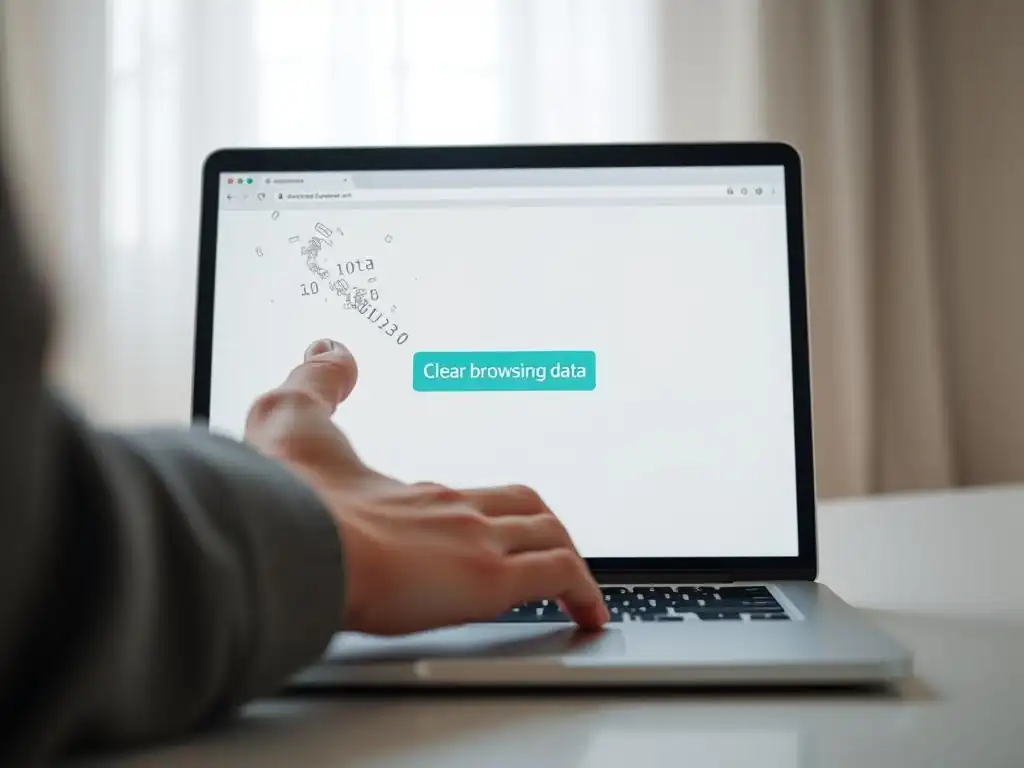
While clearing browser history and cookies doesn't directly protect the real-time transmission of your secure online couples therapy session content, it is a good practice for overall digital privacy. Browser history can reveal which websites you've visited, including therapy platforms. Cookies are small data files websites store on your computer; while often harmless, they can sometimes track your online activity.
Regularly clearing your browser history and cookies helps to remove digital footprints that could potentially indicate your engagement in online therapy. This is particularly important if you share a computer with others. While not a substitute for platform-level security, maintaining clean browser data adds a layer of personal privacy by reducing the trail of your online activities, including visits to secure online couples therapy websites.
Asking Your Therapist Specific Questions About Their Security Practices
Your therapist is a key partner in ensuring the privacy of your secure online couples therapy. Don't hesitate to ask them specific questions about the security measures they and their chosen platform employ. A professional and ethical therapist will be prepared to discuss how they protect your confidentiality in the digital space. Questions can cover topics like the platform's encryption methods, how session notes are stored, who has access to your data, and their procedures in case of a security incident.
You might ask: "What steps does this platform take to ensure our video sessions are private?" or "How are my session notes stored and protected?" Discussing these points openly with your therapist builds trust and ensures you are fully informed about the privacy measures in place. A therapist who is knowledgeable and transparent about security practices demonstrates a commitment to providing secure online couples therapy and protecting your confidential information.
Addressing Misconceptions About Online Couples Therapy Privacy
Myth: Online Therapy is Inherently Less Secure Than In-Person Therapy
A common misconception is that secure online couples therapy is automatically less secure than traditional in-person sessions. This is not necessarily true. While in-person therapy has the physical security of a therapist's office, it's not immune to privacy risks (e.g., overheard conversations in waiting areas, physical theft of paper records). Online therapy, when conducted on a secure, purpose-built platform with robust security measures, can offer comparable or even superior levels of data protection through technical safeguards like encryption and access controls.
In fact, digital records on a secure platform, protected by encryption and multi-factor authentication, can sometimes be more resistant to certain types of breaches (like physical theft) than paper files. The key differentiator is the quality of the security measures implemented. Choosing a platform designed for secure online couples therapy, that adheres to privacy regulations and employs strong technical safeguards, can provide a level of confidentiality that is very much on par with, or in some ways exceeds, the security of a physical setting.
Reality: Secure platforms offer comparable or even superior security measures through encryption and access controls.
The reality is that reputable providers of secure online couples therapy invest heavily in technology designed specifically to protect sensitive health information. These platforms utilize advanced encryption techniques, such as end-to-end encryption for communications and encryption at rest for stored data. They implement strict access controls, ensuring that only authorized personnel (primarily your therapist) can access your information, unlike paper records which might be more broadly accessible in an office.
Furthermore, secure platforms often undergo regular security audits and penetration testing to identify and address vulnerabilities. They are designed to comply with stringent regulations like HIPAA, which impose specific requirements for protecting electronic health information. Therefore, while the type of risk differs (cyber vs. physical), a well-designed secure online couples therapy platform provides technical security measures that can offer a high degree of confidentiality, effectively countering the misconception that online therapy is inherently less secure.
Myth: Therapists Don't Prioritize Client Privacy in Online Settings
Another misconception is that therapists might be less vigilant about client privacy when conducting sessions online compared to in-person. This is generally untrue for reputable and ethical therapists. Therapists are bound by strict ethical codes of conduct and legal requirements (like HIPAA in the US) that mandate the protection of client confidentiality, regardless of the medium used for therapy. These professional obligations apply equally to in-person and secure online couples therapy.
Therapists who offer online services choose platforms that they believe are secure and take steps within their own practice to ensure privacy, such as using secure devices, private networks, and ensuring their physical space is confidential during sessions. While the technology is different, the ethical duty to protect client privacy remains a core principle of the profession. Reputable therapists offering secure online couples therapy are committed to upholding confidentiality to the highest standards, just as they would in a traditional office setting.
Reality: Reputable therapists and platforms adhere to ethical guidelines and legal requirements to protect client data.
The reality is that licensed mental health professionals are governed by ethical guidelines set by their professional associations (e.g., the American Psychological Association, the American Association for Marriage and Family Therapy) and are legally required to comply with privacy laws relevant to their location and clientele (e.g., HIPAA). These standards explicitly require them to protect client confidentiality and secure health information.
When offering secure online couples therapy, therapists are responsible for selecting platforms that meet these security standards and for implementing their own practices to maintain privacy, such as using secure devices and ensuring physical privacy during sessions. Platforms catering to therapists are designed with these requirements in mind, offering features necessary for compliance. Both reputable therapists and the platforms they use are committed to adhering to these guidelines and laws, ensuring that client data and session content are protected with the utmost care and professionalism.
Secure Online Couples Therapy: A Path to a Healthier Relationship
Balancing Convenience and Confidentiality in Digital Counseling
The advent of secure online couples therapy has brought unparalleled convenience to relationship counseling, making it easier for busy partners, those in different locations, or individuals with mobility challenges to access support. This convenience is a significant advantage, removing barriers that might otherwise prevent couples from seeking help. However, this digital accessibility must be carefully balanced with the equally critical need for confidentiality and privacy.
Finding the right secure online couples therapy platform involves weighing the benefits of convenience against the assurances of robust security measures. It's about identifying platforms that don't compromise on privacy while offering the flexibility that makes online therapy appealing. By understanding the security features available and choosing providers who prioritize confidentiality, couples can leverage the convenience of digital counseling without sacrificing the trust and privacy essential for working through sensitive relationship issues effectively.
Making Informed Choices for Secure and Effective Online Couples Therapy
Making an informed choice about a secure online couples therapy platform is a crucial step towards a positive therapeutic experience. This involves doing a bit of research, understanding the potential privacy risks in the digital environment, and knowing what security features to look for. It's not just about finding a therapist who is a good fit; it's also about ensuring the digital space where your therapy takes place is safe and protects your sensitive information.
Evaluate platforms based on their stated security measures, compliance with privacy regulations, and transparency regarding their data handling policies. Don't hesitate to ask questions of the platform provider or your potential therapist. By being proactive and informed, you can select a secure online couples therapy service that provides the confidentiality necessary for open communication and effective healing, allowing you to focus on building a stronger, healthier relationship.
Finding Peace of Mind with Secure Digital Relationship Support
Ultimately, the goal of secure online couples therapy is to provide a safe and effective environment for partners to address challenges and strengthen their bond. Knowing that your intimate conversations and personal information are protected by robust security measures can provide invaluable peace of mind. This sense of security allows you and your partner to fully engage in the therapeutic process, being open and vulnerable without the added stress of worrying about privacy breaches.
By choosing a secure platform and taking personal steps to enhance your digital privacy, you create a foundation of trust and confidentiality that is essential for successful relationship counseling. Secure online couples therapy offers a viable and effective path to a healthier relationship, providing accessible support while upholding the critical importance of protecting your privacy in the digital age. Focusing on security empowers you to utilize the benefits of online therapy with confidence, knowing your journey towards a stronger relationship is supported by a confidential and secure environment.
Frequently Asked Questions
What exactly is secure online couples therapy and how does it differ from traditional in-person therapy?
Secure online couples therapy utilizes encrypted video conferencing platforms to provide counseling remotely. It differs from in-person therapy primarily in its delivery method and accessibility, offering convenience and potentially reduced costs, while maintaining a focus on privacy.
What are the primary privacy risks associated with online couples therapy, and how can couples mitigate them?
Privacy risks include data breaches of the platform, unauthorized access to devices, and potential lack of confidentiality in shared living spaces. Couples can mitigate these risks by using strong passwords, securing their devices, and choosing a private location for sessions.
How do secure online couples therapy platforms ensure the confidentiality of conversations and data?
Platforms employ end-to-end encryption, adhere to HIPAA compliance (if applicable), and implement data security protocols to protect client information. These measures are crucial for maintaining confidentiality.
What should couples look for in an online therapy platform to ensure their privacy and data security are protected?
Couples should look for platforms that explicitly state their privacy policy, detail their security measures, and offer HIPAA compliance (if applicable). Reading reviews and researching the platform's reputation is also recommended.
What legal protections are in place for couples engaging in secure online couples therapy regarding the privacy of their conversations?
Depending on the location, laws like HIPAA in the US may apply, protecting the privacy of health information, including therapy sessions. It's important to understand the specific regulations in your jurisdiction and confirm the platform's compliance.
Final Reflection: The Untapped Potential of Secure Online Couples Therapy
The digital age has revolutionized access to mental healthcare, but the security of online couples therapy remains a critical concern. The vulnerability inherent in sharing intimate details about a relationship demands a robust commitment to privacy and data protection, far beyond simply clicking "agree" to a terms of service. This is not just a technical issue; it's a matter of trust, and trust is the bedrock of successful therapy.
The impact of secure online couples therapy extends far beyond the individual couple. It's reshaping the landscape of relationship counseling, making it accessible to those geographically isolated, facing mobility challenges, or simply preferring the comfort and privacy of their own homes. The greatest barrier to mental health care is not the lack of resources, but the lack of access.
This quote highlights the vital role technology plays in bridging this gap, but only if we prioritize the security that allows individuals to fully engage in the therapeutic process without fear of exposure.
Consider the implications for your own relationships. Are you comfortable knowing the intimate details of your conversations are truly protected? Take the time to research the security measures employed by your therapist or platform. Don't hesitate to ask questions; your privacy is paramount. By demanding higher standards of security, we collectively empower ourselves and others to seek the help they need, fostering stronger, healthier relationships in a digital world. Let's work together to build a future where online couples therapy is not only accessible but also truly secure.
Unlock Deeper Connection: Take Charge of Your Therapy Privacy
Thanks for investing your time in understanding the crucial aspects of online couples therapy privacy. We hope you gained valuable insights into protecting your sensitive conversations. Now, let's put that knowledge into action!
- Prioritize your privacy settings: Review the privacy policies of your chosen platform and actively adjust settings to your comfort level. This is the most impactful step you can take today.
- Discuss your concerns with your therapist: Openly communicate any anxieties about data security – a good therapist will welcome this conversation and address your needs.
- Share this article with a friend or loved one: Help spread awareness about online therapy privacy and empower others to protect themselves.
What steps will you take to ensure your online couples therapy experience feels safe and confidential?