
Medieval Healers: The Roles of Physicians, Surgeons, and Other Practitioners

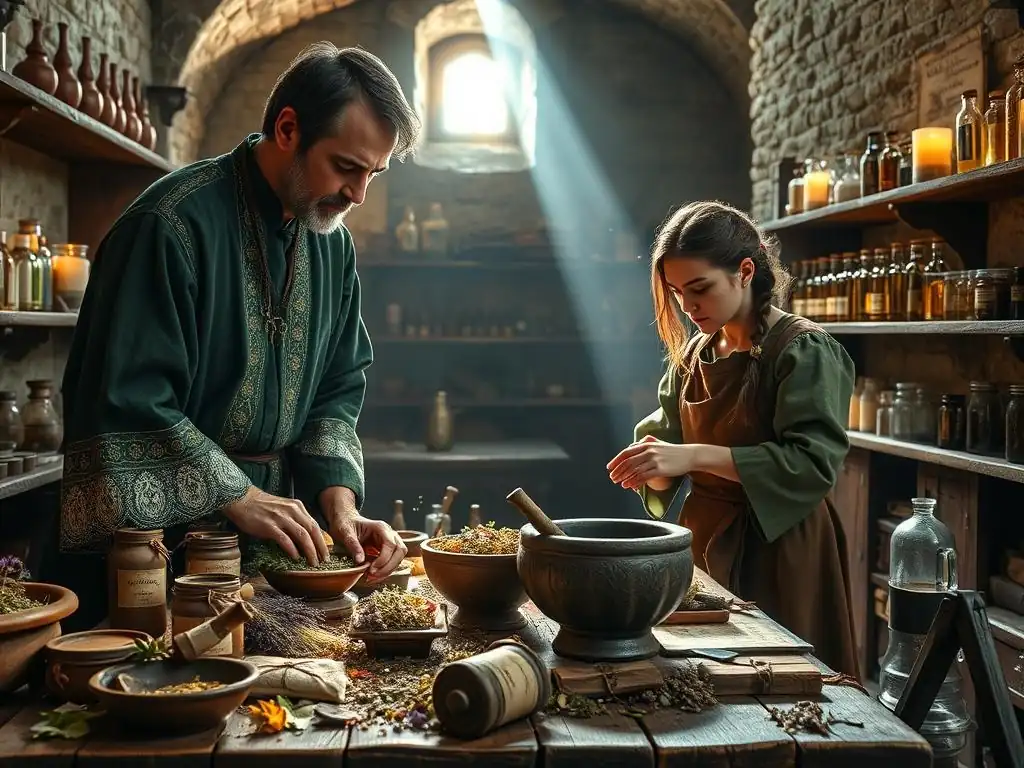
Welcome to Mind Care Guide, a sanctuary for exploring the depths of mental well-being. Ever wondered how our ancestors coped with the anxieties that plague us today? Journey back in time with us as we delve into the fascinating world of Medieval herbal remedies for anxiety, uncovering forgotten wisdom and surprising connections to modern practices. Prepare to be intrigued by the resourceful methods employed by healers of old, and perhaps even find inspiration for your own path to inner peace. Let's begin...
- Medieval Healers: The Roles of Physicians, Surgeons, and Other Practitioners
- The Role of the Medieval Physician
- Medieval Surgeons: Beyond Barbering
- Other Healing Practitioners in the Medieval World
- Medieval Approaches to Mental Well-being: A Deeper Look
- The Intersection of Physical and Mental Health in Medieval Practice
- Case Studies: Examples of Medieval Healing in Practice
- Medieval Understanding of Mental Health: Beliefs and Practices
- The Legacy of Medieval Healing Practices
- Conclusion: Appreciating the Contributions of Medieval Healers
-
Frequently Asked Questions
- What role did herbal remedies play in medieval anxiety treatment, considering the limited understanding of mental health at the time?
- How did the social standing of physicians and surgeons affect access to and the types of treatments available for anxiety in the Middle Ages?
- Were there specific medieval herbal remedies commonly prescribed for anxiety, and what were their purported effects?
- How did the prevailing religious beliefs influence the understanding and treatment of anxiety during the medieval period?
- Considering the lack of scientific rigor, how effective were medieval herbal remedies for anxiety, and what can we learn from them today?
- Final Reflection: The Enduring Legacy of Medieval Healing Practices
- Unlock the Secrets of Medieval Medicine!
Medieval Healers: The Roles of Physicians, Surgeons, and Other Practitioners
The Landscape of Medieval Medicine
Healthcare in the medieval era was a complex tapestry woven from ancient traditions, religious beliefs, evolving scientific understanding, and practical necessity. Unlike the centralized, standardized systems of today, medieval medicine was fragmented, with various practitioners offering different services based on their training, social standing, and access to knowledge.
From learned physicians in universities to village wise women, the options for seeking healing varied greatly depending on one's location, wealth, and the nature of the ailment. Access to care was often limited, especially in rural areas, and the effectiveness of treatments was highly variable, constrained by the limited understanding of anatomy, physiology, and germ theory.
Medical knowledge was primarily preserved and disseminated through ancient Greek and Roman texts, particularly those of Hippocrates and Galen, which were translated and commented upon by Arab scholars and later reintroduced to Western Europe. This classical foundation, combined with burgeoning observational practices and the influence of religious institutions, shaped the theoretical basis of medieval medicine.
Hospitals, often linked to monasteries or cathedrals, began to emerge, providing care for the poor, sick, and elderly, though their focus was often as much on spiritual comfort as physical healing. Diagnostic tools were rudimentary, relying heavily on observing symptoms, examining bodily fluids like urine, and pulse-taking.
The Importance of Context: Beliefs and Practices
Understanding medieval healthcare requires immersing oneself in the worldview of the time. Beliefs about health and illness were deeply intertwined with religion, astrology, and the prevailing humoral theory. Illness was often seen not just as a physical malfunction but potentially as divine punishment, demonic possession, or an imbalance in the body's four humors: blood, phlegm, yellow bile (choler), and black bile (melancholy).
These beliefs profoundly influenced diagnostic approaches and treatment strategies. For example, an excess of black bile was thought to cause melancholy, a state akin to modern depression or deep sadness, and treatments would aim to restore humoral balance, perhaps through bloodletting or dietary changes.
This context is crucial when examining treatments for mental health challenges, including medieval herbal remedies for anxiety. What we now categorize as anxiety might have been understood through the lens of humoral imbalance, spiritual affliction, or even external magical influences. Practitioners, regardless of their specific role, operated within this framework, using the tools and knowledge available to them.
While some treatments might seem harsh or ineffective by modern standards, they were often based on centuries of accumulated empirical observation and the best available theoretical models. The empathy shown by a healer, combined with remedies and rituals, played a significant role in patient care, even if the underlying pathology wasn't fully understood.
The Role of the Medieval Physician
Education and Training of Physicians
The path to becoming a physician in the Middle Ages was long and exclusive, typically requiring university education. Medical schools, such as those in Salerno, Bologna, Paris, and Montpellier, became centers of learning, attracting students from across Europe. The curriculum was heavily based on the study of classical texts, particularly those of Galen and Hippocrates, often mediated through Arab commentaries. Students would spend several years studying foundational subjects like logic, philosophy, and astronomy before delving into medical theory, anatomy (often through animal dissection or brief glimpses of human remains), and the properties of medicinal substances.
Training was theoretical rather than practical for much of this period. Aspiring physicians learned to diagnose by examining urine, pulse, and symptoms, and to prescribe treatments based on complex theoretical models like humoral theory and astrological influences. Practical experience, if any, was often gained through apprenticeship with an established physician after formal schooling. This rigorous, text-based education meant that medieval physicians were highly educated members of society, often serving the elite and wealthy, and their treatments were rooted in scholarly tradition rather than hands-on surgical or herbal practice, which was often left to other practitioners.
Diagnosing and Treating Illnesses: A Physician's Approach
A medieval physician's diagnostic process typically began with a detailed examination of the patient's symptoms, lifestyle, and medical history, often framed within the context of the patient's astrological chart or the prevailing environmental conditions. A key diagnostic tool was uroscopy, the examination of urine for color, clarity, sediment, and even smell, believed to reflect the balance of the body's humors. Pulse examination was another vital technique, with different pulse qualities thought to indicate specific conditions or humoral states. Physicians would also consider the patient's age, sex, constitution, and the season of the year when making a diagnosis.
Treatments prescribed by physicians aimed primarily at restoring humoral balance. These included:
- Dietary Regulation: Specific foods were recommended or avoided based on their perceived hot/cold, wet/dry qualities, which were thought to influence the humors.
- Pharmacy: Prescribing complex remedies made from herbs, minerals, and animal products, often prepared by apothecaries.
- Phlebotomy (Bloodletting): Removing blood to reduce perceived excesses of certain humors, a common practice for a wide range of ailments.
- Purging: Administering laxatives or emetics to expel perceived harmful substances or excess humors from the body.
- Cupping: Applying heated cups to the skin to draw out 'bad humors'.
These treatments were chosen based on the physician's diagnosis of which humor was imbalanced and how best to restore equilibrium according to classical medical theory.
Medieval Approaches to Mental Well-being: A Physician's Perspective
From a medieval physician's standpoint, mental distress, including symptoms we might associate with anxiety or depression, was frequently attributed to humoral imbalance. Melancholy, believed to be caused by an excess of black bile, was a common diagnosis for states of deep sadness, fear, or despair. Phlegm dominance might be associated with lethargy or apathy, while choler (yellow bile) could lead to irritability or mania. Thus, treating mental well-being often involved the same humoral-balancing techniques used for physical ailments.
Physicians might prescribe specific diets thought to counter the effects of a humor, such as avoiding cold, dry foods for melancholy. Bloodletting or purging might be employed to remove perceived excess humors.
Furthermore, physicians might recommend lifestyle changes, including moderation in diet and drink, sufficient sleep, exercise, and avoiding stressful situations or negative emotions, which were also seen as factors influencing humoral balance. While the focus was on the physical body and its humors, physicians also acknowledged the influence of external factors and internal disposition on mental states, sometimes recommending activities like music, bathing, or pleasant company as part of a holistic approach to restoring balance.
Medieval Surgeons: Beyond Barbering
The Skills and Specializations of Medieval Surgeons
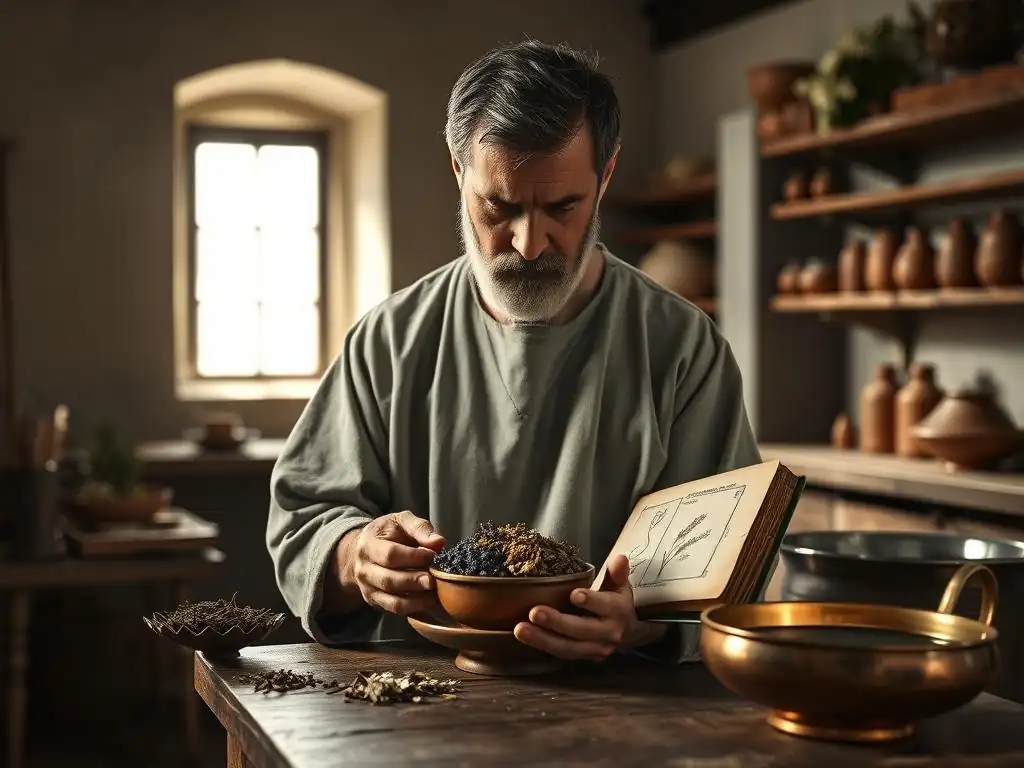
Medieval surgeons occupied a different social and professional sphere than physicians. Their training was typically through apprenticeship rather than university, though some universities later began to incorporate surgical teaching. Surgeons were hands-on practitioners, dealing with external ailments, injuries, and certain internal conditions that required manual intervention. While often associated with barbers (barber-surgeons performed both haircutting and minor surgical procedures), skilled surgeons developed specialized knowledge in areas like wound treatment, bone setting, and even rudimentary internal operations.
Their skills included:
- Cleaning and bandaging wounds, often using herbal salves and wines as antiseptics.
- Setting broken bones and treating dislocations.
- Performing amputations, though with high risk of infection and blood loss.
- Treating boils, abscesses, and external tumors.
- Performing lithotomy (removal of bladder stones).
- Operating on cataracts (couching).
Surgical knowledge was often passed down through generations or guilds. Surgeons used a variety of instruments, including scalpels, saws, forceps, and cautery irons, many of which show remarkable similarity in design to modern tools.
Surgical Procedures in the Middle Ages
Surgical procedures in the Middle Ages were often brutal and risky due to the lack of effective anesthesia and understanding of infection. Amputations, for instance, were performed quickly to minimize blood loss, often using hot irons or boiling oil to cauterize the wound afterward, a practice intended to stop bleeding and prevent infection but which caused immense pain and often led to further complications. Setting bones involved manipulating limbs back into place, often without pain relief beyond perhaps alcohol or opium-based substances.
Treating wounds was a primary focus. Surgeons would clean wounds using water, wine, or vinegar and apply poultices or salves made from various herbs and other substances. They understood the importance of keeping wounds clean, though they lacked the concept of microbial infection. Suturing was practiced, using materials like linen or silk thread. Despite the limitations, skilled surgeons achieved remarkable results in treating injuries that would otherwise be fatal, demonstrating considerable anatomical knowledge gained through practical experience, often on battlefields or in caring for accident victims.
Anesthesia and Pain Management in Medieval Surgery
Pain management during medieval surgery was extremely limited compared to modern standards. There was no understanding of general anesthesia as we know it. Patients undergoing procedures like amputations or lithotomy faced excruciating pain. Practitioners relied on a few methods to try and alleviate suffering or render the patient less responsive:
- Opium and Mandrake: These were perhaps the most potent pain relievers available. Preparations from the opium poppy and mandrake root were used, often mixed with other substances in "soporific sponges" that could be inhaled to induce a state of stupor or unconsciousness. However, dosages were difficult to control, making them dangerous.
- Alcohol: Strong alcoholic drinks were sometimes given to patients to dull pain and induce a state of semi-consciousness.
- Physical Restraint: Patients were often physically restrained by assistants during procedures.
- Speed: Surgeons aimed to perform procedures as quickly as possible to minimize the duration of pain and blood loss.
While these methods offered some degree of pain relief or reduced awareness, they were unreliable and often carried significant risks, including respiratory depression and death. The experience of medieval surgery was undoubtedly one of intense suffering.
Other Healing Practitioners in the Medieval World
Apothecaries and Herbalists: The Power of Plants
Apothecaries and herbalists played a crucial role in medieval healthcare, acting as the pharmacists and botanists of their time. Apothecaries, often trained through apprenticeship, prepared and sold complex medicinal compounds prescribed by physicians, including pills, powders, syrups, and salves. They maintained stocks of herbs, spices, minerals, and animal products, often imported from distant lands, demonstrating a knowledge of materia medica that spanned vast geographical areas.
Herbalists, on the other hand, often possessed deep knowledge of local flora and their medicinal properties, passed down through generations. They gathered, cultivated, and processed herbs for specific ailments. This tradition was particularly important for common people who might not have access to a physician.
Monastic gardens were also significant centers for cultivating medicinal herbs, and monks and nuns often documented their uses. The knowledge of medieval herbal remedies for anxiety, sleeplessness, or other forms of mental distress was primarily held by these practitioners. They would prepare infusions, decoctions, poultices, or salves using herbs like valerian, chamomile, poppy, or borage, known for their calming or sedative properties, reflecting a long-standing empirical tradition.
Midwives and Women's Health
Midwives were indispensable practitioners, holding a near-monopoly on childbirth assistance and significant knowledge of women's health issues. Their expertise was gained through extensive practical experience, often apprenticing with an older midwife. Midwives attended births, managed labor, and provided postnatal care for both mother and child. They were skilled in recognizing complications and knew traditional remedies to ease pain, stimulate labor, or staunch bleeding.
Beyond childbirth, midwives often advised women on matters of menstruation, fertility, contraception (using herbal or other methods), and common gynecological problems. They were often the first point of call for women seeking medical help and held considerable trust within their communities. Their knowledge base was largely empirical and passed orally, though some medical texts began to include sections on gynecology and obstetrics that acknowledged their practices. Midwives represented a vital, community-based form of healthcare, particularly for women who might be reluctant or unable to consult male physicians.
Folk Healers and Village Wisdom
Alongside formal practitioners, a diverse group of folk healers, wise women, and cunning folk practiced in medieval villages. These individuals drew upon a mix of traditional remedies, superstition, magic, and religious invocation. Their practices were often rooted in local customs and beliefs and could include:
- Herbal remedies: Using common plants for a variety of ailments, often with specific rituals attached.
- Charms and incantations: Employing spoken words, amulets, or prayers to ward off illness or evil spirits.
- Rituals: Performing specific actions believed to promote healing or counteract negative influences.
- Bone setting and minor wound care: Providing practical assistance for common injuries.
While sometimes viewed with suspicion by the Church or educated physicians, folk healers were often the most accessible and affordable option for many common people. Their treatments for conditions like medieval herbal remedies for anxiety might involve a combination of specific herbs known locally for calming effects, alongside charms or prayers intended to address perceived spiritual causes of distress. Their effectiveness was likely a mix of genuine herbal efficacy, placebo effect, and the comfort derived from community support and belief.
Medieval Approaches to Mental Well-being: A Deeper Look
Common Treatments Employed for Mental Distress
Treatments for mental distress in the Middle Ages were highly varied, reflecting the diverse beliefs about its causes. As discussed, physicians often relied on humoral theory, prescribing bloodletting, purging, or dietary changes to rebalance the body. For symptoms associated with melancholy (depression/anxiety), remedies might include:
- Phlebotomy: To remove excess black bile.
- Purgatives: To cleanse the body of harmful substances.
- Dietary changes: Avoiding 'melancholy' foods like lentils or cabbage, and favoring lighter foods like chicken or fish.
- Herbal remedies: Using plants like borage (believed to lift the spirits), lemon balm, or valerian for calming effects. Medieval herbal remedies for anxiety often featured these and similar plants.
- Baths: Warm baths were sometimes recommended for relaxation.
Beyond humoral approaches, treatments also addressed perceived spiritual or supernatural causes. This could involve exorcisms, prayers, pilgrimages, or the use of holy relics. For individuals deemed dangerous or severely disturbed, confinement was sometimes used, ranging from family care to early forms of asylums run by religious orders or municipalities.
Preparing and Administering Remedies
The preparation and administration of medieval remedies were often complex processes, particularly for those prescribed by physicians and prepared by apothecaries. Herbal remedies were prepared in various forms:
- Decoctions: Boiling tough plant parts like roots or bark in water.
- Infusions: Steeping leaves or flowers in hot water, similar to making tea.
- Syrups: Mixing herbal preparations with honey or sugar to make them palatable and preserve them.
- Poultices: Crushing herbs and applying them externally, often heated, to draw out ailments or soothe pain.
- Salves and Ointments: Mixing herbal extracts with animal fat or oil for topical application.
Specific medieval herbal remedies for anxiety might involve drinking an infusion of valerian root before sleep or applying a compress soaked in a decoction of calming herbs to the head. Dosages were often based on tradition and observation rather than precise measurement, leading to variable efficacy and potential toxicity. The preparation process itself could be elaborate, sometimes involving specific timing based on astrological charts or religious observances, adding a layer of ritual and belief to the treatment.
Effectiveness and Safety of Medieval Treatments
The effectiveness and safety of medieval treatments varied greatly. Some practices, like setting bones or using certain herbs with genuine medicinal properties (e.g., willow bark for pain relief, containing salicylates), likely provided real benefit. Medieval herbal remedies for anxiety, using plants like valerian or chamomile, may have offered some calming effects, supported by modern pharmacological understanding of these plants.
However, many treatments were based on incorrect theories, such as bloodletting for almost every ailment, which could weaken already sick patients. The lack of understanding of hygiene led to rampant infection, particularly after surgical procedures. The use of potent substances like opium or mandrake, without standardized dosages, carried significant risks of poisoning.
Furthermore, treatments for mental illness based purely on spiritual or supernatural beliefs might offer comfort but did not address underlying biological or psychological factors. It is important to view these practices through the lens of their time, acknowledging the limited knowledge and tools available, while also recognizing the potential harm some treatments could cause.
The Intersection of Physical and Mental Health in Medieval Practice
Recognizing Mental Distress in the Middle Ages
Medieval practitioners did recognize states of mental distress, though they categorized and understood them differently than we do today. Terms like "melancholy," "mania," "frenzy," or "madness" were used to describe a range of conditions from deep sadness and anxiety to psychosis and intellectual disability. Symptoms recognized included:
- Excessive sadness, fear, or despair (melancholy)
- Agitation, irrational behavior, or delusion (mania, frenzy, madness)
- Loss of reason or memory
- Withdrawal from social interaction
- Physical symptoms attributed to mental state, such as digestive issues or insomnia
While they lacked modern diagnostic categories, medieval healers observed and attempted to explain these behaviors. The distinction between physical and mental illness was often blurred, with mental states frequently linked to physical imbalances (humors) or external physical influences (like bad air or astrological alignments). This holistic view, while theoretically flawed by modern standards, did acknowledge the interconnectedness of the body and mind.
The Influence of Religion and Superstition on Mental Health Treatment
Religion and superstition profoundly influenced the understanding and treatment of mental health in the Middle Ages. Mental illness was often interpreted through a theological lens:
- Divine Punishment: Seen as retribution for sin.
- Demonic Possession: Believed to be caused by evil spirits.
- Temptation by the Devil: Particularly for conditions involving despair or blasphemous thoughts.
These beliefs led to treatments focused on the spiritual realm. Exorcisms were performed, prayers were offered, and religious rituals were employed to drive out perceived evil influences or seek divine intervention. Pilgrimages to holy sites known for healing were common. Alongside formal religious practices, folk beliefs and superstitions led to the use of charms, amulets, and rituals to ward off witchcraft or curses believed to cause madness or anxiety. This spiritual dimension was often intertwined with physical treatments; a physician might prescribe herbs for melancholy while a priest simultaneously offered prayers or an exorcism.
Connecting Medieval Practices to Modern Understanding of Mental Well-being
While medieval understanding of mental health was vastly different from today, there are faint echoes and lessons. The medieval concept of melancholy, while based on humoral theory, captured aspects of what we now call depression and anxiety. Their recognition of the influence of lifestyle, diet, and emotions on mental state aligns, in a rudimentary way, with modern holistic approaches. Medieval herbal remedies for anxiety and sleeplessness, using plants like valerian or chamomile, are interesting as some of these same plants are still used in modern herbalism for similar purposes, indicating a degree of empirical observation that transcended theoretical misconceptions.
However, the significant differences highlight our progress. The reliance on bloodletting and purging was often harmful. The lack of understanding of the brain's role in mental health and the stigma associated with supernatural explanations led to ineffective or cruel treatments for severe conditions. Yet, the medieval emphasis on seeking balance (even if humoral) and the role of empathy and belief in healing are aspects that remain relevant. Studying medieval practices allows us to appreciate the long, complex history of trying to understand and alleviate human suffering, including mental distress.
Case Studies: Examples of Medieval Healing in Practice
Case Study 1: Hildegard of Bingen's Holistic Approach
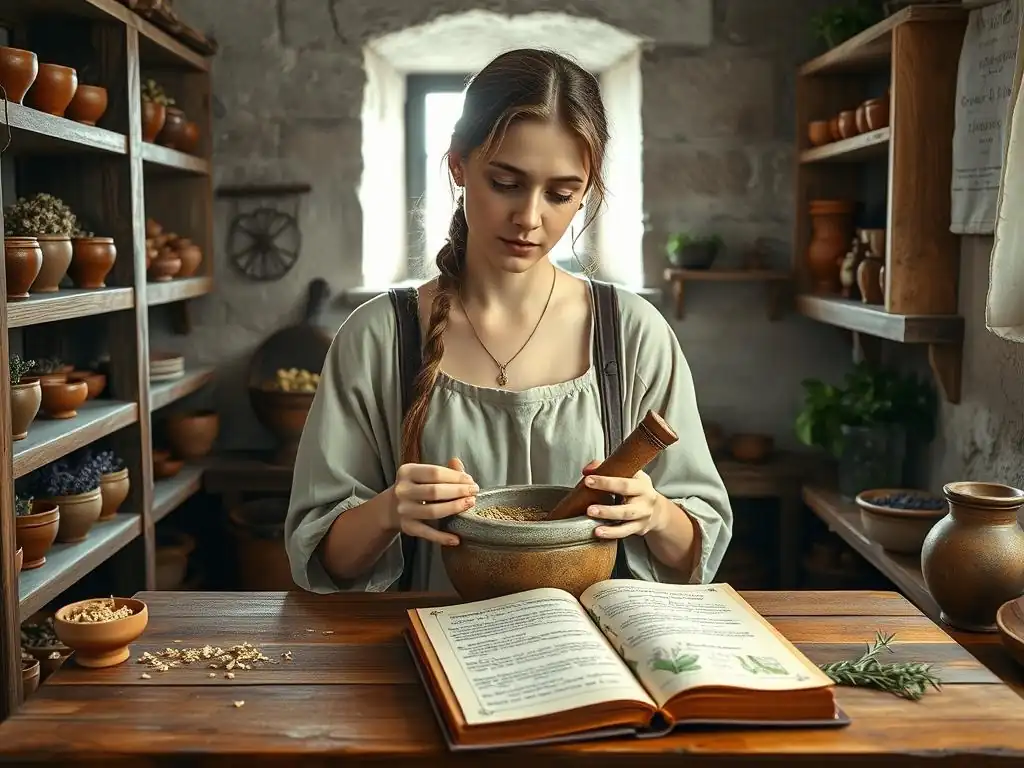
Hildegard of Bingen (1098-1179) was a German Benedictine abbess, mystic, writer, and composer whose work provides a fascinating glimpse into medieval healing practices, particularly her holistic view encompassing physical, mental, and spiritual well-being. In her medical texts, Physica and Causae et Curae (Causes and Cures), she described a wide range of illnesses and remedies, heavily relying on herbal medicine, diet, and precious stones, but also emphasizing the importance of balance, lifestyle, and the connection between the body and soul.
Hildegard's approach to mental distress, such as melancholy or "frenzy," was often intertwined with her understanding of cosmic and spiritual forces. She recommended specific herbs and dietary changes to restore balance, but also stressed the importance of music, light, and contact with nature. For example, she wrote about the soothing properties of certain herbs for nervous agitation and the importance of moderate living. Her work demonstrates how intellectual, spiritual, and empirical traditions could converge in a single medieval healer's practice, offering remedies that addressed perceived physical imbalances alongside recommendations for spiritual and emotional health.
Case Study 2: Treatment of "Madness" in a Medieval Asylum
While formal asylums were rare in the early Middle Ages, some institutions, often associated with monasteries or hospitals, began to house individuals deemed "mad" or incapable of caring for themselves. St. Mary Bethlehem Hospital in London, later known as "Bedlam," is a famous example, though its notorious reputation primarily stems from later periods. In the medieval context, these institutions offered custodial care rather than therapeutic treatment.
Treatment for "madness" in such settings was often rudimentary and sometimes harsh, reflecting the fear and misunderstanding surrounding severe mental illness. It might involve:
- Confinement, sometimes in chains, to prevent harm to self or others.
- Purging or bloodletting, based on humoral theory.
- Religious rituals, including prayers and sometimes exorcisms, particularly if the condition was attributed to demonic influence.
- Simple care like feeding and basic hygiene.
There was little in the way of psychological therapy or specific medieval herbal remedies for anxiety or other targeted mental health treatments within these custodial settings; the focus was primarily on containment and managing behavior deemed disruptive or dangerous, representing the more custodial and less empathetic side of medieval approaches to severe mental illness.
Case Study 3: Use of Music Therapy for Melancholy
Intriguingly, some medieval medical texts and philosophical writings recognized the therapeutic potential of non-pharmacological interventions for mental states, including music. For instance, thinkers like Boethius (late 5th-early 6th century, whose work was highly influential in the Middle Ages) and later physicians discussed the power of music to influence emotions and temper the humors. Music was sometimes recommended as a treatment for melancholy.
The idea was that certain types of music could soothe agitation, lift the spirits, or restore a sense of harmony within the individual, mirroring the perceived cosmic harmony. While not a widespread, standardized treatment, the inclusion of music or other pleasant activities like bathing or fragrant smells in some recommendations for melancholy suggests an early, albeit theoretically framed, recognition of the link between sensory experience, emotional state, and well-being. This stands out as a more empathetic and less invasive approach compared to practices like bloodletting.
Medieval Understanding of Mental Health: Beliefs and Practices
Humoral Theory and Mental Imbalance
As a cornerstone of medieval medicine, humoral theory provided the dominant framework for understanding both physical and mental health. The balance of the four humors—blood, phlegm, yellow bile, and black bile—was seen as essential for health. Each humor was associated with specific qualities (hot/cold, wet/dry) and temperaments. Imbalance, caused by factors like diet, environment, lifestyle, or even emotions, led to illness.
Mental states were directly linked to humoral composition. An excess of black bile was believed to cause melancholy, characterized by sadness, fear, and lethargy. An excess of yellow bile could lead to choleric temperament, associated with irritability and aggression, potentially manifesting as mania. Phlegm dominance might cause a phlegmatic temperament, linked to apathy or sluggishness. Treatments thus aimed to restore the balance of these humors through diet, purges, bloodletting, and other physical interventions, directly connecting the physical state of the body to the state of the mind.
Spiritual and Supernatural Explanations for Mental Illness
Beyond humoral theory, spiritual and supernatural beliefs offered alternative, often coexisting, explanations for mental illness. These views were deeply embedded in medieval Christian society. Mental distress could be seen as a result of:
- Sin: Illness, including mental affliction, could be interpreted as God's punishment for personal or ancestral sins. Confession and penance might be recommended.
- Demonic Influence: Possession by evil spirits was considered a real possibility, particularly for conditions involving irrational behavior, fits, or distressing thoughts. Exorcisms, prayers, and religious objects were used to combat this.
- Witchcraft or Curses: Belief in magic was widespread, and mental illness could be attributed to spells cast by witches or hostile individuals. Counter-charms, amulets, or seeking help from cunning folk were responses.
These explanations often led to treatments that focused on the spiritual or magical realm rather than the physical body. While physicians might treat the humoral imbalance, priests or folk healers would address the perceived spiritual cause. This dual approach highlights the complex worldview of the time, where physical, mental, and spiritual realms were intimately connected.
Social attitudes towards mental health in the Middle Ages were varied and often contradictory. Individuals experiencing mental distress might evoke:
- Pity and Compassion: Particularly if the condition was seen as a trial sent by God or an affliction to be patiently borne. Religious charity sometimes provided care.
- Fear and Suspicion: Especially if the behavior was erratic, violent, or attributed to demonic possession or witchcraft. This could lead to ostracism, harsh treatment, or even persecution.
- Ridicule or Indifference: Individuals with less severe or chronic conditions might simply be marginalized or neglected.
There was no consistent public policy regarding mental health; care and attitudes varied greatly depending on the individual's social status, family support, the perceived cause of the illness, and local customs. While some religious institutions offered compassionate care, others resorted to confinement. The understanding of medieval herbal remedies for anxiety and other milder forms of distress likely offered a more accessible and less stigmatizing option for some individuals seeking help within their communities.
The Legacy of Medieval Healing Practices
Influences on Modern Medicine and Herbalism
Despite the vast differences between medieval and modern medicine, some threads connect the two. The emphasis on systematic observation, detailed case-taking, and the compilation of medical texts, stemming from the rediscovery of classical knowledge, laid groundwork for later scientific inquiry. While humoral theory was discarded, the idea of maintaining internal "balance" resonates with modern concepts of homeostasis and wellness.
Perhaps the most direct legacy lies in the field of herbalism. The detailed knowledge of medicinal plants compiled by medieval apothecaries, monks, and herbalists formed the basis for later pharmacopoeias. Many plants used in medieval medieval herbal remedies for anxiety, such as valerian, chamomile, and lemon balm, are still used today in traditional or complementary medicine for calming or sleep-inducing effects, their efficacy now being explored through scientific studies. This empirical tradition of plant-based medicine is a significant contribution that survived the transition to modern scientific paradigms.
Lessons Learned from the Medieval Approach to Healthcare
Studying medieval healthcare offers several lessons. It highlights the importance of context in understanding medical practices – what seems irrational today was rational within the prevailing worldview of the time. It reminds us that healing involves more than just physical intervention; the role of belief, empathy, and the therapeutic relationship, even if framed through spiritual or humoral terms, was significant.
The medieval period also demonstrates the limitations of relying solely on theoretical models without rigorous empirical testing and anatomical understanding. Practices like widespread bloodletting illustrate the dangers of treatments based on incorrect assumptions about the body. Furthermore, the varied access to care and the different quality of treatment offered by physicians versus folk healers underscore enduring challenges related to healthcare equity. Looking back helps us appreciate the scientific advancements that underpin modern medicine while also prompting reflection on the humanistic aspects of healing that were present even in less scientifically advanced eras.
Considering the Ethical Implications of Past Practices
Examining medieval medical practices requires considering their ethical implications, particularly from a modern perspective. Treatments like bloodletting, purging, or the use of dangerous substances, while intended to heal, often caused significant harm and suffering. The confinement and sometimes cruel treatment of individuals with severe mental illness, based on fear and misunderstanding, raise serious ethical questions about autonomy, dignity, and care for vulnerable populations.
However, it is crucial to avoid anachronistic judgment. Medieval practitioners operated within a framework of knowledge and belief vastly different from our own. Their intentions were generally to alleviate suffering and restore health based on the best available understanding.
The ethical considerations were framed by religious doctrines, social hierarchies, and the practical constraints of limited resources and knowledge. Reflecting on these past practices encourages humility about the limits of current knowledge and fosters empathy for those who sought and provided care in challenging circumstances, while also reinforcing the ethical imperative in modern medicine to prioritize patient well-being, informed consent, and evidence-based treatment.
Conclusion: Appreciating the Contributions of Medieval Healers
The medieval world of healing was a complex landscape populated by diverse practitioners, from learned physicians steeped in ancient texts to humble herbalists gathering plants in the field. While their understanding of disease was limited by modern standards and their treatments could be harsh, they represent humanity's enduring effort to combat illness and alleviate suffering. Physicians, surgeons, apothecaries, midwives, and folk healers each played a vital role, drawing on different bodies of knowledge and serving different segments of society.
Their approaches to mental well-being, while often intertwined with humoral theory and spiritual beliefs, included observations and remedies, such as medieval herbal remedies for anxiety, that show a long history of attempting to soothe distressed minds. Studying these practitioners and their methods allows us to trace the evolution of medical thought, appreciate the slow accumulation of empirical knowledge, and recognize the foundational elements that, despite vast differences, contributed to the development of modern healthcare.
Their legacy reminds us that healing is a multifaceted endeavor, historically and today, involving not only scientific knowledge but also compassion, belief, and the dedicated efforts of those committed to caring for others.
Frequently Asked Questions
What role did herbal remedies play in medieval anxiety treatment, considering the limited understanding of mental health at the time?
Herbal remedies were a primary treatment for anxiety. Medieval healers believed herbs could influence the body's humors, aiming to restore balance and reduce anxiety symptoms. The efficacy often relied on tradition and observation.
Physicians, being educated, were often accessible only to the wealthy elite. Commoners relied on local healers and folk remedies, which often included herbal treatments for anxiety. Social status significantly impacted treatment options.
Were there specific medieval herbal remedies commonly prescribed for anxiety, and what were their purported effects?
Yes, herbs like lavender, chamomile, and St. John's Wort were used. They were believed to have calming and soothing properties, thought to alleviate worry and induce relaxation.
How did the prevailing religious beliefs influence the understanding and treatment of anxiety during the medieval period?
Anxiety was sometimes viewed as a spiritual affliction linked to sin or demonic influence. Treatment could involve prayer, confession, and exorcism alongside herbal remedies, showcasing a holistic approach.
Considering the lack of scientific rigor, how effective were medieval herbal remedies for anxiety, and what can we learn from them today?
The effectiveness is difficult to ascertain due to limited scientific evidence. However, some herbs used then are still studied today for their potential anxiolytic effects. Modern research builds upon these historical practices.
Final Reflection: The Enduring Legacy of Medieval Healing Practices
The search for natural remedies for anxiety, a pervasive modern concern, leads us directly back to the surprisingly sophisticated medical practices of the medieval period. While we may scoff at some of the more esoteric treatments, the fundamental principles of herbalism and holistic care, so central to medieval medicine, continue to resonate powerfully in contemporary approaches to mental and physical well-being. The enduring relevance of this historical context is undeniable.
The emphasis on natural remedies, the integration of mind and body in healing, and the deep connection to the natural world – these aspects of medieval healing are experiencing a remarkable resurgence. We are witnessing a return to the understanding that our physical and mental health are intrinsically linked, a concept deeply embedded in medieval medical philosophies. The physician should not treat the disease, but the patient who is suffering from it.
This ancient wisdom, though perhaps not explicitly stated in these terms, underscores the holistic approach that is gaining traction today, echoing the practices of medieval healers.
Consider the information presented in this article. Reflect on the ingenuity and resourcefulness of medieval practitioners, their understanding of the power of plants, and their attempts to alleviate suffering. You, too, can harness the wisdom of the past to inform your present. Explore the potential of natural remedies, but always remember the importance of consulting with qualified healthcare professionals. Embrace a holistic approach to your well-being, recognizing the interconnectedness of mind, body, and spirit – a legacy passed down through centuries of healing traditions.
Unlock the Secrets of Medieval Medicine!
Thanks for exploring the fascinating world of medieval healthcare with us! You've now gained a unique understanding of the diverse roles and practices of healers during this era. Ready to delve even deeper?
- Craft your own medieval herbal remedy: Research the plants mentioned in the article and explore their modern applications (or create a fun fictional one!). This is a great way to connect with the practical side of medieval medicine.
- Share your favorite discovery from the article on social media and spark a conversation! Use #MedievalMedicine and tag MindCareGuide.org to connect with other history enthusiasts.
- Consider exploring primary source materials: Many libraries and online archives offer digitized medieval medical texts – see what you can uncover!
What surprising medicinal practices from the medieval era resonate most with you, and why?