
Early Mental Hospitals: Vision and Reality in the Enlightenment

Welcome to Mind Care Guide.
Have you ever wondered how we've arrived at today's understanding of mental health? Dive into the fascinating, and often unsettling, world of historical mental health treatment methods. We'll explore the vision behind early mental hospitals during the Enlightenment, uncovering both the hopeful intentions and the sometimes-harsh realities they presented. Prepare to journey through time and gain a deeper appreciation for the evolution of mental healthcare – a story that continues to shape our present and future. What lessons can we learn from the past to better care for our minds today?
Early Mental Hospitals: Vision and Reality in the Enlightenment
- Introduction: The Dawn of Enlightenment and Mental Healthcare
- The Vision: Idealistic Goals of Early Mental Hospitals
- The Reality: Challenges and Limitations of Early Asylums
- Historical Mental Health Treatment Methods: A Closer Look
- Case Studies: Examining Specific Early Mental Hospitals
- The Dark Side of Early Mental Hospitals: Abuse and Neglect
- Legacy of Early Mental Hospitals: Lessons Learned and Lasting Impact
- Conclusion: Reflecting on the Enlightenment's Mental Health Legacy
-
Frequently Asked Questions
- What was the initial vision behind the establishment of early mental hospitals during the Enlightenment?
- How did the reality of life in early mental hospitals often differ from the Enlightenment ideals?
- What were some of the common treatment methods employed in early mental hospitals?
- How did the Enlightenment influence the development of mental health care, even with the shortcomings of early hospitals?
- What are some lessons we can learn from the history of early mental hospitals regarding mental health treatment?
- Final Reflection: The Enduring Legacy of Enlightenment-Era Mental Healthcare
- Unlock the Secrets of Early Mental Healthcare
Introduction: The Dawn of Enlightenment and Mental Healthcare
The 18th century, often hailed as the Age of Reason, brought about profound shifts in scientific, philosophical, and social thought across Europe and beyond. This intellectual revolution, the Enlightenment, challenged long-held beliefs rooted in superstition and tradition, advocating instead for logic, observation, and human rights. It was within this fertile ground of changing perspectives that the understanding and treatment of mental illness began a slow, complex transformation.
Prior to this era, individuals displaying signs of mental distress were often feared, ostracized, or subjected to harsh, often punitive measures based on supernatural explanations. The Enlightenment thinkers, however, started to view mental illness not as demonic possession or moral failing, but as a disorder of the mind, potentially amenable to rational inquiry and even treatment. This nascent idea paved the way for the development of dedicated institutions – early mental hospitals or asylums – intended, at least in theory, to offer care and recovery.
The Enlightenment's Promise: A New Perspective on Mental Illness
The core tenets of the Enlightenment championed human reason, individual liberty, and the potential for societal progress through the application of scientific principles. This intellectual climate fostered a growing interest in understanding the human mind and its afflictions through empirical observation rather than theological dogma. Philosophers and early physicians began to propose that mental disorders might stem from physical causes, imbalances within the body, or even environmental factors, suggesting that intervention and care could be effective.
This new perspective represented a significant departure from previous centuries, where madness was frequently attributed to witchcraft, divine punishment, or inherent depravity. While still rudimentary by modern standards, this shift towards a more naturalistic understanding opened the door for the concept of mental illness as a medical condition requiring specific approaches. It encouraged the study of psychological states and laid some of the earliest groundwork for what would eventually become psychiatry, moving away from purely custodial or punitive responses.
Shifting Away from Superstition: Towards Reason and Observation
The Enlightenment's emphasis on empirical evidence and systematic observation directly challenged the superstitious beliefs that had long dictated responses to mental illness. Rather than relying on exorcisms, prayers, or brutal punishments aimed at driving out perceived evil spirits, reformers began to advocate for watching, recording, and analyzing patient behavior and symptoms. This marked a critical step towards a clinical approach, however flawed in its initial execution.
Pioneers like Philippe Pinel in France and William Tuke in England, inspired by Enlightenment ideals, championed the idea that detailed observation could lead to better classification and understanding of different forms of mental distress. This methodical approach, while still intertwined with prevailing medical theories of the time (such as humoral pathology), provided a foundation for future scientific inquiry into the causes and nature of mental disorders. It represented a fundamental shift in historical mental health treatment methods, moving from the mystical to the observable, from punishment to the beginnings of systematic care.
The Vision: Idealistic Goals of Early Mental Hospitals
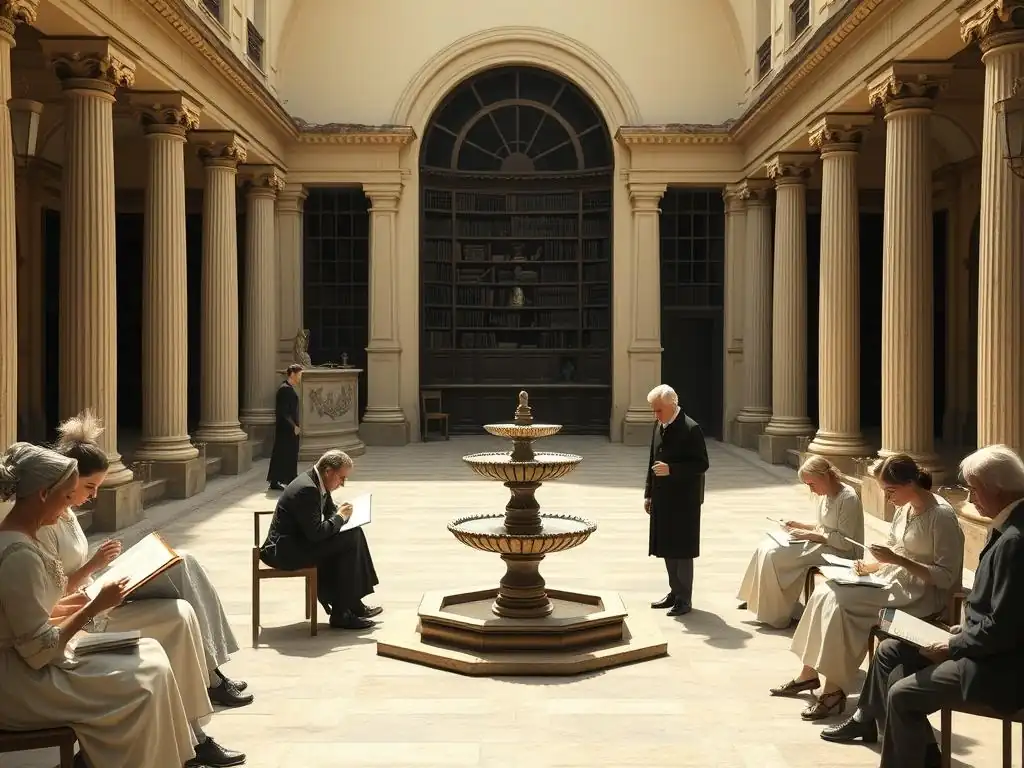
The establishment of dedicated mental hospitals during the Enlightenment was often driven by a reformist vision. These institutions were conceived not merely as places to confine the mentally ill, but as environments where recovery and rehabilitation were possible through specific therapeutic approaches. The ideals often centered on humane treatment, structured daily life, and a belief in the potential for reason and order to restore disordered minds.
This optimistic outlook, though frequently clashing with the harsh realities of implementation, represented a significant evolution in historical mental health treatment methods. It moved beyond simple warehousing towards a more active engagement with the patient's condition. The vision aimed to create sanctuaries where individuals could be shielded from the stresses of the outside world and provided with the necessary conditions for healing, a stark contrast to the dungeons and workhouses previously used for confinement.
Moral Treatment: The Core Philosophy of Asylum Reform
Moral Treatment emerged as a cornerstone philosophy in the late 18th and early 19th centuries, most notably championed by figures like William Tuke at the York Retreat and later by physicians like Pinel. This approach posited that kindness, routine, engaging activity, and a supportive environment were crucial for restoring mental balance. It rejected the use of excessive physical restraints and harsh punishments, advocating instead for gentle persuasion, meaningful work, and therapeutic relationships between staff and patients.
The principles of Moral Treatment included providing comfortable living quarters, nutritious food, opportunities for exercise, and participation in work or recreational activities. For example, at the York Retreat, patients engaged in gardening, sewing, and quiet games, treated with respect and encouraged towards self-control through positive reinforcement. This method, while not a cure for all conditions, showed promising results for some patients, particularly those suffering from acute psychoses or melancholia, demonstrating that humane care could indeed have a positive impact on recovery rates compared to purely custodial approaches.
Creating Therapeutic Environments: Architecture and Design
The vision of early mental hospitals included a focus on the physical environment as a therapeutic tool. Inspired by the belief that disorder in one's surroundings could contribute to mental confusion, reformers advocated for buildings that were orderly, clean, and provided access to fresh air and light. Asylums were often planned with spacious grounds, gardens, and well-ventilated rooms, a stark contrast to the dark, damp cells of earlier institutions like Bedlam in its worst periods.
Architectural designs began to incorporate principles intended to facilitate observation and control while also providing a calming atmosphere. Features like airing courts allowed patients supervised outdoor access, while specific ward layouts were designed to separate different types of patients or levels of illness. While the practical execution often fell short due to funding or overcrowding, the idea that the built environment could influence mental state was a novel and important contribution to historical mental health treatment methods, reflecting the Enlightenment belief in the power of environmental factors.
The Promise of Rehabilitation: Restoring Dignity and Function
A key element of the Enlightenment vision for mental hospitals was the promise of rehabilitation – the idea that individuals could recover sufficiently to return to their lives and communities. This went beyond mere containment; it implied a belief in the potential for recovery and the restoration of the patient's dignity and ability to function. Moral Treatment, in particular, emphasized structured daily routines and purposeful activities, such as handicrafts or farm work, as integral to the healing process.
The aim was not just to alleviate symptoms but to reintegrate the individual into society. Patients were encouraged to maintain personal hygiene, interact socially, and engage in tasks that mirrored daily life. While the success rate of full rehabilitation varied greatly depending on the severity of the illness and the resources of the institution, this aspiration represented a significant step forward from earlier periods where the mentally ill were often considered irrecoverably lost. It highlighted a growing recognition that, with the right support, individuals could regain their independence.
The Reality: Challenges and Limitations of Early Asylums
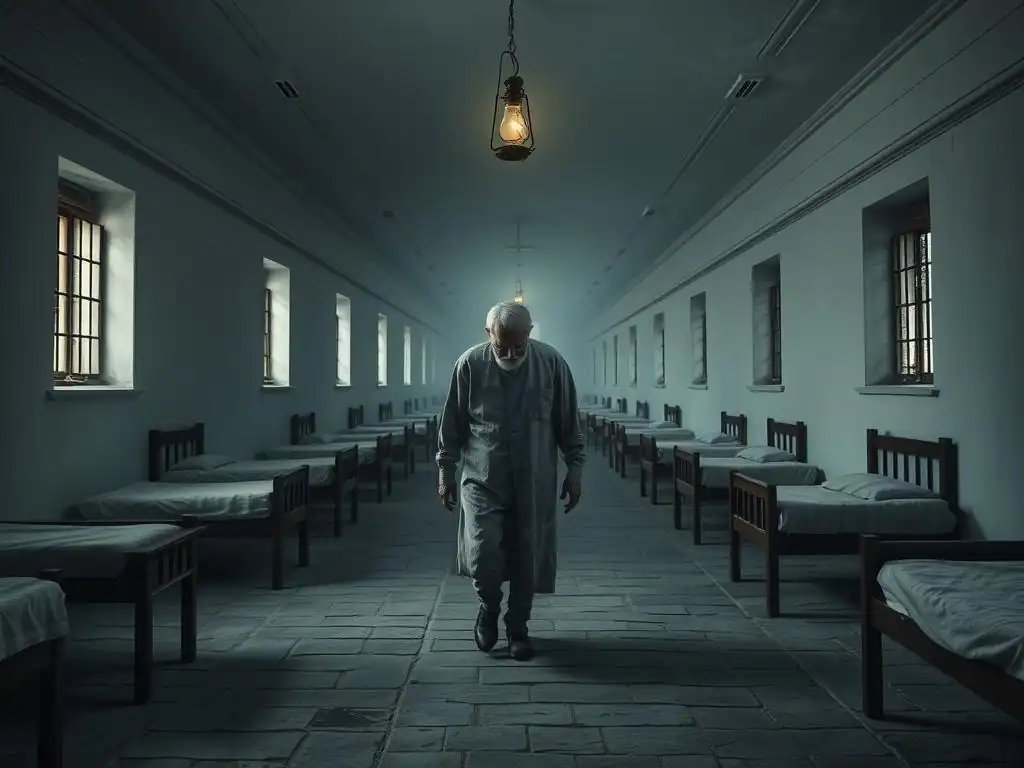
Despite the noble visions and reformist ideals, the reality of early mental hospitals often fell short. The ambitious goals of moral treatment and therapeutic environments frequently collided with practical limitations, societal prejudices, and a fundamental lack of scientific understanding of mental illness. These challenges meant that for many patients, the asylum experience was far from the promised sanctuary.
The gap between vision and reality was a persistent issue, undermining the potential positive impact of historical mental health treatment methods. While some institutions, particularly smaller, privately funded ones like the York Retreat, managed to uphold many of the reformist principles for a time, larger public asylums often struggled under immense pressure, leading to conditions that resembled custody more than care.
Overcrowding and Understaffing: Strain on Resources
One of the most significant challenges facing early mental hospitals was chronic overcrowding. As more people were admitted – often for a wide range of conditions, not just severe mental illness – institutions rapidly exceeded their planned capacity. For example, Bethlem Royal Hospital (Bedlam) in London, one of the oldest institutions, housed hundreds of patients in conditions that became increasingly cramped and difficult to manage as the 19th century progressed.
This overcrowding was exacerbated by severe understaffing. Attendants were often poorly paid, untrained, and tasked with supervising large numbers of patients. Ratios could be as low as one attendant for fifty or more patients, making individualized care or the implementation of complex therapeutic programs nearly impossible. This lack of resources meant that the principles of Moral Treatment, which required significant staff-patient interaction and structured activities, were often abandoned in favor of simpler, more manageable custodial approaches, severely limiting the effectiveness of historical mental health treatment methods.
Limited Understanding of Mental Illness: Treatment Efficacy
Despite the shift towards observation and reason, the scientific understanding of the causes and nature of mental illness in the Enlightenment era remained extremely limited. Without accurate diagnostic categories or knowledge of underlying biological or psychological mechanisms, treatments were often based on speculative theories, prevailing medical fads, or trial and error. Conditions like schizophrenia, bipolar disorder, and severe depression were poorly differentiated and often lumped together under broad terms like "mania" or "melancholia."
This lack of understanding meant that even well-intentioned historical mental health treatment methods often had little specific efficacy. While a calm environment and routine might benefit some patients, others required interventions that were simply unknown at the time. Therapies were often generic and not tailored to specific conditions, leading to high rates of chronicity and limited recovery for many individuals within asylum walls.
The Rise of Custodial Care: From Treatment to Confinement
As overcrowding and understaffing worsened, and the initial optimism of Moral Treatment waned in the face of persistent and complex mental illnesses, many early mental hospitals transitioned from places aiming for active treatment and rehabilitation to primarily custodial institutions. The focus shifted from restoring patients to society to simply housing and managing them.
Patients who did not quickly recover often became long-term residents, sometimes for decades. The emphasis moved towards maintaining order and control within the asylum, which could unfortunately lead to increased reliance on restraints, isolation, and sedative medications (when available). This evolution towards custodial care represented a significant departure from the Enlightenment's initial reformist vision, transforming many asylums into warehouses for the mentally ill, where basic needs were met, but therapeutic goals were largely abandoned.
Historical Mental Health Treatment Methods: A Closer Look
Examining the specific historical mental health treatment methods employed in early asylums reveals a blend of traditional medical practices, emerging psychological approaches, and methods primarily aimed at control. While some techniques were intended to be therapeutic, others were rooted in outdated medical theories or simply practical responses to managing large populations of distressed individuals.
Understanding these methods is crucial for appreciating the context of early mental healthcare and the journey towards more effective and humane interventions. They reflect the scientific knowledge, societal attitudes, and practical constraints of the time, offering insights into both the progress made and the significant limitations that existed.
Bloodletting and Purging: Common Medical Practices
Drawing heavily on humoral theory, the long-standing belief that illness resulted from imbalances in the body's four humors (blood, phlegm, yellow bile, and black bile), bloodletting and purging were common medical practices applied to a wide range of ailments, including mental illness. Physicians believed that these procedures could remove excess humors or toxins thought to be causing the mental disturbance.
Patients might undergo venesection (cutting a vein) to remove several ounces of blood, or be subjected to powerful emetics (to induce vomiting) and laxatives (to induce purging). These methods were often debilitating and had no specific therapeutic effect on mental conditions, sometimes weakening already vulnerable patients. Despite the rise of Enlightenment reason, these traditional, physically invasive historical mental health treatment methods persisted for decades within asylum practice.
Restraints and Isolation: Managing "Difficult" Patients
While Moral Treatment aimed to reduce physical restraints, their use remained widespread, particularly in understaffed and overcrowded institutions. Restraints, including straitjackets, muffs, leg irons, and even chaining to walls, were employed primarily to prevent patients from harming themselves or others, or simply to manage disruptive behavior when staff numbers were insufficient for constant supervision.
Isolation in padded cells or solitary rooms was another common method for controlling agitated or violent patients. While brief periods of seclusion might sometimes be used as a calming measure, prolonged isolation could be profoundly detrimental, exacerbating distress and contributing to psychological deterioration. The reliance on restraints and isolation highlights the tension between the reformist ideals of humane care and the practical realities of managing large, complex populations with limited resources, representing a less humane aspect of historical mental health treatment methods.
Early Forms of Therapy: Occupational and Recreational Activities
In institutions that genuinely attempted to implement Moral Treatment, occupational and recreational activities were considered vital therapeutic components. The belief was that engaging patients in purposeful work or enjoyable leisure could restore order to their minds, provide a sense of accomplishment, and encourage social interaction.
Activities included gardening, farming (many asylums had extensive grounds), sewing, knitting, carpentry, reading, playing music, and structured walks. These activities provided routine, physical exercise, and mental stimulation, offering a stark contrast to the idleness and despair that could characterize purely custodial care. While not addressing the root causes of severe mental illness, these early forms of therapy were pioneering in their recognition of the importance of engagement and environment in mental well-being, offering a more positive example of historical mental health treatment methods.
Case Studies: Examining Specific Early Mental Hospitals
To understand the varied reality of early mental hospitals, it is useful to examine specific institutions that represent different approaches and outcomes. The York Retreat in England is often cited as a successful example of Moral Treatment implementation, while Bicêtre Hospital in France is famous for the dramatic reforms led by Philippe Pinel during the French Revolution. These cases illustrate both the potential and the challenges inherent in historical mental health treatment methods.
These examples provide concrete illustrations of how the theoretical ideals of the Enlightenment were put into practice, albeit with varying degrees of success and facing distinct obstacles posed by their context – one a small, Quaker-run private asylum, the other a large, state-run institution undergoing revolutionary upheaval.
The York Retreat (England): A Quaker Vision
Founded in 1796 by William Tuke, a Quaker philanthropist, the York Retreat was established in response to the poor conditions and harsh treatment of the mentally ill in existing institutions, particularly the local York Asylum. The Retreat was designed specifically to implement the principles of Moral Treatment, based on Quaker values of compassion, respect, and faith in the inherent worth of every individual.
The Retreat was intentionally small, initially housing around 30 patients, allowing for a high staff-to-patient ratio and individualized care. The environment was designed to be calm and domestic, resembling a large family home rather than a prison. Patients were encouraged to participate in household tasks, gardening, and crafts, and were treated with kindness and respect by the staff, who often lived on-site.
Implementation of Moral Treatment Principles
At the York Retreat, the implementation of Moral Treatment was rigorous. Physical restraints were rarely used, and when necessary, were applied briefly and judiciously. Instead of chains, patients were managed through gentle persuasion, the removal of irritants, and the creation of a soothing environment. Daily routines were structured, incorporating work, leisure, and social interaction.
Patients dined together, participated in group activities, and were encouraged to reflect on their behavior and feelings in discussions with staff. This focus on building therapeutic relationships and fostering self-control through positive means represented a radical departure from the prevailing historical mental health treatment methods of the time. The emphasis was on creating a moral community where recovery was fostered through humane interaction and purposeful living.
Challenges and Successes at The York Retreat
Despite its relatively small scale and clear mission, the York Retreat still faced challenges, including financial sustainability and the difficulty of treating severe or chronic cases. Not all patients recovered, and some required long-term care. However, the Retreat achieved notable successes, demonstrating that a humane and therapeutic environment could lead to significant improvement in many patients, particularly those with acute conditions.
Reports from the Retreat highlighted recovery rates that were often cited as higher than those of traditional institutions, though precise comparative data is difficult to verify retrospectively. More importantly, the York Retreat served as an influential model, inspiring similar reforms and the establishment of other institutions based on Moral Treatment principles in Britain, the United States, and elsewhere, proving that alternative historical mental health treatment methods were not only possible but could be effective.
Bicêtre Hospital (France): Revolution and Reform
Bicêtre Hospital in Paris was a large, multi-purpose institution that housed not only the mentally ill but also the poor, the elderly, and prisoners. Conditions for the mentally ill within Bicêtre were notoriously harsh, characterized by overcrowding, neglect, and the widespread use of chains and dungeons to confine patients, reflecting some of the most brutal historical mental health treatment methods.
It was in this setting, during the tumultuous years of the French Revolution (around 1793), that physician Philippe Pinel was appointed and famously implemented reforms that became legendary. While the story of Pinel "unchaining the insane" is often romanticized, his work at Bicêtre and later at Salpêtrière Hospital marked a pivotal moment in the history of psychiatric care.
Pinel's Reforms: Unchaining the Insane
Pinel, influenced by the Enlightenment's emphasis on humanitarianism and medical observation, advocated for the removal of chains and other brutal restraints from patients. He argued that such treatment exacerbated their distress and agitation. Instead, he promoted a system based on observation, classification of different forms of mental illness, and humane management.
Pinel's reforms at Bicêtre involved releasing some patients from their chains, allowing them more freedom of movement within the asylum grounds, and introducing more systematic observation of their symptoms and behavior. He also emphasized the importance of empathetic interaction between staff and patients, advocating for a more therapeutic relationship. This act of 'unchaining' symbolized a fundamental shift in perspective, viewing the mentally ill as patients deserving of medical care rather than as beasts to be controlled by force.
The Evolution of Treatment at Bicêtre
Following Pinel's initial dramatic reforms, treatment at Bicêtre, and in French asylums more broadly, evolved to incorporate aspects of Moral Treatment alongside medical interventions. Pinel and his successor, Jean-Étienne Dominique Esquirol, focused on detailed clinical descriptions and attempted to classify mental illnesses based on observed symptoms, contributing significantly to the nascent field of psychiatry.
However, Bicêtre, like many large public institutions, continued to face challenges related to its size and resources. While the most brutal restraints were largely abandoned, other forms of control persisted. The sheer number of patients (Bicêtre housed thousands across its various functions) made it difficult to sustain the level of individualized care seen at smaller institutions like the York Retreat. Nonetheless, Pinel's work at Bicêtre fundamentally altered the approach to the management of mental illness in large institutions, influencing historical mental health treatment methods across Europe.
The Dark Side of Early Mental Hospitals: Abuse and Neglect

Despite the reformist ideals and the efforts of pioneers like Tuke and Pinel, the history of early mental hospitals is also marked by significant instances of abuse, neglect, and exploitation. The inherent power imbalance between institution and patient, coupled with a lack of external oversight, created environments where vulnerable individuals were sometimes subjected to mistreatment.
This "dark side" is a critical part of understanding the reality of historical mental health treatment methods during this era. It highlights the dangers of unchecked institutional power and the need for robust protections for individuals within care settings, lessons that remain relevant today.
Documented Cases of Mistreatment and Exploitation
Historical accounts and investigations reveal numerous instances of mistreatment in early mental hospitals. Patients were sometimes subjected to cruel or unusual punishments, physical violence from attendants, or humiliating conditions. Stories emerged of patients being kept in squalor, denied adequate food or heating, or used for forced labor within the asylum or on its grounds without compensation.
While not universal, these documented cases, often brought to light by reformers or official inquiries, painted a grim picture of the potential for abuse within these isolated institutions. For instance, investigations into some early public asylums revealed patients left naked, chained in cold cells, or subjected to arbitrary beatings, starkly contradicting the principles of humane care and highlighting the worst aspects of historical mental health treatment methods.
A fundamental issue contributing to abuse was the extreme power imbalance between the asylum staff (from attendants to superintendents) and the patients. Patients, stripped of their legal rights upon admission, often had no means of recourse or complaint. Their accounts of mistreatment were frequently dismissed or disbelieved.
Institutional authority was virtually absolute within the asylum walls. Staff held complete control over patients' daily lives, including food, shelter, movement, and access to the outside world. This unchecked power, combined with the often low status and poor training of attendants, created a fertile ground for neglect and abuse, making patients incredibly vulnerable within the system of historical mental health treatment methods.
The Need for Oversight and Accountability
The problems of abuse and neglect in early mental hospitals underscored a critical missing element: external oversight and accountability. Institutions often operated with little transparency, and there were few mechanisms for inspecting conditions or investigating complaints from or on behalf of patients.
Reform efforts throughout the 19th century increasingly called for government inspection, independent boards of visitors, and legal protections for patients' rights. The struggles to implement such oversight highlight the difficulty in ensuring humane care within institutional settings and serve as a historical lesson about the necessity of external checks and balances to prevent the recurrence of the dark side of historical mental health treatment methods.
Legacy of Early Mental Hospitals: Lessons Learned and Lasting Impact
The era of early mental hospitals, born from Enlightenment ideals but often grappling with harsh realities, left a complex and enduring legacy. These institutions were the precursors to modern psychiatric hospitals and played a significant role in shaping the development of the field of psychiatry and mental health policy.
Understanding this legacy involves recognizing both the positive contributions – the shift towards medical models and humane ideals – and the profound failures, particularly the descent into custodial care and instances of abuse. The lessons learned from this period continue to inform debates about mental healthcare provision today, including the balance between institutional and community-based care.
The Birth of Modern Psychiatry: Foundations and Limitations
The systematic observation and classification efforts undertaken by physicians like Pinel and Esquirol within early asylums laid some of the foundational stones for modern psychiatry. Their work contributed to the idea that mental disorders could be studied, categorized, and potentially treated as medical conditions, moving away from purely philosophical or moral interpretations.
However, this early psychiatry was limited by the scientific knowledge of the time and often remained intertwined with prevailing, sometimes harmful, medical practices. While it professionalized the care of the mentally ill to some extent, it also solidified the asylum as the primary model of care for over a century, leading to institutionalization on a massive scale. The historical mental health treatment methods developed within these early frameworks thus represent both a step forward in medicalizing mental illness and a limitation in their often narrow, institutional focus.
The Evolution of Mental Health Policy: From Asylums to Community Care
The eventual decline of the large asylum system in the mid-to-late 20th century was a direct consequence of the problems that plagued early mental hospitals – overcrowding, neglect, and the failure of the institutional model to provide effective treatment for many. The legacy of the asylum era fueled the movement towards deinstitutionalization and the development of community-based mental health services.
Policy shifted from mandatory, long-term institutionalization towards outpatient care, community support programs, and psychiatric hospitals focused on acute, short-term treatment. This evolution was driven by humanitarian concerns, advancements in psychopharmacology, and a recognition that the isolated, total institution was often detrimental to recovery. The historical mental health treatment methods practiced in early asylums thus provided a powerful negative example that spurred the search for alternative models of care.
Understanding the Past to Improve the Future of Mental Healthcare
Examining the history of early mental hospitals offers crucial lessons for contemporary mental healthcare. It highlights the importance of treating individuals with dignity and respect, the dangers of unchecked power in care settings, and the need for continuous scientific inquiry into the causes and treatments of mental illness.
The tension between idealistic visions and practical realities, the struggle for adequate resources, and the challenge of balancing control with care are themes that resonate even today. By understanding the complex legacy of historical mental health treatment methods from the Enlightenment era, we are better equipped to advocate for humane, effective, and evidence-based care systems that avoid the pitfalls of the past and prioritize the well-being and rights of individuals experiencing mental health challenges.
Conclusion: Reflecting on the Enlightenment's Mental Health Legacy
The Enlightenment era marked a pivotal turning point in the history of mental health care. It introduced the idea of mental illness as a medical condition, spurred the creation of dedicated institutions, and championed the principles of humane treatment and rational inquiry. The vision was one of therapeutic environments where reason and care could restore disordered minds.
However, the reality of early mental hospitals was often a complex mix of progress and significant challenges. Overcrowding, understaffing, limited scientific understanding, and the ever-present risk of abuse meant that the noble ideals frequently succumbed to the pressures of managing large, vulnerable populations. The historical mental health treatment methods employed reflected this duality – from progressive moral therapy to traditional, sometimes harmful, medical practices and controlling restraints.
A Mixed Legacy: Progress and Persistent Challenges
The legacy of early mental hospitals is undeniably mixed. They represent a crucial step away from purely punitive or superstitious approaches to mental illness and laid some of the groundwork for modern psychiatry. The concept of a therapeutic environment and the emphasis on routine and activity were valuable contributions. Yet, they also established a model of large-scale institutionalization that ultimately proved unsustainable and often detrimental, leading to decades where custodial care overshadowed therapeutic goals.
The challenges faced by these early institutions – securing adequate resources, training staff, and developing effective treatments – are issues that continue to confront mental healthcare systems globally. The history reminds us that even well-intentioned reforms can falter without sustained commitment, oversight, and a deep understanding of the complex needs of individuals with mental health conditions.
The Ongoing Pursuit of Humane and Effective Mental Healthcare
The journey from the early asylums of the Enlightenment to contemporary mental healthcare systems is a long one, marked by both triumphs and setbacks. The lessons from this historical period underscore the ongoing pursuit of humane, ethical, and effective ways to support individuals experiencing mental illness.
The commitment to treating patients with dignity, ensuring their rights, and providing care based on the best available evidence are direct descendants of the reformist spirit of the Enlightenment, tempered by the hard-won knowledge gained from the failures of the asylum era. As we continue to refine our approaches to mental well-being, reflecting on the vision and reality of these early institutions remains a vital exercise in understanding the evolution of historical mental health treatment methods and striving for a future where compassionate and effective care is accessible to all.
Frequently Asked Questions
What was the initial vision behind the establishment of early mental hospitals during the Enlightenment?
The vision was often rooted in humanitarian ideals, aiming to provide asylum and care for individuals deemed "insane." They were intended to be places of therapeutic intervention, in contrast to imprisonment.
How did the reality of life in early mental hospitals often differ from the Enlightenment ideals?
The reality often involved overcrowding, poor sanitation, and the use of restraints and harsh treatments due to a lack of understanding of mental illness and effective therapies.
What were some of the common treatment methods employed in early mental hospitals?
Common treatments included bloodletting, purging, and the use of mechanical restraints like straitjackets. Moral treatment, emphasizing kindness and routine, was an emerging but often inconsistent approach.
How did the Enlightenment influence the development of mental health care, even with the shortcomings of early hospitals?
The Enlightenment fostered a shift in perspective, viewing mental illness as a medical condition rather than demonic possession. This paved the way for scientific inquiry and the eventual development of more humane treatments.
What are some lessons we can learn from the history of early mental hospitals regarding mental health treatment?
Understanding the past helps us avoid repeating mistakes, appreciate the progress made in mental health care, and recognize the importance of evidence-based treatments and humane practices.
Final Reflection: The Enduring Legacy of Enlightenment-Era Mental Healthcare
The romanticized vision of humane mental healthcare during the Enlightenment starkly contrasts with the brutal realities experienced by countless individuals. While the period saw the birth of asylums intended to offer refuge and treatment, the practical application often fell tragically short, leaving a legacy of suffering that continues to shape our understanding of mental illness today. The gap between ideal and reality serves as a potent reminder of the ongoing need for ethical and effective mental healthcare practices.
The Enlightenment's attempt to reform mental health treatment, though flawed, profoundly impacted the cultural landscape. Its influence can still be seen in the ongoing debate surrounding the rights of individuals with mental illness, the ethical considerations of treatment, and the very structure of mental health institutions. Madness is not a disease, but a state of being.
This quote, while not directly from the Enlightenment, encapsulates the shift in understanding that began during this period, a shift that continues to evolve and challenge our assumptions. The struggle to balance compassion with effective intervention remains a central theme in the ongoing conversation about mental health.
Consider the parallels between the historical struggles documented in this article and the challenges faced by mental health systems today. You, the reader, are now equipped with a deeper understanding of the historical context shaping our current approaches. Reflect on the ethical implications of treatment, the importance of patient autonomy, and the ongoing need for compassionate and evidence-based care. Let the lessons learned from the past inspire you to advocate for a future where mental healthcare truly lives up to its ideals, a future where the vision of humane treatment becomes a reality for all.
Unlock the Secrets of Early Mental Healthcare
Thanks for exploring the fascinating—and often challenging—history of early mental hospitals with us! You've gained a valuable understanding of the evolution of mental healthcare practices. Now, let's take that knowledge further.
- Dive deeper: Research a specific historical figure or institution mentioned in the article. Explore their methods, successes, and failures—it's a great starting point for further learning.
- Share your thoughts: What surprised you most about the realities of early mental hospitals compared to the Enlightenment ideals? Start a discussion in the comments below!
- Uncover hidden stories: Search your local historical archives for stories of mental healthcare in your own community. You might uncover fascinating local narratives often overlooked in broader historical accounts.
What unexpected parallels do you see between the challenges faced in early mental hospitals and contemporary mental healthcare?