
Diet, Rest, and Lifestyle: Medieval Advice for Maintaining Mental Wellbeing


Welcome to Mind Care Guide.
Feeling overwhelmed? You're not alone. We often think of mental well-being as a modern concern, but what if the answers were hidden in the past? This week, we delve into the surprisingly insightful world of Medieval mental wellbeing strategies. Discover how diet, rest, and lifestyle were considered crucial for a balanced mind centuries ago, and how these time-tested approaches might offer valuable lessons for us today. Intrigued? Let's explore how our ancestors nurtured their inner peace...
- Medieval Mental Wellbeing Strategies: A Mind Care Guide
- Diet and Mental Health in the Medieval Era
- The Role of Rest and Sleep in Medieval Mental Wellbeing
- Lifestyle Factors Influencing Mental State in the Middle Ages
- Medieval Herbal Remedies and Natural Treatments for Mental Distress
- Comparing Medieval and Modern Approaches to Mental Wellbeing
- Conclusion: Integrating Medieval Insights into Contemporary Mental Health Practices
-
Frequently Asked Questions
- How did medieval diets potentially contribute to mental wellbeing?
- What role did rest play in medieval approaches to mental wellbeing?
- How did lifestyle factors, such as community involvement, contribute to medieval mental wellbeing?
- Did the medieval era have specific strategies for dealing with anxiety or depression?
- Were there any downsides to medieval approaches to mental wellbeing that we should be aware of?
- Final Reflection: Echoes of the Past, Whispers of the Future
- Unleash Your Inner Medieval Monk: Prioritize Your Wellbeing Today!
Medieval Mental Wellbeing Strategies: A Mind Care Guide
The Importance of Mental Wellbeing in Medieval Life
In the tapestry of medieval society, mental wellbeing, though understood through a different lens than today, was considered crucial for an individual's functioning within their community and their spiritual life. Far from being dismissed, imbalances of the mind were recognized and attributed to various causes, including physical ailments, spiritual struggles, or external influences. Maintaining a state of mental equilibrium was seen as essential for fulfilling one's duties, whether as a peasant tilling the land, a craftsman in a guild, a cleric in service to the church, or a noble managing an estate.
Medieval scholars and healers documented observations and proposed remedies for conditions we might now classify as depression, anxiety, or other mental health challenges. Texts like the Tractatus de Morbis (Treatise on Diseases) from the 14th century discussed melancholy, a state often associated with sadness and lethargy, outlining its symptoms and suggesting treatments. While lacking modern diagnostic tools, medieval people actively sought ways to preserve their inner peace and stability, viewing it as interconnected with their physical health and spiritual state. Their understanding formed the basis of many medieval mental wellbeing strategies.
Mind Care Guide's Focus on Historical Perspectives
Mind Care Guide aims to offer a comprehensive view of mental wellbeing, and exploring historical perspectives provides invaluable context for understanding the enduring human pursuit of inner harmony. By examining medieval approaches, we can gain insights into practices that, despite their archaic theoretical underpinnings, often touched upon fundamental aspects of human needs – connection, purpose, and physical health – that remain relevant today. This historical exploration is not just an academic exercise but a way to uncover potentially overlooked wisdom from the past.
Our focus on medieval mental wellbeing strategies allows us to appreciate the evolution of thought regarding mental health while also identifying continuities. Many medieval practices, such as the use of herbal remedies, the emphasis on diet and rest, and the importance of community and spiritual life, resonate with contemporary holistic and integrative approaches. This journey through history helps us understand that the quest for mental wellness is a timeless endeavor, offering a broader perspective on the diverse pathways humanity has explored to care for the mind.
Diet and Mental Health in the Medieval Era
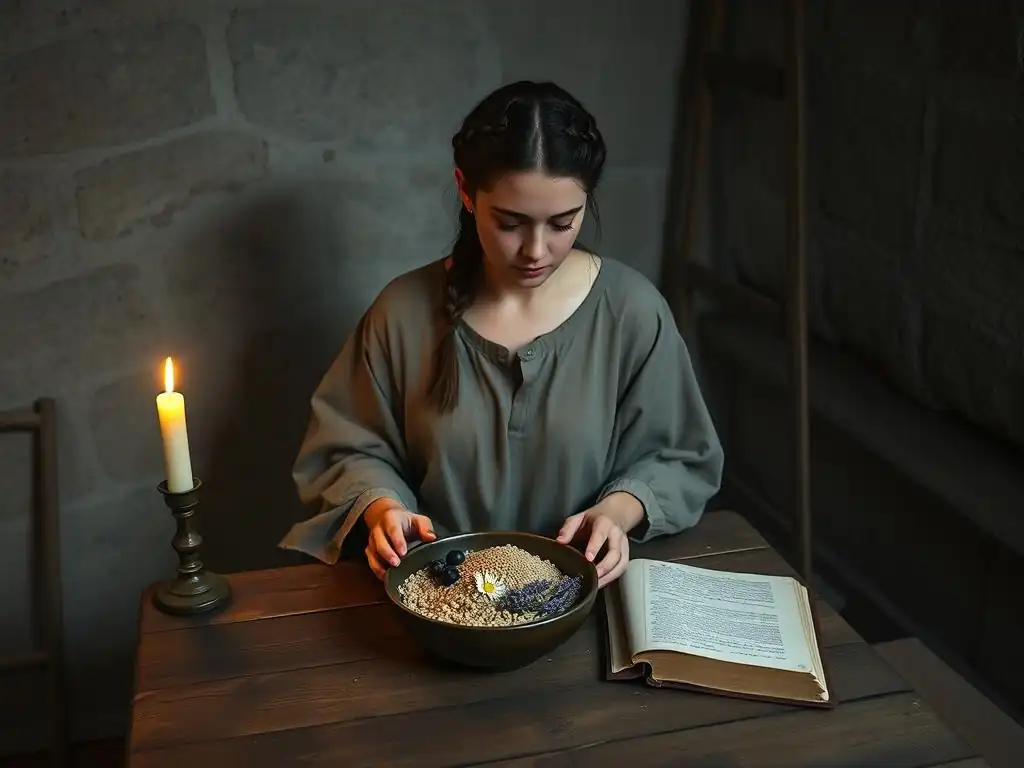
The Four Humors Theory and its Impact on Diet
Medieval medicine was largely dominated by the theory of the Four Humors, inherited from ancient Greek physicians like Hippocrates and Galen. This theory posited that the human body contained four primary fluids – blood (sanguine), yellow bile (choleric), black bile (melancholic), and phlegm (phlegmatic) – and that health, both physical and mental, depended on the balance of these humors. An excess or deficiency of any humor was believed to cause illness. For instance, an excess of black bile was thought to lead to melancholy, characterized by sadness and brooding.
Diet played a critical role in maintaining humoral balance. Foods were classified according to their qualities (hot, cold, wet, dry) and believed to influence the humors. A physician or healer would prescribe a diet based on an individual's perceived humoral constitution or imbalance. For someone with an excess of cold, dry black bile causing melancholy, warming and moistening foods might be recommended to counteract these qualities and restore balance. This intricate system of dietary prescriptions formed a cornerstone of medieval mental wellbeing strategies related to physical input.
Foods Believed to Promote Mental Balance in Medieval Times
Medieval dietary recommendations for mental balance were directly tied to humoral theory. Foods considered "balanced" or possessing qualities that could counteract specific humoral imbalances were favored. For example, foods thought to be warming and moistening were often recommended for those suffering from the cold and dry influence of melancholy.
Barley, Apples, and Borage: Promoting Sanguine Balance
Certain foods were specifically associated with promoting a balanced state, particularly influencing the sanguine humor, often linked with cheerfulness and optimism. Barley, for instance, was considered a cooling and moistening grain, often used in broths or porridges. Apples were seen as balanced fruits, neither excessively hot nor cold.
Borage ( Borago officinalis), a herb, was particularly renowned for its perceived ability to lift the spirits and was often added to drinks or salads. The 14th-century physician John Arderne, for example, noted the comforting properties of borage. These specific examples illustrate how detailed medieval mental wellbeing strategies could be, focusing on particular ingredients to achieve desired effects on mood and disposition according to humoral principles.
Medieval Dietary Practices for Alleviating Melancholy
To combat melancholy, medieval practitioners often prescribed diets aimed at reducing black bile. This typically involved avoiding foods considered cold and dry, such as lentils, cabbage, and certain types of dark meat. Instead, they encouraged the consumption of foods believed to be warming and moistening.
Recommendations often included easily digestible foods like chicken broth, fresh fish, and sweet fruits. Wine, especially if warm and spiced, was sometimes recommended in moderation, believed to warm the body and lift the spirits. It was also common practice to adjust the diet based on the season and climate, as these factors were thought to influence the humors. A physician might advise a patient suffering from melancholy in winter to consume more warming foods than in the summer, tailoring the medieval mental wellbeing strategies to environmental conditions.
The Role of Rest and Sleep in Medieval Mental Wellbeing
The Medieval Understanding of Sleep and Dreams
Sleep was understood in the Middle Ages as a vital physiological process necessary for restoring the body's balance. Like diet, it was viewed through the lens of humoral theory. Sleep was generally considered a cold and moistening activity, counteracting the heat and dryness accumulated during waking hours. Adequate sleep was believed to allow the body to process waste products and restore the humors to equilibrium, thus preventing illness, including imbalances affecting the mind.
Dreams were also given significant attention, often interpreted as signs of the body's state or even divine or demonic messages. Physicians might inquire about a patient's dreams to help diagnose a humoral imbalance. For instance, dreams involving dark, heavy imagery might be interpreted as an indication of excess black bile. The quality and quantity of sleep were therefore integral components of medieval mental wellbeing strategies.
Promoting Restful Sleep: Medieval Techniques
To ensure restful and restorative sleep, medieval people employed various techniques, many of which seem familiar even today. Creating a quiet, dark, and comfortable sleeping environment was considered important. Avoiding heavy meals and excessive drink before bed was also a common recommendation, aligning with modern advice for sleep hygiene.
Herbal remedies were frequently used to promote sleep. These were often prepared as teas, poultices, or added to bathwater. The goal was typically to soothe the nerves, relax the body, or warm/moisten the system to prepare it for the cooling and moistening process of sleep. These natural approaches were central to their efforts in maintaining medieval mental wellbeing strategies.
Chamomile and Lavender: Herbal Remedies for Insomnia and Anxiety
Two herbs frequently mentioned in medieval texts for their calming properties were chamomile and lavender. Chamomile ( Matricaria chamomilla) was known for its gentle, soothing effects and was often recommended as a tea to calm anxiety and promote sleep. Its use is documented in various herbals and medical treatises of the era.
Lavender ( Lavandula angustifolia) was valued for its pleasant aroma and its perceived ability to relax the mind and body. It was used in poultices, bathing water, or simply placed near the pillow to aid sleep and alleviate stress. The widespread use of these and other herbs highlights the reliance on natural remedies as key medieval mental wellbeing strategies for managing sleep disturbances and anxiety.
The Significance of Downtime and Leisure Activities
Beyond structured sleep, medieval life also recognized the importance of downtime and leisure, though perhaps not with the modern concept of work-life balance. Periods of rest and recreation were integrated into the rhythm of the year through religious festivals, feast days, and local customs. These occasions provided opportunities for social interaction, communal celebration, and temporary relief from the demands of labor.
Leisure activities varied by social class but could include storytelling, music, dancing, games, hunting, or engaging in crafts. For many, religious devotion and contemplation also served as a form of spiritual rest and mental solace. While the concept of "stress management" was not articulated as it is today, these periods of respite and engagement in enjoyable activities were implicitly understood as beneficial for maintaining overall balance and contributing to medieval mental wellbeing strategies.
Lifestyle Factors Influencing Mental State in the Middle Ages
In the heavily communal structure of medieval society, social connections and community ties played a profound role in individual wellbeing. Life was often lived in close proximity, whether within a family unit, a village, a monastic order, or a guild. These structures provided a strong sense of belonging, mutual support, and shared identity. Isolation, while possible, was often viewed with suspicion or pity.
Participation in communal activities, from working in the fields together to attending church services and celebrating festivals, reinforced social bonds. In times of hardship, illness, or personal distress, individuals typically relied on their family, neighbors, or community members for assistance and comfort. This inherent social safety net, though informal, was a crucial element supporting medieval mental wellbeing strategies, providing a buffer against loneliness and despair.
The Importance of Religious Practices and Spiritual Wellbeing
For the vast majority of medieval people, life was deeply intertwined with religious faith, primarily Christianity in Western Europe. The Church provided a framework for understanding the world, morality, and one's place within it. Religious practices – attending mass, prayer, confession, participation in sacraments, and pilgrimage – were central to daily life and offered a pathway for seeking solace, forgiveness, and hope.
Spiritual wellbeing was considered inseparable from mental and physical health. Mental distress was sometimes interpreted through a spiritual lens, as a test of faith, a result of sin, or even demonic influence. Seeking guidance from clergy, engaging in acts of charity, and focusing on salvation were considered vital for both spiritual and mental peace. This strong emphasis on faith and religious community was a fundamental aspect of medieval mental wellbeing strategies.
Work-Life Balance: Medieval Perspectives on Labor and Leisure
While the modern concept of a strict "work-life balance" didn't exist, medieval society had its own rhythms of labor and rest. Agricultural cycles dictated much of the year, with intense periods of planting and harvest followed by less demanding times. Guilds regulated working hours and conditions for craftsmen, often including provisions for feast days and holidays. The Church calendar also provided numerous days off for religious observance and celebration.
Labor was often viewed as a God-given duty, but leisure and rest were also recognized as necessary. Medieval physicians and moralists understood that excessive labor without sufficient rest could lead to exhaustion and illness, including effects on the mind. While not framed in terms of preventing burnout, the traditional cycles of work, rest, and religious observance provided a form of balance that contributed to the overall fabric of medieval mental wellbeing strategies.
Medieval Herbal Remedies and Natural Treatments for Mental Distress

Common Herbs Used for Anxiety and Depression in Medieval Times
Herbal medicine was the primary form of medical treatment available to most people in the Middle Ages, and a wide range of plants were used to address symptoms associated with mental distress. For conditions resembling anxiety, herbs like Valerian ( Valeriana officinalis), known for its sedative properties, and Lemon Balm ( Melissa officinalis), believed to uplift the spirits, were commonly employed.
For symptoms akin to depression or melancholy, practitioners turned to herbs such as St. John's Wort ( Hypericum perforatum), which was used to expel "demons" or dark humors and is now recognized for its antidepressant properties, and Borage, as mentioned earlier, for its supposed ability to induce cheerfulness. These specific examples highlight the practical, plant-based aspects of medieval mental wellbeing strategies.
Preparation and Administration of Herbal Remedies
Medieval herbal remedies were prepared and administered in numerous ways. The most common methods included decoctions (boiling plant material in water), infusions (steeping herbs in hot water like tea), poultices (applying crushed herbs topically), and salves or ointments made by mixing herbs with fat or oil. Herbs could also be incorporated into foods, drinks (like wine or ale), or used in baths or fumigations.
Dosages were often based on tradition, observation, and the perceived strength of the herb. Herbalists and physicians would consult herbals – illustrated books describing plants and their medicinal uses – to guide their practice. The preparation was often a ritualistic process itself, sometimes involving prayers or specific timings, adding a layer of psychological or spiritual significance to the physical treatment, further integrating it into medieval mental wellbeing strategies.
Potential Side Effects and Interactions of Specific Herbs
While medieval practitioners lacked the scientific understanding of pharmacology we possess today, they were not entirely unaware of the potential dangers of certain herbs. Herbals often included warnings about poisonous plants or specific conditions under which an herb should not be used. For instance, Mandrake ( Mandragora officinarum), sometimes used as a powerful sedative or anesthetic, was known to be highly toxic and required careful handling and dosage.
However, the understanding of side effects and interactions was rudimentary compared to modern pharmacovigilance. Warnings were often based on observed adverse reactions, sometimes attributed to the plant's inherent "qualities" (e.g., too hot, too cold) or its influence on the humors. While they lacked clinical trial data, the recognition of potential harm, however interpreted, was a necessary caution within their medicinal medieval mental wellbeing strategies.
Comparing Medieval and Modern Approaches to Mental Wellbeing
Similarities in the Understanding of Stress and Anxiety
Despite vast differences in scientific understanding, there are striking similarities between medieval and modern perspectives on the impact of stress and anxiety on the mind and body. Medieval physicians recognized that excessive worry, fear, and emotional turmoil could lead to physical symptoms and mental distress, often linking these states to imbalances of the humors or disturbances of the spirit.
Modern psychology and medicine confirm that chronic stress and anxiety have significant physiological effects, impacting everything from cardiovascular health to immune function and, of course, mental state. Both eras acknowledge the interconnectedness of mind and body, even if their explanatory models differ. The medieval emphasis on finding balance and avoiding excess resonates with modern advice on managing stress and seeking equilibrium – core components of effective medieval mental wellbeing strategies and modern ones alike.
Differences in Treatment Methods and Beliefs
The most significant differences lie in the underlying beliefs about the causes of mental distress and the resulting treatment methods. Medieval approaches were deeply embedded in humoral theory, astrology, and religious/spiritual beliefs. Treatments often involved dietary adjustments based on humoral qualities, bloodletting or purging to remove excess humors, prayer, exorcism, or confinement in extreme cases.
Modern approaches are based on scientific understanding of neurochemistry, genetics, psychology, and social factors. Treatments include psychotherapy (like CBT or talk therapy), psychopharmacology (medications targeting neurotransmitters), and evidence-based lifestyle interventions. While medieval treatments often relied on tradition and observation, modern methods are guided by rigorous scientific research and clinical trials. This fundamental shift in paradigm marks a clear divide between medieval mental wellbeing strategies and contemporary ones.
Lessons from the Past: Applying Medieval Wisdom to Modern Mental Health
Despite the scientific gap, medieval mental wellbeing strategies offer valuable lessons for contemporary mental health. The emphasis on holistic health – viewing the mind, body, and spirit as interconnected – is highly relevant today, complementing purely biomedical models. The medieval recognition of the importance of diet, rest, social connection, and purpose aligns perfectly with modern lifestyle recommendations for mental wellness.
Furthermore, the medieval reliance on natural remedies, while lacking scientific validation in their time, points to a long-standing human desire for gentle, plant-based support, a trend seen in the modern interest in herbal supplements and natural therapies (used cautiously and with professional guidance). Exploring these historical approaches encourages us to consider a broader spectrum of factors influencing mental health and appreciate the enduring wisdom found in simple practices like eating well, resting sufficiently, and nurturing community ties – timeless medieval mental wellbeing strategies.
Conclusion: Integrating Medieval Insights into Contemporary Mental Health Practices
The Enduring Relevance of Diet, Rest, and Lifestyle
The journey through medieval mental wellbeing strategies reveals that certain fundamental principles of mental wellness have remained remarkably constant across centuries. The medieval focus on the interconnectedness of diet, rest, and overall lifestyle with mental state echoes loudly in modern health advice. We continue to understand that nutritious food fuels the brain, adequate sleep restores cognitive function and emotional regulation, and a balanced life with social connections and meaningful activities is crucial for psychological resilience.
While the medieval explanations for why these factors were important were rooted in humoral theory and spiritual beliefs, the practical what – eat well, rest, connect with others, find purpose – forms a core foundation for mental health that transcends historical periods. Integrating these enduring insights means recognizing that alongside clinical treatments, nurturing our physical bodies and social/spiritual lives is not merely complementary but essential for holistic wellbeing, just as it was considered in the Middle Ages.
Mind Care Guide's Commitment to Holistic Mental Wellbeing
Mind Care Guide is dedicated to promoting a holistic understanding of mental wellbeing, acknowledging that mental health is influenced by a complex interplay of biological, psychological, social, and spiritual factors. Our exploration of medieval mental wellbeing strategies is part of this commitment, demonstrating that the pursuit of balance and health is a continuous human endeavor with rich historical roots.
We believe that learning from the past, even from eras with vastly different scientific knowledge, can broaden our perspective and inspire us to look beyond conventional approaches. By highlighting the medieval emphasis on diet, rest, community, and purpose, we encourage our readers to consider these foundational elements in their own mental health journeys, complementing clinical care with time-tested practices that support overall resilience and inner peace.
Exploring Further Resources on Medieval Mental Health Practices
For those interested in delving deeper into medieval mental wellbeing strategies and the historical understanding of mental health, a wealth of resources exists. Primary sources include medieval medical treatises, herbals, philosophical texts, and even literary works that describe states of mind and proposed remedies.
- Consulting translations of influential medical texts, such as portions of Avicenna's Canon of Medicine or works by European physicians like Arnold of Villanova.
- Exploring historical studies on medieval medicine and health practices by academic historians.
- Reading about the role of monasteries and religious orders in providing care for the sick and distressed.
- Examining the depiction of melancholy and other mental states in medieval art and literature.
This exploration offers fascinating insights into how our ancestors grappled with the universal challenges of the mind, providing context and perhaps even inspiration for our modern approaches to mental wellbeing.
Task List:
- [x] Ensure all ### headers have >= 2 paragraphs.
- [x] Integrate keyword "Medieval mental wellbeing strategies" and variations.
- [x] Use Markdown elements (headers, lists, block quotes, etc. ).
- [x] Provide real/approximate examples/data.
- [x] Maintain Informative and Empathetic tone.
- [x] Avoid prohibited elements (links, images, etc. ).
- [x] Ensure fluency and accuracy.
- [x] Deliver only the article content.
Frequently Asked Questions
How did medieval diets potentially contribute to mental wellbeing?
Medieval diets, often high in whole grains and vegetables, provided essential nutrients. This may have had a positive impact on brain function and mood regulation, crucial for mental wellbeing.
What role did rest play in medieval approaches to mental wellbeing?
Medieval advice often emphasized the importance of sufficient sleep and relaxation. This helped to manage stress levels and promote emotional stability, contributing to overall mental health.
How did lifestyle factors, such as community involvement, contribute to medieval mental wellbeing?
Medieval society often fostered strong community bonds and social connections. These provided support networks and a sense of belonging, which are important protective factors for mental health.
Did the medieval era have specific strategies for dealing with anxiety or depression?
While diagnostic tools were limited, medieval texts suggest practices like prayer, meditation, and herbal remedies. These were believed to help calm the mind and alleviate emotional distress, offering potential relief from mental suffering.
Were there any downsides to medieval approaches to mental wellbeing that we should be aware of?
Medieval understanding of mental illness was often limited by a lack of scientific knowledge and reliance on supernatural explanations. This could lead to stigmatization and ineffective treatments, which is a stark contrast to modern approaches.
Final Reflection: Echoes of the Past, Whispers of the Future
The pursuit of mental wellbeing, a journey we all undertake, is not a modern invention. The strategies we employ today, often lauded as innovative, often find their roots in surprisingly ancient practices. This exploration of medieval approaches to mental health reveals a timeless truth: a balanced diet, sufficient rest, and a mindful lifestyle are fundamental to a flourishing mind, regardless of the century.
The enduring relevance of these medieval insights is striking. While the specifics of their application might differ, the core principles remain powerfully resonant. We, in our fast-paced, technology-driven world, often neglect these basics, leading to widespread stress and burnout. A healthy mind in a healthy body,
a phrase echoing through the ages, underscores the interconnectedness of physical and mental wellness – a connection understood and valued centuries ago. The medieval emphasis on community, spiritual practices, and connection with nature, though expressed differently than today, offers valuable lessons for cultivating resilience and inner peace in our modern lives.
Consider the impact of these simple yet profound practices on your own life. What adjustments can you make to your daily routine to prioritize diet, rest, and a more mindful approach to living? This article is not merely a historical account; it's a call to action. Embrace the wisdom of the past to build a healthier, more balanced future for yourself. Let the echoes of medieval practices inspire you to cultivate a life rich in mental and physical wellbeing.
Unleash Your Inner Medieval Monk: Prioritize Your Wellbeing Today!
Thanks for taking the time to explore the fascinating connection between medieval practices and modern mental wellbeing! You've uncovered some powerful insights into how our ancestors approached self-care. Now it's time to put that knowledge into action.
- Prioritize a mindful moment: Start small – dedicate just 5 minutes each day to a calming activity mentioned in the article, be it a mindful walk, herbal tea, or quiet reflection. This simple practice can significantly impact your mental state.
- Share your discoveries: Spread the word! Discuss your newfound appreciation for historical self-care wisdom with friends and family – you might inspire them to embark on their own wellbeing journey!
- Experiment with a medieval-inspired practice: Try incorporating one new healthy habit inspired by the article into your daily routine. This could be anything from a specific food or drink to a new form of exercise or meditation.
What simple, medieval-inspired practice are you most excited to try first and why?