
The Science of the Mind: How Research Advanced Psychiatry (19002000)


Welcome to Mind Care Guide, a sanctuary for understanding and nurturing your mental well-being. Ever wondered how far psychiatry has come in the last century? Our journey begins with a deep dive into " Psychiatry research historical advancements," exploring pivotal moments that shaped our understanding of the mind and paved the way for modern treatment. Let's unlock the secrets of the past to build a brighter future for mental health.
The Science of the Mind: How Research Advanced Psychiatry (1900-2000)
- Introduction: Psychiatry's Transformation Through 20th Century Research
- The Dawn of Psychoanalysis: Freud and the Unconscious Mind
- Biological Psychiatry Emerges: Exploring the Brain's Role in Mental Illness
- The Age of Psychopharmacology: Revolutionizing Treatment with Medications
- Cognitive and Behavioral Therapies: Evidence-Based Approaches to Mental Health
- Neuroimaging and the Brain: Visualizing Mental Disorders
- Deinstitutionalization and Community Mental Health: Research's Influence on Policy
- 20th Century Psychiatry Research: Key Advances and Lasting Impact
-
Frequently Asked Questions
- What were some of the major discoveries in psychiatry research between 1900 and 2000?
- How did biological research contribute to advancements in psychiatry during this period?
- How did psychological theories influence the development of psychiatric treatments?
- What impact did historical events (e.g., wars, social movements) have on psychiatry research?
- What were the limitations of psychiatry research during this period?
- Final Reflection: A Century of Unfolding Minds
- Unlock Your Mind's Potential: Take the Next Step in Understanding Mental Health
Introduction: Psychiatry's Transformation Through 20th Century Research
Setting the Stage: Early 20th Century Mental Healthcare Landscape
At the dawn of the 20th century, the landscape of mental healthcare was vastly different from what we know today. Care for individuals with mental illness was predominantly custodial, often taking place in large, isolated institutions known as asylums. These facilities, while sometimes founded with benevolent intentions, frequently became overcrowded, understaffed, and offered little in the way of effective treatment. The understanding of mental disorders was largely based on anecdotal observation, moralistic judgments, or rudimentary, often unproven biological theories.
Treatments ranged from hydrotherapy and therapeutic baths to more invasive and experimental procedures, with outcomes being highly unpredictable. Stigma was pervasive, leading to social isolation and profound challenges for those affected and their families. It was a field ripe for transformation, desperately needing the rigor and insight that scientific inquiry could provide.
The prevailing view often attributed mental illness to moral failings, environmental stressors, or poorly understood biological imbalances. There was a significant lack of standardized diagnostic criteria, making it difficult for clinicians to communicate effectively or for researchers to study specific conditions systematically. While some pioneering figures like Emil Kraepelin had begun categorizing mental disorders based on symptom clusters and prognosis, his work was not universally adopted, and the underlying causes and effective interventions remained largely unknown.
The limited knowledge base and the prevailing societal attitudes meant that individuals struggling with psychiatric conditions often faced lifetimes of institutionalization with minimal hope for recovery or reintegration into society. This challenging context underscored the critical need for systematic psychiatry research historical advancements to move the field forward.
The Pivotal Role of Research in Shaping Modern Psychiatry
The 20th century marked a period of unprecedented growth and change in the understanding and treatment of mental illness, driven almost entirely by dedicated scientific research. From the exploration of the unconscious mind to the mapping of brain circuits and the development of life-changing medications, relentless inquiry challenged existing paradigms and opened new avenues for intervention.
Researchers across various disciplines – psychology, biology, chemistry, and neuroscience – contributed to a cumulative body of knowledge that gradually dismantled old assumptions and built a foundation for evidence-based practice. These psychiatry research historical advancements were not linear; they involved breakthroughs, setbacks, debates, and paradigm shifts that collectively revolutionized clinical approaches and improved countless lives.
Systematic investigation allowed for the refinement of diagnostic criteria, the identification of potential biological and psychological underpinnings of disorders, and the rigorous testing of therapeutic interventions. This shift towards a research-driven approach moved psychiatry away from purely speculative or custodial models towards a medical discipline grounded in scientific evidence.
Each major development, whether it was the rise of psychopharmacology in the mid-century or the advent of neuroimaging later on, stemmed directly from focused research efforts aimed at understanding the complex nature of the human mind and its disorders. The commitment to research became the engine driving progress, transforming psychiatry from a field primarily focused on containment to one dedicated to diagnosis, treatment, and recovery.
The Dawn of Psychoanalysis: Freud and the Unconscious Mind
Sigmund Freud's Revolutionary Theories: A Paradigm Shift in Psychiatry
Sigmund Freud, an Austrian neurologist, introduced a revolutionary framework at the turn of the 20th century that profoundly impacted psychiatric thought: psychoanalysis. His theories posited the existence of an unconscious mind, a vast reservoir of thoughts, feelings, and memories outside conscious awareness, which significantly influenced behavior and mental well-being. Freud suggested that psychological distress, particularly neuroses, stemmed from unresolved conflicts, often rooted in early childhood experiences, that were repressed into the unconscious.
Key concepts included the id, ego, and superego as structural components of the psyche, defense mechanisms (like repression and denial) used to manage anxiety, and the significance of dreams and slips of the tongue as windows into the unconscious. While not strictly empirical research in the modern sense, Freud's detailed case studies, such as those of Anna O.
(though primarily treated by Josef Breuer) and the Wolf Man, served as the primary data for developing and illustrating his complex theoretical model. These case histories, though retrospective and subjectively interpreted, were meticulously documented and debated, attempting to provide evidence for his claims about the unconscious and its role in psychopathology.
Freud's work represented a significant departure from the purely biological or degenerative models prevalent at the time. It offered a psychological explanation for mental suffering, emphasizing the importance of an individual's personal history and internal world. His "talking cure" – involving free association, dream analysis, and the interpretation of transference – proposed that bringing unconscious conflicts into conscious awareness could alleviate psychological symptoms.
The impact of psychoanalysis extended far beyond clinical practice, influencing art, literature, and popular culture. Within psychiatry, it shifted focus from solely observable behavior or presumed biological defects to the intricate workings of the mind. Although later psychiatry research historical advancements would challenge many of his specific tenets, Freud's fundamental idea that psychological distress has deep, often hidden, roots within the individual psyche was a paradigm shift that opened the door for psychodynamic approaches and highlighted the importance of early life experiences.
Exploring the Unconscious: Research on Dreams, Repression, and the Psyche
Freud's theories spurred considerable interest in exploring the unconscious mind, leading to various methods aimed at accessing its contents. Dream analysis was a central technique, based on the premise that dreams are the "royal road" to the unconscious, containing symbolic representations of repressed desires and conflicts. Freud himself published extensive analyses of dreams, including his own, in works like "The Interpretation of Dreams" (1900).
While his specific interpretations were highly subjective and lacked empirical validation methods available today, the idea that dreams held psychological significance was a novel concept that stimulated further inquiry into sleep and cognitive processes. Repression, the mechanism by which unacceptable thoughts or feelings are pushed out of conscious awareness, was another key concept explored through case studies and clinical observation. Freud described how repressed memories or impulses could manifest as symptoms like hysteria, phobias, or obsessions.
Beyond Freud, researchers and clinicians within the burgeoning psychoanalytic movement continued to explore these concepts through therapeutic practice and theoretical development. Carl Jung, initially a close associate of Freud, expanded the idea of the unconscious to include a collective unconscious containing archetypes, which he explored through the analysis of mythology, religion, and symbols across cultures.
Alfred Adler, another early collaborator, focused more on the conscious pursuit of goals and the concept of inferiority complexes stemming from early life experiences. While these explorations were primarily theoretical and clinically based rather than employing rigorous empirical methodologies like controlled experiments, they generated hypotheses about personality development, motivation, and the origins of distress that later psychiatry research historical advancements in areas like cognitive psychology and neuroscience would attempt to investigate with different methods.
The detailed case narratives produced by psychoanalysts, though not quantitative data, provided rich qualitative insights into the subjective experience of mental illness and the potential impact of psychological factors.
Criticisms and Limitations of Early Psychoanalytic Research
Despite its profound influence, early psychoanalytic theory and the methods used to support it faced significant criticism regarding its scientific validity. The primary method of investigation was the case study, relying heavily on the therapist's subjective interpretation of a patient's narrative, free associations, and dreams. This approach lacked the control and objectivity necessary for empirical validation. Concepts like the unconscious, repression, and the Oedipus complex were difficult, if not impossible, to operationalize and measure objectively.
Critics argued that findings were often unfalsifiable – meaning there was no way to design an experiment that could prove the theory wrong – a fundamental requirement of scientific theories. For instance, if a patient agreed with an interpretation, it was seen as evidence; if they disagreed, it was interpreted as resistance, still fitting within the theoretical framework. This made it challenging to distinguish genuine insights from interpretations driven by theoretical bias.
Furthermore, the effectiveness of psychoanalysis as a treatment was difficult to assess rigorously. Early outcome data was largely anecdotal, based on therapists' reports of improvement in their patients. There was a lack of controlled studies comparing psychoanalysis to no treatment, placebo, or other interventions.
The therapy was also lengthy and expensive, making it inaccessible to the vast majority of people suffering from mental distress. While psychoanalysis provided a powerful conceptual framework for understanding the human psyche and stimulated interest in the psychological roots of mental illness, its reliance on non-empirical methods and the difficulty in testing its core hypotheses meant that its impact on psychiatry research historical advancements in terms of generating empirically verifiable data was limited compared to later approaches. However, its influence on clinical practice, the doctor-patient relationship, and the very language used to discuss mental health remained undeniable throughout the century.
Biological Psychiatry Emerges: Exploring the Brain's Role in Mental Illness

The Search for Biological Markers: Early Biochemical Research in Psychiatry
Parallel to and eventually intersecting with psychological approaches, the 20th century saw a growing interest in the biological underpinnings of mental illness. Early biological psychiatry sought to identify specific physical or biochemical abnormalities associated with different disorders.
While the late 19th century had seen the identification of syphilis as the cause of general paresis (a severe neuropsychiatric disorder), offering a compelling example of a mental illness with a clear biological origin, the early 1900s continued this search for other biological culprits. Researchers investigated various possibilities, including metabolic disturbances, infectious agents, and endocrine imbalances.
For example, pellagra, a disease caused by niacin deficiency, was found to cause symptoms like dermatitis, diarrhea, dementia, and even death, demonstrating how nutritional deficiencies could profoundly impact mental state. This finding, largely solidified by Joseph Goldberger's work in the 1910s and 1920s, provided a concrete example of a "mental illness" with a biochemical basis, fueling the hope that other psychiatric conditions might similarly be linked to specific biological factors.
Early biochemical studies were often limited by the technology of the time, focusing on readily accessible biological samples like blood, urine, or cerebrospinal fluid. Researchers measured levels of various substances, such as hormones, metabolites, and electrolytes, comparing levels in individuals with mental disorders to those without.
While many early findings were inconsistent or later disproven due to methodological limitations, these investigations laid the groundwork for future discoveries. The concept that neurotransmitters play a crucial role in brain function and mental health began to take shape, albeit slowly.
For instance, early research explored the effects of substances like adrenaline (epinephrine) and noradrenaline (norepinephrine) on mood and physiological states. While a detailed understanding of neurotransmitter systems and their links to disorders like depression or schizophrenia wouldn't fully emerge until mid-century and beyond, these early biochemical explorations were foundational psychiatry research historical advancements that shifted the focus back towards the brain as a potential source of psychiatric illness.
Genetics and Mental Disorders: Initial Studies on Heritability and Predisposition
The early 20th century also saw the nascent application of genetic principles to understand mental illness. Following the rediscovery of Mendel's laws of inheritance, researchers began exploring whether psychiatric conditions like schizophrenia and bipolar disorder (then often referred to by different names like dementia praecox and manic-depressive insanity) could be inherited. Early studies primarily relied on analyzing family pedigrees, tracing the occurrence of mental illness across generations within families. These studies consistently showed that mental disorders tended to run in families, with individuals having affected relatives being at a significantly higher risk than the general population. For example, studies published in the 1930s and 1940s estimated the risk of developing schizophrenia for a first-degree relative (parent, sibling, or child) of an affected individual to be around 10%, compared to a general population risk of roughly 1%. Similarly, early family studies suggested a higher concordance rate for bipolar disorder among relatives.
Twin studies became a particularly powerful tool in early genetic research in psychiatry. By comparing the concordance rates (the probability that both twins in a pair will have the disorder if one does) for identical (monozygotic) twins, who share virtually 100% of their genes, and fraternal (dizygotic) twins, who share approximately 50% of their genes, researchers could estimate the relative contributions of genetic and environmental factors.
Early twin studies, conducted from the 1920s onwards, consistently found significantly higher concordance rates for schizophrenia and bipolar disorder in identical twins compared to fraternal twins. For instance, concordance rates for schizophrenia in identical twins were often reported in the range of 40-60%, while in fraternal twins, they were much lower, around 10-15%.
These findings provided strong evidence for a significant genetic component to these severe mental illnesses. While these early genetic studies couldn't identify specific genes, they were crucial psychiatry research historical advancements that established the principle that genetic predisposition plays a substantial role in vulnerability to certain psychiatric conditions, laying the groundwork for modern molecular genetic research.
The Impact of World War II: Trauma, Stress, and Psychiatric Research
World War II had a profound and complex impact on psychiatric research and practice. The sheer scale of psychological casualties among soldiers exposed to combat trauma brought the issue of stress-related mental health disorders to the forefront. Conditions like "shell shock" from World War I were re-examined and studied under labels such as "combat fatigue" or "war neurosis." Military psychiatrists and researchers were confronted with large populations of individuals experiencing acute stress reactions, anxiety, depression, and trauma-related symptoms.
This spurred research into the immediate and long-term effects of severe psychological stress on mental health. Studies conducted within military hospitals and rehabilitation centers provided valuable data on the prevalence, symptom presentation, and short-term outcomes of these conditions. The focus shifted, in part, from static, lifelong illnesses to understanding how external stressors could precipitate mental health crises, highlighting the interaction between environment and vulnerability.
The war also necessitated rapid development and evaluation of therapeutic interventions that could be applied on a large scale. Brief psychotherapies, group therapy, and early forms of pharmacotherapy were explored and utilized to treat soldiers quickly and effectively. The experience of treating vast numbers of individuals with similar trauma-related issues led to better classification and understanding of stress responses, which would later inform the development of diagnostic categories for trauma disorders, eventually leading to the concept of Post-Traumatic Stress Disorder (PTSD) much later in the century.
Furthermore, the large-scale psychiatric screening and assessment of recruits provided epidemiological data on the prevalence of mental health issues in the general population. The urgent demands of wartime medical care accelerated practical psychiatry research historical advancements focused on crisis intervention, stress management, and the impact of environmental factors, leaving a lasting legacy on the field's understanding of trauma and stress.
The Age of Psychopharmacology: Revolutionizing Treatment with Medications
The Discovery of Chlorpromazine: A Breakthrough in Schizophrenia Treatment
The mid-20th century witnessed arguably the most transformative psychiatry research historical advancements with the advent of psychopharmacology. A pivotal moment was the serendipitous discovery and introduction of chlorpromazine (marketed as Thorazine) in the early 1950s. Originally synthesized in France as an antihistamine and potential anesthetic adjuvant, researchers observed its calming and sedating effects without causing excessive narcosis.
French psychiatrist Henri Laborit first noted its potential to reduce anxiety and agitation in surgical patients. This led to its investigation in psychiatric patients, particularly those with severe psychotic symptoms like schizophrenia. French psychiatrists Jean Delay and Pierre Deniker conducted groundbreaking clinical trials in 1952, demonstrating that chlorpromazine could significantly reduce hallucinations, delusions, and thought disorder in patients with schizophrenia, symptoms that had previously been largely untreatable with medication.
The impact of chlorpromazine was immediate and profound. It was rapidly adopted worldwide and quickly became known as the first effective antipsychotic medication. For the first time, many individuals with severe schizophrenia, who might have faced lifelong institutionalization, experienced a reduction in their most debilitating symptoms, allowing them to potentially live outside of asylums, engage in therapy, or even return to their families and communities.
While chlorpromazine had significant side effects, its ability to target core psychotic symptoms represented a monumental shift in the treatment of severe mental illness. Its discovery spurred intense research efforts to understand how it worked (leading to the dopamine hypothesis of schizophrenia) and to develop other, improved psychotropic medications. This single discovery initiated the "psychopharmacology revolution," forever changing the landscape of psychiatric treatment and fueling further psychiatry research historical advancements into the biological basis of mental disorders.
Antidepressants Emerge: From Tricyclics to SSRIs and their Impact on Depression Research
Following the success of chlorpromazine, researchers actively searched for other compounds that could alleviate different psychiatric symptoms. The next major breakthrough came with the discovery of the first antidepressants in the late 1950s. Iproniazid, initially developed to treat tuberculosis, was observed to have mood-elevating effects in patients, leading to its investigation as an antidepressant (it was a monoamine oxidase inhibitor, or MAOI). Around the same time, imipramine, a compound structurally similar to chlorpromazine, was found to be ineffective for schizophrenia but remarkably effective in treating depression.
Imipramine became the prototype for the tricyclic antidepressants (TCAs). These early antidepressants provided the first effective pharmacological treatment for moderate to severe depression, a condition previously treated primarily with psychotherapy, electroconvulsive therapy (ECT), or simply custodial care. Clinical trials, though less rigorous by modern standards, demonstrated that TCAs could significantly reduce depressive symptoms compared to placebo or existing treatments.
Research into how these early antidepressants worked led to the monoamine hypothesis of depression, suggesting that depression might be caused by a deficiency in certain neurotransmitters, such as norepinephrine and serotonin. This hypothesis, though simplified, guided further drug development. In the late 1980s and 1990s, a new class of antidepressants, the Selective Serotonin Reuptake Inhibitors (SSRIs), emerged, starting with fluoxetine (Prozac) in 1987.
SSRIs were found to be as effective as TCAs for many patients but generally had a more favorable side effect profile, leading to wider acceptance and use. The development and widespread use of antidepressants dramatically changed the prognosis for millions suffering from depression, transforming it from a potentially chronic and debilitating condition into one that could often be managed effectively. The research surrounding these medications profoundly influenced the understanding of the neurobiological basis of mood disorders and continued to drive psychiatry research historical advancements in psychopharmacology.
Lithium and Bipolar Disorder: Understanding Mood Stabilization Through Research
Another significant pharmacological advancement of the 20th century was the use of lithium for bipolar disorder. The therapeutic effect of lithium salts on manic episodes was discovered by Australian psychiatrist John Cade in 1949. Cade, working with limited resources, hypothesized that manic excitement might be caused by a toxin and tested various substances, including lithium urate, on guinea pigs.
He observed that lithium had a calming effect and subsequently administered lithium citrate to patients experiencing mania, reporting remarkable improvements. While Cade's initial methodology was rudimentary and based on an incorrect hypothesis about uric acid, his clinical observation of lithium's effect was accurate. However, lithium is toxic in overdose, and several deaths occurred before safe dosage levels were established.
It wasn't until the rigorous, placebo-controlled trials conducted by Danish psychiatrist Mogens Schou in the 1960s that lithium's efficacy and safety profile were firmly established. Schou's research demonstrated conclusively that lithium was effective not only in treating acute manic episodes but also crucially, as a prophylactic agent to prevent both manic and depressive relapses in patients with bipolar disorder.
His meticulous studies, including landmark papers published in the Lancet in the late 1960s, provided the robust evidence needed for lithium to gain widespread acceptance in clinical practice, particularly in the United States where there had been initial skepticism. Lithium was the first effective mood stabilizer, offering hope for individuals suffering from the often-devastating mood swings of bipolar disorder.
The research surrounding lithium's discovery and validation was a crucial psychiatry research historical advancement, providing the first effective long-term management strategy for bipolar illness and stimulating further research into the neurobiology of mood regulation.
Cognitive and Behavioral Therapies: Evidence-Based Approaches to Mental Health
The Rise of Behaviorism: Learning Theory and its Application to Psychiatric Treatment
While psychopharmacology focused on biological interventions, another major stream of psychiatry research historical advancements in the 20th century centered on psychological therapies rooted in learning theory. Behaviorism, a school of psychology that emerged in the early 1900s, focused exclusively on observable behavior and its relationship to environmental stimuli. Pioneered by figures like Ivan Pavlov (classical conditioning) and B.F. Skinner (operant conditioning), behaviorism proposed that behaviors, including maladaptive ones associated with mental disorders, are learned responses to the environment.
This perspective offered a stark contrast to the introspective methods of psychoanalysis and the purely biological views, suggesting that psychological problems could be understood and treated by applying principles of learning. Early therapeutic applications, later termed behavior therapy, focused on modifying specific problematic behaviors through techniques derived from conditioning research.
Techniques like systematic desensitization, developed by Joseph Wolpe in the 1950s based on principles of classical conditioning, were researched and applied to treat anxiety disorders and phobias. This method involved gradually exposing a patient to feared stimuli while teaching them relaxation techniques, aiming to extinguish the fear response. Other behavioral techniques, such as exposure therapy, aversion therapy, and token economies (based on operant conditioning, where desired behaviors are reinforced with rewards), were developed and tested for various conditions, including phobias, obsessive-compulsive disorder, and managing severe behavioral problems in institutional settings.
The emphasis in behavior therapy was on empirical evaluation; researchers designed studies to measure observable changes in behavior and assess the effectiveness of specific techniques. This focus on measurable outcomes and replicable procedures represented a significant psychiatry research historical advancement towards developing evidence-based psychological treatments, complementing the advancements being made in biological psychiatry.
Cognitive Therapy and CBT: Research on Thought Patterns and Behavioral Change
Building upon behaviorism but incorporating the role of internal mental processes, cognitive therapy emerged in the 1960s, primarily developed by psychiatrist Aaron T. Beck. Beck, initially a psychoanalyst, observed that his depressed patients often experienced automatic negative thoughts about themselves, the world, and the future – a "cognitive triad" of depression. He hypothesized that these distorted thought patterns, rather than solely unconscious conflicts, played a central role in maintaining depression and anxiety.
Cognitive therapy aimed to identify and challenge these maladaptive thoughts, replacing them with more realistic and helpful ones, thereby influencing emotions and behavior. Simultaneously, Albert Ellis developed Rational Emotive Behavior Therapy (REBT), based on similar principles linking beliefs and emotional consequences.
Research on cognitive therapy involved developing standardized assessment tools to measure automatic thoughts and dysfunctional beliefs and conducting clinical trials to evaluate the therapy's effectiveness. Studies compared cognitive therapy to medication, other psychotherapies, and control groups for conditions like depression and anxiety disorders.
Findings consistently showed that cognitive therapy was an effective treatment for these conditions. The integration of cognitive therapy with behavioral techniques led to the development of Cognitive Behavioral Therapy (CBT), which became one of the most widely researched and empirically supported psychotherapies by the end of the 20th century.
CBT research focused on manualizing treatment protocols, making the therapy more standardized and teachable, and conducting randomized controlled trials to demonstrate its efficacy across a wide range of mental health issues, including panic disorder, social anxiety, and obsessive-compulsive disorder. This rigorous research approach solidified CBT's position as a leading evidence-based treatment and represented significant psychiatry research historical advancements in the development and validation of psychological interventions.
Comparative Effectiveness Research: Evaluating the Efficacy of Different Therapeutic Approaches
As the 20th century progressed and multiple treatment options – including various medications and different forms of psychotherapy (psychodynamic, behavioral, cognitive) – became available, psychiatry research historical advancements included a growing emphasis on comparative effectiveness research. Clinicians and policymakers needed to know which treatments worked best for whom, under what circumstances. This led to studies designed to directly compare the outcomes of different therapies for specific disorders.
For example, studies were conducted to compare the effectiveness of antidepressant medication versus CBT for major depressive disorder, or to compare different types of psychotherapy for anxiety disorders. Researchers used methodologies such as randomized controlled trials (RCTs), where patients were randomly assigned to different treatment groups or a control group (placebo or waitlist), to minimize bias and allow for more confident conclusions about treatment effects.
Large-scale, multi-site studies were sometimes undertaken to compare treatments across diverse patient populations and settings. One notable example, initiated in the 1980s, was the National Institute of Mental Health (NIMH) Treatment of Depression Collaborative Research Program (TDCRP), which compared the effectiveness of interpersonal psychotherapy, cognitive behavioral therapy, imipramine (a TCA), and a placebo for treating major depression.
Findings from such studies provided valuable information about the relative strengths and weaknesses of different approaches, often suggesting that combinations of medication and psychotherapy could be particularly effective for certain conditions. This move towards rigorous, comparative research was a vital psychiatry research historical advancement, providing clinicians with evidence-based guidance on treatment selection and contributing to a more nuanced understanding of how different interventions impact mental health.
Neuroimaging and the Brain: Visualizing Mental Disorders
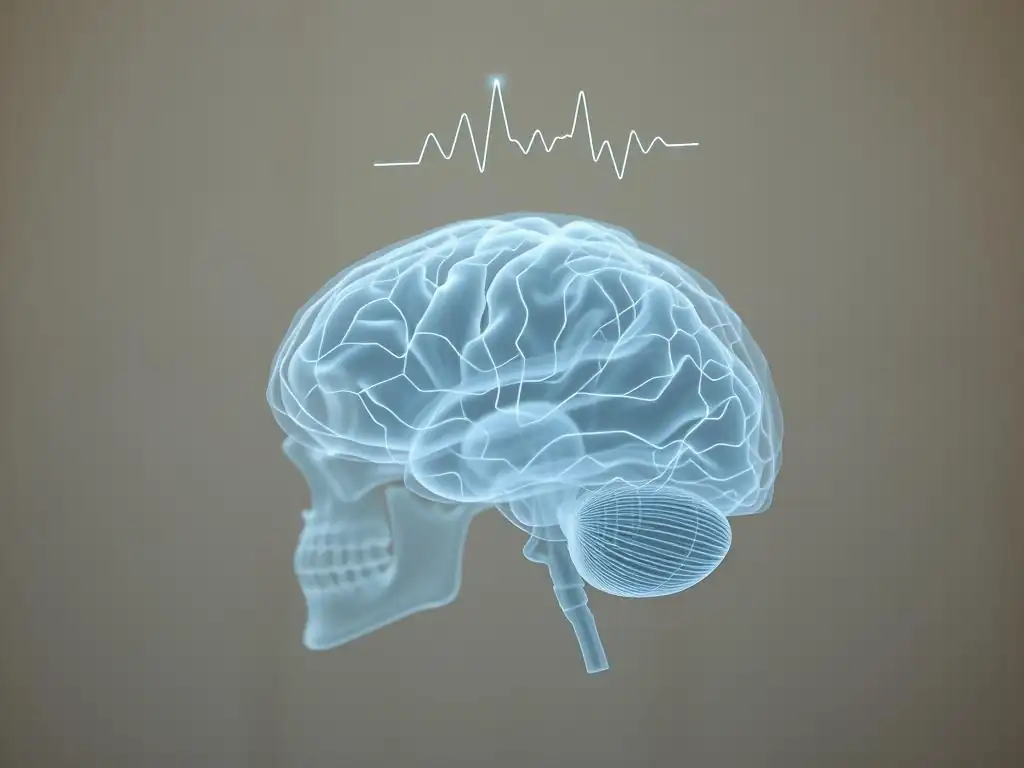
The Advent of Neuroimaging: CT Scans, MRIs, and their Application in Psychiatry
The latter half of the 20th century brought about revolutionary psychiatry research historical advancements in visualizing the living human brain through neuroimaging technologies. Before this, understanding the brain's structure in relation to mental illness was limited to post-mortem studies or crude methods like pneumoencephalography (injecting air into the cerebrospinal fluid space to visualize brain structures via X-ray, a painful and risky procedure).
The development of Computed Tomography (CT) scanning in the 1970s allowed researchers and clinicians to obtain detailed cross-sectional X-ray images of the brain, providing the first non-invasive way to visualize brain structure in living patients. CT scans could detect large structural abnormalities, such as tumors or significant tissue loss.
Early CT studies in psychiatry, for example, began to show evidence of enlarged ventricles (fluid-filled spaces) and reduced brain tissue volume in some patients with chronic schizophrenia compared to healthy controls, providing early structural evidence for biological differences in this disorder.
The development of Magnetic Resonance Imaging (MRI) in the 1980s represented an even greater leap forward. MRI uses magnetic fields and radio waves to create much more detailed images of brain structure than CT scans, without using ionizing radiation.
MRI allowed researchers to visualize different types of brain tissue (gray matter, white matter, cerebrospinal fluid) with high resolution and from multiple angles. This enabled more precise measurements of brain region volumes, cortical thickness, and white matter integrity.
MRI studies in psychiatry provided further, more robust evidence of structural differences associated with various disorders, such as reduced hippocampal volume in some individuals with PTSD or chronic depression, or differences in prefrontal cortex structure in schizophrenia. These technologies provided concrete, visual data that supported the idea that mental disorders were associated with detectable changes in brain structure, moving the field beyond purely symptomatic descriptions and contributing significantly to psychiatry research historical advancements in understanding the biological basis of psychiatric conditions.
Functional Neuroimaging: PET Scans and fMRIs Unveiling Brain Activity in Mental Illness
Beyond simply visualizing brain structure, psychiatry research historical advancements in functional neuroimaging allowed scientists to study brain activity in living individuals. Positron Emission Tomography (PET) scanning, which became more widely available in the 1980s, uses radioactive tracers to measure metabolic activity (like glucose metabolism) or receptor binding in different brain regions. By comparing brain activity patterns in individuals with mental disorders to those in healthy controls, researchers could identify areas of the brain that were over- or underactive during specific tasks or at rest.
For instance, early PET studies investigated glucose metabolism in the brains of patients with depression, finding altered activity in areas like the prefrontal cortex and limbic system. PET also allowed researchers to study neurotransmitter systems by using tracers that bind to specific receptors (e.g., dopamine receptors in schizophrenia research or serotonin receptors in depression research), providing insights into potential neurochemical imbalances.
Functional Magnetic Resonance Imaging (fMRI), which emerged in the 1990s, became an even more powerful tool for studying brain activity. fMRI measures brain activity by detecting changes in blood flow, which are coupled with neural activity. This technique offers higher spatial and temporal resolution than PET and does not require radioactive tracers.
fMRI allowed researchers to study brain activity while individuals performed cognitive tasks relevant to mental disorders, such as processing emotional stimuli, making decisions, or engaging in working memory tasks. Studies using fMRI identified differences in activation patterns in circuits involved in fear processing in anxiety disorders, reward processing in depression and addiction, and cognitive control in schizophrenia. These functional neuroimaging techniques provided unprecedented insights into the neural correlates of psychiatric symptoms and cognitive deficits, profoundly influencing psychiatry research historical advancements by revealing the brain's dynamic functioning in health and disease.
Research on Brain Structure and Function in Schizophrenia, Depression, and Anxiety
Neuroimaging research throughout the late 20th century significantly advanced the understanding of the biological underpinnings of major psychiatric disorders like schizophrenia, depression, and anxiety. In schizophrenia research, studies using CT and later MRI consistently demonstrated structural abnormalities, such as enlarged ventricles and reduced gray matter volume, particularly in frontal and temporal brain regions, although these findings varied across individuals.
Functional imaging using PET and fMRI revealed differences in brain activity, including altered connectivity between brain regions and abnormal patterns of activation during cognitive tasks (like working memory or executive function) and during psychotic episodes (e.g., auditory cortex activity during hallucinations). While no single structural or functional marker was found to be diagnostic for schizophrenia, this body of research provided compelling evidence that it is a brain disorder involving widespread alterations in neural circuits, moving away from purely psychological or environmental explanations.
Similarly, neuroimaging studies in depression identified structural differences, such as reductions in hippocampal volume and abnormalities in the prefrontal cortex, and functional alterations, including altered activity in limbic regions (like the amygdala involved in emotion processing) and disruptions in connectivity between mood-regulating brain networks. Research in anxiety disorders, particularly using fMRI, highlighted the role of the amygdala and related fear circuitry, showing exaggerated responses to threat stimuli and altered regulation by prefrontal areas.
These findings from neuroimaging research provided converging evidence from a biological perspective that complemented psychological and pharmacological psychiatry research historical advancements. By offering visual evidence of brain differences associated with these conditions, neuroimaging helped to destigmatize mental illness by framing it increasingly as a health issue with biological underpinnings, similar to neurological disorders, and provided targets for further research into the mechanisms of disease and treatment effects.
Deinstitutionalization and Community Mental Health: Research's Influence on Policy
The Movement Towards Deinstitutionalization: Research on the Effects of Long-Term Institutionalization
For much of the first half of the 20th century, long-term hospitalization in state psychiatric hospitals was the norm for individuals with severe mental illness. However, growing concerns about the conditions within these large institutions and the limited effectiveness of purely custodial care began to mount. Psychiatry research historical advancements, particularly sociological and psychological studies conducted from the mid-century onwards, provided crucial data that fueled the movement towards deinstitutionalization. Researchers documented the negative effects of prolonged institutionalization, often referred to as "institutionalism" or "hospitalism." Studies highlighted the loss of social skills, dependence on the institution, apathy, and worsening of symptoms that could occur in the isolating and often dehumanizing environment of overcrowded asylums. Sociologists like Erving Goffman, in his seminal 1961 book "Asylums," provided detailed ethnographic accounts of life within total institutions, illustrating how the structure and routines of these facilities stripped individuals of their identity and autonomy, hindering recovery.
Research also began to evaluate the outcomes of patients discharged from hospitals compared to those who remained, although rigorous follow-up studies were challenging. The advent of effective psychotropic medications like chlorpromazine in the 1950s provided a medical rationale and a practical means for managing symptoms outside the hospital setting for many patients, making community-based care a more feasible alternative. Research demonstrating the efficacy of these medications in controlling severe symptoms directly supported the idea that individuals could live less restricted lives.
The combination of research exposing the harms of long-term institutionalization and research demonstrating the potential for symptom management with medication created a powerful impetus for policy change. This body of research was instrumental in advocating for the closure of large state hospitals and the shift towards community-based mental healthcare, representing a significant intersection of psychiatry research historical advancements and social policy reform.
Community Mental Health Centers: Evaluating the Effectiveness of Community-Based Care
The deinstitutionalization movement led to the passage of the Community Mental Health Act in the United States in 1963, which aimed to create a network of community mental health centers (CMHCs) to provide care and support for individuals with mental illness in their local areas. This policy shift was heavily influenced by the research findings on the harms of institutionalization and the potential benefits of community living, particularly with the support of medication. However, the implementation of community mental health care also became a subject of extensive research throughout the latter half of the 20th century.
Researchers evaluated the effectiveness of CMHCs in providing a range of services, including outpatient therapy, medication management, crisis intervention, day treatment programs, and vocational rehabilitation. Studies compared outcomes for individuals receiving care in the community versus those who remained institutionalized (where possible) or received minimal services.
Research explored various models of community care, such as assertive community treatment (ACT) programs, which provided intensive, multidisciplinary support to individuals with severe mental illness in their homes and communities. Studies demonstrated that ACT programs could reduce hospital readmissions, improve housing stability, and enhance quality of life for individuals with conditions like schizophrenia. However, research also identified significant challenges in the transition to community care, including insufficient funding for CMHCs, a lack of adequate housing and support services, and difficulties coordinating care.
While studies showed the potential benefits of community-based care when adequately resourced, they also highlighted the gaps and failures in implementation, leading to many individuals with severe mental illness ending up homeless or incarcerated. Research on community mental health services was a vital psychiatry research historical advancement that provided feedback on policy effectiveness, guiding efforts to improve the system of care outside of traditional institutions.
Challenges and Shortcomings of Deinstitutionalization: Research Gaps and Unintended Consequences
Despite the noble intentions behind deinstitutionalization and the research highlighting the harms of institutional living, the transition to community-based care faced significant challenges, many of which were documented by subsequent research. A major shortcoming was the failure to adequately fund the community mental health infrastructure needed to support the large number of individuals discharged from state hospitals. Research showed that many individuals were discharged into communities ill-equipped to meet their complex needs, lacking access to consistent medication management, therapy, housing, and social support.
This led to a phenomenon often described as "transinstitutionalization," where individuals ended up in other, less appropriate settings, such as nursing homes, jails, or living on the streets, rather than receiving effective community care. Studies documented rising rates of homelessness and incarceration among individuals with severe mental illness following the closure of state hospitals.
Research also revealed gaps in understanding and treating co-occurring disorders, such as substance abuse and mental illness, which were prevalent among the population being discharged and required integrated treatment approaches often unavailable in CMHCs. Furthermore, research highlighted the ongoing stigma faced by individuals with mental illness in the community, creating barriers to housing, employment, and social integration.
While psychiatry research historical advancements provided the rationale for deinstitutionalization and evaluated different models of community care, the research also served as a critical voice documenting the unintended negative consequences of the policy's implementation failures. This research underscored the need for comprehensive, well-funded, and integrated systems of care and continued to highlight the significant challenges in supporting individuals with severe mental illness in the community, issues that persist into the 21st century.
20th Century Psychiatry Research: Key Advances and Lasting Impact
Summarizing the Major Research Breakthroughs in Psychiatry (1900-2000)
The 20th century was a period of remarkable psychiatry research historical advancements that fundamentally reshaped the field. Beginning with the exploration of the unconscious mind by Freud and the psychoanalytic school, research expanded to encompass biological investigations into genetics and biochemistry, recognizing the brain's central role in mental illness.
The mid-century witnessed the revolutionary discovery and development of psychotropic medications, including antipsychotics (like chlorpromazine), antidepressants (TCAs, SSRIs), and mood stabilizers (lithium), which provided effective pharmacological treatments for previously intractable conditions like schizophrenia, depression, and bipolar disorder. This era of psychopharmacology was driven by research into both the efficacy of these compounds and their mechanisms of action, often leading to hypotheses about the neurobiological underpinnings of disorders.
Simultaneously, psychiatry research historical advancements in psychological therapies moved from the theoretical realm of psychoanalysis towards evidence-based approaches like behavior therapy and Cognitive Behavioral Therapy (CBT). Research rigorously tested the effectiveness of these therapies in clinical trials, demonstrating their ability to alleviate symptoms of anxiety, depression, and other conditions by targeting learned behaviors and distorted thought patterns. The latter part of the century saw the advent of neuroimaging technologies (CT, MRI, PET, fMRI) that allowed researchers to visualize the structure and function of the living brain, providing unprecedented insights into the neural correlates of mental disorders.
Furthermore, research on deinstitutionalization and community mental health informed major policy shifts, highlighting both the potential and the challenges of providing care outside of traditional institutions. These diverse research streams—psychodynamic, biological, pharmacological, psychological, and neuroscientific—collectively transformed psychiatry into a more scientifically grounded and effective medical discipline.
The Evolution of Diagnostic Criteria: From Subjective Assessments to Standardized Systems like the DSM
Early in the 20th century, psychiatric diagnosis was highly subjective and lacked standardization. Different clinicians and institutions used varied classification systems, making it difficult to compare research findings, communicate effectively, or ensure consistent treatment approaches. Psychiatry research historical advancements highlighted the need for a more reliable and valid diagnostic system.
Following World War II, the need for consistent diagnosis among military personnel and veterans spurred efforts towards standardization. The first edition of the Diagnostic and Statistical Manual of Mental Disorders (DSM-I), published by the American Psychiatric Association in 1952, was a step towards this goal, though it was heavily influenced by psychodynamic theory and lacked specific diagnostic criteria. The DSM-II (1968) also retained broad categories and limited specificity.
A major shift occurred with the publication of the DSM-III in 1980. Driven by research demonstrating the poor reliability of previous diagnostic systems and influenced by biological psychiatry and the need for clear criteria for pharmacological research, the DSM-III introduced a multiaxial system and, crucially, provided specific, observable, and measurable diagnostic criteria for each disorder. This move towards operationalized criteria was a monumental psychiatry research historical advancement that significantly improved diagnostic reliability.
Subsequent revisions (DSM-III-R in 1987, DSM-IV in 1994) continued to refine these criteria based on accumulating research evidence from clinical trials, epidemiological studies, and biological investigations. While not without its critics, the DSM system, particularly from DSM-III onwards, provided a common language and framework for clinicians and researchers worldwide, facilitating communication, research, and the development of targeted treatments, profoundly impacting how mental disorders were understood and studied.
The Legacy of 20th Century Psychiatric Research: Paving the Way for Future Innovations
The psychiatry research historical advancements of the 20th century laid an indispensable foundation for the field as it exists today and paved the way for future innovations. The recognition of the complex interplay between biological, psychological, and social factors in mental illness, driven by diverse research streams, established a biopsychosocial model that continues to inform clinical practice. The development of effective pharmacological agents transformed the prognosis for many severe disorders and spurred ongoing research into neurobiological mechanisms and the development of targeted therapies.
The establishment of evidence-based psychotherapies like CBT, validated through rigorous research, provided effective non-pharmacological options and highlighted the power of psychological interventions. The standardization of diagnostic criteria, though an ongoing process, facilitated research and improved clinical consistency.
The technological psychiatry research historical advancements in neuroimaging opened up entirely new avenues for exploring the living brain, providing visual evidence of brain involvement in mental disorders and offering potential biomarkers for diagnosis and treatment response. Research into healthcare systems and policies, such as the deinstitutionalization movement, provided crucial lessons about the importance of integrating clinical care with social support and addressing systemic barriers to recovery.
While significant challenges remain – including fully understanding the complex etiologies of mental disorders, developing more effective and personalized treatments, reducing stigma, and ensuring access to care for all – the progress made through dedicated research in the 20th century provides a robust platform for continued discovery and improved mental well-being in the 21st century and beyond.
Frequently Asked Questions
What were some of the major discoveries in psychiatry research between 1900 and 2000?
Significant advancements included the development of pharmacological treatments for mental illnesses, like antipsychotics and antidepressants, and the formalization of diagnostic criteria such as the DSM. The exploration of psychoanalysis also had a big impact.
How did biological research contribute to advancements in psychiatry during this period?
Biological research identified the neurochemical basis of many mental disorders. This led to the development of medications targeting specific neurotransmitters, marking a shift toward evidence-based treatments.
How did psychological theories influence the development of psychiatric treatments?
Theories like behavioral therapy and cognitive therapy provided new approaches to treating mental health conditions. These therapies emphasized learning and thought patterns as key factors in mental well-being.
Major historical events often spurred research into trauma and stress-related disorders. Increased awareness of mental health issues also led to greater demand for effective treatments and support.
What were the limitations of psychiatry research during this period?
Early research faced challenges in methodology and ethical considerations. Diagnoses were often subjective, and treatments sometimes lacked rigorous scientific validation.
Final Reflection: A Century of Unfolding Minds
The breakthroughs in psychiatric research between 1900 and 2000 weren't merely scientific advancements; they were a revolution in understanding the human condition. This period witnessed the shift from asylums to hospitals, from restraint to therapy, and from ignorance to a burgeoning understanding of the complex interplay between brain chemistry, genetics, and environment in mental illness. This progress, though remarkable, underscores the ongoing need for further exploration and compassionate care.
The impact of this century of research reverberates through our society today. We see it in the reduced stigma surrounding mental health, the increased availability of effective treatments, and the growing recognition of mental illness as a legitimate medical concern. Yet, challenges remain. The greatest obstacle to discovery is not ignorance—it is the illusion of knowledge.
This quote, often attributed to Daniel J. Boorstin, highlights the importance of continued critical examination of our understanding of the mind, even as we celebrate past achievements. The fight for equitable access to mental healthcare, for example, is far from over, and the complexities of mental illness continue to demand further investigation.
Consider the journey we've taken, from the rudimentary understanding of the mind a century ago to the sophisticated treatments available today. You, the reader, are now part of this ongoing narrative. Reflect on the advancements discussed, and consider how this knowledge can inform your own understanding of mental health, both personally and within your community. Let this journey inspire you to advocate for better mental healthcare, to challenge stigma, and to continue learning about the fascinating and ever-evolving science of the mind.
Unlock Your Mind's Potential: Take the Next Step in Understanding Mental Health
Thanks for taking the time to explore the fascinating journey of psychiatry over the past century! We hope you gained valuable insights into the breakthroughs and evolutions of mental health care. Now it's time to turn that knowledge into action.
- Dive deeper: Explore relevant resources at your local library or online to learn more about specific areas that resonated with you in the article. Consider researching the contributions of specific pioneering figures mentioned.
- Share your thoughts: Leave a comment below and share your reflections on the article or any personal experiences related to the history of psychiatry. What surprised you the most?
- Start a conversation: Discuss this article with friends, family, or colleagues. Perhaps you can spark a conversation about mental health awareness and the ongoing advancements in the field.
Ready to continue your journey of discovery? What aspects of mental health research from the 20th century intrigue you most, and why?