
Male Caregivers: Finding Resources & Support Tailored for Men


Welcome to Mind Care Guide, a sanctuary for your mental well-being.
Are you a male caregiver feeling the weight of responsibility? You're not alone. This space is dedicated to providing you with the resources and support you deserve. Let's delve into the specific challenges and solutions available for men's caregiver mental health support, uncovering practical strategies to navigate this demanding role while prioritizing your own mental health. Ready to discover how to thrive, not just survive?
- Caregiving for Individuals with Parkinson's Disease: A Comprehensive Guide
- Identifying the Specific Needs of Parkinson's Patients and Their Caregivers
- Resources Specifically Designed for Parkinson's Caregiver Support
- Finding Financial and Legal Assistance for Parkinson's Caregivers
- Practical Tips for Parkinson's Caregivers: Managing Symptoms and Prioritizing Self-Care
- Building a Strong Support Network for Parkinson's Caregivers
- Addressing the Emotional Challenges of Caregiving for Individuals with Parkinson's
- The Importance of Early Intervention and Proactive Planning
- Long-Term Strategies for Sustainable Parkinson's Caregiving
- Celebrating the Strength and Dedication of Parkinson's Caregivers
- Where to Find More Information and Support for Parkinson's Caregivers
-
Frequently Asked Questions
- How does Men's Caregiver Mental Health Support specifically address the unique challenges faced by male caregivers?
- What are some common mental health issues experienced by male caregivers, and how can Men's Caregiver Mental Health Support help?
- Where can male caregivers find Men's Caregiver Mental Health Support resources, and what types of resources are typically available?
- Why is specialized Men's Caregiver Mental Health Support important, as opposed to general caregiver support?
- What are some practical tips that Men's Caregiver Mental Health Support offers to help male caregivers manage stress and maintain their own well-being?
- Final Reflection: The Unsung Burden, The Unseen Struggle
- Unlock Your Support Network: Resources for Male Caregivers
Caregiving for Individuals with Parkinson's Disease: A Comprehensive Guide
Caring for someone with Parkinson's disease presents unique challenges, impacting not only the patient but also the dedicated individuals providing support. This guide explores the multifaceted aspects of Parkinson's caregiving, with a specific focus on the experiences and support needs of male caregivers, aiming to highlight resources for men's caregiver mental health support.
Understanding Parkinson's Disease and Its Impact on Caregivers
Parkinson's disease is a progressive neurodegenerative disorder affecting movement. It results from the loss of dopamine-producing neurons in the brain. While commonly associated with motor symptoms like tremor, rigidity, and slowness of movement, Parkinson's also involves a wide range of non-motor symptoms, including cognitive changes, mood disorders, sleep disturbances, and autonomic dysfunction. The unpredictable nature and gradual progression of these symptoms create a constantly evolving caregiving landscape.
The impact on caregivers is profound and cumulative. As the disease progresses, the level of care required increases, often demanding more time, physical effort, and emotional resilience. Caregivers frequently manage complex medication schedules, assist with daily activities such as dressing and bathing, navigate healthcare systems, and cope with behavioral changes. Studies indicate that caregivers of individuals with Parkinson's disease report higher levels of stress, depression, and anxiety compared to caregivers of individuals with other chronic conditions, underscoring the critical need for robust men's caregiver mental health support and resources.
The Importance of Addressing Caregiver Mental Health
The emotional and psychological toll of caregiving for Parkinson's can be significant, particularly for male caregivers who may face societal expectations regarding strength and self-reliance. Ignoring mental health needs can lead to burnout, which negatively impacts both the caregiver's well-being and their ability to provide effective care. Recognizing and addressing these challenges is not a luxury but a necessity for sustainable caregiving.
Prioritizing men's caregiver mental health support involves acknowledging the unique pressures men might face, such as balancing care responsibilities with work, feeling isolated, or struggling to express vulnerability. Research suggests that while men and women may experience similar levels of stress, men might be less likely to seek formal support or discuss their feelings openly. Providing accessible and tailored mental health resources is crucial to helping male caregivers maintain their emotional health and continue their vital role.
Identifying the Specific Needs of Parkinson's Patients and Their Caregivers
Caring for someone with Parkinson's requires a deep understanding of the disease's varied manifestations and how they affect daily life. Tailoring care involves recognizing both the physical symptoms and the less visible cognitive and emotional changes. This understanding is the foundation for effective support and for identifying the specific needs of the caregiver, including accessing appropriate men's caregiver mental health support.
Common Physical and Cognitive Challenges in Parkinson's Disease
Physical challenges in Parkinson's disease include the hallmark motor symptoms: tremor (often a resting tremor), rigidity (stiffness), bradykinesia (slowness of movement), and postural instability (balance problems). These symptoms can make simple tasks like walking, eating, or getting out of a chair difficult and increase the risk of falls. Non-motor physical symptoms like fatigue, pain, constipation, and sleep disorders also significantly impact daily function and quality of life.
Cognitive challenges are increasingly recognized as a significant aspect of Parkinson's, affecting a substantial portion of patients. These can range from mild cognitive impairment, affecting memory, attention, and executive functions, to Parkinson's disease dementia in more advanced stages. Behavioral changes, such as apathy, anxiety, depression, and impulse control disorders (often linked to medications), also add complexity to the caregiving role. Understanding these varied symptoms helps caregivers anticipate needs and adapt their support strategies.
The Emotional and Psychological Impact on Both Patients and Caregivers
Parkinson's disease profoundly impacts the emotional well-being of both the person with the disease and their caregiver. Patients often experience anxiety, depression, fear about the future, and frustration over loss of independence. These emotions can fluctuate and may be influenced by medication side effects. Caregivers, including men providing care, absorb these emotional shifts while also navigating their own feelings of stress, grief, isolation, and sometimes resentment.
The psychological burden on caregivers is substantial. Studies indicate that approximately 40% to 70% of Parkinson's caregivers experience clinically significant symptoms of depression or anxiety. For male caregivers, the pressure to remain strong or stoic can sometimes mask these struggles, making it harder to acknowledge the need for help and access men's caregiver mental health support. Open communication and validation of these feelings are vital for both the patient and the caregiver's emotional health.
Recognizing Signs of Caregiver Burnout
Caregiver burnout is a state of physical, emotional, and mental exhaustion that can occur when a person has been providing care for a long time without adequate support. It is particularly prevalent in chronic, progressive conditions like Parkinson's. Signs include withdrawal from friends and family, loss of interest in activities, changes in appetite or sleep patterns, feeling overwhelmed or hopeless, irritability, and symptoms of depression or anxiety.
For male caregivers, recognizing burnout can be challenging if they are accustomed to minimizing their own needs or emotional distress. Physical symptoms like chronic fatigue, frequent headaches, or increased susceptibility to illness can also be indicators. Ignoring these signs can lead to serious health problems for the caregiver and compromise the quality of care provided. Seeking men's caregiver mental health support early is crucial for preventing burnout and maintaining well-being.
Resources Specifically Designed for Parkinson's Caregiver Support
Finding the right support resources is essential for navigating the challenges of Parkinson's caregiving. While many general caregiver resources exist, those tailored specifically to Parkinson's address the unique complexities of the disease. Furthermore, identifying resources that resonate with or are specifically designed to support men can significantly impact a male caregiver's willingness to seek help and improve their access to men's caregiver mental health support.
Online Communities and Forums for Parkinson's Caregivers
Online platforms offer convenient and accessible ways for Parkinson's caregivers to connect, share experiences, and find information. Websites hosted by major Parkinson's organizations often feature forums or message boards where caregivers can ask questions, offer advice, and find peer support 24/7. These communities can be particularly valuable for male caregivers who may prefer the anonymity of online interaction before seeking in-person support.
These online spaces provide practical tips on managing symptoms, navigating healthcare, and coping strategies. They also offer emotional validation from others who truly understand the daily realities of caring for someone with Parkinson's. While not a substitute for professional help, they serve as a vital initial step for many seeking connection and information, and can be a gateway to identifying formal men's caregiver mental health support options.
Support Groups Tailored for Parkinson's Caregivers
Support groups, both in-person and virtual, provide a structured environment for caregivers to share their experiences and learn from others facing similar challenges. Groups specifically for Parkinson's caregivers focus on relevant topics such as symptom management, dealing with cognitive changes, and planning for the future. Finding a group that feels like a good fit is key.
Some organizations offer groups specifically for spouses, adult children, or even male caregivers, recognizing that different relationships and genders may have distinct experiences and needs. Attending a support group can combat feelings of isolation and provide a sense of community. For men seeking men's caregiver mental health support, finding a group with other male caregivers can foster a sense of shared understanding and make it easier to open up about their struggles.
Mental Health Professionals Specializing in Neurodegenerative Diseases and Caregiving
Accessing professional mental health support is crucial for caregivers, especially when dealing with the emotional complexities of Parkinson's. Therapists, counselors, or social workers who have experience with chronic illness, neurodegenerative diseases, and caregiving dynamics can provide tailored support and coping strategies. They can help caregivers process difficult emotions like grief, guilt, and frustration, and develop healthy boundaries.
Finding a professional who understands the specific challenges of Parkinson's, including managing behavioral changes and the progressive nature of the illness, is important. For male caregivers, finding a therapist they feel comfortable with is essential for building trust and engaging in meaningful therapeutic work aimed at strengthening their men's caregiver mental health support system. Many mental health professionals offer individual therapy, family counseling, or even caregiver-specific support sessions.
Finding Financial and Legal Assistance for Parkinson's Caregivers

The financial and legal aspects of caring for someone with Parkinson's can be complex and overwhelming. As the disease progresses, costs for medical care, medications, therapies, and potentially in-home or residential care can accumulate. Navigating benefits, understanding legal documents, and planning for long-term care are critical tasks that caregivers often shoulder, adding another layer of stress to their lives and potentially impacting their need for men's caregiver mental health support.
Various government programs at the federal, state, and local levels may provide financial or practical assistance. These can include Social Security Disability Insurance (SSDI), Medicare, Medicaid, and programs administered by the Department of Veterans Affairs if applicable. Eligibility criteria vary based on factors like age, income, disability status, and service history. Understanding which programs the individual with Parkinson's qualifies for is the first step.
Caregivers may also be eligible for certain benefits or support services, such as respite care programs, assistance with home modifications, or tax credits. Navigating the application processes can be time-consuming and confusing, often requiring significant paperwork and persistence. Resources like Area Agencies on Aging or state-specific disability services can provide guidance and support in accessing these vital programs.
Legal Considerations: Power of Attorney, Guardianship, and Advance Directives
Planning for the future is a crucial part of Parkinson's caregiving, and this includes addressing legal matters. Establishing legal documents such as a Durable Power of Attorney for finances and healthcare, a Healthcare Proxy, and Advance Directives (like a Living Will) ensures that the patient's wishes are respected and that a designated person can make decisions on their behalf if they become unable to do so.
In some cases, as cognitive impairment progresses significantly, guardianship or conservatorship may become necessary. Consulting with an elder law attorney is highly recommended to understand the legal options, prepare necessary documents, and ensure that the caregiver is legally empowered to manage the patient's affairs. Addressing these matters proactively can reduce stress and uncertainty for both the patient and the caregiver.
Financial Planning Resources for Long-Term Parkinson's Care
The costs associated with long-term care for Parkinson's can be substantial, potentially ranging from tens of thousands to over a hundred thousand dollars annually depending on the level and type of care needed. Financial planning is essential to understand potential expenses and identify ways to fund care. This might involve evaluating savings, investments, long-term care insurance policies, or exploring public benefits programs.
Financial advisors specializing in elder care or chronic illness can help families develop a comprehensive financial plan. They can assist with budgeting, understanding insurance coverage, exploring options like reverse mortgages or annuities, and planning for potential future needs such as assisted living or skilled nursing care. Proactive financial planning can provide peace of mind and reduce financial stress, contributing positively to men's caregiver mental health support needs.
Practical Tips for Parkinson's Caregivers: Managing Symptoms and Prioritizing Self-Care
Effective caregiving for Parkinson's involves a blend of managing the patient's symptoms and diligently prioritizing the caregiver's own well-being. Practical strategies can make daily tasks more manageable and reduce the overall burden. For male caregivers, finding practical, actionable tips for self-care is often key to integrating it into their routine and bolstering their men's caregiver mental health support efforts.
Medication Management and Adherence Strategies
Medication is a cornerstone of Parkinson's treatment, but managing complex regimens can be challenging. Patients often take multiple medications at specific times throughout the day to control symptoms and minimize side effects. Caregivers frequently take responsibility for ensuring medications are taken correctly and on schedule. This requires careful organization and attention to detail.
Strategies for medication management include using pillboxes, setting alarms or reminders, keeping a detailed medication log, and maintaining open communication with the prescribing neurologist. Understanding the purpose of each medication, potential side effects, and how they interact is crucial. The stress of managing this complex task can be significant, highlighting the need for support systems and resources to help caregivers cope.
Adapting the Home Environment for Safety and Accessibility
Modifying the home environment can significantly improve safety and independence for individuals with Parkinson's, reducing the physical demands on caregivers. Simple adaptations like removing tripping hazards (rugs, clutter), improving lighting, and installing grab bars in bathrooms can prevent falls. As mobility declines, more significant changes like ramps, stairlifts, or accessible bathroom facilities may be necessary.
Adapting the home also involves organizing living spaces to make daily tasks easier. Arranging frequently used items within easy reach, using adaptive equipment for dressing or eating, and ensuring clear pathways can empower the person with Parkinson's and reduce the need for constant physical assistance from the caregiver. These practical steps contribute to a safer environment and can alleviate some of the physical strain on male caregivers.
Strategies for Managing Specific Symptoms Like Tremors, Rigidity, and Cognitive Decline
Managing specific Parkinson's symptoms requires tailored approaches. For tremors and rigidity, ensuring medication is taken correctly and on time is paramount. Physical therapy can provide exercises to improve flexibility and reduce stiffness. For cognitive decline, strategies include maintaining a consistent daily routine, using memory aids (calendars, notes), simplifying tasks, and creating a calm, predictable environment.
Managing behavioral changes like apathy or impulse control disorders often involves working closely with the medical team to adjust medications or explore behavioral interventions. Caregivers can also benefit from learning de-escalation techniques for agitation or confusion. Understanding that these symptoms are part of the disease, not deliberate actions, is crucial for maintaining patience and providing empathetic care.
Building a Strong Support Network for Parkinson's Caregivers
No caregiver can or should do it alone. Building a robust support network is essential for emotional well-being, practical assistance, and preventing isolation. For male caregivers, who may be less inclined to ask for help, actively cultivating this network and learning how to utilize it effectively is a key component of strengthening their men's caregiver mental health support system.
Communicating Needs and Boundaries Effectively with Family and Friends
Family and friends often want to help but may not know how. Caregivers need to learn to communicate their needs clearly and specifically. Instead of a general "Let me know if you need anything," suggest concrete tasks like "Could you pick up groceries on Tuesday?" or "Could you stay with Dad for a couple of hours next Saturday?" Setting boundaries is also important to protect the caregiver's time and energy.
Being direct and assertive about what is needed and what is not possible can prevent misunderstandings and resentment. It's okay to say no to additional requests or to ask for space when needed. Effective communication empowers the caregiver and allows the support network to provide help in meaningful ways, reducing the caregiver's burden and freeing up time for self-care activities that contribute to men's caregiver mental health support.
Seeking Help from Family and Friends for Respite and Support
Asking for help with caregiving tasks or simply for time off is not a sign of weakness; it's a sign of strength and good judgment. Family and friends can provide invaluable support by offering respite care, running errands, preparing meals, or simply providing companionship for the person with Parkinson's. Even a few hours of relief can make a significant difference in a caregiver's stress levels.
Caregivers, including men, should identify who in their network is willing and able to assist and delegate tasks accordingly. Creating a shared calendar or communication system can help coordinate efforts. Allowing others to help not only provides practical relief but also strengthens relationships and ensures that the caregiver has opportunities to rest, pursue personal interests, and access men's caregiver mental health support.
Respite Care Options for Parkinson's Caregivers
Formal respite care provides planned, temporary relief to caregivers, allowing them time to rest, attend to personal needs, or simply take a break. Options include in-home respite care (a trained professional comes to the home), adult day centers (providing supervised activities during the day), and short-term stays in assisted living facilities or nursing homes.
Utilizing respite care is a proactive strategy to prevent burnout and maintain the caregiver's health and well-being. While arranging respite care requires planning and sometimes financial investment, the benefits of a refreshed and less stressed caregiver are immense. Exploring local resources and potential funding options for respite care is a critical step in sustainable Parkinson's caregiving.
Addressing the Emotional Challenges of Caregiving for Individuals with Parkinson's
Caregiving for a progressive disease like Parkinson's involves navigating a complex emotional landscape. Feelings of grief, loss, and changing relationships are common. Finding healthy ways to process these emotions and maintain a sense of purpose and well-being is essential for long-term resilience and is a core aspect of men's caregiver mental health support.
Coping with Grief, Loss, and Changing Relationships
Parkinson's disease brings incremental losses – loss of physical abilities, cognitive function, independence, and changes in personality. Both the person with Parkinson's and the caregiver experience grief over these changes. The relationship dynamics also shift, often from a partnership to a care recipient-caregiver dynamic. Acknowledging and grieving these losses is a necessary part of the process.
Caregivers may grieve the loss of shared activities, future plans, and the person they knew before the disease progressed. It's important to allow oneself to feel these emotions without judgment. Talking to a therapist, joining a support group, or connecting with other caregivers can provide validation and coping strategies. Recognizing that these feelings are normal is the first step in processing them effectively.
Maintaining a Sense of Purpose and Well-being
Amidst the demands of caregiving, maintaining a sense of personal identity and purpose outside of the caregiving role is vital. This involves continuing hobbies, interests, or social connections whenever possible. It's not selfish to prioritize one's own well-being; it's necessary for sustaining the ability to provide care. Finding small pockets of time for activities that bring joy or relaxation can replenish emotional reserves.
Setting realistic expectations for oneself and celebrating small victories can also help maintain a positive outlook. Focusing on what is still possible, rather than what has been lost, can shift perspective. For male caregivers, finding ways to connect with others and engage in activities that reinforce their identity outside of caregiving is a crucial part of accessing and utilizing men's caregiver mental health support effectively.
The Importance of Early Intervention and Proactive Planning
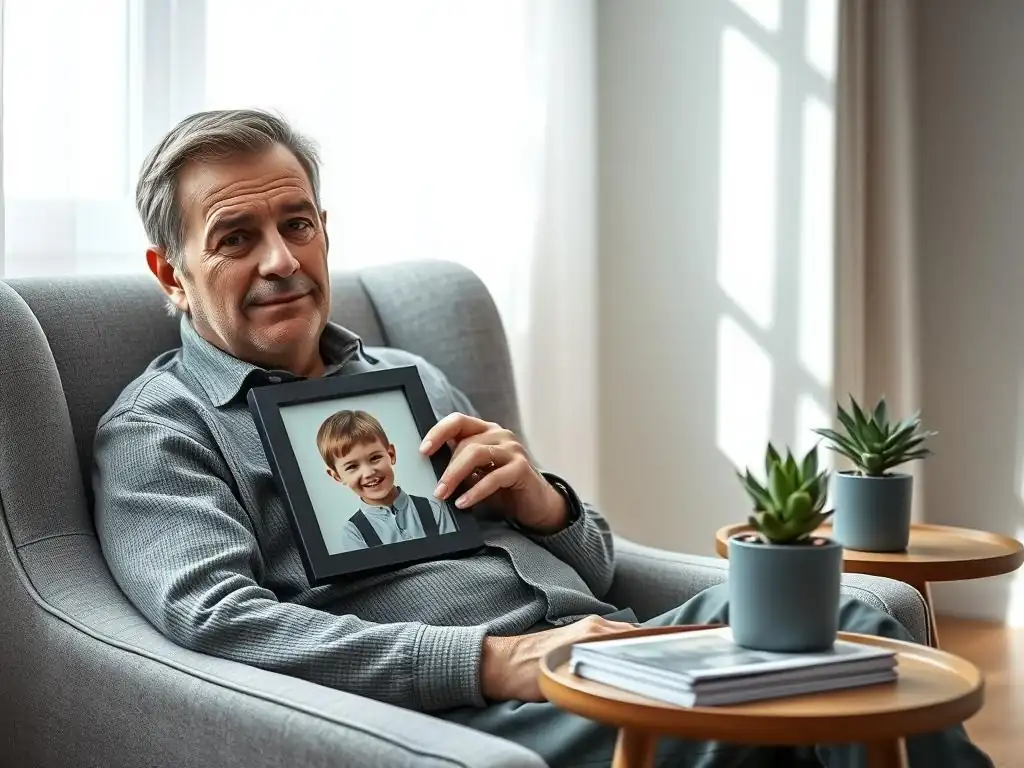
Early intervention and proactive planning are key strategies for managing Parkinson's disease and easing the caregiving journey. Addressing symptoms and needs early can slow progression of certain issues and provide a roadmap for future challenges. This forward-thinking approach benefits both the person with Parkinson's and their caregiver, reducing stress and uncertainty over time.
Recognizing Early Warning Signs and Seeking Professional Guidance
Recognizing the early signs of Parkinson's disease allows for timely diagnosis and initiation of treatment, which can help manage symptoms and maintain quality of life for longer. Early motor symptoms can be subtle, like a slight tremor in one limb or stiffness. Non-motor symptoms like loss of smell, sleep disorders (REM sleep behavior disorder), constipation, and mood changes can sometimes appear years before motor symptoms.
If a caregiver notices potential signs in a loved one, encouraging them to see a neurologist is crucial. For caregivers themselves, recognizing early signs of stress or burnout and seeking professional guidance or support early on is equally important. Proactive engagement with healthcare providers and support systems can prevent crises down the line and ensure access to necessary men's caregiver mental health support.
Developing a Comprehensive Care Plan for the Progression of Parkinson's
Parkinson's is a progressive disease, meaning symptoms will change and likely worsen over time. Developing a comprehensive care plan involves anticipating future needs and making decisions in advance. This plan should address medical management, therapy needs (physical, occupational, speech), potential home modifications, financial planning, legal documents, and identifying future caregiving support.
Working with a multidisciplinary team, including neurologists, therapists, social workers, and financial planners, can help create a robust plan. Regularly reviewing and updating the plan as the disease progresses is also important. Having a clear plan reduces uncertainty and provides a sense of control for both the patient and the caregiver, mitigating some of the anxiety associated with the disease's progression.
Long-Term Strategies for Sustainable Parkinson's Caregiving
Caring for someone with Parkinson's is often a long-term commitment. Developing strategies for sustainability is crucial to prevent caregiver burnout and ensure the person with Parkinson's receives consistent, quality care throughout the disease trajectory. This involves planning for advanced stages and understanding end-of-life care options, while continuously prioritizing men's caregiver mental health support.
Planning for Advanced Stages of Parkinson's Disease
As Parkinson's progresses, symptoms typically become more severe and complex. Motor fluctuations (ON/OFF periods), dyskinesias (involuntary movements), falls, and cognitive impairment or dementia become more common. Care needs increase significantly, often requiring assistance with most daily activities. Planning for this stage involves evaluating needs for increased in-home care, adult day services, or residential care options like assisted living or skilled nursing facilities.
Discussing preferences and options for advanced care with the person with Parkinson's (while they are able) and other family members is vital. Understanding the costs, availability, and suitability of different care settings allows for informed decisions. This planning reduces stress during a potentially challenging time and ensures the caregiver isn't left making difficult decisions alone during a crisis.
Understanding End-of-Life Care Options
In the very late stages of Parkinson's, the focus often shifts towards palliative care and ensuring comfort and dignity. Understanding end-of-life care options, such as hospice care, is an important, albeit difficult, part of the caregiving journey. Hospice provides specialized care focusing on pain and symptom management, emotional and spiritual support for both the patient and family.
Having conversations about end-of-life wishes, including location of care and desired interventions, is crucial. These discussions should ideally happen earlier in the disease process when the person with Parkinson's can fully participate. Knowing their wishes and having a plan in place provides peace of mind and allows caregivers to focus on providing comfort and support during the final stages.
Celebrating the Strength and Dedication of Parkinson's Caregivers
The role of a Parkinson's caregiver is demanding, requiring immense strength, patience, and dedication. These individuals are the backbone of support for people living with the disease, enabling them to maintain a higher quality of life for as long as possible. Their contributions are invaluable and deserve recognition and celebration.
Acknowledging the Value of Their Role in Improving the Lives of Individuals with Parkinson's
Caregivers provide not just physical assistance but also emotional support, advocacy, and companionship. They navigate complex medical systems, manage medications, coordinate appointments, and adapt to ever-changing needs. Their efforts directly impact the health, safety, and well-being of the person with Parkinson's. Without their dedication, many individuals would face significant challenges living independently or accessing necessary care.
Acknowledging the value of this role, both publicly and personally, is important. For male caregivers, recognizing their own strength and resilience in navigating these challenges is crucial for self-esteem and motivation. Providing robust men's caregiver mental health support is an essential way society can acknowledge and support these vital individuals.
Where to Find More Information and Support for Parkinson's Caregivers
Accessing reliable information and connecting with supportive resources is fundamental for effective and sustainable Parkinson's caregiving. Numerous organizations are dedicated to providing education, support services, and advocacy for individuals with Parkinson's and their caregivers.
List of Relevant Websites and Organizations (Parkinson's Foundation, APDA, etc.)
Several national organizations offer extensive resources specifically for Parkinson's caregivers.
- Parkinson's Foundation: Provides educational materials, a helpline, and local chapters offering programs and support groups. Their website includes sections specifically addressing caregiver well-being.
- American Parkinson Disease Association (APDA): Offers information, support groups, and resources through a national network of chapters and Information and Referral (I&R) Centers. They have materials tailored for caregivers.
- The Michael J. Fox Foundation for Parkinson's Research: While primarily focused on research, their website provides valuable information about living with Parkinson's and links to caregiver resources.
- Caregiver Action Network: Offers resources and support for all caregivers, including those caring for individuals with chronic conditions like Parkinson's.
Contact Information for National Helplines and Support Services
Connecting directly with knowledgeable individuals can provide immediate support and guidance.
- Parkinson's Foundation Helpline: 1-800-4PD-INFO (1-800-473-4636). Provides information and support to patients and caregivers.
- APDA Helpline: 1-800-223-2732. Offers support and resources.
- National Alliance for Caregiving: Provides information and resources for family caregivers.
- SAMHSA National Helpline: 1-800-662-HELP (4357). A confidential free help service providing referrals to local treatment facilities, support groups, and community-based organizations. Useful for finding men's caregiver mental health support.
These resources are invaluable tools for Parkinson's caregivers, offering information, connection, and support to navigate the challenges and prioritize their own well-being, including accessing crucial men's caregiver mental health support.
Frequently Asked Questions
How does Men's Caregiver Mental Health Support specifically address the unique challenges faced by male caregivers?
This support often focuses on addressing societal expectations and traditional gender roles that can make it difficult for men to seek help or express their emotions. It provides resources tailored to male experiences.
What are some common mental health issues experienced by male caregivers, and how can Men's Caregiver Mental Health Support help?
Common issues include burnout, depression, and anxiety. Men's Caregiver Mental Health Support offers access to therapy, support groups, and coping strategies specifically designed for men.
Where can male caregivers find Men's Caregiver Mental Health Support resources, and what types of resources are typically available?
Resources can be found through online platforms, local support groups, and mental health professionals. Available resources include therapy, workshops, and peer support networks.
Why is specialized Men's Caregiver Mental Health Support important, as opposed to general caregiver support?
General support may not adequately address the specific pressures and stigma men face. Men's Caregiver Mental Health Support acknowledges and caters to these unique experiences.
What are some practical tips that Men's Caregiver Mental Health Support offers to help male caregivers manage stress and maintain their own well-being?
Tips often include prioritizing self-care, setting realistic expectations, seeking respite care, and engaging in activities they enjoy to reduce caregiver stress.
Final Reflection: The Unsung Burden, The Unseen Struggle
The emotional toll of caregiving is significant, and for men, it's often compounded by societal expectations and a lack of readily available support. This article highlighted the crucial need for resources specifically designed to address the unique mental health challenges faced by male caregivers. The silence surrounding this issue is deafening, and the consequences are far-reaching, impacting not only the caregivers themselves but also their families and the broader community.
The journey of a male caregiver is often a solitary one, marked by feelings of isolation and inadequacy. The pressure to maintain a stoic façade, coupled with the lack of culturally appropriate support systems, can lead to significant mental health struggles. Men are socialized to be strong and independent, which can make it difficult for them to ask for help when they need it,
a sentiment echoed by many experts in the field. This societal pressure, combined with the demanding nature of caregiving, creates a perfect storm of stress and anxiety that often goes unaddressed. Understanding this dynamic is crucial to building effective support networks.
You, the reader, are now equipped with a better understanding of the resources available to male caregivers. Take a moment to reflect on the information presented. Consider how you can contribute to a more supportive environment for men navigating the complexities of caregiving.
Whether it's sharing this article, volunteering your time at a relevant organization, or simply offering a listening ear to a friend or family member, your action can make a profound difference. Let's work together to break the silence and ensure that male caregivers receive the support they deserve, fostering a society that values and cherishes their contributions.
Unlock Your Support Network: Resources for Male Caregivers
Thanks for taking the time to explore the unique challenges and rewards of being a male caregiver. We hope this article provided valuable insights and helped you feel understood. Now, let's take the next steps towards building a stronger support system.
- Prioritize your well-being: Identify one small, self-care action you can implement this week (e.g., a short walk, a relaxing bath, calling a friend). This is crucial for sustaining your caregiving journey.
- Connect with other male caregivers: Share your experiences and learn from others facing similar situations. Consider joining an online forum or support group dedicated to male caregivers. This is a powerful way to combat isolation and find practical advice.
- Explore local resources: Research available respite care, counseling services, or community programs specifically designed for caregivers in your area. A quick online search or a call to your local health center can uncover valuable hidden gems.
What's one resource you'll investigate today to further strengthen your support network?