
Resilience After Trauma: Understanding How It's Built Through Online Courses


Welcome to Mind Care Guide, your compassionate companion on the journey to mental well-being. Have you experienced trauma and are searching for a path towards healing and strength? Explore our latest article, " Resilience After Trauma: Understanding How It's Built Through Online Courses," and discover how accessible online resources can empower you to reclaim your life and build lasting resilience. Intrigued? Let's begin your journey towards a stronger, more resilient you.
Resilience After Trauma: Understanding How It's Built Through Online Courses
- Understanding Trauma and Resilience: A Foundation for Healing
- Step-by-Step Guide to Building Resilience Through Online Learning
- Choosing the Right Online Course for Trauma Recovery
- The Benefits of Learning Resilience Skills Online
- Real-Life Examples: Success Stories of Building Resilience Online
- Investing in Your Mental Wellbeing: The Power of Online Resilience Training
-
Frequently Asked Questions
- What is resilience, and why is it important after trauma?
- How can online courses help in building resilience after trauma?
- What types of skills are typically taught in online resilience courses?
- Are online resilience courses suitable for everyone who has experienced trauma?
- Where can I find reputable online courses on building resilience after trauma?
- Final Reflection: The Empowering Path to Resilience in the Digital Age
- Unlock Your Inner Strength: Start Your Resilience Journey Today!
Understanding Trauma and Resilience: A Foundation for Healing
Defining Trauma and Its Impact on Mental Wellbeing
Trauma is a deeply distressing or disturbing experience that can have profound and lasting effects on a person's mental, emotional, and physical wellbeing. It is not just the event itself, but the individual's response to it, involving a sense of intense fear, helplessness, or horror. Trauma can stem from a single incident, such as an accident or assault, or from chronic exposure to adverse experiences, like abuse or neglect. The impact varies greatly from person to person, but common effects include persistent feelings of anxiety, difficulty sleeping, heightened startle responses, and challenges in forming healthy relationships.
The neurological impact of trauma can be significant. It can alter the brain's stress response system, making individuals more reactive to perceived threats and less able to regulate their emotions. This dysregulation can lead to symptoms such as flashbacks, nightmares, and dissociation. Furthermore, trauma can erode a person's sense of safety and trust, making it difficult to engage fully in daily life or pursue goals. Understanding these complex impacts is the first step towards healing and the crucial foundation for building resilience after trauma online or through other avenues.
What is Resilience? Bouncing Back and Growing Stronger
Resilience is often described as the ability to bounce back from adversity, but it's more accurately the capacity to adapt well in the face of significant stress, trauma, tragedy, threats, or even significant sources of stress. It's not about avoiding difficulty or pain, but about navigating through challenging experiences while maintaining or regaining mental and emotional health. Resilience is not a fixed trait that some people have and others don't; it's a dynamic process that can be learned and developed over time through various strategies and supports.
Building resilience after trauma involves cultivating positive coping mechanisms, fostering supportive relationships, and developing a sense of self-efficacy and hope. It's about finding strength and meaning in the aftermath of difficult events, allowing individuals to not just survive, but potentially thrive. This process can involve actively working through traumatic memories in a safe environment, challenging negative thought patterns, and engaging in activities that promote wellbeing. Learning and practicing these skills is fundamental to building resilience, and online resources offer accessible pathways to acquire them.
The Role of Online Courses in Fostering Resilience After Trauma
Online courses have emerged as a valuable and accessible tool for individuals seeking to understand and build resilience after trauma. These platforms offer structured learning environments where complex topics like trauma responses, coping mechanisms, and emotional regulation can be explored at a user's own pace and in the privacy of their own space. This accessibility is particularly beneficial for those who may face barriers to traditional therapy, such as geographical distance, mobility issues, or scheduling conflicts.
Furthermore, online courses dedicated to building resilience after trauma often break down the recovery process into manageable steps, providing actionable strategies and exercises. They can cover a wide range of therapeutic approaches, from mindfulness and cognitive behavioral techniques to trauma-informed yoga and psychoeducation. By providing foundational knowledge and practical skills, these courses empower individuals to take an active role in their healing journey, complementing other forms of support and contributing significantly to their capacity for building resilience after trauma online.
Step-by-Step Guide to Building Resilience Through Online Learning
Step 1: Recognizing and Acknowledging the Trauma
The initial step in building resilience after trauma is acknowledging that the trauma occurred and understanding its impact. This isn't about dwelling on the past, but about validating your experiences and recognizing how they may be affecting your present. Many people minimize their trauma or feel shame, which can hinder healing. Recognizing the signs and symptoms of trauma response is crucial for moving forward effectively. This might involve noticing persistent anxiety, difficulty sleeping, or feeling disconnected from others.
Online courses can provide a safe and structured environment to learn about the nature of trauma and its common effects on the mind and body. They offer psychoeducation that helps demystify symptoms and normalize responses, reducing feelings of isolation or shame. For instance, a course might explain the physiological fight-or-flight response and how it can become dysregulated after trauma, helping individuals understand why they might feel constantly on edge. This foundational understanding is vital for anyone undertaking the journey of building resilience after trauma online.
Identifying Trauma's Triggers and Symptoms
Identifying personal triggers – situations, people, or sensations that bring back traumatic memories or feelings – is a key part of acknowledging trauma. This process requires introspection and self-awareness, which can be guided by structured exercises found in online learning modules. Learning to recognize symptoms like panic attacks, intense fear, or emotional numbness as responses to triggers, rather than personal failings, is empowering.
Recommended Course: We suggest exploring a course titled "Trauma-Informed Care: A Comprehensive Introduction" which provides foundational knowledge about trauma and its impact, helping individuals and caregivers understand responses and triggers.
Step 2: Developing Coping Mechanisms and Emotional Regulation Skills
Trauma can significantly impair emotional regulation, leading to intense mood swings, difficulty managing stress, and challenges in calming the nervous system. Developing effective coping mechanisms is essential for navigating daily life and managing the emotional fallout of trauma. This involves learning techniques to ground oneself during moments of distress, manage anxiety, and process difficult emotions in a healthy way. Skills like deep breathing exercises, progressive muscle relaxation, and journaling are often taught as initial strategies.
Building resilience after trauma online heavily relies on acquiring these practical skills. Online courses specializing in emotional regulation or specific therapeutic modalities like Dialectical Behavior Therapy (DBT) can provide structured training in these areas. They offer step-by-step instructions and opportunities to practice techniques in a low-pressure environment. For example, a module might guide you through distress tolerance skills, teaching you how to get through difficult emotions without making things worse, or interpersonal effectiveness skills to navigate relationships more smoothly.
Techniques for Managing Anxiety, Stress, and Flashbacks
Managing acute symptoms like anxiety, stress, and flashbacks requires specific techniques. Grounding exercises, which help bring focus back to the present moment through the senses, are invaluable during flashbacks or panic attacks. Stress management techniques, such as mindfulness or gentle movement, help regulate the nervous system over time. Learning these techniques requires practice, and online course formats often include guided exercises and downloadable resources to support this practice.
Recommended Course: Consider a course focused on "Managing Trauma: Tools for Coping and Growth," potentially incorporating principles similar to Dialectical Behavior Therapy, which provides practical skills for emotional regulation and distress tolerance.
Step 3: Building a Support System and Fostering Connection
Trauma can often lead to isolation, as individuals may withdraw due to shame, fear, or difficulty trusting others. However, social support is a critical factor in building resilience. Connecting with understanding friends, family, or support groups provides a sense of belonging and validation, reducing feelings of loneliness and helping individuals feel seen and heard. Sharing experiences, when ready, can be incredibly therapeutic, normalizing feelings and demonstrating that recovery is possible.
While online courses themselves are often solitary learning experiences, the journey of building resilience after trauma online can be enhanced by intentionally seeking out connection. Some online platforms or complementary resources offer community forums or group discussions where participants can interact. Learning about healthy relationship dynamics and communication skills through online modules can also directly support the development of a stronger support system.
The Importance of Social Support in Trauma Recovery
Research consistently shows that strong social connections are a protective factor against the long-term negative effects of trauma. Having at least one supportive person can significantly impact recovery outcomes. Support provides emotional comfort, practical assistance, and a sense of shared humanity, all of which contribute to the capacity to cope with trauma's aftermath. It helps counteract the trauma's tendency to make the world feel unsafe and people untrustworthy.
Community Forum Access: Engaging with a community forum, such as one provided by Mind Care Guide, can offer a space to connect with others who understand similar challenges, fostering a sense of community and shared experience.
Recommended Course: Exploring a course like "The Science of Well-Being," particularly modules focusing on social connections and relationships, can provide insights into building and maintaining supportive networks crucial for resilience.
Step 4: Practicing Self-Care and Mindfulness

Self-care is not a luxury but a necessity, especially when recovering from trauma. It involves consciously engaging in activities that nourish your physical, emotional, and mental health. This could include ensuring adequate sleep, eating nutritious food, engaging in gentle physical activity, and setting boundaries. Self-care helps replenish resources depleted by trauma and stress, making it easier to cope with challenges and actively participate in building resilience after trauma online.
Mindfulness is a powerful self-care practice for trauma survivors. It involves paying attention to the present moment without judgment. While initially challenging for those with trauma due to potential triggers, with guidance, mindfulness can help individuals develop a greater tolerance for difficult emotions and sensations, reduce rumination on the past, and increase self-compassion. It helps create a sense of safety within one's own body and mind.
Incorporating Mindfulness into Daily Routine for Trauma Survivors
Integrating mindfulness into a daily routine doesn't require hours of meditation; it can be as simple as mindful breathing for a few minutes, paying attention while eating, or mindfully walking. Online courses often provide guided mindfulness exercises specifically adapted for trauma survivors, focusing on gentle, body-positive approaches. These resources can help individuals gradually build comfort with present-moment awareness, which is foundational for emotional regulation and stress reduction.
Recommended App: An application like "Insight Timer" offers a wide range of guided meditations and talks, including content specifically designed for managing stress, anxiety, and trauma-related challenges.
Recommended Course: Consider a course such as "Mindfulness for Trauma Recovery," potentially based on principles similar to Mindfulness-Based Stress Reduction (MBSR), adapted to be sensitive to the needs of trauma survivors.
Step 5: Integrating Trauma Experiences and Finding Meaning
The final step in the resilience-building process is integrating the trauma experience into your life narrative in a way that allows for growth and finding meaning. This doesn't mean the trauma no longer matters or that it was "meant to be," but rather acknowledging its impact while recognizing your capacity to move forward. It's about understanding how the experience has shaped you, identifying the strengths you've developed through coping, and finding a sense of purpose or renewed appreciation for life.
Online courses can facilitate this integration process through approaches like narrative therapy or post-traumatic growth frameworks. These courses guide individuals in processing their stories, challenging negative self-perceptions that may have developed after trauma, and identifying areas of personal growth. Finding meaning can involve helping others, advocating for causes related to your experience, or simply finding joy and connection in everyday life. This step solidifies the capacity for building resilience after trauma online and offline.
Transforming Trauma into a Source of Strength and Growth
Post-traumatic growth (PTG) is a concept that describes the positive psychological change experienced as a result of struggling with highly challenging life circumstances. It is not automatic or universal, but it is a potential outcome of trauma recovery. PTG can manifest as a greater appreciation for life, improved relationships, increased personal strength, recognition of new possibilities, and spiritual development. Focusing on these potential areas of growth can be a powerful motivator in the recovery process.
Recommended Course: Look for a course titled "Reclaiming Your Life After Trauma," which might employ techniques similar to narrative therapy to help individuals process their experiences and build a new, empowering life story.
Choosing the Right Online Course for Trauma Recovery
Selecting an online course for building resilience after trauma requires careful consideration. Not all courses are created equal, and it's important to find one that aligns with your specific needs, learning style, and comfort level. Look for courses developed by qualified mental health professionals or reputable institutions with experience in trauma-informed care. The course content should be evidence-based and presented in a sensitive and accessible manner.
Consider the course's structure, duration, and format. Some courses are video-based, while others rely more on reading materials, interactive exercises, or live sessions. Think about what kind of learning environment would be most supportive for you. Checking reviews or testimonials (if available outside of the course platform itself) can also provide insight into other users' experiences with building resilience after trauma online through that specific program.
Key Considerations When Selecting a Trauma-Informed Course
When evaluating a course, prioritize those that explicitly state they are trauma-informed or trauma-sensitive. This means the content and delivery are designed to avoid re-traumatization and create a sense of safety. Look for information on the instructor's credentials and experience working with trauma survivors. Consider whether the course covers the specific aspects of trauma recovery you want to address, such as managing flashbacks, improving relationships, or building self-compassion.
Also, think about the level of interaction offered. Some courses are entirely self-paced and independent, while others may include options for Q&A sessions, discussion forums, or even limited interaction with instructors or peers. For some, the ability to connect with others, even online, can be a significant factor in their healing journey and in their efforts towards building resilience after trauma online.
Understanding Different Course Formats and Learning Styles
Online courses come in various formats, each suitable for different learning styles. Self-paced video lectures allow you to pause, rewind, and review content as needed, which can be helpful if you need to process information slowly or step away during difficult topics. Text-based modules with written exercises might appeal to those who prefer reading and writing as ways to process information. Interactive workshops or courses with live components offer real-time engagement and the possibility of asking questions, although they require adherence to a schedule.
Consider whether you learn best through auditory, visual, or kinesthetic methods and choose a format that aligns with your preference. Some courses blend formats, offering videos, readings, quizzes, and practical assignments. Finding the right fit will enhance your engagement and the effectiveness of the course in helping you build resilience after trauma online.
"Yoga for Trauma Recovery" Online Course: Brief Description
An online course focusing on "Yoga for Trauma Recovery" typically teaches gentle, accessible yoga techniques specifically adapted for individuals who have experienced trauma. These courses emphasize mindful movement, breath awareness, and creating a sense of safety and control within one's own body. They often avoid potentially triggering poses or language and focus on helping participants rebuild a positive relationship with their physical selves. Such courses can be a powerful tool for building resilience after trauma online by addressing the physical manifestations of trauma.
"Cognitive Processing Therapy (CPT) Essentials" Online Course: Brief Description
An online course on "Cognitive Processing Therapy (CPT) Essentials" would introduce the core principles and techniques of CPT, an evidence-based therapy for PTSD. These courses typically guide learners through identifying and challenging unhelpful thoughts (stuck points) about the trauma and its meaning. While not a substitute for individual therapy, such courses can provide valuable psychoeducation and introduce foundational concepts that support cognitive restructuring, a key aspect of building resilience after trauma online.
The Benefits of Learning Resilience Skills Online
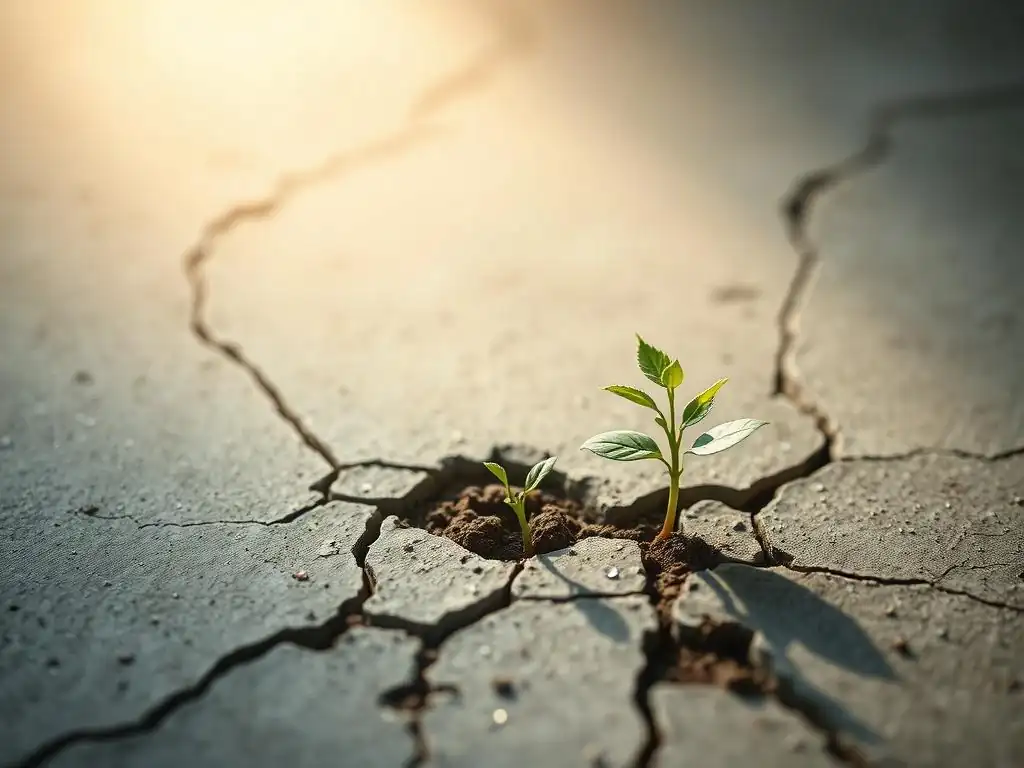
Learning resilience skills online offers numerous advantages, making it a practical and effective option for many trauma survivors. The flexibility and accessibility of online platforms remove significant barriers that might prevent individuals from seeking support or learning coping strategies through traditional means. This convenience allows people to integrate recovery work into their lives without major disruption.
Moreover, online learning often provides a degree of anonymity and privacy that some individuals find more comfortable, especially when dealing with sensitive topics like trauma. This can make it easier to engage with the material and participate in exercises without the anxiety of being in a group setting or face-to-face with a therapist initially. These combined benefits contribute to making online resources a viable pathway for building resilience after trauma online.
Accessibility and Convenience of Online Trauma Recovery Programs
One of the most significant benefits of online trauma recovery programs is their accessibility. They can be accessed from virtually anywhere with an internet connection, breaking down geographical barriers. This is particularly important for individuals living in rural areas or those with mobility challenges. The ability to access content 24/7 means learning can happen whenever it fits into your schedule, whether early in the morning or late at night, allowing for flexibility around work, family commitments, or fluctuating energy levels often experienced after trauma.
This convenience also extends to the pace of learning. Unlike scheduled classes, online courses allow individuals to move through the material at a pace that feels safe and manageable. If a particular topic is triggering or requires more time to process, you can pause and return to it later. This self-directed pace is crucial for trauma recovery, ensuring that the learning process itself is not overwhelming, thereby supporting the goal of building resilience after trauma online effectively.
Personalized Learning at Your Own Pace
Online courses offer a highly personalized learning experience. You can revisit modules as many times as needed, focusing on the areas that are most challenging or relevant to your specific trauma experience and recovery journey. This contrasts with traditional group settings where the pace is set for the entire group. The ability to control the speed and focus of learning empowers individuals to tailor the experience to their unique needs and emotional capacity on any given day.
This self-paced approach is particularly beneficial when dealing with trauma content, which can sometimes be overwhelming. Being able to take breaks, practice skills repeatedly, and integrate the learning gradually supports deeper processing and retention. This personalization is a key factor in making online learning an effective method for building resilience after trauma online, allowing individuals to feel more in control of their healing process.
Cost-Effectiveness Compared to Traditional Therapy
While online courses are not a direct replacement for personalized therapy, they can be significantly more cost-effective. The cost of a comprehensive online course is often equivalent to just one or two therapy sessions, yet it provides hours of content, exercises, and resources. This lower financial barrier makes learning valuable resilience-building skills accessible to a wider range of people who might not be able to afford regular therapy sessions.
For individuals who are on a limited budget or waiting for access to therapy, online courses can provide an immediate starting point for gaining knowledge and learning basic coping skills. They can also serve as a valuable supplement to therapy, reinforcing concepts learned in sessions and providing additional practice opportunities. This affordability makes building resilience after trauma online a more feasible option for many.
Real-Life Examples: Success Stories of Building Resilience Online
Hearing about others who have successfully used online resources can be inspiring and demonstrate the potential effectiveness of building resilience after trauma online. While individual journeys vary greatly, these examples highlight how structured online learning can provide the tools and knowledge needed to navigate the complexities of trauma recovery and foster significant personal growth.
These stories often share common threads: starting from a place of significant distress or feeling stuck, finding an online resource that felt accessible and safe, diligently applying the skills learned, and experiencing tangible improvements in managing symptoms, relationships, and overall wellbeing. They underscore that resilience is built through consistent effort and the application of learned strategies, regardless of whether the learning happens in person or through digital platforms.
Case Study 1: Sarah's Journey with "Yoga for Trauma Recovery"
Sarah, a 35-year-old marketing professional, experienced a severe car accident that left her with physical injuries and significant emotional trauma. She struggled with chronic pain, anxiety, and a profound disconnect from her body, which felt alien and unsafe after the crash. Traditional therapy was helpful, but she felt she needed something more to address the physical tension and fear held in her body. She enrolled in an online "Yoga for Trauma Recovery" course recommended by a friend.
Through the course, Sarah learned gentle movements, breathwork techniques, and body-scanning meditations specifically designed to be non-triggering and empowering. The ability to practice in her own home allowed her to move at her own pace and stop whenever she felt overwhelmed. Over several months, she noticed a significant reduction in muscle tension and anxiety.
She reported feeling more "at home" in her body and less reactive to physical sensations that previously triggered panic. While still attending therapy, the online yoga course became a crucial part of her routine for building resilience after trauma online, helping her reconnect with her physical self and build a sense of safety from within.
Case Study 2: David and the Impact of Mindfulness Learned Online
David, a 50-year-old veteran, struggled with symptoms of PTSD, including intrusive thoughts, hypervigilance, and difficulty sleeping, stemming from his combat experiences years prior. He found it challenging to quiet his mind and felt constantly on edge. He was hesitant about therapy but was open to exploring other options. He decided to try an online course focused on "Mindfulness for Trauma Recovery" offered through a mental wellness platform.
The course introduced David to basic mindfulness principles and guided meditations, starting with very short sessions focused on grounding. He learned techniques to observe his thoughts and feelings without getting carried away by them, and practiced bringing his attention back to the present moment when intrusive memories arose. Initially, it was difficult, but the course's emphasis on patience and self-compassion encouraged him to continue.
Over time, David found he could better manage his anxiety, his sleep improved slightly, and the intensity of his flashbacks decreased. He reported feeling a greater sense of control over his reactions and a newfound ability to find moments of peace amidst the internal chaos. The online mindfulness training proved to be a practical and accessible way for him to start building resilience after trauma online and gain some relief from his persistent symptoms.
Investing in Your Mental Wellbeing: The Power of Online Resilience Training
Investing in your mental wellbeing is one of the most important decisions you can make, especially after experiencing trauma. Trauma recovery is a marathon, not a sprint, and requires ongoing effort and support. Online resilience training offers a flexible, accessible, and cost-effective way to acquire the knowledge and skills necessary for long-term healing and growth. It empowers you to take an active role in your recovery journey, providing tools you can use throughout your life.
While online courses are a valuable resource, remember they are often best used as part of a broader recovery plan that may include therapy, support groups, and other forms of self-care. However, for many, they serve as an essential starting point or a crucial supplement, providing foundational knowledge and practical strategies for building resilience after trauma online, laying the groundwork for a more stable and fulfilling future.
Prioritizing Self-Care and Long-Term Mental Health
Making self-care a priority is non-negotiable when recovering from trauma and building resilience. It involves consistently making choices that support your physical, emotional, and mental health, even when it feels difficult. This includes setting healthy boundaries, ensuring adequate rest, engaging in enjoyable activities, and utilizing the coping skills learned through resources like online courses. Long-term mental health is built on a foundation of consistent self-nurturing and the application of effective strategies for managing stress and emotional challenges.
Online resilience training supports this by providing structured ways to integrate self-care practices into your life. Whether it's a course on mindfulness that encourages daily meditation or a course on emotional regulation that teaches techniques for managing stress responses, these resources offer practical frameworks for prioritizing your wellbeing. Committing to these practices is a direct investment in your capacity for building resilience after trauma online and maintaining mental health over the long haul.
Taking the First Step Towards a More Resilient Future
Taking the first step towards building a more resilient future can feel daunting, but it begins with the decision to prioritize your healing. Exploring online courses focused on trauma recovery and resilience is a concrete action you can take today. It doesn't require a huge time commitment initially; you can start by researching different course options, reading course descriptions, or even trying a free introductory module if available.
Every small step taken towards understanding your trauma, learning coping skills, and connecting with resources contributes to your growing capacity for resilience. Building resilience after trauma online is a journey of empowerment, equipping you with the knowledge and tools to navigate life's challenges with greater strength and confidence. Your commitment to this process is an act of hope and a powerful investment in your own healing and future wellbeing.
Frequently Asked Questions
What is resilience, and why is it important after trauma?
Resilience is the ability to bounce back from adversity and trauma. It's crucial for mental well-being after trauma, helping individuals cope and rebuild their lives. It helps in emotional regulation and fosters a sense of hope.
How can online courses help in building resilience after trauma?
Online courses provide structured learning and coping strategies. They offer a safe and accessible environment to explore trauma and develop resilience skills. Many courses also include community support.
What types of skills are typically taught in online resilience courses?
These courses often teach skills like mindfulness, cognitive restructuring, and emotional regulation. They also cover self-compassion and problem-solving techniques to manage stress and triggers.
Are online resilience courses suitable for everyone who has experienced trauma?
While helpful, online courses aren't a substitute for professional therapy. Individuals with severe trauma or mental health conditions should consult with a therapist. It's best used as a supplementary tool.
Where can I find reputable online courses on building resilience after trauma?
Websites like Mind Care Guide offer curated lists of evidence-based courses. Look for courses taught by qualified professionals and with positive reviews. Always check the credentials of the instructors.
Final Reflection: The Empowering Path to Resilience in the Digital Age
The accessibility of online resources is revolutionizing trauma recovery; building resilience is no longer a solitary struggle, but a journey supported by a global community. The information shared in this article highlights the transformative power of online courses in providing accessible, structured support for individuals navigating the complex landscape of post-traumatic growth. This is not merely a trend; it's a vital shift in how we approach healing and empowerment.
The impact of trauma extends far beyond the individual, rippling outwards to affect families, communities, and society as a whole. The rise of online trauma-informed resources reflects a growing societal awareness of the need for accessible support. The experience of trauma is universal, but the resources for healing are not.
This disparity underscores the importance of readily available online courses, democratizing access to vital tools for recovery and fostering a culture of understanding and support.
Now, consider your own journey. Perhaps you've experienced trauma, or you know someone who has. This article isn't just about information; it's a call to action. Explore the online resources mentioned, reach out to support networks, and remember that building resilience is a process, not a destination. Embrace the opportunity to learn, grow, and find strength within yourself and the supportive community available online. Your journey to resilience starts now.
Unlock Your Inner Strength: Start Your Resilience Journey Today!
Thanks for taking the time to explore the world of resilience and how online courses can help you build it after trauma. You've gained valuable insights into a powerful path towards healing and growth. Now, let's put that knowledge into action!
- Enroll in our introductory resilience course: This course provides a foundational understanding of trauma-informed recovery strategies and practical techniques you can start using immediately. It's the perfect next step to build your strength.
- Share your journey: Connect with our supportive community on social media and share your experiences and progress using #MindCareResilience. Let's inspire each other!
- Explore additional resources: Dive deeper into specific topics that resonate with you – we have a wealth of articles and guides available on our site to support your continued learning.
What specific resilience skill are you most excited to develop and integrate into your life?