
FourLegged Friends: The Comfort and Calm of Therapy Animals.


Welcome to Mind Care Guide.
Feeling overwhelmed? You're not alone. At Mind Care Guide, we understand the challenges life can throw your way. And sometimes, the best support comes in the form of a furry friend. Ever wondered how therapy animals reduce anxiety stress? Join us as we explore the profound impact these compassionate creatures have on mental well-being and discover how their presence can bring comfort and calm to your life. Let's delve into the science and the stories behind this unique approach to managing anxiety.
Four-Legged Friends: The Comfort and Calm of Therapy Animals
- Introduction: Understanding the Role of Therapy Animals in Anxiety Relief
- Therapy Animals and the Science Behind Anxiety Reduction
- Benefits of Therapy Animals for Panic Disorder and Anxiety
- Choosing the Right Therapy Animal for Panic Attack Management
- Integrating Therapy Animal Interactions into Your Mental Well-being Plan
- Success Stories: How Therapy Animals Have Helped Individuals Overcome Panic Disorder
- Addressing Common Concerns About Therapy Animals and Anxiety
- Conclusion: The Power of Therapy Animals in Reducing Anxiety Stress and Improving Mental Wellness
-
Frequently Asked Questions
- How do therapy animals help reduce anxiety and stress?
- What types of animals are commonly used as therapy animals?
- What conditions can therapy animals help with, besides anxiety and stress?
- How do I find a qualified therapy animal or program?
- Is simply owning a pet the same as having a therapy animal?
- Final Reflection: The Enduring Power of Four-Legged Friends
- Unleash the Healing Power of Animal Companionship
Introduction: Understanding the Role of Therapy Animals in Anxiety Relief
The Growing Recognition of Animal-Assisted Therapy for Panic Disorder
Animal-assisted therapy (AAT) has gained significant traction in recent years as a complementary approach for managing various mental health conditions, including panic disorder and generalized anxiety. Historically, the therapeutic bond between humans and animals has been acknowledged, but formal recognition and integration into clinical settings are expanding. Research and anecdotal evidence increasingly support the idea that interaction with trained therapy animals can provide profound comfort and help individuals navigate moments of intense fear and panic. This growing acceptance stems from observed positive outcomes in diverse populations, from children facing stressful medical procedures to adults struggling with chronic anxiety.
As understanding deepens, more mental health professionals are exploring how therapy animals reduce anxiety stress effectively. Hospitals, schools, nursing homes, and even corporate environments are incorporating animal visits to alleviate tension and promote emotional well-being. For individuals grappling with panic attacks, the presence of a calm, non-judgmental animal can serve as a grounding force, helping to interrupt the cycle of escalating fear. This shift reflects a broader recognition of the powerful, inherent connection between humans and animals and its potential to heal and soothe.
How Therapy Animals Differ from Service Animals and Emotional Support Animals
It's important to distinguish between therapy animals, service animals, and emotional support animals, as their roles, training, and legal protections vary significantly. Therapy animals are typically personal pets or animals whose handlers volunteer their time to visit facilities like hospitals, schools, or nursing homes. They are trained to be calm, friendly, and comfortable interacting with many different people in various environments.
Their primary role is to provide comfort, emotional support, and stress relief through supervised interaction. They do not have public access rights beyond places that explicitly allow them, and they are not trained to perform specific tasks for a single individual's disability.
In contrast, service animals are highly trained to perform specific tasks directly related to an individual's disability, such as guiding the visually impaired, alerting to seizures, or retrieving items. They have extensive public access rights under laws like the Americans with Disabilities Act (ADA).
Emotional support animals (ESAs), while providing comfort through their presence, do not require specific task training and do not have the same broad public access rights as service animals, though they may have some protections regarding housing and air travel under specific circumstances. Understanding these distinctions is crucial when considering the type of animal support needed, particularly when seeking ways that therapy animals reduce anxiety stress in structured or public settings.
Therapy Animals and the Science Behind Anxiety Reduction
The Physiological Impact: How Interaction with Animals Lowers Stress Hormones
Interaction with therapy animals has been shown to have tangible physiological effects that contribute to stress reduction. One of the most compelling findings relates to the impact on cortisol, often referred to as the "stress hormone." Studies, including research published in journals like Anthrozoös, have indicated that petting or simply being in the presence of a friendly animal can lead to a measurable decrease in cortisol levels.
For instance, one study observed a significant drop in cortisol among college students interacting with therapy dogs compared to a control group. This hormonal change signals a shift in the body's stress response system, moving away from a state of heightened alert.
Beyond cortisol, animal interaction influences other physiological markers associated with stress. Heart rate and blood pressure, which often spike during anxiety or panic episodes, tend to decrease when individuals engage with therapy animals. This calming effect is not merely psychological; it reflects a direct impact on the autonomic nervous system. By promoting a more relaxed physiological state, therapy animals provide a foundation for managing anxiety symptoms and mitigating the intensity of panic attacks. This scientific basis underscores how therapy animals reduce anxiety stress at a fundamental biological level.
Exploring the Release of Endorphins and Oxytocin Through Animal Interaction
The positive feelings associated with interacting with therapy animals are partly attributable to the release of beneficial neurochemicals. Petting, cuddling, or even just looking into the eyes of a friendly animal can stimulate the brain to release endorphins. Endorphins are natural painkillers and mood elevators, producing feelings of pleasure and well-being that can counteract the negative emotions associated with anxiety and panic. This biochemical response provides a natural lift, helping to break through feelings of dread or hopelessness that can accompany severe anxiety.
Simultaneously, interaction with animals, particularly through gentle touch and affectionate behavior, is known to boost levels of oxytocin. Often called the "bonding hormone" or "love hormone," oxytocin promotes feelings of trust, connection, and calmness. Increased oxytocin can help lower heart rate and blood pressure and reduce levels of stress hormones like cortisol and norepinephrine. This powerful combination of endorphins and oxytocin creates a neurochemical environment conducive to relaxation and emotional security, further explaining why therapy animals reduce anxiety stress so effectively for many individuals.
Therapy Animals and their calming effect on the Nervous System
The interaction with therapy animals exerts a calming influence on the autonomic nervous system (ANS), which controls involuntary bodily functions like heart rate, breathing, and digestion. The ANS has two main branches: the sympathetic nervous system (responsible for the "fight or flight" response) and the parasympathetic nervous system (responsible for the "rest and digest" state). Anxiety and panic attacks are characterized by an overactivation of the sympathetic nervous system.
Engaging with a calm, predictable therapy animal helps activate the parasympathetic nervous system. The slow, rhythmic act of petting, the gentle presence of the animal, and the feeling of safety they provide can signal to the brain that there is no immediate threat. This promotes a shift from the high-alert sympathetic state to the calmer parasympathetic state.
The result is a reduction in physical anxiety symptoms like rapid heart rate, shallow breathing, and muscle tension. This rebalancing of the nervous system is a key mechanism through which therapy animals reduce anxiety stress and help individuals regain control during moments of distress.
Benefits of Therapy Animals for Panic Disorder and Anxiety
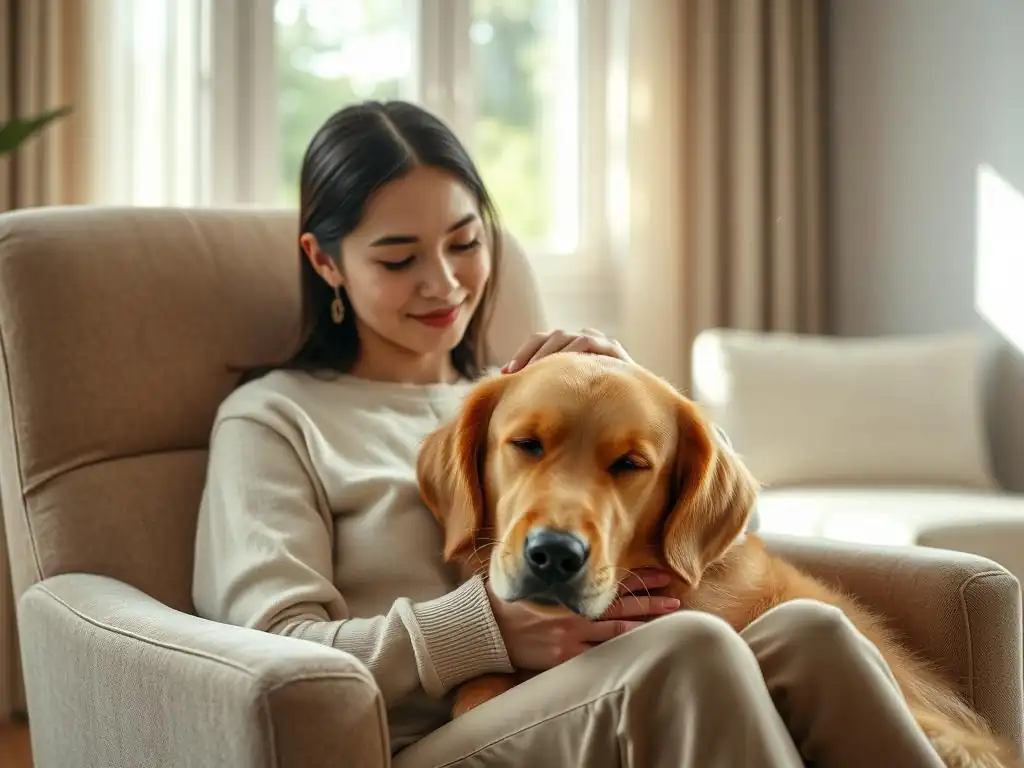
Reduced Anxiety Symptoms: Real-World Examples of Therapy Animal Interventions
The most significant benefit reported by individuals is a tangible reduction in anxiety symptoms. For someone with panic disorder, this can mean fewer panic attacks, less intense episodes, or shorter durations. Consider the example of a patient in a hospital setting awaiting a stressful procedure; a visit from a therapy dog team has been shown to lower their reported anxiety levels by a significant margin, sometimes reducing self-reported anxiety scores by 20-30% on standard scales. Similarly, individuals participating in group therapy sessions alongside therapy animals often report feeling more at ease and more willing to share their experiences.
In educational environments, students facing exam stress or social anxiety find comfort in petting therapy animals during designated sessions, reporting feeling calmer and more focused afterward. These aren't isolated incidents; the consistent presence and non-judgmental interaction offered by therapy animals provide a reliable source of comfort. Many people find that the simple act of focusing on the animal distracts them from anxious thoughts and physical sensations, effectively interrupting the anxiety spiral. This demonstrates clearly how therapy animals reduce anxiety stress in practical, everyday scenarios.
Improved Mood and Emotional Regulation Through Animal Companionship
Beyond directly reducing anxiety, therapy animals significantly boost mood and improve emotional regulation. The companionship offered by these animals combats feelings of loneliness and isolation, which often co-occur with anxiety disorders. The unconditional positive regard from an animal can be incredibly uplifting, fostering feelings of self-worth and acceptance. This is particularly impactful for individuals who may struggle with social interactions or fear judgment from others regarding their panic disorder.
Interacting with therapy animals also provides opportunities for positive emotional experiences – joy, affection, and playfulness. These positive emotions can help balance the negative emotional states associated with chronic anxiety. Furthermore, the responsibility and routine involved in caring for a therapy animal (if it's a personal animal trained and certified for therapy work) or simply anticipating visits can provide structure and purpose, aiding in better emotional regulation and overall mental well-being. This companionship aspect is a vital component of why therapy animals reduce anxiety stress and improve quality of life.
Therapy Animals as a Source of Unconditional Love and Acceptance
One of the most powerful aspects of the human-animal bond is the sense of unconditional love and acceptance that animals provide. Unlike human relationships, which can be complex and sometimes judgmental, the affection from a therapy animal is simple, straightforward, and free of expectations. For individuals struggling with anxiety and panic, who may feel vulnerable or ashamed of their symptoms, this non-judgmental presence is profoundly comforting.
This feeling of being unconditionally accepted creates a safe space for individuals to relax and be themselves without fear of triggering their anxiety. The physical contact, like petting or leaning on an animal, combined with their calm demeanor, offers a tangible sense of security. This unique form of support helps build confidence and provides a stable emotional anchor during turbulent times, highlighting the unique way therapy animals reduce anxiety stress by offering pure, non-critical companionship.
Choosing the Right Therapy Animal for Panic Attack Management
Different Types of Therapy Animals: Dogs, Cats, and Beyond
While dogs are the most common type of therapy animal, providing comfort and performing tasks in various settings, other species also serve effectively. Therapy dogs are prized for their trainability, diverse breeds offering different temperaments (though breed is less important than individual disposition), and their natural inclination to interact with humans. Many therapy dog organizations certify dogs based on temperament, obedience, and their ability to remain calm in distracting environments.
However, cats can also make excellent therapy animals, particularly for individuals who prefer quieter companionship or have limited space. A calm, social cat can provide significant comfort through petting and purring, which itself has been linked to stress reduction.
Beyond common pets, other animals like rabbits, guinea pigs, horses (in equine-assisted therapy), and even birds can be trained and certified as therapy animals, each offering unique benefits and requiring specific handling. The key is finding an animal with a suitable temperament – calm, friendly, reliable, and comfortable with human interaction – regardless of species, to ensure they effectively help therapy animals reduce anxiety stress.
Factors to Consider When Selecting a Therapy Animal for Anxiety Relief
Choosing the right therapy animal, or finding the right therapy animal team to interact with, involves several considerations tailored to the individual's needs and lifestyle.
- Temperament: The animal must be inherently calm, gentle, and predictable. An easily startled or overly energetic animal might inadvertently worsen anxiety.
- Allergies: This is a practical but critical factor. If the individual has allergies, hypoallergenic breeds (for dogs) or other species like certain types of cats or even reptiles (though less common for therapy) might be necessary.
- Lifestyle and environment: If considering adopting and training your own therapy animal (a significant commitment), consider if your living situation is suitable. Do you have space? Can you meet the animal's needs?
- Level of interaction preferred: Some people find active play with an animal therapeutic, while others prefer quiet cuddling. Consider what type of interaction is most calming for you.
- Specific fears: Does the individual have any specific fears related to certain animals? This must be respected.
Selecting an animal whose presence and interaction style resonate with the individual's specific anxiety triggers and preferences is paramount to ensuring that the therapy animal effectively helps reduce anxiety stress.
Finding Qualified Therapy Animal Teams
Accessing the benefits of therapy animals doesn't necessarily mean owning one. Many organizations certify therapy animal teams (a handler and their animal) who volunteer their time. Finding qualified teams ensures the animals are properly trained, temperament-tested, healthy, and insured, and the handlers are knowledgeable and professional.
Here's how to find qualified therapy animal teams:
- Contact national therapy animal organizations: Groups like Pet Partners, Therapy Dogs International, or Alliance of Therapy Animals certify teams across the country. Their websites often have search functions to find teams in your area.
- Ask local hospitals, schools, or community centers: Many institutions that regularly use therapy animals can provide information about the teams they work with.
- Consult with your therapist or mental health professional: They may have connections to local AAT programs or practitioners who incorporate therapy animals into their practice.
Working with certified teams ensures a safe and positive experience, maximizing the potential for the therapy animal to reduce anxiety stress effectively.
Integrating Therapy Animal Interactions into Your Mental Well-being Plan
Incorporating Animal-Assisted Therapy into Existing Treatment Strategies
Animal-assisted therapy (AAT) is most effective when integrated as a complementary tool within a broader mental health treatment plan. It should not replace traditional therapies like cognitive-behavioral therapy (CBT), medication, or other evidence-based interventions but can significantly enhance their effectiveness. For example, incorporating AAT into a therapy session might help a patient feel more relaxed and open to discussing difficult topics. The presence of a therapy animal can lower defenses and create a sense of safety, making therapeutic work feel less intimidating.
Individuals can discuss the possibility of AAT with their therapist or psychiatrist. Some practitioners offer AAT within their practice, while others can refer to local programs or certified therapy animal teams that visit clinics or community centers. By viewing therapy animal interactions as a supportive element alongside professional guidance, individuals can leverage the unique benefits of the human-animal bond to amplify their efforts in managing panic disorder and reducing overall anxiety stress.
Simple Ways to Spend Time with Therapy Animals and Reduce Stress
Even without formal therapy sessions, incorporating simple interactions with therapy animals into your routine can be beneficial. Many public places host therapy animal visits specifically aimed at stress reduction.
- Visit university campuses during exam periods: Many universities bring in therapy animals to help students de-stress.
- Check with local libraries or community centers: They often host reading programs or visiting hours with therapy animals.
- Inquire at nursing homes or hospitals (as a visitor): While not always possible, some facilities allow visitors to interact with resident or visiting therapy animals under supervision.
Simply spending 10-15 minutes petting a calm animal can lower blood pressure and heart rate and promote feelings of relaxation. These brief, positive interactions provide accessible opportunities to experience how therapy animals reduce anxiety stress in everyday life.
Ensuring Positive and Ethical Therapy Animal Interactions
To ensure the well-being of both the human and the animal, it's crucial to engage in positive and ethical interactions. For therapy animals, this means respecting their boundaries, recognizing signs of stress or fatigue, and ensuring they are not overworked or placed in uncomfortable situations. Handlers are trained to advocate for their animals and manage interactions responsibly.
For individuals seeking comfort, this involves approaching animals calmly, asking the handler for permission before interacting, and following their guidance on how to pet or engage with the animal. Responsible interaction ensures the animal remains happy and willing to participate, thereby continuing to provide the calming presence that helps therapy animals reduce anxiety stress for others. Prioritizing the animal's welfare is fundamental to the integrity and effectiveness of animal-assisted interventions.
Success Stories: How Therapy Animals Have Helped Individuals Overcome Panic Disorder

The Impact of Animal-Assisted Therapy on Mental Health
While specific patient names are kept confidential for privacy, countless anecdotal reports and case studies highlight the profound impact therapy animals have had on individuals struggling with panic disorder and severe anxiety. One common theme is the ability of an animal's presence to serve as a "circuit breaker" during an impending panic attack.
For example, an individual might feel the physical sensations of panic beginning – racing heart, shortness of breath – but by focusing on petting a therapy dog, their attention is redirected, their breathing naturally slows to match the rhythm of petting, and the attack subsides before escalating fully. Many report that the animal's calm demeanor is "contagious," helping them regulate their own nervous system.
Another significant impact is the reduction in anticipatory anxiety – the dread of future panic attacks that can severely limit a person's life. Knowing that a therapy animal will be present during a challenging situation, like a doctor's appointment or a social gathering, can provide enough reassurance to make the situation manageable. This reduced fear of the fear itself allows individuals to reclaim parts of their lives previously dictated by anxiety. These stories powerfully illustrate how therapy animals reduce anxiety stress not just during an attack, but by fostering a general sense of security and coping ability.
Addressing Common Concerns About Therapy Animals and Anxiety
Allergies and Other Potential Challenges: Finding Solutions
One of the most common practical concerns regarding therapy animals is allergies. While many people are allergic to animal dander, it doesn't necessarily preclude interaction with therapy animals. Certified therapy animal organizations often have teams with hypoallergenic breeds of dogs (like Poodles or Bichon Frises) or other animals less likely to trigger allergies, such as certain cats, rabbits, or even reptiles (though less common for this purpose). Facilities hosting therapy animals can also take measures like increased ventilation or limiting interaction to specific, easily cleaned areas.
Other challenges might include fear of animals, cultural considerations, or simply a preference against animal interaction. It's crucial that animal-assisted therapy is always offered as an optional complementary therapy. No one should feel pressured to interact with an animal if they are uncomfortable. Open communication with therapists and therapy animal handlers is key to addressing these challenges and finding suitable solutions or alternative coping strategies, ensuring that the option for therapy animals to reduce anxiety stress remains accessible and comfortable for those who choose it.
Ethical Treatment and Responsible Animal Handling
Ensuring the ethical treatment and responsible handling of therapy animals is paramount. These animals provide a valuable service, and their well-being must be prioritized. Certified therapy animal programs adhere to strict guidelines regarding animal health, training, temperament testing, and handler education. Animals are never forced to interact if they show signs of stress or fatigue. They have regular breaks, access to water, and a comfortable environment.
Handlers are trained to read their animal's body language and advocate for their needs. They also educate the public on appropriate ways to interact with the animal respectfully and safely. Choosing to interact only with certified therapy animal teams helps support these high standards of care. Responsible handling ensures the animals enjoy their work and can continue to provide the invaluable comfort that helps therapy animals reduce anxiety stress for many individuals.
Debunking Myths About Therapy Animals and Their Effectiveness
Several myths surround therapy animals and their role in mental health. One is that they are a "magic cure." Therapy animals are a supportive tool, not a standalone treatment for complex conditions like panic disorder. They complement, not replace, professional medical and psychological care. Another myth is that any pet can be a therapy animal; therapy animals require specific training, temperament, and often certification to ensure they are reliable and safe in various, sometimes stressful, environments.
A third misconception is that the benefits are purely placebo or anecdotal. As discussed earlier, research demonstrates measurable physiological changes (like reduced cortisol and blood pressure) and psychological benefits supported by neurological evidence (endorphin and oxytocin release). While individual experiences vary, the scientific basis for how therapy animals reduce anxiety stress is increasingly robust. Debunking these myths helps set realistic expectations and highlights the genuine, evidence-backed value of incorporating trained, certified therapy animals into mental wellness strategies.
Conclusion: The Power of Therapy Animals in Reducing Anxiety Stress and Improving Mental Wellness
Embracing the Calming Presence of Animals for a More Peaceful Life
The journey towards managing panic disorder and anxiety is deeply personal, often requiring a multifaceted approach. For many, the simple, profound connection with a therapy animal offers a unique pathway to calm and comfort. Embracing the presence of these specially trained companions can introduce moments of peace into lives often disrupted by fear and worry. Whether through formal animal-assisted therapy sessions or casual interactions with certified teams in community settings, the opportunity to connect with a gentle animal provides a powerful antidote to the body's stress response.
The non-judgmental affection and grounding presence of therapy animals help individuals feel safer, more relaxed, and less alone. This connection fosters a sense of security that can be invaluable during moments of escalating anxiety or panic. By consciously seeking out and allowing these interactions, individuals can actively incorporate a natural, empathetic source of comfort into their daily lives, paving the way for a more peaceful existence. This highlights the accessible yet profound way therapy animals reduce anxiety stress.
Therapy Animals: A Valuable Tool in the Fight Against Panic Disorder and Anxiety
Therapy animals represent a valuable and increasingly recognized tool in the comprehensive management of panic disorder and anxiety. Their ability to elicit positive physiological responses, such as lowering stress hormones and blood pressure, combined with their capacity to provide unconditional emotional support, makes them powerful allies in the journey toward mental wellness. While they are not a substitute for professional treatment, their integration into existing care plans or their presence in supportive community programs can significantly enhance coping abilities and improve overall quality of life.
For individuals seeking additional ways to find calm and comfort, exploring interactions with certified therapy animal teams is a worthwhile consideration. The unique bond shared between humans and animals offers a pathway to reduced anxiety stress, fostering resilience and promoting emotional healing. As research continues to shed light on the depth of this connection, the role of therapy animals in supporting mental health is likely to grow, bringing comfort and calm to even more lives affected by anxiety.
Frequently Asked Questions
How do therapy animals help reduce anxiety and stress?
Therapy animals offer unconditional love and acceptance, helping to lower stress hormones like cortisol and increase feel-good hormones like oxytocin and serotonin. This interaction creates a sense of calm and well-being.
What types of animals are commonly used as therapy animals?
While dogs are most common, cats, horses, rabbits, and even birds can be therapy animals. The key is that they possess a calm temperament and are well-trained to interact with diverse individuals. Proper training and certification are essential.
What conditions can therapy animals help with, besides anxiety and stress?
Therapy animals can provide comfort and support for individuals struggling with depression, PTSD, loneliness, and even physical pain. They can also be beneficial for people with developmental disabilities or cognitive impairments.
How do I find a qualified therapy animal or program?
Look for organizations that certify therapy animals and handlers, ensuring they meet specific standards. Pet Partners and Alliance of Therapy Dogs are examples. Contact local hospitals, schools, or mental health clinics for referrals.
Is simply owning a pet the same as having a therapy animal?
No, while pets can offer companionship, therapy animals undergo specific training and certification to interact safely and effectively with various individuals in different settings. They're trained to remain calm and supportive in challenging situations.
Final Reflection: The Enduring Power of Four-Legged Friends
The comforting presence of therapy animals is not merely a trend; it's a vital component of holistic well-being in an increasingly stressful world. Their ability to reduce anxiety and stress is scientifically proven, and their impact on mental health is undeniable, offering a tangible path towards emotional resilience in the face of modern challenges. The growing recognition of this power signifies a crucial shift towards more compassionate and effective approaches to mental health care.
The integration of therapy animals into various settings – from hospitals and schools to nursing homes and private practices – reflects a profound societal shift towards acknowledging the interconnectedness of physical and emotional health. Their calming influence transcends age and background, offering a universal language of comfort and connection. Animals are such agreeable friends—they ask no questions; they pass no criticisms.
– George Eliot. This quote perfectly encapsulates the non-judgmental acceptance that animals offer, a quality particularly valuable for those struggling with anxiety and stress.
Consider the impact of a gentle nudge from a therapy dog, the soft purr of a cat, or the quiet companionship of a horse. These seemingly simple interactions can unlock profound emotional release and foster a sense of peace. You, the reader, are encouraged to explore the potential of animal-assisted therapy in your own life or community. Whether it's volunteering at an animal shelter, fostering a pet, or simply spending more time with your own beloved companion, the benefits are immeasurable. Embrace the power of these four-legged friends; they hold a key to unlocking a calmer, more compassionate world.
Unleash the Healing Power of Animal Companionship
Thanks for taking the time to explore the incredible benefits of therapy animals! We hope you gained a deeper understanding of the comfort and calm they can bring. Ready to take the next step?
- Find a local therapy animal program: Many communities offer opportunities to interact with certified therapy animals. This is a wonderful way to experience firsthand the positive impact they can have.
- Share this article with someone who could benefit: Spread the word about the power of animal-assisted therapy and help others discover this incredible resource.
- Consider volunteering at an animal shelter or rescue: By giving back, you'll not only help animals in need but also experience the therapeutic benefits of interacting with them.
Ready to integrate more calming influences into your life? What’s one small step you can take today to bring more animal companionship into your daily routine?