
Is Complete Recovery from Social Anxiety Possible? An Honest Look


Welcome to Mind Care Guide, a safe space for your mental well-being journey.
Feeling the weight of social anxiety? You're not alone. Many wonder if complete recovery is truly possible. In our latest article, "Is Complete Recovery from Social Anxiety Possible? An Honest Look," we delve deep into social anxiety complete recovery tips, offering realistic strategies and unwavering support. Discover the path toward lasting change and a brighter, more confident you. Keep reading to unlock the tools you need to reclaim your life!
Navigating Social Anxiety: Understanding, Managing, and Thriving
- Understanding Social Anxiety
- Defining Recovery and Realistic Expectations
- Evidence-Based Strategies and Techniques
- Lifestyle Factors in Managing Social Anxiety
- Long-Term Management and Prevention
- Real-Life Examples of Successful Management
- Seeking Professional Support
- Conclusion: A Path Towards a Fulfilling Life
-
Frequently Asked Questions
- Can social anxiety be completely cured, or is it just managed?
- What are the key components of a successful social anxiety recovery plan?
- How long does it typically take to see significant progress in recovering from social anxiety?
- What are some practical tips I can implement today to start managing my social anxiety?
- Where can I find reliable resources and support if I'm struggling with social anxiety?
- Final Reflection: The Journey Towards Social Freedom
- Unlock Your Social Confidence: Take the Next Step
Social anxiety disorder, also known as social phobia, is a mental health condition characterized by an intense, persistent fear of being watched and judged by others. This fear can be so strong that it interferes with daily activities, work, school, and other aspects of life.
Unlike occasional shyness, which is a common trait that doesn't typically disrupt life significantly, social anxiety involves a severe dread of social situations, driven by the worry of being humiliated, embarrassed, or rejected. The fear isn't just about large crowds; it can manifest in one-on-one interactions, speaking on the phone, or even eating in front of others.
The core of social anxiety lies in the cognitive distortion of how others perceive you. Individuals with this disorder often overestimate the likelihood of negative evaluation and underestimate their ability to cope with it. This leads to a cycle of avoidance, where the person steers clear of feared social situations, which, while providing temporary relief, ultimately reinforces the anxiety. Physical symptoms like blushing, sweating, trembling, or a racing heart are common when facing or even anticipating social interactions, further fueling the fear of being noticeably anxious.
Impact on Daily Life and Well-being
The pervasive fear associated with social anxiety disorder can severely limit a person's life. Simple tasks that others take for granted, such as attending a class, going to a job interview, participating in meetings, or even running errands, can become overwhelming challenges. This avoidance can lead to significant isolation, making it difficult to form and maintain friendships or romantic relationships, which are crucial for overall well-being. The constant worry and stress take a toll on mental health, often leading to co-occurring conditions like depression or other anxiety disorders.
Beyond social isolation, the disorder can have tangible impacts on educational and career paths. Someone with social anxiety might avoid giving presentations, networking, or applying for jobs that require significant interaction, potentially limiting their professional growth and earning potential. The internal struggle is immense; individuals are often keenly aware that their fears are irrational or excessive but feel powerless to control them. This creates a profound sense of frustration and can erode self-esteem, making the prospect of overcoming social anxiety feel daunting.
Social anxiety disorder exists on a spectrum, varying in intensity and the types of situations that trigger fear. For some, the anxiety might be specific to performance situations, such as public speaking, performing on stage, or taking tests, which is sometimes referred to as performance-only social anxiety. These individuals might be comfortable in general social interactions but experience intense fear when they know they are being evaluated or observed while performing a task.
On the other end of the spectrum is generalized social anxiety disorder, where the fear extends to almost all social interactions. This includes casual conversations, meeting new people, dating, using public restrooms, or even walking down the street feeling observed. The severity also varies; some individuals might experience mild discomfort they can push through, while others are completely incapacitated by their fear, leading to significant functional impairment. Understanding where an individual falls on this spectrum is crucial for tailoring effective social anxiety complete recovery tips and strategies.
Defining Recovery and Realistic Expectations
The concept of "complete recovery" for social anxiety disorder can be complex and is often viewed differently depending on the individual and the clinical perspective. For many chronic conditions, including mental health challenges, recovery might not mean the complete eradication of all symptoms or the absence of any future discomfort. Instead, it often signifies achieving a state where symptoms are significantly reduced, manageable, and no longer interfere with daily functioning and quality of life. It's about regaining control and living a fulfilling life despite the potential for occasional anxious feelings.
From a therapeutic standpoint, recovery is frequently measured by a reduction in symptom severity scores on standardized assessments, increased participation in previously avoided social situations, and a significant improvement in self-reported quality of life. While some individuals may experience a remission of symptoms to the point where they no longer meet the diagnostic criteria, others may still experience mild, infrequent anxiety but possess the skills and confidence to navigate it effectively. The focus shifts from eliminating anxiety entirely to building resilience and coping mechanisms.
Shifting Focus to Management and Quality of Life
Given the nature of social anxiety, which can sometimes persist or recur, a more realistic and empowering perspective often centers on effective management rather than absolute cure. This approach acknowledges that while the intensity and frequency of anxiety can be drastically reduced, occasional moments of discomfort in challenging social situations might still arise. The goal is to equip individuals with the tools and strategies to handle these moments without letting them escalate into overwhelming fear or lead to avoidance.
Focusing on management involves developing robust coping skills, challenging negative thought patterns, and gradually engaging with feared situations. This shift in perspective can be less intimidating than aiming for "perfection" or complete absence of anxiety. It emphasizes building a rich, meaningful life that isn't dictated by fear. Effective social anxiety complete recovery tips are often geared towards enhancing coping abilities, improving self-esteem, and fostering a sense of agency over one's reactions and behaviors in social contexts.
Setting Achievable Goals
Setting realistic and achievable goals is a cornerstone of managing social anxiety and making progress towards recovery. Instead of an abstract goal like "never feel anxious again," specific, measurable, achievable, relevant, and time-bound (SMART) goals are far more effective. For example, if public speaking is a fear, an initial goal might be to "attend a group discussion and contribute one comment" within a specific timeframe, rather than "give a keynote speech."
These smaller, incremental goals help build confidence and provide concrete evidence of progress. They break down the overwhelming challenge of social anxiety into manageable steps. Therapists often work with individuals to identify a hierarchy of feared situations and gradually work through them, starting with the least anxiety-provoking. Celebrating these small victories reinforces positive behavior and motivates continued effort, crucial components when seeking effective social anxiety complete recovery tips.
-   [ ] Identify one low-anxiety social situation to attempt this week.
-   [ ] Practice one relaxation technique daily for 10 minutes.
-   [ ] Challenge one negative thought about a social interaction today.
Evidence-Based Strategies and Techniques
Cognitive Behavioral Therapy (CBT)
Cognitive Behavioral Therapy (CBT) is widely considered the gold standard for treating social anxiety disorder and is a core component of many social anxiety complete recovery tips. CBT helps individuals identify and challenge the negative, often irrational, thought patterns that fuel their anxiety. For example, someone might automatically think, "If I speak up in this meeting, everyone will think I'm stupid." CBT teaches them to question this thought, consider alternative possibilities ("Maybe some people will agree, others might disagree, and most won't think about it much"), and evaluate the evidence for and against their fear.
In addition to modifying thoughts, CBT focuses on changing behaviors. This often involves gradual exposure to feared social situations (detailed below) and developing more adaptive coping strategies. A typical course of CBT for social anxiety might involve 12-20 weekly sessions. Research indicates that a significant percentage of individuals show substantial improvement with CBT, with many experiencing a reduction in symptom severity that allows them to function much more effectively in social settings. For instance, studies have shown that around 60-70% of individuals who complete a course of CBT for social anxiety report clinically significant improvement.
Exposure Therapy
Exposure therapy is a critical component often used within a CBT framework for social anxiety. It involves systematically and gradually confronting feared social situations in a safe and controlled environment. The principle is that by staying in a feared situation long enough, without engaging in avoidance behaviors (like leaving or distracting oneself), the anxiety will naturally decrease, and the individual learns that their feared outcome (e.g., complete humiliation) is unlikely or manageable. This process is called habituation.
Exposure is typically done in a hierarchical manner, starting with situations that provoke only mild anxiety and gradually moving up to more challenging ones. For someone afraid of eating in public, the hierarchy might start with eating a small snack alone in a quiet park, then eating a meal alone in a moderately busy cafe, then eating with a friend in a busy restaurant, and finally eating with a group in a busy restaurant.
Each step is repeated until the anxiety significantly diminishes before moving to the next level. Successful exposure therapy is a powerful tool among social anxiety complete recovery tips, helping individuals reclaim their lives from avoidance.
Social skills training (SST) is another valuable technique, often used in conjunction with CBT and exposure. While social anxiety is primarily a fear of judgment, some individuals may also benefit from learning or refining specific social skills, such as initiating conversations, maintaining eye contact, using appropriate body language, or asserting themselves politely. Feeling more confident in one's ability to navigate social interactions can directly reduce anxiety related to performance or potential awkwardness.
SST typically involves education about social norms and behaviors, modeling of appropriate skills by a therapist or group members, role-playing practice within therapy sessions, and feedback. For example, someone struggling with making small talk might role-play initiating a conversation with a therapist playing a stranger, practicing open-ended questions and active listening. Practicing these skills in a safe environment builds confidence before trying them in real-world situations. While not every person with social anxiety needs SST, it can be particularly helpful for those who experienced social isolation during formative years due to their anxiety.
Mindfulness and Relaxation Techniques
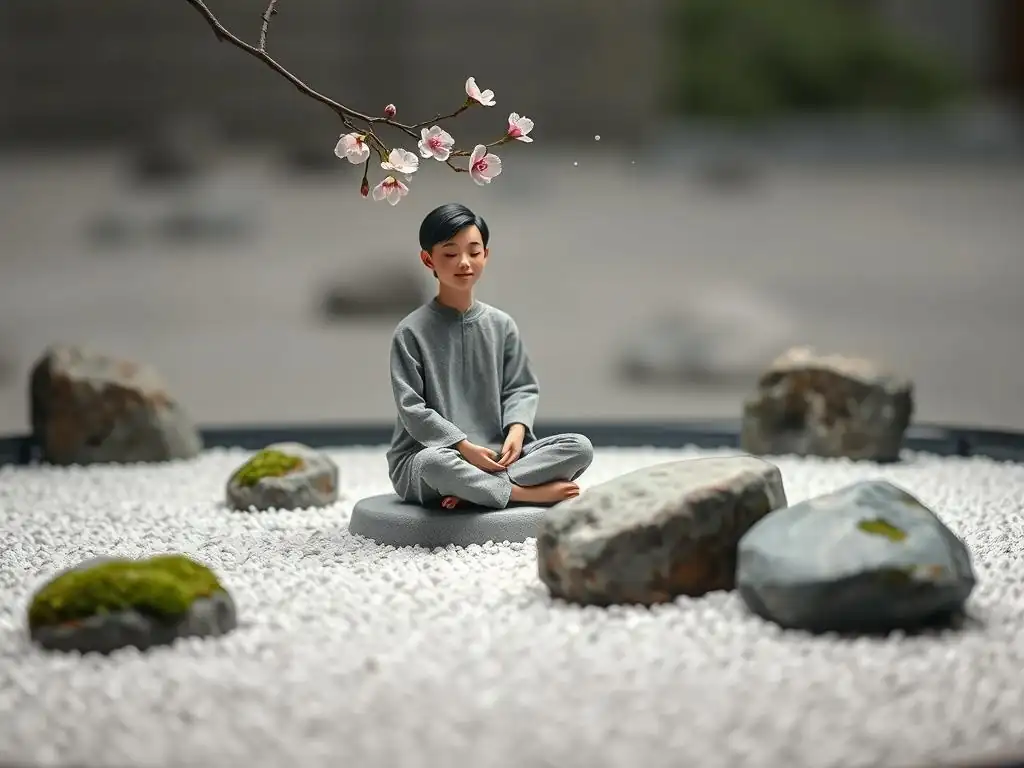
Incorporating mindfulness and relaxation techniques can be highly beneficial in managing the physical and emotional symptoms of social anxiety. Mindfulness involves paying attention to the present moment without judgment, which can help individuals become more aware of their anxious thoughts and feelings without getting overwhelmed by them. Practices like mindful breathing or body scans can ground a person during moments of intense anxiety in a social situation.
Relaxation techniques, such as deep diaphragmatic breathing, progressive muscle relaxation, or guided imagery, can directly counter the physiological arousal associated with the fight-or-flight response triggered by social fear. Learning to activate the body's relaxation response can help lower heart rate, reduce muscle tension, and promote a sense of calm. Regularly practicing these techniques outside of anxious situations makes them more effective when needed during actual social interactions, complementing other social anxiety complete recovery tips.
Medication: Considerations and When to Seek Guidance
For some individuals, medication can be a helpful tool, often used in combination with therapy, to manage social anxiety symptoms. The most commonly prescribed medications are Selective Serotonin Reuptake Inhibitors (SSRIs), a type of antidepressant that can help regulate serotonin levels in the brain, reducing overall anxiety and improving mood. Examples include sertraline (Zoloft), paroxetine (Paxil), and escitalopram (Lexapro). These medications typically take several weeks to reach their full effect.
Another class of medications that can be useful, particularly for performance-only social anxiety, are beta-blockers. These medications, like propranolol, work by blocking the physical effects of adrenaline, such as trembling voice, shaking hands, and rapid heartbeat, without affecting the mental aspects of anxiety. They are often taken as needed before a specific feared event like a presentation.
Benzodiazepines (like alprazolam or clonazepam) may be prescribed for short-term, acute anxiety relief due to their fast-acting nature, but they are generally not recommended for long-term use due to the risk of dependence. Deciding whether medication is appropriate is a discussion to have with a qualified medical professional, such as a psychiatrist or general practitioner, who can assess individual needs and potential side effects.
Nutrition and Exercise
Maintaining a balanced diet and engaging in regular physical activity are not direct treatments for social anxiety, but they play a significant supporting role in overall mental well-being and can help manage anxiety symptoms. Nutrient-rich foods provide the body and brain with the energy and building blocks needed for optimal function. Avoiding excessive caffeine and sugar, which can exacerbate anxiety symptoms in some individuals, is often recommended.
Exercise is a powerful stress reducer. Physical activity releases endorphins, natural mood boosters. Regular aerobic exercise, such as brisk walking, jogging, swimming, or cycling, has been shown to reduce overall stress and anxiety levels. Even moderate activity for about 30 minutes most days of the week can make a difference. Incorporating movement into your routine can improve sleep, boost self-esteem, and provide a healthy outlet for nervous energy, contributing to a holistic approach to social anxiety complete recovery tips.
Sleep Hygiene
Poor sleep can significantly worsen anxiety symptoms, creating a vicious cycle where anxiety makes it hard to sleep, and lack of sleep increases anxiety. Prioritizing good sleep hygiene is therefore crucial for managing social anxiety. This involves establishing a regular sleep schedule, creating a relaxing bedtime routine, ensuring your bedroom is dark, quiet, and cool, and avoiding screens, heavy meals, and caffeine close to bedtime.
Aiming for 7-9 hours of quality sleep per night can help regulate mood, improve cognitive function (including the ability to challenge negative thoughts), and increase resilience to stress. While anxiety might sometimes make falling or staying asleep difficult, implementing consistent sleep hygiene practices can improve sleep quality over time, positively impacting daytime anxiety levels and overall capacity to engage with social situations.
Avoiding Substance Use
Many individuals with social anxiety may turn to alcohol or drugs as a way to self-medicate and cope with social situations. While substances might temporarily reduce anxiety, this strategy is ultimately counterproductive and harmful. Relying on substances prevents individuals from developing genuine coping skills and learning to manage their anxiety naturally. Furthermore, substance use can lead to dependence, addiction, and can exacerbate mental health issues in the long run.
Alcohol, for instance, is a depressant that can worsen mood and anxiety over time, and the 'hangover' effect often includes heightened anxiety. Recreational drugs can also trigger panic attacks or increase paranoia, which is particularly detrimental for someone already prone to social fear. Avoiding substance use is a critical step towards truly addressing social anxiety and implementing sustainable social anxiety complete recovery tips. If substance use is a concern, seeking professional help for both the anxiety and the substance use is essential.
Building a Supportive Network
Having a supportive network of understanding friends, family, or support groups can make a significant difference in managing social anxiety. Sharing your experiences with trusted individuals can reduce feelings of isolation and shame. A supportive network can offer encouragement, understanding, and practical help as you work through your challenges. Even one or two understanding people can provide invaluable support.
Support groups, whether in-person or online, connect individuals who share similar struggles. Hearing from others who have faced and are managing social anxiety can be incredibly validating and inspiring. Group settings also provide a safe space to practice social interaction skills. While building a network can be challenging for someone with social anxiety, taking small steps to connect with others, perhaps initially through shared interests or online forums, can be a vital part of the recovery journey.
Long-Term Management and Prevention
Relapse Prevention Strategies
Achieving significant improvement in social anxiety is a major accomplishment, but maintaining that progress requires ongoing effort and awareness. Relapse prevention strategies are crucial for long-term management. This involves recognizing early warning signs of increasing anxiety, such as increased avoidance, negative self-talk becoming more frequent, or physical symptoms returning.
Having a plan in place for when these signs appear is key. This might include revisiting therapy notes, practicing learned coping skills diligently (like challenging thoughts or relaxation techniques), re-engaging in mild exposure exercises, or scheduling a check-in session with a therapist. Identifying 'high-risk' situations (e.g., major life changes, stressful events) that could trigger increased anxiety allows for proactive planning and preparation. Effective social anxiety complete recovery tips emphasize preparedness and vigilance.
Maintaining Therapy and Self-Care
Long-term management often involves maintaining some level of engagement with therapeutic principles and consistent self-care. For some, this might mean occasional 'booster' sessions with a therapist, perhaps every few months or during stressful periods. For others, it's about consistently applying the skills learned in therapy independently. This could involve regular journaling to track thoughts and feelings, continuing mindfulness practice, or setting aside time for stress-reducing activities.
Self-care isn't selfish; it's essential for maintaining mental health resilience. This includes ensuring adequate sleep, nutrition, and exercise, as mentioned earlier. It also involves setting healthy boundaries, managing stress effectively, and engaging in enjoyable activities that provide a sense of purpose and connection. Treating yourself with kindness and patience is paramount in the ongoing process of managing social anxiety.
Embracing Self-Compassion
Self-compassion is a vital element in navigating the long-term journey with social anxiety. This involves treating yourself with the same kindness, understanding, and acceptance that you would offer a friend facing a similar challenge. People with social anxiety often have a harsh inner critic, constantly judging their own performance and worth in social situations.
Practicing self-compassion means acknowledging that experiencing anxiety is difficult and is part of being human. It involves recognizing that setbacks may happen and responding to them with understanding rather than harsh self-criticism. Developing a compassionate inner voice helps counter negative self-talk and builds resilience. It's a fundamental shift from self-judgment to self-support, which is integral to applying social anxiety complete recovery tips effectively over time.
Identifying and Managing Triggers
Over time, individuals learn to identify specific situations, thoughts, or feelings that tend to trigger their social anxiety. These triggers can vary widely, from specific events like parties or presentations to internal states like feeling tired or stressed. Becoming aware of these patterns is a crucial step in managing anxiety proactively.
Once triggers are identified, strategies can be developed to manage them. This might involve avoiding certain situations if they are not essential to a fulfilling life (though unnecessary avoidance should be challenged), or, more often, preparing for them. Preparation might include practicing coping skills beforehand, mentally rehearsing the situation, or using relaxation techniques. Having a clear understanding of your personal triggers empowers you to approach potentially difficult social situations with greater preparedness and confidence, reinforcing social anxiety complete recovery tips learned in therapy.
Real-Life Examples of Successful Management

Overcoming Fear of Public Speaking Through Gradual Exposure
Consider the case of Alex, a marketing professional whose career was stalled by an intense fear of public speaking, a common form of performance social anxiety. Even thinking about presenting caused significant physical distress. Alex began working with a therapist, using gradual exposure techniques. The exposure hierarchy started small: practicing a presentation aloud alone in a room, then presenting to a single, supportive friend, then to a small group of colleagues, and eventually to larger internal teams.
Alex also used cognitive restructuring to challenge thoughts like "I'll freeze up and everyone will laugh." By tracking actual outcomes (which were never as catastrophic as feared) and focusing on delivering value rather than achieving perfection, Alex gradually built confidence. Within a year, Alex was able to give presentations to external clients, still feeling a trace of nervousness, but it was manageable and no longer debilitating. This demonstrates that "complete recovery" can mean gaining the ability to engage in feared activities successfully, even if some anxiety remains.
Building and Maintaining Meaningful Relationships
Maria struggled with generalized social anxiety, finding it terrifying to initiate conversations or spend time with people outside her immediate family. This led to deep loneliness. Her journey involved social skills training and gradual exposure to social interactions. She started by setting small goals, like smiling at a stranger in the park or asking a store clerk a simple question.
As her confidence grew, she joined a book club (a shared interest provided a topic for conversation) and practiced initiating brief conversations before sessions. She learned to tolerate the discomfort of small talk and discovered that most people were not judging her as harshly as she feared. Over time, Maria was able to form genuine friendships. Her anxiety didn't vanish entirely, but she developed the skills and courage to connect with others, drastically improving her quality of life and proving the effectiveness of applying social anxiety complete recovery tips to personal connections.
David's job required frequent meetings and interactions with senior staff, which triggered significant social anxiety, leading him to avoid contributing ideas and feel invisible. His therapy focused on challenging his fear of negative evaluation ("If I say something wrong, my boss will think I'm incompetent") and using exposure within the workplace context. This involved setting specific goals, like making one comment in a team meeting, then asking a question, then sharing a brief update.
He also practiced mindfulness techniques before meetings to manage physical symptoms. David learned that his colleagues were often focused on the meeting content, not scrutinizing his every word. While he still felt a knot of nervousness before important presentations, he developed the ability to manage it effectively, participate actively in meetings, and even network during company events. His experience highlights that managing anxiety allows individuals to thrive even in demanding social environments, a key outcome of successful social anxiety complete recovery tips.
Seeking Professional Support
Finding Qualified Therapists
Seeking help from a qualified mental health professional is often the most effective step towards managing social anxiety. A therapist, particularly one specializing in anxiety disorders, can provide evidence-based treatments like CBT and exposure therapy. It's important to find a therapist who is licensed and has experience treating social anxiety. Professional directories from psychological associations or reputable mental health organizations can help locate qualified practitioners.
Consider looking for therapists with credentials like LCSW (Licensed Clinical Social Worker), LMFT (Licensed Marriage and Family Therapist), LPC (Licensed Professional Counselor), or licensed psychologists (PhD, PsyD). Don't hesitate to ask about their experience with social anxiety and their primary therapeutic approach during an initial consultation. Finding the right fit is crucial, as the therapeutic relationship itself plays a significant role in the success of treatment.
The Therapeutic Relationship
The relationship between a client and their therapist, often called the therapeutic alliance, is a powerful predictor of positive outcomes in therapy, including for social anxiety. A strong therapeutic relationship is built on trust, empathy, and collaboration. Feeling safe, understood, and respected by your therapist allows you to be more open about your fears and challenges, which is essential for the therapeutic process.
A good therapist will create a non-judgmental space, validate your experiences, and work with you to develop a treatment plan tailored to your specific needs and goals. They will empower you by teaching you skills rather than just giving advice. If the initial therapeutic relationship doesn't feel right, it's okay to seek out a different therapist. Finding someone you connect with can significantly impact your motivation and progress in applying social anxiety complete recovery tips.
Affordable Therapy Options
Concerns about the cost of therapy can be a barrier for many seeking help for social anxiety. However, there are often more affordable options available. University training clinics, where graduate students provide therapy under the supervision of licensed professionals, typically offer services at a reduced rate. Community mental health centers are another resource, often providing sliding scale fees based on income.
Many therapists also offer a certain number of sliding scale spots in their private practice. Checking with your insurance provider about mental health coverage is essential; many plans cover therapy sessions, although deductibles or co-pays may apply. Online therapy platforms can sometimes be more cost-effective than in-person sessions and offer greater flexibility. Exploring these options can make professional support for social anxiety more accessible.
Conclusion: A Path Towards a Fulfilling Life
Emphasizing Improvement and Management
While the idea of a complete, symptom-free "cure" for social anxiety might be unrealistic for everyone, significant improvement and effective long-term management are absolutely possible and achievable for the vast majority of individuals. The journey is often about learning to navigate social situations with less distress, building confidence, and developing resilience, rather than eradicating every trace of anxiety. It's a shift in focus from being controlled by fear to gaining the skills and courage to live a rich, fulfilling life that is not dictated by the disorder.
The path towards managing social anxiety is highly personal and may involve ups and downs. It requires commitment, patience, and often, professional guidance. However, the evidence overwhelmingly shows that with the right strategies – particularly evidence-based therapies like CBT and exposure therapy, supported by lifestyle adjustments and potentially medication – individuals can experience a profound reduction in their symptoms and a dramatic improvement in their quality of life. The goal is not necessarily zero anxiety, but maximum life participation and enjoyment.
Recap of Key Strategies
Recapping the core social anxiety complete recovery tips and strategies, we've covered:
- Understanding the disorder: Recognizing that it's more than shyness and impacts daily life.
- Setting realistic expectations: Focusing on management, quality of life, and achievable goals.
- Evidence-based therapies: Leveraging the power of CBT, exposure therapy, and social skills training.
- Mindfulness and Relaxation: Using techniques to manage physical symptoms.
- Considering Medication: Discussing options with a professional when appropriate.
- Lifestyle Factors: Prioritizing nutrition, exercise, sleep, avoiding substances, and building a supportive network.
- Long-Term Management: Implementing relapse prevention, maintaining self-care, embracing self-compassion, and managing triggers.
These strategies, often used in combination, form a powerful toolkit for confronting social anxiety and moving towards a life where fear takes a backseat to engagement and connection.
Resources and Support
Embarking on the path to managing social anxiety doesn't have to be done alone. Numerous resources and support systems are available. Mental health professionals specializing in anxiety disorders are invaluable guides. Support groups, both local and online, offer connection and shared experiences. Books and online resources based on CBT and other evidence-based approaches provide practical tools and information.
Remember that seeking help is a sign of strength. With dedication and the right support, navigating social anxiety and achieving a life of greater freedom and connection is well within reach. Focus on progress, not perfection, and celebrate each step forward on your journey towards well-being.
Frequently Asked Questions
While a cure in the traditional sense might not be guaranteed, many people achieve complete recovery by learning effective coping mechanisms and addressing the root causes. This means they no longer experience significant impairment in their daily lives.
A successful plan usually involves a combination of therapy, such as Cognitive Behavioral Therapy (CBT), medication (if necessary), and consistent practice of coping strategies in real-world social situations.
The timeline varies, but many individuals report noticeable improvements within a few months of starting consistent therapy and actively practicing exposure techniques. Consistency is crucial for sustained progress.
Start with small, manageable steps like practicing deep breathing, challenging negative thoughts, and engaging in brief, low-pressure social interactions. Self-compassion is also essential.
Websites like Mind Care Guide offer information, support, and resources. You can also seek guidance from a qualified mental health professional or join a support group.
The pursuit of complete recovery from social anxiety is not a destination, but a continuous journey of self-discovery and empowerment. While the path may be winding and challenging, the potential for profound personal growth and lasting freedom is undeniably real. This article explored various strategies and perspectives, highlighting the importance of self-compassion, professional guidance, and consistent self-work. The truth is, complete "cure" might be an unrealistic expectation, but a life lived free from the crippling grip of social anxiety is absolutely achievable.
The impact of social anxiety extends far beyond individual suffering; it shapes our social landscapes, influencing how we connect, collaborate, and build communities. The pervasive nature of this condition underscores the need for greater understanding, empathy, and accessible resources. As we navigate an increasingly interconnected world, the ability to engage authentically with others becomes paramount. The greatest glory in living lies not in never falling, but in rising every time we fall.
- Nelson Mandela. This quote resonates deeply, reminding us that setbacks are inevitable, but resilience and perseverance are key to navigating the challenges of social anxiety.
You, the reader, hold the power to shape your own narrative. This article is not just a collection of tips; it's an invitation to embark on a personal journey of self-acceptance and growth. Consider the strategies discussed, reflect on your own experiences, and identify the steps you can take today to cultivate greater self-compassion and build healthier social connections. Remember, progress, not perfection, is the ultimate goal. Embrace the journey, and celebrate each small victory along the way. Your social freedom awaits.
Thanks for taking the time to explore the complexities of social anxiety with us. We hope this article provided valuable insights and a renewed sense of hope. Now, it's time to turn those insights into action!
- Start small, but start now: Identify one specific social situation that makes you feel anxious, and plan a small step towards engaging with it this week. Even a tiny step forward is progress!
- Share your story (optional): If you feel comfortable, share your experience or takeaways from this article with a friend, family member, or in the comments below. Connecting with others can be incredibly powerful.
- Explore additional resources: Consider browsing our website for further information on coping mechanisms and support groups dedicated to managing social anxiety. You might discover a new tool that helps you thrive.
Ready to begin your journey towards greater social comfort? What's one small step you can take today to build confidence in a social setting?