
Meditation Seating for Bad Backs: Chairs & Cushions That Support

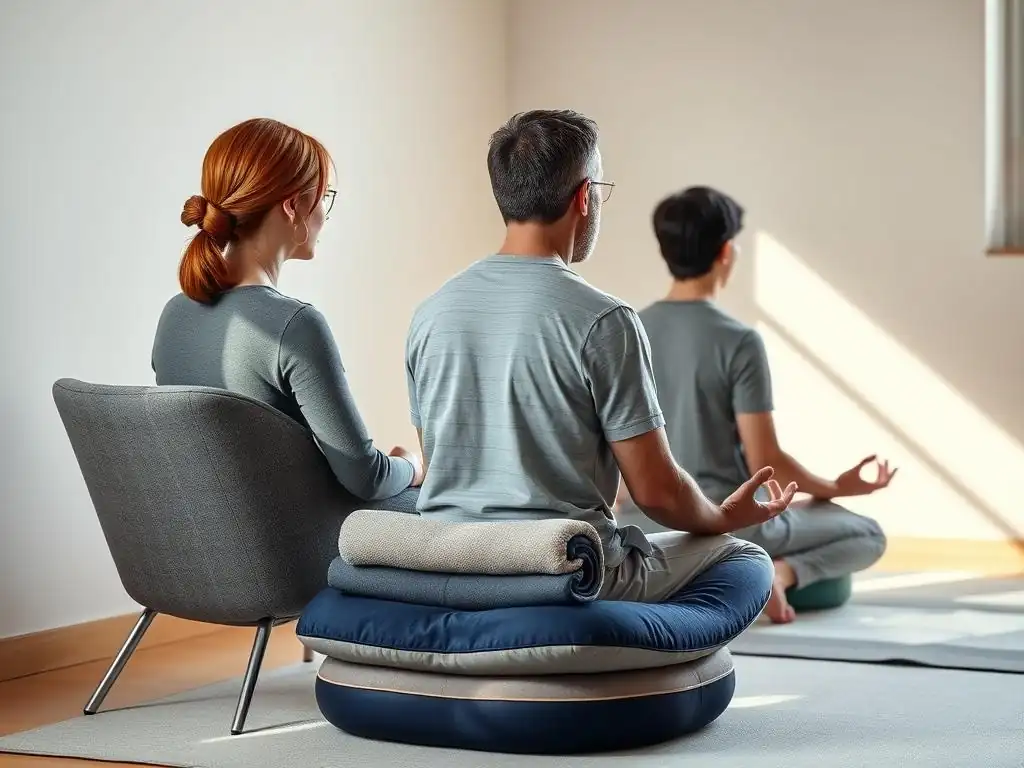
Welcome to Mind Care Guide, your trusted companion on the journey to mental well-being.
Are you tired of back pain hijacking your meditation practice? We understand. Achieving inner peace shouldn't come at the cost of physical discomfort. This guide, "Meditation Seating for Bad Backs," delves into the world of comfortable and supportive seating options, offering practical solutions and resources for achieving Meditation posture back pain relief. Discover how the right chair or cushion can transform your meditation experience and unlock deeper levels of relaxation. Intrigued? Let's explore!
Meditation Seating for Back Pain: Chairs, Cushions & Benches for Support
- Finding the Right Meditation Seating for Back Pain Relief: A Comprehensive Guide
- Choosing the Best Meditation Chair for Back Pain: Key Considerations
- Top Meditation Cushions for Back Pain Sufferers: A Comparative Review
- The Best Meditation Chairs for Back Support: A Detailed Comparison
- Meditation Bench Options for Improved Posture and Reduced Back Strain
- Improving Your Meditation Posture for Back Pain Relief: Tips and Techniques
- Beyond Seating: Additional Tools for Meditation and Back Pain Management
- Real-Life Success Stories: Meditation Posture Transformation and Back Pain Management
- Conclusion: Investing in Comfort and Support for a Pain-Free Meditation Practice
-
Frequently Asked Questions
- What types of meditation seating are best for back pain relief?
- How does meditation posture impact back pain?
- Can using a meditation cushion actually alleviate back pain?
- Are there specific features to look for in a meditation chair for back pain?
- How often should I meditate to experience back pain relief through improved posture?
- Final Reflection: Finding Stillness, Even with an Aching Back
- Unwind Your Mind & Body: Find Your Perfect Posture
Finding the Right Meditation Seating for Back Pain Relief: A Comprehensive Guide
Why Proper Meditation Posture Matters for Back Pain
Maintaining correct posture during meditation is not just about discipline; it's fundamental for physical comfort and the sustainability of your practice, especially when dealing with back pain. Sitting or kneeling for extended periods without proper support can exacerbate existing issues like lumbar strain, sciatica, or herniated discs. Studies suggest that poor sitting posture significantly increases pressure on the spinal discs, potentially by 30% or more compared to standing.
For someone seeking meditation posture back pain relief, understanding this biomechanical reality is the first step. The goal is to find a position where the spine can maintain its natural curve with minimal muscular effort, allowing for longer, more focused sessions without the distraction of discomfort.
Furthermore, chronic pain can create a vicious cycle, impacting both physical and mental well-being. Individuals struggling with back pain may find it difficult to relax or fully engage in mindfulness techniques because their attention is constantly pulled back to their physical discomfort.
By addressing the root cause of pain through appropriate seating and posture, you not only alleviate physical stress but also remove a significant barrier to deeper meditative states. Achieving a stable, comfortable meditation posture for back pain relief enables the mind to settle, fosters a sense of ease in the body, and makes regular practice a more accessible and enjoyable experience, ultimately supporting overall mental health.
Understanding the Connection Between Meditation and Back Health
The practice of meditation, particularly mindfulness meditation, encourages heightened body awareness. This increased awareness can be a double-edged sword for those with back issues; it can make you acutely aware of discomfort, but it also provides an opportunity to identify and correct poor postural habits in real-time.
Many people unknowingly adopt slouched or strained positions, which over time can contribute to muscle imbalances and spinal misalignment. Learning to sit with an upright yet relaxed spine is a core component of many meditation traditions, and this emphasis on posture directly benefits back health by strengthening core muscles and promoting better circulation in the spinal area.
Beyond physical posture, the stress-reducing aspect of meditation also plays a crucial role in managing back pain. Stress often manifests physically as muscle tension, particularly in the shoulders, neck, and lower back. Chronic tension can lead to stiffness, reduced mobility, and increased pain sensitivity. Regular meditation helps calm the nervous system, reducing overall stress levels and consequently alleviating tension in the muscles supporting the spine. Combining stress reduction with improved physical alignment through careful seating selection offers a holistic approach to achieving meditation posture back pain relief, addressing both the physical and psychological components of chronic discomfort.
Choosing the Best Meditation Chair for Back Pain: Key Considerations
Lumbar Support: The Foundation of Comfortable Meditation
For individuals with back pain, adequate lumbar support is paramount when selecting meditation seating. The lumbar spine, or lower back, naturally curves inward. When sitting for prolonged periods, this curve can flatten or even reverse, putting undue stress on the discs and surrounding muscles. Effective lumbar support helps maintain this natural inward curve, distributing pressure evenly and reducing strain. Look for chairs or cushions specifically designed with an ergonomic shape that cradles the lower back. The ideal support should feel firm enough to be effective but not so rigid that it creates new pressure points.
Considering the duration of meditation sessions is also vital. While a brief 10-minute sit might tolerate less-than-perfect support, longer sessions of 30 minutes or more absolutely require robust lumbar assistance to prevent fatigue and pain buildup. Many chairs designed for meditation incorporate built-in lumbar pads or adjustable backrests. For cushions, the shape and filling density determine the level of support. Materials like buckwheat hulls or dense foam in a properly shaped cushion can provide surprising support for the lower back, helping you achieve and maintain a sustainable meditation posture for back pain relief throughout your practice.
Seat Height and Angle: Optimizing Your Spine Alignment
The height and angle of your meditation seat significantly impact how your pelvis is positioned, which in turn affects the alignment of your entire spine. Sitting too low or on a flat surface can cause the pelvis to tilt backward (posterior tilt), leading to a slouched posture and increased strain on the lumbar spine.
A slightly elevated seat, especially one with a gentle forward slope (anterior tilt), helps the pelvis tilt forward naturally, allowing the spine to stack vertically and maintain its healthy S-curve with less effort. Many meditation cushions and benches are designed with this principle in mind, offering a few inches of lift.
For chairs, the relationship between seat height and the angle of the backrest is key. A chair that allows your knees to be slightly lower than your hips is often recommended for promoting good posture and reducing pressure on the lower back and hips. This open hip angle encourages the pelvis to remain in a neutral or slightly anterior tilt.
Experimenting with different heights and angles is crucial, as the optimal setup varies based on individual body proportions and flexibility. Finding this sweet spot is essential for establishing a comfortable and stable meditation posture for back pain relief that you can hold effortlessly.
Material Matters: Comfort and Durability for Long Sessions
The material of your meditation seat affects not only comfort but also durability and breathability during extended periods of stillness. Common materials include buckwheat hulls, kapok fiber, foam, cotton batting, and various upholstery fabrics. Buckwheat hulls are popular for cushions because they conform to the shape of the body, offering personalized support, and allow for air circulation, which is beneficial during longer sits. However, they can be quite firm. Kapok is softer and lighter but may compress over time, requiring occasional refilling. Dense foam provides consistent support but can sometimes feel less breathable.
The outer fabric should be durable, comfortable against the skin, and ideally easy to clean. Natural fibers like cotton or linen are breathable and soft, while synthetic blends might offer greater durability and resistance to wear. For chairs, consider the padding and upholstery. Memory foam or high-density foam padding offers good support and comfort. Ensure the fabric is robust enough to withstand regular use. Investing in quality materials ensures that your meditation seat remains supportive and comfortable over time, contributing to a consistent and pain-free meditation posture back pain relief journey.
Top Meditation Cushions for Back Pain Sufferers: A Comparative Review
Zafu Cushions: Traditional Support for Grounded Meditation
Zafu cushions are the classic round or crescent-shaped cushions commonly used in Zen meditation. They are typically filled with kapok or buckwheat hulls and provide elevation for the hips, allowing the knees to rest comfortably on the floor or a zabuton cushion. The elevation helps tilt the pelvis forward, facilitating a more upright spine. A standard round zafu might be around 6-7 inches high, while crescent shapes can vary. They are designed to be firm enough to maintain their shape and support your weight.
Pros and Cons of Zafu Cushions for Bad Backs
Pros:
- Promotes natural forward pelvic tilt, aiding spinal alignment.
- Provides necessary height for legs to fall below hips, reducing strain.
- Portable and relatively lightweight.
- Traditional and widely available.
Cons:
- May not provide direct lumbar support.
- Requires some hip flexibility to sit comfortably cross-legged or in Burmese posture.
- Can be too firm for some individuals.
- May need a zabuton for knee and ankle comfort, adding expense.
Recommended Zafu Cushion: Peace Yoga Zafu Meditation Cushion
Zabuton Cushions: Extra Comfort and Joint Support
Zabuton cushions are large, flat, rectangular or square mats designed to be placed under a zafu or bench. Their primary purpose is to provide cushioning for the knees, ankles, and feet, which can experience pressure when sitting on a hard floor for extended periods. They are typically filled with cotton batting or foam and range from 2 to 4 inches thick. While they don't directly support the back posture, they are crucial for overall seated comfort, which indirectly helps maintain good posture by allowing you to relax into your sit without fidgeting due to pain in the lower body.
Pros and Cons of Zabuton Cushions for Back Pain Relief
Pros:
- Provides essential padding for knees, ankles, and feet.
- Reduces pressure points on joints.
- Creates a dedicated, comfortable meditation space.
- Can be used alone for kneeling or lying meditation.
Cons:
- Does not provide direct back support.
- Bulky and less portable than a zafu alone.
- Adds to the cost and space requirement of your meditation setup.
- Quality varies significantly depending on filling and thickness.
Recommended Zabuton Cushion: Bean Products Zabuton Meditation Cushion
V-Shaped Cushions: Tailbone Relief and Spinal Alignment
V-shaped or wedge-shaped cushions are specifically designed with a slope that is higher at the back and tapers towards the front. This ergonomic design encourages a forward tilt of the pelvis and helps align the spine naturally. The V-shape often provides space for the tailbone, relieving pressure that can be exacerbated by sitting on flat surfaces, particularly for those with coccyx pain. They come in various densities and materials, often high-density foam, to provide firm, consistent support.
Pros and Cons of V-Shaped Cushions for Meditation Posture
Pros:
- Promotes excellent pelvic alignment and spinal posture.
- Relieves pressure on the tailbone.
- Versatile – can be used on the floor or on a chair.
- Portable and lightweight.
Cons:
- May not be high enough for individuals with very tight hips to comfortably cross their legs without additional support.
- Some find the angled surface less stable than a traditional zafu.
- Support level depends heavily on foam density and quality.
- May still require a zabuton for lower leg comfort on the floor.
Recommended V-Shaped Cushion: Alexia Meditation Seat Ergonomic Cushion
The Best Meditation Chairs for Back Support: A Detailed Comparison
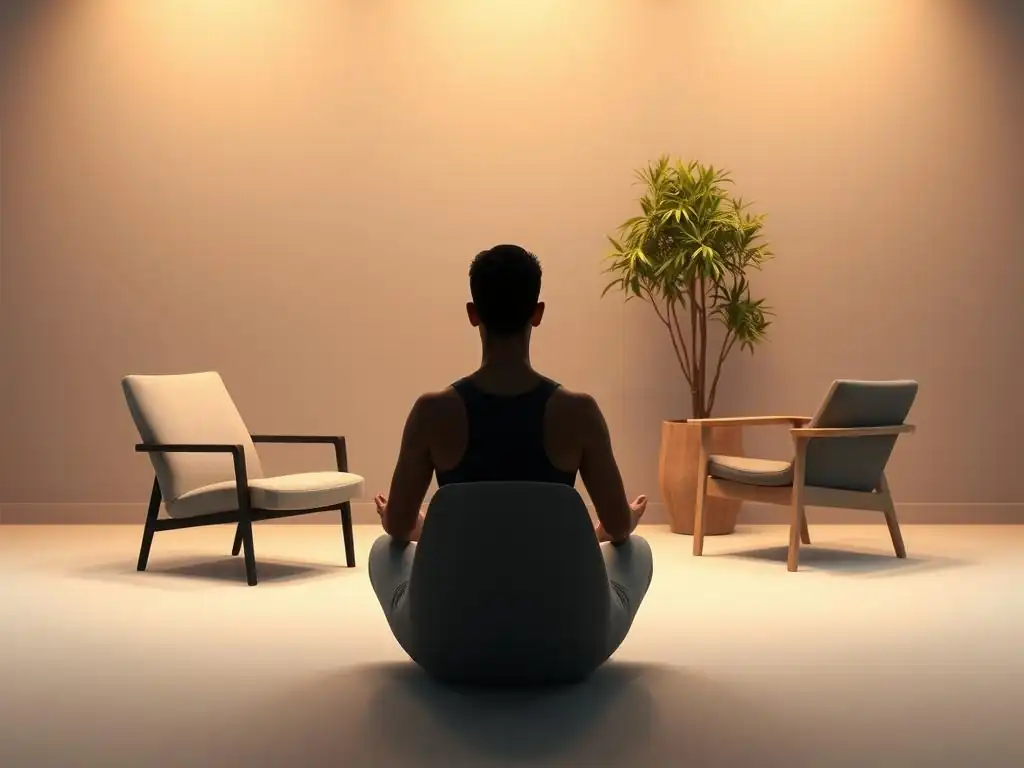
Floor Chairs with Back Support: Ergonomic Comfort on the Ground
Floor chairs offer a balance between sitting on the floor and having the structured support of a traditional chair. They typically feature a padded seat and a backrest, often adjustable, allowing you to lean back while still maintaining a low profile close to the ground. This design provides crucial back support, particularly for the lumbar and upper back, which many cushions lack. They are ideal for individuals who prefer sitting on the floor but cannot comfortably maintain an upright posture without external support for extended periods due to chronic back pain or fatigue.
Pros and Cons of Floor Chairs for Meditation
Pros:
- Provides direct back support, reducing muscle strain.
- Adjustable backrests allow for finding a comfortable angle.
- Elevates the body slightly off the cold floor.
- Good option for those unable to sit cross-legged or kneel comfortably.
Cons:
- Can be bulkier than cushions.
- May not promote the same degree of natural spinal alignment as elevated cushions or benches for some users.
- Portability varies; some are quite heavy.
- Quality of padding and back support varies significantly between models.
Recommended Floor Chair: bonVIVO EASY III Padded Floor Chair
Folding Meditation Chairs: Portability and Convenience
Folding meditation chairs are a subcategory of floor chairs designed with portability in mind. They typically feature a lightweight frame and a padded seat and backrest that can fold flat or collapse for easy storage and transport. This makes them an excellent choice for people who attend group meditation sessions, travel, or simply need to store their seating away neatly when not in use. Despite their portability, many still offer significant back support, making them a practical option for maintaining a stable meditation posture back pain relief wherever you practice.
Pros and Cons of Folding Meditation Chairs for Back Issues
Pros:
- Highly portable and easy to store.
- Provides essential back support.
- Offers a comfortable alternative to traditional floor sitting.
- Quick to set up and take down.
Cons:
- Support and padding may be less substantial than non-folding chairs.
- Durability might be lower depending on frame construction.
- Limited adjustability in some models.
- Can sometimes feel less stable than fixed seating options.
Recommended Folding Meditation Chair: FriendsOfZen Big Back Jack Floor Chair
Ergonomic Kneeling Chairs: Posture Correction and Core Engagement
Ergonomic kneeling chairs position the body with the hips tilted forward and the knees resting on a padded support below the seat. This configuration naturally encourages the spine to align itself in an upright, neutral position. The forward-sloping seat and knee support distribute weight between the pelvis and the shins, reducing pressure on the lower back and engaging core muscles to maintain balance. While often associated with desk work, kneeling chairs can be adapted for meditation, offering a unique way to achieve meditation posture back pain relief by promoting active sitting and spinal decompression.
Pros and Cons of Kneeling Chairs for Meditation
Pros:
- Excellent for promoting a naturally aligned, upright spine.
- Can relieve pressure on the lower back and tailbone.
- Engages core muscles, potentially strengthening them over time.
- Offers an alternative posture to cross-legged or seated positions.
Cons:
- May put pressure on the knees or shins for some users, especially during long sessions.
- Requires a period of adjustment to get used to the posture.
- Less portable and generally more expensive than cushions or floor chairs.
- Not suitable for everyone, particularly those with knee problems.
Recommended Kneeling Chair: DRAGONN by VIVO Ergonomic Kneeling Chair
Meditation Bench Options for Improved Posture and Reduced Back Strain
What are the Benefits of Using a Meditation Bench?
Meditation benches are designed primarily for kneeling postures (like Seiza) but can also be used for sitting. They elevate the hips, allowing the legs to tuck underneath, resting the weight primarily on the bench rather than the ankles and knees. This elevation and the angle of the bench seat (often slightly slanted forward) help tilt the pelvis, promoting a straight, upright spine with minimal effort.
For individuals with tight hips, knee pain, or difficulty sitting cross-legged, a bench offers a comfortable and stable alternative that directly supports achieving a beneficial meditation posture for back pain relief. They distribute weight more evenly than some cushion setups and provide a consistent height.
Different Types of Meditation Benches
Meditation benches come in various designs, materials, and heights.
Slanted Meditation Benches
These benches have a seat that slopes slightly forward, further encouraging the natural anterior tilt of the pelvis and promoting spinal alignment. The slant helps gravity gently pull the body into an upright position.
Folding Meditation Benches
Designed for portability and easy storage, folding benches collapse into a more compact form. They are convenient for travel or when space is limited. While portable, ensure the folding mechanism is sturdy and the bench is stable when in use.
Recommended Meditation Bench: Seiza Meditation Bench
Improving Your Meditation Posture for Back Pain Relief: Tips and Techniques
Stretching and Warm-Up Exercises Before Meditation
Incorporating gentle stretching and warm-up exercises before sitting down to meditate can significantly improve your ability to maintain a comfortable posture and reduce back strain. Simple movements like cat-cow pose, pelvic tilts, gentle spinal twists, and hip flexor stretches can increase flexibility, warm up muscles, and improve circulation.
For instance, performing 5-10 repetitions of cat-cow can help articulate the spine, while holding a gentle seated forward bend for 30 seconds can release tension in the lower back. These exercises prepare your body for stillness, making it easier to find and hold a stable meditation posture back pain relief position without stiffness or discomfort.
Focusing on hip and hamstring flexibility is particularly helpful, as tightness in these areas can pull on the pelvis and contribute to poor spinal alignment during seated meditation. A simple hamstring stretch, like lying on your back and gently pulling one knee towards your chest, held for 20-30 seconds on each side, can make a difference. Similarly, hip openers like the butterfly stretch or pigeon pose (modified if necessary) can improve the comfort of cross-legged or kneeling positions. Dedicating just 5-10 minutes to these preparations can dramatically enhance your meditation experience and your ability to achieve a pain-free sit.
Proper Seating Techniques for Different Cushion and Chair Types
Knowing how to properly use your chosen meditation seat is crucial for maximizing its benefits for back pain relief.
- Zafu Cushions: Sit towards the front edge of the cushion, allowing your hips to be higher than your knees. Let your legs fall naturally, either cross-legged, in Burmese position (one foot in front of the other), or in half-lotus/lotus if comfortable. The goal is a stable base with knees resting on the floor or a zabuton.
- V-Shaped Cushions: Position the higher end of the wedge at the back, under your sit bones. The slope should angle down towards the front. Ensure your tailbone has space and isn't bearing weight directly on the cushion or floor.
- Meditation Benches: Kneel with the bench positioned between your legs. Sit back onto the bench seat, allowing your feet to rest on either side of the bench base. Adjust your position on the bench to find the spot that allows your spine to feel naturally upright.
- Floor Chairs: Sit with your back against the chair's backrest. Adjust the angle if possible to provide comfortable lumbar support. Ensure your feet are flat on the floor or extended comfortably. Avoid slouching into the backrest; aim to sit tall, using the chair for support rather than relying on it completely.
Practice finding the position where your spine feels elongated and supported with minimal muscular effort. Small adjustments can make a big difference in achieving a comfortable meditation posture for back pain relief.
How to Maintain Good Posture Throughout Your Meditation Session
Maintaining good posture isn't just about finding the right initial position; it requires ongoing awareness during your sit. Begin by establishing your stable base, whether on a cushion, bench, or chair. Imagine a string gently pulling you up from the crown of your head, lengthening your spine. Relax your shoulders down and back, letting your hands rest comfortably in your lap or on your knees. Throughout the meditation, periodically check in with your body without judgment. Notice if you've started to slouch or tense up.
If you notice yourself slumping, gently adjust your posture, bringing your awareness back to the lengthening of the spine. It's okay to move slightly if needed to regain comfort and alignment. Some practitioners find it helpful to use the breath as a cue; on an inhale, imagine growing taller, and on an exhale, release unnecessary tension while maintaining height. With practice, maintaining a comfortable and aligned meditation posture for back pain relief becomes more natural, allowing you to focus more fully on your meditation object.
Beyond Seating: Additional Tools for Meditation and Back Pain Management
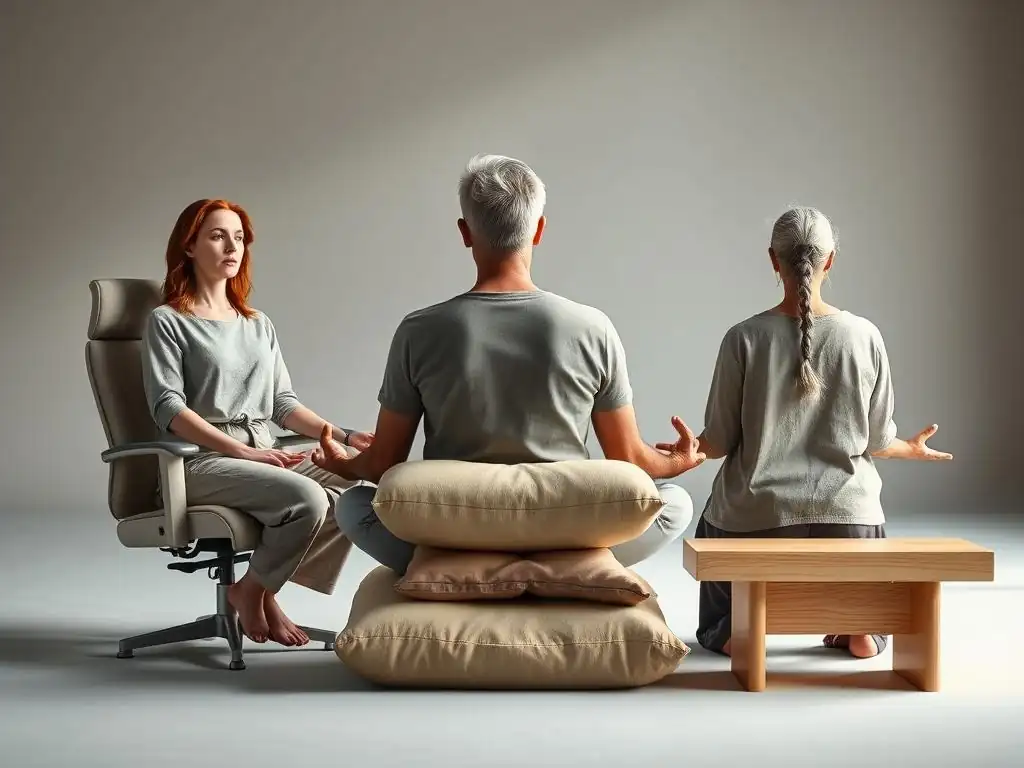
Back Supports and Braces: Extra Support When Needed
For some individuals experiencing significant back pain, especially during longer meditation sessions or flare-ups, a temporary back support or brace can provide additional stability and pain relief. These supports wrap around the torso, offering compression and gentle reinforcement to the lumbar area. They can help limit excessive movement, support weakened muscles, and remind the wearer to maintain proper alignment. While not a long-term solution for posture correction, a brace can be a valuable tool to allow you to continue your meditation practice when pain is a significant barrier.
It is important to use back supports judiciously and ideally under the guidance of a healthcare professional. Over-reliance on a brace can potentially weaken core muscles over time. However, for managing acute pain during specific activities like meditation, a well-fitting, comfortable brace can provide the necessary support to achieve meditation posture back pain relief and enable consistent practice. Look for breathable materials and adjustable compression for comfort during stillness.
Recommended Back Support: ComfyMed Premium Back Brace CM-01
Guided Meditation Apps for Pain Relief: Mindfulness and Relaxation
Guided meditation apps offer specialized programs that can be particularly beneficial for managing chronic pain, including back pain. Many apps feature meditations specifically designed to cultivate mindfulness of physical sensations, teaching techniques to observe pain without resistance and reduce the emotional reactivity associated with it. Some guides incorporate body scans that help you become more aware of areas of tension and learn to release them. Others focus on relaxation techniques that can reduce the muscle guarding and stress often accompanying chronic pain.
For example, a program might guide you through a 15-minute body scan focusing on releasing tension from the feet up through the back, or a loving-kindness meditation directed towards the painful area. Access to these resources via an app makes them convenient to use anytime, anywhere.
While they don't replace proper seating, using guided meditations focused on pain can significantly enhance your ability to sit comfortably by reducing stress and changing your relationship with the sensation of pain, supporting your journey towards meditation posture back pain relief. Access to a free trial allows you to explore different styles and find what resonates.
Recommended Meditation App: Headspace
Yoga and Pilates for Back Strengthening: Long-Term Solutions
While finding the right seating addresses immediate comfort during meditation, incorporating practices like yoga and Pilates offers long-term solutions for back pain by strengthening the core and improving flexibility and posture overall. Yoga poses (asanas) can help stretch and strengthen the muscles supporting the spine, improve hip flexibility, and enhance body awareness. Pilates focuses on core strength, stability, and proper movement patterns, which are essential for maintaining good posture in all activities, including meditation.
Regular practice of specific yoga poses known to benefit the back, such as cat-cow, child's pose, gentle twists, and bridge pose, can alleviate stiffness and build strength. Pilates exercises targeting the deep abdominal and back muscles provide a strong foundation for an upright spine. Dedicating time weekly to these practices, even just 2-3 sessions of 20-30 minutes, can significantly improve your ability to sit comfortably for meditation and reduce the likelihood of pain recurring. This combined approach of supportive seating and targeted exercise is a powerful strategy for achieving sustainable meditation posture back pain relief.
Real-Life Success Stories: Meditation Posture Transformation and Back Pain Management
Meditation Improves Sciatica Pain: A Case Study
Consider the case of Sarah, a 45-year-old office worker who experienced chronic sciatica, with pain radiating down her leg, making it difficult to sit for more than a few minutes. She wanted to start meditating but found the pain unbearable when sitting on the floor or a regular cushion. Sarah decided to invest in a floor chair with adjustable lumbar support. Initially, she could only meditate for 5 minutes, focusing heavily on mindfulness of the painful sensation. Over several weeks, using her new chair and incorporating gentle pre-meditation stretches targeting her piriformis and hamstrings, she noticed a gradual improvement.
After three months of consistent practice, sitting for 20 minutes daily in her supportive chair, Sarah reported a significant reduction in the intensity and frequency of her sciatica flare-ups. She found that the chair allowed her to maintain a posture that didn't compress her sciatic nerve as much as her previous seating attempts.
The combination of the supportive chair and the stress-reducing effects of meditation helped break the pain-tension cycle she was in. While not a complete cure, finding the right meditation posture back pain relief solution enabled her to build a sustainable practice that genuinely improved her quality of life and pain management.
Improved Posture Reduced Chronic Back Pain: A Case Study
Mark, a 60-year-old retiree, suffered from generalized chronic lower back pain, often feeling stiff after sitting. He started meditating but found his traditional round zafu didn't provide enough support, leading to slouching and increased pain after just 15 minutes. Seeking better meditation posture back pain relief, he switched to a V-shaped cushion combined with a thick zabuton. The wedge shape immediately helped him tilt his pelvis forward, making it easier to sit upright. He also started incorporating daily gentle yoga stretches focused on spinal mobility and core engagement before his sits.
Within six months, Mark reported that his chronic lower back pain had decreased by approximately 40%. He was able to sit comfortably for 30-minute meditation sessions most days. He attributed the improvement to the combination of the V-shaped cushion promoting better posture during his sits and the strengthening exercises. He realized that his previous pain was significantly exacerbated by poor postural habits both during meditation and daily life. By addressing his posture with appropriate seating and complementary exercises, Mark found lasting relief and a renewed ability to engage in activities he previously found painful.
Conclusion: Investing in Comfort and Support for a Pain-Free Meditation Practice
Frequently Asked Questions
What types of meditation seating are best for back pain relief?
Various options can help, including meditation chairs with back support, cushions designed to promote proper posture, and even modified chairs that offer lumbar support. Finding what works best depends on individual needs.
How does meditation posture impact back pain?
Poor posture during meditation can exacerbate back pain. Maintaining a neutral spine and supporting the natural curves of your back is crucial for preventing discomfort and promoting relaxation.
Can using a meditation cushion actually alleviate back pain?
Yes, a properly chosen meditation cushion can help align your spine and reduce strain on your lower back. Look for cushions that elevate your hips and encourage a natural sitting posture.
Are there specific features to look for in a meditation chair for back pain?
Important features include adjustable lumbar support, a comfortable seat cushion, and a supportive backrest. Consider chairs that allow you to maintain an upright posture without excessive slouching.
How often should I meditate to experience back pain relief through improved posture?
Consistency is key. Even short, regular meditation sessions (10-15 minutes daily) with proper posture can gradually improve spinal alignment and reduce back pain over time.
Final Reflection: Finding Stillness, Even with an Aching Back
The pursuit of inner peace shouldn't come at the cost of physical discomfort. Many seek the benefits of meditation, but back pain often acts as a significant barrier. This article explored the crucial link between proper posture and effective meditation, demonstrating that finding the right chair or cushion can be the key to unlocking a more accessible and sustainable meditation practice.
The impact of chronic pain on mental wellbeing is undeniable, often creating a vicious cycle where physical discomfort exacerbates mental stress, hindering the very practices designed to alleviate it. The body is your temple. Keep it healthy and strong.
This simple truth underscores the importance of prioritizing physical comfort in our spiritual journeys. Ignoring our physical needs only serves to limit our capacity for inner peace and self-discovery. The search for the perfect meditation seat is, therefore, not merely a matter of comfort, but a vital step towards cultivating a holistic and sustainable practice.
Now, consider your own meditation practice. What adjustments can you make to improve your posture and alleviate any discomfort? Perhaps it's time to invest in a supportive cushion, explore different seating options, or simply become more mindful of your body's alignment during meditation. Remember, the journey to inner peace is a personal one, and finding the right physical support is a crucial step in making that journey comfortable, accessible, and ultimately, more rewarding. Embrace the opportunity to create a meditation space that truly nurtures both your mind and body.
Unwind Your Mind & Body: Find Your Perfect Posture
Thanks for taking the time to explore mindful seating options for a healthier meditation practice! We hope you found valuable insights into supporting your back while deepening your inner peace. Ready to take the next step?
- Invest in your comfort: Research and purchase a meditation chair or cushion that truly suits your body's needs. Consider the recommendations from the article to find the perfect fit.
- Share your experience: Tell us about your favorite seating solution! What works best for maintaining proper posture during meditation? Share your tips and tricks in the comments below.
- Explore deeper: Dive into our other articles on mindful movement and body awareness to further enhance your meditation practice.
Ready to transform your meditation experience? What specific adjustments will you make to prioritize comfort and support during your next session?