
Move Your Mood: How Yoga Supports Mental Wellbeing Holistically

Welcome to Mind Care Guide, a space dedicated to nurturing your inner peace.
Feeling overwhelmed by anxiety? You're not alone. Discover how the ancient practice of yoga can offer a pathway to profound relief and a deeper connection with yourself. Explore our article, " Move Your Mood: How Yoga Supports Mental Wellbeing Holistically," and begin your journey towards a calmer, more balanced you. Intrigued? Let's delve into the powerful benefits of Yoga for anxiety relief and unlock the potential for a healthier, happier mind.
Move Your Mood: How Yoga Supports Mental Wellbeing Holistically
- Introduction: Yoga as a Holistic Tool for Mental Wellness
- Yoga for Anxiety Relief: A Comprehensive Overview
- The Science Behind Yoga and Mental Health
- Key Yoga Poses for Calming the Mind and Body
- Incorporating Yoga into Your Mental Health Routine
- Beyond Poses: The Holistic Aspects of Yoga
- Addressing Specific Mental Health Challenges with Yoga
- Potential Limitations and Considerations
- Conclusion: Embracing Yoga for a Balanced Mind
-
Frequently Asked Questions
- How does Yoga for Anxiety Relief work on a physiological level?
- What specific yoga poses are most beneficial for Yoga for Anxiety Relief?
- How often should I practice Yoga for Anxiety Relief to see results?
- Can Yoga for Anxiety Relief be combined with other mental health treatments?
- Are there any precautions I should take before starting Yoga for Anxiety Relief?
- Final Reflection: Cultivating Inner Peace Through Movement
- Unleash Your Inner Calm: Take the Next Step Towards Wellbeing
Introduction: Yoga as a Holistic Tool for Mental Wellness
Understanding the Mind-Body Connection in Mental Health
Mental health is deeply intertwined with physical health, a connection often overlooked in conventional approaches. Our emotional states can manifest physically as tension, fatigue, or even chronic pain, while physical ailments or lack of movement can significantly impact mood and cognitive function. This bidirectional relationship, the mind-body connection, highlights that true wellbeing requires addressing both aspects simultaneously. Stress, for instance, triggers a physiological response involving hormones like cortisol and adrenaline, impacting everything from digestion to immune function, and prolonged activation contributes to conditions like anxiety and depression.
Recognizing this intricate link is fundamental to holistic mental health. Practices that engage both the mind and body offer a powerful pathway to healing and resilience. Instead of treating symptoms in isolation, a holistic perspective seeks to restore balance across the entire system. This integrated view is gaining traction, with increasing interest in modalities that acknowledge the body's role in processing emotions and supporting mental stability, paving the way for practices like yoga to be seen not just as exercise, but as therapeutic tools for the mind.
Yoga's Growing Recognition for Mental Health Benefits
Yoga, an ancient practice originating in India, is increasingly recognized by the scientific community and mental health professionals for its profound benefits beyond physical fitness. It combines physical postures (asanas), breathing techniques (pranayama), meditation, and ethical principles, offering a comprehensive system for self-improvement. Historically viewed primarily as a physical exercise in the West, its potential for addressing psychological distress is now widely acknowledged and studied.
Major health organizations and research institutions have published numerous studies demonstrating yoga's positive impact on various mental health conditions. For example, research has consistently shown that regular yoga practice can lead to significant reductions in self-reported stress, anxiety, and depressive symptoms. This growing body of evidence supports its integration into complementary treatment plans, making yoga for anxiety relief and other mood disorders a popular and evidence-based choice for individuals seeking naturalistic or supplementary support for their mental wellness journey.
Yoga for Anxiety Relief: A Comprehensive Overview
Defining Anxiety and Its Impact on Wellbeing
Anxiety is more than just feeling worried; it's a complex emotional state characterized by feelings of tension, worried thoughts, and physical changes like increased blood pressure and rapid heart rate. While a normal response to stress, chronic or excessive anxiety can become a disorder, significantly impacting daily life, relationships, and overall wellbeing. Generalized anxiety disorder (GAD), panic disorder, social anxiety disorder, and phobias are common forms, each presenting unique challenges but often sharing core features of persistent fear or worry disproportionate to the actual threat.
The impact of anxiety on wellbeing is pervasive. Mentally, it can lead to difficulty concentrating, irritability, and sleep disturbances. Physically, it often manifests as muscle tension, headaches, digestive issues, and fatigue. Behaviorally, individuals might avoid situations that trigger anxiety, leading to social isolation and limitations in activities. Addressing anxiety requires strategies that can soothe both the agitated mind and the tense body, highlighting the potential of holistic practices like yoga for anxiety relief.
Yoga's Role in Managing Anxiety Symptoms
Yoga offers a multi-faceted approach to managing anxiety symptoms by addressing both the mental and physical manifestations. The physical postures help release accumulated tension in the muscles, a common symptom of anxiety. The focus required to hold poses and coordinate movement with breath draws attention away from anxious thoughts, providing a mental break and fostering present-moment awareness.
Furthermore, the emphasis on controlled breathing in yoga directly impacts the nervous system, shifting it from the 'fight or flight' sympathetic state to the 'rest and digest' parasympathetic state. This physiological shift helps lower heart rate, reduce cortisol levels, and promote a sense of calm. Regular engagement in yoga for anxiety relief builds resilience, equipping individuals with tools to recognize anxious feelings as they arise and apply techniques learned on the mat to navigate stressful situations more effectively in daily life.
The Science Behind Yoga and Mental Health
Yoga's Effect on the Nervous System: Reducing Stress Response
The autonomic nervous system (ANS) plays a crucial role in the body's stress response, operating largely unconsciously. It consists of two main branches: the sympathetic nervous system (SNS), responsible for the 'fight or flight' response, and the parasympathetic nervous system (PNS), responsible for 'rest and digest'. In individuals experiencing chronic stress or anxiety, the SNS is often overactive, leading to elevated heart rate, increased muscle tension, and high levels of stress hormones like cortisol.
Yoga practices, particularly those emphasizing slow movements and deep breathing, have been shown to stimulate the PNS. This stimulation helps to counteract the effects of SNS overactivity, leading to a reduction in physiological stress markers. For example, studies using heart rate variability (HRV) measurements often show that regular yoga practitioners have higher HRV, indicating a more balanced and resilient ANS that can recover more quickly from stress. This fundamental shift towards PNS dominance is a key mechanism by which yoga promotes calm and reduces the physical symptoms associated with anxiety.
Yoga and Neurotransmitters: Boosting Serotonin and GABA Levels
Beyond its impact on the nervous system, yoga has been linked to positive changes in brain chemistry, specifically affecting neurotransmitter levels that influence mood and anxiety. Gamma-aminobutyric acid (GABA) is a primary inhibitory neurotransmitter in the central nervous system, playing a key role in reducing neuronal excitability. Low levels of GABA are often associated with anxiety, stress, and depression.
Research suggests that yoga practice can increase GABA levels in the brain. One notable study using magnetic resonance spectroscopy found that participants who engaged in a yoga intervention showed significantly increased GABA levels compared to a control group who simply read. Similarly, yoga has been associated with increased serotonin, another neurotransmitter crucial for regulating mood, sleep, and appetite. By potentially boosting these calming and mood-regulating chemicals, yoga provides a biochemical pathway for yoga for anxiety relief and improved overall mental state.
Research-Backed Benefits of Yoga for Anxiety and Depression
A substantial body of research supports the use of yoga as an effective complementary therapy for anxiety and depression. Meta-analyses reviewing multiple studies have consistently found that yoga interventions lead to significant reductions in scores on standardized anxiety and depression scales. For instance, a review published in the Journal of Alternative and Complementary Medicine in 2010 analyzed 25 studies and concluded that yoga is a promising intervention for depression, anxiety, and stress.
More recent studies have continued to build on this evidence, often employing randomized controlled trial designs. A 2017 study published in the Journal of Clinical Psychiatry found that individuals with generalized anxiety disorder who participated in a 12-week Kripalu yoga program experienced a greater reduction in anxiety symptoms than those who received cognitive behavioral therapy (CBT) alone. While not a replacement for standard medical or psychological treatment, the scientific evidence strongly supports yoga's role as a valuable tool in managing the symptoms of these prevalent mental health conditions.
Key Yoga Poses for Calming the Mind and Body
Asanas for Anxiety Reduction: A Practical Guide
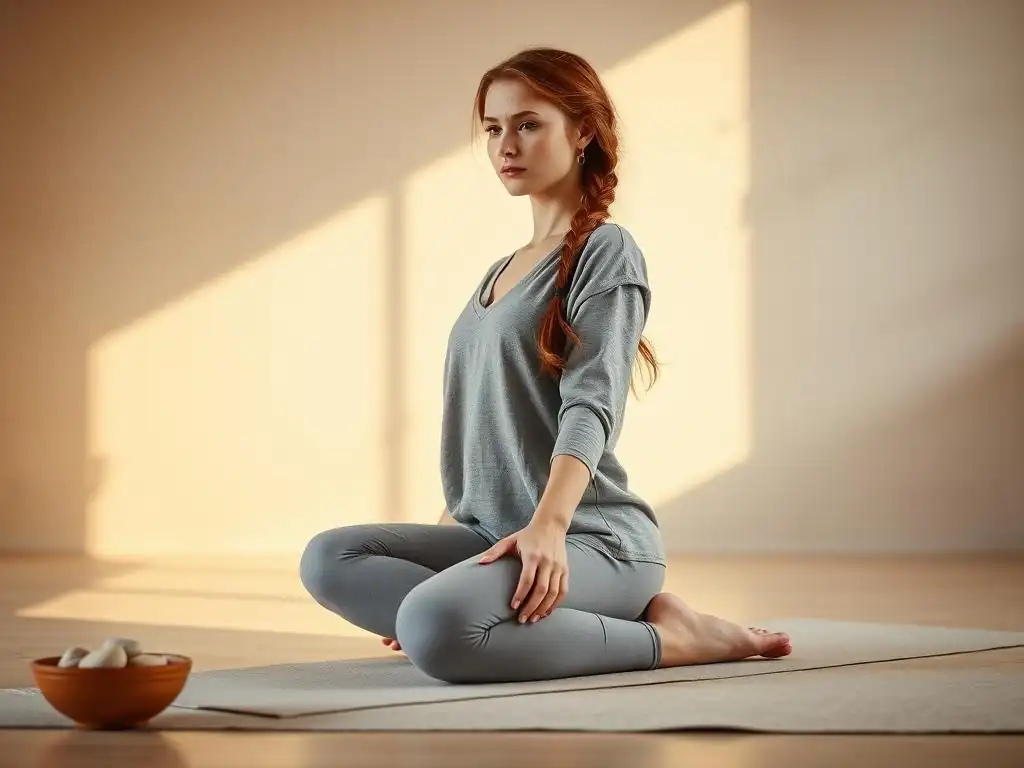
Certain yoga postures, or asanas, are particularly effective at calming the nervous system, releasing tension, and promoting a sense of grounding. These poses often involve gentle stretches, forward folds, or supported positions that encourage relaxation and introspection. Incorporating these specific asanas into a yoga for anxiety relief practice can provide immediate and cumulative benefits. Consistency is key, as regular practice deepens the body's ability to relax and the mind's capacity for calm.
Focusing on slow, deliberate movements and coordinating them with breath enhances the calming effect of these poses. Holding a pose while breathing deeply signals to the nervous system that it is safe to relax. It's important to listen to your body and modify poses as needed, avoiding any strain or discomfort. The goal is to cultivate ease and presence, not to achieve a perfect shape.
Child's Pose (Balasana): Promoting Relaxation
Child's Pose is a resting posture that is incredibly soothing and grounding. It involves kneeling on the floor, bringing the hips back to rest on the heels, and folding the torso forward, resting the forehead on the mat. The arms can be extended forward or rested alongside the body.
This pose gently stretches the back and hips while providing a comforting, fetal-like position. Resting the forehead on the ground or a prop can stimulate pressure points that promote relaxation. Balasana encourages deep, abdominal breathing by compressing the torso slightly, which further activates the parasympathetic nervous system. It's a perfect pose to return to whenever you feel overwhelmed or need a moment of calm.
Legs-Up-the-Wall Pose (Viparita Karani): Easing Tension
Legs-Up-the-Wall Pose is a restorative inversion that helps calm the nervous system and relieve tension in the legs and lower back. To practice, sit with one hip close to a wall, then swing your legs up the wall as you recline onto your back. Adjust your distance from the wall so your sitting bones are comfortably close or slightly away. Rest your arms out to the sides or on your belly.
This pose encourages venous return, reducing swelling and fatigue in the legs. More importantly, by gently inverting the body and keeping the legs elevated, it promotes relaxation and helps to quiet a busy mind. It's a passive pose that allows the body to surrender and the breath to deepen naturally, making it excellent for unwinding at the end of the day or during moments of heightened anxiety.
Corpse Pose (Savasana): Cultivating Deep Relaxation
Savasana, or Corpse Pose, is arguably the most important pose in any yoga practice, especially for mental wellbeing. It involves lying flat on your back with arms and legs gently splayed, palms facing up, and allowing the entire body to completely relax. The goal is conscious relaxation – remaining alert yet deeply at ease.
This pose allows the body to integrate the benefits of the preceding practice and promotes profound physical and mental relaxation. It teaches the practitioner how to release tension held unknowingly in the muscles and to quiet the constant chatter of the mind. Regular practice of Savasana can improve sleep quality, reduce stress hormone levels, and cultivate a state of peaceful presence, making it a cornerstone of any yoga for anxiety relief routine.
Breathing Techniques (Pranayama) for Mental Clarity
Pranayama, the conscious control of breath, is a powerful component of yoga that directly influences the mind. By regulating the breath, we can regulate our nervous system and emotional state. Specific breathing techniques can help to calm an agitated mind, increase focus, and reduce feelings of anxiety. Integrating pranayama into a daily routine, even for just a few minutes, can significantly enhance mental clarity and emotional stability.
The breath is often the first thing to become shallow and rapid during anxiety. By consciously slowing down and deepening the breath, we send a signal to the brain that the perceived threat has passed, allowing the nervous system to downregulate. These techniques provide immediate tools for managing panic or overwhelm in real-time.
Deep Belly Breathing (Diaphragmatic Breathing): Calming the Nerves
Deep Belly Breathing, or diaphragmatic breathing, is a fundamental technique for activating the parasympathetic nervous system. It involves inhaling deeply through the nose, allowing the belly to expand, and exhaling slowly through the nose or mouth, drawing the belly button towards the spine. It's often helpful to place one hand on the belly and the other on the chest to feel the movement.
Unlike shallow chest breathing, which is associated with stress, diaphragmatic breathing promotes a sense of calm by slowing the heart rate and lowering blood pressure. Practicing this simple technique for a few minutes can interrupt the stress response cycle and bring a sense of grounding. It's a portable tool for yoga for anxiety relief that can be used anytime, anywhere.
Alternate Nostril Breathing (Nadi Shodhana): Balancing the Mind
Alternate Nostril Breathing is a balancing pranayama that is particularly effective for calming the mind and reducing anxiety. It involves using the thumb and fingers of one hand to gently close off one nostril at a time, inhaling through one nostril and exhaling through the other in a specific pattern.
This technique is believed to balance the left and right hemispheres of the brain, promoting mental clarity and emotional equilibrium. It requires focus, which helps to distract from anxious thoughts, while the slow, controlled rhythm of the breath soothes the nervous system. Many practitioners report feeling significantly calmer and more centered after just a few rounds of Nadi Shodhana, making it a valuable technique in a yoga for anxiety relief toolkit.
Incorporating Yoga into Your Mental Health Routine
Creating a Personalized Yoga Practice for Anxiety and Stress
Integrating yoga into your mental health routine doesn't require hours on the mat each day. Even short, consistent practices can yield significant benefits. The key is to create a personalized routine that fits your lifestyle and addresses your specific needs for anxiety and stress management. Consider what time of day works best for you – some find morning practice energizing, while others prefer evening yoga to unwind. Think about the duration – could you commit to 15-20 minutes daily, or perhaps a longer session a few times a week?
Your personalized practice might include a mix of gentle postures, restorative poses, and breathing exercises. You could start with a few minutes of deep breathing, move through a sequence of calming asanas like Child's Pose or Cat-Cow, and finish with a few minutes of Savasana. Experiment to find what feels most supportive for your body and mind. The intention behind the practice is as important as the poses themselves – approaching it with self-compassion and non-judgment enhances its therapeutic effects.
Tips for Beginners: Starting Your Yoga Journey
Starting yoga can feel intimidating, but it's a journey accessible to everyone, regardless of fitness level or flexibility. Here are some tips to help you begin your yoga for anxiety relief journey:
- [ ] Start slow. Don't feel pressured to do complex poses. Focus on gentle movements and connecting with your breath.
- [ ] Listen to your body. Pain is a signal to back off. Discomfort is okay, but sharp or intense pain is not.
- [ ] Use props. Blocks, straps, and blankets can make poses more accessible and comfortable, allowing for deeper relaxation.
- [ ] Be patient and consistent. The benefits of yoga accumulate over time. Don't get discouraged if you don't feel different immediately.
- [ ] Find a comfortable space. Choose a quiet area where you won't be interrupted.
- [ ] Focus on your breath. The breath is your anchor. Return your attention to it whenever your mind wanders.
Remember that the goal is not perfection, but practice. Every time you step onto the mat, you are building resilience and nurturing your mental wellbeing.
Finding Qualified Yoga Instructors and Online Resources
While self-practice is valuable, learning from a qualified instructor can provide proper alignment guidance, modifications, and deeper insights into yoga philosophy. Look for instructors who are experienced and trauma-informed, especially if you are using yoga for anxiety relief or other specific mental health challenges. Many studios offer beginner classes or workshops designed for those new to yoga.
If attending a studio isn't feasible, there are numerous reputable online platforms and apps offering guided yoga classes. When choosing online resources, look for instructors with clear credentials and positive reviews. Many platforms offer classes specifically tailored for stress reduction, anxiety, or relaxation. While online resources offer flexibility, be mindful of practicing safely and avoiding poses that feel wrong for your body. Sometimes, starting with a few in-person sessions can provide a solid foundation before transitioning to online practice.
Beyond Poses: The Holistic Aspects of Yoga
Mindfulness and Meditation in Yoga Practice
Yoga is not just about physical postures; it's a practice of mindfulness in motion. The act of paying attention to bodily sensations, breath, and thoughts without judgment during asana practice is a form of mindfulness meditation. This cultivated awareness extends beyond the mat, helping individuals become more attuned to their emotional states and physical reactions in daily life.
Formal meditation, often included at the beginning or end of a yoga class, further enhances mindfulness. Sitting quietly and observing thoughts and feelings without getting entangled in them trains the mind to be less reactive to internal and external stressors. This ability to witness thoughts rather than being consumed by them is a powerful tool for managing anxiety and cultivating a sense of inner peace, complementing the physical aspects of yoga for anxiety relief.
The Importance of Self-Compassion and Acceptance
A core tenet of yoga philosophy is ahimsa, non-violence, which extends to how we treat ourselves. Yoga encourages self-compassion – treating ourselves with the same kindness and understanding we would offer a friend facing difficulties. This involves acknowledging our struggles, including anxiety, without self-criticism or judgment.
Acceptance, another key theme, involves recognizing the present moment for what it is, without resistance. This doesn't mean resigning oneself to challenging circumstances but rather accepting the reality of our feelings and experiences without fighting them. Integrating self-compassion and acceptance into a yoga for anxiety relief practice means being gentle with yourself on the mat, honoring your body's limitations, and accepting whatever emotions arise during practice. This internal attitude is crucial for fostering resilience and healing.
Yoga Philosophy and its Impact on Mental Perspective
Beyond the physical and meditative aspects, yoga encompasses a rich philosophy that offers profound insights into the nature of the mind and suffering. Concepts like Santosha (contentment), Aparigraha (non-attachment), and Ishvara Pranidhana (surrender or faith) provide frameworks for navigating life's challenges with greater ease and perspective.
Understanding these principles can shift one's perspective on difficult emotions like anxiety. For example, practicing non-attachment can help reduce the intensity of worry by teaching us to hold onto thoughts and outcomes less tightly. Cultivating contentment encourages appreciation for the present moment, counteracting the mind's tendency to dwell on future fears. While not explicitly part of every yoga for anxiety relief class, exploring yoga philosophy can offer a deeper understanding of the roots of suffering and provide a path towards greater mental freedom.
Addressing Specific Mental Health Challenges with Yoga
Yoga for PTSD: Trauma-Informed Practices
Yoga can be a valuable adjunct therapy for individuals with Post-Traumatic Stress Disorder (PTSD), but it requires a trauma-informed approach. Trauma often disrupts the mind-body connection, leaving individuals feeling disconnected from their bodies or experiencing physical sensations associated with traumatic memories. Trauma-informed yoga focuses on creating a safe, predictable environment, offering choices, and empowering individuals to reconnect with their bodies in a gentle, non-threatening way.
Practices emphasize grounding, breath awareness, and building interoceptive awareness (the ability to sense internal bodily states). Poses are often held for shorter durations, and modifications are always offered. Instructors trained in trauma-informed yoga understand the importance of language, avoiding forceful cues and providing ample space for participants to feel in control. While not a standalone treatment, trauma-informed yoga can help individuals with PTSD regulate their nervous system, reduce hyperarousal, and build a sense of safety within their own bodies.
Yoga for Depression: Elevating Mood and Energy
For individuals experiencing depression, yoga can offer a gentle pathway to increased physical activity, improved mood, and enhanced energy levels. Depression is often accompanied by lethargy, lack of motivation, and feelings of hopelessness. Engaging in physical postures, even gentle ones, can help combat the physical inertia associated with depression and release endorphins, which have mood-boosting effects.
Dynamic styles of yoga can help increase energy, while restorative practices can provide much-needed rest for an exhausted system. The focus on breath and present moment awareness can help interrupt negative thought loops common in depression. Furthermore, the sense of community found in group yoga classes can combat feelings of isolation. While yoga should not replace professional treatment for depression, studies show it can significantly reduce symptoms and improve quality of life.
Yoga for Insomnia: Promoting Restful Sleep
Insomnia and sleep disturbances are common companions to anxiety and stress. Yoga can be highly effective in promoting restful sleep by calming the nervous system, reducing mental chatter, and releasing physical tension that might interfere with sleep. Restorative poses held for several minutes, such as Legs-Up-the-Wall or supported Savasana, are particularly beneficial for winding down before bed.
Gentle stretching sequences can release physical tension that might be preventing relaxation. Pranayama techniques like deep belly breathing or Nadi Shodhana can quiet the racing mind that often keeps individuals awake. Establishing a consistent evening yoga routine signals to the body that it's time to prepare for rest. By addressing the underlying anxiety and physical tension, yoga creates a more conducive state for falling asleep and staying asleep.
Potential Limitations and Considerations
Consulting a Doctor Before Starting Yoga
While yoga is generally safe and beneficial, it is crucial to consult with a healthcare provider before starting a yoga practice, especially if you have pre-existing health conditions, injuries, or are pregnant. This is particularly important if you are seeking yoga for anxiety relief or other mental health conditions, as your doctor can advise on how yoga can complement your existing treatment plan.
Your doctor can provide guidance on any physical limitations or modifications you might need to consider. They can also help ensure that yoga is an appropriate addition to your overall health strategy and does not interfere with any medications or therapies you are currently undergoing. Open communication with your healthcare team is essential for a safe and effective yoga journey.
Avoiding Injuries: Practicing Safely and Mindfully
Practicing yoga safely is paramount to reaping its benefits without causing harm. Injuries can occur if poses are attempted incorrectly, held for too long with improper alignment, or if practitioners push themselves too hard. Mindfulness is key to safe practice – paying attention to your body's signals and respecting its limits on any given day.
Beginners should ideally start with foundational classes or work with an instructor to learn proper alignment. Using props correctly can provide support and prevent strain. Avoid comparing yourself to others in a class or online; focus on your own experience. If a pose causes sharp pain, ease out of it immediately. Remember that the purpose of yoga for anxiety relief is to cultivate ease and wellbeing, not physical prowess.
Yoga as a Complementary Approach to Mental Health Treatment
It is important to view yoga as a complementary approach to mental health treatment, not a replacement for professional medical or psychological care. For conditions like anxiety disorders, depression, PTSD, or severe insomnia, therapy (such as CBT or other modalities) and sometimes medication are essential components of treatment.
Yoga can significantly support these treatments by reducing symptoms, improving coping mechanisms, and enhancing overall resilience. It can help individuals feel more empowered in managing their mental health. However, if you are experiencing severe symptoms, please seek help from a qualified mental health professional first. Yoga works best as part of a comprehensive care plan developed in consultation with your healthcare team.
Conclusion: Embracing Yoga for a Balanced Mind
Yoga's Power in Fostering Mental Resilience
Yoga offers a powerful path towards fostering mental resilience – the ability to navigate life's inevitable challenges with greater strength and adaptability. By integrating physical postures, breathwork, mindfulness, and philosophical principles, yoga helps individuals build a stronger connection with themselves, regulate their emotional responses, and cultivate a more positive outlook. It equips practitioners with practical tools to manage stress and anxiety in real-time and develop a deeper sense of inner peace.
Through consistent practice, the nervous system becomes more balanced, the mind learns to be less reactive, and the body releases chronic tension. This holistic approach addresses the root causes of distress rather than just the symptoms, leading to sustainable improvements in mental wellbeing. The mat becomes a laboratory for self-discovery and a training ground for navigating the complexities of life with greater ease.
Encouraging Exploration of Yoga for Mental Wellbeing
If you are seeking ways to support your mental health, particularly for managing anxiety, exploring yoga is a highly recommended step. The evidence is clear that practices like yoga for anxiety relief can make a significant positive impact. Start small, be patient with yourself, and find a style or teacher that resonates with you. Whether through gentle classes, restorative sessions, or focusing on specific breathing techniques, there are many entry points into the world of yoga.
Embracing yoga is an investment in your holistic wellbeing. It's a practice that meets you where you are and evolves with you. By committing to a regular practice, you are actively choosing to cultivate calm, build resilience, and nurture a more balanced and peaceful mind. Give yourself permission to explore this ancient practice and discover its profound capacity to move your mood and transform your mental landscape.
Frequently Asked Questions
How does Yoga for Anxiety Relief work on a physiological level?
Yoga reduces anxiety by stimulating the parasympathetic nervous system, promoting a "rest and digest" response that lowers heart rate and blood pressure. It also helps regulate the stress hormone cortisol.
What specific yoga poses are most beneficial for Yoga for Anxiety Relief?
Poses like Balasana (Child's Pose), Uttanasana (Standing Forward Bend), and Savasana (Corpse Pose) are particularly effective. These poses encourage deep breathing, relaxation, and grounding, all crucial for anxiety reduction.
How often should I practice Yoga for Anxiety Relief to see results?
Consistency is key. Aim for at least 3-5 sessions per week, lasting 20-60 minutes each. Even short, regular practices can significantly reduce anxiety symptoms over time.
Can Yoga for Anxiety Relief be combined with other mental health treatments?
Yes, yoga is often a complementary therapy. It can be safely combined with traditional treatments like therapy and medication, enhancing their effectiveness for overall mental well-being.
Are there any precautions I should take before starting Yoga for Anxiety Relief?
Consult with your doctor, especially if you have pre-existing health conditions or concerns. It's also beneficial to work with a qualified yoga instructor who can guide you safely and effectively.
Final Reflection: Cultivating Inner Peace Through Movement
The pervasive anxiety of modern life demands holistic solutions, and the ancient practice of yoga offers a powerful antidote. Its ability to integrate physical postures, breathwork, and mindfulness creates a potent synergy for managing stress and fostering mental wellbeing, a fact increasingly recognized by both individuals and the medical community. This isn't just a trend; it's a vital pathway to a healthier, more resilient self.
The impact of yoga on my own life, and the lives of countless others I've witnessed, underscores its transformative power. It's not merely about achieving physical flexibility; it's about cultivating a deeper connection with oneself, fostering self-compassion, and developing the tools to navigate life's inevitable challenges with greater grace. Yoga is the journey of the self, through the self, to the self.
– The Bhagavad Gita. This ancient wisdom rings truer than ever in our fast-paced, often overwhelming world. The practice provides a sanctuary, a space to quiet the mental chatter and reconnect with the inherent peace within.
Now, consider your own journey. What small step can you take today to integrate the principles of yoga into your life? Perhaps it's a five-minute breathing exercise, a gentle stretching session, or simply a moment of mindful awareness. Don't underestimate the power of these small acts; they are the seeds of lasting change, nurturing a resilient spirit and a calmer, more centered you. Embrace the journey, and discover the profound impact that moving your body can have on moving your mood.
Unleash Your Inner Calm: Take the Next Step Towards Wellbeing
Thank you for taking the time to explore the powerful connection between yoga and mental wellbeing! We hope you've gained valuable insights into how this ancient practice can support your holistic health. Ready to put these learnings into action?
- Begin your yoga journey today: Even 10 minutes of mindful stretching can make a difference. Find a quiet space, breathe deeply, and start with a simple sun salutation.
- Share your experience: Inspire others by sharing your yoga journey on social media using #MindCareYoga. Let's build a supportive community!
- Discover a local yoga studio or online class: Expand your practice with guided sessions tailored to your needs and preferences.
So, what pose will you try first to boost your mood today?