
Playtime as Therapy: Using Play to Address Anxiety in Young Kids

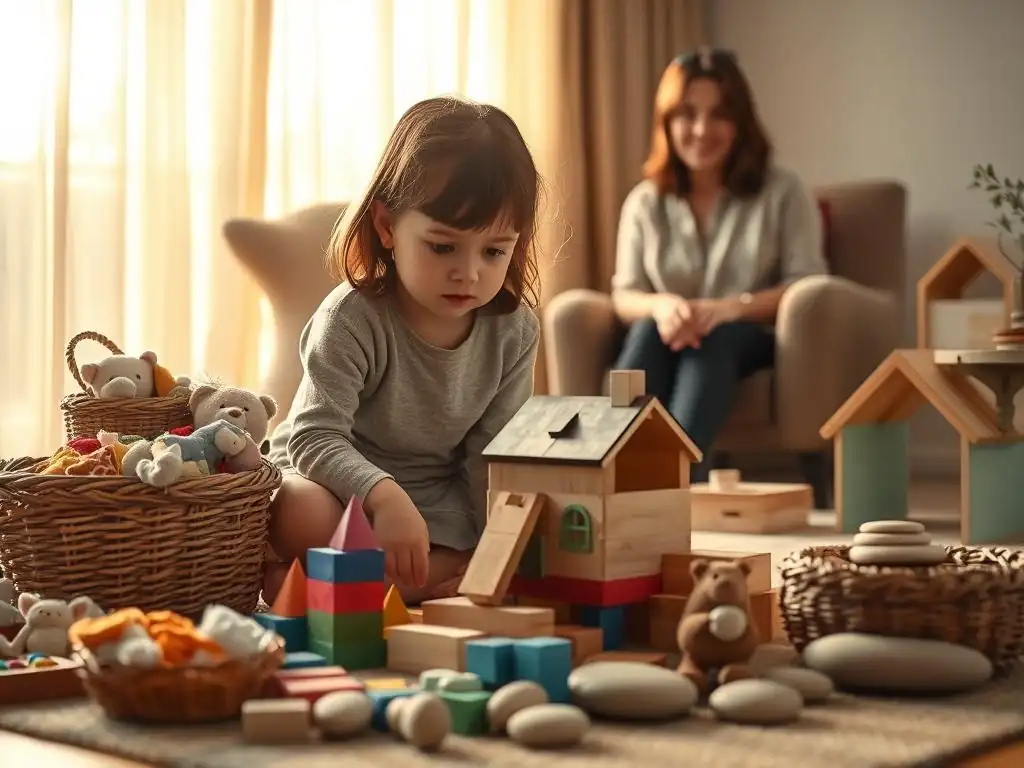
Welcome to Mind Care Guide, your haven for understanding and nurturing mental well-being. Feeling overwhelmed by your child's anxiety? You're not alone. This article dives into the powerful world of play therapy anxiety young kids, revealing how playtime can unlock a child's inner resilience and provide a pathway to emotional healing. Discover practical techniques and insightful perspectives that can make a real difference. Intrigued? Let's explore how play can be the key to unlocking your child's peace of mind.
Playtime as Therapy: Using Play to Address Anxiety in Young Kids
- Understanding Anxiety in Young Children
- What is Play Therapy for Anxiety?
- Benefits of Play Therapy for Anxious Children
- Play Therapy Techniques for Managing Anxiety
- Creating a Playful Environment at Home to Reduce Child Anxiety
- Finding a Qualified Play Therapist for Your Child
- Supporting Your Child's Play Therapy Journey
- Alternative Therapies and Complementary Approaches to Child Anxiety
- Resources for Parents of Anxious Children
-
Frequently Asked Questions
- What exactly is play therapy, and how can it help young children with anxiety?
- How does play therapy specifically target anxiety in young kids?
- At what age is play therapy most effective for addressing anxiety?
- What are some signs that my child might benefit from play therapy for anxiety?
- Where can I find a qualified play therapist for my child?
- Final Reflection: The Enduring Power of Play in a Worried World
- Unleash Your Child's Inner Strength: Play Away Anxiety!
Understanding Anxiety in Young Children
Recognizing the Signs of Childhood Anxiety
Anxiety in young children doesn't always look like it does in adults. Instead of verbalizing worries, kids might show anxiety through physical symptoms or changes in behavior. This can include frequent stomach aches or headaches with no medical explanation, difficulty sleeping, or changes in appetite. Parents might also observe excessive clinginess, refusal to go to school or daycare, or intense crying spells over seemingly minor issues. For instance, a child might repeatedly ask "What if?" questions or express fears that seem out of proportion to the situation.
Beyond physical and behavioral signs, emotional indicators are also crucial. Young children experiencing anxiety might become easily irritable or angry when feeling overwhelmed, or they might withdraw and become unusually quiet in social situations. They may also struggle with transitions or unexpected changes to their routine, reacting with significant distress. A child might worry excessively about making mistakes or seeking constant reassurance from caregivers. Identifying these subtle cues is the first step towards understanding the internal struggles of an anxious young child.
How Anxiety Manifests in Play
Play is the natural language of childhood, and just as children communicate joy and curiosity through it, they also express stress and anxiety. Anxious feelings can show up as repetitive or rigid play themes, such as constantly re-enacting scenarios involving separation, loss, or danger. A child might meticulously arrange toys in a specific order and become distressed if they are moved, reflecting a need for control in a world that feels unpredictable. Their play may lack spontaneity or joy, appearing more like a compulsion than free expression.
Alternatively, anxiety might manifest as avoidance within play. A child might shy away from group play, preferring to play alone, or avoid imaginative scenarios that involve risk or uncertainty. They might also exhibit heightened aggression or destructive behavior during play, using toys to smash, break, or act out feelings of frustration and overwhelm that they cannot articulate verbally. Observing these patterns in a child's play can offer valuable insights into their underlying emotional state and potential areas of anxiety.
The Importance of Early Intervention for Childhood Anxiety
Addressing anxiety early in young children is critical for their long-term well-being and development. Untreated anxiety in early childhood can impact a child's ability to form secure attachments, learn effectively in school settings, and develop healthy social skills. It can also increase the risk of developing more severe anxiety disorders, depression, or other mental health challenges later in life. Early intervention provides children with coping strategies and emotional regulation skills at a crucial developmental stage.
Research indicates that effective interventions for childhood anxiety can significantly reduce symptoms and improve a child's overall functioning. For example, studies have shown that interventions implemented around age 4-7 can be highly effective in preventing the escalation of anxiety into adolescence. Early support helps children understand their feelings, build resilience, and develop a healthier relationship with worry. This foundational work is far more impactful than waiting until anxiety becomes deeply ingrained or causes significant disruption to their lives.
What is Play Therapy for Anxiety?
Defining Play Therapy: A Child-Centered Approach
Play therapy is a structured, theoretically based approach to therapy that builds on the normal communicative and learning processes of children. It is considered a child-centered method because the therapist follows the child's lead in the playroom, allowing the child to use play to express feelings and experiences that they might not have the verbal skills to articulate. The playroom is a safe, consistent space where children can explore emotions, work through challenging experiences, and develop new coping mechanisms through the medium of play.
In this therapeutic setting, toys are viewed as the child's words, and play as their language. The therapist acts as a supportive, empathetic observer and participant, reflecting the child's feelings and helping them make sense of their internal world. This approach is particularly effective for addressing play therapy anxiety young kids because it meets them at their developmental level, allowing them to process difficult emotions and experiences indirectly, without the pressure of direct questioning or verbal analysis.
How Play Therapy Differs from Traditional Talk Therapy for Kids
Traditional talk therapy, while effective for many adults and older children, often relies heavily on verbal communication, abstract reasoning, and introspection. These skills are still developing in young children, making it difficult for them to fully engage with or benefit from approaches centered around talking about problems. Asking a young child "How do you feel about that?" might yield a shrug or a simple "Fine," even if they are experiencing significant distress.
Play therapy, in contrast, bypasses the need for sophisticated verbal skills. It allows the child to "talk" about their anxieties and experiences through symbolic play. Instead of explaining why they are scared of the dark, a child might use dolls or figures to act out a scene where someone is afraid of a monster, allowing the therapist to understand the child's internal narrative and gently guide them towards resolution within the play. This makes play therapy a more natural and accessible way to address complex emotions and behaviors in young children with anxiety.
The Therapeutic Power of Play: Addressing Emotional Needs
Play itself is inherently therapeutic for children. It provides a natural outlet for energy, creativity, and emotional expression. In the context of play therapy, this natural process is harnessed and guided to help children confront and process difficult emotions, including anxiety. Play allows children to create distance from overwhelming feelings, explore them symbolically, and gain a sense of mastery over situations that feel out of control in real life.
Through play, a child can safely express aggression, fear, sadness, or confusion without judgment. They can experiment with different roles and outcomes, trying out new behaviors and coping strategies in a low-stakes environment. For example, a child anxious about school might play "school" with toys, acting out their fears about interacting with peers or teachers. The therapist can then help them explore alternative ways of responding within the play, empowering the child and reducing their real-world anxiety. This process helps address the root emotional needs contributing to the child's anxiety.
Benefits of Play Therapy for Anxious Children
Reducing Anxiety Symptoms Through Play
Play therapy offers a powerful means to reduce the physical and behavioral symptoms associated with anxiety in young children. By providing a safe space to express and process fears, play therapy can decrease the frequency of anxiety-related physical complaints like stomachaches or headaches. For instance, a child who repeatedly plays out a frightening scenario might gradually reduce their physical tension and associated symptoms as they gain a sense of control over the narrative in the playroom.
Furthermore, engaging in therapeutic play can help diminish observable anxious behaviors such as excessive clinginess, avoidance of social situations, or difficulty separating from parents. As children work through their anxieties symbolically, they often feel less overwhelmed and better equipped to face real-world challenges. A study involving children aged 3-8 with anxiety showed a significant reduction in separation anxiety symptoms after a course of play therapy, demonstrating its effectiveness in targeting specific anxious behaviors.
Building Emotional Regulation Skills with Play Therapy
A key benefit of play therapy for addressing play therapy anxiety young kids is its ability to foster emotional regulation. Young children often lack the vocabulary or cognitive ability to understand and manage intense feelings like fear or worry. Through play, they learn to identify, express, and modulate these emotions in a healthy way. The therapist helps the child label feelings as they appear in play ("The doll looks scared," "You seem frustrated when the tower falls") and models appropriate ways to cope.
Using techniques like expressive art or dramatic play, children can externalize their feelings and explore different emotional responses. For example, a child might paint a picture of their "worry monster," giving form to their anxiety and making it feel less overwhelming. They might then use play to "defeat" the monster or learn to coexist with it, practicing different strategies for managing their fear. This process builds their internal capacity to handle difficult emotions outside of the therapy room.
Anxiety can significantly impede a child's ability to communicate effectively and interact socially. Anxious children may withdraw, struggle to express their needs, or become easily overwhelmed in social settings. Play therapy provides a natural, non-threatening environment for children to practice communication and social skills. Through interactions with the therapist and potentially in small group play therapy sessions, children can learn to express themselves more clearly and navigate social dynamics.
Role-playing scenarios within play therapy can help children practice initiating interactions, handling conflict, or asserting themselves in a safe space. For instance, a child anxious about making friends might role-play approaching another child on the playground using puppets. The therapist can provide feedback and support, helping the child build confidence. This practice translates into improved communication and social comfort in real-life situations, reducing anxiety related to peer interactions.
Fostering Self-Confidence and Resilience Through Play
Successfully navigating challenges within the play therapy setting helps anxious children build self-confidence and resilience. As children work through difficult themes or master new skills during play, they gain a sense of competence and agency. The therapist's consistent support and belief in the child's ability to overcome challenges reinforce their sense of self-worth.
When a child confronts a feared situation symbolically in play – like the dark, or being left alone – and finds a way to manage it within the play narrative, they internalize the belief that they can handle similar situations in reality. This process strengthens their resilience, equipping them with a greater capacity to bounce back from setbacks and face future anxieties with more confidence. The positive experiences in the playroom build a foundation of emotional strength.
Play Therapy Techniques for Managing Anxiety
Sand Tray Therapy for Emotional Exploration
Sand tray therapy is a powerful non-verbal technique often used in play therapy for young children with anxiety. It involves a tray filled with sand and a collection of miniature figures representing various aspects of life – people, animals, objects, mythical creatures, and symbols. The child is invited to create a world or scene in the sand using these figures. There is no right or wrong way to do it; the process is entirely child-led.
For an anxious child, the sand tray provides a contained space to externalize their inner world and anxieties. They might create scenes depicting their fears, conflicts, or overwhelming feelings. For example, a child might place figures far apart, representing isolation, or pile figures on top of a small house, symbolizing feeling trapped or overwhelmed. The therapist observes and provides a safe presence, helping the child process the scene they have created. This tactile and symbolic process allows children to gain distance from their anxiety, making it feel less overwhelming and more manageable.
Using Storytelling and Puppets to Express Anxious Feelings
Storytelling and the use of puppets are effective techniques to help young children with anxiety externalize and process their fears. Children can create stories using puppets or action figures, projecting their own feelings and experiences onto the characters. This allows them to explore difficult themes and emotions indirectly, making it feel safer to express what might be too scary to say directly.
A child might use a puppet to act out a scenario where the puppet is scared of going to a new place or meeting new people. The therapist can then interact with the puppet, asking how it feels or what it needs, thereby helping the child articulate their own anxieties through the puppet's voice. This method provides a narrative structure for the child's experience, helping them make sense of their feelings and explore different outcomes or coping strategies within the story. It's a gentle way to address play therapy anxiety young kids are experiencing.
Art Therapy and Creative Expression for Anxiety Relief
Art therapy within the play therapy context utilizes various art materials – crayons, paints, clay, markers – as tools for emotional expression and anxiety relief. For young children who struggle to verbalize their worries, creating art offers a non-verbal outlet for their feelings. They can draw or paint their fears, their worries, or simply create abstract representations of how anxiety feels in their body.
The process of creating art can be calming and grounding for an anxious child. It allows for spontaneous expression and can reveal insights into the child's internal state that might not emerge through other means. For example, a child might use dark, heavy colors to depict feeling overwhelmed or draw a small, hidden figure to represent feeling invisible due to anxiety. The therapist can explore the artwork with the child, helping them understand and process the emotions expressed, using the art as a starting point for therapeutic dialogue or further play.
Role-Playing and Pretend Play to Conquer Fears
Role-playing and pretend play are fundamental components of play therapy, particularly useful for helping children with anxiety confront and conquer specific fears. By acting out feared situations in a safe, controlled environment, children can practice coping strategies and gain a sense of mastery. This could involve pretending to go to the doctor, starting school, or facing a specific social challenge.
The therapist might take on a role, or the child might use dolls or figures to represent themselves and others. For instance, a child anxious about bedtime monsters might role-play checking under the bed with a brave puppet or pretending to be a superhero who protects against scary things. This process helps children externalize their fears, experiment with different responses, and build confidence in their ability to handle challenging situations, effectively addressing play therapy anxiety young kids face in daily life.
Games and Activities Designed to Reduce Anxiety in Children
Certain games and structured activities can be incorporated into play therapy sessions to specifically target anxiety symptoms. These might include games that encourage deep breathing and relaxation, activities that promote mindfulness, or games that involve problem-solving and decision-making to build a sense of competence. Simple board games can also help anxious children learn about rules, turn-taking, and managing the uncertainty of winning or losing in a low-pressure setting.
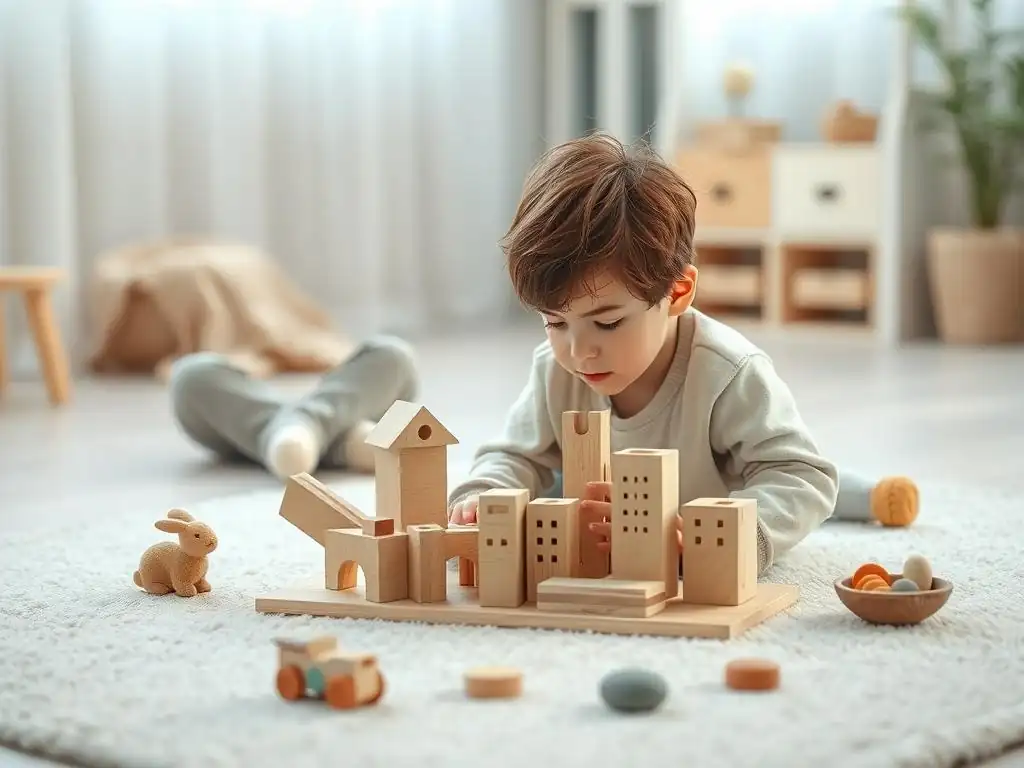
Activities like building with blocks can provide a sense of control and order, which can be calming for an anxious child. Playing with playdough or kinetic sand offers sensory input that can be grounding and soothing. The therapist carefully selects or adapts games to suit the child's needs and therapeutic goals, using them as tools to teach coping skills, encourage emotional expression, and reduce physiological arousal associated with anxiety.
Creating a Playful Environment at Home to Reduce Child Anxiety
Setting Up a Safe and Supportive Play Space
Creating a dedicated play space at home can significantly help reduce a child's anxiety by providing a sense of stability, security, and freedom. This space doesn't need to be large, but it should be a place where the child feels safe to express themselves and where play is encouraged without excessive rules or fear of making a mess. Ensure it's free from potential hazards and distractions, offering a sense of calm and containment.
Stock the space with a variety of open-ended toys that encourage imaginative play, such as blocks, dolls, puppets, art supplies, and dress-up clothes. Avoid toys that only have one function or require specific outcomes. This allows the child to use the toys to explore their feelings and experiences freely. Making this space consistently available signals to the child that their play and emotional expression are valued and supported.
Encouraging Unstructured Playtime for Emotional Release
Unstructured playtime is vital for all children, but it is especially beneficial for young kids dealing with anxiety. This is time when the child is free to choose what and how they play, without adult direction or specific goals. This type of play allows children to process their daily experiences, work through confusing or upsetting events, and discharge pent-up energy and emotions.
Schedule regular periods for unstructured play each day. This could be time spent outdoors exploring, free play in their room, or imaginative play with siblings or friends (if comfortable). Observe their play without interfering unless safety is a concern. Pay attention to themes or repeated actions, as these can offer clues about what might be causing them stress or anxiety. This freedom to explore helps children feel more in control and reduces the pressure that structured activities can sometimes create.
Incorporating Calming Activities into Play
Integrating calming activities into your child's play routine can help them manage feelings of anxiety. These activities can be presented in a playful way, making them more engaging for young children. Simple things like blowing bubbles can be framed as "blowing worries away." Using sensory bins filled with rice, beans, or water can provide soothing tactile input.
Mindful movement games, like pretending to be a slow turtle or a floating feather, can teach body awareness and relaxation. Introducing quiet activities like looking at books, doing simple puzzles, or listening to calming music during designated "quiet play" time can also help regulate an anxious nervous system. These playful approaches to calming techniques make them accessible and enjoyable for young kids.
Responding to Anxious Behaviors During Play
How parents respond to anxious behaviors displayed during play is crucial. If a child's play becomes repetitive, stuck on a fearful theme, or unusually aggressive, try to stay calm and present. Avoid dismissing their feelings or telling them "there's nothing to be scared of." Instead, acknowledge the emotion you observe in their play ("That doll seems very worried") or gently reflect on their actions ("You're building a very strong wall").
Offer comfort and reassurance if they become overwhelmed, but try not to immediately jump in and "fix" their play or solve their symbolic problem for them. Allow them space to work through it. If the play becomes too distressing, you can gently redirect to a different activity or offer a break, but discuss the feelings that came up afterward if appropriate. Your calm, empathetic presence during their play validates their feelings and helps them feel safe to explore difficult emotions.
Finding a Qualified Play Therapist for Your Child
What to Look for in a Play Therapist's Credentials
When seeking a play therapist for your child, it's important to look for specific credentials that indicate specialized training in this modality. A qualified play therapist will typically have a Master's or Doctoral degree in a mental health field such as counseling, social work, or psychology. Beyond their core degree, they should have completed additional training and supervision specifically in play therapy techniques and theory.
Look for therapists who are registered or certified play therapists. In the United States, this might mean being a Registered Play Therapist (RPT) or Registered Play Therapist-Supervisor (RPT-S) through the Association for Play Therapy (APT). These credentials ensure that the therapist has met rigorous standards for education, experience, and supervision in providing play therapy. Always verify credentials and check with relevant professional organizations.
Questions to Ask a Potential Play Therapist
Before choosing a therapist to address play therapy anxiety young kids, prepare a list of questions to ask during an initial consultation. This helps ensure they are a good fit for your child and family. Ask about their experience working with children your child's age and specifically with anxiety. Inquire about their approach to play therapy – do they primarily use a non-directive, child-centered approach, or do they integrate more directive techniques?
Other important questions include: How long do sessions typically last? How often would therapy occur? How do they involve parents in the therapy process? Will they provide updates on your child's progress, and how often? What is their fee structure? Understanding their process and philosophy will help you feel more comfortable and confident in your choice.
Understanding the Play Therapy Process
Understanding what to expect during the play therapy process can help ease your own anxiety and prepare your child. Initially, the therapist will likely meet with you, the parents, to gather information about your child's history, behaviors, and your specific concerns about their anxiety. They will explain the process and answer your questions.
Therapy sessions with the child typically occur weekly, lasting 45-60 minutes, in a dedicated playroom. Parents usually do not stay in the room during the session, allowing the child freedom and privacy to explore. The therapist will communicate with you regularly (frequency varies by therapist and case), providing updates on themes emerging in play and suggesting ways you can support your child at home. The duration of therapy varies depending on the child's needs and the complexity of the issues.
Supporting Your Child's Play Therapy Journey
Communicating with Your Child's Therapist
Open and consistent communication with your child's play therapist is essential for successful outcomes. Attend all scheduled parent consultations and come prepared with observations about your child's behavior or any changes you've noticed since the last session. Share any significant events or stressors that have occurred in the child's life.
Listen attentively to the therapist's insights about themes emerging in your child's play and their understanding of your child's emotional world. Ask for clarification on anything you don't understand. Remember that confidentiality rules mean the therapist won't share the specific content of your child's play without their permission (unless there's a safety concern), but they will share insights into the process, themes, and progress.
Reinforcing Play Therapy Techniques at Home
While the play therapy playroom is a unique therapeutic space, you can support your child's progress by reinforcing key concepts and techniques at home. This doesn't mean trying to replicate the therapy sessions, but rather incorporating some of the principles into your daily interactions. For example, if the therapist mentions your child is working on identifying feelings, you can gently help your child label their emotions during everyday moments.
Encourage the types of play your child engages in during therapy (e.g., creative expression, role-playing fears) and provide a supportive environment for this. If the therapist suggests specific strategies like deep breathing or using a "worry box," practice these with your child at home in a playful way. Your consistent support helps integrate the lessons learned in therapy into your child's daily life, strengthening their ability to manage play therapy anxiety young kids experience.
Monitoring Your Child's Progress and Celebrating Successes
Monitor your child's progress by paying attention to changes in their behavior, emotional regulation, and anxiety symptoms over time. Keep in mind that progress may not be linear; there might be ups and downs. Discuss your observations with the therapist during your consultations. They can provide valuable context and help you understand the pace of change.
Celebrate your child's successes, no matter how small. Acknowledge when they try a new coping strategy, express their feelings more clearly, or face a situation that previously caused significant anxiety. Positive reinforcement encourages them and builds their confidence. Focusing on their progress and resilience helps your child feel empowered and supported throughout their play therapy journey.
Alternative Therapies and Complementary Approaches to Child Anxiety
Cognitive Behavioral Therapy (CBT) for Child Anxiety
Cognitive Behavioral Therapy (CBT) is another evidence-based therapy often used for childhood anxiety, particularly effective for slightly older children (often starting around age 7-8, though adapted versions exist for younger kids). Unlike play therapy which focuses on emotional expression through play, CBT for children helps them identify and challenge negative thought patterns that contribute to their anxiety.
In child-friendly CBT, therapists use age-appropriate language and activities to teach children about the connection between thoughts, feelings, and behaviors. Children learn to recognize "worry thoughts," evaluate whether they are true, and replace them with more realistic or helpful thoughts. They also practice gradual exposure to feared situations in a safe and controlled manner. While different from play therapy, CBT can be a valuable approach, sometimes used in conjunction with or following play therapy, depending on the child's needs and developmental stage.
Mindfulness and Relaxation Techniques for Kids
Mindfulness and relaxation techniques are excellent complementary approaches that parents can use at home or that might be incorporated into therapy sessions to help young children manage anxiety. Teaching children simple mindfulness exercises, like focusing on their breath or noticing their five senses, can help ground them in the present moment when anxiety feels overwhelming.
Relaxation techniques such as progressive muscle relaxation (tense and release different body parts) or guided imagery (imagining a safe, calm place) can help reduce the physical tension associated with anxiety. These techniques can be taught through playful activities or stories, making them accessible and enjoyable for young kids. Practicing these regularly can build a child's ability to calm their nervous system when feeling anxious.
Animal-Assisted Therapy
Animal-assisted therapy, often involving trained therapy dogs, can be a comforting and engaging complementary approach for children with anxiety. Interacting with a calm, friendly animal can help reduce stress, lower heart rate, and promote feelings of relaxation and connection. The presence of a therapy animal can make the therapeutic environment feel less intimidating and more inviting for an anxious child.
In some settings, therapy animals might be present during play therapy sessions, offering a non-judgmental companion for the child. Simply petting or interacting with the animal can be a soothing activity. For children with social anxiety, interacting with an animal can be a gentle way to practice social engagement in a low-pressure context before interacting with people. While not a standalone treatment for complex anxiety, it can be a valuable adjunct.
Resources for Parents of Anxious Children
Recommended Books on Childhood Anxiety and Play Therapy
There are many helpful books available for parents seeking to understand and support their anxious child. These resources often explain childhood anxiety in accessible terms, offer practical strategies for managing anxious behaviors at home, and provide insights into therapeutic approaches like play therapy. Look for books written by child psychologists or therapists specializing in childhood mental health.
Some books are designed for parents, offering guidance and information, while others are picture books written for children themselves, using simple stories to help them understand and cope with worry. Reading these types of books together can open up conversations and provide a shared language for discussing difficult feelings.
Reputable Websites and Organizations Offering Support and Information
Numerous reputable websites and organizations offer valuable information and support for parents of anxious children. Organizations dedicated to child mental health or specific anxiety disorders often provide articles, FAQs, and resources for finding qualified therapists. Websites associated with professional psychological or counseling associations may also have directories of licensed therapists, including those specializing in play therapy.
Exploring these online resources can help parents deepen their understanding of childhood anxiety, learn about different treatment options, and connect with professional help. Many sites also offer practical tips for parents on topics like managing separation anxiety, dealing with school refusal, or promoting healthy coping skills at home.
Local Support Groups for Parents of Anxious Children
Connecting with other parents who are navigating similar challenges can be incredibly supportive. Local support groups for parents of children with anxiety provide a safe space to share experiences, exchange practical tips, and receive emotional support from peers. These groups may be run by mental health professionals, parent organizations, or community centers.
Check with local hospitals, mental health clinics, or school counseling departments to inquire about available support groups in your area. Online forums or social media groups can also offer connections, but it's important to seek out groups moderated by professionals or reputable organizations to ensure the information shared is accurate and helpful. Sharing the journey with others can reduce feelings of isolation and provide a sense of community.
Frequently Asked Questions
What exactly is play therapy, and how can it help young children with anxiety?
Play therapy is a form of therapy where children use play to express their feelings and experiences. It helps them process difficult emotions like anxiety in a safe and comfortable environment, using toys and games.
How does play therapy specifically target anxiety in young kids?
Play therapy allows children to externalize their anxieties through play. This helps them to understand and manage their fears by practicing coping mechanisms in a playful setting under the guidance of a therapist.
At what age is play therapy most effective for addressing anxiety?
Play therapy is particularly effective for children aged 3 to 12. This is because their cognitive and emotional development is at a stage where play is a natural form of communication and expression.
What are some signs that my child might benefit from play therapy for anxiety?
Signs include excessive worry, difficulty sleeping, clinginess, irritability, and physical symptoms like stomachaches or headaches when stressed. A sudden change in behavior could also indicate underlying anxiety.
Where can I find a qualified play therapist for my child?
You can find qualified play therapists through professional organizations like the Association for Play Therapy (APT) or by asking your pediatrician for a referral. Look for therapists with specific training and experience in working with anxious children.
Final Reflection: The Enduring Power of Play in a Worried World
The pervasive anxiety affecting young children today demands innovative solutions, and the simple act of play offers a surprisingly potent antidote. We've explored how structured and unstructured playtime can be a powerful tool in helping young children navigate their fears and anxieties, fostering resilience and emotional well-being. This isn't just a nostalgic throwback; it's a vital strategy for raising a generation equipped to handle the pressures of modern life.
The impact of play therapy extends far beyond the immediate relief of anxiety. It shapes a child's developing sense of self, their ability to form healthy relationships, and their capacity for creative problem-solving. It's a fundamental building block of healthy emotional development. As the renowned child psychologist, Erik Erikson, stated: Play is the highest form of research.
His words resonate deeply, highlighting the inherent exploratory and self-discovery nature of play, which is crucial for children grappling with anxiety. By providing a safe space for exploration and expression, play allows children to process their emotions and build coping mechanisms in a natural and engaging way.
Consider the power you hold to nurture a child's emotional well-being. You can be a catalyst for positive change by incorporating more playful interactions into their lives. Whether it's through imaginative games, outdoor adventures, or simply setting aside dedicated playtime, every moment spent fostering joy and creativity is an investment in their future mental health. Embrace the transformative power of play, and watch as it helps your young ones blossom into confident, resilient individuals ready to face the world with joy and strength.
Unleash Your Child's Inner Strength: Play Away Anxiety!
Thanks for taking the time to explore the power of play in easing your child's anxiety. We hope you gained valuable insights into this fun and effective approach. Now it's time to put these ideas into action!
- Prioritize playtime: Schedule dedicated, unstructured playtime each day. Let your child lead the way – observe their choices and see what emerges!
- Share your experience: Let other parents know what you've learned! Comment below with your child’s favorite anxiety-busting games or activities.
- Create a playful "worry box": Encourage your child to draw or write down their worries and then “playfully” put them away in a special box.
What playful strategies will you try today to help your child navigate their anxieties?