
Simple 5Minute Gratitude Exercises to Instantly Boost Your Mood

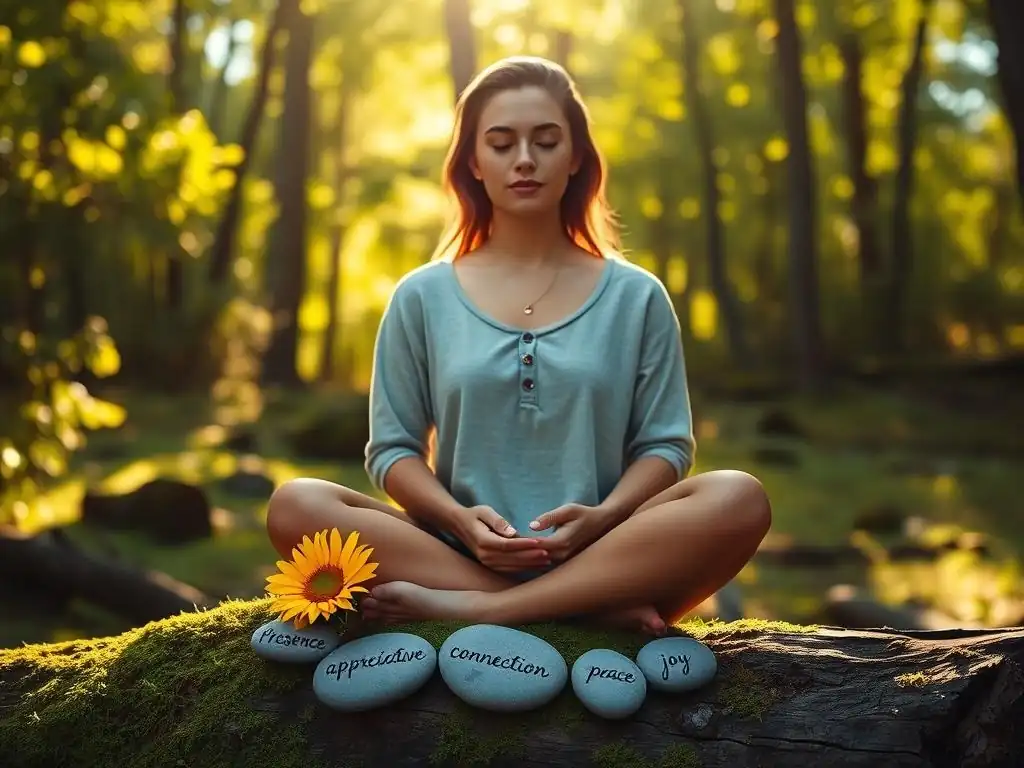
Welcome to Mind Care Guide, a haven for your mental well-being.
Feeling overwhelmed? Are you searching for a simple yet powerful way to brighten your day? You're not alone. Discover how gratitude exercises boost mood and unlock a path to inner peace. Even just five minutes can make a world of difference. Let's explore how these practices can transform your outlook and bring a little sunshine into your life. Intrigued? Dive in and discover the transformative power of gratitude.
Simple 5-Minute Gratitude Exercises to Instantly Boost Your Mood
- Introduction: The Power of Gratitude for Enhanced Mood
- 5 Quick Gratitude Exercises for an Instant Mood Lift
- Integrating Gratitude Practices Into Your Daily Routine for Lasting Mood Improvement
- The Science Behind Gratitude: How it Impacts Your Brain and Body
- Overcoming Challenges in Practicing Gratitude
- Conclusion: Embrace Gratitude for a Happier, More Fulfilling Life
-
Frequently Asked Questions
- What exactly are gratitude exercises, and how can they improve my mood?
- How often should I practice gratitude exercises to see a noticeable improvement in my mood?
- What are some examples of 5-minute gratitude exercises I can easily incorporate into my day?
- Are gratitude exercises a substitute for professional mental health treatment?
- Can gratitude exercises help with anxiety or depression, or are they primarily for general mood enhancement?
- Final Reflection: Cultivating Gratitude, Harvesting Joy
- Unlock Your Inner Joy: Start Practicing Gratitude Today!
Introduction: The Power of Gratitude for Enhanced Mood
Understanding the Link Between Gratitude and Mental Well-being
Gratitude, often described as the quality of being thankful and a readiness to show appreciation for and to return kindness, is far more than just a pleasant emotion. It's a powerful psychological tool that has been extensively studied for its profound impact on mental well-being. Research consistently demonstrates that cultivating a grateful mindset can lead to significant improvements in overall psychological health.
This connection stems from gratitude's ability to shift focus away from negative thoughts and experiences, redirecting attention towards the positive aspects of life, no matter how small. By consciously acknowledging the good, individuals can foster a more optimistic outlook, which in turn helps in managing stress, reducing symptoms of anxiety and depression, and increasing resilience in the face of adversity.
Furthermore, practicing gratitude strengthens neural pathways associated with positive emotions and reduces activity in areas linked to stress and fear. This suggests a tangible biological basis for gratitude's beneficial effects. Regularly engaging in gratitude practices helps individuals savor positive experiences, cope with difficult times, and build stronger relationships. It acts as an emotional regulator, allowing for a more balanced perspective on life's challenges and successes. This fundamental shift in perspective is key to unlocking the potential of gratitude exercises to boost mood effectively and sustainably, laying a foundation for greater emotional stability and happiness.
Why Short Gratitude Exercises are Effective for Mood Improvement
In our fast-paced world, finding time for extensive self-care practices can feel overwhelming. This is precisely why short, targeted gratitude exercises are particularly effective for an instant mood lift. These brief activities, often taking just five minutes or less, are easily integrated into a busy schedule. Their power lies in their ability to quickly interrupt negative thought loops and provide a rapid shift in emotional state. By focusing intensely on appreciation for a short period, you can disrupt rumination and activate positive neural circuits, offering immediate relief and a sense of upliftment.
The effectiveness of these short exercises is also linked to their accessibility and low barrier to entry. They require no special equipment or environment, making them possible anywhere, anytime – whether you're on a commute, taking a break at work, or winding down before bed. The brevity minimizes the chance of feeling overwhelmed or discouraged, making consistent practice more likely. This consistency, even in short bursts, compounds over time, reinforcing the positive habit and creating a more lasting impact on your overall mood and resilience. Simple gratitude exercises truly offer a powerful and efficient way to boost mood instantly.
5 Quick Gratitude Exercises for an Instant Mood Lift
1. The Gratitude Journal: A 5-Minute Mood Booster
Keeping a gratitude journal is a widely recommended practice, and it doesn't require lengthy prose or significant time commitment. Dedicating just five minutes each day to jotting down a few things you're grateful for can profoundly impact your mood. This simple act encourages mindful reflection on the positive aspects of your life that might otherwise go unnoticed. The physical act of writing helps to solidify these thoughts and feelings, making them more concrete and impactful than simply thinking them.
This short daily practice serves as a tangible record of the good in your life, which you can revisit during challenging moments. Over time, reviewing past entries can provide a powerful reminder of your blessings and resilience. It's not about documenting grand events, but finding appreciation in the ordinary – a warm cup of tea, a kind word from a friend, a beautiful sunset. This consistent focus on the positive helps to rewire your brain, making it more attuned to noticing and appreciating the good, thereby making gratitude exercises a powerful tool to boost mood.
How to Start a Gratitude Journal for Daily Positivity
Getting started with a 5-minute gratitude journal is straightforward. You just need a notebook or a digital document and a commitment to a few minutes each day. Choose a consistent time that works for you, perhaps first thing in the morning to set a positive tone for the day, or before bed to reflect on the day's blessings. The key is consistency, even if you only write one sentence. Don't feel pressured to write perfectly or elaborately; bullet points are perfectly acceptable.
- Choose your tool: A physical notebook and pen, or a digital app/document.
- Set a time: Morning or evening works well.
- Set a timer: Aim for just 5 minutes.
- Write freely: Focus on genuine feelings, not perfect grammar.
- Be specific: Instead of "my family," write "my sister's funny joke today."
Prompts for Your 5-Minute Gratitude Journal Entry
Sometimes, a little guidance can help kickstart your gratitude reflections, especially when you're short on time. Using prompts can make the 5-minute exercise feel less daunting and more focused. They help you look at different areas of your life and uncover sources of gratitude you might overlook.
Here are some prompts to get you started:
- What small thing brought you joy today?
- Who are you grateful for in your life right now? Why?
- What experience today are you thankful for?
- What skill or talent are you grateful to possess?
- What aspect of nature are you appreciating today?
- What challenge did you overcome, or what did you learn today that you're grateful for?
- What simple pleasure did you enjoy today?
2. Gratitude Meditation: Cultivating Appreciation in Minutes
Gratitude meditation is a wonderful way to combine mindfulness with appreciation, and it can be incredibly effective in just a few minutes. This practice involves focusing your attention on feelings of thankfulness, allowing them to fill your awareness without judgment. Unlike journaling, which is active writing, meditation is a receptive process, allowing gratitude to arise and settle within you. This makes it a powerful and immediate way to shift your emotional state and use gratitude exercises to boost mood.
Even a short 5-minute gratitude meditation can calm the nervous system, reduce stress, and cultivate a sense of peace and contentment. It trains your mind to focus on the positive, making it a valuable tool for managing negative thoughts and emotions. Regular practice, even in short bursts, can enhance your overall sense of well-being and make you more naturally inclined towards appreciation throughout your day.
Guided Gratitude Meditation Techniques for Beginners
For beginners, a guided meditation can be very helpful. There are many free resources available (though we won't link them here) that offer short, 5-minute guided gratitude meditations. These typically involve a narrator guiding you through focusing on your breath and then directing your attention to things you are grateful for.
A simple technique you can do yourself involves finding a quiet spot, closing your eyes, and taking a few deep breaths to relax. Then, bring to mind one or two things you are genuinely grateful for. It could be a person, an opportunity, a physical comfort, or a positive memory. Spend the remaining time simply resting your attention on the feeling of gratitude associated with these things. Allow the feeling to expand within you.
Focusing on Sensory Gratitude: Appreciating the Small Things
Sensory gratitude is a powerful form of appreciation that is particularly effective for short, mindful moments. It involves focusing on the simple sensory experiences you often take for granted. This practice grounds you in the present moment and highlights the richness of everyday life.
For 5 minutes, pick one sense and focus on it with gratitude:
- Sight: Appreciate the colors of the sky, the pattern of leaves, the smile of a loved one.
- Sound: Listen to the birds singing, the rain falling, the comforting hum of your home.
- Smell: Notice the aroma of coffee, the scent of fresh air, the fragrance of a flower.
- Taste: Savor a bite of food, a sip of water, the sweetness of fruit.
- Touch: Feel the warmth of the sun, the texture of your clothes, the comfort of a soft blanket.
By tuning into these simple sensory inputs with appreciation, you can quickly shift your focus and experience an instant mood boost.
3. The Gratitude Letter: Expressing Thanks to Uplift Yourself
Writing a gratitude letter is a powerful exercise, even if you never send it. The act of articulating your appreciation for someone else, detailing specifically what they did and how it impacted you, can be incredibly uplifting for the writer. It forces you to focus on positive interactions and the good deeds of others, shifting your internal state. This makes it an excellent gratitude exercise to boost mood, especially when you're feeling disconnected or low.
Spending just five minutes focusing on one person and writing down your thanks can bring about feelings of warmth, connection, and happiness. It reminds you of the positive relationships in your life and the support you receive. The process of crafting the message, even a short one, reinforces the value of these connections and highlights the kindness present in your world.
Writing a Gratitude Letter in 5 Minutes: A Step-by-Step Guide
Writing a meaningful gratitude letter doesn't need to be a lengthy process. You can complete a powerful version in just five minutes. The key is to focus on one person and one specific reason for gratitude.
Here’s a simple structure for your 5-minute letter:
- Recipient: Choose one person you are grateful for.
- Opening: Start by stating your purpose, e.g., "I'm writing to express my sincere gratitude..."
- Specifics: Mention one or two specific things they did or said that you are thankful for. Describe the action clearly.
- Impact: Explain how their action/words impacted you or made a difference.
- Closing: Briefly reiterate your thanks.
Task: Choose one person.
Task: Think of one specific act of kindness or support.
Task: Write for 5 minutes, focusing on the specific act and its impact.
Remember, the goal is the act of writing and focusing on the gratitude, not necessarily sending the letter.
The Ripple Effect: How Expressing Gratitude Benefits Others
While writing a gratitude letter primarily benefits the writer by focusing their attention on positive relationships and experiences, the potential to share it adds another layer of positive impact. If you choose to send your letter (which is optional for the 5-minute exercise), the recipient is likely to experience a significant mood boost as well. Receiving sincere appreciation can validate their actions and strengthen your bond.
Studies have shown that expressing gratitude to others can improve relationships, increase feelings of social support, and create a positive feedback loop. When you express thanks, you not only feel better, but you also encourage more positive interactions in the future. This "ripple effect" of gratitude extends beyond the initial exchange, fostering a more positive environment for everyone involved. Using gratitude exercises like this not only helps you boost mood but also contributes to the well-being of others.
4. Gratitude Affirmations: Rewiring Your Brain for Positivity

Gratitude affirmations are positive statements that you repeat to yourself to cultivate a mindset of appreciation. This practice, even for just 5 minutes daily, leverages the power of repetition to help rewire your brain, making it more receptive to noticing and internalizing positive thoughts and experiences. By consciously stating what you are grateful for, you actively counter negative self-talk and focus your mental energy on the good. This is a direct way to use gratitude exercises to boost mood by shifting your internal dialogue.
Regularly using gratitude affirmations can help build new neural pathways associated with positivity and resilience. It's a form of self-conditioning that reinforces a grateful perspective. Over time, these affirmations can become deeply ingrained beliefs, leading to a more consistently positive outlook and a greater ability to find gratitude even in challenging situations.
Daily Gratitude Affirmations for a Positive Mindset
Incorporating gratitude affirmations into your daily routine can be as simple as repeating a few phrases for five minutes. You can say them aloud, silently to yourself, or write them down. The key is to focus on the feeling behind the words, allowing yourself to genuinely connect with the sentiment of gratitude.
Here are some examples of daily gratitude affirmations:
- I am grateful for the simple gifts in my life.
- Every day brings new reasons to be thankful.
- I appreciate the abundance surrounding me.
- I am grateful for my health and well-being.
- I am thankful for the love and support in my life.
- I appreciate the lessons learned from challenges.
- I am grateful for this present moment.
Choose one or two that resonate with you and repeat them with intention for five minutes.
Creating Personalized Gratitude Affirmations for Your Needs
While general affirmations are helpful, creating personalized gratitude affirmations can make the practice even more impactful. Tailoring the statements to your specific life circumstances and current needs makes them more relevant and emotionally resonant. Think about areas of your life where you want to cultivate more appreciation or where you feel a lack of positivity.
To create personalized affirmations:
- Identify an area where you want to feel more grateful (e.g., your job, a specific relationship, your personal growth).
- Formulate a positive statement expressing gratitude related to that area. Start with "I am grateful for..." or "I appreciate..."
- Make it specific and personal.
- Ensure it is stated in the present tense and is positive.
For example, instead of "I am grateful for my job," a personalized affirmation could be "I am grateful for the opportunity my job gives me to learn new skills every day" or "I appreciate the supportive colleagues I work with." Using these personalized gratitude exercises can significantly boost mood by addressing your unique circumstances.
5. Gratitude Scavenger Hunt: Finding Joy in Your Surroundings
The Gratitude Scavenger Hunt is a playful and engaging way to practice appreciation, perfect for when you need a quick shift in perspective. This involves actively looking for things in your immediate environment to be grateful for. It encourages mindfulness and trains your brain to notice the positive details often overlooked in the rush of daily life. Spending just five minutes on this exercise can ground you in the present and reveal the hidden sources of joy around you, offering a rapid way to use gratitude exercises to boost mood.
This practice can be done anywhere – in your home, office, a park, or even while waiting in line. It transforms mundane moments into opportunities for appreciation. By consciously seeking out things to be thankful for, you actively engage your mind in a positive task, diverting attention from worries or negative thoughts.
Turning Everyday Moments into Gratitude Opportunities
The beauty of the Gratitude Scavenger Hunt lies in its ability to make any moment an opportunity for appreciation. Instead of just walking through your day on autopilot, this exercise prompts you to engage with your surroundings intentionally. A traffic jam becomes a chance to appreciate the comfort of your car or the music on the radio. Waiting for coffee is an opportunity to be grateful for the warmth of the cup or the skill of the barista.
This practice trains your observational skills and helps you recognize that sources of gratitude are abundant, not scarce. It shifts your focus from what's missing to what's present and valuable. By reframing everyday experiences through a lens of gratitude, you can significantly enhance your overall sense of contentment and happiness.
The Gratitude Scavenger Hunt: A Fun and Engaging Exercise
To do a 5-minute Gratitude Scavenger Hunt, simply set a timer and start looking around. You can make it a mental list or jot down what you find.
Here’s how to play:
- Choose your location: Wherever you are right now.
- Set a timer: 5 minutes.
- Start observing: Look for specific things you can be grateful for.
- Be specific: Instead of "furniture," think "this comfortable chair I'm sitting in."
- Engage your senses: What do you see, hear, smell, feel that you can appreciate?
Task: Look around for 5 minutes.
Task: Identify 3-5 things you see, hear, or feel that you are grateful for.
Task: Briefly reflect on why you appreciate each one.
This simple exercise can quickly pull you out of your head and into the present, replacing negative thoughts with a sense of appreciation for the world around you. It's a truly effective gratitude exercise to boost mood instantly.
Integrating Gratitude Practices Into Your Daily Routine for Lasting Mood Improvement
Making Gratitude a Habit: Simple Strategies for Consistency
While 5-minute gratitude exercises offer an instant mood lift, the true power of gratitude for lasting mood improvement comes from making it a consistent habit. Integrating these practices into your daily routine can feel challenging at first, but several simple strategies can help solidify the habit. Linking gratitude to an existing habit, like brushing your teeth, having your morning coffee, or commuting, can create a powerful cue. For instance, decide that while your coffee brews, you will spend those few minutes on a gratitude journal entry or affirmations.
Another effective strategy is to start small, as suggested by the 5-minute exercises themselves. Committing to just five minutes feels less daunting than promising an hour. Use reminders, whether a phone alarm, a sticky note, or a prompt from a habit-tracking app. Find an accountability partner who is also working on building a gratitude practice. Remember that consistency is more important than duration; even a minute of genuine gratitude is beneficial. Making gratitude exercises a non-negotiable part of your day, even a short one, is key to unlocking their long-term benefits for boosting mood and overall well-being.
Beyond the 5-Minute Exercise: Expanding Your Gratitude Practice
Once you've established a consistent habit with 5-minute gratitude exercises, you might find yourself naturally wanting to expand your practice. This doesn't necessarily mean dedicating hours to it, but perhaps exploring different forms of gratitude or spending a little longer on a practice you enjoy. You could try a longer guided gratitude meditation on a weekend, write a more detailed gratitude letter, or engage in acts of gratitude by helping others.
Expanding your practice could also involve incorporating gratitude into conversations with loved ones, making it a topic at the dinner table, or starting a gratitude jar where family members write down things they are thankful for. The goal is to cultivate a more pervasive sense of gratitude that extends beyond dedicated practice time. This deeper integration helps to reinforce the neural pathways associated with appreciation, leading to more sustained positivity and a greater capacity to use gratitude exercises to boost mood throughout your life.
The Science Behind Gratitude: How it Impacts Your Brain and Body

Understanding the Neurological Benefits of Gratitude
The positive effects of gratitude on mood are not merely psychological; they are rooted in measurable changes within the brain. When you practice gratitude, even through simple 5-minute exercises, you activate regions in the brain associated with reward, pleasure, and social bonding, such as the medial prefrontal cortex (mPFC). This area is involved in processing self-referential information and understanding others' intentions, suggesting that gratitude strengthens our sense of connection and empathy. Studies using fMRI scans have shown increased activity in the mPFC when individuals recall grateful memories or think about things they are thankful for.
Furthermore, regular gratitude practice has been linked to changes in brain chemistry. It can influence neurotransmitters like dopamine and serotonin, which are crucial for regulating mood, motivation, and pleasure. Increased levels of these chemicals can lead to feelings of happiness and well-being. Gratitude also appears to dampen activity in the amygdala, the brain's fear center, contributing to reduced anxiety and stress responses. These neurological shifts provide a scientific explanation for why gratitude exercises are so effective at boosting mood and promoting mental resilience.
Gratitude and its Impact on Stress Reduction and Overall Well-being
Beyond its direct effects on mood, gratitude plays a significant role in stress reduction and overall well-being. Chronic stress can have detrimental effects on both mental and physical health. Practicing gratitude helps to counter the stress response by shifting focus away from perceived threats and towards positive resources and experiences. This cognitive reframing can lower levels of stress hormones like cortisol.
Research suggests that individuals who regularly practice gratitude report lower levels of perceived stress and are more resilient in the face of challenges. This resilience stems from gratitude's ability to help individuals find meaning and value even in difficult circumstances, fostering a sense of hope and perspective. The combined impact of improved mood, reduced stress, and increased resilience contributes significantly to a higher overall sense of life satisfaction and well-being. Incorporating gratitude exercises into your routine is a scientifically supported way to not only boost mood but also build a stronger foundation for coping with life's demands.
Overcoming Challenges in Practicing Gratitude
Addressing Negative Thoughts and Cultivating a Gratitude Mindset
One common challenge in practicing gratitude, even short 5-minute exercises, is the presence of negative thoughts or a general cynical mindset. It can feel difficult or even disingenuous to force feelings of gratitude when you are feeling down, stressed, or overwhelmed. The key is not to deny negative feelings, but to gently shift focus. Acknowledge the negative thoughts without judgment, and then consciously redirect your attention to finding even one small thing to appreciate. Start with something undeniable, like the ability to breathe, access to clean water, or the function of your body.
Cultivating a gratitude mindset is a process, not an overnight transformation. It requires consistent effort, especially on days when it feels most challenging. Be patient and compassionate with yourself. Recognize that the goal of gratitude exercises is to boost mood by creating small pockets of positivity, not to erase all negativity. Over time, as you consistently practice, you will find it becomes easier to notice and appreciate the positive aspects of life, even amidst difficulties.
Dealing with Difficult Circumstances: Finding Gratitude Even in Hard Times
Practicing gratitude during difficult times might seem counterintuitive, but it can be one of the most powerful tools for coping. When faced with significant challenges, loss, or hardship, it's natural to feel overwhelmed by pain and negativity. However, seeking out small sources of gratitude, even if they are simply lessons learned, support received, or inner strength discovered, can provide moments of light and perspective. It's not about being grateful for the hardship itself, but finding things within or despite the hardship to appreciate.
In these moments, 5-minute gratitude exercises can be a lifeline. They offer a brief respite and a reminder that even in darkness, there can be glimmers of light. This might involve being grateful for the support of a friend, the resilience you didn't know you had, a moment of peace, or a memory of happiness. This practice doesn't diminish the reality of the difficulty, but it helps build emotional strength and fosters hope. It's about finding pockets of thankfulness that help you navigate the storm, proving that gratitude exercises can boost mood even when life is hardest.
Conclusion: Embrace Gratitude for a Happier, More Fulfilling Life
The Long-Term Benefits of Consistent Gratitude Practices
Embracing gratitude as a consistent practice, even through simple 5-minute exercises, offers a wealth of long-term benefits that extend far beyond an instant mood boost. Over time, a regular gratitude practice can fundamentally change your outlook on life, making you more optimistic, resilient, and content. Studies indicate that people who regularly practice gratitude experience lower rates of depression and anxiety, improved sleep quality, stronger immune systems (potentially due to reduced stress), and enhanced relationships.
Consistency helps to solidify the neural pathways associated with positive emotions, making a grateful perspective more natural and effortless. It builds a reservoir of positive experiences and memories that you can draw upon during challenging times. The cumulative effect of daily moments of appreciation leads to a profound shift in your overall well-being, contributing to greater life satisfaction and a deeper sense of fulfillment. The commitment to using gratitude exercises to boost mood today lays the groundwork for a happier tomorrow.
Start Your Gratitude Journey Today: A Final Reminder
The journey towards enhanced mental well-being is paved with small, consistent steps. Practicing gratitude is one of the most accessible and impactful steps you can take. You don't need extensive time or resources to begin; just five minutes a day can make a significant difference. Choose one of the simple gratitude exercises discussed – journaling, meditation, affirmations, a letter, or a scavenger hunt – and commit to trying it for the next week.
Remember that the goal is progress, not perfection. Some days it will feel easier than others. Be patient, be kind to yourself, and celebrate the small victories of noticing and appreciating the good. By making gratitude a regular part of your life, you are actively choosing to cultivate positivity, build resilience, and open yourself up to a happier, more fulfilling existence. Start your 5-minute gratitude practice today and experience firsthand how these simple gratitude exercises can powerfully boost your mood.
Frequently Asked Questions
What exactly are gratitude exercises, and how can they improve my mood?
Gratitude exercises are simple practices designed to focus your attention on the positive aspects of your life. This shift in perspective can lead to a significant boost in mood by increasing feelings of happiness and contentment.
How often should I practice gratitude exercises to see a noticeable improvement in my mood?
Consistency is key! Aim for daily practice, even if it's just for a few minutes. You may start to notice mood improvements within a week or two of regular gratitude exercises.
What are some examples of 5-minute gratitude exercises I can easily incorporate into my day?
Consider keeping a gratitude journal, listing things you're thankful for. Alternatively, you could express your appreciation to someone you care about, or simply reflect on positive experiences.
Are gratitude exercises a substitute for professional mental health treatment?
No, gratitude exercises are a valuable tool for boosting mood and well-being, but they are not a replacement for professional help. If you're struggling with a serious mental health challenge, seek guidance from a qualified therapist or psychiatrist.
Can gratitude exercises help with anxiety or depression, or are they primarily for general mood enhancement?
While primarily for mood enhancement, gratitude exercises can also be beneficial for managing symptoms of anxiety and depression. Focusing on the positive can help shift your mindset and reduce negative thought patterns, but professional treatment might still be needed.
Final Reflection: Cultivating Gratitude, Harvesting Joy
The simple act of expressing gratitude isn't just a feel-good practice; it's a powerful tool for navigating the complexities of modern life and significantly impacting our mental wellbeing. In a world often characterized by relentless busyness and negativity bias, intentionally cultivating gratitude offers a potent antidote, a readily accessible path to increased happiness and resilience. The exercises outlined in this article provide a practical starting point for anyone seeking to harness the transformative power of thankfulness.
The impact of gratitude extends far beyond a temporary mood boost; it reshapes our perspective, fostering a more positive and appreciative outlook on life. It influences our relationships, making us more empathetic and connected to others. This shift in perspective is not merely a personal experience; it ripples outwards, creating a more compassionate and supportive community. As the Dalai Lama wisely stated, The purpose of our lives is to be happy.
And while happiness is multifaceted, gratitude serves as a cornerstone, building a foundation upon which a more joyful and fulfilling life can be constructed.
Now, consider your own life. What small moments of joy have you overlooked today? What aspects of your life, however seemingly insignificant, deserve your heartfelt appreciation? I invite you to take a few moments right now, even just a minute, to reflect on these questions. Choose one gratitude exercise from the article and practice it. Make it a daily ritual, a small act of self-care that nourishes your soul and strengthens your resilience. By consistently nurturing your gratitude, you'll not only boost your mood but cultivate a deeper, more meaningful connection to yourself and the world around you.
Unlock Your Inner Joy: Start Practicing Gratitude Today!
Thank you for taking the time to explore the power of gratitude with us! We hope you've discovered some simple yet effective ways to boost your mood and well-being. Now it's time to put your newfound knowledge into practice.
- Begin your own gratitude journal today: Write down three things you're grateful for before bed tonight. This simple act can make a profound difference in your outlook.
- Share the joy: Tell someone you care about what you're grateful for. A simple conversation can brighten both your day and theirs.
- Explore a new gratitude practice: Try one of the other techniques mentioned in the article – maybe a gratitude walk or a mindful appreciation exercise.
Ready to experience the transformative power of consistent gratitude? What small step will you take today to cultivate more joy in your life?