
Trauma in the LGBTQ+ Community: Healing from Discrimination and Hate

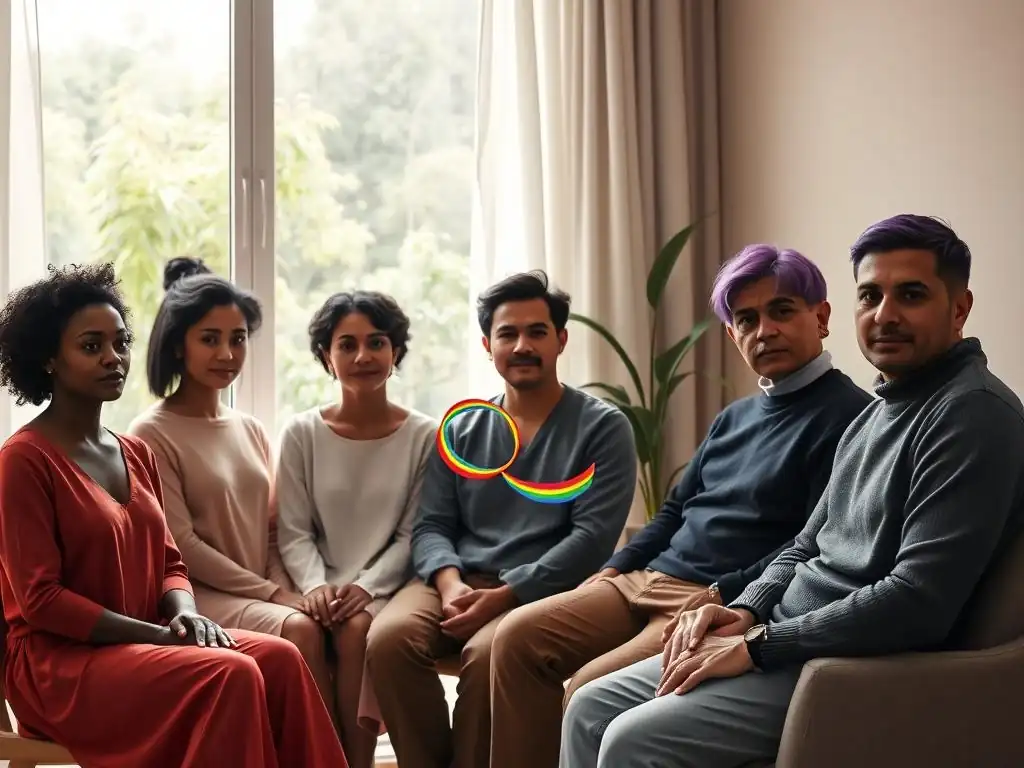
Welcome to Mind Care Guide, a sanctuary for your mental well-being.
We understand that navigating life's challenges can be particularly difficult when compounded by systemic discrimination and hate. Are you, or someone you know, seeking pathways to healing? This article delves into the crucial topic of LGBTQ+ trauma healing resources, offering a beacon of hope and practical support. Discover actionable steps and invaluable resources to begin your journey towards resilience and recovery. Let's explore together...
Trauma in the LGBTQ+ Community: Healing from Discrimination and Hate | Mind Care Guide
- Understanding Trauma and Its Impact on LGBTQ+ Individuals
- Specific Sources of Trauma for LGBTQ+ People
- Mental Health Challenges Arising from LGBTQ+ Trauma
- LGBTQ+ Trauma Healing Resources: A Comprehensive Guide
- Effective Therapeutic Approaches for LGBTQ+ Trauma
- Building Resilience and Coping Skills for LGBTQ+ Trauma Survivors
- Supporting LGBTQ+ Loved Ones Affected by Trauma
- Creating a More Inclusive and Trauma-Informed Society for LGBTQ+ People
-
Frequently Asked Questions
- What unique challenges does the LGBTQ+ community face that can lead to trauma?
- What are some common symptoms of trauma experienced by LGBTQ+ individuals?
- Where can LGBTQ+ individuals find specialized trauma healing resources?
- How important is it for therapists to be LGBTQ+ affirming when treating trauma?
- What are some self-care strategies that can help LGBTQ+ individuals cope with trauma?
- Final Reflection: Finding Resilience in the Face of Adversity
- Unleash Your Resilience: Steps to Healing and Empowerment
Understanding Trauma and Its Impact on LGBTQ+ Individuals
Defining Trauma: A Foundation for Healing in the LGBTQ+ Community
Trauma is a deeply distressing or disturbing experience that has significant and lasting negative effects on a person's mental, emotional, and physical well-being. It's not just the event itself, but the individual's subjective experience and response to it that defines trauma. This response can overwhelm a person's ability to cope, leading to feelings of helplessness, loss of control, and a profound sense of threat.
For many in the LGBTQ+ community, trauma isn't a single event but can be a cumulative result of ongoing exposure to prejudice, violence, and systemic discrimination. Understanding this definition is the first step in identifying the need for appropriate LGBTQ+ trauma healing resources.
Recognizing the pervasive nature of trauma within the LGBTQ+ population is crucial for providing effective support. Unlike trauma stemming from a single incident like a natural disaster, the trauma experienced by LGBTQ+ individuals often arises from interpersonal and societal sources, such as family rejection, bullying, physical assault, or discriminatory policies. This type of trauma, sometimes referred to as complex trauma or chronic trauma, can erode a person's sense of safety and self-worth over time, making the path to healing more intricate and requiring specialized approaches found within comprehensive LGBTQ+ trauma healing resources.
The Unique Trauma Experienced by LGBTQ+ Individuals: Discrimination, Rejection, and Violence
LGBTQ+ individuals frequently face unique forms of trauma directly linked to their sexual orientation, gender identity, or expression. This includes overt acts of violence and discrimination, as well as more subtle, but equally damaging, experiences like microaggressions, invalidation, and the constant fear of being "outed" or rejected.
For instance, a transgender person might face trauma from repeated misgendering or being denied access to public facilities, while a gay person might experience trauma from witnessing or being subjected to homophobic slurs or physical attacks. These experiences are not random but are often rooted in societal prejudice, making the trauma deeply personal and identity-based.
The impact of these unique traumas is compounded by the fact that they often occur in spaces that should be safe, such as within families, schools, or workplaces. For example, studies have indicated that a significant percentage of LGBTQ+ youth experience homelessness due to family rejection, a traumatic event with profound long-term consequences. Similarly, workplace discrimination, while perhaps not a single traumatic event, can create a chronic stress environment leading to trauma symptoms. Accessing culturally competent LGBTQ+ trauma healing resources is essential because these resources understand the specific contexts and impacts of these identity-related traumas.
The Psychological Impact of Discrimination and Hate Crimes on LGBTQ+ Mental Health
The psychological toll of discrimination and hate crimes on LGBTQ+ individuals is substantial and well-documented. Exposure to prejudice and violence significantly increases the risk of developing mental health conditions such as anxiety disorders, depression, post-traumatic stress disorder (PTSD), and substance use disorders. For example, research consistently shows that LGBTQ+ individuals, particularly those who have experienced hate crimes, report higher rates of these conditions compared to their non-LGBTQ+ counterparts. The constant vigilance required to navigate potentially hostile environments can lead to chronic stress and hyperarousal, common symptoms of trauma.
Beyond the immediate symptoms, the cumulative effect of discrimination and hate can damage an individual's self-esteem and sense of belonging. It can lead to internalized stigma, where negative societal attitudes are absorbed and turned inward, further exacerbating mental health challenges. A person who is repeatedly told they are "wrong" or "unacceptable" because of their identity may internalize these messages, affecting their ability to form healthy relationships and thrive. Addressing this deep psychological impact requires therapeutic approaches that are not only trauma-informed but also identity-affirming, a key component of effective LGBTQ+ trauma healing resources.
Specific Sources of Trauma for LGBTQ+ People
Family Rejection and Its Lasting Effects on LGBTQ+ Mental Well-being
Family rejection is a profoundly damaging source of trauma for many LGBTQ+ individuals, particularly during adolescence and young adulthood when family support is critical for healthy development. This rejection can manifest in various ways, from overt hostility and expulsion from the home to more subtle forms like conditional acceptance, disapproval, or attempts to change a person's sexual orientation or gender identity. The feeling of being unaccepted by those who are supposed to love and protect you can lead to deep emotional wounds that take years to heal.
The negative impacts of family rejection are well-documented. For instance, studies from organizations like the Family Acceptance Project have shown that LGBTQ+ youth who experience high levels of family rejection are significantly more likely to attempt suicide, experience depression, use illegal drugs, and engage in risky sexual behaviors compared to those with accepting families. These lasting effects underscore the critical need for interventions that help individuals process this trauma and build new support systems, often found through dedicated LGBTQ+ trauma healing resources that understand the complexity of family dynamics and identity.
Bullying and Harassment in Schools and Workplaces: LGBTQ+ Experiences
Schools and workplaces, intended to be environments for learning and productivity, can become sources of significant trauma for LGBTQ+ individuals due to rampant bullying and harassment. This can range from verbal abuse, name-calling, and cyberbullying to physical assaults and sexual harassment. In schools, LGBTQ+ students often face higher rates of bullying than their peers, impacting their academic performance, sense of safety, and willingness to attend school. For example, surveys have indicated that a large percentage of LGBTQ+ students report being verbally harassed at school based on their sexual orientation or gender identity.
In the workplace, discrimination and harassment can create a hostile environment, leading to chronic stress, anxiety, and trauma symptoms. This can include being the target of offensive jokes, being excluded from social activities, facing discrimination in hiring or promotion, or even experiencing physical threats. The need to hide one's identity to avoid harassment is itself a source of stress and can contribute to feelings of isolation and inauthenticity. Finding supportive environments and accessing LGBTQ+ trauma healing resources that address the impact of institutional trauma are vital steps for survivors.
Societal Stigma and Internalized Homophobia/Transphobia as Trauma
Societal stigma refers to the negative attitudes, beliefs, and prejudices held by society against LGBTQ+ people. This pervasive negativity can manifest in various forms, including discriminatory laws, lack of representation, negative media portrayals, and everyday microaggressions. Living in a society where one's identity is constantly pathologized, ridiculed, or ignored creates a chronic state of stress and can be deeply traumatizing, particularly when it limits opportunities or access to essential services.
Internalized homophobia or transphobia occurs when individuals internalize these negative societal attitudes, leading to self-doubt, shame, and self-hatred. This can manifest as difficulty accepting one's identity, reluctance to come out, or attempts to conform to heterosexual or cisgender norms. Internalized stigma is a significant barrier to mental wellness and can exacerbate the impact of external trauma. Healing from internalized stigma requires therapeutic work focused on self-acceptance and identity affirmation, which is often a core component of effective LGBTQ+ trauma healing resources.
Religious Trauma and Its Impact on LGBTQ+ Individuals
For many LGBTQ+ individuals raised in religious communities, religious teachings or practices that condemn homosexuality or gender non-conformity can be a profound source of trauma. This type of trauma, often termed "religious trauma," can involve experiencing condemnation, rejection, or attempts at conversion therapy within a faith community or family context. The conflict between one's deeply held identity and the spiritual beliefs that shaped one's upbringing can lead to immense psychological distress, guilt, and a fractured sense of self.
The impact of religious trauma can be long-lasting, affecting an individual's relationship with spirituality, their family, and their own identity. Leaving a faith community due to non-acceptance can lead to loss of social support and a sense of displacement. Healing often involves processing feelings of betrayal, shame, and spiritual confusion, and finding ways to reconcile one's identity with their spiritual needs, if desired. Specialized LGBTQ+ trauma healing resources that are sensitive to religious background and identity conflict are particularly helpful in these cases.
Mental Health Challenges Arising from LGBTQ+ Trauma

Increased Risk of Anxiety, Depression, and PTSD in the LGBTQ+ Community
Trauma exposure significantly increases the risk of developing common mental health conditions among LGBTQ+ individuals. Anxiety disorders, characterized by excessive worry and fear, are prevalent, often stemming from hypervigilance developed in response to potential threats or discrimination. Depression, marked by persistent sadness and loss of interest, can result from the cumulative impact of rejection, loss, and chronic stress. Both are strongly linked to experiences of discrimination and trauma within this population.
Post-Traumatic Stress Disorder (PTSD), traditionally associated with combat or single-incident trauma, is also common among LGBTQ+ trauma survivors, particularly those who have experienced hate crimes, physical assault, or conversion therapy. PTSD symptoms like flashbacks, nightmares, avoidance behaviors, and hyperarousal can severely disrupt daily life. Research consistently shows elevated rates of PTSD in LGBTQ+ populations compared to the general population, highlighting the severity of the trauma they face and the urgent need for accessible LGBTQ+ trauma healing resources.
Substance Abuse and Addiction as Coping Mechanisms for Trauma
Substance abuse and addiction are unfortunately common coping mechanisms for individuals struggling with unresolved trauma, including within the LGBTQ+ community. Turning to alcohol, drugs, or other substances can be a way to numb painful emotions, escape intrusive thoughts or flashbacks, or manage overwhelming anxiety and depression symptoms. While providing temporary relief, substance use ultimately hinders the healing process and can create additional health and life problems.
Studies have indicated that LGBTQ+ individuals have higher rates of substance abuse compared to their heterosexual and cisgender peers. This disparity is often linked to the higher prevalence of trauma, stress, and lack of adequate coping resources they experience. Addressing substance abuse in this population requires a dual-diagnosis approach that treats both the addiction and the underlying trauma. Effective LGBTQ+ trauma healing resources often integrate substance use treatment with trauma-informed care to support comprehensive recovery.
Suicidal Ideation and Self-Harm Among LGBTQ+ Individuals: A Critical Concern
Suicidal ideation and self-harm are serious concerns within the LGBTQ+ community, tragically linked to the high rates of trauma, discrimination, and mental health challenges they face. Experiences of rejection, bullying, and lack of acceptance can lead to feelings of hopelessness, isolation, and worthlessness, increasing the risk of suicidal thoughts and behaviors. Self-harming behaviors, such as cutting or burning, may be used as a way to cope with intense emotional pain or feel a sense of control in the face of overwhelming trauma.
Statistics from organizations like The Trevor Project highlight the severity of this issue, showing that a significant percentage of LGBTQ+ youth seriously consider suicide, with rates being particularly high among transgender and non-binary youth. These figures underscore the life-or-death importance of providing readily available, affirming, and competent mental health support. Access to specialized LGBTQ+ trauma healing resources, including crisis intervention and suicide prevention services, is absolutely critical for saving lives and promoting healing.
The experience of trauma for LGBTQ+ individuals is often complicated by the intersection of their sexual orientation or gender identity with other marginalized identities, such as race, ethnicity, disability, or socioeconomic status. Individuals holding multiple marginalized identities may face cumulative discrimination and unique forms of trauma that are not fully understood or addressed by mainstream services. For example, a Black transgender woman may experience trauma related to racism, transphobia, and sexism simultaneously.
Navigating these intersecting identities requires a nuanced understanding of how various forms of oppression interact to shape an individual's experience of trauma and their path to healing. Trauma-informed care for individuals with intersecting identities must be culturally humble and acknowledge the specific historical and systemic factors contributing to their trauma. Finding LGBTQ+ trauma healing resources that are also affirming of other identities is essential for providing comprehensive and effective support.
LGBTQ+ Trauma Healing Resources: A Comprehensive Guide
Finding LGBTQ+-Affirmative Therapists and Mental Health Professionals
One of the most crucial steps in healing from LGBTQ+ trauma is connecting with mental health professionals who are not only trauma-informed but also explicitly LGBTQ+-affirmative. An affirmative therapist understands the unique challenges faced by the community, respects an individual's identity, and does not pathologize sexual orientation or gender identity. They create a safe space free from judgment, allowing clients to explore their trauma in the context of their identity and experiences.
Finding such professionals can be challenging but is increasingly possible through online directories and referrals from LGBTQ+ community centers. Websites dedicated to mental health often have search filters for LGBTQ+-affirmative therapists, or list professionals who specialize in LGBTQ+ issues and trauma. These resources are invaluable components of effective LGBTQ+ trauma healing resources, ensuring that survivors receive care from providers who understand and validate their experiences.
Support Groups and Community Resources for LGBTQ+ Trauma Survivors
Connecting with peers who have similar experiences can be a powerful part of the healing journey. Support groups for LGBTQ+ trauma survivors provide a space for shared understanding, validation, and mutual support. Hearing others' stories can reduce feelings of isolation and shame, while sharing one's own can be incredibly empowering. These groups are often facilitated by mental health professionals or trained peer leaders.
Local LGBTQ+ community centers frequently offer support groups, workshops, and other resources specifically tailored to the needs of trauma survivors. These community-based resources can also provide practical support, such as referrals to housing, legal aid, or medical services, which can be essential for individuals whose trauma has impacted various aspects of their lives. Exploring local LGBTQ+ trauma healing resources can uncover a wealth of community support.
Online Resources and Platforms Offering LGBTQ+ Mental Health Support
The internet has become a vital source of information and support, particularly for those who live in areas with limited local resources or face barriers to accessing in-person care. Numerous websites, blogs, and online communities offer information about LGBTQ+ mental health, coping strategies for trauma, and directories of affirming providers. Teletherapy platforms also allow individuals to connect with LGBTQ+-affirmative therapists remotely.
While online resources can't replace professional therapy for severe trauma, they can be valuable supplementary LGBTQ+ trauma healing resources. They offer anonymity, accessibility, and a wealth of information on topics like understanding trauma responses, practicing self-care, and finding help. It is important, however, to ensure that online sources are reputable and provide accurate, evidence-based information.
The Trevor Project, GLSEN, and PFLAG: National Support Organizations
Several national organizations are dedicated to supporting the well-being of LGBTQ+ individuals, and many offer specific resources for trauma survivors. The Trevor Project, for example, is a leading crisis intervention and suicide prevention service for LGBTQ+ young people, providing 24/7 support via phone, text, and chat for those in immediate distress due to trauma or other factors.
GLSEN (Gay, Lesbian & Straight Education Network) works to create safe and affirming K-12 schools for LGBTQ+ students, addressing a major source of trauma. While primarily focused on advocacy and policy, their resources can help individuals understand and navigate school-based trauma. PFLAG (Parents, Families, and Friends of Lesbians and Gays) provides support, education, and advocacy for LGBTQ+ people, their families, and allies, offering resources that can help heal family-related trauma and build supportive networks. These organizations represent crucial national LGBTQ+ trauma healing resources.
Effective Therapeutic Approaches for LGBTQ+ Trauma
Trauma-Informed Therapy: Creating a Safe and Supportive Space
Trauma-informed therapy is an approach that recognizes the widespread impact of trauma and understands potential paths for recovery. Rather than focusing solely on symptoms or diagnosis, a trauma-informed therapist considers how trauma has shaped an individual's life and behavior. Key principles include safety (physical and emotional), trustworthiness, peer support, collaboration, empowerment, and cultural, historical, and gender issues.
For LGBTQ+ individuals, trauma-informed care is particularly important because their trauma is often rooted in systemic issues like discrimination and oppression. An effective trauma-informed therapist working with an LGBTQ+ client will be mindful of potential triggers related to identity, power dynamics, and historical harm. This approach ensures that the therapeutic environment itself doesn't inadvertently re-traumatize the individual, making it a foundational element of effective LGBTQ+ trauma healing resources.
Cognitive Behavioral Therapy (CBT) for Processing Traumatic Experiences
Cognitive Behavioral Therapy (CBT) is a widely used therapeutic approach that can be adapted to help individuals process traumatic experiences. CBT focuses on identifying and challenging negative thought patterns and behaviors that developed as a result of trauma. For example, a survivor of homophobic violence might develop the belief that "the world is a dangerous place, and I am always at risk." CBT helps them examine the evidence for this belief and develop more balanced and realistic perspectives.
Trauma-focused CBT (TF-CBT) is a specific type of CBT designed for trauma survivors, particularly effective for children and adolescents but adaptable for adults. It helps individuals gradually process traumatic memories in a safe way, develop coping skills, and reduce symptoms of PTSD, depression, and anxiety. When delivered by an LGBTQ+-affirmative therapist, CBT can be a powerful tool among LGBTQ+ trauma healing resources.
Eye Movement Desensitization and Reprocessing (EMDR) Therapy for Trauma Resolution
Eye Movement Desensitization and Reprocessing (EMDR) is another evidence-based therapy approach specifically designed to help people heal from the symptoms and emotional distress that are the result of disturbing life experiences. EMDR therapy does not require talking in detail about the distressing issue or completing homework between sessions. Instead, it focuses on changing the emotions, thoughts, or behaviors resulting from a traumatic experience.
During EMDR, the therapist guides the client through sets of eye movements or other bilateral stimulation while the client focuses on the traumatic memory. The goal is to help the brain reprocess the memory in a way that reduces its emotional intensity and allows the individual to integrate it into their narrative without the overwhelming distress. EMDR has shown effectiveness in treating PTSD and is often utilized within LGBTQ+ trauma healing resources for survivors of various forms of identity-based trauma.
Acceptance and Commitment Therapy (ACT) for Building Resilience
Acceptance and Commitment Therapy (ACT) is a form of behavioral therapy that emphasizes acceptance of difficult thoughts and feelings rather than fighting them, while committing to actions aligned with one's values. For LGBTQ+ trauma survivors, ACT can be helpful in navigating the ongoing challenges of living in a potentially non-affirming world and the persistent internal struggles that trauma can create.
ACT teaches skills like mindfulness to observe thoughts and feelings without judgment, and helps individuals identify their core values (e.g., connection, authenticity, justice). The focus is on building psychological flexibility – the ability to be present with discomfort while still moving towards a meaningful life. ACT, when integrated into LGBTQ+ trauma healing resources, can empower survivors to live fully despite their trauma history and societal challenges.
Building Resilience and Coping Skills for LGBTQ+ Trauma Survivors

Developing Self-Compassion and Self-Care Practices
Healing from trauma is not just about processing past events; it's also about building internal strength and developing healthy ways to cope with ongoing stress and emotional pain. Developing self-compassion is a critical skill for LGBTQ+ trauma survivors who may have internalized shame or self-blame due to their experiences. This involves treating oneself with kindness, understanding, and acceptance, especially during difficult times.
Implementing consistent self-care practices is equally important. This can include simple activities like getting enough sleep, eating nutritious food, exercising, engaging in hobbies, or spending time in nature. Self-care isn't selfish; it's a necessary foundation for managing stress, preventing burnout, and fostering emotional well-being. Prioritizing self-compassion and self-care are fundamental aspects of utilizing LGBTQ+ trauma healing resources effectively.
Isolation is a common consequence of trauma and a significant barrier to healing. Building and strengthening social support networks is vital for LGBTQ+ trauma survivors. Connecting with supportive friends, family members (chosen or biological), partners, and allies provides a sense of belonging and validation. These connections offer emotional support, practical help, and a buffer against stress and discrimination.
Engaging with the LGBTQ+ community is particularly important. Community spaces, events, and groups offer opportunities to connect with others who share similar identities and experiences, reducing feelings of loneliness and fostering a sense of collective resilience. Participating in community activities or finding peer support groups are excellent ways to build these vital connections, often facilitated through local LGBTQ+ trauma healing resources.
Practicing Mindfulness and Stress Reduction Techniques
Mindfulness involves paying attention to the present moment without judgment. For trauma survivors, who may be plagued by intrusive thoughts about the past or anxiety about the future, mindfulness can help ground them in the here and now. Practices like mindful breathing, meditation, or body scans can help regulate the nervous system, which is often dysregulated by trauma.
Other stress reduction techniques, such as yoga, progressive muscle relaxation, or deep breathing exercises, can also be incredibly beneficial. These practices help reduce physical tension associated with trauma and promote a sense of calm and control. Integrating mindfulness and stress reduction into daily life is a proactive way for LGBTQ+ individuals to manage trauma symptoms and enhance their well-being, often taught within therapeutic settings or via online LGBTQ+ trauma healing resources.
Advocacy and Activism as Empowerment Tools for Trauma Healing
For some LGBTQ+ trauma survivors, engaging in advocacy or activism can be a powerful part of the healing process. Turning painful experiences into action to create positive change can foster a sense of empowerment and purpose. Working to prevent others from experiencing the same forms of discrimination and violence can help reclaim agency lost during the traumatic experience.
This could involve volunteering for an LGBTQ+ rights organization, speaking out against discrimination, participating in community organizing, or sharing one's story (when and if they feel ready) to raise awareness. While not for everyone, advocacy can transform feelings of helplessness into strength and contribute to building a safer world for the entire community. Many LGBTQ+ trauma healing resources also connect individuals with opportunities for advocacy and community engagement.
Supporting LGBTQ+ Loved Ones Affected by Trauma
Understanding the Needs of LGBTQ+ Trauma Survivors
Supporting a loved one who has experienced LGBTQ+ trauma requires empathy, patience, and a willingness to learn. It's essential to understand that trauma responses can vary greatly and may include symptoms like withdrawal, irritability, difficulty trusting others, or heightened anxiety. These behaviors are not personal affronts but are often complex coping mechanisms or manifestations of unresolved pain.
Educating oneself about the specific types of trauma faced by the LGBTQ+ community – such as the impact of family rejection, discrimination, or hate crimes – is crucial. This understanding helps allies avoid inadvertently minimizing or invalidating a survivor's experiences. Recognizing that healing is a non-linear process with ups and downs is also key to providing sustained support. Seeking guidance from LGBTQ+ trauma healing resources can equip allies with the knowledge needed.
Creating a Supportive and Affirming Environment
Creating a physically and emotionally safe environment is paramount for supporting an LGBTQ+ loved one healing from trauma. This means actively affirming their identity without question or condition, using their correct name and pronouns, and respecting their boundaries. It also involves challenging homophobic, transphobic, or other discriminatory language or behavior within your own sphere of influence.
A supportive environment is one where the survivor feels seen, heard, and valued for who they are. It involves listening without judgment, validating their feelings, and offering comfort without pressure to "get over" the trauma quickly. Simple acts of unconditional acceptance can counteract the messages of rejection and shame that often accompany identity-based trauma. Learning how to build this environment is a key aspect of utilizing LGBTQ+ trauma healing resources for allies.
Avoiding Re-Traumatization and Promoting Healing
Caregivers and loved ones must be mindful of avoiding re-traumatization, which can occur when a person is exposed to reminders of their trauma or experiences situations that mimic elements of the original trauma. This requires sensitivity to potential triggers and careful consideration of actions and words. For example, pushing someone to talk about their trauma before they are ready, or exposing them to discriminatory environments, can be re-traumatizing.
Instead, focus on promoting healing by encouraging healthy coping mechanisms, celebrating small victories in their recovery journey, and being a consistent source of stability and positive regard. Respecting their need for space or privacy is also important. The goal is to help create a sense of safety and control that trauma often strips away. Information on preventing re-traumatization is often included in materials from LGBTQ+ trauma healing resources aimed at families and partners.
Encouraging Professional Help and Resources
While personal support is invaluable, it is often not sufficient for healing from complex trauma. Encouraging the loved one to seek professional help from LGBTQ+-affirmative mental health professionals is one of the most supportive actions an ally can take. Offer to help them research therapists, navigate insurance, or provide transportation to appointments if possible.
Familiarize yourself with available LGBTQ+ trauma healing resources, such as local support groups, national helplines like The Trevor Project, or online directories of affirming therapists, so you can provide concrete suggestions when they are ready. Remember that the decision to seek help is theirs, but your encouragement can make a significant difference. Being informed about these resources allows you to be a more effective ally in their healing journey.
Creating a More Inclusive and Trauma-Informed Society for LGBTQ+ People
Advocating for Policy Changes to Protect LGBTQ+ Rights
Addressing trauma in the LGBTQ+ community requires not only individual healing but also systemic change. Advocating for policies that protect LGBTQ+ rights is a crucial step in reducing the sources of trauma. This includes advocating for non-discrimination laws in housing, employment, and public accommodations, as well as policies that protect LGBTQ+ youth in schools and ensure access to affirming healthcare.
Legal protections can create safer environments and reduce the likelihood of discriminatory experiences that lead to trauma. For example, passing legislation that bans conversion therapy can prevent a practice widely recognized as deeply harmful and traumatizing. Supporting and voting for policies that advance LGBTQ+ equality is a direct way to contribute to a less traumatizing society. Organizations listed among LGBTQ+ trauma healing resources often engage in or provide guidance on such advocacy.
Promoting Education and Awareness to Reduce Stigma
Ignorance and lack of understanding are significant drivers of stigma and discrimination. Promoting education about LGBTQ+ identities, experiences, and the impact of prejudice is essential for creating a more accepting society. This involves educating individuals, communities, and institutions about the realities of LGBTQ+ lives and the harm caused by bias and discrimination.
Awareness campaigns can help dispel myths and stereotypes, foster empathy, and encourage respectful interactions. Educating healthcare providers, educators, and employers about LGBTQ+ specific needs and trauma-informed care is particularly important. Increased understanding reduces the likelihood of encountering non-affirming or harmful attitudes, thereby reducing potential sources of trauma. Many LGBTQ+ trauma healing resources also focus on public education and awareness initiatives.
Supporting LGBTQ+ Organizations and Initiatives
Supporting organizations and initiatives dedicated to the well-being of the LGBTQ+ community is another vital way to help create a more inclusive and trauma-informed society. Financial contributions, volunteering time, or simply amplifying their work can help these groups provide essential services, conduct advocacy, and build community resilience.
Many LGBTQ+ organizations offer direct services, such as crisis hotlines, support groups, and mental health referrals, acting as key LGBTQ+ trauma healing resources. Others focus on systemic change through policy work, public education, or community organizing. Supporting these efforts contributes to building the infrastructure needed to prevent trauma and support survivors effectively.
Fostering Empathy and Understanding in Communities
Ultimately, creating a society where LGBTQ+ people can thrive free from trauma requires fostering empathy and understanding at the community level. This involves encouraging open dialogue, building bridges between different groups, and promoting acceptance of diversity in all its forms. It means creating communities where everyone feels safe, respected, and valued, regardless of their sexual orientation or gender identity.
Simple acts of allyship, such as challenging discriminatory jokes, standing up to bullying, or simply being openly accepting, can have a profound impact. Building truly trauma-informed communities means recognizing the historical and ongoing harm faced by marginalized groups and actively working to repair that harm and prevent future trauma. This collective effort, supported by awareness of and access to LGBTQ+ trauma healing resources, is essential for comprehensive healing and societal progress.
Frequently Asked Questions
What unique challenges does the LGBTQ+ community face that can lead to trauma?
The LGBTQ+ community often experiences trauma due to discrimination, hate crimes, and social stigma that can lead to increased rates of mental health issues. These experiences are often compounded by a lack of supportive resources.
What are some common symptoms of trauma experienced by LGBTQ+ individuals?
Common symptoms include anxiety, depression, and PTSD. Individuals may also experience internalized homophobia/transphobia, leading to self-doubt and negative self-perception.
Where can LGBTQ+ individuals find specialized trauma healing resources?
Mind Care Guide provides a comprehensive list of LGBTQ+ trauma healing resources, including therapy directories, support groups, and crisis hotlines tailored to the community's needs.
How important is it for therapists to be LGBTQ+ affirming when treating trauma?
It is crucial that therapists are LGBTQ+ affirming and understand the unique challenges faced by the community. This ensures a safe and supportive environment for healing and avoids further traumatization.
What are some self-care strategies that can help LGBTQ+ individuals cope with trauma?
Self-care strategies include mindfulness practices, connecting with supportive communities, and engaging in activities that promote joy and self-expression. Seeking professional help is also a vital part of the healing process.
Final Reflection: Finding Resilience in the Face of Adversity
The pervasive impact of discrimination and hate on the LGBTQ+ community continues to demand our urgent attention. The statistics are stark, the stories heartbreaking, but within the struggle for equality lies a powerful testament to human resilience and the unwavering pursuit of healing. This article has explored the multifaceted nature of LGBTQ+ trauma, highlighting the need for accessible and culturally competent resources.
The journey towards healing is not linear, nor is it uniform. Each individual's experience is unique, shaped by intersecting identities and the specific forms of prejudice they have faced. The wound is the place where the Light enters you,
a quote often attributed to Rumi, rings profoundly true in this context. The scars of discrimination can become pathways to empathy, understanding, and a deeper appreciation for the strength found in shared experience. Witnessing the collective efforts to build supportive communities and advocate for systemic change is both inspiring and a crucial reminder of the ongoing work that needs to be done.
You, the reader, now hold the knowledge and resources to begin your own journey of understanding or to further support those in need. Consider how you can contribute to a more inclusive and compassionate world. Seek out local LGBTQ+ organizations, educate yourself on the unique challenges faced by different subgroups within the community, and most importantly, listen to and amplify the voices of those who have experienced trauma. Let us work together to create a future where healing is not just possible, but readily available to all.
Unleash Your Resilience: Steps to Healing and Empowerment
Thanks for taking the time to learn about the unique challenges and resilience within the LGBTQ+ community. We hope this article provided valuable insights into the impact of trauma and highlighted pathways to healing. Now, let's take the next steps toward creating a more supportive and inclusive world.
- Prioritize self-care: Engage in activities that bring you joy and peace. This could be anything from spending time in nature to connecting with supportive friends and family. Remember, healing is a journey, not a destination.
- Find your community: Connect with LGBTQ+ support groups or organizations in your area. Sharing your experiences with others who understand can be incredibly powerful and validating.
- Share this article: Spread awareness and understanding by sharing this article with your network. Let's work together to build a more compassionate and inclusive society.
What specific steps will you take today to nurture your well-being and support others in their healing journeys?