
Aromatherapy and Essential Oil Gifts for Calming Anxious Minds

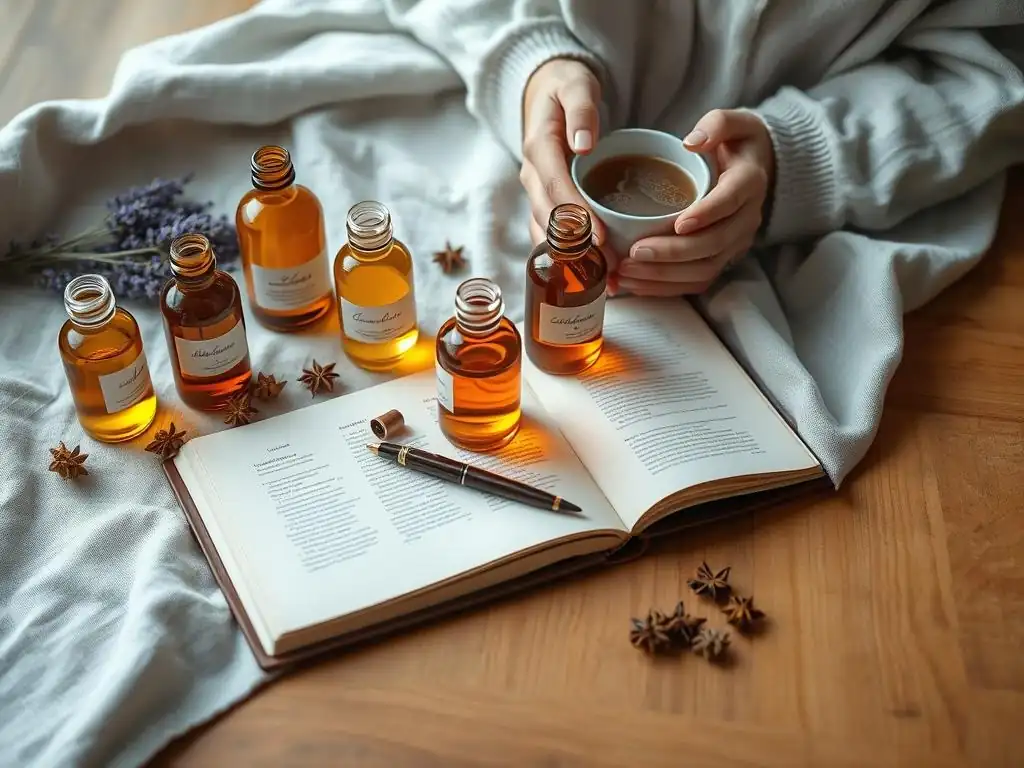
Welcome to Mind Care Guide, where we understand the delicate balance of mental well-being. Feeling overwhelmed? You're not alone. Many seek natural ways to find tranquility, and that's why we're diving deep into the soothing world of aromatherapy and its potential to reduce anxiety and stress. Curious about how essential oils can be more than just pleasant scents? Let's explore the calming power they hold, and discover thoughtful aromatherapy gifts that can nurture a more peaceful mind.
Aromatherapy and Essential Oil Gifts for Calming Anxious Minds: A Mind Care Guide
- Introduction: The Power of Aromatherapy for Anxiety Relief
- Key Considerations When Choosing Aromatherapy Gifts for Anxiety
-
The Best Essential Oils for Anxiety and Stress Relief: A Curated Selection
- Lavender Essential Oil: The Classic Choice for Relaxation
- Chamomile Essential Oil: Gentle Calming and Stress Reduction
- Bergamot Essential Oil: Uplifting and Mood-Boosting
- Frankincense Essential Oil: Grounding and Centering for Inner Peace
- Ylang Ylang Essential Oil: Promotes Relaxation and Reduces Tension
-
Aromatherapy Gift Ideas: Beyond Single Oils
- Essential Oil Diffuser Sets: Creating a Calming Atmosphere
- Aromatherapy Jewelry: Portable Anxiety Relief
- Pre-Blended Essential Oil Roll-Ons for Anxiety: Convenience and Effectiveness
- Aromatherapy Bath Products: Relaxation and Self-Care
- Aromatherapy Gift Baskets: A Thoughtful and Comprehensive Present
- Real-Life Examples: How Aromatherapy Has Helped Others Manage Anxiety
- Conclusion: Giving the Gift of Calm with Aromatherapy
-
Frequently Asked Questions
- What is Aromatherapy and how can it reduce anxiety stress?
- Which essential oils are most effective for calming anxious minds?
- How can I incorporate aromatherapy into my daily routine to reduce anxiety stress?
- Are there any potential side effects or precautions I should be aware of when using aromatherapy?
- Can aromatherapy completely cure anxiety, or is it just a complementary therapy?
- Final Reflection: The Soothing Power of Scent in a Stressed World
- Unwind Your Mind: Discover Your Next Calming Ritual
Introduction: The Power of Aromatherapy for Anxiety Relief
Understanding Anxiety and the Role of Aromatherapy
Anxiety is a complex condition affecting millions, characterized by feelings of worry, nervousness, or unease. While professional help is crucial for managing severe anxiety, many individuals seek complementary approaches to support their mental well-being. Aromatherapy, the practice of using natural plant extracts known as essential oils for therapeutic benefit, has gained significant attention for its potential to soothe the nervous system and promote relaxation. The historical use of aromatic plants dates back thousands of years across various cultures, suggesting a long-standing recognition of their calming properties.
Incorporating aromatherapy into daily routines can be a gentle yet effective strategy for individuals looking to reduce anxiety and stress levels. It offers a non-invasive way to interact with potent plant compounds that can influence mood and physiological responses.
For someone navigating the challenges of anxiety, a thoughtful gift centered around aromatherapy provides not just a product, but an invitation to engage in self-care and explore natural pathways towards a calmer state of mind. Understanding how these natural scents interact with our limbic system, the part of the brain involved in emotions and memory, is key to appreciating their potential impact.
How Essential Oils Can Help Reduce Stress and Anxiety
Essential oils are highly concentrated plant extracts derived from flowers, leaves, stems, roots, or bark. When inhaled, the aromatic molecules travel directly to the brain's olfactory system, which is closely connected to the limbic system. This rapid pathway allows the oils to potentially influence neurochemical responses related to mood, stress, and anxiety. For instance, inhaling certain scents might signal the brain to release neurotransmitters like serotonin or GABA, which are associated with feelings of calm and well-being, thereby helping aromatherapy reduce anxiety stress.
Beyond inhalation, essential oils can also be absorbed through the skin when properly diluted with a carrier oil. This allows the compounds to enter the bloodstream, potentially exerting systemic effects, although the primary mechanism for mood alteration in aromatherapy is generally considered to be inhalation.
The simple act of engaging in an aromatherapy ritual – whether it's adding drops to a bath, using a diffuser, or applying a roll-on – can itself be a mindful practice that encourages relaxation and shifts focus away from anxious thoughts. This combination of physiological and psychological effects underpins the growing popularity of aromatherapy to reduce anxiety and stress.
Key Considerations When Choosing Aromatherapy Gifts for Anxiety
Safety First: Important Precautions for Using Essential Oils
While essential oils offer potential benefits, they are potent substances and require careful handling. Safety is paramount, especially when gifting to someone who may be new to aromatherapy. Essential oils should never be ingested unless under the strict guidance of a qualified healthcare professional. For topical application, dilution with a carrier oil (like jojoba, almond, or coconut oil) is essential to prevent skin irritation or sensitization. A common dilution rate for adults is 1-3%, meaning roughly 6-18 drops of essential oil per ounce (30ml) of carrier oil.
It's also crucial to perform a patch test before applying a new diluted oil blend to a larger area of skin. Apply a small amount to a discreet area, like the inner forearm, and wait 24 hours to check for any reaction. Individuals with allergies, asthma, or certain medical conditions, as well as pregnant or breastfeeding women, should consult a doctor before using essential oils.
When diffusing, ensure the space is well-ventilated, especially around pets and children, as some oils can be harmful to them. Providing clear safety guidelines with any aromatherapy gift is a sign of thoughtful consideration and responsibility.
Identifying Specific Anxiety Triggers to Choose the Right Scents
Anxiety manifests differently in each person and is often linked to specific triggers. Understanding what situations or feelings typically bring on anxiety for the recipient can help in selecting the most appropriate essential oils or blends. For example, someone whose anxiety is triggered by public speaking might benefit from uplifting or confidence-boosting scents, while someone experiencing anxiety related to sleep might find calming and sedative oils more helpful. Asking subtle questions or observing their patterns can provide valuable clues without being intrusive.
Consider the context in which the gift might be used. Is it for use at home, in the office, during travel, or specifically before bed? A roll-on might be ideal for on-the-go relief, while a diffuser is perfect for creating a calming sanctuary at home. Thinking about the recipient's lifestyle and typical anxiety-provoking situations allows you to tailor the aromatherapy gift to their specific needs, making it far more effective than a generic selection. This personalized approach enhances the potential for the aromatherapy to truly help reduce anxiety and stress in their daily life.
Different Aromatherapy Methods: Diffusers, Roll-Ons, and More
Aromatherapy can be experienced in various ways, each offering unique benefits and suitability for different situations. Diffusers disperse essential oil molecules into the air, creating a therapeutic atmosphere in a room. Ultrasonic diffusers use water and vibrations to create a fine mist, while nebulizing diffusers use air pressure to atomize the oil directly, offering a more intense aroma. Heat diffusers use gentle heat, which can alter the oil's chemical composition but are often simpler and safer around pets.
Other popular methods include topical application using roll-ons or massage oils, which allow for targeted relief and portable use. Aromatherapy jewelry, such as diffuser necklaces or bracelets, allows the wearer to carry their favorite calming scent with them throughout the day. Bath products infused with essential oils offer a luxurious and relaxing way to unwind, combining the benefits of warm water with aromatherapy.
Incense or candles made with pure essential oils (not synthetic fragrances) can also be used, though candles require extra caution regarding purity and ventilation. Choosing the right method ensures the gift is practical and enjoyable for the recipient.
The Best Essential Oils for Anxiety and Stress Relief: A Curated Selection
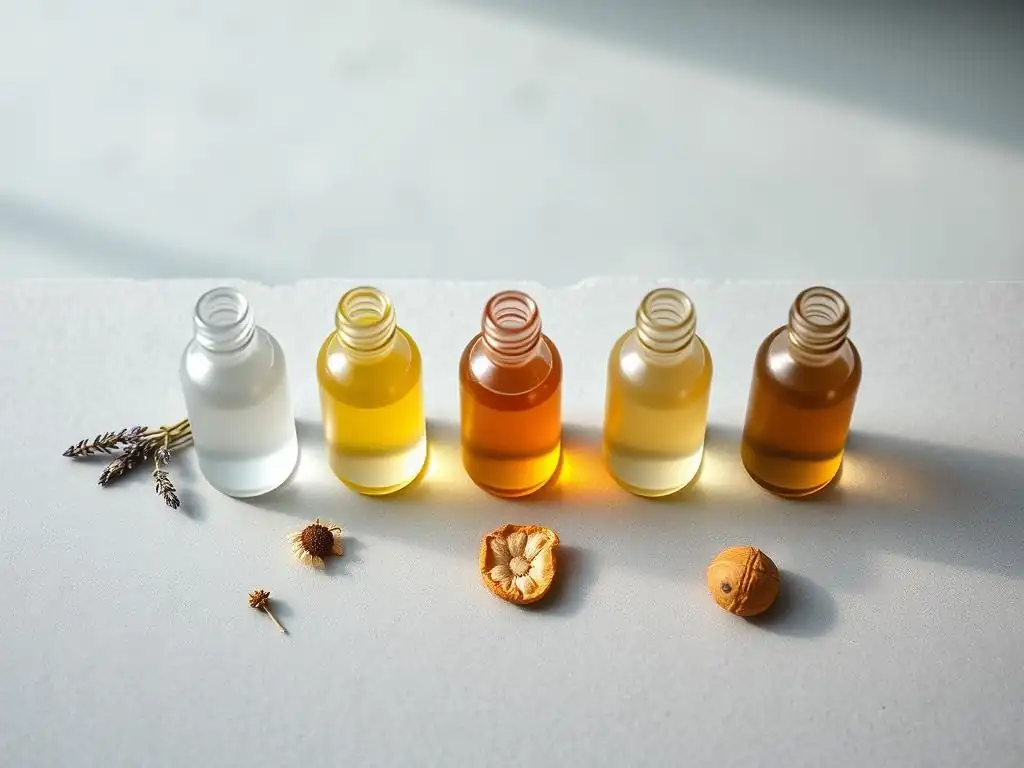
Lavender Essential Oil: The Classic Choice for Relaxation
Lavender (Lavandula angustifolia) is arguably the most well-known essential oil for relaxation and anxiety relief. Its sweet, floral, and slightly herbaceous aroma is widely recognized for its calming properties. Used for centuries in traditional medicine and bathing rituals, lavender's efficacy in promoting tranquility is supported by both anecdotal evidence and a growing body of research. It's often the first oil recommended for those new to using aromatherapy to reduce anxiety stress.
The versatility of lavender makes it a staple in aromatherapy. It can be diffused in a bedroom to prepare for sleep, added to a warm bath, or diluted in a carrier oil for a soothing massage. Many people find that simply inhaling lavender directly from the bottle during moments of panic or stress can help ground them. Its gentle nature also makes it suitable for many individuals, although proper dilution is always necessary, especially for sensitive skin.
Benefits of Lavender for Anxiety and Sleep
Studies have explored lavender's impact on the nervous system, suggesting it can affect GABA neurotransmitters, similar to some anti-anxiety medications, though in a much milder way. Research published in journals like the Journal of Alternative and Complementary Medicine has indicated that inhaling lavender oil can significantly reduce anxiety levels in various settings, including dental offices and before surgery.
Beyond anxiety, lavender is renowned for its ability to improve sleep quality, a common challenge for individuals with anxiety. Diffusing lavender before bed or placing a few drops on a pillow case (check fabric compatibility first) can help quiet a racing mind and promote a deeper, more restful sleep. One study involving college students reported that lavender aromatherapy helped improve sleep quality and reduce feelings of stress, further highlighting its value in managing conditions linked to anxiety.
Chamomile Essential Oil: Gentle Calming and Stress Reduction
Chamomile essential oil, particularly Roman Chamomile (Anthemis nobilis), is another beloved oil for its gentle, apple-like, herbaceous scent and powerful calming properties. It's often associated with soothing teas used for relaxation and digestion, and its essential oil form offers a more concentrated aromatic experience. It is particularly valued for its mildness, making it a good choice for sensitive individuals or even children (with appropriate dilution and guidance).
This oil is excellent for easing tension, irritability, and nervousness. It can be diffused to create a peaceful home environment or used in a warm compress applied to the abdomen or shoulders to relieve stress-related physical discomfort. Roman Chamomile is often blended with other oils like lavender or bergamot to enhance its calming effects, offering a synergistic approach to using aromatherapy to reduce anxiety stress symptoms.
Understanding Roman and German Chamomile for Anxiety
There are two main types of chamomile essential oil used in aromatherapy: Roman (Anthemis nobilis) and German (Matricaria recutita). While both possess calming properties, Roman Chamomile is generally preferred for emotional and nervous system support due to its lighter, sweeter aroma and traditional use in easing tension and promoting relaxation. It's often described as more directly impacting the emotional state.
German Chamomile, on the other hand, has a deeper, more herbaceous scent and is traditionally valued more for its anti-inflammatory properties due to its higher content of chamazulene, which gives it a characteristic blue color. While it can still be calming, Roman Chamomile is typically the variety sought specifically for addressing anxiety and promoting tranquility through inhalation and gentle topical application.
Bergamot Essential Oil: Uplifting and Mood-Boosting
Bergamot (Citrus bergamia) essential oil, pressed from the rind of the bergamot orange fruit, has a bright, citrusy, and slightly floral aroma. Unlike many citrus oils which can be stimulating, bergamot is unique in its ability to be both uplifting and calming, making it excellent for relieving stress, anxiety, and symptoms of depression. Its cheerful scent can help lift spirits and reduce feelings of worry or sadness.
Bergamot is particularly useful for anxiety that manifests as low mood, lack of motivation, or social apprehension. Diffusing bergamot in the morning can help set a positive tone for the day, while using it in a personal inhaler can provide a quick mood boost during stressful situations. Note: Bergamot is phototoxic, meaning it increases skin's sensitivity to UV light. Use 'Bergaptene-Free' or 'FCF' (Furocoumarin-Free) varieties for topical application if sun exposure is possible.
The Science Behind Bergamot and its Anxiolytic Effects
Research has explored bergmot's impact on stress hormones and mood. A study published in Phytotherapy Research found that inhaling bergamot essential oil aroma reduced levels of cortisol, a key stress hormone, and improved positive feelings in participants. This suggests a direct physiological effect on the stress response system, supporting the use of aromatherapy to reduce anxiety stress.
Another study indicated that exposure to bergamot oil aroma in a mental health treatment center waiting room reduced anxiety and fatigue levels in patients. The bright, uplifting scent seems to counteract feelings of heaviness and worry, promoting a sense of lightness and emotional balance. Its dual action of calming the nervous system while simultaneously uplifting the mood makes it a powerful tool in the aromatherapy arsenal for anxiety.
Frankincense Essential Oil: Grounding and Centering for Inner Peace
Frankincense (Boswellia carterii or serrata) essential oil, derived from the resin of the Boswellia tree, has a rich, woody, and slightly spicy aroma. It is highly valued for its ability to promote feelings of peace, relaxation, and spiritual connection. Frankincense can help quiet the mind, slow down breathing, and encourage a sense of grounding, making it particularly useful for individuals whose anxiety involves racing thoughts or feeling overwhelmed.
This ancient oil is often used in meditation and prayer for its centering effects. Diffusing frankincense during times of stress or using it in a diluted roll-on applied to pulse points can help anchor you in the present moment and reduce feelings of panic or fear. Its deep, resonant aroma provides a sense of stability and calm assurance, supporting the goal to aromatherapy reduce anxiety stress naturally.
Frankincense and its Traditional Use in Anxiety Management
Frankincense has a long history of use in traditional medicine and spiritual practices across cultures, including Ayurvedic and traditional Chinese medicine. It has been traditionally employed to calm the mind, reduce tension, and promote a sense of inner peace. This historical context speaks to its perceived efficacy in managing states of unease and nervous tension.
Modern research is beginning to explore these traditional uses. Some studies suggest that inhaling frankincense aroma may influence the limbic system, promoting relaxation and potentially reducing heart rate and blood pressure, physiological responses often heightened by anxiety. While more rigorous clinical trials are needed, the consistent historical use and preliminary findings support frankincense as a valuable oil for grounding and finding tranquility.
Ylang Ylang Essential Oil: Promotes Relaxation and Reduces Tension
Ylang Ylang (Cananga odorata) essential oil, extracted from the vibrant yellow flowers of the ylang ylang tree, possesses a rich, sweet, and intensely floral aroma. It is widely used in perfumery but is also highly regarded in aromatherapy for its powerful ability to promote relaxation, reduce stress, and ease feelings of anger or frustration. Its intoxicating scent can be quite potent, so a little goes a long way.
This oil is particularly helpful for anxiety that manifests as physical tension, rapid heart rate, or shallow breathing. Diffusing ylang ylang or adding a few drops to a warm bath can help release pent-up stress and encourage deeper relaxation. It blends well with citrus oils like bergamot or grounding oils like frankincense, creating complex aromas that can significantly impact mood and promote calm.
Ylang Ylang's Effect on Heart Rate and Blood Pressure
Research has specifically investigated ylang ylang's impact on physiological markers of stress. A study published in the International Journal of Neuroscience found that inhaling ylang ylang aroma led to a significant decrease in blood pressure and heart rate, as well as increased feelings of calmness compared to a control group. These physiological changes are directly relevant to mitigating the physical symptoms of anxiety.
Another study on healthy volunteers showed that topical application of ylang ylang essential oil reduced stress responses and serum cortisol levels. While the aroma is strong and not everyone's preference, its documented ability to lower heart rate and blood pressure underscores its potential value as a natural aid for managing the physical manifestations of anxiety and using aromatherapy to reduce anxiety stress.
Aromatherapy Gift Ideas: Beyond Single Oils
Essential Oil Diffuser Sets: Creating a Calming Atmosphere
An essential oil diffuser set is a fantastic gift for someone with anxiety, providing them with the means to easily incorporate aromatherapy into their daily environment. These sets typically include a diffuser unit and a selection of calming essential oils, allowing the recipient to instantly create a soothing atmosphere in their home or office. It's a practical gift that offers ongoing benefits for stress management.
Diffusing oils disperses therapeutic aromatic molecules into the air, which are then inhaled, interacting with the olfactory system and the brain's emotional centers. This method is ideal for creating a general sense of calm in a space, making it easier to relax, focus, or unwind. A well-chosen diffuser set empowers the user to actively manage their environment for better mental well-being.
Types of Diffusers: Ultrasonic, Nebulizing, and Heat Diffusers
Choosing the right type of diffuser depends on the recipient's preferences and needs. Ultrasonic diffusers are the most popular type; they use water and electronic frequencies to create a fine mist, humidifying the air slightly while dispersing the oil. They are relatively quiet and often have features like LED lights and timers. A common size holds about 100-200ml of water and can run for 3-6 hours.
Nebulizing diffusers use air pressure to atomize the oil directly from the bottle without water. This results in a much stronger, more concentrated aroma, making them suitable for larger spaces or when a more intense therapeutic effect is desired. However, they can be noisier and use oil more quickly. Heat diffusers use gentle heat to evaporate the oil; they are silent and simple but the heat can alter the oil's properties. Electric fan diffusers use a small fan to disperse the aroma from a pad soaked in oil, offering a portable and simple option.
Aromatherapy Jewelry: Portable Anxiety Relief
Aromatherapy jewelry, such as diffuser necklaces or bracelets, offers a stylish and discreet way to carry calming scents throughout the day. These pieces typically feature a locket or beads made of porous material (like lava stone or special clay) that absorb a few drops of essential oil. As the oil evaporates, the wearer can discreetly inhale the aroma whenever needed, providing instant access to aromatherapy to reduce anxiety stress on the go.
This type of gift is perfect for someone who experiences anxiety triggers outside the home or needs a quick moment of calm during a busy day. It allows them to benefit from the therapeutic properties of essential oils without needing a diffuser or topical application. It's a personal, wearable form of aromatherapy that serves as a constant reminder of their commitment to self-care.
Diffuser Necklaces and Bracelets: Discreet and Stylish
Diffuser necklaces often feature a locket with a small pad inside, allowing the user to add a few drops of oil. The locket can be opened or have vents to release the aroma. Designs range from simple and elegant to intricate and decorative, appealing to various personal styles. The scent typically lasts for several hours, and the pad can be re-oiled or swapped for a different scent.
Diffuser bracelets commonly use porous beads, like lava stones, which are naturally absorbent. A drop or two of essential oil can be applied directly to the beads. As the wearer moves, the warmth of their skin and body heat helps diffuse the scent. These bracelets can be layered with other jewelry and are very easy to use discreetly, offering a subtle source of calm throughout the day.
Pre-Blended Essential Oil Roll-Ons for Anxiety: Convenience and Effectiveness
Pre-blended essential oil roll-ons are a highly convenient and effective gift option for anxiety relief. These small, portable bottles contain a pre-diluted blend of essential oils specifically formulated to promote calm and reduce stress, mixed with a carrier oil. The rollerball applicator allows for easy, mess-free application to pulse points like the wrists, temples, or neck.
Roll-ons eliminate the need for the recipient to measure or dilute oils themselves, making them incredibly user-friendly, especially for someone new to aromatherapy or experiencing high levels of stress. They provide targeted, immediate access to calming scents whenever a moment of anxiety arises, offering a simple yet powerful tool for on-the-spot relief.
Targeted Relief for Specific Anxiety Symptoms
Many pre-blended roll-ons are formulated to address specific aspects of anxiety. Some blends focus on promoting relaxation and sleep, using oils like lavender and chamomile. Others are designed for grounding and centering during moments of panic or overwhelm, often incorporating frankincense or vetiver. There are also blends aimed at uplifting mood and reducing worry, frequently featuring bergamot or citrus oils.
The convenience of a roll-on means it can be kept in a pocket, purse, or desk drawer, ready for use during a stressful meeting, before a challenging event, or during a moment of unexpected anxiety. Applying the oil becomes a small, mindful ritual that can help interrupt the anxiety cycle and provide a sense of control, offering aromatherapy to reduce anxiety stress symptoms exactly when they are felt.
Aromatherapy Bath Products: Relaxation and Self-Care
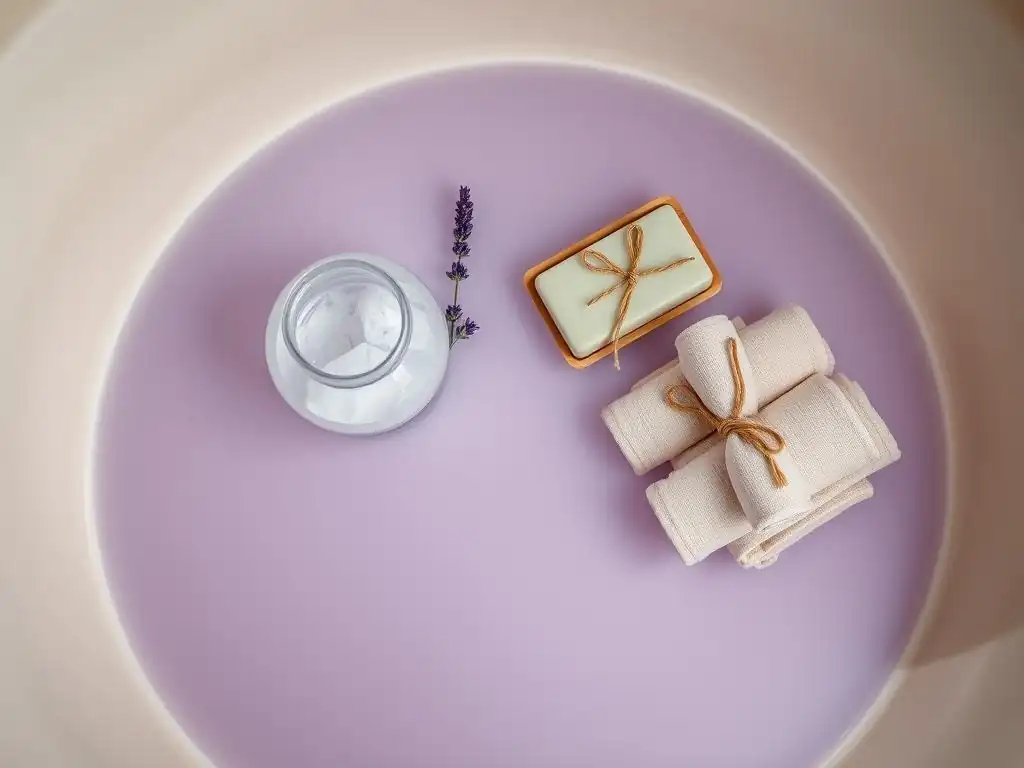
Aromatherapy bath products, such as bath bombs, bath salts, and bath oils infused with calming essential oils, offer a luxurious and therapeutic way to unwind. The combination of warm water, which is inherently relaxing, and the inhalation of soothing aromas creates a powerful environment for stress reduction and self-care.
Gifting aromatherapy bath products encourages the recipient to carve out dedicated time for relaxation, a crucial element in managing anxiety. A warm bath infused with calming scents can help ease muscle tension, quiet a busy mind, and promote a sense of peace. It's a simple yet effective way to transform an everyday activity into a restorative ritual.
Bath Bombs, Salts, and Oils Infused with Calming Essential Oils
Bath bombs dissolve in water, releasing essential oils, colors, and sometimes other beneficial ingredients like Epsom salts or shea butter. Look for bath bombs made with pure essential oils rather than synthetic fragrances for true aromatherapy benefits. Calming scents like lavender, chamomile, or frankincense are popular choices.
Bath salts, often made from Epsom salts or sea salt, can be infused with essential oils. Epsom salts are known for their muscle-relaxing properties, which complement the calming effects of the oils. Bath oils, usually a carrier oil blend with added essential oils, can be added to the bathwater or applied to the skin before soaking, leaving the skin moisturized while providing aromatic benefits.
Aromatherapy Gift Baskets: A Thoughtful and Comprehensive Present
An aromatherapy gift basket is a wonderful way to provide a comprehensive self-care experience. By curating a selection of different aromatherapy products, you offer the recipient various ways to incorporate calming scents into their life, addressing different needs and preferences. It shows extra thought and effort in creating a personalized gift centered around their well-being.
A gift basket allows for a multi-sensory approach to anxiety relief, combining different methods and scents. It could include a small diffuser, a selection of single oils or blends, a calming roll-on, and a bath product. This variety ensures the recipient has options for different times of day, different locations, and different moods, maximizing the potential for aromatherapy to reduce anxiety stress.
Curating a Personalized Aromatherapy Experience
To curate a truly personalized gift basket, consider the recipient's favorite scents (or scent families, like floral or citrus), their lifestyle, and their specific anxiety challenges. Include oils known for their broad calming effects, like lavender and bergamot, but perhaps also a less common oil like frankincense or ylang ylang if you think they might appreciate a deeper or more exotic aroma.
Add complementary items like a soft eye mask, a comforting tea blend (chamomile or valerian root), or a journal for reflection. Include a small guide explaining the included oils and how to use the different products safely. This level of detail transforms a simple collection of items into a thoughtful, supportive kit designed to help them navigate anxiety with the power of scent and self-care.
Real-Life Examples: How Aromatherapy Has Helped Others Manage Anxiety
Case Study 1: Using Lavender Oil to Reduce Panic Attacks
Sarah, a 35-year-old marketing executive, struggled with debilitating panic attacks that often struck unexpectedly, making it difficult to commute or attend meetings. She was seeking non-pharmacological ways to manage these episodes. On the recommendation of a therapist, she began keeping a small roller bottle of diluted lavender essential oil in her pocket.
When she felt the initial symptoms of a panic attack – rapid heartbeat, shortness of breath, dizziness – she would step away if possible, or simply discreetly apply the lavender roll-on to her wrists and take several slow, deep breaths, focusing on the calming aroma. While it didn't eliminate the panic attacks entirely, she reported that using the lavender oil seemed to significantly shorten their duration and reduce their intensity, estimating a 30-40% reduction in the severity of her symptoms after a few weeks of consistent use during episodes.
The ritual of applying the oil also gave her a sense of agency during moments of feeling out of control.
Case Study 2: Employing Bergamot Oil to Improve Mood and Reduce Seasonal Affective Disorder
Mark, a 50-year-old accountant, experienced significant anxiety and low mood, particularly during the darker winter months, consistent with Seasonal Affective Disorder (SAD). He felt sluggish, worried, and lacked motivation. Looking for natural ways to lift his spirits, he started diffusing bergamot essential oil in his home office each morning.
He would add 5-7 drops of bergamot oil to his ultrasonic diffuser while starting his workday. Within 10-15 minutes, he noticed a subtle shift in his mood – feeling slightly more energetic and less weighed down by worry.
Over the course of one winter season, he found that the daily diffusion of bergamot seemed to significantly mitigate his typical winter slump, helping him maintain a more stable mood and reducing the pervasive anxiety associated with that time of year. He described feeling "noticeably brighter" and more capable of tackling tasks compared to previous winters, attributing much of this improvement to the daily bergamot ritual.
Case Study 3: Utilizing Chamomile Oil to Improve Sleep Quality and Decrease Nighttime Anxiety
Emily, a 28-year-old student, suffered from nighttime anxiety that made falling asleep incredibly difficult. She would lie awake for hours, her mind racing with worries about school, finances, and the future, leading to exhaustion and increased anxiety the next day. She wanted a gentle, natural sleep aid.
She decided to try using Roman Chamomile essential oil. Before bed, she would add 3-4 drops of chamomile oil to a small diffuser on her bedside table or add a few drops to a warm foot bath. She also created a simple roll-on blend (2% dilution) with chamomile and a carrier oil to apply to her temples and neck.
She found that the sweet, calming aroma of chamomile helped quiet her racing thoughts and signaled to her body that it was time to relax. After about a week, she reported falling asleep faster, estimating it took her half the time it used to. Her overall sleep quality improved, which in turn reduced her daytime anxiety levels, creating a positive cycle of calm and rest.
Conclusion: Giving the Gift of Calm with Aromatherapy
Recap of the Best Essential Oils and Aromatherapy Products for Anxiety
Aromatherapy offers a beautiful and effective way to support mental well-being and help manage anxiety. We've explored some of the best essential oils for this purpose, including the classic calming power of lavender, the gentle soothing of chamomile, the uplifting cheer of bergamot, the grounding peace of frankincense, and the tension-releasing properties of ylang ylang. Each oil possesses unique characteristics that can address different facets of anxiety and stress.
Beyond single oils, thoughtful aromatherapy gifts can include versatile items like essential oil diffuser sets for creating calming spaces, portable aromatherapy jewelry for on-the-go relief, convenient pre-blended roll-ons for targeted application, luxurious bath products for self-care rituals, and comprehensive gift baskets that offer a range of options. Choosing a gift that aligns with the recipient's needs and preferences enhances its potential to provide genuine comfort and support.
Encouraging Continued Exploration of Natural Anxiety Relief Methods
Giving an aromatherapy gift is more than just presenting a pleasant scent; it's offering a tool for self-care and an invitation to explore natural ways to nurture mental health. For someone struggling with anxiety, having accessible methods to find moments of calm can be incredibly empowering. Aromatherapy, when used safely and thoughtfully, can be a valuable addition to a holistic approach to managing stress and anxiety, complementing other strategies like therapy, mindfulness, and healthy lifestyle choices.
We encourage those receiving or giving these gifts to continue learning about essential oils and aromatherapy practices. Understanding proper usage, safety precautions, and the unique properties of different oils allows for a more informed and beneficial experience. By embracing aromatherapy reduce anxiety stress naturally, individuals can cultivate a greater sense of peace and well-being in their lives.
Frequently Asked Questions
What is Aromatherapy and how can it reduce anxiety stress?
Aromatherapy involves using essential oils derived from plants to promote mental and physical well-being. Certain scents can stimulate the brain to release chemicals that help reduce stress and anxiety.
Which essential oils are most effective for calming anxious minds?
Lavender, chamomile, and bergamot are commonly recommended for their calming and relaxing properties. These oils can reduce anxiety stress by promoting a sense of peace.
How can I incorporate aromatherapy into my daily routine to reduce anxiety stress?
You can use essential oil diffusers, add oils to bathwater, apply diluted oils topically, or use aromatherapy inhalers. Incorporating these practices regularly can reduce anxiety stress over time.
Are there any potential side effects or precautions I should be aware of when using aromatherapy?
Some people may experience allergic reactions or skin sensitivities. Always dilute essential oils properly and consult with a healthcare professional, especially if pregnant or have pre-existing conditions.
Can aromatherapy completely cure anxiety, or is it just a complementary therapy?
Aromatherapy is generally considered a complementary therapy and not a cure for anxiety. It can be a valuable tool to reduce anxiety stress when used in conjunction with other treatments and lifestyle changes.
Final Reflection: The Soothing Power of Scent in a Stressed World
The pervasive anxiety of modern life demands innovative solutions, and the ancient practice of aromatherapy offers a surprisingly effective, accessible, and natural pathway to calmer minds. The power of essential oils to influence our emotional state is not merely a trendy wellness practice; it's a tangible tool for managing stress and promoting well-being in a world increasingly demanding our mental resilience.
The exploration of aromatherapy's calming effects throughout this article highlights its profound influence on our cultural landscape. We are increasingly seeking holistic approaches to mental health, moving beyond purely pharmaceutical solutions. The body remembers what the mind forgets.
This quote speaks to the deep connection between our physical and emotional selves, a connection aromatherapy beautifully bridges. The growing popularity of essential oil diffusers, bath products, and even aromatherapy-infused skincare reflects a societal shift towards prioritizing mental wellness and finding solace in natural remedies.
Consider the potential within your reach. You don't need a prescription or a therapist's appointment to experience the calming benefits of lavender, the uplifting energy of citrus, or the grounding presence of sandalwood. Take a moment today to explore the scents that resonate with you. Experiment with different essential oils, create your own calming blends, and discover the unique power of aromatherapy to nurture your mental and emotional well-being. Let the soothing power of scent be your ally in navigating the challenges of modern life.
Unwind Your Mind: Discover Your Next Calming Ritual
Thank you for taking the time to explore the world of aromatherapy and its power to soothe anxiety. We hope you discovered some valuable insights into creating a more peaceful mind. Ready to take the next step towards tranquility?
- Craft your perfect calming blend: Experiment with the essential oil combinations we discussed, tailoring them to your personal preferences and needs. Try adding a few drops to your bath, diffuser, or even a simple rollerball for on-the-go relaxation.
- Share your calming discoveries: Let your friends and family know about the benefits you've experienced. Recommend your favorite blends or techniques from the article to help them find their own path to serenity.
- Challenge yourself to a 10-minute mindfulness session: Combine your favorite essential oil blend with a short meditation to truly amplify the calming effects. Try this simple technique consistently for a week and see what changes you notice.
What calming ritual are you most excited to try first, and why?