
How Long Does It Take? Duration of EvidenceBased Therapy for PTSD

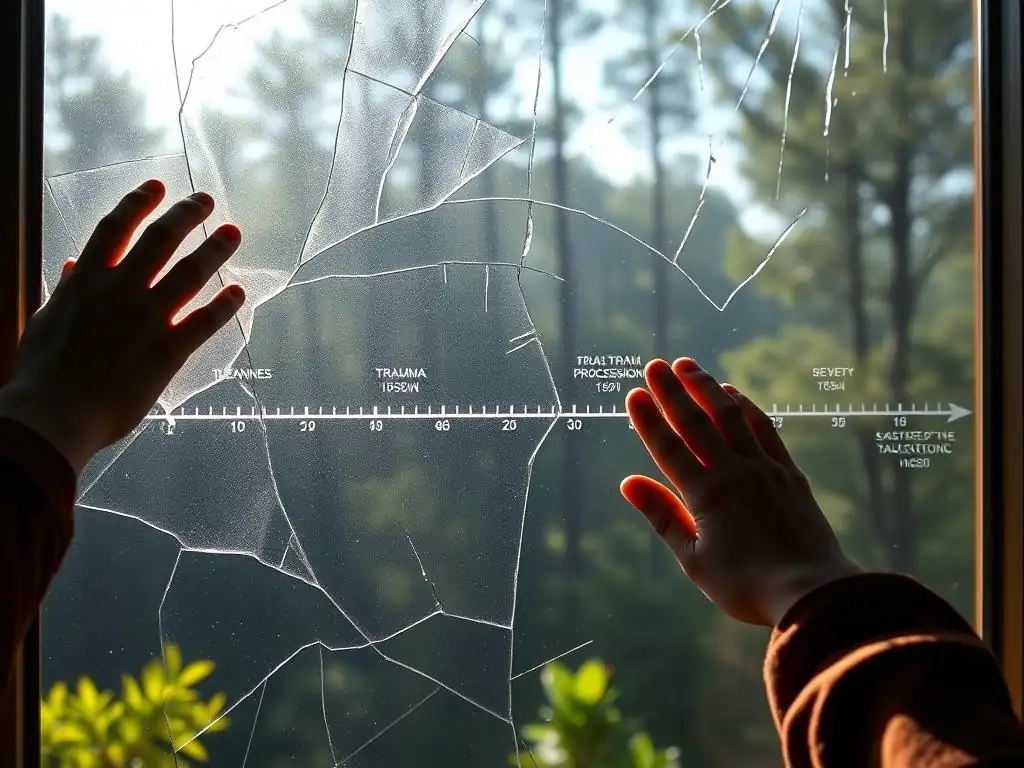
Welcome to Mind Care Guide, a safe space to explore the intricate landscape of mental well-being. Feeling overwhelmed by the path to recovery? You're not alone. Many seeking relief from trauma wonder: How long will this journey take? Dive into our comprehensive guide on PTSD therapy duration timeline to unravel the factors influencing treatment length and empower yourself with realistic expectations. Let's navigate the healing process together.
Duration of Evidence-Based Therapy for PTSD
- Understanding PTSD Therapy Timelines
- Factors Influencing PTSD Therapy Duration: A Personalized Approach
-
Common Evidence-Based Therapies for PTSD and Their Typical Duration
- Cognitive Processing Therapy (CPT) Duration: What to Expect
- Prolonged Exposure (PE) Therapy Duration: A Detailed Look
- Eye Movement Desensitization and Reprocessing (EMDR) Therapy Duration: An Overview
- Trauma-Focused Cognitive Behavioral Therapy (TF-CBT) Duration: Specifics for Children and Adolescents
- Comparing PTSD Therapy Durations: A Side-by-Side Analysis
- Optimizing Your PTSD Therapy Duration: Maximizing Treatment Effectiveness
- What to Do If Therapy Takes Longer Than Expected
- Maintaining Progress After PTSD Therapy: Long-Term Wellbeing
- Finding the Right PTSD Therapist and Treatment Plan
-
Frequently Asked Questions
- How long does evidence-based therapy for PTSD typically last?
- What factors influence the PTSD therapy duration timeline?
- Is there a standard "one-size-fits-all" PTSD therapy duration?
- What happens if PTSD symptoms persist beyond the initial therapy timeline?
- What are some signs that PTSD therapy is progressing well within the expected timeline?
- Final Reflection: The Evolving Timeline of PTSD Healing
- Unlock Your Healing Journey: Next Steps to PTSD Recovery
Understanding PTSD Therapy Timelines
What is Post-Traumatic Stress Disorder (PTSD)?
Post-Traumatic Stress Disorder (PTSD) is a mental health condition that can develop after a person has experienced or witnessed a traumatic event. These events can be varied, including but not limited to military combat, natural disasters, serious accidents, terrorist acts, sexual assault, or other violent personal assaults. Individuals with PTSD often experience intense, disturbing thoughts and feelings related to their traumatic experience that last long after the traumatic event has ended.
They may relive the event through flashbacks or nightmares, feel sadness, fear, or anger, and may feel detached or estranged from other people. Symptoms can significantly impair daily life, affecting relationships, work, and overall well-being.
The diagnosis of PTSD requires the presence of specific symptom clusters persisting for more than one month. These clusters typically include re-experiencing symptoms (e.g., flashbacks, nightmares), avoidance symptoms (e.g., avoiding places or people associated with the trauma), negative alterations in cognition and mood (e.g., difficulty remembering aspects of the trauma, negative beliefs about oneself or the world, detachment), and alterations in arousal and reactivity (e.g., irritability, difficulty concentrating, hypervigilance). Recognizing these symptoms is the first step toward seeking effective treatment and understanding the potential PTSD therapy duration timeline.
The Importance of Evidence-Based Treatments for PTSD
For individuals suffering from PTSD, seeking professional help is crucial. Evidence-based treatments are therapeutic approaches that have been rigorously tested through scientific research and proven to be effective in reducing PTSD symptoms. These treatments are recommended by major health organizations because their efficacy has been demonstrated in clinical trials. Unlike unproven therapies, evidence-based methods provide a structured and systematic approach to processing traumatic memories and developing coping strategies, significantly increasing the likelihood of recovery.
Focusing on evidence-based treatments is essential because they offer the most reliable path to healing and symptom reduction. Therapies like Cognitive Processing Therapy (CPT), Prolonged Exposure (PE), Eye Movement Desensitization and Reprocessing (EMDR), and Trauma-Focused Cognitive Behavioral Therapy (TF-CBT) have extensive research supporting their use for PTSD across various populations and trauma types. Understanding the typical PTSD treatment timeline associated with these proven methods helps individuals set realistic expectations and commit to the therapeutic process, which is a critical factor in achieving positive outcomes and navigating the duration of PTSD therapy.
Factors Influencing PTSD Therapy Duration: A Personalized Approach
The question "how long does PTSD therapy take?" does not have a single, simple answer. The duration of evidence-based therapy for PTSD is highly variable and depends on a combination of individual factors. While therapeutic models provide a general timeline, the actual length of treatment is tailored to the specific needs and circumstances of each person. Recognizing these influencing factors is key to understanding the potential PTSD therapy duration timeline for an individual.
Several key elements play a significant role in determining how long therapy might last. These include the severity and complexity of the trauma, the presence of other mental health conditions, the individual's unique response to treatment, and the specific type of therapy chosen. A therapist will assess these factors during initial sessions to provide a more personalized estimate of the expected timeline for PTSD treatment.
Severity of PTSD Symptoms and Trauma History
The intensity and range of PTSD symptoms an individual experiences can significantly impact the duration of therapy. Someone with very severe symptoms, such as frequent dissociative episodes or intense avoidance behaviors that severely limit daily functioning, may require more time in therapy than someone with milder symptoms. The complexity of the trauma history also plays a crucial role. Single-incident traumas (like a car accident) may sometimes be resolved in fewer sessions than complex trauma involving repeated or prolonged exposure to traumatic events, especially during critical developmental periods (like childhood abuse).
For example, a person experiencing PTSD from a single, recent traumatic event might see significant symptom reduction within a standard 12-week protocol of CPT or PE. Conversely, an individual with a history of complex trauma stemming from years of abuse might need a longer treatment timeline, potentially extending beyond 20 or even 30 sessions, to safely process multiple traumatic memories and address associated relational and self-esteem issues within their PTSD therapy duration timeline.
Co-occurring Mental Health Conditions
It is common for individuals with PTSD to also experience other mental health conditions, such as depression, anxiety disorders, substance use disorders, or dissociative disorders. These co-occurring conditions, also known as comorbidities, can complicate treatment and potentially extend the overall duration of therapy. Addressing these additional challenges is often necessary for successful PTSD treatment.
When co-occurring conditions are present, therapy may need to be sequenced or integrated to manage the most pressing issues first or treat them concurrently. For instance, active substance use or severe depression might need initial stabilization before trauma processing can safely and effectively begin. This integration or sequencing adds layers to the treatment process, directly influencing the how long does PTSD therapy last and the overall timeline for PTSD treatment.
Individual Response to Treatment
Every person responds to therapy differently. Factors such as resilience, coping skills, motivation for change, and the ability to engage in therapeutic tasks (like homework assignments) can affect the pace of progress. Some individuals may process traumatic material relatively quickly and experience rapid symptom improvement, while others may need more time to feel safe enough to engage with difficult memories or learn new coping skills.
An individual's level of support outside of therapy (from family, friends, or support groups) and their overall life stability can also influence their ability to benefit from treatment and thus the duration of their PTSD therapy. A person facing significant current life stressors, such as homelessness or an unstable relationship, may find it harder to focus on trauma processing, potentially extending the timeline for PTSD treatment compared to someone in a more stable environment.
Type of Evidence-Based Therapy Chosen
While several evidence-based therapies are effective for PTSD, their typical structures and protocols can vary in length. Understanding these differences is important when considering the potential PTSD therapy duration timeline. Some therapies have more fixed session protocols, while others are more flexible.
For example, standard protocols for CPT and PE often involve a specific number of sessions delivered over a defined period, such as 12 weeks. EMDR therapy, while also structured, can be more variable in session count depending on the complexity of the trauma and the number of target memories. Trauma-Focused CBT for children and adolescents also has a specific structure, but its application can be adapted to the child's age and developmental level, impacting the overall PTSD therapy length.
Common Evidence-Based Therapies for PTSD and Their Typical Duration

Several therapeutic approaches are widely recognized as effective for treating PTSD. Each has its own methodology, structure, and typical duration, providing different timelines for PTSD treatment. It's important to remember that these are typical durations, and individual experiences may vary based on the factors discussed previously.
Understanding the standard PTSD therapy duration timeline for these specific modalities can help individuals know what to potentially expect when starting treatment. The most common evidence-based therapies for PTSD include Cognitive Processing Therapy (CPT), Prolonged Exposure (PE), Eye Movement Desensitization and Reprocessing (EMDR), and Trauma-Focused Cognitive Behavioral Therapy (TF-CBT), particularly for younger populations.
Cognitive Processing Therapy (CPT) Duration: What to Expect
Cognitive Processing Therapy (CPT) is a type of cognitive behavioral therapy that helps individuals examine and challenge unhelpful beliefs about the trauma and its aftermath. It typically involves identifying "stuck points" – thoughts that keep individuals from recovering – and learning skills to evaluate these thoughts and develop more balanced perspectives. CPT has strong evidence supporting its effectiveness for various types of trauma.
Typical CPT Timeline and Session Frequency
A standard course of CPT typically involves 12 sessions, usually conducted once per week. Each session lasts approximately 50-60 minutes. This structure provides a relatively focused and time-limited approach to trauma processing. The protocol is designed to be completed within about three months, offering a clear PTSD therapy duration timeline for many individuals.
The 12-session model includes specific modules covering topics like understanding PTSD, identifying thoughts and feelings, challenging beliefs (using Socratic questioning and writing exercises), and processing the meaning of the trauma. While 12 sessions is the standard, some individuals may benefit from a few additional sessions if needed to consolidate skills or address specific lingering challenges, potentially extending the timeline slightly.
Factors Affecting CPT Treatment Length
While the 12-session protocol is common, several factors can influence whether CPT takes more or less time. The complexity of the trauma history is a major factor; individuals with multiple or complex traumas may require more time to apply CPT principles to various aspects of their experience. The presence of severe co-occurring conditions, such as severe depression or active substance use, can also necessitate a longer treatment duration, perhaps requiring preliminary work before fully engaging in CPT or needing parallel treatment.
Client engagement is another key factor influencing the CPT timeline. Consistent attendance, active participation in session discussions, and diligent completion of homework assignments (such as the written accounts of the trauma and challenging thought records) are crucial for making timely progress. Individuals who struggle with homework or attendance may find that their CPT treatment takes longer than the typical 12 weeks, impacting their overall PTSD therapy duration timeline.
Prolonged Exposure (PE) Therapy Duration: A Detailed Look
Prolonged Exposure (PE) therapy is another highly effective evidence-based treatment for PTSD. It is based on the principle that confronting safe but avoided trauma-related memories, feelings, and situations helps individuals process the trauma and reduce symptoms. PE involves two main components: imaginal exposure (revisiting the trauma memory verbally in session) and in vivo exposure (gradually confronting trauma-related situations or places that are now avoided).
Standard PE Timeline and Treatment Protocol
The standard PE protocol typically consists of 8 to 15 sessions, also usually conducted once per week. Each session is often longer than standard therapy, lasting 60 to 90 minutes, to allow ample time for the exposure exercises. This means a typical course of PE can range from about two to four months, providing a relatively defined PTSD therapy duration timeline.
The structure of PE involves initial sessions focusing on psychoeducation about PTSD and the rationale for exposure, followed by repeated, systematic imaginal and in vivo exposure exercises. Homework assignments are critical in PE, involving listening to session recordings of the imaginal exposure and practicing in vivo exposures between sessions. Consistent engagement with these homework assignments is vital for the therapy's effectiveness and adherence to the typical timeline.
Potential Adjustments to PE Therapy Length
Similar to CPT, the actual duration of PE can vary. Individuals with very severe avoidance behaviors might need more time to build a hierarchy of feared situations for in vivo exposure. Complex trauma histories can also necessitate more sessions to address multiple traumatic memories through imaginal exposure, potentially pushing the session count towards the higher end of the typical range or beyond.
Client readiness and distress tolerance also play a role. While PE is designed to be challenging, therapists work at a pace the client can manage. If significant roadblocks arise, such as difficulty tolerating distress during exposure or significant life crises occurring during treatment, the therapist may adjust the pace or number of sessions. This flexibility means the PTSD therapy duration timeline for PE can sometimes extend past the standard 15 sessions, though the core protocol remains focused.
Eye Movement Desensitization and Reprocessing (EMDR) Therapy Duration: An Overview
Eye Movement Desensitization and Reprocessing (EMDR) therapy is an integrative psychotherapy approach that has been extensively researched and proven effective for trauma. EMDR therapy helps people heal from the symptoms and emotional distress that are the result of disturbing life experiences. It involves recalling distressing memories while simultaneously experiencing bilateral stimulation, such as side-to-side eye movements, sounds, or taps.
Typical EMDR Therapy Timeline and Phases
The duration of EMDR therapy is often more variable than CPT or PE, as it depends significantly on the complexity of the trauma and the number of target memories needing processing. A complete course of EMDR therapy typically involves 6 to 12 sessions, although complex trauma cases may require significantly more sessions, potentially 20 or more. Sessions usually last 60 to 90 minutes.
EMDR follows an eight-phase approach, starting with history-taking and treatment planning, preparation (building coping skills), assessment of the target memory, desensitization (the bilateral stimulation phase), installation (strengthening positive beliefs), body scan, closure, and reevaluation in subsequent sessions. The number of sessions dedicated to the desensitization phase depends on how quickly the client can process the target memories, directly influencing the overall PTSD therapy duration timeline.
Variables Impacting EMDR Therapy Length
Many factors influence the length of EMDR therapy. The number of distinct traumatic memories or "targets" that need processing is a primary driver of duration. Someone with a single-incident trauma might complete processing in just a few desensitization sessions, while someone with chronic or multiple traumas will have many more targets, requiring a longer overall EMDR timeline.
The client's ability to tolerate distress and their access to internal and external resources also impact how quickly they can move through the processing phases. If a client becomes easily overwhelmed during processing, more time may be needed for stabilization and resource-building in the preparation phase, extending the overall PTSD therapy length. The presence of dissociative symptoms can also necessitate a slower pace and more preparatory work, influencing the total number of sessions.
Trauma-Focused Cognitive Behavioral Therapy (TF-CBT) Duration: Specifics for Children and Adolescents
Trauma-Focused Cognitive Behavioral Therapy (TF-CBT) is an evidence-based treatment specifically designed for children and adolescents who are experiencing emotional or behavioral difficulties related to traumatic life events. It is typically delivered to the child and their non-offending caregiver together, making it a family-centered approach. TF-CBT addresses the unique needs of young people impacted by trauma.
TF-CBT Timeline and Components
TF-CBT typically involves 8 to 25 sessions, depending on the child's needs, the complexity of the trauma, and the family's progress. Sessions are usually conducted once per week and last about 60-90 minutes. The therapy is structured around a set of components often remembered by the acronym PRACTICE: Psychoeducation and Parenting Skills, Relaxation, Affect Regulation, Cognitive Processing, Trauma Narrative, In Vivo Exposure (optional and modified for children), Conjoint Child-Parent Sessions, and Enhancing Safety.
The trauma narrative component, where the child gradually tells the story of their trauma in a safe environment, is a central part of the therapy and often takes several sessions. The time spent on each component varies based on the child's and caregiver's needs, directly influencing the overall TF-CBT PTSD therapy duration timeline.
Duration Considerations for TF-CBT
The age and developmental level of the child significantly impact the duration of TF-CBT. Younger children may require more time on psychoeducation and emotion regulation skills, while adolescents might benefit from more in-depth cognitive processing. The caregiver's engagement and ability to support the child are also critical factors; consistent caregiver participation is essential for the therapy to stay on track within its typical timeline.
The type and severity of the trauma also influence how long TF-CBT takes. Children with complex trauma or those who have experienced multiple traumatic events may require more sessions to process their experiences and build coping skills. The presence of co-occurring behavioral problems or mental health issues in either the child or the caregiver can also extend the treatment length, requiring additional focus within the sessions or potentially referral for adjunctive services, thereby affecting the overall PTSD therapy length.
Comparing PTSD Therapy Durations: A Side-by-Side Analysis
When considering the PTSD therapy duration timeline, it can be helpful to compare the typical lengths of the most common evidence-based treatments. While efficacy is a primary consideration, understanding the expected time commitment for each therapy can aid in treatment planning and setting realistic expectations. It's crucial to remember that "typical" durations are averages, and individual experiences will vary.
Comparing the timelines allows individuals to discuss with their therapist which approach might best fit their needs, lifestyle, and desired pace of recovery. Factors like session frequency, homework requirements, and the depth of trauma processing can differ between therapies, influencing the overall PTSD treatment timeline.
CPT vs. PE: Duration and Effectiveness
Both CPT and PE are highly effective treatments for PTSD with robust research support. Their typical durations are quite similar, with standard CPT protocols being around 12 sessions and standard PE protocols ranging from 8 to 15 sessions. Both are often delivered weekly, meaning a typical course for either therapy usually falls within a 2 to 4-month timeframe.
While the length is comparable, the focus differs. CPT emphasizes challenging unhelpful thoughts related to the trauma, while PE focuses on confronting trauma memories and avoided situations. Research generally shows comparable effectiveness between CPT and PE for many individuals, meaning the choice between them may come down to client preference, therapist availability, and which approach resonates more with the individual's way of processing experiences, rather than one being consistently shorter than the other in practice for the same level of symptom reduction.
EMDR vs. Cognitive Therapies: Timeline Differences
EMDR therapy's typical duration of 6 to 12 sessions (for single-incident trauma) can sometimes be shorter than the standard 12-15 sessions for CPT or PE. However, for complex trauma, EMDR can extend significantly, potentially requiring 20 or more sessions, which might be longer than the average duration for complex cases in CPT or PE, though those can also extend.
The difference lies partly in the process. CPT and PE follow structured, manualized protocols with a set number of sessions focusing on specific skills or exposures. EMDR's duration is more directly tied to the number of traumatic memories needing processing and the client's ability to process them using bilateral stimulation. Thus, while EMDR might be quicker for a single, uncomplicated trauma, the PTSD therapy duration timeline for complex trauma can be quite extensive across all modalities, with EMDR potentially requiring more sessions if there are many distinct memories to target.
TF-CBT vs. Adult Therapies: Duration Considerations
TF-CBT for children and adolescents (typically 8-25 sessions) often has a wider range of sessions than adult therapies like CPT or PE (typically 8-15 sessions). This difference reflects the unique aspects of working with children and families. TF-CBT includes components like parent training and conjoint sessions, which add time and complexity not present in individual adult therapies.
The developmental stage of the child and the need to involve a caregiver are significant factors contributing to the potentially longer or more variable timeline of TF-CBT compared to adult treatments. The therapy must be adapted to the child's age and cognitive abilities, and progress often depends on the family system's engagement, all of which can influence the overall PTSD therapy length for young people.
Optimizing Your PTSD Therapy Duration: Maximizing Treatment Effectiveness
While the PTSD therapy duration timeline is influenced by many factors outside of your direct control, there are significant steps you can take as a client to potentially optimize your treatment length and maximize its effectiveness. Active participation and commitment to the process are powerful drivers of progress in therapy. Taking ownership of your role in treatment can lead to more efficient processing and symptom reduction.
Engaging fully in the therapeutic process not only helps you potentially move through the treatment more effectively within the typical timeline but also enhances the lasting impact of the skills and insights gained. Your actions outside of the therapy room are just as important as the work done during sessions in determining your overall PTSD therapy duration and success.
Active Participation in Therapy
Being an active participant means more than just showing up for appointments. It involves being open and honest with your therapist, engaging fully in discussions and exercises during sessions, and being willing to explore difficult thoughts, feelings, and memories related to the trauma. Asking questions, seeking clarification, and providing feedback to your therapist about what feels helpful or challenging are all forms of active participation.
When you actively engage, you help your therapist tailor the treatment more effectively to your specific needs and challenges. This collaborative approach ensures that the therapy is focused and addresses the core issues driving your PTSD symptoms, which can lead to more efficient progress and potentially a shorter PTSD therapy duration timeline within the expected range.
Consistent Attendance and Completion of Homework
Consistency is key in evidence-based trauma therapies. Attending sessions regularly, ideally on a weekly basis as recommended by most protocols, helps maintain momentum and build upon the work from previous sessions. Skipping sessions can disrupt the therapeutic process and potentially extend the overall time needed to complete treatment.
Completing homework assignments between sessions is equally vital. Whether it's practicing relaxation techniques, challenging negative thoughts, writing about the trauma, or engaging in exposure exercises, homework is designed to help you practice and apply therapeutic skills in your daily life. Diligent completion of homework reinforces learning and accelerates progress, significantly impacting how long does PTSD therapy take.
Open Communication with Your Therapist
Maintaining open and honest communication with your therapist is crucial throughout the treatment process. Share how you are feeling, any challenges you are facing with the therapy or homework, and any concerns you have about the pace or direction of treatment. Your therapist is there to support you and can adjust the approach if needed, but they rely on your feedback.
If you feel stuck, overwhelmed, or unsure about any aspect of the therapy, voice these concerns. Open communication allows your therapist to address potential roadblocks proactively, ensuring the therapy remains effective and efficient. This transparency contributes to a smoother process and can help keep the PTSD therapy duration timeline on track.
Addressing Roadblocks and Challenges in Therapy
It is common to encounter challenges during trauma therapy. Processing traumatic memories can be emotionally difficult, and you might feel worse before you feel better. Roadblocks could include increased anxiety, avoidance tendencies resurfacing, difficulty completing homework, or encountering unexpected emotional responses. It's important not to view these as failures but as part of the healing process.
Discussing these challenges openly with your therapist allows you to work through them together. Therapists are trained to help you navigate distress and overcome obstacles that arise during treatment. Addressing these issues directly prevents them from derailing your progress and potentially extending the overall PTSD therapy length.
What to Do If Therapy Takes Longer Than Expected

Sometimes, despite your best efforts and the use of evidence-based methods, therapy for PTSD may take longer than the typical duration initially discussed. This is not uncommon and does not mean that therapy isn't working. Several factors can contribute to a longer timeline, and it's important to address this situation constructively with your therapist.
Understanding that healing is not always a linear process and that setbacks can occur is part of managing expectations for the PTSD therapy duration timeline. If you find yourself needing more sessions than initially anticipated, it's an opportunity to re-evaluate the treatment plan and ensure you are getting the support you need.
Understanding Potential Setbacks
Setbacks in therapy can happen for various reasons. They might include experiencing a new stressor or traumatic event during treatment, encountering complex or previously undisclosed trauma memories, difficulty managing intense emotions, or the emergence of significant co-occurring issues that weren't fully apparent at the outset. Sometimes, progress plateaus, or symptoms temporarily worsen as you delve into deeper trauma processing.
These setbacks are not necessarily indicative of treatment failure but rather highlight the complex nature of trauma recovery. They may simply mean that the initial estimated PTSD treatment timeline needs adjustment to accommodate these challenges and ensure thorough healing.
Collaborating with Your Therapist on Treatment Adjustments
If therapy is taking longer than expected, have an open conversation with your therapist. Discuss the reasons why progress might be slower and explore potential adjustments to the treatment plan. This might involve increasing session frequency temporarily, focusing on specific skills or modules that are proving challenging, or dedicating more time to addressing co-occurring conditions.
Your therapist can help you understand the reasons for the extended timeline and work with you to set new goals and expectations. This collaborative approach ensures that the extra time in therapy is productive and continues to move you towards recovery, refining the estimated PTSD therapy duration timeline as needed.
Exploring Alternative or Adjunctive Therapies
In some cases, if progress significantly stalls or specific issues remain unresolved after a substantial number of sessions in one modality, your therapist might suggest exploring an alternative evidence-based therapy for PTSD or incorporating adjunctive treatments. For example, if one type of cognitive therapy hasn't yielded the desired results, trying another like EMDR might be beneficial.
Adjunctive therapies, such as medication for managing severe anxiety or depression, or other therapeutic modalities like Dialectical Behavior Therapy (DBT) for emotion regulation difficulties, can be used alongside trauma-focused therapy to address co-occurring issues that are hindering progress. Discussing these options with your therapist can help determine if a change in approach or adding resources might help you move forward in your healing journey, even if it means adjusting the initial PTSD therapy duration timeline.
Maintaining Progress After PTSD Therapy: Long-Term Wellbeing
Completing a course of evidence-based therapy for PTSD is a significant achievement, marking a major step in your healing journey. However, recovery is often an ongoing process. Maintaining the gains made in therapy and continuing to support your mental well-being is crucial for long-term resilience and preventing relapse. Understanding that the end of structured therapy isn't the end of the journey is vital for sustained recovery beyond the initial PTSD therapy duration timeline.
Implementing strategies learned in therapy and actively engaging in self-care and support systems are key to navigating life after formal treatment ends. The skills you've developed are tools for managing future challenges and reinforcing your recovery.
Continuing Self-Care Practices
The coping skills and self-care strategies learned in therapy, such as relaxation techniques, mindfulness, healthy sleep hygiene, regular exercise, and balanced nutrition, should be continued as part of your daily routine. These practices help manage stress, regulate emotions, and maintain overall physical and mental health, which are protective factors against the return of severe PTSD symptoms.
Think of these practices not as optional extras but as essential components of your ongoing well-being plan. Consistently applying what you've learned helps solidify your recovery beyond the structured PTSD therapy duration timeline.
Identifying and Managing Triggers
You've likely worked on identifying and managing trauma triggers during therapy. This skill remains important after treatment ends. Triggers are reminders of the trauma that can evoke intense emotional or physical reactions. While therapy helps reduce the power of triggers, they may still occur.
Continuing to identify potential triggers and using the coping strategies you practiced in therapy (like grounding techniques or cognitive reframing) to manage your reactions is vital. This ongoing practice reinforces your resilience and ability to navigate challenging situations without experiencing a full return of disabling symptoms.
Seeking Support from Loved Ones and Support Groups
Maintaining connections with supportive friends, family members, or partners is a powerful resource for long-term well-being. Don't hesitate to reach out to your support network when you are struggling or simply need connection. Sharing your experiences (as you feel comfortable) and receiving understanding can be incredibly validating.
Joining a PTSD support group, either in-person or online, can also provide ongoing connection with others who have similar experiences. Hearing about others' journeys and sharing your own can reduce feelings of isolation and provide practical tips for managing life after therapy, contributing to sustained recovery beyond the typical PTSD therapy duration timeline.
When to Consider Booster Sessions or Additional Therapy
It is not uncommon for individuals to face new challenges or experience periods where symptoms seem to resurface, particularly during times of stress. This doesn't mean treatment failed. Knowing when to seek additional support is a sign of strength and proactive self-care.
Consider reaching out to your former therapist or seeking new professional help if:
- PTSD symptoms significantly worsen or persist for an extended period.
- You experience a new traumatic event.
- You are struggling to cope with a major life stressor.
- You feel like you are losing the gains you made in therapy.
A few "booster sessions" can sometimes be enough to get back on track, reinforcing skills and addressing current difficulties. In other cases, a new course of therapy might be necessary, potentially exploring a different evidence-based approach or addressing newly identified issues. This proactive approach helps maintain long-term recovery and navigate the ongoing journey of healing.
Finding the Right PTSD Therapist and Treatment Plan
Embarking on therapy for PTSD is a significant step towards healing. Finding the right therapist and developing a suitable treatment plan are critical for a positive therapeutic experience and an effective PTSD therapy duration timeline. The relationship with your therapist (the therapeutic alliance) is a strong predictor of treatment success, regardless of the specific modality.
Taking the time to find a qualified professional who is a good fit for you and who specializes in evidence-based trauma treatments is an investment in your recovery. Don't hesitate to ask questions and seek out options until you find the right match.
Assessing Your Needs and Preferences
Before searching for a therapist, take some time to consider your specific needs and preferences. What type of trauma did you experience? Do you have co-occurring conditions? Are you comfortable with therapies that involve detailed discussion of the trauma, or would you prefer an approach that is less focused on narrative? Do you have a preference for individual or group therapy?
Considering these factors can help you narrow down the type of therapy and therapist that might be the best fit for you. For instance, if you are hesitant about prolonged exposure to the trauma memory, you might initially explore CPT or EMDR, while keeping in mind the typical PTSD treatment timelines associated with each.
Searching for Qualified and Experienced Therapists
It is essential to find a therapist who is specifically trained and experienced in providing evidence-based treatments for PTSD (CPT, PE, EMDR, TF-CBT). Look for therapists with relevant certifications or specialized training in trauma therapy. Professional organizations often have directories of certified therapists.
Don't be afraid to ask potential therapists about their experience treating PTSD, their approach, the specific modalities they use, and their typical outcomes or expected PTSD therapy duration timeline for cases similar to yours. A good therapist will be transparent and able to explain their treatment approach and what you can expect regarding the process and potential length of therapy.
Understanding Insurance Coverage and Payment Options
Practical considerations like insurance coverage can also influence your choice of therapist and impact your access to consistent care, which in turn can affect the PTSD therapy duration timeline. Contact your insurance provider to understand your mental health benefits, including coverage for specific therapies (like CPT, PE, or EMDR), deductibles, co-pays, and the number of sessions covered.
If you are uninsured or underinsured, explore options such as community mental health centers, university training clinics (which may offer reduced rates), or therapists who offer sliding scale fees. Discussing payment options openly with a potential therapist is important to ensure that financial concerns do not become a barrier to receiving necessary and consistent treatment within the estimated timeline for PTSD treatment.
Frequently Asked Questions
How long does evidence-based therapy for PTSD typically last?
The duration of PTSD therapy varies, but many evidence-based treatments like Cognitive Processing Therapy (CPT) or Prolonged Exposure (PE) usually last between 8 and 16 sessions. This timeframe can be adjusted based on individual needs and progress.
What factors influence the PTSD therapy duration timeline?
Several factors can impact the timeline, including the severity of the trauma, the presence of co-occurring mental health conditions, and the individual's response to treatment. Motivation and engagement also play a significant role.
Is there a standard "one-size-fits-all" PTSD therapy duration?
No, there's no single standard duration. Therapy is tailored to each individual, meaning the timeline is personalized based on their specific experiences and therapeutic goals.
What happens if PTSD symptoms persist beyond the initial therapy timeline?
If symptoms persist, the therapist may recommend extending therapy, exploring alternative treatment modalities, or referring the individual to a specialist for further evaluation.
What are some signs that PTSD therapy is progressing well within the expected timeline?
Signs of progress include a reduction in PTSD symptoms, improved coping skills, a greater sense of control over emotions, and an increased ability to engage in daily life.
Final Reflection: The Evolving Timeline of PTSD Healing
Understanding the duration of effective PTSD treatment is not just about numbers; it's about acknowledging the unique journey each individual embarks on towards healing. The research presented highlights the variability in treatment timelines, emphasizing the crucial need for personalized approaches and ongoing support. This isn't a race to a finish line, but a process of growth and resilience.
The impact of PTSD extends far beyond the individual, rippling through families and communities. The stigma surrounding mental health, and PTSD in particular, often prevents individuals from seeking help, lengthening the suffering and hindering recovery. The greatest barrier to recovery is often not the trauma itself, but the silence that surrounds it.
This quote underscores the importance of open conversations and destigmatization efforts to ensure timely access to effective therapies. We must continue to advocate for increased resources and understanding to support those navigating this complex journey.
You, the reader, now hold a clearer understanding of the factors influencing PTSD treatment duration. Consider this information not as a rigid timeline, but as a guidepost. If you or someone you know is struggling with PTSD, remember that healing is possible, and that seeking professional help is a sign of strength, not weakness. Take the first step towards understanding your own journey, and advocate for the resources and support you need to thrive. Your resilience is your greatest asset.
Unlock Your Healing Journey: Next Steps to PTSD Recovery
Thanks for taking the time to learn more about the duration of evidence-based therapy for PTSD. You've now equipped yourself with valuable knowledge to navigate this challenging journey. Let's take the next step toward healing.
- Schedule a consultation with a qualified therapist: This is the most crucial step. Finding the right therapist is key to your recovery. Don't hesitate to reach out – even a brief conversation can make a huge difference.
- Explore additional resources: Dive deeper into PTSD support groups, online forums, or reputable websites dedicated to trauma recovery. Connection is a powerful tool.
- Share this article with someone who might benefit: Knowledge and support are vital in overcoming PTSD. Spreading awareness can help others on their path to healing.
What specific step resonates most with you today, and what’s your plan to take action?