
Silence the Inner Critic: Mindfulness for Reducing Stress and Anxiety

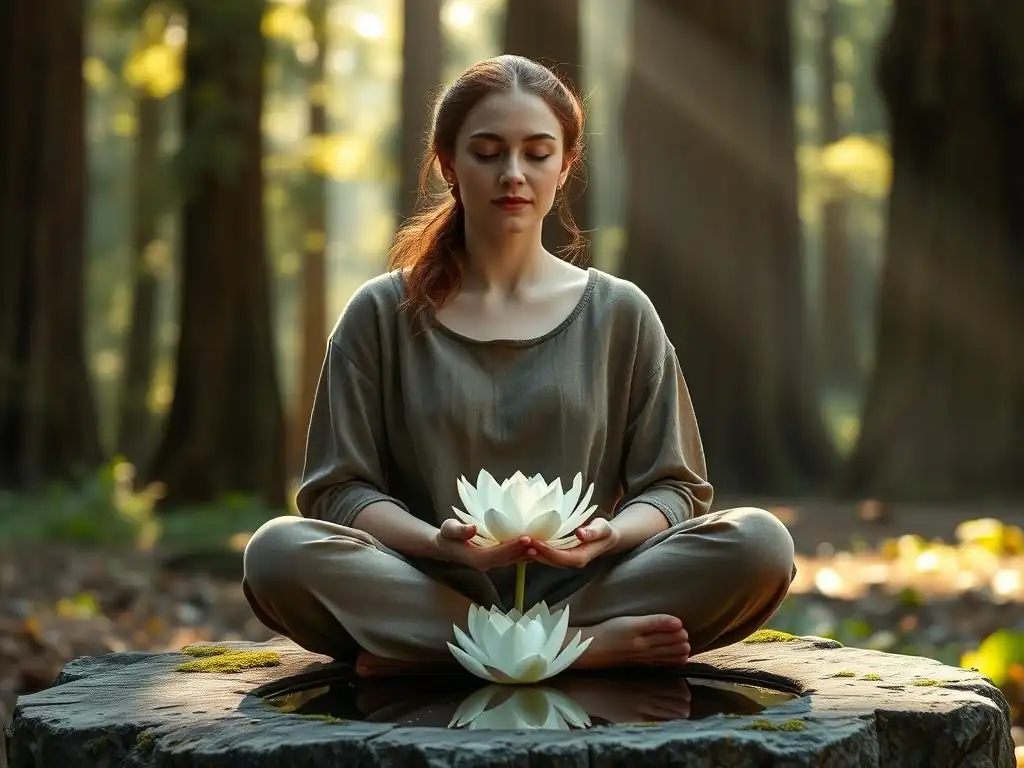
Welcome to Mind Care Guide, a sanctuary for your mental well-being.
Feeling overwhelmed by the relentless noise of daily life? You're not alone. Many struggle with the persistent hum of stress and anxiety. But what if there was a way to quiet that inner critic and find a sense of calm amidst the chaos? This week, we delve into the transformative power of mindfulness and explore how it can effectively reduce stress and anxiety. Curious to discover how this simple practice can reshape your perspective and bring lasting peace? Let's begin...
Silence the Inner Critic: Mindfulness for Reducing Stress and Anxiety
- Understanding the Inner Critic and Its Impact on Mental Well-being
- Mindfulness: A Powerful Tool to Manage Stress and Anxiety
- Practical Mindfulness Techniques to Silence Your Inner Critic
- Transforming Negative Self-Talk Through Mindfulness
- Integrating Mindfulness into Your Daily Routine for Lasting Stress Relief
- Beyond Mindfulness: Additional Strategies for Managing Stress and Anxiety
- The Long-Term Benefits of Mindfulness for Mental Health
- Conclusion: Embrace Mindfulness for a Calmer, More Compassionate Life
-
Frequently Asked Questions
- How does mindfulness specifically help reduce stress and anxiety?
- What are some simple mindfulness exercises I can start with today?
- Is mindfulness a quick fix for stress and anxiety, or does it require consistent practice?
- How does mindfulness help in quieting the "inner critic" as mentioned in the title?
- Where can I find more resources and support for practicing mindfulness for mental well-being?
- Final Reflection: Finding Peace in the Present Moment
- Unleash Your Inner Calm: Start Practicing Mindfulness Today!
Understanding the Inner Critic and Its Impact on Mental Well-being
What is the Inner Critic? Identifying Negative Self-Talk
The inner critic is that persistent, often harsh voice in our heads that judges us, points out our flaws, and highlights perceived failures. It's a form of negative self-talk that can manifest as feelings of inadequacy, guilt, shame, or fear. This internal commentary isn't based on objective reality but rather on ingrained beliefs, past experiences, and societal pressures. It might tell you you're not good enough, smart enough, or capable enough, creating a constant undercurrent of self-doubt.
Identifying the inner critic involves becoming aware of these recurring negative thoughts. They often use absolute language like "always," "never," "should," and "must." For instance, after making a small mistake, the inner critic might say, "You always mess things up; you'll never succeed." Recognizing these thought patterns is the crucial first step in learning how mindfulness reduce stress anxiety caused by this internal dialogue.
The Connection Between the Inner Critic, Stress, and Anxiety
The relentless commentary of the inner critic is a significant driver of stress and anxiety. When this voice is active, it triggers the body's stress response, releasing cortisol and adrenaline, even in the absence of an external threat. This constant state of alert can lead to chronic stress, manifesting as fatigue, irritability, difficulty concentrating, and physical symptoms like headaches or muscle tension.
Furthermore, the negative self-talk fuels anxiety by creating worries about future performance, social judgment, or potential failures. The inner critic anticipates problems and exaggerates their potential consequences, trapping individuals in a cycle of worry and fear. This internal pressure cooker significantly impacts mental well-being, making it challenging to experience peace or confidence. Effectively using mindfulness reduce stress anxiety requires addressing this root cause of negative self-perception.
Recognizing the Triggers: When Does Your Inner Critic Speak Up?
Understanding what activates your inner critic is key to managing its impact. Triggers can be specific situations, people, or even internal states. Common triggers include making mistakes, facing criticism (real or perceived), feeling overwhelmed, comparing yourself to others, stepping outside your comfort zone, or experiencing failure. Even positive events can sometimes trigger the inner critic, prompting thoughts like "You don't deserve this" or "It won't last."
Becoming mindful of these triggers allows you to anticipate when the inner critic is likely to appear. Keeping a journal or simply pausing to notice your thoughts in different situations can help you identify patterns. For example, you might notice your inner critic is loudest just before a presentation, after receiving feedback, or when you're trying something new. Recognizing these patterns empowers you to apply techniques like mindfulness reduce stress anxiety proactively when you know your inner critic is about to chime in.
Mindfulness: A Powerful Tool to Manage Stress and Anxiety
What is Mindfulness? A Beginner's Guide to Present Moment Awareness
Mindfulness is the practice of intentionally bringing your attention to the present moment without judgment. It involves observing your thoughts, feelings, bodily sensations, and the surrounding environment as they are, without trying to change or analyze them. It's about cultivating a non-reactive awareness of your current experience. This isn't about emptying your mind or achieving a state of bliss; it's simply about noticing what is happening right now.
For beginners, mindfulness often starts with focusing on the breath as an anchor to the present moment. When the mind wanders, as it inevitably will, the practice is simply to notice that it has wandered and gently bring attention back to the breath. This simple act of noticing and returning trains the mind to stay present and less caught up in rumination about the past or worry about the future, which are major sources of stress and anxiety. Learning mindfulness reduce stress anxiety begins with this fundamental practice of present moment awareness.
How Mindfulness Helps Reduce Stress: The Science Behind the Calm
The effectiveness of mindfulness in reducing stress is supported by a growing body of scientific research. Chronic stress activates the sympathetic nervous system (the "fight or flight" response). Mindfulness practice, particularly through focused attention and non-judgmental awareness, helps to activate the parasympathetic nervous system, promoting the "rest and digest" state. This shift helps lower cortisol levels and reduce physiological markers of stress, such as heart rate and blood pressure.
Furthermore, mindfulness helps to change our relationship with stressful thoughts and feelings. Instead of being consumed by them, we learn to observe them as temporary mental events, like clouds passing in the sky. This creates psychological distance, reducing their power to trigger a strong stress response. Regular mindfulness practice has been shown in studies to lead to measurable changes in brain structure and function, particularly in areas related to self-awareness, emotion regulation, and perspective-taking, reinforcing its ability to help mindfulness reduce stress anxiety effectively.
Benefits of Mindfulness for Anxiety Relief: Beyond Relaxation
While mindfulness can certainly induce relaxation, its benefits for anxiety relief go deeper. Anxiety is often characterized by excessive worry about future events and a tendency to get caught in hypothetical scenarios. Mindfulness anchors you in the present, disrupting this cycle of future-oriented worry. By focusing on the here and now, even for brief periods, you create a respite from anxious thoughts.
Moreover, mindfulness teaches acceptance of uncomfortable feelings and sensations without resistance. Anxiety often involves a fear of the physical symptoms or emotional intensity it brings. By mindfully observing these sensations without judgment or the need to make them go away, you reduce the secondary fear associated with anxiety.
This non-reactive approach diminishes the power of anxious feelings to overwhelm you. Research suggests that consistent mindfulness practice can lead to a significant reduction in anxiety symptoms, with some studies indicating a decrease of 30% or more in generalized anxiety levels over an 8-week period. This highlights the profound impact of mindfulness reduce stress anxiety symptoms.
Practical Mindfulness Techniques to Silence Your Inner Critic

Mindful Breathing Exercises for Immediate Stress Reduction
Mindful breathing is one of the most accessible and immediate ways to apply mindfulness reduce stress anxiety. When the inner critic is loud or you feel overwhelmed, simply pausing to focus on your breath can interrupt the negative thought spiral. Find a comfortable seated or lying position. Gently close your eyes or soften your gaze. Bring your attention to the physical sensation of breathing – the rise and fall of your abdomen, the air entering and leaving your nostrils, or the movement of your chest.
Breathe naturally, without trying to change anything. When your mind wanders, which it will, simply notice where it went without judgment and gently guide your attention back to the breath. Even just 60 seconds of focused breathing can begin to calm the nervous system and create space between you and your critical thoughts. Practicing this regularly, even for just a few minutes each day, builds your capacity to return to a state of calm when the inner critic strikes.
Body Scan Meditation: Cultivating Awareness and Acceptance
A body scan meditation involves systematically bringing mindful attention to different parts of your body. This practice helps ground you in physical sensation and cultivates awareness of where stress or tension might be held. Lie down comfortably on your back, perhaps with a cushion under your knees. Close your eyes and take a few deep breaths to settle in. Bring your attention to your feet, noticing any sensations there – warmth, coolness, tingling, pressure – without trying to change them.
Slowly move your attention up through your body, pausing at each part – ankles, lower legs, knees, thighs, pelvis, lower back, abdomen, upper back, chest, shoulders, arms, hands, neck, head, and face. Simply notice whatever is present, whether it's comfort, discomfort, numbness, or nothing at all. When your mind wanders, gently bring it back to the body part you are focusing on.
This practice helps you connect with your physical self, fostering acceptance of bodily sensations and reducing the tendency to live solely in the realm of anxious thoughts. It's a powerful technique for using mindfulness reduce stress anxiety stored physically.
Mindful Walking: Connecting with Your Body and Surroundings
Mindfulness can be integrated into everyday activities, like walking. Mindful walking involves paying attention to the physical sensations of walking and the environment around you. Find a place where you can walk comfortably, perhaps a park or a quiet street. Begin by noticing the feeling of your feet touching the ground – the lift of the heel, the roll through the sole, the contact of the toes. Pay attention to the rhythm of your steps and the movement of your legs.
Expand your awareness to include other sensations: the air on your skin, the sounds around you, the sights you pass. Try to experience each step and each moment as it happens, without rushing to get somewhere or getting lost in thought. If your mind starts planning or worrying, gently acknowledge the thoughts and bring your attention back to the physical act of walking and the present environment. Mindful walking offers a moving meditation that helps mindfulness reduce stress anxiety by grounding you in the physical world rather than internal worries.
Loving-Kindness Meditation: Fostering Self-Compassion
The inner critic thrives on self-judgment and lack of self-compassion. Loving-kindness meditation (Metta) is a practice specifically designed to cultivate kindness and compassion towards oneself and others. Find a comfortable position and close your eyes. Start by focusing on yourself. Silently repeat phrases such as:
- May I be happy.
- May I be healthy.
- May I be safe.
- May I be free from suffering.
As you repeat these phrases, try to connect with the feeling of genuine warmth and kindness towards yourself. Acknowledge the difficulty of living with an inner critic and offer yourself compassion for that struggle. You can extend this practice to loved ones, neutral people, difficult people, and eventually all beings. Cultivating this inner kindness directly counteracts the harshness of the inner critic and is a vital aspect of how mindfulness reduce stress anxiety related to self-worth.
Transforming Negative Self-Talk Through Mindfulness
Identifying and Challenging Critical Thoughts with Mindfulness
Mindfulness provides the foundation for transforming negative self-talk by first helping you notice it without immediately believing or reacting to it. Instead of being swept away by the inner critic's narrative, mindfulness allows you to observe the thought as just a thought. You might label it mentally, "Ah, there's my inner critic saying I'm not good enough," and then gently return your attention to your breath or body. This simple act of observation creates a crucial space between you and the thought.
Once you can observe the thought, you can begin to challenge it, not by arguing with it aggressively, but by mindfully examining its validity. Ask yourself: Is this thought based on fact or feeling? Is it helpful? What evidence supports this thought, and what evidence contradicts it? Often, upon closer, mindful inspection, critical thoughts reveal themselves as unfounded fears or old, unhelpful beliefs rather than objective truths. This mindful questioning weakens the inner critic's hold and is key to using mindfulness reduce stress anxiety stemming from self-criticism.
Reframing Negative Thoughts: A Mindful Approach to Cognitive Restructuring
While traditional cognitive restructuring involves actively disputing and replacing negative thoughts, a mindful approach incorporates acceptance and curiosity. Instead of trying to force a positive thought, you mindfully acknowledge the negative thought and then gently explore alternative perspectives. For example, if the inner critic says, "You failed that task completely," a mindful reframe might involve acknowledging the thought ("I notice the thought that I failed") and then considering a more balanced view ("What did I learn from this experience?" or "What aspects of the task did go well? ").
This process isn't about denying reality but about expanding your perspective beyond the narrow, critical view. It involves cultivating a compassionate observer within yourself who can see the situation more holistically, including effort, learning, and partial successes. By mindfully practicing reframing, you gradually weaken the habitual pathways of negative thinking and strengthen more balanced, realistic perspectives, which significantly helps mindfulness reduce stress anxiety associated with perceived failure.
Cultivating Self-Compassion to Counteract the Inner Critic
Self-compassion is arguably the most powerful antidote to the inner critic, and mindfulness is essential for cultivating it. Self-compassion involves treating yourself with the same kindness, care, and understanding you would offer a good friend who is suffering. It has three components: mindfulness (noticing your suffering without judgment), common humanity (recognizing that suffering and imperfection are part of the human experience), and self-kindness (actively offering warmth and understanding to yourself).
When the inner critic is active, mindfulness helps you recognize the feeling of suffering it creates. Instead of getting angry at yourself for having the critical thoughts, you mindfully acknowledge the pain the thoughts are causing. Then, you actively offer yourself kindness, perhaps by placing a hand over your heart and silently saying, "This is difficult right now," or "May I be kind to myself in this moment."
This practice directly counters the harshness of the inner critic and builds an inner reservoir of resilience, making mindfulness reduce stress anxiety by fostering a kinder relationship with yourself. Research by Dr. Kristin Neff and others shows that higher levels of self-compassion are strongly correlated with lower levels of anxiety and depression.
Integrating Mindfulness into Your Daily Routine for Lasting Stress Relief
Creating a Daily Mindfulness Practice: Tips and Strategies
Consistency is key when using mindfulness reduce stress anxiety over the long term. Even short periods of daily practice are more beneficial than infrequent long sessions. Start small – aim for just 5-10 minutes a day. Choose a specific time that works for you, whether it's first thing in the morning, during your lunch break, or before bed. Make it a non-negotiable part of your routine, like brushing your teeth.
Consider tying your practice to an existing habit. For example, practice mindful breathing for two minutes before you start your workday or spend a few minutes in mindful appreciation while drinking your morning coffee. Don't strive for a perfect, thought-free mind; the goal is simply to show up and practice noticing. Be patient and kind to yourself; some days will be easier than others. Building this consistent habit reinforces your ability to use mindfulness reduce stress anxiety whenever it arises.
Mindfulness Apps and Resources for Beginners
Numerous resources can support you in establishing a mindfulness practice. Mindfulness apps like Calm, Headspace, Ten Percent Happier, and Insight Timer offer guided meditations of various lengths and themes, including sessions specifically focused on stress, anxiety, and self-compassion. Many of these offer beginner courses that introduce core concepts and techniques gradually.
Beyond apps, there are many free online resources, including guided meditations available on platforms like YouTube, podcasts dedicated to mindfulness, and websites offering articles and tutorials. Books by authors like Jon Kabat-Zinn, Tara Brach, and Kristin Neff provide deeper insights into the philosophy and practice of mindfulness and self-compassion. Exploring these resources can provide structure and guidance as you learn how mindfulness reduce stress anxiety in your life.
Overcoming Challenges and Maintaining Consistency
Starting and maintaining a mindfulness practice isn't always easy. Common challenges include finding the time, dealing with a restless mind, feeling like you're "doing it wrong," or losing motivation. When you encounter these challenges, remember that they are normal parts of the process. Don't judge yourself; simply notice the difficulty and approach it with curiosity and kindness.
If time is an issue, look for micro-mindfulness moments throughout your day – mindful eating for a few bites, mindful walking between meetings, or mindful listening during a conversation. If your mind is busy, accept that this is how minds are and gently return to your anchor. If you miss a day (or several), don't dwell on it; simply start again without self-recrimination. Connecting with a community, whether online or in person, can also provide support and accountability, helping you maintain consistency in using mindfulness reduce stress anxiety.
Beyond Mindfulness: Additional Strategies for Managing Stress and Anxiety

The Role of Physical Activity in Stress Reduction
While mindfulness is a powerful tool, it works best as part of a holistic approach to mental well-being. Physical activity is another cornerstone of stress and anxiety management. Exercise releases endorphins, which have mood-boosting and stress-reducing effects. Regular physical activity helps regulate sleep patterns, improves overall physical health, and provides a healthy outlet for pent-up energy and tension often associated with anxiety.
Even moderate activity, like a brisk 30-minute walk most days of the week, can make a significant difference. Find an activity you enjoy, whether it's dancing, swimming, cycling, or yoga. Integrating mindful awareness into your physical activity, such as paying attention to the sensations in your body while running or the rhythm of your breath during a workout, can amplify its stress-reducing benefits and complement your efforts to use mindfulness reduce stress anxiety.
Human connection is vital for mental health and resilience. Isolating yourself can exacerbate stress and anxiety, while connecting with others provides emotional support, different perspectives, and a sense of belonging. Sharing your feelings with a trusted friend or family member can lighten your burden and help you feel less alone in your struggles, including dealing with the inner critic.
Make time for social interactions, whether it's meeting a friend for coffee, joining a club or group based on your interests, or participating in community events. Even brief, positive interactions can boost mood and reduce feelings of stress. Nurturing your relationships provides a buffer against life's challenges and is a crucial element alongside mindfulness reduce stress anxiety effectively.
Seeking Professional Help: When to Consult a Therapist
While self-help strategies like mindfulness are incredibly beneficial, there are times when professional support is necessary. If your stress and anxiety are persistent, overwhelming, significantly interfering with your daily life (work, relationships, sleep), or accompanied by feelings of hopelessness, it may be time to consult a mental health professional.
Therapists, psychologists, and counselors can provide tailored strategies, support, and treatment options, such as Cognitive Behavioral Therapy (CBT) or Acceptance and Commitment Therapy (ACT), which often integrate mindfulness principles. Seeking help is a sign of strength, not weakness. A professional can provide tools and guidance to address the root causes of your struggles and help you build a comprehensive plan for managing stress and anxiety effectively, working in tandem with your mindfulness practice.
The Long-Term Benefits of Mindfulness for Mental Health
Mindfulness and Resilience: Building Emotional Strength
Consistent mindfulness practice builds emotional resilience – the ability to bounce back from adversity. By learning to observe thoughts and feelings without getting lost in them, you develop a greater capacity to navigate difficult emotions and challenging situations. You become less reactive to stressors and better equipped to handle setbacks with a sense of perspective and calm.
Mindfulness helps you recognize that thoughts and feelings are temporary states, not permanent facts. This understanding allows you to weather emotional storms more effectively, knowing that they will eventually pass. This strengthened inner capacity is a significant long-term benefit of how mindfulness reduce stress anxiety and helps you face life's inevitable challenges with greater fortitude.
Mindfulness and Improved Sleep Quality
Stress and anxiety are notorious disruptors of sleep. The racing thoughts fueled by the inner critic often keep individuals awake at night. Mindfulness practices, particularly those done before bed, can significantly improve sleep quality. Techniques like mindful breathing or a gentle body scan can help calm the nervous system, quiet the busy mind, and prepare the body for rest.
Studies have shown that participants in mindfulness programs often report reductions in insomnia symptoms and improvements in sleep efficiency. By reducing rumination and fostering a state of relaxation, mindfulness helps break the cycle of stress-induced sleeplessness, contributing to better overall physical and mental health. This demonstrates another vital way mindfulness reduce stress anxiety's physical toll.
Mindfulness and Enhanced Overall Well-being
Beyond stress and anxiety reduction, mindfulness contributes to a broader sense of well-being. Regular practice can enhance self-awareness, improve focus and concentration, foster greater empathy and compassion towards oneself and others, and increase feelings of gratitude and appreciation for the present moment.
By shifting your focus from dwelling on problems or future worries to appreciating the richness of the present, mindfulness helps you experience more joy and contentment in daily life. It cultivates a more positive and accepting relationship with yourself and the world around you, leading to a more fulfilling and peaceful existence. This holistic enhancement of life quality is the ultimate goal of using mindfulness reduce stress anxiety and cultivate inner peace.
Conclusion: Embrace Mindfulness for a Calmer, More Compassionate Life
Embracing mindfulness offers a powerful path to quiet the relentless noise of the inner critic and significantly reduce stress and anxiety. By cultivating present moment awareness and practicing non-judgment, you learn to observe your critical thoughts without being defined by them. Through techniques like mindful breathing, body scans, and loving-kindness meditation, you build resilience, self-compassion, and a calmer relationship with yourself and your experiences.
Integrating mindfulness into your daily routine, even in small ways, can lead to profound long-term benefits, from improved emotional regulation and sleep quality to enhanced overall well-being. While the journey requires practice and patience, the skills you develop empower you to navigate life's challenges with greater ease and grace. By committing to mindfulness, you invest in a calmer, more compassionate life, demonstrating the transformative power of how mindfulness reduce stress anxiety and fosters inner peace.
Frequently Asked Questions
How does mindfulness specifically help reduce stress and anxiety?
Mindfulness helps by training you to focus on the present moment, reducing the tendency to dwell on the past or worry about the future. This present moment awareness allows you to observe thoughts and feelings without judgment, lessening their impact. Ultimately, it interrupts the stress cycle.
What are some simple mindfulness exercises I can start with today?
You can try a simple breathing exercise, focusing on the sensation of your breath entering and leaving your body. Another option is a body scan meditation, where you bring awareness to different parts of your body. Finally, mindful walking is a good choice, paying attention to each step.
Is mindfulness a quick fix for stress and anxiety, or does it require consistent practice?
Mindfulness is not a quick fix. While you might experience immediate relief, it requires consistent practice to develop the skills needed to effectively manage stress and anxiety. Think of it as training your mind like you would train your body.
How does mindfulness help in quieting the "inner critic" as mentioned in the title?
Mindfulness helps you observe your inner critic's thoughts without getting caught up in them. By recognizing these thoughts as just thoughts, you can detach from their negative impact and reduce self-judgment. This promotes self-compassion and acceptance.
Where can I find more resources and support for practicing mindfulness for mental well-being?
Mind Care Guide offers a variety of resources, including guided meditations, articles, and information on finding qualified mindfulness practitioners. You can also explore mindfulness apps and online courses for additional support.
Final Reflection: Finding Peace in the Present Moment
The relentless chatter of the inner critic is a pervasive modern affliction, impacting our mental well-being and contributing significantly to the global rise in stress and anxiety. Learning to silence this inner voice, however, is not merely a self-help trend; it's a crucial skill for navigating the complexities of modern life and fostering genuine resilience. The techniques explored in this article – from mindful breathing to cultivating self-compassion – offer practical pathways to a calmer, more centered existence.
The journey towards silencing the inner critic is a deeply personal one, a continuous process of self-discovery and acceptance. It's a journey I've embarked on myself, and I've witnessed firsthand the transformative power of mindfulness in managing overwhelming emotions. The impact on my own life has been profound, teaching me the importance of pausing, observing, and responding rather than reacting. The present moment is filled with joy and happiness. If you are attentive, you will see it.
– Thich Nhat Hanh. This quote encapsulates the essence of mindfulness – finding peace not in escaping the present, but in fully embracing it.
Now, it's your turn. Consider the ways your inner critic manifests in your daily life. What triggers it? What narratives does it perpetuate? Begin practicing even just five minutes of mindful breathing each day. Notice your thoughts without judgment, and gently redirect your attention back to your breath. This simple act can be a powerful catalyst for change, leading you towards a life less burdened by stress and anxiety, and more filled with the peace and clarity that comes from living fully in the present moment.
Unleash Your Inner Calm: Start Practicing Mindfulness Today!
Thanks for taking the time to explore the power of mindfulness in reducing stress and anxiety. We hope you gained valuable insights into quieting that inner critic and finding more peace within. Now it's time to put your newfound knowledge into action!
- Begin a daily mindfulness practice: Even 5 minutes a day can make a significant difference. Start with simple breathing exercises or guided meditations easily found online. This is your primary step towards a calmer you.
- Share your experience: Tell a friend or family member about your mindfulness journey. Sharing your progress can reinforce your commitment and inspire others.
- Try a mindful activity: Engage in a hobby you love – painting, gardening, cooking – but do it with full attention, noticing every detail. See how it shifts your focus and reduces stress.
Ready to experience the transformative power of mindfulness? What small step will you take today to prioritize your mental well-being?