
Culturally Adapted Therapies: Tailoring Mental Health Support for Refugee Backgrounds

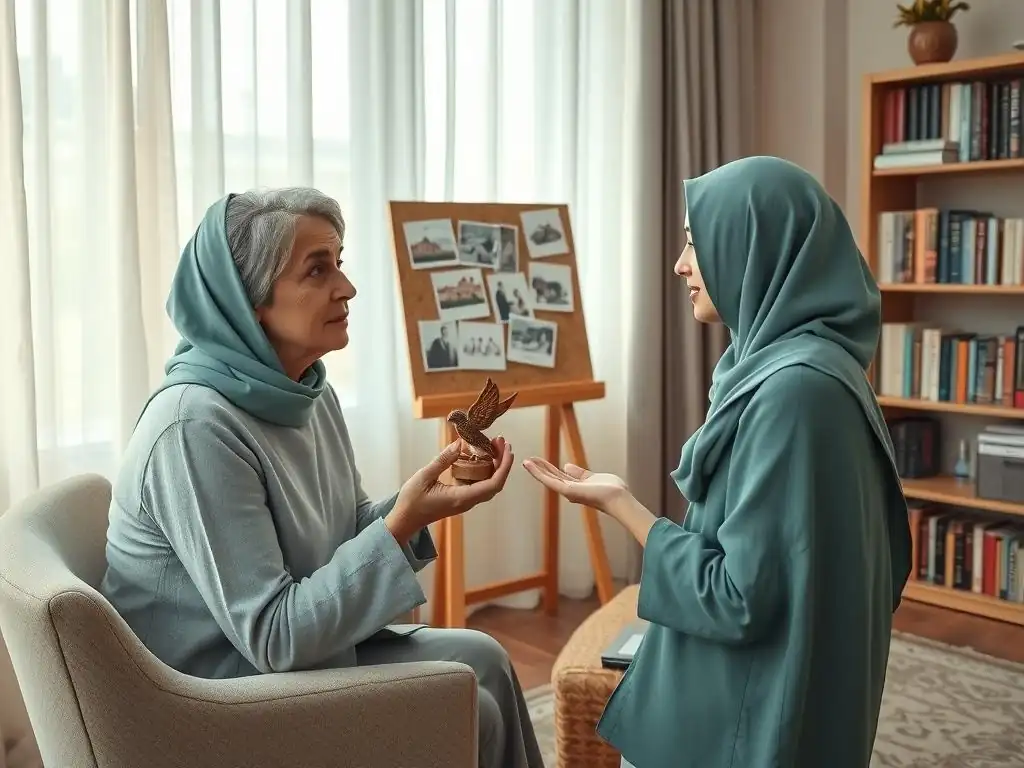
Welcome to Mind Care Guide, a sanctuary for understanding and nurturing mental well-being.
Navigating the complexities of mental health can feel overwhelming, especially after experiencing profound displacement. Are you searching for effective approaches to support refugee communities? Our featured article, "Culturally Adapted Therapies: Tailoring Mental Health Support for Refugee Backgrounds," delves into crucial Refugee Mental Health Therapy Strategies. Discover how culturally sensitive interventions can foster healing and resilience. Intrigued? Let's explore together.
- Culturally Adapted Therapies: Tailoring Mental Health Support for Refugee Backgrounds - Mind Care Guide
- Understanding the Unique Mental Health Needs of Refugees
- What are Culturally Adapted Therapies (CATs)?
- Therapy Strategies: Culturally Sensitive Approaches
- Specific Cultural Adaptations
- Overcoming Barriers to Access
- The Role of Mental Health Professionals
- Case Studies
- Conclusion: Promoting Mental Well-being and Resilience
-
Frequently Asked Questions
- What are culturally adapted therapies and why are they important for refugee mental health?
- How do Refugee mental health therapy strategies differ from standard mental health treatments?
- What types of mental health challenges are commonly experienced by individuals with refugee backgrounds?
- How can therapists effectively address cultural barriers when providing mental health support to refugees?
- What are some examples of Refugee mental health therapy strategies that have been shown to be effective?
- Final Reflection: Bridging the Gap in Refugee Mental Health
- Unlock Deeper Healing: Embrace Culturally Adapted Care
Culturally Adapted Therapies: Tailoring Mental Health Support for Refugee Backgrounds - Mind Care Guide
Introduction: Addressing Trauma in Refugee Populations Through Culturally Sensitive Care
Refugee populations face immense challenges, often enduring persecution, conflict, displacement, and the complex process of resettlement. These experiences can have a profound impact on mental well-being, leading to increased rates of trauma-related disorders, anxiety, and depression. Providing effective mental health support for refugees requires more than just standard therapeutic approaches; it demands culturally sensitive care that acknowledges and respects their unique backgrounds, beliefs, and experiences. Culturally adapted therapies are essential strategies in addressing these complex needs, offering hope and healing pathways that resonate with individuals who have faced unimaginable hardship.
Understanding the nuances of different cultural perspectives on health, illness, and help-seeking is paramount. Many traditional Western therapeutic models may inadvertently create barriers if they do not account for diverse worldviews or communication styles. Therefore, developing and implementing specialized refugee mental health therapy strategies that are culturally informed is not just beneficial, but critical for successful engagement and positive outcomes. This involves a conscious effort to tailor interventions to fit the cultural context of each individual and community, ensuring that support is accessible, relevant, and ultimately, effective in fostering resilience and recovery.
Understanding the Unique Mental Health Needs of Refugees
The Impact of Trauma, Displacement, and Resettlement on Refugee Mental Health
The journey of a refugee is often marked by layers of traumatic experiences, beginning in their home country with exposure to violence, persecution, or war. This initial trauma is frequently compounded by the harrowing process of displacement, which can involve dangerous journeys, separation from family, and loss of community and identity.
Upon arrival in a new country, refugees face the additional stressors of resettlement, including navigating unfamiliar systems, language barriers, discrimination, unemployment, and the challenges of adapting to a new culture while grieving the loss of their former lives. These cumulative stressors significantly elevate the risk of mental health difficulties.
Studies consistently show high prevalence rates of mental health conditions among refugee populations compared to host communities. For instance, research has indicated that rates of Post-Traumatic Stress Disorder (PTSD) can be as high as 30-40% or even higher in some refugee groups, significantly exceeding the general population rate. Similarly, rates of depression and anxiety are often elevated. The complex interplay of pre-migration trauma, in-transit dangers, and post-migration stressors creates a unique vulnerability that standard mental healthcare approaches may not fully address, highlighting the necessity of specialized refugee mental health therapy strategies.
Common Mental Health Challenges Faced by Refugees: PTSD, Anxiety, and Depression
Post-Traumatic Stress Disorder (PTSD) is a prevalent and debilitating condition among refugees, characterized by re-experiencing the trauma through flashbacks or nightmares, avoidance of trauma-related triggers, negative changes in thoughts and mood, and heightened arousal. The persistent activation of the stress response system can lead to chronic physical health problems as well. Effective refugee mental health therapy strategies must directly address these trauma symptoms while being mindful of cultural expressions of distress and avoidance behaviors that might differ from Western presentations.
Anxiety disorders, including generalized anxiety, panic disorder, and social anxiety, are also common, often stemming from ongoing insecurity, fear for family members left behind, and the stress of navigating a new environment. Depression manifests with symptoms like persistent sadness, loss of interest, fatigue, and feelings of hopelessness, often exacerbated by grief, loss, and social isolation. These conditions frequently co-occur and require integrated, culturally sensitive interventions that acknowledge the complex interplay of past trauma and current stressors. Tailoring therapy for refugee trauma means understanding how these conditions are experienced and expressed within specific cultural contexts.
Cultural Factors Influencing Mental Health Help-Seeking Behaviors in Refugee Communities
Cultural beliefs and values profoundly shape how individuals perceive mental health, illness, and appropriate ways of seeking help. In many non-Western cultures, mental distress may be understood through somatic symptoms (physical complaints) rather than psychological terms, or attributed to spiritual factors, social imbalances, or external circumstances rather than internal psychological processes. This can make it challenging for refugees to identify with Western diagnostic categories like "depression" or "PTSD." Stigma surrounding mental illness is also a significant barrier in many communities, leading individuals to hide their struggles for fear of shame, social isolation, or being perceived as weak or "crazy."
Furthermore, past negative experiences with authorities or institutions, language barriers, lack of familiarity with the healthcare system, and practical barriers like cost and transportation can all impede access to care. Understanding these cultural factors is crucial for designing effective refugee mental health therapy strategies. Therapists need to approach help-seeking with empathy, patience, and a willingness to meet individuals where they are, using language and concepts that are understandable and culturally relevant, and actively working to reduce stigma within the community.
What are Culturally Adapted Therapies (CATs)?
Defining Culturally Adapted Therapies: A Personalized Approach to Mental Healthcare
Culturally Adapted Therapies (CATs) refer to the systematic modification of evidence-based psychological treatments to make them compatible with the cultural context of a specific population group. This goes beyond simply translating materials; it involves adjusting language, metaphors, concepts, therapy goals, intervention techniques, and the therapeutic relationship itself to align with the client's cultural background, values, beliefs, and social norms. The aim is to enhance the relevance, acceptability, and effectiveness of the therapy for individuals from diverse cultural groups, including refugees.
For refugee populations, CATs are particularly vital because standard treatments developed in Western contexts may not adequately address the unique impact of forced displacement, trauma, and acculturation challenges. A culturally adapted approach recognizes that mental well-being is deeply intertwined with cultural identity, community ties, and historical experiences. By tailoring refugee mental health therapy strategies, therapists can build stronger rapport, improve client engagement, reduce dropout rates, and ultimately achieve better therapeutic outcomes by making the interventions more meaningful and applicable to the client's lived reality.
The Importance of Cultural Competence in Refugee Mental Health Therapy
Cultural competence is the ability of mental health professionals to understand, appreciate, and interact effectively with people from cultures different from their own. In the context of refugee mental health therapy, cultural competence is not merely a desirable skill but a fundamental requirement. It involves developing knowledge about the specific cultural groups served, including their history, values, communication styles, and perspectives on health and illness. However, cultural competence also necessitates self-awareness – understanding one's own cultural biases and how they might impact the therapeutic process.
Crucially, cultural competence moves beyond simply knowing facts about a culture; it requires cultural humility – a lifelong commitment to learning, self-reflection, and acknowledging that the client is the expert on their own culture. Effective refugee mental health therapy strategies are delivered by therapists who are not only clinically skilled but also capable of navigating cross-cultural dynamics with sensitivity, respect, and a genuine willingness to learn from their clients. This approach fosters trust, which is foundational for effective therapy, especially with individuals who may have experienced betrayal or persecution.
Key Principles of Culturally Adapted Mental Health Interventions
Several key principles guide the development and implementation of culturally adapted mental health interventions for refugees. One core principle is the incorporation of cultural values and beliefs. This might involve integrating concepts of family honor, community support, or spiritual beliefs into the therapeutic framework. Another principle is language adaptation, ensuring that not only is the language accessible (through interpreters or bilingual therapists) but also that therapeutic concepts are explained using culturally familiar metaphors or analogies.
A third principle involves adjusting therapeutic goals and techniques to be culturally congruent. For example, individualistic goals common in Western therapy might be reframed to include family or community well-being for clients from collectivist cultures. Techniques might be modified to be less confrontational or more aligned with traditional storytelling methods. Finally, involving community and family where appropriate and desired by the client is a vital principle, recognizing the importance of social support networks in resilience and recovery. Implementing these principles strengthens refugee mental health therapy strategies.
Therapy Strategies: Culturally Sensitive Approaches

Adapting Cognitive Behavioral Therapy (CBT)
Cognitive Behavioral Therapy (CBT) is an evidence-based approach that focuses on identifying and modifying unhelpful thought patterns and behaviors. While effective for conditions like anxiety and depression, direct application of standard CBT to refugee populations requires careful adaptation. One significant area for modification is the emphasis on individual thoughts and feelings, which may be less culturally salient in societies that prioritize collective identity or external circumstances over internal psychological states. Adapting CBT for refugee trauma involves reframing cognitive restructuring to consider cultural explanations of distress and incorporating culturally relevant coping strategies.
For example, homework assignments common in CBT might need to be adjusted to fit the client's living situation, literacy levels, or family responsibilities. The concept of "challenging negative thoughts" might be too direct in some cultures; a gentler approach focusing on exploring alternative perspectives or culturally acceptable ways of coping with difficult thoughts might be more appropriate. Successful refugee mental health therapy strategies using CBT require therapists to be flexible and creative in applying core CBT principles while respecting the client's cultural framework.
Modifying CBT Techniques to Address Cultural Beliefs and Values
Modifying CBT techniques involves more than just changing words; it requires a deep understanding of how cultural beliefs influence a client's cognitive appraisals and behavioral responses. For instance, a client from a culture where fate or external forces are believed to control outcomes might find it difficult to accept the CBT principle that thoughts influence feelings and behaviors. The therapist might need to explore this belief system respectfully and collaboratively find ways to integrate it with therapeutic goals, perhaps focusing on culturally valued actions or spiritual coping.
Another adaptation involves considering the role of family and community. Standard CBT often focuses on individual goals. For clients from collectivist cultures, therapeutic goals might need to include improving family relationships, fulfilling social obligations, or contributing to community well-being. Techniques might be adapted to involve family members (with client consent) or utilize community resources as part of the intervention plan. These modifications make refugee mental health therapy strategies more relevant and acceptable.
Incorporating Language and Communication Considerations in CBT
Language is a fundamental aspect of culturally adapted CBT. If a common language is not shared, relying on trained interpreters is essential. However, interpretation alone is not sufficient. Therapeutic communication involves nuances, tone, and non-verbal cues that can be lost or misinterpreted. Therapists must work closely with interpreters, ensuring they understand therapeutic concepts and can convey them accurately while respecting cultural communication styles, which might involve indirectness, different uses of silence, or varying levels of emotional expression.
Even when speaking the same language, differences in dialect, idioms, and the meaning of specific terms can pose challenges. Furthermore, explaining abstract psychological concepts like "cognitive distortions" or "automatic thoughts" requires using language and metaphors that are understandable and culturally resonant. Developing culturally appropriate glossaries or visual aids can be helpful resources. Effective refugee mental health therapy strategies prioritize clear, empathetic, and culturally sensitive communication throughout the therapeutic process.
Trauma-Focused Therapy: A Culturally Informed Perspective
Trauma-focused therapies, such as Trauma-Focused CBT (TF-CBT) or Eye Movement Desensitization and Reprocessing (EMDR), are specifically designed to process traumatic memories and reduce associated symptoms. When working with refugees, these therapies must be implemented with extreme sensitivity to the client's cultural background and the specific nature of their trauma. The high prevalence of complex trauma (repeated, prolonged trauma) in refugee populations requires careful pacing and stabilization before directly processing traumatic memories.
A culturally informed perspective in trauma therapy means understanding how the client's culture views trauma, suffering, and healing. It involves recognizing that trauma narratives might be expressed through somatic symptoms, spiritual beliefs, or collective memory, rather than purely individual psychological terms. Effective refugee mental health therapy strategies for trauma processing prioritize building a strong, trusting therapeutic relationship and creating a safe space where clients feel empowered to share their experiences at their own pace, using language and methods that feel comfortable and culturally acceptable.
Addressing Trauma Narratives with Sensitivity and Respect
Sharing traumatic experiences can be incredibly difficult and re-traumatizing if not handled with care. When working with refugees, therapists must approach trauma narratives with profound sensitivity, respect, and patience. This involves creating a safe and non-judgmental environment, validating the client's experiences, and allowing them to control the pace and depth of disclosure. For some clients, direct verbal recounting of trauma may be too overwhelming or culturally inappropriate; alternative methods like drawing, writing, or using metaphors might be more accessible.
Cultural norms regarding the expression of emotion and the discussion of difficult events vary widely. Some cultures may encourage stoicism, while others may have specific rituals or collective ways of processing grief and trauma. A culturally informed therapist respects these norms and avoids pressuring clients to express themselves in ways that feel unnatural or culturally forbidden. The goal is to help clients process trauma in a way that promotes healing while honoring their cultural identity, making these vital refugee mental health therapy strategies.
Utilizing Culturally Relevant Coping Mechanisms in Trauma Recovery
Resilience is often deeply embedded within cultural practices and community structures. Effective trauma recovery for refugees involves not only processing past events but also strengthening existing coping mechanisms and building new ones that are culturally relevant and accessible. These might include spiritual practices, religious rituals, connection with community elders, traditional healing methods, storytelling, music, or engagement in cultural activities.
Therapists should explore the client's existing coping strategies and beliefs about healing and incorporate them into the treatment plan. For example, if prayer or meditation is a significant coping mechanism, it can be integrated into relaxation or grounding exercises. If community support is vital, facilitating connections with cultural groups or community centers can be part of the therapeutic process. By leveraging these culturally relevant resources, refugee mental health therapy strategies can empower clients and promote sustainable recovery.
Narrative Therapy: Reclaiming Identity and Resilience
Narrative therapy is a particularly powerful approach for refugees as it focuses on helping individuals externalize their problems and rewrite their life stories, emphasizing their strengths, skills, and resilience rather than being defined by trauma. For refugees, who have often had their identities challenged or stripped away by forced displacement and the refugee experience itself, narrative therapy offers a way to reclaim authorship of their lives. It views trauma and suffering as experiences that happened to the person, not as inherent flaws within them.
This approach is highly adaptable across cultures because it centers the client's own story and meaning-making processes. It allows for the incorporation of cultural narratives, collective histories, and community resilience into the therapeutic conversation. By identifying "unique outcomes" (times when the problem did not dominate) and exploring alternative storylines that highlight survival, courage, and hope, narrative therapy can be a potent refugee mental health therapy strategy for fostering a sense of agency and rebuilding a positive self-image after profound loss and trauma.
Empowering Refugees to Share Their Stories
Sharing one's story is a fundamental human need and a powerful act of healing. For refugees, whose voices are often silenced or distorted by political circumstances and media portrayals, having a safe space to share their experiences in their own words is incredibly validating. Narrative therapy provides this space, inviting clients to tell their stories of hardship, survival, and adaptation without judgment. The therapist acts as a curious listener and co-author, helping the client identify the threads of resilience and strength woven throughout their narrative.
This process empowers refugees by shifting the focus from what was lost or what went wrong to how they coped, survived, and made meaning in the face of adversity. It helps them connect with their inner resources and recognize their agency, even when external circumstances were beyond their control. Facilitating this process using culturally appropriate language and communication styles is a key component of effective refugee mental health therapy strategies.
Challenging Dominant Narratives and Promoting Self-Determination
Refugees are often subject to dominant societal narratives that may stereotype them, focus solely on their victimhood, or portray them as burdens. These external narratives can be internalized, impacting a refugee's self-perception and sense of worth. Narrative therapy actively works to challenge these dominant narratives by helping clients explore alternative, more empowering descriptions of themselves and their experiences.
By focusing on the client's preferred story – one that emphasizes their skills, hopes, and values – narrative therapy promotes self-determination. It helps refugees see themselves not just as survivors of trauma but as individuals with rich histories, diverse identities, and the capacity to shape their future. This process of re-authoring is a crucial aspect of recovery and integration, enabling them to build a sense of continuity between their past identity and their present life in the new country. This focus on empowerment is central to effective refugee mental health therapy strategies.
Group Therapy: Fostering Connection and Support
Group therapy can be a powerful modality for refugees, offering a sense of community, reducing isolation, and providing mutual support among individuals who have shared similar experiences. It can counteract feelings of alienation and loneliness often associated with displacement and resettlement. In a group setting, refugees can share their stories, learn from one another's coping strategies, and realize that they are not alone in their struggles. This shared experience can significantly reduce the stigma surrounding mental health issues.
To be effective for refugees, group therapy requires careful consideration of cultural dynamics and trauma sensitivity. Groups might be culturally homogeneous to facilitate easier communication and shared understanding of experiences, or they might be mixed, focusing on common themes like parenting or acculturation, while still respecting individual cultural differences. The therapist's role is to create a safe, predictable, and supportive environment where trust can develop and participants feel comfortable engaging. Group-based refugee mental health therapy strategies can leverage collective resilience.
Creating Culturally Homogeneous Groups
Forming culturally homogeneous groups, where participants share the same language and cultural background, can significantly enhance engagement and therapeutic progress for refugees. In such groups, participants can communicate freely in their native language without relying on interpreters, which allows for deeper emotional expression and nuanced understanding. Shared cultural norms and values can also facilitate a sense of solidarity and mutual understanding of the challenges faced.
However, even within seemingly homogeneous groups, there can be differences based on region, religion, education level, or pre-migration experiences. Therapists must be aware of these potential internal dynamics and ensure that all voices are heard and respected. While homogeneous groups can be highly effective, they may not always be feasible depending on the diversity of the refugee population in a specific location. Regardless of group composition, the principles of cultural sensitivity and trauma-informed care remain paramount in refugee mental health therapy strategies.
Addressing Stigma and Promoting Open Communication
Stigma surrounding mental illness is a major barrier to help-seeking in many refugee communities. Group therapy can play a crucial role in reducing this stigma by creating a space where discussing emotional difficulties is normalized and supported. Hearing others share similar struggles can help individuals feel less alone and less ashamed. The group can become a microcosm of a supportive community where new norms around mental health openness are fostered.
Facilitating open communication in a culturally sensitive manner is key. Therapists might need to explicitly address cultural beliefs about mental illness and provide psychoeducation in a way that is understandable and non-stigmatizing. Encouraging peer support and validating participants' feelings can build trust and create a safe environment for sharing. Group therapy, when implemented thoughtfully, is a powerful component of comprehensive refugee mental health therapy strategies aimed at fostering connection and reducing isolation.
Specific Cultural Adaptations
Language Concordance: The Role of Interpreters and Bilingual Therapists
Language is perhaps the most immediate and significant barrier to mental healthcare access for refugees. Providing services in the client's native language, either through bilingual therapists or professional medical interpreters, is not merely helpful; it is essential for accurate assessment, effective communication, and building trust. A therapist and client speaking the same language (language concordance) is ideal, as it allows for spontaneous interaction, understanding of subtle cues, and a deeper therapeutic connection.
When using interpreters, it is crucial that they are professionally trained in medical or mental health interpretation, understand confidentiality, and are able to convey not just words but also tone and emotional content accurately. Working with interpreters requires specific skills from the therapist, including pre-session briefing, direct communication with the client (looking at the client, not the interpreter), and debriefing after the session. Relying on untrained family members or community members as interpreters is generally discouraged due to confidentiality risks and potential for bias or misinterpretation, undermining effective refugee mental health therapy strategies.
Addressing Cultural Stigma Surrounding Mental Illness
Cultural stigma is a pervasive issue that prevents many refugees from seeking help. It can stem from beliefs that mental illness is a sign of weakness, a moral failing, a result of spiritual problems, or something to be kept hidden within the family. Addressing this stigma requires multi-faceted approaches both within and outside the therapy room. Within therapy, psychoeducation delivered in a culturally sensitive manner can help reframe mental health challenges as understandable responses to extreme stress and trauma, rather than personal failings.
Community-based interventions are also vital. Collaborating with trusted community leaders, religious figures, or cultural brokers can help disseminate accurate information about mental health and encourage help-seeking. Organizing workshops or informational sessions in community settings, using culturally appropriate language and examples, can reduce fear and build awareness. Normalizing discussions about stress and emotional well-being within the community is a long-term process that is crucial for the success of any refugee mental health therapy strategies.
Incorporating Traditional Healing Practices and Beliefs
Many refugees come from cultures with rich traditions of healing that may include spiritual practices, herbal remedies, traditional healers, or community rituals. These practices hold significant meaning and provide comfort and a sense of continuity with their cultural heritage. Ignoring or dismissing these traditional beliefs and practices can alienate clients and undermine the therapeutic process.
A culturally adapted approach involves exploring the client's beliefs about healing and illness, including any engagement with traditional practices. Therapists should approach these with respect and curiosity, seeking to understand their role in the client's life. Where appropriate and desired by the client, traditional healing methods can be integrated or run concurrently with Western therapy, provided they are not harmful. Collaborating with traditional healers, with client consent, can also be beneficial in some cases, creating a bridge between different healing systems and enhancing the acceptability of refugee mental health therapy strategies.
Family Involvement
Family plays a central role in the lives of many refugees, often serving as the primary source of support, identity, and resilience. In many cultures, decisions are made collectively, and individual well-being is closely tied to the well-being of the family unit. Therefore, involving family members in the therapeutic process, when appropriate and with the client's explicit consent, can be highly beneficial.
Family involvement can take many forms, from providing psychoeducation to family members about trauma and mental health, to conducting family therapy sessions to address communication issues or intergenerational trauma transmission. Including family can help build a stronger support system for the client, address family dynamics impacted by displacement, and ensure that therapeutic goals align with family values.
However, it is crucial to navigate family involvement carefully, respecting the client's autonomy and ensuring their safety, particularly if family relationships are strained or if the trauma involves family members. Integrating family perspectives thoughtfully is a key element of comprehensive refugee mental health therapy strategies.
Overcoming Barriers to Access
Addressing Language Barriers and Cultural Differences
As previously discussed, language barriers are a primary obstacle to accessing mental healthcare for refugees. Investing in professional interpreter services and training bilingual mental health professionals are fundamental steps. Beyond language, cultural differences in understanding mental health, expressing distress, and interacting with authority figures or professionals can also create barriers. Therapists and service providers need training in cultural competence and humility to navigate these differences effectively.
Service delivery models can also be adapted. Offering services in community settings, such as mosques, churches, community centers, or schools, rather than solely in clinical environments, can make services more accessible and less intimidating. Providing clear, culturally appropriate information about available services and what therapy entails can also help demystify the process and encourage help-seeking. Overcoming these barriers is essential for making refugee mental health therapy strategies truly accessible.
Building Trust and Rapport
Many refugees have experienced significant trauma, including betrayal by authorities, persecution, and violence. Building trust with mental health professionals is therefore paramount but can take time and patience. Therapists must demonstrate consistency, reliability, and genuine empathy. Being transparent about the therapeutic process, maintaining strict confidentiality, and respecting the client's pace are crucial for establishing a safe and trusting relationship.
Cultural humility plays a significant role here. A therapist who is open to learning about the client's culture, acknowledges their own limitations, and treats the client as the expert on their own experience is more likely to build rapport. Simple acts of cultural sensitivity, such as understanding appropriate greetings or eye contact norms, can make a significant difference. Trust is the foundation upon which all effective refugee mental health therapy strategies are built.
Providing Culturally Sensitive Outreach and Education
Effective outreach is necessary to inform refugee communities about available mental health services and reduce stigma. This requires going into the community, building relationships with community leaders and members, and disseminating information through trusted channels. Outreach materials and presentations must be culturally appropriate, translated accurately, and delivered in a way that is understandable and respectful.
Educational efforts should focus on normalizing the experience of distress after trauma and displacement, explaining that these are common reactions, not signs of personal failure. Framing mental health support as a way to regain strength and well-being, rather than only addressing "illness," can resonate better in some cultures. Psychoeducation about common trauma responses, coping skills, and the benefits of therapy should be delivered in a way that is sensitive to cultural beliefs and avoids pathologizing normal reactions to abnormal circumstances. This culturally sensitive outreach is a vital part of implementing successful refugee mental health therapy strategies.
The mental healthcare system in a new country can be complex and confusing for anyone, let alone for refugees who may face language barriers, different bureaucratic processes, and lack of familiarity with appointment systems, insurance, or referral pathways. Providing practical support in navigating the system is a crucial non-clinical aspect of care.
This might involve providing clear, simplified information about how to access services, assistance with making appointments, help with transportation, or connecting clients with case managers or support workers who can provide practical assistance. Addressing these logistical barriers is just as important as providing clinical care, ensuring that refugees can actually access the mental health therapy strategies they need.
The Role of Mental Health Professionals

Training and Education in Cultural Competence
Effective refugee mental health therapy strategies require mental health professionals to be adequately trained in cultural competence and trauma-informed care. This training should go beyond a basic overview of different cultures and delve into the specific mental health challenges and cultural considerations relevant to refugee populations. It should cover topics such as the impact of trauma and displacement, working with interpreters, understanding cultural beliefs about mental health, and adapting therapeutic techniques.
Ongoing training and supervision are essential, as cultural contexts are dynamic and therapists will encounter diverse populations. Training should also emphasize self-reflection and the development of cultural humility, encouraging therapists to continuously examine their own biases and assumptions. Investing in this specialized training is critical for building a workforce capable of providing effective mental health support for refugees.
Developing Cultural Humility and Self-Awareness
Cultural humility is a key attribute for therapists working with diverse populations. It involves recognizing that you cannot know everything about a culture and approaching each client with curiosity, openness, and a willingness to learn. It means being aware of your own cultural background, values, and potential biases, and understanding how these might influence your perception of the client and the therapeutic process.
Developing cultural humility is an ongoing process that requires self-reflection, supervision, and a commitment to lifelong learning. It allows therapists to build more authentic and respectful relationships with their clients, fostering trust and creating a space where clients feel truly seen and heard. This self-awareness is fundamental to providing ethical and effective refugee mental health therapy strategies.
Collaborating with Community Leaders and Cultural Brokers
Collaborating with community leaders, elders, religious figures, and cultural brokers is invaluable in providing culturally sensitive mental health support for refugees. These individuals often hold significant trust and influence within their communities and can serve as vital bridges between refugees and mental health services.
They can help therapists understand community needs and cultural norms, facilitate outreach efforts, provide insights into traditional healing practices, and help reduce stigma from within the community. Building respectful, reciprocal relationships with community leaders is a crucial step in ensuring that mental health services are acceptable, accessible, and relevant to the refugee populations they aim to serve. Such collaboration strengthens the implementation of refugee mental health therapy strategies by embedding them within existing community structures.
Case Studies
CBT for Trauma
- Approximate Case Example: Consider a 35-year-old Syrian refugee woman who experienced bombing in her home city and the loss of family members. She presents with symptoms consistent with PTSD and depression, including intrusive memories, avoidance of reminders, difficulty sleeping, and persistent sadness. Standard CBT techniques like exposure therapy might be overwhelming or culturally inappropriate if not adapted.
- Adaptation: A culturally adapted CBT approach might begin with extensive psychoeducation about trauma responses, framed in terms of strength and survival rather than illness, using language and metaphors that resonate with her cultural background. Cognitive restructuring might focus on culturally relevant beliefs about hope, resilience, or faith. Trauma processing could be paced very gradually, perhaps starting with narrative exposure that focuses on her journey and survival skills before addressing the most distressing events. Homework assignments might involve culturally acceptable activities like spending time with supportive family members or engaging in spiritual practices, rather than solely focusing on challenging individual negative thoughts in isolation. The therapist would work closely with a professional interpreter, ensuring accurate and sensitive communication throughout. This tailored approach improves the efficacy of CBT as a refugee mental health therapy strategy.
Narrative Therapy for Displacement
- Approximate Case Example: Imagine a 50-year-old man from Afghanistan who was a respected teacher in his home country but now works in a low-skill job and feels a profound loss of identity and purpose after being displaced. He struggles with feelings of worthlessness, isolation, and grief over the loss of his former life and community.
- Adaptation: Narrative therapy is well-suited to address this sense of loss and fragmented identity. The therapist would invite him to share his life story, focusing on his experiences as a teacher, his values, and his contributions to his community in Afghanistan. The "problem" (loss of identity, worthlessness) would be externalized, seen as something imposed by circumstances (displacement, resettlement challenges) rather than an inherent flaw. The therapy would involve exploring "unique outcomes" – times when he felt competent or connected despite his current difficulties. The therapist would help him connect with his skills and knowledge, exploring how they might be relevant or adapted in his new context. Conversations would incorporate discussions of Afghan culture, values of education and community, and collective experiences of displacement. By helping him re-author his story to emphasize his resilience, skills, and ongoing values, narrative therapy serves as a powerful refugee mental health therapy strategy, helping him rebuild a sense of self and purpose.
Conclusion: Promoting Mental Well-being and Resilience
The Future of Culturally Adapted Mental Health Care
The field of culturally adapted mental health care for refugees is continuously evolving. The future holds promise for further development of evidence-based CATs tailored to specific refugee groups and trauma types. Increased investment in training for mental health professionals, greater collaboration between Western practitioners and traditional healers, and the development of community-led initiatives are all crucial steps forward. Technology may also play a role, with potential for culturally adapted digital interventions or teletherapy, although these must be implemented carefully to ensure accessibility and cultural appropriateness.
Furthermore, there is a growing recognition of the need to address the systemic factors that impact refugee mental health, such as discriminatory policies, difficult asylum processes, and lack of social support. While culturally adapted refugee mental health therapy strategies are essential for individual healing, they must be complemented by broader efforts to create welcoming and supportive environments that foster integration and well-being.
Call to Action: Supporting Refugee Mental Health and Well-being.
Supporting the mental health and well-being of refugees is a collective responsibility. For mental health professionals, this means committing to cultural competence, seeking ongoing training, and advocating for resources to provide culturally adapted services. For policymakers and institutions, it means investing in accessible, affordable, and culturally sensitive mental healthcare systems, reducing barriers to care, and implementing humane policies that support refugee integration.
For communities, it means fostering welcoming environments, challenging stigma, and offering social support. And for all of us, it means recognizing the incredible resilience of refugees, listening to their stories with empathy, and supporting initiatives that promote their healing and well-being. By prioritizing culturally adapted refugee mental health therapy strategies and creating supportive environments, we can help individuals who have endured immense hardship rebuild their lives and thrive.
Frequently Asked Questions
What are culturally adapted therapies and why are they important for refugee mental health?
Culturally adapted therapies are mental health interventions that are systematically modified to be congruent with the cultural beliefs, values, and practices of a specific population. They are crucial for refugees because they address unique trauma experiences and cultural contexts, leading to better outcomes.
How do Refugee mental health therapy strategies differ from standard mental health treatments?
Refugee mental health therapy strategies often incorporate cultural brokers or bilingual therapists to overcome language barriers and cultural misunderstandings. They also address specific stressors related to displacement, resettlement, and acculturation, which may not be present in standard treatments.
What types of mental health challenges are commonly experienced by individuals with refugee backgrounds?
Individuals with refugee backgrounds frequently experience post-traumatic stress disorder (PTSD), depression, and anxiety due to exposure to violence, persecution, and displacement. Acculturation stress and social isolation can also contribute to mental health difficulties.
How can therapists effectively address cultural barriers when providing mental health support to refugees?
Therapists can address cultural barriers by receiving cultural competency training, collaborating with cultural consultants, and actively seeking feedback from refugee clients about their experiences and preferences. Building trust and rapport is essential.
What are some examples of Refugee mental health therapy strategies that have been shown to be effective?
Examples include narrative exposure therapy (NET) adapted for cultural contexts, group therapy focusing on shared experiences of displacement, and family therapy addressing intergenerational conflict related to acculturation. These evidence-based approaches are tailored to the specific needs of refugee populations.
Final Reflection: Bridging the Gap in Refugee Mental Health
The urgent need for culturally adapted therapies in refugee mental health care is not merely a theoretical concern; it's a critical imperative for fostering healing and well-being in a vulnerable population. The devastating impacts of displacement, trauma, and systemic barriers on mental health are undeniable, and a one-size-fits-all approach to therapy simply fails to address the unique needs and experiences of refugees. Ignoring this reality perpetuates cycles of suffering and hinders the integration and flourishing of individuals who have already endured so much.
The profound influence of cultural context on mental health is undeniable, shaping not only the expression of distress but also the very understanding of what constitutes mental well-being. Culture is not just a backdrop to mental health; it is woven into the very fabric of our experience of self and the world.
This quote highlights the crucial role of cultural understanding in effective therapeutic interventions. My own research and interactions with refugee communities have underscored the importance of incorporating traditional healing practices, language accessibility, and trauma-informed approaches to build trust and facilitate genuine healing. The journey towards mental wellness for refugees requires a sensitive and nuanced understanding of their unique histories and cultural frameworks.
Consider the impact of your own actions. You have the power to advocate for culturally sensitive mental health services in your community. Reach out to local organizations supporting refugees, learn about the specific challenges they face, and amplify their voices.
By fostering empathy, promoting awareness, and demanding equitable access to care, you can contribute to a more just and compassionate world where every individual, regardless of background, has the opportunity to heal and thrive. Let's work together to bridge the gap and build a future where culturally adapted therapies are the standard, not the exception, in refugee mental health care.
Unlock Deeper Healing: Embrace Culturally Adapted Care
Thanks for taking the time to explore the vital topic of culturally adapted therapies for individuals with refugee backgrounds. We hope you gained valuable insights into providing more effective and compassionate mental health support. Now, let's take this understanding further!
- Prioritize cultural sensitivity in your own interactions: Consider how you can adapt your communication style and approach to better understand and support individuals from diverse cultural backgrounds. This is the crucial first step.
- Share this knowledge: Discuss the importance of culturally adapted therapies with colleagues, friends, and family. Let's build a more informed and supportive community together.
- Explore further resources: Dive deeper into the topic by researching organizations dedicated to refugee mental health support in your area. Discover the incredible work being done and find ways to contribute.
What unique strategies can you implement to ensure you're providing truly empathetic and effective care?