
Cultural Perspectives on Mental Health
Mental health is experienced, understood, and treated differently across the globe, shaped by deep-rooted traditions, beliefs, and social norms. This vital section explores how culture influences our perception of psychological well-being, from Western clinical models focusing on individual therapy and evidence-based interventions to Eastern holistic practices like mindfulness, meditation, and community-centered healing. We examine the powerful impact of cultural stigma, which can either silence suffering or foster resilience, while offering actionable insights into adapting treatment approaches for diverse populations. Discover why cultural competence in mental health care is not just a skill but a necessity—enabling therapists, families, and individuals to bridge the gap between traditional wisdom and modern science. Whether you’re seeking culturally sensitive support or aiming to understand global mental health challenges, here you’ll find resources to embrace diverse perspectives and promote inclusive well-being for all.
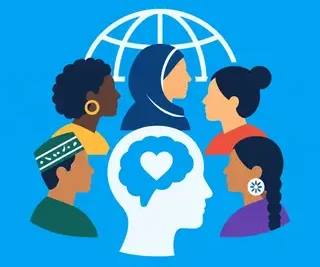 Cultural Competence in Mental Health Care
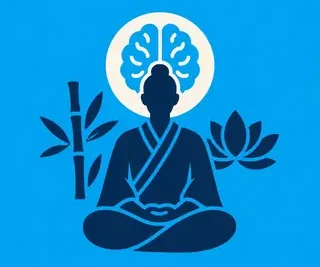 Mental Health in Eastern Cultures - Traditional Practices
 Cultural Approaches to Therapy - Adapting Treatment
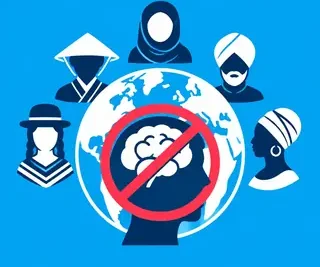 Cultural Stigma of Mental Illness - Global Views
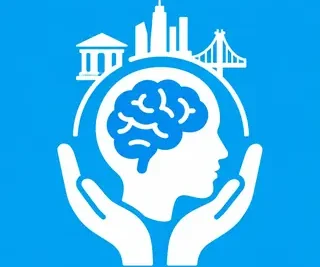 Mental Health in Western Cultures - Modern Approaches
Exploring Cultural Perspectives on Mental Health at Mind Care Guide
Understanding how different cultures view, experience, and treat mental health is essential for effective support and personal well-being. At Mind Care Guide, our Cultural Perspectives on Mental Health category bridges the gap between global traditions and modern care, helping you navigate stigma, therapy adaptations, and culturally competent treatment. Dive into these subcategories to enrich your knowledge and foster a more inclusive approach to mental wellness.
🌍 Mental Health in Western Cultures - Modern Approaches
Western cultures, particularly in North America and Europe, emphasize evidence-based treatments like cognitive-behavioral therapy, psychiatric medication, and digital mental health tools. Here, mental health is often framed through a medical model, focusing on diagnosis and symptom management. You’ll discover how individualism shapes self-care practices, workplace mental health policies, and the rise of telehealth. This subcategory also explores the growing acceptance of therapy in everyday life, contrasting it with more collectivist traditions.
🚫 Cultural Stigma of Mental Illness - Global Views
Stigma remains a formidable barrier to seeking help, but its expression varies wildly across cultures. In some Asian and African communities, mental illness is seen as a personal weakness or family shame, leading to silence and delayed care. Meanwhile, Latinx and Middle Eastern cultures may tie mental distress to spiritual or moral failings. This section unpacks these global attitudes, offering practical strategies to reduce stigma within families, workplaces, and religious groups, empowering you to advocate for open conversations no matter your cultural background.
🛋️ Cultural Approaches to Therapy - Adapting Treatment
Therapy isn’t one-size-fits-all. This subcategory examines how clinicians adapt evidence-based modalities like CBT, mindfulness, and psychodynamic therapy to fit cultural contexts. You’ll learn about culturally adapted interventions, such as incorporating storytelling in Indigenous therapy or family-based sessions for Hispanic clients. Expect real-world examples of bilingual counseling, culturally relevant metaphors, and modifications for immigrant and refugee populations. Understanding these adaptations helps you choose a therapist who respects your values while delivering effective, science-backed care.
🧘 Mental Health in Eastern Cultures - Traditional Practices
Eastern philosophies offer a rich tapestry of holistic mental health approaches, from Ayurveda in India and TCM in China to Buddhist mindfulness in Southeast Asia. These traditions often integrate body, mind, and spirit, using meditation, yoga, herbal remedies, and community rituals. This subcategory explores how concepts like “qi,” “chakras,” or “karma” influence emotional resilience and healing. You’ll also see how modern neuroscience validates these ancient practices, making them valuable complements to Western therapy for global audiences seeking balance.
🤝 Cultural Competence in Mental Health Care
Cultural competence is the skill of delivering respectful, responsive care that honors a person’s background. This subcategory covers training for professionals, including cultural humility, assessing acculturation levels, and avoiding microaggressions in clinical settings. You’ll find guidelines for interpreters, culturally sensitive assessments, and community outreach programs. For individuals, it offers tips on advocating for your needs, recognizing when a provider isn’t a good fit, and finding culturally aligned resources. Ultimately, this section champions equity in mental health, ensuring no one is left behind.
Frequently Asked Questions
How do cultural attitudes affect mental health treatment outcomes?
Cultural attitudes shape whether someone seeks help, how they express symptoms, and whether they trust professionals. For example, a person from a stigma-heavy culture may delay treatment until crisis. When care aligns with cultural values—like involving family or using spiritual language—outcomes improve significantly, fostering better engagement and adherence.
Can traditional Eastern practices replace Western therapy?
Not entirely, but they can complement it. Practices like meditation and yoga have strong evidence for reducing stress and anxiety. However, for conditions like severe depression or bipolar disorder, Western therapies and medication remain essential. Best results often come from integrating both—using Eastern practices for daily resilience and Western care for acute symptoms.
What are signs that a therapist lacks cultural competence?
Watch for dismissive comments, forcing Western norms, or ignoring your cultural context. For example, a therapist who labels family involvement as “enmeshment” without understanding collectivist values, or one who dismisses your spiritual beliefs. Poor cultural competence leads to misdiagnosis and dropouts—trust your instincts and seek a provider who actively asks about your background.
How can I reduce mental health stigma in my own community?
Start by sharing your own experiences, using non-judgmental language, and educating others on mental health science. Engage local religious or community leaders to endorse help-seeking behaviors. Organize safe spaces for open dialogue, and highlight stories of recovery that emphasize strength, not weakness. Small, consistent actions slowly normalize conversations.
Is cultural competence only needed for minority patients?
No—everyone benefits from culturally competent care, including majority-group patients. Culture shapes all aspects of identity, from family dynamics to communication styles. A white American male, for instance, may face stigma about expressing vulnerability due to masculine norms. Competent providers adapt to each individual’s unique cultural lens, ensuring relevance and effectiveness for every client.