Understanding 'Qi': Energy Flow & Mental Health in TCM
🌿 Discover how 'Qi'—the vital energy in TCM—impacts mental health. Understanding 'Qi' flow offers valuable insights into TCM for mental wellbeing, promoting…
Read article
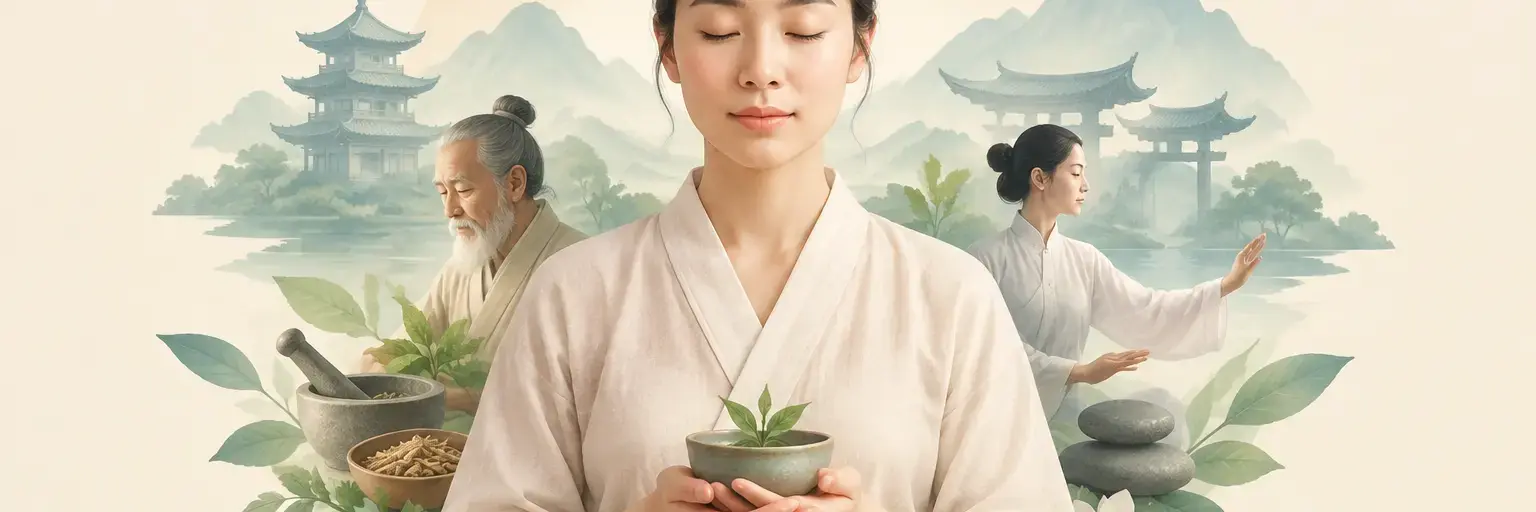
Discover how Eastern cultural wisdom offers timeless, holistic approaches to mental well-being that complement modern therapy. From mindful meditation and yoga to Ayurvedic balancing and Traditional Chinese Medicine, these practices focus on harmonizing mind, body, and spirit—not just treating symptoms. Rooted in centuries-old philosophies like Buddhism, Taoism, and Hindu traditions, they emphasize prevention, self-awareness, and emotional resilience. Whether you’re seeking stress relief, deeper calm, or a culturally sensitive path to healing, integrating these traditional techniques can enrich your mental health journey. Explore how they align with modern psychology, offering practical tools for anxiety, depression, and everyday balance—all while respecting diverse cultural contexts. Unlock a more holistic, grounded approach to emotional wellness today.
🌿 Discover how 'Qi'—the vital energy in TCM—impacts mental health. Understanding 'Qi' flow offers valuable insights into TCM for mental wellbeing, promoting…
Read article
🌿 Discover how mindfulness in Buddhist philosophy can enhance your daily wellbeing, offering practical strategies to cultivate inner peace, reduce stress, and…
Read article
🌿 Discover how Eastern meditation for inner peace offers transformative techniques beyond traditional therapy, guiding you toward profound mental tranquility and holistic…
Read article
🌬️ Discover the transformative power of breathwork techniques for anxiety relief through Pranayama and Qi practices, unlocking mental clarity and emotional balance.…
Read article
🌿 Discover how blending Eastern wisdom with Western science enhances mental well-being, emphasizing mindfulness for anxiety reduction. This holistic approach offers practical…
Read article
🌿 Discover how traditional Chinese medicine promotes mental well-being by restoring Chinese medicine anxiety balance, offering a natural approach to alleviating anxiety…
Read article
🌿 Discover how Eastern bodymind practices for mental health can enhance emotional resilience, reduce stress, and promote holistic well-being. This comprehensive guide…
Read article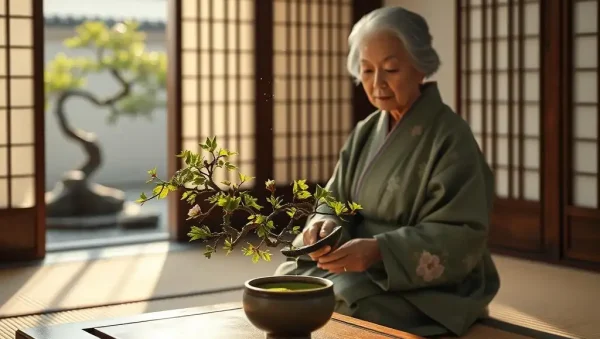
🌿 Discover how traditional Eastern methods reduce anxiety and depression by emphasizing holistic practices like acupuncture, meditation, and herbal therapy, offering natural,…
Read article
🌸 Discover how Mandalas for stress reduction serve as a powerful therapeutic tool in Eastern traditions, blending art and mindfulness to promote…
Read article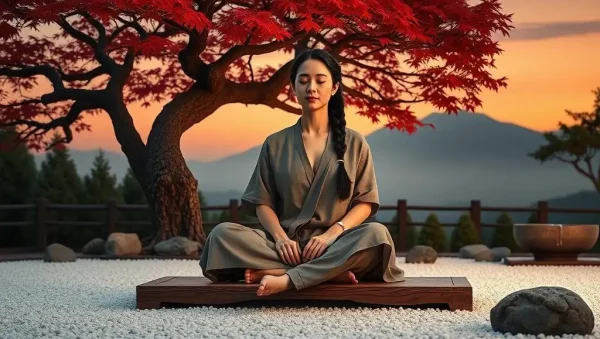
🌱 Discover how ancient Eastern mental healing practices can rejuvenate your mind and promote well-being. This article explores timeless rituals that offer…
Read article
🌱 Discover how Eastern philosophy emphasizes karma as a pathway to mental wellbeing balance, guiding individuals toward harmony, self-awareness, and inner peace—key…
Read article
🌱 Discover how "The Eightfold Path" offers timeless strategies from this ancient wisdom mental wellness guide, empowering you to navigate modern mental…
Read articleWelcome to our deep dive into Mental Health in Eastern Cultures, specifically focusing on traditional practices that have shaped well-being for centuries. This subcategory bridges ancient wisdom with modern psychological understanding, offering you a unique lens on holistic care. From Ayurveda’s mind-body balance to Zen meditation’s clarity, these practices emphasize prevention, harmony, and community. Whether you’re seeking complementary therapies or cultural insights, this guide will help you appreciate how Eastern philosophies approach emotional resilience, stress reduction, and spiritual health—all while staying accessible for contemporary readers.
Ayurveda, originating in India over 5,000 years ago, treats mental health as inseparable from physical and spiritual wellness. Core concepts like doshas (Vata, Pitta, Kapha) determine your unique constitution, influencing mood, sleep, and anxiety levels. Traditional practices include personalized diets, herbal remedies like Ashwagandha, daily routines (dinacharya), and detoxification (Panchakarma) to clear mental fog. For example, Vata imbalance often manifests as worry, so warm, grounding foods and oil massages are recommended.
You’ll discover how Ayurvedic consultations assess not just symptoms but lifestyle, relationships, and seasonal changes. Modern research validates many herbs for cortisol reduction, yet Ayurveda goes deeper—it teaches that mental health is a daily cultivation, not a quick fix. By integrating these practices, you can learn to identify early signs of imbalance before they escalate. This section provides actionable tips for incorporating Ayurvedic principles into Western schedules, emphasizing sustainable habits over rigid rules.
Zen Buddhism, particularly through Zazen (seated meditation), offers a radical approach to mental suffering: instead of eliminating thoughts, you observe them without attachment. This practice, rooted in Japan and China, trains the mind to recognize impermanence, reducing rumination and emotional reactivity. Traditional methods include breath counting, koan contemplation, and walking meditation (Kinhin). For modern users, even 10 minutes daily can lower stress hormones and improve focus, as shown by neuroplasticity studies.
Beyond meditation, Zen emphasizes mindful daily activities—like tea ceremonies or gardening—as forms of active meditation. This subcategory explains how to create a mini-retreat at home, using bell sounds or candle lighting to anchor attention. You’ll also learn about mono no aware (the beauty of imperfection), which reframes anxiety about loss into appreciation for the present. Practical guidance includes setting up a meditation corner, dealing with distractions, and measuring progress not by calmness but by awareness.
TCM views emotions as organ-specific energies: anger affects the liver, worry the spleen, grief the lungs, and fear the kidneys. Practitioners use acupuncture, qi gong, and herbal formulas to restore the flow of Qi. For instance, chronic anxiety might indicate a heart or kidney imbalance, treated with calming herbs like Jujube seed or Shen, and acupoints like HT7. Unlike Western symptom mapping, TCM sees emotional disharmony as a systemic blockage, requiring dietary shifts and movement practices.
This section details how TCM diagnoses through tongue and pulse reading, and how five-element theory explains emotional cycles. You’ll find beginner-friendly qi gong routines for grounding, plus self-acupressure techniques for insomnia or panic. Importantly, TCM encourages seasonal living—eating warming foods in winter, cooling in summer—to maintain emotional equilibrium. While not a replacement for acute psychiatric care, TCM offers complementary support for chronic stress, and this guide helps you communicate effectively with TCM practitioners.
Yoga’s physical postures (asanas) are traditionallypaired with pranayama (breath control) to regulate the nervous system. Specific sequences like heart-opening backbends target stored trauma, while alternate nostril breathing (Nadi Shodhana) balances brain hemispheres. Ancient texts like the Bhagavad Gita describe yoga as “skill in action,”—a tool for resilience rather than just flexibility. Modern polyvagal theory aligns with these practices: slow exhalations activate the parasympathetic response, reducing fight-or-flight.
Here, you’ll explore restorative yoga for anxiety, kapalabhati for lethargy, and savasana for integration. We unpack how to sequence a home practice specifically for emotional release, using props like bolsters and blankets. Also covered: the concept of tapas (disciplined effort) as a gentle push against avoidance. Each practice includes modifications for injuries or pregnancy, ensuring accessibility. Pair this with journal prompts to track shifts in mood, energy, and sleep after each session.
Eastern traditions rarely treat mental health in isolation; they embed healing in community rituals—festivals, ancestor worship, or tea gatherings. For example, Japanese matsuri provide collective catharsis, while Indian satsang (spiritual gathering) normalizes sharing struggles. These practices combat loneliness, a major mental health risk, by fostering belonging and shared purpose. Even simple rituals like morning gratitude offerings or evening family meals act as protective factors for mood disorders.
In this section, learn how to recreate communal support in urban settings: starting a meditation circle, participating in online bhajan sessions, or creating a weekly “digital detox” ritual with friends. We discuss how ritualizing self-care—like a nightly tea ceremony—signals safety to your brain. Also explored: the role of elders as wisdom holders, and how intergenerational storytelling reduces existential anxiety. These traditions remind us that healing is both personal and collective, offering a counterbalance to hyper-individualistic Western approaches.
Yes, many therapists now integrate mindfulness, yoga, or Ayurvedic nutrition as complementary tools. Always inform your therapist and doctor about any herbs or intense practices, as some may interact with medications. Use Eastern methods for daily maintenance and stress reduction, while keeping Western care for acute crises. A balanced approach respects both evidence-based treatments and ancient wisdom.
Research supports meditation for anxiety, yoga for depression, and certain herbs like Ashwagandha for stress—but results vary. For severe conditions like schizophrenia, these practices are not replacements for medication. However, they can improve quality of life, emotional regulation, and coping skills. Seek meta-analyses from journals like JAMA or Frontiers in Psychology for current data.
Absolutely. You can practice mindfulness, qigong, or Ayurvedic routines purely as secular techniques. Many modern adaptations strip away religious language, focusing on breathing, movement, and lifestyle patterns. You don’t need to believe in chakras or deities; appreciate these as psychosomatic tools validated by neuroscience and physiology.
Immediate relief (e.g., calmer breathing) can occur within minutes, but lasting changes take 4-8 weeks of consistent practice. For example, 10 minutes of daily meditation shows measurable hippocampal growth after 8 weeks. Be patient—traditional systems emphasize gradual realignment over quick fixes. Track mood, sleep, and energy in a journal to notice subtle improvements.
Not at all. Authenticity comes from understanding principles, not geography. Many accredited teachers offer online courses and certifications. You can practice Zazen alone or join virtual satsang. However, for advanced practices like Panchakarma, seek certified practitioners abroad if affordable. Still, home practice with credible videos from reputable schools (e.g., Jon Kabat-Zinn’s MBSR) is highly effective.