
Exploring Mandalas: Art as Therapy in Eastern Contexts

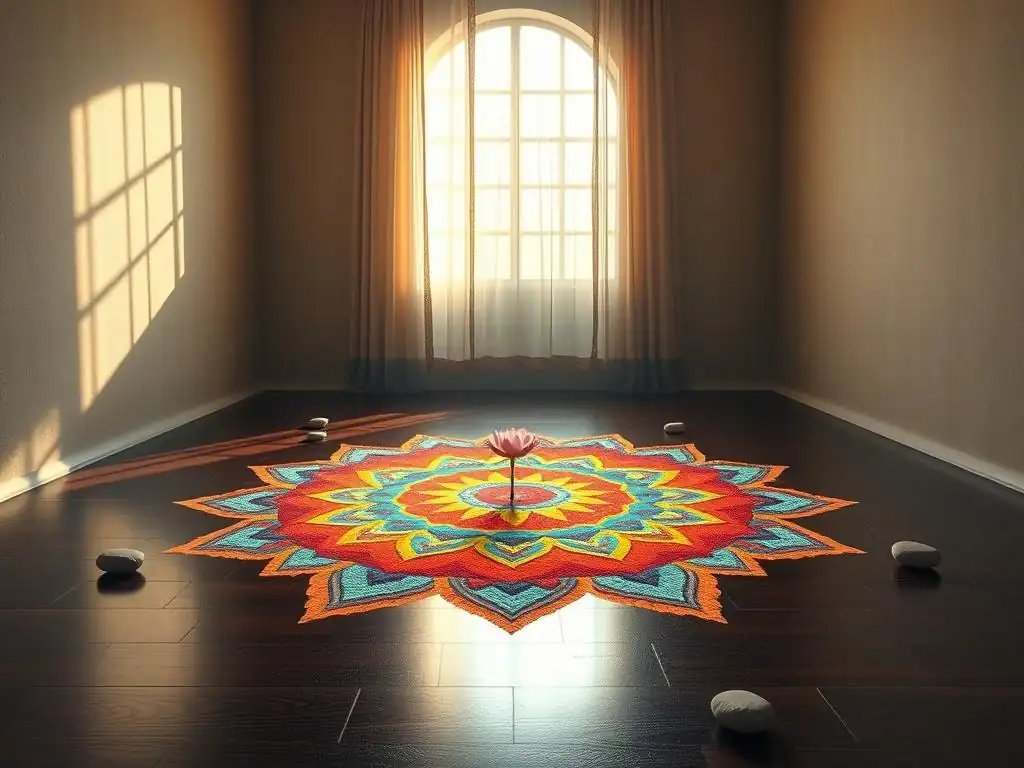
Welcome to Mind Care Guide, where we understand that navigating the complexities of mental well-being can feel overwhelming. Are you seeking a unique and culturally rich approach to finding inner peace? This month, we delve into the fascinating world of art as therapy, and in particular, we explore how mandalas for stress reduction have been used across Eastern traditions. Intrigued? Discover how this ancient practice can offer a pathway to calm and self-discovery – your journey towards a more mindful you starts here.
- Introduction to Mindfulness Practices and Mental Well-being
-
Frequently Asked Questions
- What are mandalas, and how are they used in Eastern contexts?
- How can mandalas contribute to stress reduction?
- Are there different types of mandalas, and which are best for beginners seeking stress relief?
- Does the color choice in mandala creation impact its therapeutic effects?
- Where can I find resources or guides to learn more about using mandalas for stress reduction?
- Final Reflection: The Enduring Power of Mandalas for Stress Reduction
- Unleash Your Inner Artist: Create Your Own Mandala Today!
Introduction to Mindfulness Practices and Mental Well-being
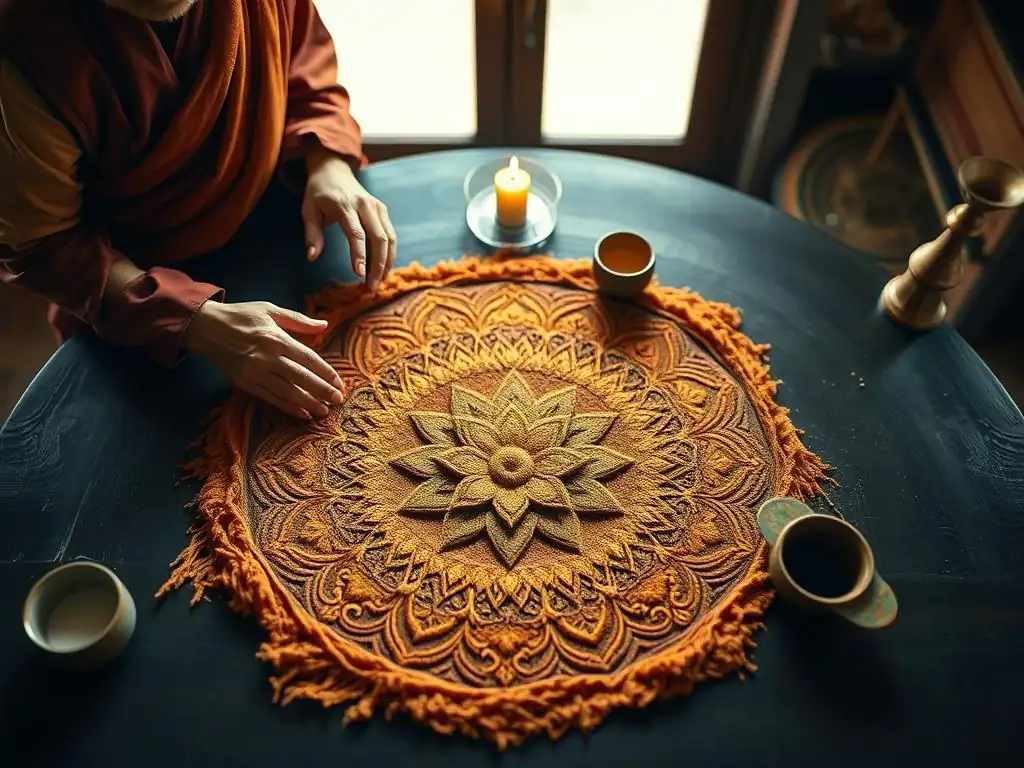
Mindfulness, a state of active, open attention on the present, is increasingly recognized globally for its profound benefits on mental well-being. It involves observing one's thoughts and feelings without judgment, simply noticing them as they arise. This practice offers a powerful pathway to navigate the complexities of modern life, providing tools for grounding oneself amidst chaos and fostering a deeper connection with inner experiences. The growing interest in mindfulness reflects a collective search for effective strategies for stress reduction and cultivating emotional resilience in the face of daily pressures.
Engaging with mindfulness practices goes beyond simple relaxation; it's a discipline that cultivates awareness and acceptance. By intentionally paying attention to the present moment—whether through formal meditation sessions, mindful breathing exercises, or simply being fully present during everyday activities—individuals can interrupt cycles of worry and rumination. This shift in perspective is fundamental to harnessing the power of mindfulness for stress reduction, enabling people to respond to challenges with greater clarity and less reactivity. It lays the groundwork for improved emotional regulation and a heightened sense of peace.
Understanding the Historical Roots of Mindfulness
The origins of mindfulness are deeply embedded in ancient Eastern philosophical and religious traditions, dating back thousands of years. While often associated primarily with Buddhism, mindfulness practices have roots that extend to other contemplative traditions across Asia, including aspects of Hinduism and various forms of yoga. These ancient disciplines recognized the importance of cultivating present moment awareness as a path to enlightenment, self-understanding, and liberation from suffering. Early texts describe techniques remarkably similar to modern mindfulness exercises, emphasizing breath awareness and non-judgmental observation of mental states.
For instance, the practice of sati in early Buddhism, which translates roughly to "awareness" or "mindfulness," is central to the path to liberation. Texts like the Satipaṭṭhāna Sutta provide detailed instructions on cultivating mindfulness of the body, feelings, mind, and phenomena.
Similarly, classical yogic texts, such as the Yoga Sutras of Patanjali (estimated between 500 BCE and 400 CE), describe practices aimed at calming the fluctuations of the mind ( citta vritti nirodha), which aligns closely with the goals of modern mindfulness for achieving mental clarity and stress reduction. These historical roots highlight that mindfulness is not a new age phenomenon, but a time-tested approach to mental and spiritual well-being.
Mindfulness as a Tool for Self-Reflection and Healing
Mindfulness serves as a powerful tool for self-reflection by creating space between an individual and their thoughts and emotions. Instead of being swept away by internal chatter or reactive impulses, mindfulness allows for detached observation. This non-judgmental awareness enables individuals to recognize patterns in their thinking and feeling, identify triggers for stress or negative emotions, and gain insight into their own behaviors and motivations. This process of gentle introspection, free from self-criticism, is crucial for personal growth and understanding one's inner landscape.
Furthermore, mindfulness acts as a catalyst for emotional healing. By acknowledging difficult emotions without suppressing or being overwhelmed by them, individuals can process past experiences and current challenges more effectively. Practices like mindful self-compassion, rooted in mindfulness principles, teach individuals to approach their suffering with kindness and understanding, much like they would a friend.
This empathetic stance towards oneself is vital for healing from psychological wounds and building resilience. Studies have shown that regular mindfulness practice can lead to measurable changes in brain areas associated with emotional regulation and self-awareness, demonstrating its tangible impact on mental health and its potential for significant stress reduction.
Frequently Asked Questions
What are mandalas, and how are they used in Eastern contexts?
Mandalas are sacred geometric designs often used in Eastern spiritual traditions like Buddhism and Hinduism. They serve as visual aids for meditation and represent the universe. They are believed to promote inner peace and spiritual transformation.
How can mandalas contribute to stress reduction?
The act of creating or focusing on mandalas can be incredibly calming. The repetitive nature of coloring or drawing mandalas can induce a meditative state, effectively reducing anxiety and stress levels. The focus required helps divert attention from negative thoughts.
Are there different types of mandalas, and which are best for beginners seeking stress relief?
Yes, mandalas come in various forms, from simple geometric patterns to complex depictions. For beginners seeking stress relief, simple, symmetrical designs are often recommended. These are easier to focus on and less overwhelming.
Does the color choice in mandala creation impact its therapeutic effects?
Yes, color psychology suggests that different colors can evoke different emotions. Choosing colors that resonate with you can enhance the therapeutic benefits. Experiment with different color combinations to find what promotes calmness and relaxation.
Where can I find resources or guides to learn more about using mandalas for stress reduction?
Many online resources, books, and workshops offer guidance on using mandalas. Look for websites like Mind Care Guide or art therapy resources that provide step-by-step instructions and templates. Consider joining a local art therapy group for guided sessions.
Final Reflection: The Enduring Power of Mandalas for Stress Reduction
The intricate beauty of mandalas transcends mere artistry; they offer a potent pathway to inner peace and stress reduction, a relevance that resonates deeply in our increasingly frenetic modern world. The therapeutic potential of this ancient practice, explored throughout this article, remains as vital today as it was centuries ago, offering a tangible antidote to the anxieties of contemporary life. The simple act of creating a mandala, with its inherent focus and repetitive movements, provides a powerful tool for grounding and centering oneself amidst the chaos.
The enduring influence of mandalas on cultural and social landscapes is undeniable. From their sacred origins in Buddhist and Hindu traditions to their widespread adoption in therapeutic settings and creative expression today, their ability to foster mindfulness and calm has consistently proven its worth. The mandala is not a mere diagram or symbol; it is a dynamic process of creation and integration, a journey toward wholeness.
This quote perfectly encapsulates the transformative potential inherent in the practice, a potential I've personally witnessed in both my own life and the experiences shared by others.
Consider the intricate patterns, the deliberate strokes, the quiet focus required to bring a mandala to life. This process, in itself, is a meditation. I invite you to explore this ancient art form, not just as a passive observer, but as an active participant. Pick up your pencils, paints, or even just a piece of paper and begin to create. Allow the act of creation to become a journey inward, a path toward stress reduction and a deeper understanding of your own inner landscape. The peace you find may surprise you.
Unleash Your Inner Artist: Create Your Own Mandala Today!
Thanks for exploring the world of mandalas with us! We hope you gained a deeper appreciation for their therapeutic power and rich cultural significance. Ready to experience the calming benefits firsthand?
- Create your own mandala: Grab some pencils, paints, or even just a pen and paper, and let your creativity flow. Don't worry about perfection—it's about the process!
- Share your creation: Post a picture of your mandala on social media and use #MindCareMandala to connect with other aspiring artists and share your journey.
- Explore different mandala designs online for inspiration. Find your unique style and let it shine!
What unique symbol or image will you integrate into your first mandala? Let us know in the comments!