
Beyond Therapy: Exploring Eastern Paths to Inner Peace

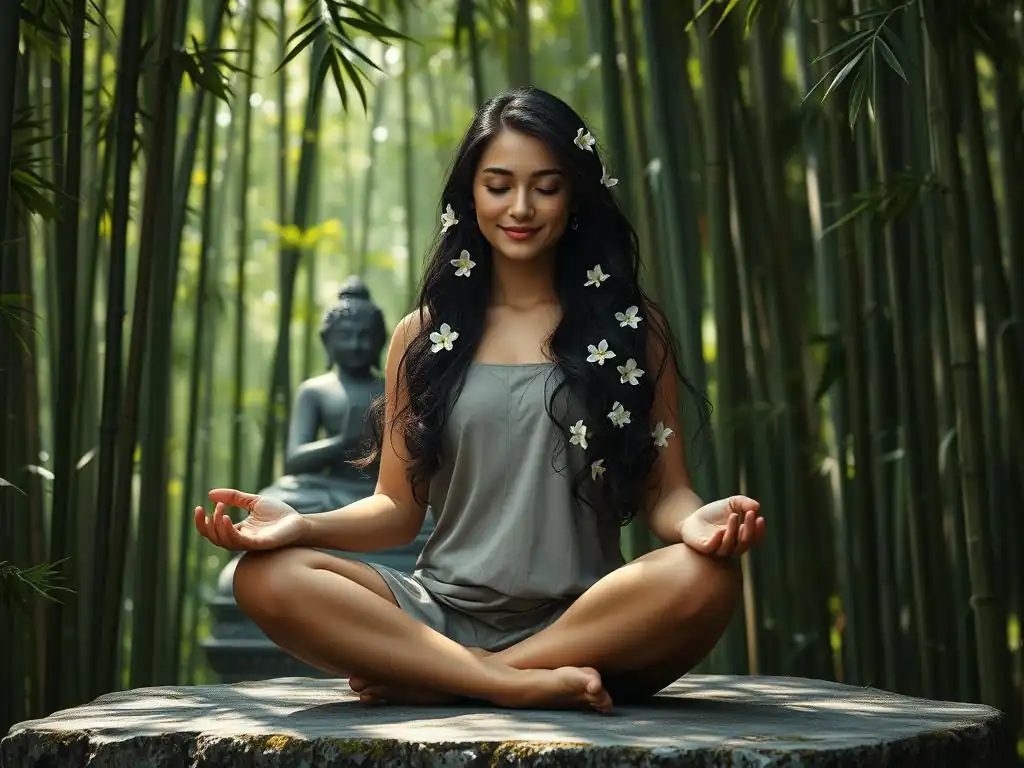
Welcome to Mind Care Guide, a compassionate space dedicated to nurturing your mental well-being. Feeling overwhelmed by the noise of modern life? In Beyond Therapy: Exploring Eastern Paths to Inner Peace, we delve into the ancient wisdom of Eastern meditation for inner peace, offering a gentle introduction to practices that can help you rediscover calm and clarity. Curious to learn how these time-tested techniques can transform your inner landscape? Let's begin your journey towards a more peaceful you...
Beyond Therapy: Exploring Eastern Paths to Inner Peace
- Introduction: Finding Inner Peace Through Eastern Wisdom
- Understanding Eastern Meditation for Inner Peace
- Core Eastern Paths to Inner Peace: A Deep Dive
- Choosing the Right Eastern Meditation Practice for You
- Practical Tips for Incorporating Eastern Practices into Your Life
- Overcoming Challenges in Eastern Meditation
- The Science Behind Eastern Practices and Mental Health
- Conclusion: Embracing Eastern Wisdom for Lasting Inner Peace
-
Frequently Asked Questions
- What is Eastern meditation and how does it differ from other forms of therapy?
- How can Eastern meditation contribute to my mental well-being?
- What are some common types of Eastern meditation techniques?
- Is Eastern meditation a substitute for professional mental health treatment?
- Where can I find resources and guidance to start practicing Eastern meditation?
- Final Reflection: Finding Peace on the Eastern Path
- Unlock Your Inner Calm: Embark on a Journey to Peace
Introduction: Finding Inner Peace Through Eastern Wisdom
For centuries, individuals across the globe have sought ways to navigate the complexities of the human mind and cultivate a state of inner peace. While modern Western therapy offers invaluable tools and insights, a growing number of people are discovering the profound wisdom and practical techniques offered by Eastern traditions.
These ancient paths, often rooted in mindfulness, meditation, and physical practices, provide alternative and complementary approaches to mental well-being, emphasizing holistic harmony between mind, body, and spirit. Exploring Eastern meditation for inner peace opens up a rich tapestry of practices designed not just to alleviate distress but to foster a deeper understanding of oneself and the world.
The quest for inner peace is a universal human experience. As societies become increasingly fast-paced and demanding, stress, anxiety, and depression are prevalent challenges. Eastern philosophies and practices offer time-tested methods for managing these challenges and cultivating resilience. They often focus on cultivating awareness, compassion, and acceptance, principles that resonate deeply with the core needs of mental health. By looking beyond conventional therapeutic models, many are finding that the contemplative and physical disciplines of the East provide powerful pathways to a more centered and peaceful existence.
The Growing Interest in Eastern Practices for Mental Well-being
The integration of Eastern practices into mainstream discussions about mental health has seen significant growth over the past few decades. What was once considered esoteric or purely spiritual is now recognized for its tangible benefits supported by scientific research. Techniques like mindfulness meditation, yoga, and Tai Chi are increasingly recommended by healthcare professionals and incorporated into wellness programs globally. This surge in interest reflects a collective yearning for approaches that address not just symptoms but the root causes of suffering, fostering a sense of connection and presence.
This trend is not confined to alternative circles. Major institutions, from hospitals to corporations, are exploring how practices like Eastern meditation for inner peace can improve patient outcomes, reduce employee stress, and enhance overall well-being. For instance, studies have shown that regular mindfulness practice can lead to measurable changes in brain structure related to attention and emotional regulation. The accessibility of information through books, online courses, and local centers has also played a crucial role in demystifying these traditions and making them available to a wider audience seeking effective strategies for managing mental health challenges.
Bridging the Gap: Integrating Eastern Philosophies with Modern Mental Health
Integrating Eastern philosophies with modern mental health approaches involves recognizing their complementary strengths. While Western therapy often focuses on cognitive restructuring, emotional processing, and behavioral change through talking and analysis, Eastern practices emphasize experiential learning, embodied awareness, and cultivating a different relationship with thoughts and emotions. For example, cognitive behavioral therapy (CBT) might help identify and challenge negative thought patterns, while mindfulness meditation teaches one to observe these thoughts without judgment, reducing their power.
This integration is not about replacing one system with another, but about creating a more holistic framework for well-being. Many therapists now incorporate elements of mindfulness or acceptance and commitment therapy (ACT), which have roots in Eastern thought, into their practice. Similarly, individuals engaging in Eastern meditation for inner peace can benefit from the structure and insight provided by therapeutic support. The synergy lies in combining the analytical rigor of Western psychology with the contemplative depth of Eastern traditions, offering a comprehensive path towards healing and flourishing.
Understanding Eastern Meditation for Inner Peace
Eastern meditation encompasses a vast array of practices originating from diverse spiritual and philosophical traditions across Asia, including Buddhism, Hinduism, Taoism, and others. At its core, Eastern meditation for inner peace is not merely a relaxation technique, although relaxation is often a beneficial byproduct. It is a discipline aimed at training the mind, cultivating specific qualities like attention, awareness, compassion, and equanimity. These practices often involve focusing the mind on a single object, such as the breath, a mantra, or bodily sensations, or observing thoughts and feelings without judgment.
Unlike casual daydreaming or passive contemplation, Eastern meditation is an active, intentional process. It requires sustained effort and practice to develop the capacity to quiet the internal chatter and experience moments of profound stillness and clarity. The goal is often to gain insight into the nature of reality, reduce suffering caused by attachment and aversion, and ultimately realize a state of liberation or enlightenment. While the ultimate aims may vary between traditions, the practical steps of cultivating a focused and calm mind offer immense benefits for mental and emotional health in the here and now.
What is Eastern Meditation? A Holistic Approach
Eastern meditation is fundamentally a holistic approach to being. It recognizes the interconnectedness of mind, body, and spirit, and aims to bring them into harmony. Practices often involve specific postures (like sitting cross-legged), breathing techniques (pranayama in Yoga, for instance), and mental focus exercises. The physical stillness or gentle movement often associated with these practices is not just for comfort but is seen as essential for calming the nervous system and facilitating mental clarity. This integration means that improving one aspect, like mental focus through meditation, positively impacts physical health and emotional resilience.
This holistic perspective contrasts somewhat with approaches that might isolate mental health from physical health or spiritual well-being. Eastern meditation for inner peace encourages individuals to view themselves as integrated systems. For example, stress held in the body can manifest as mental anxiety, and conversely, a calm mind can alleviate physical tension. By working with breath and body awareness, practitioners learn to release physical and emotional blockages, fostering a state of greater ease and balance.
Key Principles of Eastern Meditation Techniques
Despite the diversity of specific techniques, several key principles underpin most forms of Eastern meditation. One fundamental principle is mindfulness or sati in Pali (from Buddhist traditions), which means paying attention in a particular way: on purpose, in the present moment, and non-judgmentally. Another crucial principle is concentration or samatha, the ability to focus the mind on a single point and sustain that focus, which helps to quiet the incessant stream of thoughts.
Other core principles include compassion ( karuna) and loving-kindness ( metta), cultivating benevolent feelings towards oneself and others; equanimity ( upekkha), developing a balanced and stable mind that remains undisturbed by life's ups and downs; and impermanence ( anicca), understanding that all things, including thoughts, feelings, and experiences, are constantly changing. These principles are not just abstract concepts but are actively cultivated through the practice of Eastern meditation for inner peace, transforming one's perspective and response to life's challenges.
Benefits of Eastern Meditation for Mental and Emotional Health
The benefits of practicing Eastern meditation for inner peace are well-documented and wide-ranging. On a psychological level, it is highly effective in reducing stress, anxiety, and symptoms of depression. Regular practice helps to regulate the nervous system, lowering cortisol levels – the body's primary stress hormone. For example, a meta-analysis published in JAMA Internal Medicine in 2014 reviewed 47 studies and found that mindfulness meditation programs had moderate evidence of improving anxiety, depression, and pain.
Beyond reducing negative states, Eastern meditation cultivates positive emotional qualities. It can enhance self-awareness, allowing individuals to recognize their emotional patterns without being overwhelmed by them. It fosters emotional regulation, enabling a more measured response to difficult feelings. Furthermore, practices like loving-kindness meditation have been shown to increase feelings of empathy and connection towards others. These combined effects contribute significantly to improved emotional resilience, greater life satisfaction, and a pervasive sense of inner peace.
Core Eastern Paths to Inner Peace: A Deep Dive
The vast landscape of Eastern traditions offers numerous pathways to inner peace, each with its unique philosophy, practices, and emphasis. While many share common threads like mindfulness and compassion, their specific techniques and goals can differ. Exploring these core paths provides a deeper understanding of the richness and variety available for those seeking Eastern meditation for inner peace. From the stillness of Zen to the gentle flow of Tai Chi, there is a practice suited to different temperaments and needs.
Understanding these distinct approaches allows individuals to find a path that resonates most deeply with them. Some may be drawn to the formal seated practice of Zen, while others might prefer the embodied movement of Yoga or Tai Chi. Each tradition offers profound insights into the human condition and practical methods for cultivating a calmer, more centered mind. The journey of exploring these paths is itself an act of self-discovery and a step towards greater inner harmony.
Mindfulness Meditation: Cultivating Present Moment Awareness
Mindfulness meditation, largely derived from Buddhist traditions, focuses specifically on cultivating present moment awareness. The primary technique involves paying attention to the breath as it enters and leaves the body, using it as an anchor to the present. When the mind inevitably wanders (which it does, often hundreds or thousands of times during a session), the practice is simply to notice the wandering and gently guide the attention back to the breath, without judgment.
This practice trains the mind to observe thoughts, feelings, and sensations as transient events rather than solid realities. By practicing mindfulness meditation, individuals learn to step out of automatic reactions and cultivate a sense of spaciousness around their experiences. For instance, instead of being immediately consumed by an anxious thought, one learns to observe it as just a thought, reducing its power to trigger a stress response. This consistent practice strengthens the "mindfulness muscle," making it easier to remain present and responsive in daily life.
Techniques for Practicing Mindfulness Meditation
There are numerous techniques within mindfulness meditation, adaptable to different settings and durations. The most common is seated meditation, where practitioners sit comfortably with a straight but relaxed spine, focusing on the breath. Walking meditation involves paying attention to the sensations of walking – the lifting and placing of the feet, the movement of the body. Mindful eating involves paying close attention to the sensory experience of food – its texture, taste, smell, and appearance.
A simple formal technique involves setting a timer for 5-20 minutes. Find a quiet place to sit. Close your eyes or soften your gaze. Bring your attention to the sensation of the breath in your nostrils, chest, or abdomen. When your mind wanders, gently notice where it went (e.g., "thinking about work," "feeling restless") and redirect your attention back to the breath. This repetitive process of noticing and returning is the core of the practice, strengthening attention and non-judgmental awareness.
The Science Behind Mindfulness Meditation's Effectiveness
Extensive scientific research supports the effectiveness of mindfulness meditation. Studies using fMRI scans have shown that regular mindfulness practice can lead to changes in brain regions associated with attention, emotional regulation, and self-awareness. For example, the prefrontal cortex, involved in executive functions and focus, often shows increased activity, while the amygdala, the brain's fear center, may show decreased reactivity.
Research also indicates that mindfulness can reduce rumination and worry, common features of anxiety and depression. A study published in Health Psychology in 2018 found that a 10-day mindfulness meditation retreat led to significant reductions in perceived stress and negative affect among participants. The evidence suggests that mindfulness doesn't just help people feel better; it can fundamentally alter how the brain processes information and responds to challenges, making it a powerful tool for cultivating Eastern meditation for inner peace.
Yoga and Mental Well-being: Connecting Body and Mind
Yoga, originating in ancient India, is a holistic practice that integrates physical postures ( asanas), breathing exercises ( pranayama), meditation, and ethical principles. While often perceived in the West primarily as a physical exercise, its traditional purpose is to unite the mind, body, and spirit, leading towards spiritual liberation and inner peace. The physical practice of asanas is designed not just to build strength and flexibility but also to release tension held in the body, which is often intertwined with emotional stress.
The emphasis on breath awareness during yoga postures is a form of embodied mindfulness, anchoring attention to the present moment and the physical sensations arising. This connection between movement, breath, and awareness helps to calm the nervous system and quiet the restless mind. Regular yoga practice can improve body image, increase self-compassion, and provide a sense of empowerment and control, all of which are crucial for mental well-being.
Different Styles of Yoga and Their Mental Health Benefits
Various styles of yoga offer different approaches and intensities, allowing individuals to find a practice that suits their needs. Hatha Yoga, a foundational style, focuses on basic postures and breath control, providing a gentle introduction suitable for beginners seeking to reduce stress. Vinyasa Yoga links breath to movement in a flowing sequence, which can be a moving meditation that helps to quiet the mind through physical engagement.
Yin Yoga involves holding passive stretches for longer periods, targeting deep connective tissues and promoting release, both physically and emotionally, making it particularly beneficial for reducing anxiety and cultivating patience. Restorative Yoga uses props to support the body in gentle poses, promoting deep relaxation and healing, which is excellent for managing chronic stress and burnout. Exploring different styles allows individuals to discover how the physical practice of yoga can support their journey towards Eastern meditation for inner peace.
Yoga for Stress Reduction and Emotional Balance
Numerous studies have confirmed the effectiveness of yoga in reducing stress and improving emotional balance. A review published in the Journal of Alternative and Complementary Medicine in 2018 concluded that yoga interventions significantly reduced symptoms of depression and anxiety. The combination of physical activity, breath control, and mindfulness inherent in yoga practice works on multiple levels to regulate the stress response.
For example, holding a challenging pose requires focus and presence, training the mind to stay calm under physical tension, a skill transferable to managing emotional stress. The deep breathing techniques stimulate the vagus nerve, promoting relaxation and reducing the heart rate. Furthermore, the release of endorphins during physical activity contributes to improved mood. By fostering a stronger mind-body connection, yoga provides a tangible pathway for cultivating emotional resilience and inner peace.
Tai Chi and Qigong: Gentle Movement for Inner Harmony
Tai Chi and Qigong are ancient Chinese mind-body practices that involve slow, gentle movements, deep breathing, and focused intention. Originating from martial arts and traditional Chinese medicine, they are now widely practiced for health and longevity. Unlike strenuous exercise, the movements are fluid and continuous, promoting the flow of Qi (vital energy) throughout the body, which is believed to be essential for health and balance.
These practices cultivate a state of relaxed alertness, bridging the gap between stillness and activity. The focus required to execute the movements with precision and grace acts as a form of moving meditation, quieting the internal dialogue. Tai Chi and Qigong are particularly beneficial for individuals who find seated meditation challenging, offering an alternative entry point into contemplative practice through embodied movement.
The Principles of Tai Chi and Qigong for Mental Clarity
Several core principles guide Tai Chi and Qigong practice, all contributing to mental clarity and inner harmony. Relaxation is fundamental; movements should be performed without tension, allowing energy to flow freely. Mindfulness is crucial, requiring practitioners to be fully present with each movement and breath. Alignment ensures that the body is held in a way that supports energy flow and prevents strain.
The principle of continuity emphasizes smooth, uninterrupted movement, fostering a sense of flow and ease. Rooting refers to maintaining a connection to the earth, providing stability and grounding. By embodying these principles, practitioners develop heightened body awareness, improved focus, and a calm, centered mind. The deliberate, slow pace encourages patience and perseverance, qualities essential for navigating life's challenges with grace.
Integrating Tai Chi and Qigong into Daily Life
Integrating Tai Chi or Qigong into daily life can be relatively simple, requiring minimal space and time. Even a short 10-15 minute practice session in the morning or evening can yield significant benefits. Many parks and community centers offer classes, providing guidance from experienced instructors and a sense of community. Online resources, including instructional videos, also make these practices accessible.
A simple Qigong exercise like "Eight Brocades" (Ba Duan Jin) or a short Tai Chi form can be performed indoors or outdoors. The key is consistency. Practicing a few movements each day is more beneficial than infrequent long sessions. These gentle yet powerful practices offer a pathway to cultivate Eastern meditation for inner peace through mindful movement, improving physical balance, flexibility, and mental tranquility.
Zen Buddhism: Finding Peace in Simplicity and Acceptance
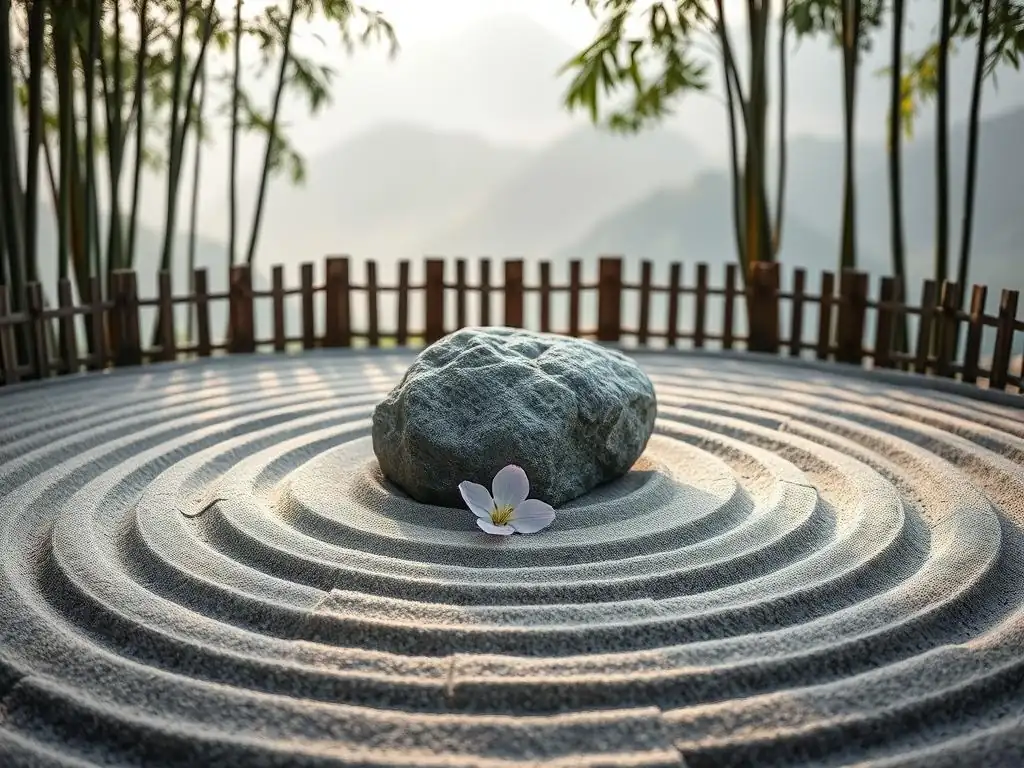
Zen Buddhism, originating in China and later flourishing in Japan, emphasizes direct experience and intuition over scriptural study. Its core teaching is the realization of one's own Buddha-nature, the inherent potential for enlightenment and peace within everyone. Zen seeks to cut through illusion and intellectual concepts to perceive reality as it is, moment by moment. The path to peace in Zen lies in simplicity, discipline, and radical acceptance of the present moment.
Zen philosophy encourages letting go of attachment, aversion, and fixed notions of self, which are seen as the primary sources of suffering. It highlights the beauty and profundity found in ordinary, everyday activities, urging practitioners to live fully and mindfully in each moment. The famous Zen saying, "Before enlightenment, chop wood, carry water. After enlightenment, chop wood, carry water," illustrates the emphasis on bringing profound awareness to the mundane.
The Core Teachings of Zen Buddhism for Inner Peace
The core teachings of Zen for inner peace revolve around concepts like impermanence (anicca), understanding that everything is constantly changing; no-self (anatta), realizing that the perceived self is not a fixed, independent entity; and suffering (dukkha), acknowledging the inherent dissatisfaction in life driven by craving and attachment. Zen practice aims to directly experience these truths, rather than just intellectually understanding them.
Another crucial teaching is the importance of beginner's mind ( shoshin), approaching every moment with openness, curiosity, and a lack of preconceptions, regardless of experience. This allows for fresh perception and prevents stagnation. The emphasis on mindfulness and awareness in all activities, from washing dishes to engaging in conversation, is paramount. Zen teaches that true peace is not found by escaping the world but by fully inhabiting it with awareness and acceptance.
Zen Meditation (Zazen): A Pathway to Self-Discovery
Zen meditation, known as Zazen, is the central practice of Zen Buddhism. It typically involves seated meditation, often facing a wall, with a focus on posture, breathing, and attentive awareness. There are two main forms: Shikantaza ("just sitting"), which involves non-dwelling, open awareness of whatever arises without focusing on anything specific; and Koan practice, which involves contemplating paradoxical riddles assigned by a teacher to break through conceptual thinking.
Zazen is not about achieving a specific state or emptying the mind, but about simply being present with whatever arises, including thoughts, emotions, and sensations, without getting caught up in them. It is a practice of radical acceptance and self-discovery, revealing the nature of the mind and reality. Through consistent Zazen, practitioners cultivate stillness, clarity, and insight, finding a deep sense of Eastern meditation for inner peace rooted in the present moment.
Transcendental Meditation: Reaching a State of Pure Awareness
Transcendental Meditation (TM) is a specific form of mantra meditation founded by Maharishi Mahesh Yogi. It involves silently repeating a specific mantra (a meaningless sound or word) for 15-20 minutes twice a day, while sitting comfortably with eyes closed. The technique is taught through a structured course by certified instructors. The aim of TM is to allow the mind to settle down effortlessly to a state of "transcendental consciousness," a state of deep rest and pure awareness beyond thought.
Unlike concentration or mindfulness meditation which involve focused effort or observing thoughts, TM is described as an effortless technique where the mind naturally transcends the active thought process. The mantra is used not as an object of focus, but as a vehicle to allow the mind to settle inward. This process is believed to induce a state of profound physiological rest, much deeper than sleep, leading to significant stress reduction and other benefits.
The Practice of Transcendental Meditation (TM)
The practice of TM is standardized and taught in a seven-step course. Once learned, it is practiced independently. The core technique involves sitting comfortably, closing the eyes, and gently beginning to think the assigned mantra. The key is effortlessness; there is no attempt to concentrate or control the mind. If thoughts arise, the practitioner simply returns to the mantra without judgment or struggle.
The twice-daily, 15-20 minute structure is considered essential for accumulating the benefits. This regularity helps to train the nervous system to access the state of deep rest and pure awareness more easily. The mantra is typically assigned by a certified TM teacher based on the practitioner's age and gender, and its specific sound is considered important for its effectiveness in allowing the mind to settle.
The Benefits of TM for Reducing Anxiety and Stress
Research specifically on Transcendental Meditation has shown promising results for reducing anxiety and stress. Studies, including those funded by the U.S. National Institutes of Health, have indicated that TM practice can lead to significant reductions in high blood pressure, a key indicator of chronic stress. A meta-analysis published in the Journal of the American Heart Association in 2013 found that TM practice was associated with a 4.78 mmHg reduction in systolic blood pressure and a 2.97 mmHg reduction in diastolic blood pressure among individuals with elevated levels.
Furthermore, studies have reported reductions in symptoms of anxiety and post-traumatic stress disorder (PTSD) among veterans and other populations practicing TM. The deep state of rest achieved during TM is believed to normalize the body's stress response system. While some debate exists regarding TM compared to other forms of meditation, the specific focus on effortless transcendence and deep rest offers a distinct pathway for those seeking Eastern meditation for inner peace, particularly for managing chronic stress and anxiety.
Choosing the Right Eastern Meditation Practice for You
With such a diverse range of Eastern meditation practices available, deciding which one to explore can feel daunting. There is no single "best" practice; the most effective one for you is the one you will actually do consistently and that resonates with your personal needs, preferences, and goals. This section offers guidance on how to navigate the options and find a path that supports your journey towards Eastern meditation for inner peace.
Consider this exploration an act of self-discovery. It may involve trying different techniques, reading about various traditions, and perhaps even attending introductory classes or workshops. Be patient with yourself during this process. What works for one person may not work for another, and your needs may change over time. The goal is to find a sustainable practice that brings you closer to a state of calm and clarity.
Assessing Your Needs and Preferences
Before diving into specific practices, take some time to reflect on what you hope to gain. Are you primarily looking to reduce stress and anxiety? Improve focus and concentration? Cultivate emotional resilience? Explore spiritual growth? Your primary motivation can help guide your choice. Also, consider your personality and preferences. Do you prefer stillness or movement? Solitary practice or group settings? A structured approach or a more open one?
For example, if you find it difficult to sit still, a movement-based practice like Yoga, Tai Chi, or Qigong might be a better starting point than seated meditation. If you thrive on structure and clear instruction, TM or a formal mindfulness course might be appealing. If you are drawn to philosophical depth and a specific lineage, exploring Zen or other Buddhist traditions could be the right path for your Eastern meditation for inner peace journey.
Exploring Different Eastern Traditions
Educating yourself about the different Eastern traditions can provide valuable context and help you understand the underlying philosophies of various practices. Read books, listen to podcasts, and explore reputable websites about Buddhism, Hinduism, Taoism, and their respective meditation techniques. Understanding the roots and intentions behind a practice can deepen your engagement and motivation.
Many centers and organizations offer introductory talks, workshops, or short courses on specific traditions like Zen, Vipassana (Insight Meditation, closely related to mindfulness), or TM. Participating in these can provide a direct experience of the practice and allow you to ask questions. Don't feel pressured to commit to one tradition immediately; exploring several can help you discern which one feels most authentic and beneficial for you.
Considering Lifestyle and Spiritual Goals
Your current lifestyle and broader spiritual or philosophical interests should also play a role in your choice. Consider how much time you can realistically dedicate to practice each day or week. Some practices require more formal training or time commitment than others. Think about whether you are looking for a practice that is purely secular or one that is rooted in a specific spiritual path.
For those seeking Eastern meditation for inner peace within a secular framework, mindfulness meditation and many forms of yoga, Tai Chi, and Qigong are often taught in a way that is accessible regardless of belief system. If you are drawn to a particular spiritual philosophy, aligning your meditation practice with that tradition can provide a deeper sense of connection and purpose. Ultimately, finding a practice that fits comfortably into your life increases the likelihood of long-term adherence and sustained benefits.
Practical Tips for Incorporating Eastern Practices into Your Life
Embarking on a journey with Eastern meditation for inner peace requires more than just understanding the techniques; it involves integrating them into the rhythm of your daily life. Consistency is often cited as the most important factor in experiencing the transformative benefits of these practices. Here are some practical tips to help you establish and maintain a regular practice routine.
Remember that starting small is perfectly acceptable, even encouraged. A few minutes of mindful breathing or a short Tai Chi sequence is infinitely more effective than planning long, infrequent sessions that never happen. Be patient with yourself and the process; cultivating inner peace is a gradual unfolding, not a quick fix.
Creating a Dedicated Space for Meditation and Mindfulness
Having a dedicated space, even a small corner, for your practice can make a significant difference. This doesn't need to be elaborate – a cushion or chair in a quiet room is sufficient. The key is that it is a place where you feel comfortable and are less likely to be interrupted. Over time, this space becomes associated with calm and presence, making it easier to transition into a meditative state.
Ensure the space is tidy and free from distractions like phones or computers (unless you are using an app for guidance). Some people find it helpful to include elements that create a sense of peace, such as a plant, a simple image, or natural light. Having a designated spot signals to your mind and body that it's time to practice, helping to build a consistent habit for your Eastern meditation for inner peace.
Establishing a Consistent Practice Routine
Consistency is king when it comes to meditation. Aim to practice at the same time each day, if possible. Many people find mornings before the day's demands begin, or evenings before sleep, to be ideal times. Start with a realistic duration, perhaps just 5-10 minutes, and gradually increase the time as you become more comfortable.
Treat your practice time as a non-negotiable appointment in your schedule. Just like brushing your teeth, make it a part of your daily hygiene, but for your mind. Using a timer can be helpful. Don't get discouraged if you miss a day; simply acknowledge it without judgment and return to your routine the next day. Building this routine is crucial for experiencing the cumulative benefits of Eastern meditation for inner peace.
Utilizing Apps and Online Resources for Guidance
In the modern age, technology can be a valuable tool for supporting your practice. Numerous apps offer guided meditations, timers, and progress tracking. Popular examples include Headspace, Calm, Insight Timer (which has a vast library of free guided meditations from various traditions), and Ten Percent Happier. These apps can be particularly helpful for beginners learning the basics of Eastern meditation.
Online resources also abound, from websites offering detailed instructions on techniques like Zazen or Tai Chi forms, to recorded talks and lectures by experienced teachers. Many centers and teachers offer online classes or retreats, making instruction accessible regardless of geographical location. While technology shouldn't replace the direct experience of practice, these tools can provide valuable support, structure, and inspiration on your path to Eastern meditation for inner peace.
Task List for Starting Your Practice:
- [ ] Choose one practice to start with (e.g., mindfulness of breath, a simple yoga pose).
- [ ] Designate a quiet spot in your home for practice.
- [ ] Set aside 5-10 minutes at a consistent time each day.
- [ ] Use a timer to keep track of the duration.
- [ ] Explore a guided meditation app or online resource.
- [ ] Commit to practicing daily for one week.
- [ ] Reflect on your experience after one week.
Overcoming Challenges in Eastern Meditation
While the benefits of Eastern meditation for inner peace are significant, the path is not always smooth. Practitioners often encounter challenges, from a restless mind and physical discomfort to waning motivation. Recognizing these common obstacles and developing strategies to address them is crucial for maintaining a consistent and beneficial practice.
It's important to remember that experiencing difficulties is a normal part of the process, not a sign of failure. These challenges often provide valuable opportunities for growth and deeper understanding. Approaching them with patience, self-compassion, and perseverance will strengthen your practice and deepen your connection to inner peace.
Common Obstacles and How to Address Them
One of the most frequent obstacles is a restless or "monkey" mind, constantly jumping from thought to thought. This is normal! The practice is not about stopping thoughts, but about noticing them without getting carried away. When your mind wanders, gently acknowledge it (e.g., "thinking") and guide your attention back to your chosen anchor (like the breath). This gentle redirection is the core work.
Physical discomfort, such as back pain or restless legs, can also be challenging, especially during seated meditation. Experiment with different postures (sitting on a chair, using cushions) to find what is comfortable. Gentle stretching before practice can also help. If discomfort is severe, it's okay to gently adjust your position, doing so mindfully. For movement practices like Yoga or Tai Chi, listen to your body and avoid pushing into pain.
Sleepiness is another common hurdle. Ensure you are adequately rested before practice. If you feel drowsy, open your eyes slightly or adjust your posture to be more upright. Sometimes, simply acknowledging the sleepiness without resisting it can help it pass. Don't strive for a perfect, thought-free state; the challenges themselves are part of the practice of cultivating Eastern meditation for inner peace.
Maintaining Motivation and Consistency
Keeping motivation high over the long term can be difficult, especially when results aren't immediately apparent or when life gets busy. Reconnect with your initial reasons for starting the practice. Remind yourself of the benefits you've already experienced, however small. Journaling about your practice and how it impacts your daily life can help reinforce its value.
Setting realistic goals is key. Instead of aiming for an hour a day from the start, commit to 10 minutes. Celebrate small victories, like completing a week of consistent practice. Don't let perfectionism be the enemy of progress; even a few minutes of mindful breathing is beneficial. Consider your practice a gift you give yourself each day.
Connecting with a Community for Support
Joining a meditation group or finding a teacher can provide invaluable support and motivation. Practicing with others creates a sense of shared purpose and accountability. Teachers can offer guidance, answer questions, and help you navigate specific challenges you encounter in your Eastern meditation for inner peace.
Many centers offer sitting groups, workshops, or retreats. Online communities and forums also exist where you can connect with fellow practitioners, share experiences, and find encouragement. Knowing that you are not alone in your journey can make overcoming obstacles feel less daunting and help you stay committed to your practice over the long haul.
The Science Behind Eastern Practices and Mental Health
While Eastern meditation and mind-body practices have ancient roots in spiritual and philosophical traditions, modern science is increasingly providing empirical evidence for their profound impact on mental health. Research across various disciplines, including neuroscience, psychology, and medicine, is helping to understand how these practices work at a biological and psychological level, validating their role in promoting well-being.
This scientific validation has been instrumental in bringing practices like Eastern meditation for inner peace into mainstream healthcare and wellness discussions. It moves the conversation beyond anecdotal evidence to demonstrate measurable effects on the brain, body, and emotional state. Understanding the science can also help practitioners appreciate the mechanisms behind the benefits they experience.
Research on the Effects of Meditation on the Brain
Neuroimaging studies, particularly using fMRI, have provided compelling evidence of how meditation affects brain structure and function. Research from institutions like Harvard and the University of Wisconsin-Madison has shown that consistent meditation practice can lead to increased gray matter density in areas associated with learning, memory, compassion, and self-awareness, such as the hippocampus and specific regions of the prefrontal cortex.
Conversely, studies have shown decreased gray matter density in the amygdala, the brain region responsible for the fear and stress response. This suggests that meditation can physically alter the brain in ways that reduce reactivity to stress and enhance emotional regulation. For example, a study published in Psychiatry Research: Neuroimaging in 2011 found that participants who completed an 8-week Mindfulness-Based Stress Reduction (MBSR) program showed a significant decrease in amygdala volume. These findings provide a neurological basis for the subjective experience of reduced stress and increased calm often reported by those who practice Eastern meditation for inner peace.
Studies on Yoga and Stress Reduction
Research on yoga's impact on stress and mental health has also yielded positive results. Studies have shown that yoga can reduce levels of cortisol, the primary stress hormone. For instance, a study published in Psychosomatic Medicine in 2008 found that women participating in a yoga program had significantly lower levels of cortisol compared to a control group.
Yoga's combination of physical postures, breathing techniques, and meditation appears to regulate the body's stress response system. By stimulating the parasympathetic nervous system, the body's "rest and digest" mode, yoga helps to counteract the effects of chronic stress. Research also indicates that yoga can increase levels of Gamma-aminobutyric acid (GABA) in the brain, a neurotransmitter associated with calmness and reduced anxiety.
A study in the Journal of Alternative and Complementary Medicine in 2010 reported increased GABA levels after just one hour of yoga practice. These findings support the use of yoga as an effective tool for stress reduction and promoting emotional balance, contributing to Eastern meditation for inner peace through embodied practice.
Understanding the Mind-Body Connection
The scientific exploration of Eastern practices underscores the profound connection between the mind and body. Concepts like the stress response, the enteric nervous system (the "second brain" in the gut), and the impact of inflammation on mental health highlight how physical states influence psychological well-being and vice versa. Eastern traditions have recognized this interconnectedness for millennia, with practices designed to work holistically.
Research on psychoneuroimmunology, the study of how psychological processes interact with the nervous and immune systems, provides further scientific backing. Chronic stress, for example, suppresses the immune system and contributes to inflammation, which is increasingly linked to depression and anxiety. Practices like Eastern meditation for inner peace and yoga help to regulate these systems, reducing the negative physical impacts of stress and supporting overall health. Understanding this intricate mind-body connection validates the holistic approach of Eastern practices and their potential to foster profound and lasting well-being.
Conclusion: Embracing Eastern Wisdom for Lasting Inner Peace
The journey to inner peace is a deeply personal one, and while Western therapeutic approaches offer essential support, exploring the rich tapestry of Eastern meditation and mind-body practices can provide powerful complementary pathways. Traditions from mindfulness meditation and Zen to Yoga, Tai Chi, and Transcendental Meditation offer time-tested techniques for cultivating presence, reducing stress, enhancing emotional regulation, and fostering a profound sense of calm and well-being.
Embracing Eastern wisdom is not about abandoning modern care, but about integrating these ancient practices into a holistic approach to mental wellness. Backed by growing scientific evidence demonstrating their positive effects on the brain and body, these practices offer tangible tools for navigating the challenges of modern life and connecting with a deeper sense of peace within.
Integrating Eastern Practices into a Holistic Mental Wellness Plan
Incorporating Eastern meditation for inner peace should be viewed as one component of a comprehensive mental wellness plan. This plan might include therapy, medication (if necessary), healthy lifestyle choices (nutrition, exercise, sleep), social support, and other self-care practices. Meditation and mind-body techniques can enhance the effectiveness of other interventions and empower individuals to take an active role in managing their mental health.
Consulting with healthcare providers or mental health professionals about how to integrate these practices is always a good idea, especially if you have existing health conditions. Many therapists are now knowledgeable about mindfulness and related techniques and can offer guidance. The goal is to create a personalized approach that leverages the strengths of both Western and Eastern wisdom to support your unique path to well-being.
The Journey to Inner Peace: A Lifelong Pursuit
Cultivating inner peace through Eastern practices is not a destination but a continuous journey. It requires patience, dedication, and a willingness to explore and learn. There will be ups and downs, moments of profound peace, and times of struggle. The practice itself teaches us how to navigate these fluctuations with greater awareness and acceptance.
By committing to regular practice, whether it's daily meditation, weekly yoga, or incorporating mindful moments throughout the day, you are actively investing in your own well-being. The skills developed through Eastern meditation for inner peace – such as non-judgmental awareness, compassion, and equanimity – are not confined to the cushion or the mat; they permeate all aspects of life, transforming your experience from the inside out and leading to a more fulfilling and peaceful existence.
Frequently Asked Questions
What is Eastern meditation and how does it differ from other forms of therapy?
Eastern meditation encompasses a variety of practices originating in Asia, focusing on mindfulness and inner peace. It differs from traditional therapy by emphasizing self-discovery and spiritual connection rather than solely addressing psychological issues.
How can Eastern meditation contribute to my mental well-being?
Practices like mindfulness and Zazen can help reduce stress, improve focus, and cultivate emotional regulation. Regular practice promotes a sense of inner peace and overall mental well-being.
What are some common types of Eastern meditation techniques?
Common techniques include mindfulness meditation, which involves paying attention to the present moment; Vipassana, a form of insight meditation; and Transcendental Meditation, using a mantra to quiet the mind.
Is Eastern meditation a substitute for professional mental health treatment?
Eastern meditation can be a valuable complementary practice, but it is not a substitute for professional mental health treatment. Individuals with serious mental health concerns should consult with a qualified therapist or psychiatrist.
Where can I find resources and guidance to start practicing Eastern meditation?
Mind Care Guide provides information, support, and resources for learning and practicing various forms of Eastern meditation. Look for guided meditations, articles, and recommended apps to begin your journey to inner peace.
Final Reflection: Finding Peace on the Eastern Path
The pursuit of inner peace remains a universal human aspiration, and the ancient wisdom traditions of the East offer a compelling roadmap for navigating the complexities of modern life. In a world increasingly characterized by stress, anxiety, and a relentless pace, the practices explored in this article—from mindfulness meditation to the principles of yoga and Taoism—provide tangible tools for cultivating serenity and well-being. These aren't merely historical relics; they are vibrant, living practices with the power to transform our inner landscapes.
The enduring influence of Eastern meditative practices on global culture is undeniable. Their integration into Western wellness practices speaks volumes about their effectiveness and enduring appeal. The emphasis on self-awareness, compassion, and mindful living resonates deeply with a generation seeking meaning beyond material pursuits. The purpose of life, after all, is to live it, to taste experience to the utmost, to reach out eagerly and without fear for newer and richer experience.
– Eleanor Roosevelt. This quote highlights the active and engaged approach to life that Eastern practices encourage, a far cry from passive resignation to stress and anxiety.
Now, consider your own journey. What resonates most deeply from the practices discussed? Perhaps it's the gentle stillness of meditation, the mindful movement of yoga, or the philosophical insights of Taoism. Regardless, I invite you to explore these paths further, to experiment with different techniques, and to discover the unique way in which these ancient wisdoms can illuminate your own path to inner peace. Begin with a small step—a few minutes of mindful breathing, a gentle yoga stretch, or a moment of quiet reflection—and watch as the seeds of serenity blossom within you.
Unlock Your Inner Calm: Embark on a Journey to Peace
Thanks for taking the time to explore Eastern philosophies for inner peace! We hope you found insightful ways to nurture your well-being. Ready to integrate these practices into your life?
- Begin a daily mindfulness meditation practice: Even 5 minutes a day can make a significant difference. Start small and build consistency.
- Incorporate a simple Tai Chi or Qi Gong routine into your week. These gentle movements promote both physical and mental harmony.
- Share your experience! What resonated most with you from this article? Let's start a conversation in the comments below.
What small step will you take today to cultivate more inner peace?