
The Role of Art and Culture: Expressing and Challenging Stigma

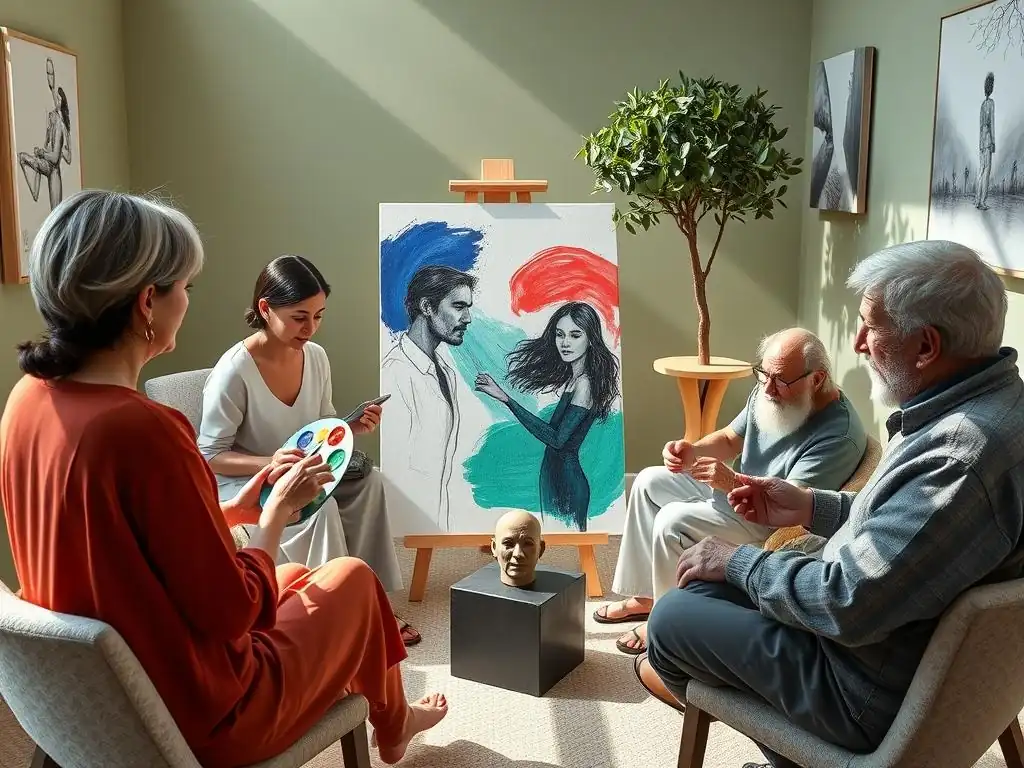
Welcome to Mind Care Guide.
Feeling misunderstood or judged because of your mental health? You're not alone. Many find it difficult to speak openly about their struggles. This is precisely why we're delving into the powerful role of creative expression. Join us as we explore Art therapy stigma reduction, uncovering how art and culture can break down barriers and foster greater understanding in our insightful article below. Curious to learn how creativity can help to change perspectives? Let's begin.
- The Role of Art and Culture: Expressing and Challenging Stigma - A Mind Care Guide
- Art as a Tool for Challenging Mental Health Stigma
- Art Therapy: A Direct Approach to Stigma Reduction
- Diverse Forms of Art and Their Impact on Mental Health Stigma
- Case Studies: Art Initiatives Combating Mental Health Stigma
- The Impact of Art on Public Perception of Mental Illness
- Overcoming Barriers to Accessing Art Therapy and Cultural Programs
- The Future of Art and Culture in Mental Health Advocacy
- Conclusion: Embracing Art and Culture for a More Inclusive Mental Health Landscape
-
Frequently Asked Questions
- How does art therapy contribute to art therapy stigma reduction?
- What types of art forms are typically used in art therapy, and how do they help art therapy stigma reduction?
- Can art and culture effectively challenge societal perceptions and art therapy stigma reduction?
- How can engaging with art and culture improve an individual's mental well-being, indirectly contributing to art therapy stigma reduction?
- What resources are available for individuals interested in exploring art therapy as a means of art therapy stigma reduction?
- Final Reflection: Art's Unfolding Power Against Stigma
- Unlock Your Creative Power: Challenge Stigma Through Art
The Role of Art and Culture: Expressing and Challenging Stigma - A Mind Care Guide
The Interplay of Art, Culture, and Mental Health Stigma
Art and culture serve as powerful mirrors reflecting societal attitudes, including deeply ingrained stigmas surrounding mental illness. Across different cultures and historical periods, artistic expressions have often depicted individuals experiencing mental health challenges in ways that range from empathetic and understanding to fearful, monstrous, or dismissive.
These portrayals, whether in literature, visual arts, or performance, shape public perception and contribute to the narrative around mental health. For example, historical depictions in paintings or dramatic representations in plays have sometimes reinforced stereotypes of unpredictability or danger associated with mental conditions, inadvertently perpetuating stigma and making it harder for individuals to seek help.
Cultural norms significantly influence how mental illness is perceived and expressed, and art often captures these nuances. In some cultures, mental health issues may be viewed through a lens of spiritual or moral failing, while in others, they might be seen purely as medical conditions. Art from these cultures can either reinforce these views or subtly question them.
Consider traditional folk art or storytelling; they may carry narratives about mental states that align with local beliefs, influencing community members' understanding and reactions. Recognizing this interplay is crucial for effective interventions, including those aimed at art therapy stigma reduction, as it highlights the need to address culturally specific manifestations of stigma.
Examining Cultural Perspectives on Mental Health and Artistic Expression
Different cultures have distinct ways of conceptualizing and responding to mental health conditions, and these are often embedded within their artistic traditions. In some Asian cultures, for instance, there might be a strong emphasis on family honor and collective well-being, leading to a reluctance to openly discuss mental struggles, which can be reflected in art that is more symbolic or indirect about personal suffering.
Conversely, some Western traditions have a history of exploring individual psychological states in depth through portraiture, confessional literature, and dramatic monologues. These varying artistic approaches can influence how mental illness is understood, expressed, and ultimately, how stigma is experienced and potentially challenged within those cultural contexts.
Moreover, artistic expression itself can be viewed differently across cultures when it comes to mental health. In some settings, art created by individuals with mental health conditions might be pathologized or dismissed, while in others, it might be seen as a valid form of communication, healing, or even profound insight.
For example, the concept of "outsider art" has sometimes been used to categorize work by individuals outside the mainstream art world, including those with mental health issues, raising questions about how mental state influences the reception and valuation of creative output. Understanding these diverse cultural perspectives is essential for developing culturally sensitive approaches to mental health support and utilizing art therapy for stigma reduction effectively on a global scale.
Art as a Tool for Challenging Mental Health Stigma
How Artistic Expression Breaks Down Barriers and Misconceptions
Art possesses a unique ability to bypass intellectual defenses and connect directly with emotions, making it a powerful tool for challenging stigma. By presenting personal stories, perspectives, and emotional landscapes, art can humanize individuals who have been marginalized by mental illness.
A poignant photograph, a moving piece of music, or a compelling theatre performance can evoke empathy and understanding in ways that statistics or clinical descriptions often cannot. For instance, a series of portraits showing individuals living with schizophrenia, accompanied by their own words, can powerfully counteract stereotypes of violence or incapacity by highlighting their individuality, resilience, and shared humanity.
Furthermore, artistic creation and engagement provide a platform for dialogue and reflection. When people encounter art that addresses mental health, whether as creators or viewers, it can spark conversations that might otherwise be difficult to initiate. Sharing personal experiences through poetry or visual art in a supportive setting can reduce feelings of isolation and shame for the artist, while prompting viewers to question their own biases and assumptions.
Art installations in public spaces that represent the weight of depression or the chaos of anxiety can create moments of public awareness and shared experience, fostering a sense of collective responsibility and encouraging a more open and compassionate dialogue about mental health challenges. This direct engagement is key to art therapy stigma reduction efforts.
Art's Role in Normalizing Mental Health Conversations
Art plays a vital role in bringing mental health issues into the open and normalizing conversations around them. When artists, especially public figures, share their own struggles through their work, it can significantly reduce the perceived taboo. Carrie Fisher, for example, used her writing and performances to openly discuss her experiences with bipolar disorder, destigmatizing the condition for many.
Similarly, musicians writing lyrics about anxiety or depression help listeners feel less alone and validate their own feelings. This visibility in popular culture helps shift mental health from being a whispered secret to a topic that can be discussed openly and honestly.
Moreover, community-based art projects focused on mental well-being can create safe spaces for individuals to share their stories and connect with others. Workshops where participants create art together and discuss their experiences can build supportive networks and reduce the isolation often associated with mental health conditions.
Public art displays featuring collaborative pieces about recovery or resilience can challenge negative stereotypes and promote a sense of community solidarity. These initiatives demonstrate that mental health challenges are common human experiences, fostering an environment where seeking help and talking about one's feelings is seen as a sign of strength rather than weakness, thereby contributing significantly to art therapy stigma reduction goals.
Art Therapy: A Direct Approach to Stigma Reduction

Exploring the Benefits of Art Therapy in Mental Healthcare
Art therapy is a distinct therapeutic approach that uses the creative process of making art to improve a person's physical, mental, and emotional well-being. For individuals grappling with mental health conditions, it offers a non-verbal avenue for expression, which can be particularly beneficial when verbal communication is difficult due to trauma, emotional overwhelm, or the nature of the condition itself.
Through painting, drawing, sculpting, or collage, individuals can explore complex emotions, process difficult experiences, and gain insights into their internal world in a safe and facilitated environment. This process itself can be incredibly empowering, helping individuals externalize internal struggles and gain a sense of control.
Beyond expression, art therapy aids in developing coping skills, reducing anxiety and stress, and improving self-esteem. It can help individuals identify patterns in their thoughts and feelings as they are manifested in their artwork.
A meta-analysis published in 2016, reviewing studies on art therapy's effectiveness, indicated positive outcomes across various conditions, including reductions in symptoms of depression and anxiety. For those facing the double burden of a mental health condition and societal stigma, the therapeutic process of creating art can also build resilience and a stronger sense of self-worth, counteracting the negative messages they may have internalized from societal attitudes.
Art Therapy: Evidence-Based Practices for Stigma Reduction
Art therapy directly contributes to art therapy stigma reduction through several mechanisms grounded in evidence-based practices. Firstly, it empowers individuals by giving them a voice and a means of self-expression, which can counteract the sense of powerlessness often associated with mental illness and the stigma surrounding it. By creating art that reflects their lived experience, individuals reclaim their narrative and challenge external judgments. For example, in group art therapy settings, sharing and discussing artwork can foster peer support, reduce feelings of isolation, and challenge internalized stigma as individuals realize they are not alone in their struggles.
Secondly, art therapy interventions can be designed specifically to address stigma. Techniques might involve creating artwork that visually represents stigma, discussing the feelings evoked, and then creating pieces that represent resilience, recovery, or desired societal change. Studies have shown that participation in therapeutic art programs can lead to reduced self-stigma among individuals with conditions like schizophrenia.
For instance, a program might involve participants creating masks representing how they feel they must hide their true selves due to stigma, followed by creating pieces that represent their authentic identity. This structured process, facilitated by a trained art therapist, provides a safe space to confront stigma directly and develop strategies for coping with it, offering a tangible pathway for art therapy stigma reduction.
Diverse Forms of Art and Their Impact on Mental Health Stigma
Visual Arts: Painting, Sculpture, and Photography as Advocacy
Visual arts like painting, sculpture, and photography offer powerful mediums for mental health advocacy and challenging stigma. A single photograph can capture the raw emotion of anxiety, a sculpture can represent the weight of depression, or a painting can depict the journey of recovery.
These visual representations can bypass language barriers and resonate deeply with viewers, fostering empathy and understanding. Exhibitions featuring art created by individuals with lived experience of mental illness, such as the annual show hosted by the American Society of Group Psychotherapy and Psychodrama, provide platforms for artists to share their stories and challenge stereotypes through their creative output.
Photography, in particular, has been used effectively in campaigns aimed at reducing stigma. Projects like "This Is What Anxiety Looks Like" or photo essays documenting life with bipolar disorder offer intimate glimpses into personal realities, counteracting media portrayals that are often sensationalized or inaccurate.
Public sculptures or murals addressing mental health themes can also integrate these issues into the public consciousness, prompting reflection and dialogue. The power of these visual forms lies in their ability to make the invisible visible, representing internal states and experiences in a tangible way that invites connection and reduces the 'otherness' often associated with mental illness, contributing significantly to art therapy stigma reduction efforts.
Performing Arts: Theatre, Music, and Dance Challenging Stereotypes
Performing arts – theatre, music, and dance – engage audiences in dynamic and immersive ways, making them potent tools for challenging mental health stigma. Theatre productions that accurately and empathetically portray characters with mental health conditions can educate audiences and foster empathy.
Plays like "Next to Normal," a Pulitzer Prize-winning musical about a family dealing with bipolar disorder, have reached broad audiences, prompting conversations about complex issues like diagnosis, treatment, and family impact in a relatable format. Interactive theatre or psychodrama can also be used therapeutically, allowing participants to explore their own experiences with stigma in a safe, simulated environment.
Music has a profound ability to connect with emotions and build community, making it a powerful vehicle for destigmatization. Songs with lyrics addressing mental health struggles resonate with listeners who share similar experiences, reducing feelings of isolation. Musicians openly discussing their mental health journeys also use their platform for advocacy.
Dance can express emotions and experiences that are difficult to articulate verbally, offering a powerful non-verbal means of communication about internal states. Performances exploring themes of anxiety, depression, or recovery can challenge passive viewing, inviting emotional engagement and fostering a deeper understanding of mental health challenges, aligning with the goals of art therapy stigma reduction.
Literary Arts: Poetry and Prose Giving Voice to Lived Experiences
Literary arts, including poetry, prose, memoirs, and fiction, provide intimate windows into the subjective experience of mental illness, giving voice to those who have been silenced by stigma. Reading a memoir by someone living with obsessive-compulsive disorder or a collection of poems about navigating depression allows readers to step into another person's shoes, fostering empathy and challenging preconceived notions. Writers like Kay Redfield Jamison, whose memoir "An Unquiet Mind" details her experiences with bipolar disorder, have profoundly impacted public understanding and reduced stigma by sharing their personal narratives with honesty and insight.
Creative writing workshops focused on mental health can also be therapeutic and empowering, providing a safe space for individuals to process their experiences and express themselves through words. Sharing these writings, whether in a small group or publicly through publications or readings, can build community and challenge the secrecy often imposed by stigma.
Fiction can create relatable characters grappling with mental health issues, helping readers see beyond diagnostic labels to the individual human being. The act of writing itself can be a form of self-discovery and healing, while the act of sharing these narratives contributes directly to breaking down stigma by revealing the human reality behind the condition, supporting art therapy stigma reduction through narrative.
Case Studies: Art Initiatives Combating Mental Health Stigma
The "Inside Out Project" and Its Global Impact on Mental Health Awareness
The "Inside Out Project," a large-scale global art initiative founded by French artist JR, provides a compelling example of how art can be used to challenge stigma and raise awareness, including for mental health. While not exclusively focused on mental health, the project encourages communities to share their untold stories and transform messages of personal identity into works of public art by pasting large-format photographic portraits of their faces in public spaces. Numerous groups around the world have used this platform specifically to highlight the faces and stories of individuals affected by mental illness, visible for everyone to see.
For instance, a project in London featured portraits of individuals who had experienced homelessness and mental health challenges, pasted on buildings to challenge stereotypes and make the invisible visible. Another initiative in Canada used the project format to showcase the faces of young people struggling with mental health issues, accompanied by messages of hope and resilience.
By placing these large, unavoidable portraits in public view, the "Inside Out Project" forces passersby to confront the reality of mental health challenges and see the human faces behind the statistics, fostering dialogue and empathy on a massive scale and serving as a powerful example of art therapy stigma reduction in action.
Fountain House Gallery in New York City is a prime example of an initiative that uses art directly as a catalyst for recovery and social inclusion for individuals living with mental illness. As part of Fountain House, a global community dedicated to the recovery of people with serious mental illness, the gallery provides artists living with mental health conditions opportunities to create, exhibit, and sell their work. This is not just an art space; it's a therapeutic and vocational program that empowers artists, validates their experiences, and connects them with the broader community.
The gallery holds regular exhibitions, attracting collectors, critics, and the general public. This exposure helps to break down the 'us vs. them' mentality often associated with mental illness by showcasing the talent, creativity, and humanity of the artists. For the artists themselves, the act of creating and exhibiting provides purpose, builds confidence, and fosters a sense of belonging and achievement.
Approximately 80% of the gallery's artists have a history of serious mental illness, and their participation in the program has been linked to improved social connections and reduced isolation. By providing a professional platform for their work, Fountain House Gallery directly challenges the stigma that often leads to marginalization, demonstrating the profound impact of art therapy stigma reduction through community and opportunity.
The Impact of Art on Public Perception of Mental Illness

Measuring the Effectiveness of Art-Based Stigma Reduction Campaigns
Measuring the precise impact of art-based stigma reduction campaigns can be complex, but various methods are used to assess their effectiveness. Pre- and post-campaign surveys are common, gauging changes in public attitudes, knowledge, and willingness to interact with individuals with mental illness. For example, a campaign featuring public murals and personal stories might survey residents before and after the murals are installed to see if their perceptions have shifted. Focus groups can provide deeper qualitative insights into how the art influenced understanding and feelings.
Quantitative data points might include changes in helpline calls following a campaign, increased attendance at related community events, or shifts in media coverage tone. While direct causation is hard to prove solely through these methods, correlations can be observed. A study evaluating a theatre program where individuals shared their experiences with mental illness found that audience members reported increased empathy and reduced desire for social distance from people with mental health conditions immediately after the performance. These evaluation efforts, though challenging, are crucial for demonstrating the value of art therapy stigma reduction initiatives and securing continued support.
The Role of Art in Promoting Empathy and Understanding
Art excels at fostering empathy by allowing viewers to connect emotionally with experiences that may be vastly different from their own. When a piece of art effectively conveys the confusion of psychosis, the despair of depression, or the struggle for recovery, it invites the viewer to feel alongside the artist or subject. This emotional connection is a powerful antidote to stigma, which often thrives on detachment and dehumanization. A striking visual image or a moving musical piece can evoke a visceral reaction that intellectual arguments alone might not achieve.
By presenting diverse perspectives and challenging simplistic narratives, art encourages a more nuanced understanding of mental illness. It moves beyond labels and statistics to reveal the individual human experience, highlighting resilience, creativity, and strength alongside vulnerability and struggle. Art exhibitions featuring work by individuals with lived experience, for instance, dismantle stereotypes by showcasing talent and complexity. This exposure helps the public see individuals with mental health conditions not as their diagnosis, but as multifaceted human beings with unique stories, talents, and contributions to make, thereby promoting the core goals of art therapy stigma reduction.
Overcoming Barriers to Accessing Art Therapy and Cultural Programs
Addressing Financial and Logistical Challenges
Accessing art therapy and cultural programs focused on mental well-being often faces significant financial and logistical barriers. High costs for individual art therapy sessions can make them unaffordable for many, especially those already facing financial strain due to their mental health condition or unemployment. Lack of insurance coverage for art therapy, though slowly improving in some regions, remains a major obstacle. Logistical challenges include limited availability of qualified art therapists, particularly in rural or underserved areas, and difficulties with transportation to therapy sites or cultural venues.
Addressing these issues requires multi-pronged approaches. Advocating for better insurance coverage and government funding for art therapy services is essential. Non-profit organizations can play a crucial role in offering free or low-cost group art therapy programs or workshops.
Community centers, libraries, and mental health organizations can host accessible cultural events and art programs focused on mental well-being. Telehealth options for art therapy are also emerging, potentially reducing geographical barriers. Partnerships between mental health services and local arts organizations can help integrate art into care pathways and make programs more accessible to a wider population, enhancing opportunities for art therapy stigma reduction.
Promoting Inclusivity and Accessibility in Art-Based Interventions
Ensuring inclusivity and accessibility in art-based mental health interventions is vital to reach diverse populations and effectively address stigma across different communities. Programs must be culturally sensitive, recognizing that artistic expression and views on mental health vary widely. This means involving community members in the design and implementation of programs and employing therapists and facilitators who are culturally competent or from the communities they serve. Language barriers also need to be addressed, ensuring materials and facilitation are available in multiple languages where needed.
Physical accessibility is another critical factor. Art spaces and therapy rooms must be physically accessible for individuals with disabilities. Programs should also consider sensory sensitivities that some individuals with mental health conditions may experience. Furthermore, programs need to actively welcome individuals from marginalized groups who may face compounded stigma due to race, ethnicity, sexual orientation, gender identity, or socioeconomic status. Creating truly inclusive spaces where everyone feels safe, respected, and empowered to participate is fundamental to the success of art therapy stigma reduction efforts.
The Future of Art and Culture in Mental Health Advocacy
Emerging Trends in Art Therapy and Stigma Reduction
The field of art therapy and its application in stigma reduction is continually evolving. One emerging trend is the increased use of digital art and technology in therapeutic settings. Virtual reality, digital painting tools, and online collaborative platforms offer new avenues for expression, accessibility, and connection, potentially reaching individuals who face physical or social barriers to traditional therapy. For example, VR art therapy is being explored for treating trauma and anxiety, offering immersive environments for processing difficult experiences.
Another trend is the growing recognition of the importance of community-based participatory art projects. These initiatives involve individuals with lived experience in the design and creation of public art or performances aimed at raising awareness and challenging stigma. This shifts the focus from art about mental illness to art by individuals with lived experience, fostering empowerment and authenticity. Research is also increasingly focusing on measuring the specific neural and physiological impacts of art-making on mental well-being, potentially providing more robust evidence for the effectiveness of art therapy stigma reduction techniques.
The Importance of Continued Investment in Art-Based Mental Health Initiatives
Continued investment in art-based mental health initiatives, including art therapy programs and cultural projects, is crucial for advancing stigma reduction efforts. Financial support is needed to train and employ qualified art therapists, provide accessible therapy services, and fund community-based art programs. Investing in research to further understand the mechanisms and effectiveness of art-based interventions is also vital to build the evidence base and advocate for broader adoption.
Furthermore, investment is needed to support artists and cultural organizations that are creating work related to mental health. This includes funding for exhibitions, performances, and publications that share diverse perspectives and challenge stereotypes. Public funding and private philanthropy both have significant roles to play. Recognizing art and culture not just as supplementary activities but as essential components of a comprehensive mental health strategy is key to fostering a society where mental health challenges are met with understanding, empathy, and acceptance, ultimately achieving greater art therapy stigma reduction.
Conclusion: Embracing Art and Culture for a More Inclusive Mental Health Landscape
The Ongoing Role of Art in Fostering Understanding and Acceptance
Art and culture have been, and will continue to be, indispensable forces in shaping societal narratives around mental health. From ancient cave paintings to contemporary digital art, creative expression has provided a means to explore the depths of the human psyche. As we move forward, art's role in fostering understanding and acceptance of mental health challenges remains paramount. It offers unique pathways for individuals to express their lived experiences, for communities to engage in dialogue, and for the public to build empathy.
Embracing art and culture means supporting artists who share their stories, funding therapeutic art programs, and creating accessible cultural spaces where mental health can be openly discussed and explored. It means recognizing that a painting can be as powerful as a policy paper in changing hearts and minds, and that a shared song can build connections stronger than any statistic. The continued integration of art and culture into mental health advocacy and care is not just beneficial; it is essential for building a truly inclusive and compassionate society.
Further Resources for Exploring Art, Culture, and Mental Well-being
Exploring the intersection of art, culture, and mental well-being can be a deeply rewarding journey. Numerous organizations and resources exist for those wishing to learn more, engage in art-based activities, or find support. Many mental health organizations feature art programs or galleries showcasing work by individuals with lived experience.
Libraries and museums often host exhibitions or events related to mental health themes. Online platforms and communities dedicated to art and mental health offer virtual spaces for connection and expression. Engaging with these resources can provide further insight into the power of art therapy stigma reduction and the broader impact of creative expression on mental well-being.
Frequently Asked Questions
How does art therapy contribute to art therapy stigma reduction?
Art therapy provides a non-verbal outlet for expressing emotions, circumventing the potential shame or fear associated with directly discussing mental health. This indirect approach can make seeking help feel less daunting.
What types of art forms are typically used in art therapy, and how do they help art therapy stigma reduction?
Various art forms, like painting, sculpting, and drawing, are used. These mediums allow individuals to process feelings and create tangible representations of their experiences, which can destigmatize mental health struggles by making them visible and understandable.
Can art and culture effectively challenge societal perceptions and art therapy stigma reduction?
Yes, artworks depicting mental health experiences can provoke empathy and understanding, challenging negative stereotypes prevalent in society. Public art projects and exhibitions can foster open dialogue and reduce stigma.
How can engaging with art and culture improve an individual's mental well-being, indirectly contributing to art therapy stigma reduction?
Exposure to art and culture can promote relaxation, reduce stress, and improve overall mood. By improving mental well-being, individuals may become more open to seeking professional help, including art therapy, thus reducing self-stigma.
What resources are available for individuals interested in exploring art therapy as a means of art therapy stigma reduction?
Resources include registered art therapists, community art programs, and online platforms offering introductory courses. Mind Care Guide itself provides information and resources related to mental well-being and art therapy.
Final Reflection: Art's Unfolding Power Against Stigma
The power of art to challenge societal stigma is not merely theoretical; it's a vital tool actively shaping our understanding of mental health today. We've explored how creative expression provides a potent avenue for individuals to navigate their experiences, fostering self-acceptance and dismantling the isolating barriers of stigma. This is more crucial now than ever, as mental health awareness grows, but societal biases persist.
The impact of art in challenging stigma is profound and far-reaching, influencing not only individual lives but also the broader cultural conversation. We've seen how art can humanize experiences often shrouded in shame and misunderstanding, creating empathy and fostering a sense of community. This resonates deeply with my own belief in the transformative potential of creative expression. Art washes away from the soul the dust of everyday life.
– Pablo Picasso. This quote perfectly encapsulates the cleansing and healing power art offers those struggling with mental health challenges, allowing them to process difficult emotions and find solace in self-expression.
Consider the ways art has touched your own life. Perhaps you've found solace in music, painting, or writing during challenging times. Now, consider how you can actively contribute to reducing stigma. Engage with art that challenges preconceived notions, support artists who share their vulnerabilities, and advocate for increased access to art therapy and creative outlets for those who need them most. Let us collectively build a world where art empowers, heals, and fosters a culture of understanding and acceptance.
Unlock Your Creative Power: Challenge Stigma Through Art
Thank you for exploring the powerful connection between art, culture, and challenging stigma with us! We hope you gained valuable insights into how creative expression can foster understanding and empathy. Now it’s your turn to make a difference.
- Start creating: Grab your favorite art supplies (even a pen and paper will do!) and explore the themes we discussed. Let your emotions flow onto the canvas, page, or screen. This is your chance to process, heal, and express yourself authentically.
- Share your story (if you feel comfortable): Consider sharing your artwork or creative writing online using a relevant hashtag (e.g., #ArtVsStigma, #CreativeHealing). Connecting with others facing similar challenges can create a powerful sense of community.
- Engage in a local art event: Search for art exhibitions, workshops, or community projects related to mental health in your area. It's a wonderful way to support others and find inspiration.
What creative act will you undertake today to help break down stigma and promote mental well-being?