
How Traditional Eastern Methods Address Anxiety & Depression

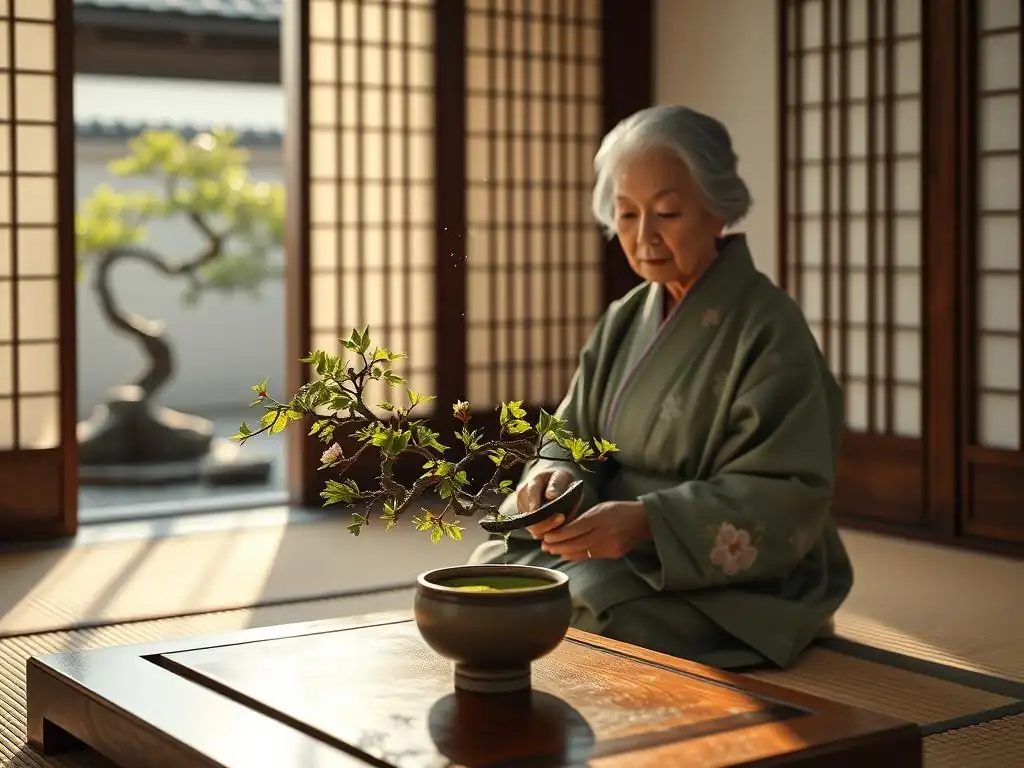
Welcome to Mind Care Guide, a space dedicated to nurturing your mental well-being. Feeling overwhelmed by anxiety or depression? You're not alone. In this article, we delve into How Traditional Eastern Methods Address Anxiety & Depression, exploring time-tested practices that offer a unique and often overlooked path to inner peace. Curious to discover how these ancient techniques can help you reclaim your calm and find lasting relief? Let's begin this journey of self-discovery together.
- Understanding Anxiety and Depression Through Eastern Philosophies
- Traditional Eastern Practices for Reducing Anxiety and Depression
- Comparing Eastern and Western Approaches to Mental Health
- Benefits and Limitations of Eastern Methods for Mental Health
- Incorporating Eastern Techniques into Your Mental Health Routine
- The Future of Eastern Approaches in Mental Healthcare
-
Frequently Asked Questions
- How do traditional Eastern methods specifically address anxiety and depression?
- What are some examples of Eastern methods that are used to reduce anxiety and depression?
- Are Eastern methods a replacement for conventional treatments like therapy and medication?
- How long does it typically take to see results from using Eastern methods for anxiety and depression?
- Where can I find qualified instructors or practitioners of Eastern methods for mental well-being?
- Final Reflection: Finding Peace in Ancient Wisdom
- Unlock Your Inner Calm: Take the Next Step
Understanding Anxiety and Depression Through Eastern Philosophies
The Holistic Eastern Perspective on Mental Well-being
Traditional Eastern philosophies view mental well-being not as an isolated state but as an intrinsic part of overall physical, emotional, and spiritual health. This holistic perspective contrasts sharply with purely biomedical models, which often focus on symptom management. In systems like Traditional Chinese Medicine (TCM) or Ayurveda, anxiety and depression are seen as manifestations of underlying imbalances within the body's energy systems (like Qi in TCM or Doshas in Ayurveda) or disruptions in the connection between mind, body, and environment.
The goal is not just to alleviate symptoms but to restore harmony and balance to the entire system, fostering resilience against future mental health challenges. This approach underscores the interconnectedness of all aspects of a person's life.
This comprehensive view considers factors such as diet, lifestyle, environment, relationships, and even spiritual practices as crucial components influencing mental states. For instance, insomnia, a common symptom of anxiety and depression, might be addressed not just with sleep medication but by examining dietary habits (e.g., consumption of stimulants), daily routines, emotional stressors, and even the physical sleeping environment.
Similarly, persistent feelings of sadness or low energy could be linked to digestive issues or lack of physical movement, prompting interventions that target these seemingly unrelated areas. This deep integration means that Eastern methods reduce anxiety depression by treating the whole person, not just the mental symptoms.
Key Principles: Balance, Harmony, and Interconnectedness
At the core of many Eastern healing traditions are the principles of balance (e.g., Yin/Yang in TCM, Dosha balance in Ayurveda), harmony, and interconnectedness. Mental health is seen as a state of equilibrium. Anxiety, for example, might be viewed as an excess of "Yang" energy or an imbalance of the Vata dosha, leading to restlessness and agitation. Depression could be linked to stagnation or deficiency of "Qi" or an imbalance involving Kapha. Restoring balance is paramount. This is achieved through practices and remedies designed to regulate energy flow, calm the nervous system, and nourish the body.
The principle of interconnectedness highlights that the mind and body are not separate entities but constantly influence each other. Emotional states can manifest physically (e.g., stress causing digestive issues), and physical ailments can impact mood (e.g., chronic pain leading to depression). Furthermore, an individual is seen as interconnected with their environment and community. Disharmony in relationships or disconnect from nature can contribute to mental distress. Therefore, effective Eastern methods reduce anxiety depression by addressing these intricate relationships, promoting a sense of harmony within oneself and with the external world.
Traditional Eastern Practices for Reducing Anxiety and Depression
Mindfulness Meditation: Cultivating Present Moment Awareness
Mindfulness meditation, rooted in ancient Buddhist traditions, involves intentionally focusing one's attention on the present moment without judgment. This practice trains the mind to observe thoughts, feelings, and bodily sensations as they arise, rather than getting caught up in them. Regular practice helps create a mental distance from negative thought patterns, a hallmark of anxiety and depression.
By learning to simply notice thoughts without identifying with them, individuals can reduce rumination and worry. A study published in JAMA Internal Medicine in 2014, involving over 3,500 participants, found that mindfulness meditation programs had moderate evidence of improving anxiety and depression symptoms over 8 weeks, suggesting these Eastern methods reduce anxiety depression effectively for many.
Practicing mindfulness can be as simple as dedicating a few minutes each day to focused breathing or mindful walking. The key is consistency. Over time, this sustained effort can rewire neural pathways, increasing activity in areas of the brain associated with emotional regulation and reducing activity in areas linked to stress response, like the amygdala.
For instance, research using fMRI scans has shown changes in brain structure and function in long-term meditators, including increased gray matter density in areas related to learning and memory and decreased density in the amygdala. This neurobiological evidence supports the efficacy of mindfulness as one of the powerful Eastern methods reduce anxiety depression by altering brain function.
Benefits: Reduced Rumination and Improved Emotional Regulation
One of the most significant benefits of mindfulness meditation for anxiety and depression is its impact on rumination – the repetitive dwelling on negative thoughts. By training the mind to stay in the present, mindfulness weakens the habit of getting stuck in past regrets or future worries. This reduction in rumination directly alleviates a core symptom of both conditions. For example, a study on veterans with PTSD found that mindfulness-based stress reduction (MBSR) significantly reduced rumination and improved symptoms.
Furthermore, mindfulness enhances emotional regulation. Instead of reacting impulsively to difficult emotions, practitioners learn to observe them with greater acceptance and less reactivity. This doesn't mean suppressing emotions but rather developing the capacity to experience them without being overwhelmed. This improved ability to navigate emotional landscapes is crucial for managing the intense feelings often associated with anxiety and depression, making mindfulness a fundamental aspect of how Eastern methods reduce anxiety depression.
Techniques: Samatha-Vipassana and Walking Meditation
Samatha-Vipassana is a classic Buddhist meditation technique combining tranquility (Samatha) and insight (Vipassana). Samatha focuses on calming the mind by concentrating on a single object, like the breath. Vipassana involves observing the nature of reality, including the impermanence of thoughts and feelings. Practicing Samatha first can create the mental stability needed for Vipassana's insightful observation.
Walking meditation is another accessible technique. It involves paying attention to the physical sensations of walking – the lifting and placing of the feet, the movement of the body, the contact with the ground. This practice grounds the mind in the present moment through bodily awareness and can be particularly helpful for individuals who find sitting still challenging. Both techniques exemplify how active engagement with the present moment is central to how Eastern methods reduce anxiety depression.
Yoga and Anxiety: Integrating Mind and Body
Yoga, originating in ancient India, is a practice that integrates physical postures (asanas), breathing techniques (pranayama), and meditation. While often perceived in the West primarily as a form of exercise, traditional yoga is a holistic system aimed at uniting the mind, body, and spirit. For individuals with anxiety and depression, yoga provides a powerful tool for reducing physical tension, calming the nervous system, and fostering a sense of inner peace.
Research has consistently shown that regular yoga practice can lower cortisol levels, the body's primary stress hormone. A 2017 review of studies indicated that yoga significantly reduced symptoms of depression in various populations.
The physical postures in yoga help release chronic tension held in the body, which is often associated with stress and anxiety. The focus on breath control helps regulate the autonomic nervous system, shifting it from the "fight or flight" sympathetic state to the "rest and digest" parasympathetic state. This physiological shift is key to reducing the physical symptoms of anxiety, such as rapid heart rate and shallow breathing.
Furthermore, the meditative aspect of yoga encourages present-moment awareness and self-compassion. These combined elements make yoga a potent example of how Eastern methods reduce anxiety depression by addressing both the physical and mental dimensions of distress.
Connection: Activation of the Parasympathetic Nervous System
A key mechanism by which yoga benefits mental health is through the activation of the parasympathetic nervous system (PNS). The PNS is responsible for calming the body down after a stressful event. Deep, conscious breathing, a core component of yoga, directly stimulates the vagus nerve, which is the main nerve of the PNS. This stimulation slows heart rate, lowers blood pressure, and promotes a sense of relaxation.
By intentionally engaging the PNS through breathwork and gentle movement, yoga counteracts the chronic activation of the sympathetic nervous system often seen in individuals with anxiety. This physiological regulation helps to break the cycle of stress and physical tension, providing a concrete way that these Eastern methods reduce anxiety depression symptoms by modulating the body's stress response.
Specific Poses: Child's Pose, Corpse Pose, and Mountain Pose
Certain yoga poses are particularly beneficial for alleviating anxiety and depression. Child's Pose (Balasana) is a restorative pose that encourages introspection and calms the nervous system by gently folding the body. Corpse Pose (Savasana), often practiced at the end of a session, promotes deep relaxation and allows the body to fully release tension.
Mountain Pose (Tadasana), while seemingly simple, cultivates grounding and stability, fostering a sense of presence and strength. These poses, among many others, offer tangible ways to use the body to influence the mind, illustrating the integrated approach of how Eastern methods reduce anxiety depression.
Traditional Chinese Medicine (TCM) for Mental Wellness
Traditional Chinese Medicine (TCM) is a complete medical system that has evolved over thousands of years. It views health as a state of balance and harmony within the body's vital energy, or Qi (pronounced "chee"), blood, and fluids, circulating through pathways called meridians. Mental health conditions like anxiety and depression are seen as signs of disrupted or stagnant Qi flow, or imbalances in organs associated with emotional functions, such as the Heart (shen, or spirit), Liver (anger, frustration), and Spleen (worry, overthinking). Treatment aims to restore the smooth flow of Qi and blood and balance organ function.
TCM diagnostic methods involve observing the patient's pulse, tongue, and overall constitution, as well as asking detailed questions about symptoms and lifestyle. Based on this diagnosis, a personalized treatment plan is developed, which may include acupuncture, herbal medicine, dietary therapy, Tui Na massage, and Qigong or Tai Chi exercises. For example, anxiety might be diagnosed as Heart Qi deficiency and Liver Qi stagnation, leading to specific acupuncture points and herbal formulas to address these patterns. This individualized approach is a core strength of how these Eastern methods reduce anxiety depression by targeting the root cause according to TCM principles.
Acupuncture and Acupressure: Regulating Qi Flow
Acupuncture involves inserting thin needles into specific points along the meridians to stimulate Qi flow and restore balance. From a Western perspective, acupuncture is thought to stimulate the nervous system, triggering the release of endorphins and other neurochemicals that can reduce pain and improve mood. It may also influence the body's stress response system. Studies have shown that acupuncture can be effective in reducing symptoms of anxiety and depression, possibly by regulating neurotransmitters like serotonin and dopamine.
Acupressure is similar to acupuncture but uses finger pressure instead of needles. Both techniques aim to clear blockages and promote the smooth circulation of Qi and blood. Specific points, such as those on the wrist (e.g., Pericardium 6) or between the eyebrows (e.g., Yin Tang), are commonly used to calm the mind and alleviate anxiety and insomnia. These practices offer a physical means by which Eastern methods reduce anxiety depression by addressing the body's energy pathways.
Herbal Remedies: Bupleurum and Dragon Bone Oyster Shell Decoction
TCM utilizes a vast pharmacopoeia of herbal remedies, typically prescribed as complex formulas tailored to the individual's specific pattern of imbalance. These formulas often contain multiple herbs working synergistically. For instance, a formula containing Bupleurum (Chai Hu) is frequently used to address Liver Qi stagnation, which is often associated with irritability, frustration, and sometimes depression.
Dragon Bone and Oyster Shell are minerals often included in formulas to calm the spirit (Shen) and anchor the mind, which is beneficial for anxiety, palpitations, and insomnia. These herbal interventions represent a significant component of how Eastern methods reduce anxiety depression by using natural substances to restore internal harmony.
Ayurveda: Balancing Doshas for Emotional Equilibrium
Ayurveda, meaning "science of life," is India's traditional system of medicine. It posits that health is a state of balance between three fundamental energies or biological humors, known as Doshas: Vata (air and space), Pitta (fire and water), and Kapha (earth and water). Each individual has a unique constitution (Prakriti) based on the dominance of one or more Doshas.
Imbalances (Vikriti) in these Doshas are believed to cause illness, including mental health issues. Anxiety is often linked to Vata imbalance (excess movement, worry), while depression can be associated with imbalances in Vata (agitation, fear), Pitta (irritability, anger), or Kapha (lethargy, sadness).
Ayurvedic treatment for mental health focuses on restoring Dosha balance through diet, lifestyle adjustments, herbal remedies, purification therapies (Panchakarma), and practices like yoga and meditation. For example, to pacify excess Vata contributing to anxiety, treatments might involve warm, grounding foods, gentle oil massage, and calming herbs. For Kapha-type depression characterized by sluggishness, stimulating therapies and lighter foods might be recommended. This personalized approach is central to how these Eastern methods reduce anxiety depression by addressing the individual's unique energetic blueprint.
Doshas: Vata, Pitta, and Kapha and Their Influence on Mental States
Vata governs movement, including nerve impulses and thought processes. An imbalanced Vata can lead to anxiety, restlessness, fear, insomnia, and scattered thoughts. Pitta governs metabolism and transformation, including digestion and emotional processing. An imbalanced Pitta can manifest as irritability, anger, frustration, and critical thinking, potentially leading to depression characterized by these emotions.
Kapha governs structure, lubrication, and stability. An imbalanced Kapha can result in lethargy, sadness, heaviness, lack of motivation, and attachment, often associated with certain types of depression. Understanding the specific Dosha imbalance is crucial for tailoring effective Ayurvedic interventions, highlighting how Eastern methods reduce anxiety depression by targeting the underlying energetic root.
Treatments: Nasya, Abhyanga, and Herbal Formulations
Ayurvedic treatments for mental wellness are diverse. Nasya involves administering medicated oils or powders into the nasal passages, which is believed to calm the mind and nervous system, particularly helpful for Vata imbalances causing anxiety and insomnia. Abhyanga is a full-body massage with warm medicated oils, which nourishes the tissues, calms Vata, and promotes relaxation, alleviating stress and anxiety.
Ayurvedic herbal formulations are also widely used. Herbs like Ashwagandha and Brahmi are adaptogens, helping the body cope with stress and promoting mental clarity. Jatamansi is used for its calming properties, beneficial for anxiety and insomnia. These therapies, combined with dietary and lifestyle changes, are integral to the Ayurvedic approach to how Eastern methods reduce anxiety depression by restoring systemic balance.
Comparing Eastern and Western Approaches to Mental Health
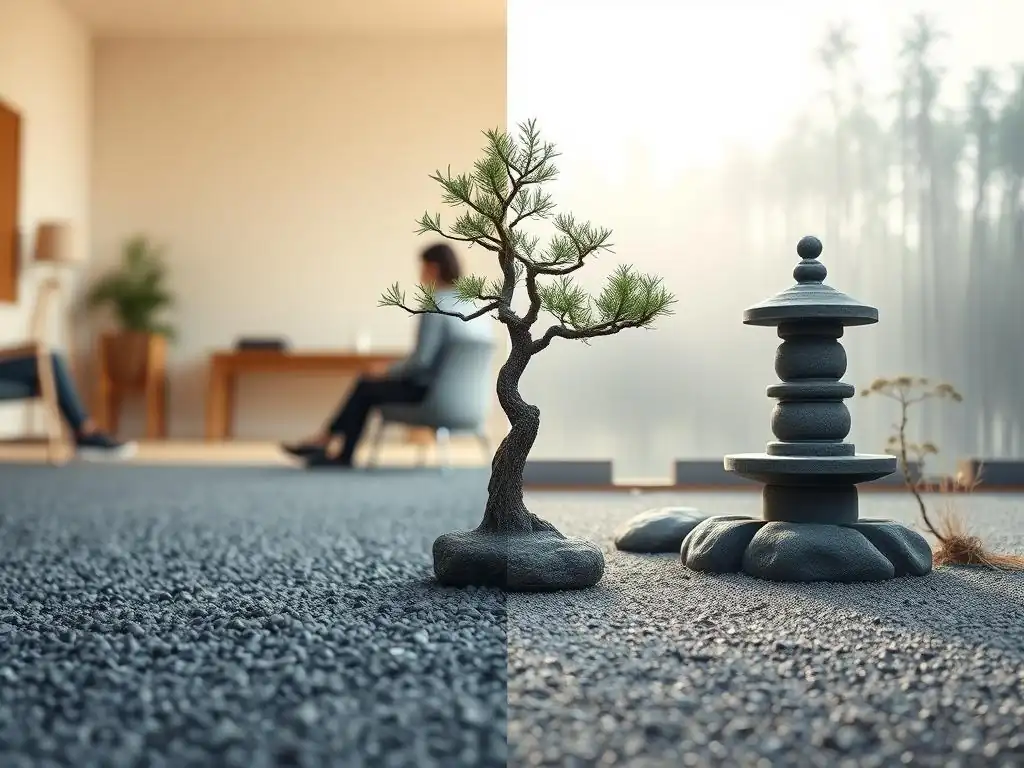
Contrasting Philosophies: Emphasis on Prevention vs. Intervention
Eastern and Western approaches to mental health often operate from different philosophical standpoints. Western medicine, particularly in its conventional form, tends to focus on diagnosing specific disorders based on symptom clusters (e.g., using the DSM-5 criteria) and intervening with targeted treatments like psychotherapy (e.g., CBT, SSRIs) or medication to alleviate symptoms. The emphasis is often on identifying and treating existing pathology.
Eastern traditions, while also addressing acute symptoms, place a significant emphasis on prevention and maintaining health through lifestyle, diet, and daily practices that support overall balance. The focus is on creating conditions within the individual that make them less susceptible to mental distress in the first place. For example, daily meditation or yoga is seen as preventative medicine for the mind. This proactive stance is a defining feature of how Eastern methods reduce anxiety depression by building resilience.
Integrating Eastern and Western Therapies: A Complementary Approach
Increasingly, there is recognition of the value of integrating Eastern and Western approaches to provide more comprehensive care. For many individuals, a combination of conventional Western treatments (like therapy or medication, if needed) alongside Eastern practices can be highly effective. For instance, someone managing depression might benefit from antidepressant medication while also practicing yoga and mindfulness meditation to improve mood regulation and reduce stress.
This complementary approach acknowledges the strengths of both systems. Western medicine offers sophisticated diagnostic tools and acute interventions, while Eastern methods provide powerful tools for self-regulation, stress reduction, and promoting long-term well-being. Many practitioners are now exploring integrative models, recognizing that Eastern methods reduce anxiety depression not as replacements for Western care, but as valuable adjuncts.
Benefits and Limitations of Eastern Methods for Mental Health
Advantages: Accessibility, Holistic Focus, and Empowerment
One key advantage of many Eastern methods is their accessibility. Practices like deep breathing, simple meditation, or gentle yoga can be done anywhere, often without specialized equipment or costly interventions. This makes them a more equitable option for mental health support for some individuals. Furthermore, their holistic focus addresses the interconnectedness of mind, body, and spirit, offering a comprehensive approach that resonates with people seeking more than just symptom relief.
These methods also empower individuals by teaching them self-regulation techniques. Learning to manage stress through breath, cultivate present-moment awareness, or understand their body's energy patterns gives people agency in their own healing journey. This shift from passive recipient of treatment to active participant is a powerful benefit of how Eastern methods reduce anxiety depression by fostering resilience and self-efficacy.
Potential Drawbacks: Lack of Empirical Evidence and Cultural Barriers
Despite growing interest, one limitation of some Eastern methods from a Western scientific perspective is the relative lack of large-scale, placebo-controlled clinical trials compared to pharmaceutical interventions. While research is increasing, robust empirical evidence is still needed for many specific practices and herbal formulations to meet the standards of evidence-based medicine in the West. This can make it challenging for healthcare providers to confidently recommend them within conventional settings.
Another potential drawback is cultural barriers. While practices like yoga and meditation have become globalized, traditional systems like TCM or Ayurveda require understanding complex philosophical frameworks and may involve practices or remedies that are unfamiliar or seem foreign to individuals from different cultural backgrounds. Finding qualified practitioners who can effectively bridge these cultural gaps is also crucial. These factors can sometimes limit the reach and adoption of Eastern methods reduce anxiety depression for some populations.
Incorporating Eastern Techniques into Your Mental Health Routine
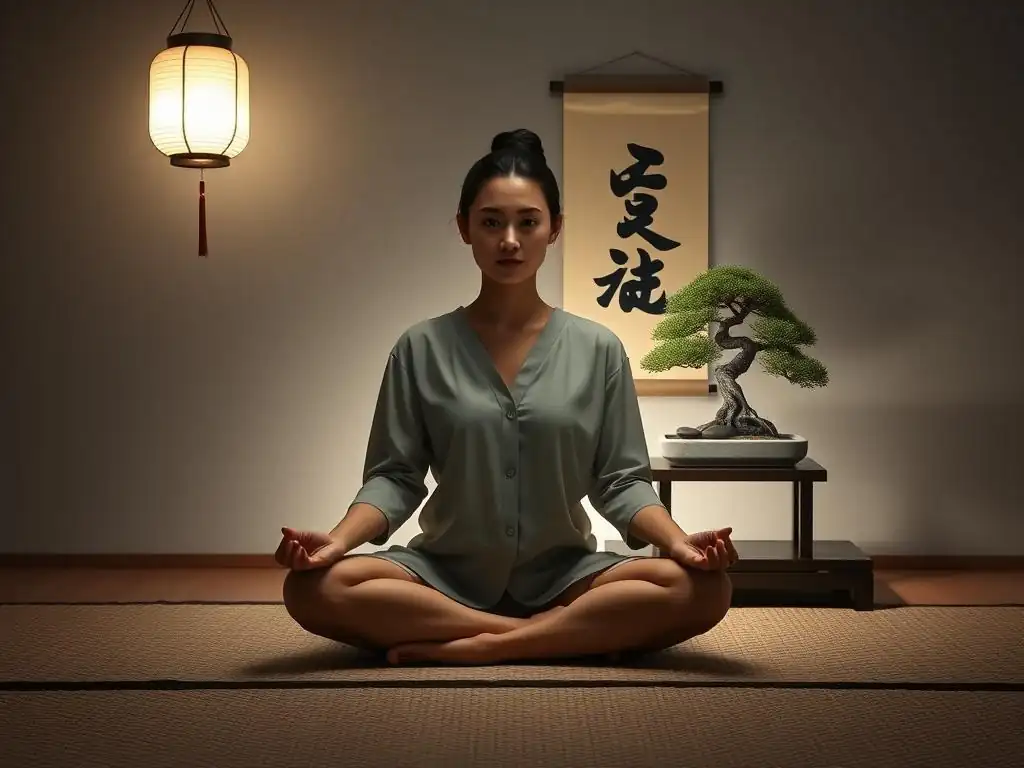
Simple Practices: Deep Breathing Exercises and Gratitude Journaling
Integrating Eastern techniques doesn't require drastic lifestyle changes. Simple practices can yield significant benefits. Deep breathing exercises, such as diaphragmatic breathing, can immediately calm the nervous system and reduce acute anxiety. Practicing this for just a few minutes daily can build resilience.
Gratitude journaling, while not solely an Eastern practice, aligns with the principles of cultivating positive mental states found in many traditions. Taking time each day to note things you are thankful for can shift focus away from negative rumination and foster a more positive outlook, contributing to how Eastern methods reduce anxiety depression by altering perspective.
Resources: Reputable Meditation Apps and Qualified Practitioners
To begin incorporating these practices, utilizing reputable resources is key. Meditation apps like Headspace or Calm offer guided meditations suitable for beginners. Finding qualified practitioners for yoga, acupuncture, or Ayurvedic consultations is also important. Look for certified yoga instructors, licensed acupuncturists, or Ayurvedic practitioners trained in recognized institutions.
Starting small and consistently is more effective than attempting too much at once. Even five minutes of mindful breathing or gentle stretching daily can begin to make a difference in managing anxiety and depression. These resources and a gradual approach can help individuals successfully use Eastern methods reduce anxiety depression in their daily lives.
The Future of Eastern Approaches in Mental Healthcare
Growing Recognition: Integration into Mainstream Mental Health Services
There is a clear trend towards greater recognition and integration of Eastern approaches within mainstream mental healthcare. Hospitals, clinics, and therapy centers are increasingly offering programs that include mindfulness, yoga, and sometimes acupuncture as complementary therapies. This reflects a growing acknowledgment from the medical community that these practices offer valuable tools for managing stress, anxiety, and depression.
Research into the efficacy of these methods is also expanding, providing more empirical data to support their use. As understanding grows, it is likely that Eastern methods reduce anxiety depression will become more routinely recommended and covered by insurance, increasing accessibility for more people seeking holistic mental health support.
The Importance of Cultural Sensitivity: Tailoring Treatments to Individual Needs
As Eastern methods become more integrated, maintaining cultural sensitivity is paramount. Practitioners must understand the philosophical roots and cultural context of these practices rather than simply adopting techniques superficially. Tailoring treatments to the individual's specific needs, cultural background, and beliefs is essential for effective and respectful care.
This involves open communication between practitioner and client and a willingness to adapt approaches. Ensuring that these powerful techniques are offered in a way that is accessible, understandable, and respectful will be key to their continued success in helping individuals manage anxiety and depression worldwide. The goal is to harness the power of how Eastern methods reduce anxiety depression while honoring their rich heritage.
Frequently Asked Questions
How do traditional Eastern methods specifically address anxiety and depression?
Eastern methods often focus on the mind-body connection, using practices like meditation and yoga to regulate the nervous system and promote emotional balance. These techniques aim to reduce stress hormones and increase feelings of inner peace.
What are some examples of Eastern methods that are used to reduce anxiety and depression?
Common examples include mindfulness meditation, yoga, Tai Chi, and acupuncture. These practices cultivate awareness, physical relaxation, and promote the flow of vital energy (Qi).
Are Eastern methods a replacement for conventional treatments like therapy and medication?
No, Eastern methods are often used as complementary therapies alongside conventional treatments. They can enhance the effectiveness of therapy and medication, but should not replace them without consulting a healthcare professional.
How long does it typically take to see results from using Eastern methods for anxiety and depression?
The timeframe varies depending on the individual and the specific practice. Some may experience immediate relief from techniques like deep breathing, while others may require consistent practice over weeks or months to see significant improvements.
Where can I find qualified instructors or practitioners of Eastern methods for mental well-being?
Look for certified instructors or practitioners with extensive training in the specific method you're interested in, such as yoga, meditation, or acupuncture. Check for professional affiliations and read reviews to ensure a good fit.
Final Reflection: Finding Peace in Ancient Wisdom
The ancient wisdom of Eastern practices offers a powerful counterpoint to the often-overwhelmed modern mind, providing tangible tools to navigate the pervasive challenges of anxiety and depression. These methods, far from being relics of the past, are experiencing a resurgence in popularity as individuals seek alternatives to traditional Western approaches, highlighting a growing need for holistic well-being. The increasing recognition of their effectiveness underscores a crucial shift in our understanding of mental health.
The enduring influence of these practices on our cultural landscape is undeniable. They offer not just techniques for managing symptoms, but a profound philosophical shift towards mindfulness, self-compassion, and a deeper connection with oneself and the world. This resonates deeply with my own journey, as I've witnessed firsthand the transformative power of incorporating these methods into daily life. The mind is everything. What you think you become.
– Buddha. This simple yet profound statement encapsulates the core principle behind many Eastern practices: that our internal state directly shapes our external reality.
Consider the practices discussed within this article – from the mindful movement of Tai Chi to the meditative focus of Qi Gong, and the self-reflection encouraged by practices like yoga and mindfulness meditation. These are not merely exercises; they are pathways to self-discovery and empowerment. I invite you to explore these methods, to experiment with what resonates with you, and to discover the potential for inner peace and resilience that lies within. Embrace the opportunity to cultivate a deeper understanding of your own mind and body, and embark on a journey towards a more balanced and fulfilling life.
Unlock Your Inner Calm: Take the Next Step
Thanks for taking the time to explore the powerful ways traditional Eastern methods can address anxiety and depression. We hope you gained valuable insights into finding a more balanced and peaceful state of mind. Now, it's time to put that knowledge into practice!
- Prioritize one simple mindfulness technique: Start with just 5 minutes of deep breathing or a guided meditation each day. Consistency is key!
- Share your experience: Let us know in the comments which technique resonated most with you – your insights might help others on their journey.
- Explore a local resource: Search online for classes or workshops in your area focusing on Tai Chi, Qigong, or Yoga – these practices can profoundly impact your well-being.
What small step will you take today to cultivate more inner peace?