
Integrating Traditional Healing Practices into Modern Mental Health Care

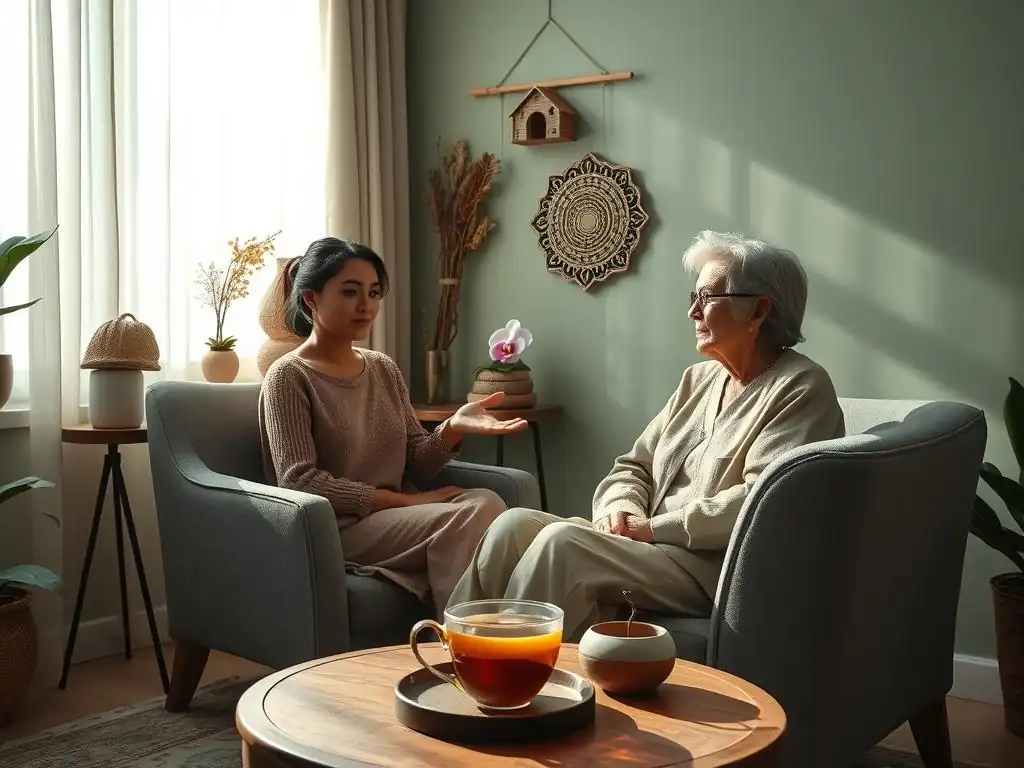
Welcome to Mind Care Guide, your sanctuary for mental well-being.
Are you curious about how ancient wisdom can soothe modern anxieties? We understand that navigating the complexities of mental health can feel overwhelming. This week, we're exploring the profound potential of Traditional Healing Mental Health Integration, revealing how cultural practices can complement contemporary treatments. Dive in to discover a holistic approach that honors both your heritage and your healing journey. Let's explore this powerful intersection together...
Integrating Traditional Healing Practices into Modern Mental Health Care
- Understanding the Need for Integration
- Benefits of Integration
- Common Traditional Healing Practices
- Challenges of Integration
- Successful Models of Integration
- Practical Steps for Integration
- The Future of Mental Health
-
Frequently Asked Questions
- What is meant by "Traditional Healing Mental Health Integration"?
- Why is integrating traditional healing into modern mental health care becoming more popular?
- What are some examples of traditional healing practices used in mental health care?
- How can I find a mental health professional who integrates traditional healing practices?
- What are the potential benefits of integrating traditional healing practices into my mental health treatment?
- Final Reflection: Embracing the Harmony of Traditional Healing and Modern Mental Health Care
- Unlock Your Holistic Wellbeing: Integrate Traditional Healing Today
Understanding the Need for Integration
Limitations of Conventional Mental Healthcare
Conventional mental healthcare models, while effective for many, face significant limitations that hinder universal access and efficacy. One major barrier is accessibility, particularly in rural or underserved areas where the density of mental health professionals is low.
According to reports from various health organizations, wait times for initial psychiatric consultations or therapy sessions can often extend from several weeks to many months, creating critical delays in receiving necessary support, especially for individuals in crisis. Furthermore, the cost of therapy and medication can be prohibitive for a large segment of the population, even with insurance, leading to financial strain and discouraging consistent care.
Beyond logistical and financial hurdles, conventional approaches can sometimes struggle with cultural sensitivity. Therapies developed primarily in Western contexts may not resonate with individuals from diverse cultural backgrounds, potentially leading to misdiagnosis, mistrust, and ineffective treatment outcomes. For instance, concepts of self, family, and community, as well as expressions of distress, vary significantly across cultures.
A therapy focused solely on individualistic goals might not be appropriate or helpful for someone from a collectivist society. This gap highlights the need for approaches that acknowledge and respect cultural differences, paving the way for Traditional healing mental health integration that is truly inclusive.
Growing Recognition of Cultural Approaches
There is a growing global recognition that mental well-being is deeply intertwined with cultural, social, and spiritual factors, prompting a shift towards more culturally informed and inclusive care models. International health organizations and research bodies are increasingly emphasizing the importance of understanding how cultural beliefs and practices influence perceptions of mental illness, help-seeking behaviors, and recovery processes. This shift acknowledges that effective mental healthcare must move beyond a purely biomedical or Western psychological framework to address the holistic needs of diverse populations.
This recognition is fueling interest in the potential benefits of integrating traditional healing practices into modern mental health services. For communities where traditional healers are trusted figures and cultural practices hold significant meaning, incorporating these elements can improve engagement and build rapport. For example, in some Indigenous communities, healing involves connection to land, ceremony, and Elder guidance, which are integral to their understanding of health and well-being. Embracing the potential for Traditional healing mental health integration acknowledges the validity and value of these long-standing practices in supporting mental health alongside or in conjunction with conventional treatments.
Defining Traditional Healing Practices
Traditional healing practices encompass a vast and diverse range of health-related knowledge, skills, and practices based on theories, beliefs, and experiences indigenous to different cultures. These practices are often passed down through generations, serving as the primary source of healthcare for a significant portion of the world's population. They typically involve a holistic view of health, considering the interconnectedness of the mind, body, spirit, and environment, and often emphasize community and social harmony as crucial components of well-being.
Examples of traditional healing approaches relevant to mental health include herbal medicine, acupuncture, meditation, yoga, prayer, ritual ceremonies, storytelling, and the guidance of traditional healers or shamans. These practices aim not only to alleviate symptoms but also to address the underlying causes of distress, which may be attributed to spiritual imbalances, social discord, or environmental factors within their cultural context. The potential for Traditional healing mental health integration lies in identifying which of these practices can safely and effectively complement or enhance modern therapeutic interventions, respecting their origins and cultural significance while ensuring ethical and evidence-informed application.
Benefits of Integration
Improved Cultural Sensitivity and Accessibility
Integrating traditional healing practices significantly enhances the cultural sensitivity of mental health services, making care more relevant and acceptable to diverse populations. When services incorporate elements familiar and trusted within a community, individuals are more likely to seek help and engage fully in the healing process. For someone who finds comfort and meaning in traditional ceremonies or consultations with a local healer, having these options available within or alongside conventional services can break down barriers related to cultural mistrust or the perception that modern therapy is foreign or incompatible with their beliefs.
Furthermore, traditional healers are often more accessible geographically and financially than trained mental health professionals, particularly in remote or low-resource settings. By recognizing and collaborating with traditional healers, health systems can extend their reach and provide support to individuals who might otherwise receive no formal mental healthcare.
This collaboration is a key component of successful Traditional healing mental health integration, improving overall accessibility and ensuring that care is delivered in a manner that respects local customs and belief systems. It shifts the paradigm from a one-size-fits-all model to one that is responsive to the specific needs and cultural contexts of the individuals being served.
Addressing Stigma
Mental health stigma remains a significant global challenge, preventing countless individuals from seeking the help they need. In many cultures, mental illness is misunderstood, feared, or seen as a sign of weakness or spiritual failing, leading to isolation and shame. Traditional healing practices, deeply embedded within cultural frameworks, can offer alternative, less stigmatizing pathways to address distress. People may feel more comfortable discussing their struggles with a traditional healer who is a respected community member and understands their cultural context than with an unfamiliar professional.
Integrating these practices can help destigmatize mental health issues by framing them within familiar cultural narratives and healing frameworks. For example, group ceremonies or community-based healing rituals can provide a sense of belonging and collective support, counteracting the isolation often associated with mental illness. By validating traditional approaches as legitimate forms of support, Traditional healing mental health integration encourages open conversations about mental well-being and reduces the shame associated with seeking help, fostering a more compassionate and understanding environment.
Enhanced Patient Engagement
Patient engagement is crucial for the effectiveness of any mental health intervention, and integrating traditional practices can significantly boost this engagement, particularly among individuals who may feel alienated by conventional care. When patients see their cultural values and healing traditions acknowledged and respected within the therapeutic setting, they are more likely to feel understood, build trust with providers, and actively participate in their treatment plan. This sense of validation can be a powerful motivator, increasing adherence to recommendations and fostering a stronger therapeutic alliance.
For instance, incorporating elements like storytelling, traditional arts, or spiritual counseling, when appropriate and desired by the patient, can make therapy feel more relevant and personally meaningful. This tailored approach acknowledges the patient's whole identity, including their cultural and spiritual dimensions, rather than focusing solely on symptoms. Enhanced engagement stemming from thoughtful Traditional healing mental health integration can lead to improved treatment outcomes, higher retention rates in therapy, and a greater sense of empowerment for individuals navigating their mental health journey.
Promoting Holistic Well-being
Traditional healing practices inherently promote a holistic view of health, recognizing that mental, physical, spiritual, and social well-being are interconnected. This perspective contrasts with more siloed approaches that might treat mental illness in isolation from other aspects of a person's life. By integrating traditional practices, modern mental health care can adopt a more comprehensive approach that addresses the individual as a whole person within their specific life context.
For example, practices like Ayurveda or Traditional Chinese Medicine often focus on diet, lifestyle, and energy balance alongside specific treatments, aiming to restore overall harmony. Indigenous healing often involves connecting with nature and community, addressing social determinants of health alongside individual distress. This holistic emphasis, brought through Traditional healing mental health integration, can lead to more sustainable recovery and overall improved quality of life, moving beyond symptom management to foster genuine well-being.
Common Traditional Healing Practices
Traditional Chinese Medicine (TCM)
Traditional Chinese Medicine (TCM) is a complex system of healing that has evolved over thousands of years, encompassing practices such as acupuncture, herbal medicine, massage (Tui Na), exercise (Qigong, Tai Chi), and dietary therapy. At its core is the concept of Qi (vital energy) flowing through meridians, and imbalances in this flow are believed to cause illness.
For mental health, TCM views conditions like anxiety, depression, and insomnia as manifestations of disharmony, often related to imbalances of Yin and Yang or disruptions in specific organ systems (e.g., the liver associated with anger and frustration, the heart with spirit and mind).
Acupuncture, a key component of TCM, involves inserting thin needles into specific points on the body to regulate Qi and restore balance. Research has explored its potential effects on neurotransmitters and stress hormones, suggesting possible benefits for reducing symptoms of anxiety and depression.
Similarly, specific herbal formulas are prescribed in TCM based on an individual's unique pattern of disharmony, aiming to calm the spirit, nourish the blood, or regulate the flow of Qi. While more rigorous large-scale studies are needed, the long history of use and growing body of research make TCM a notable area for potential Traditional healing mental health integration, particularly as a complementary therapy for managing symptoms like stress, sleep disturbances, and mild-to-moderate anxiety.
Ayurvedic Medicine
Ayurvedic Medicine, originating in India over 5,000 years ago, is another ancient holistic healing system that focuses on balancing the body, mind, and spirit. It is based on the principle that health is a state of balance among the three fundamental energies or doshas: Vata, Pitta, and Kapha. Mental health is understood as a state of balanced doshas and a clear, calm mind (Sattva). Mental distress or illness is seen as a result of imbalances, often linked to diet, lifestyle, environmental factors, or emotional experiences.
Ayurvedic treatments for mental health involve a combination of approaches tailored to the individual's dosha constitution and imbalance. These may include herbal remedies (such as Ashwagandha or Brahmi, studied for their adaptogenic and cognitive effects), dietary changes, massage (Abhyanga), detoxification procedures (Panchakarma), yoga, meditation, and breathing exercises (Pranayama).
The focus is on restoring harmony and promoting mental clarity and emotional stability. While scientific validation for many Ayurvedic practices is still developing, the emphasis on lifestyle, diet, and stress reduction techniques aligns well with modern preventive mental health strategies and offers valuable insights for Traditional healing mental health integration, particularly in promoting resilience and overall well-being.
Indigenous Healing Practices
Indigenous healing practices are incredibly diverse, reflecting the unique cultures and traditions of Indigenous peoples around the world. These practices are deeply rooted in the relationship with the land, community, ancestors, and the spiritual world. Mental, emotional, and spiritual distress is often understood within a framework that includes historical trauma (such as the impacts of colonization, residential schools, or forced displacement), social determinants of health, and imbalances in relationships with oneself, others, nature, and the spirit world.
Healing often involves ceremonies, rituals, storytelling, traditional songs and dances, use of sacred medicines (like tobacco, sage, sweetgrass, cedar), connection to the land, and guidance from Elders and traditional healers. Talking circles, for example, provide a structured and culturally safe space for individuals to share their experiences and receive support from the community.
These practices aim to restore balance, reclaim cultural identity, address trauma, and strengthen community bonds, which are vital for mental well-being. Integrating these practices requires deep respect, collaboration with Indigenous communities, and recognition of their sovereignty over their healing traditions, forming a crucial part of culturally safe Traditional healing mental health integration efforts.
Mindfulness and Meditation
Mindfulness and meditation, while having roots in ancient Eastern spiritual and healing traditions (including Buddhism and Yoga), have become increasingly integrated into modern mental health care. Mindfulness involves paying attention to the present moment without judgment, cultivating awareness of thoughts, feelings, bodily sensations, and the surrounding environment. Meditation encompasses various techniques aimed at training attention and awareness, often to achieve a mentally clear and emotionally calm state.
Numerous studies have demonstrated the efficacy of mindfulness and meditation practices in reducing symptoms of anxiety, depression, stress, and improving emotional regulation. Techniques like Mindfulness-Based Stress Reduction (MBSR) and Mindfulness-Based Cognitive Therapy (MBCT) are now widely used in clinical settings. While these modern applications are often secularized, their effectiveness draws upon principles refined over centuries within traditional contexts. Their widespread acceptance and evidence base make mindfulness and meditation prime examples of successful Traditional healing mental health integration, demonstrating how ancient practices can be adapted and applied within contemporary therapeutic frameworks.
Yoga Therapy for Anxiety and Depression
Yoga, originating in ancient India, is a practice that combines physical postures (asanas), breathing exercises (pranayama), meditation, and ethical principles. While often perceived in the West primarily as a form of physical exercise, traditional yoga is a holistic path towards physical, mental, and spiritual union and well-being. Yoga therapy is a specialized application of yoga techniques to address specific physical, mental, or emotional health conditions.
Research has increasingly supported the use of yoga therapy as a complementary approach for managing symptoms of anxiety and depression. Studies suggest that regular yoga practice can help reduce stress hormones like cortisol, improve mood, enhance vagal tone (associated with the body's relaxation response), and promote a sense of calm and self-awareness.
Specific postures and breathing techniques can be tailored to individual needs, making it a flexible therapeutic tool. The growing evidence base for yoga therapy's benefits in mood regulation positions it as a valuable component in the ongoing effort towards Traditional healing mental health integration, offering individuals a body-centered practice to support their mental health recovery.
Challenges of Integration
Lack of Scientific Evidence
One of the primary challenges in integrating traditional healing practices into modern mental health care is the perceived lack of robust scientific evidence, particularly according to the standards of Western randomized controlled trials (RCTs). Many traditional practices are complex, highly individualized, and intertwined with cultural and spiritual beliefs, making them difficult to study using conventional research methodologies designed for standardized interventions.
While some practices like mindfulness or acupuncture have accumulated a significant body of evidence, others, such as specific herbal formulations used in TCM or the effects of ceremonial healing, have less data available in peer-reviewed literature accessible to Western clinicians.
This gap in evidence creates hesitation among healthcare providers who are trained to rely on empirically validated treatments. Funding for research into traditional healing is also often less available compared to pharmaceutical or standard psychological interventions. Addressing this challenge requires developing research methodologies that are culturally appropriate and capable of evaluating the effectiveness of traditional practices on their own terms, while also exploring how components can be studied within conventional frameworks. Bridging this evidence gap is crucial for broader acceptance and ethical Traditional healing mental health integration.
Ethical Considerations and Potential Risks
Integrating traditional healing practices also raises significant ethical considerations and potential risks that must be carefully navigated. Issues include ensuring the safety and quality of traditional therapies, particularly regarding herbal remedies which can have interactions with conventional medications or contain contaminants if not properly sourced and regulated. There is also the risk of charlatanism, where individuals without genuine training or ethical standards may exploit vulnerable people seeking help.
Furthermore, integrating practices requires respecting intellectual property and cultural protocols, particularly when working with Indigenous traditions, to avoid appropriation or misuse. Ensuring informed consent is paramount, especially when traditional practices involve spiritual or ritual elements that may be unfamiliar or sensitive to the patient. Open communication between patients, conventional providers, and traditional healers is necessary to identify potential contraindications or conflicts between different treatment approaches. Addressing these ethical complexities is vital for responsible and safe Traditional healing mental health integration.
Bridging the Gap Between Healers and Professionals
A significant practical challenge lies in bridging the philosophical and practical gap between traditional healers and Western-trained mental health professionals. These two groups often operate within vastly different paradigms of health, illness, and healing, speak different professional languages, and have different training backgrounds and regulatory frameworks. A conventional therapist might focus on cognitive restructuring and neurotransmitters, while a traditional healer might emphasize spiritual imbalance and ancestral connections.
Effective collaboration requires mutual respect, willingness to learn from each other, and clear communication channels. Developing shared understanding of roles, responsibilities, and treatment goals can be difficult but is essential for coordinated care. Training programs that educate conventional professionals about traditional healing systems and cultural competency, and potentially provide traditional healers with basic knowledge of mental health conditions and conventional treatments, can help build trust and facilitate effective partnerships. Successful Traditional healing mental health integration depends heavily on fostering this inter-professional dialogue and collaboration.
Cultural Competency Training
For modern mental health professionals, a lack of cultural competency is a major barrier to effectively integrating traditional healing or even working respectfully with patients who utilize these practices independently. Cultural competency involves understanding and respecting the beliefs, values, and practices of diverse populations, and being able to work effectively across cultural differences. Without adequate training, professionals may inadvertently dismiss or pathologize traditional beliefs, damaging the therapeutic relationship and hindering effective care.
Training needs to go beyond simple awareness to include practical skills for engaging with patients about their cultural and spiritual beliefs regarding mental health, understanding the role of traditional healers in their lives, and knowing when and how to respectfully inquire about or support the use of traditional practices. This training should ideally be co-developed with cultural experts and traditional healers themselves. Investing in comprehensive cultural competency training for all mental health staff is a foundational step towards meaningful and respectful Traditional healing mental health integration.
Successful Models of Integration
Case Studies: Indigenous Healing in Canadian Mental Health Services
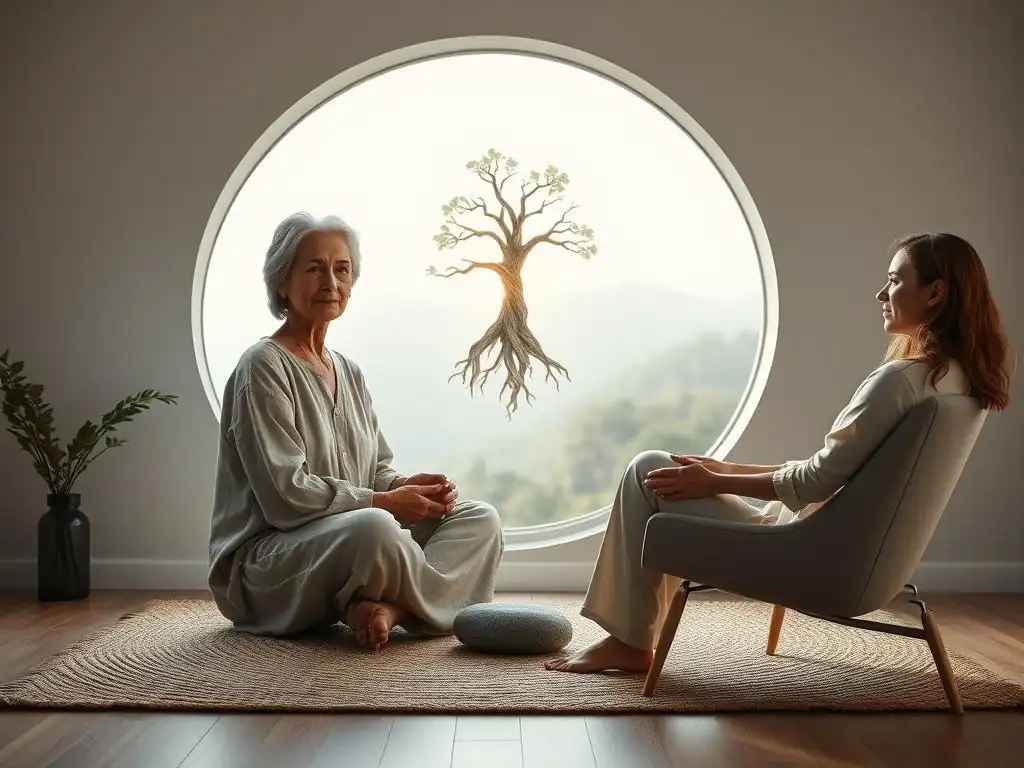
Across Canada, where Indigenous communities have long advocated for culturally relevant health services, several initiatives demonstrate promising models of Traditional healing mental health integration. For example, some mental health programs in provinces like British Columbia and Ontario have successfully incorporated the wisdom and practices of Elders and traditional healers into their services. These models often involve co-locating services, where Western therapists work alongside Elders, or creating healing centers that blend clinical care with traditional ceremonies, talking circles, and land-based healing activities.
One notable approach involves the inclusion of Elders in counseling sessions or as part of treatment teams, providing spiritual guidance and cultural context that resonate deeply with Indigenous clients. Another model focuses on land-based camps that utilize traditional teachings and connection to nature as therapeutic interventions for trauma and addiction.
While quantitative outcomes can be challenging to measure with standard metrics, qualitative reports consistently highlight improved trust from clients, increased engagement in services, reduced feelings of isolation, and a greater sense of cultural safety and empowerment. These case studies underscore the importance of community leadership and partnership in developing effective Traditional healing mental health integration models that are responsive to specific cultural needs and historical contexts.
Collaborative Care Models
Collaborative care models, where conventional mental health professionals work in conjunction with traditional healers, represent a practical approach to Traditional healing mental health integration. In these models, care plans are developed jointly, respecting the strengths and perspectives of both systems. For instance, a psychiatrist might manage medication while a traditional healer provides spiritual counseling or ceremonial support, with regular communication between both providers (with patient consent).
Such models require clear protocols for referral, communication, and shared decision-making. They can be particularly effective in primary care settings or community health centers serving diverse populations. Successful examples often involve establishing formal agreements or partnerships between healthcare institutions and traditional healing networks. This collaborative approach ensures that patients receive comprehensive care that addresses their needs from multiple perspectives, leveraging the benefits of both conventional and traditional approaches while mitigating potential risks or conflicts.
Community-Based Initiatives
Community-based initiatives are often at the forefront of successful Traditional healing mental health integration, driven by the needs and wisdom of the communities themselves. These programs are typically developed and led by community members, often in partnership with health organizations, and are rooted in local cultural practices and social structures. They prioritize cultural safety, accessibility, and relevance, making mental health support available in familiar and trusted community settings.
Examples include community-run healing lodges that offer culturally specific therapies, peer support groups that incorporate traditional practices, or mobile health units that bring together conventional and traditional practitioners to reach remote areas. These initiatives often focus on collective healing, involving families and communities in the process, and may address social determinants of health alongside individual well-being. Their success lies in their responsiveness to local contexts and their ability to empower communities to define and deliver mental health support in ways that are meaningful and effective for their members, serving as powerful examples of grassroots Traditional healing mental health integration.
Practical Steps for Integration
Finding Qualified Professionals
For individuals seeking to integrate traditional healing practices into their mental health care, finding qualified and ethical practitioners is a crucial first step. In the realm of conventional care, practitioners are typically licensed and regulated, but traditional healing systems often have different forms of credentialing, which may be based on lineage, apprenticeship, community recognition, or specific training programs that are not formally recognized by mainstream health authorities.
It is important to research the specific traditional modality you are interested in and look for practitioners with established reputations within their community or tradition. Seek referrals from trusted sources, cultural community leaders, or organizations that bridge traditional and modern healthcare. Ask about their training, experience, and approach to mental health concerns. While formal licensing may not always exist, understanding their background and ethical framework is key to finding a trustworthy practitioner for potential Traditional healing mental health integration.
Researching Healing Modalities
Before incorporating any traditional healing practice, it is essential to conduct thorough research on the specific modality, its underlying principles, and its potential effects on mental health. Understand what the practice involves, what conditions it is traditionally used for, and what its cultural significance is. Look for information from reputable sources, including academic research where available, publications from cultural organizations, or direct consultation with knowledgeable community members or practitioners.
Consider whether the practice aligns with your personal beliefs and values. Be aware that traditional practices are not a one-size-fits-all solution and may not be appropriate or effective for everyone or for all types of mental health conditions. Understanding the practice thoroughly will help you make informed decisions and discuss its potential role in your care with both traditional healers and conventional providers, facilitating thoughtful Traditional healing mental health integration.
Communicating Preferences to Providers
Open and honest communication with both your conventional mental health provider (therapist, psychiatrist) and any traditional healer you consult is vital when attempting Traditional healing mental health integration. Inform your conventional provider about any traditional practices you are using or considering. This allows them to understand your full spectrum of care, identify potential interactions (especially with herbal remedies and medications), and ensure your overall treatment plan is coordinated and safe.
Similarly, inform your traditional healer about any conventional treatments you are receiving. Sharing this information helps all practitioners involved have a complete picture of your health status and chosen healing path. Don't hesitate to ask questions, express your preferences, and discuss any concerns you have about combining different approaches. Your providers should ideally be willing to engage in a respectful dialogue about how best to support your well-being, even if they are not familiar with the specifics of the traditional practice.
Incorporating Complementary Therapies
Incorporating traditional healing practices often works best when viewed as complementary therapy alongside, rather than as a complete replacement for, evidence-based conventional mental health care, especially for moderate to severe conditions. For instance, practices like meditation, yoga, or acupuncture can be excellent complements to psychotherapy and medication for managing anxiety or depression symptoms. Herbal remedies might be used under the guidance of a qualified practitioner, carefully considering potential interactions.
The goal of Traditional healing mental health integration in this context is to build a comprehensive care plan that leverages the strengths of multiple approaches to support your overall mental, emotional, and spiritual well-being. This might involve using therapy to process trauma, medication to manage severe symptoms, and traditional practices to foster resilience, cultural connection, stress reduction, and spiritual balance. Working collaboratively with all your care providers is key to developing a safe and effective integrated approach tailored to your specific needs.
The Future of Mental Health
Role of Technology
Technology is poised to play a significant role in the future of mental health care, including facilitating aspects of Traditional healing mental health integration. Digital platforms could potentially be used to connect individuals with culturally appropriate resources and practitioners, including traditional healers, especially in remote areas. Telehealth services could enable consultations with traditional healers or culturally sensitive therapists who are not geographically accessible.
Furthermore, technology could support the documentation and study of traditional healing practices in ways that respect cultural protocols, potentially contributing to the evidence base. Apps and online resources could offer guided meditations, yoga practices, or information about traditional healing modalities, making these practices more accessible to a wider audience. However, it is crucial that the development and implementation of such technologies prioritize cultural sensitivity, data privacy, and equitable access, ensuring that technology serves to support, rather than dilute or appropriate, traditional knowledge in the service of Traditional healing mental health integration.
Advocacy and Policy Changes
Significant advocacy and policy changes are needed to fully realize the potential of Traditional healing mental health integration. This includes advocating for the recognition and funding of traditional healing practices within healthcare systems, where appropriate and evidence-supported. Policy changes could involve creating pathways for traditional healers to work alongside conventional practitioners, developing culturally appropriate training programs for mental health professionals, and supporting research into the effectiveness and safety of traditional interventions.
Advocacy efforts must be led by communities whose traditional practices are being considered for integration, ensuring that their voices, knowledge, and sovereignty are respected. This involves challenging systemic barriers that prioritize Western medical models and promoting a more inclusive vision of mental health care. Policy shifts are needed at local, national, and international levels to create frameworks that enable ethical, effective, and culturally safe Traditional healing mental health integration as a standard component of comprehensive mental health services.
Fostering Collaboration
The future of mental health hinges on fostering true collaboration between conventional mental health systems, traditional healing communities, and the individuals seeking care. This means moving beyond tokenistic gestures towards genuine partnerships built on mutual respect, understanding, and shared goals for improving mental well-being. Collaboration should involve co-designing services, co-delivering care, and co-evaluating outcomes in ways that value diverse forms of knowledge and healing.
Training programs for future mental health professionals should include mandatory components on cultural competency and exposure to various traditional healing systems. Research initiatives should be collaborative, involving traditional healers and community members from the outset. Ultimately, fostering a collaborative environment where conventional and traditional approaches can complement each other, guided by the needs and preferences of the individual, is key to building a more accessible, equitable, and effective mental health system for everyone. This collaborative spirit is the cornerstone of successful Traditional healing mental health integration moving forward.
Frequently Asked Questions
What is meant by "Traditional Healing Mental Health Integration"?
It refers to the combination of ancient and cultural healing practices with modern mental health treatments to provide a more holistic approach to well-being.
Why is integrating traditional healing into modern mental health care becoming more popular?
There's a growing recognition that conventional methods may not fully address the cultural and spiritual needs of all individuals. This integration provides a more personalized and culturally sensitive approach.
What are some examples of traditional healing practices used in mental health care?
Examples include mindfulness meditation, herbal remedies, spiritual counseling, and community-based support systems rooted in cultural traditions.
How can I find a mental health professional who integrates traditional healing practices?
Search for professionals who have specific training in cultural competence and integrative medicine. Look for keywords like "holistic mental health" or "culturally responsive therapy".
What are the potential benefits of integrating traditional healing practices into my mental health treatment?
Potential benefits include improved coping mechanisms, a stronger sense of cultural identity, reduced stigma, and a more comprehensive and personalized treatment plan.
Final Reflection: Embracing the Harmony of Traditional Healing and Modern Mental Health Care
The integration of traditional healing practices into modern mental health care is not just a trend; it is a vital necessity in today's diverse society. As we navigate an increasingly complex world, the need for holistic approaches to mental health becomes more apparent. The blending of ancient wisdom with contemporary therapeutic techniques offers a comprehensive framework for healing that respects cultural identities while addressing the multifaceted nature of mental health challenges.
The ongoing dialogue between traditional and modern healing practices has the power to reshape our understanding of mental health. This integration not only honors the rich heritage of various cultures but also enriches the therapeutic landscape by providing diverse tools for healing. As we witness this evolution, we are reminded of the words of Dr. Gabor Maté: The question is not why the addiction, but why the pain.
This perspective highlights the importance of addressing the root causes of mental health issues, which can often be found in the cultural and spiritual contexts that traditional healing practices emphasize.
As we reflect on the insights shared in this article, I invite you to consider how you can incorporate elements of traditional healing into your own mental health journey. Whether through mindfulness practices, community support, or embracing cultural rituals, each of us has the power to enrich our mental health experience. Let us take action by exploring these diverse approaches, fostering a more inclusive and compassionate understanding of mental health that honors both our past and our future.
Unlock Your Holistic Wellbeing: Integrate Traditional Healing Today
Thanks for taking the time to explore the powerful intersection of traditional healing and modern mental health care! You've gained valuable insights into practices that can complement your wellness journey. Now, let's put that knowledge into action.
- Prioritize one traditional healing practice: Choose a method discussed (e.g., mindfulness meditation, herbal remedies, acupuncture) and commit to trying it for a week. Even 15 minutes a day can make a difference.
- Share your experiences: Connect with others exploring holistic approaches. Discuss your experiences with friends, family, or online communities—you might be surprised at how many people are interested in similar practices.
- Explore a local resource: Search for practitioners of traditional healing in your area. A quick search could open up new avenues to support your wellbeing.
Ready to embark on a more holistic journey towards better mental health? What small step will you take today to integrate traditional practices into your life?