
From Exclusion to Inclusion: Creating Culturally Safe Spaces

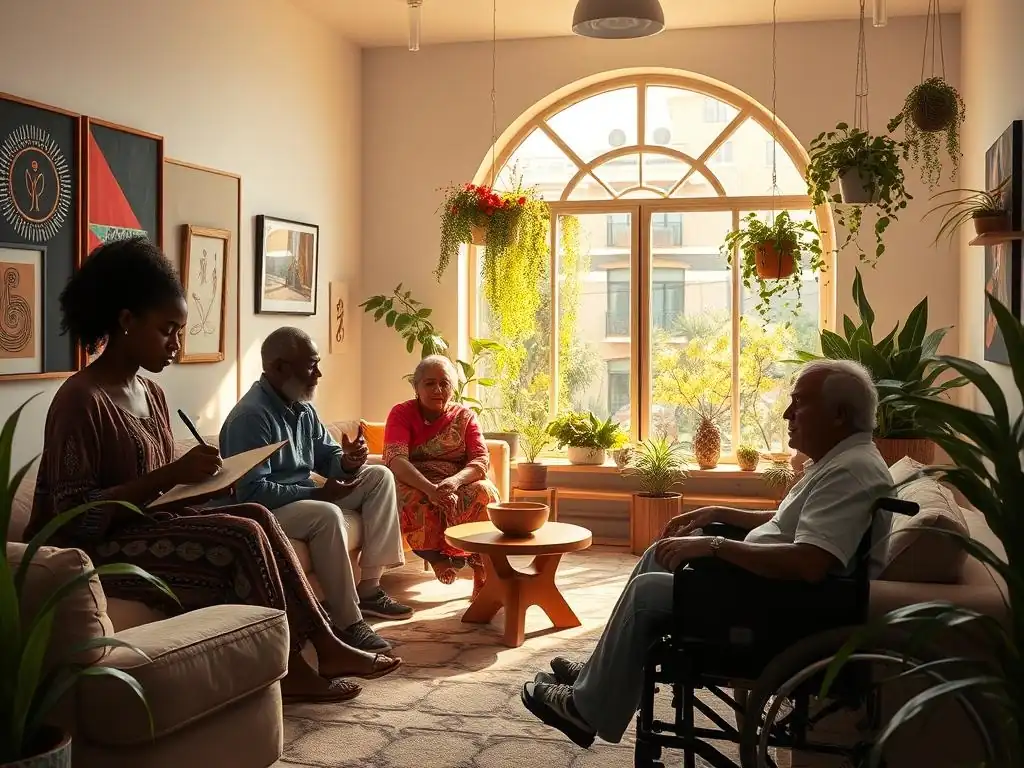
Welcome to Mind Care Guide, a sanctuary for your mental well-being.
Feeling lost in the complexities of mental health support? You're not alone. We understand the importance of finding resources that truly resonate with your unique background. Dive into our exploration of culturally safe spaces for mental health, and discover how creating inclusive environments can pave the way for healing and understanding. Let's begin this journey together, unlocking pathways to well-being that honor your identity and foster genuine connection. What does a truly safe space look like for you?
- From Exclusion to Inclusion: Creating Culturally Safe Spaces for Mental Health
- Key Elements of Culturally Safe Mental Health Environments
- Implementing Culturally Safe Practices in Mental Health Settings
- Benefits of Culturally Safe Mental Health Services
- Overcoming Challenges in Creating Culturally Safe Spaces
- Examples of Culturally Safe Mental Health Programs
- Resources for Creating Culturally Safe Spaces
- Promoting Culturally Safe Mental Health: A Call to Action
-
Frequently Asked Questions
- What are culturally safe spaces in the context of mental health, and why are they important?
- How does cultural background impact a person's experience with mental health services?
- What are some practical steps that mental health providers can take to create culturally safe spaces?
- What are some of the barriers that prevent the creation of culturally safe spaces in mental health settings?
- How can individuals advocate for the creation of culturally safe spaces in their communities and within mental health services?
- Final Reflection: Cultivating Belonging in Mental Healthcare
- Ignite Your Inclusive Journey: Build a More Welcoming World
From Exclusion to Inclusion: Creating Culturally Safe Spaces for Mental Health
The journey towards equitable mental healthcare necessitates a fundamental shift from simply acknowledging cultural differences to actively creating environments where individuals feel truly safe, respected, and understood within their cultural context. Culturally safe spaces for mental health recognize that historical trauma, systemic oppression, and cultural norms profoundly impact an individual's mental well-being and their interaction with healthcare systems. Achieving cultural safety is an ongoing process, requiring commitment, education, and genuine partnership with diverse communities.
Understanding the Need for Culturally Safe Mental Health Spaces
Significant disparities persist in mental health outcomes and access to care among various cultural and ethnic groups. For instance, data often indicates that individuals from marginalized communities may experience higher rates of certain mental health conditions, yet face significant barriers to receiving timely and effective treatment.
A 2018 report highlighted that while rates of mental illness are similar across racial groups, only about 31% of Black adults and 33% of Hispanic adults with mental illness received treatment, compared to 48% of white adults. These figures underscore a critical need for mental health services that are not only accessible but also culturally resonant and trustworthy.
Furthermore, negative past experiences with healthcare systems, including instances of discrimination or lack of understanding, can erode trust and deter individuals from seeking help. When mental health services fail to acknowledge or respect a person's cultural identity, values, or practices, it can lead to misdiagnosis, ineffective treatment, and further marginalization. Culturally safe spaces for mental health are essential to bridge this gap, ensuring that care is delivered in a manner that affirms identity and promotes healing within an individual's unique cultural framework.
Cultural Stigma and Mental Health: A Global Perspective
Stigma surrounding mental illness is a universal challenge, yet its manifestations and impact vary significantly across cultures. In many collectivist societies, the concept of mental illness may be seen as bringing shame upon the entire family, leading to secrecy and reluctance to seek external help.
Beliefs about the causes of mental distress can range from spiritual or supernatural explanations to views rooted in social or familial disharmony, often differing from Western biomedical models. A study involving participants from several Asian countries found that fear of judgment and the desire to protect family reputation were major barriers to seeking mental health support.
Conversely, even in more individualistic cultures, stigma persists, often manifesting as stereotypes of weakness, unpredictability, or dangerousness associated with mental health conditions. This can lead to discrimination in employment, housing, and social interactions. Understanding these diverse perspectives is crucial because it influences how individuals perceive their own symptoms, whether they feel comfortable discussing their struggles, and what types of support they are willing to accept. Creating culturally safe spaces for mental health requires recognizing these varied forms of stigma and actively working to counteract them through empathetic and informed approaches.
Defining Culturally Safe Spaces in Mental Health
Culturally safe spaces in mental health go beyond mere cultural sensitivity or awareness; they are environments where individuals feel truly safe to express themselves, knowing their cultural identity, beliefs, and practices will be respected and valued. This safety is determined by the recipient of the care, not the provider. It is an outcome of interactions where power imbalances are acknowledged and addressed, and where care is delivered in a way that affirms cultural identity and promotes healing from a culturally relevant perspective.
Key components of a culturally safe space include the presence of practitioners who demonstrate cultural humility, a willingness to learn from the client about their culture, and an understanding of how systemic factors like racism and discrimination impact mental health. It involves creating an environment where traditional healing practices can be discussed and potentially integrated, where language barriers are actively removed, and where policies and procedures are designed with diverse needs in mind. Ultimately, culturally safe spaces for mental health are co-created through trusting relationships and ongoing dialogue between providers and the communities they serve.
Key Elements of Culturally Safe Mental Health Environments
Building environments where individuals from diverse backgrounds feel safe and supported in their mental health journey requires intentional effort and a focus on several foundational elements. These elements work together to dismantle barriers and foster a sense of belonging and trust.
Building Trust and Rapport in Diverse Communities
Establishing trust is paramount, particularly for communities that have experienced historical trauma or discrimination within healthcare systems. This involves more than just being friendly; it requires demonstrating genuine respect, consistency, and a commitment to understanding the client's perspective and experiences. Providers must be mindful of the power dynamics inherent in the therapeutic relationship and work to empower the client's voice. For example, in many Indigenous communities, trust was severely eroded by past colonial policies and practices within healthcare, making it essential for current providers to approach relationships with humility and patience, acknowledging this history.
Building rapport also involves demonstrating an understanding of the client's social and cultural context. This might mean recognizing the importance of family involvement in decision-making, understanding community support structures, or being aware of specific cultural norms around emotional expression. A provider who takes the time to learn about a client's background, asks open-ended questions about their cultural identity, and validates their experiences is more likely to build a strong, trusting relationship that is foundational to providing culturally safe spaces for mental health.
Respecting Cultural Beliefs and Practices in Mental Healthcare
Respecting cultural beliefs and practices means recognizing that different cultures have unique understandings of health, illness, and healing. This includes beliefs about the causes of mental distress, preferred coping mechanisms, and the role of spiritual or traditional healers. For instance, some cultures may view mental illness as a spiritual imbalance rather than a biological disorder, and healing may involve rituals or community ceremonies. Dismissing these beliefs can alienate clients and undermine the therapeutic process.
Providers in culturally safe spaces for mental health are open to discussing these beliefs and exploring how they might integrate with or complement conventional treatment approaches. This doesn't necessarily mean adopting every traditional practice, but rather finding ways to acknowledge their significance and work collaboratively with the client to develop a treatment plan that resonates with their worldview. This might involve incorporating family members into therapy as culturally appropriate, or finding ways to connect clients with traditional healers alongside clinical care, respecting the client's autonomy and preferences.
Addressing Power Imbalances and Systemic Barriers
Power imbalances are inherent in the healthcare provider-client relationship, and these are often exacerbated by systemic inequalities based on race, ethnicity, socioeconomic status, and other factors. Culturally safe spaces for mental health actively work to mitigate these imbalances by empowering clients, promoting shared decision-making, and advocating for systemic change. This involves recognizing how biases, both individual and institutional, can impact care delivery, from initial assessment to treatment planning.
Addressing systemic barriers includes examining policies and procedures within mental health organizations to ensure they are not inadvertently discriminatory or exclusionary. For example, intake forms or assessment tools may contain culturally biased language or assumptions. Furthermore, advocating for increased representation of diverse individuals within the mental health workforce is crucial, as providers with shared cultural backgrounds can sometimes offer unique insights and build rapport more easily. Tackling these power dynamics and systemic issues is fundamental to creating genuinely culturally safe spaces for mental health.
The Importance of Language and Communication in Culturally Safe Care
Effective communication is a cornerstone of all healthcare, but it takes on heightened importance in creating culturally safe spaces for mental health. Language barriers are a significant obstacle to accessing and benefiting from mental health services. Relying on family members or untrained staff as interpreters can compromise confidentiality and accuracy, potentially leading to misunderstandings or misdiagnosis. Providing access to professional, certified medical interpreters who are familiar with mental health terminology is essential.
Beyond literal translation, culturally safe communication involves understanding non-verbal cues, communication styles, and the impact of implicit bias in interactions. Some cultures may communicate distress indirectly, while others are more direct. Providers need to be mindful of their own communication style and adapt it to be more effective and respectful.
This includes avoiding jargon, using plain language, and being aware of potential microaggressions – subtle, often unintentional expressions of bias – that can erode trust and make a client feel unsafe or unwelcome. Training in cross-cultural communication is vital for anyone working to create culturally safe spaces for mental health.
Implementing Culturally Safe Practices in Mental Health Settings

Translating the principles of cultural safety into tangible practices within mental health settings requires a multi-faceted approach that involves training, policy development, and active community engagement. It's not a one-time fix but an ongoing process of learning and adaptation.
Training and Education for Mental Health Professionals
Investing in comprehensive training is perhaps the most critical step in creating culturally safe spaces for mental health. While cultural competence training has been a focus for years, the emphasis is shifting towards cultural humility, which involves a lifelong commitment to self-reflection, learning, and recognizing one's own biases and limitations.
Cultural Competency Training: A Core Requirement
Cultural competency training typically focuses on increasing knowledge about the beliefs, values, and practices of various cultural groups. This is a necessary foundation, providing practitioners with a basic understanding of different cultural frameworks related to mental health. Effective training moves beyond simple checklists of do's and don'ts, encouraging a deeper understanding of cultural nuances and historical contexts. For example, training might cover specific cultural syndromes recognized in different parts of the world, or the impact of migration and acculturation on mental well-being. While valuable, competency alone is insufficient without the relational aspect of humility.
Understanding Implicit Bias in Mental Healthcare Delivery
Implicit biases are unconscious attitudes or stereotypes that can affect our understanding, actions, and decisions. In healthcare, these biases can lead to disparities in diagnosis, treatment, and quality of care. Training on implicit bias helps mental health professionals recognize their own unconscious prejudices and develop strategies to mitigate their impact.
For instance, a provider might unconsciously associate certain symptoms differently based on a client's race or ethnicity, leading to diagnostic errors. Understanding how these biases manifest in clinical interactions is crucial for providing equitable and culturally safe spaces for mental health. This training often involves self-assessment tools and discussions about real-world scenarios where bias can impact care.
Creating Inclusive Policies and Procedures
Organizational policies and procedures must reflect a commitment to cultural safety at every level. This involves reviewing existing practices through a cultural lens and developing new ones that actively promote inclusivity and equity.
Developing Culturally Sensitive Intake Forms
Intake forms are often the first point of contact and can inadvertently create barriers or signal a lack of cultural awareness. Culturally sensitive intake forms go beyond basic demographic questions. They might include options for preferred name and pronouns, ask about cultural identity in an open-ended way, inquire about significant cultural or religious practices that might impact scheduling or treatment, and ask about language preferences and the need for interpreter services. Such forms signal to the client that their cultural identity is seen and valued, contributing to the feeling of being in culturally safe spaces for mental health.
Accommodating Diverse Needs and Preferences
Accommodating diverse needs involves flexibility and responsiveness to individual and community requirements. This could mean offering appointments at times that respect cultural or religious obligations, providing gender-affirming care, ensuring accessibility for individuals with disabilities, or adapting therapeutic modalities to be more culturally congruent. For example, some communities may prefer group therapy settings that include family or community members, while others may prefer individual sessions. Policies should support staff in making reasonable accommodations to ensure that services are accessible and appropriate for everyone, reinforcing the commitment to creating culturally safe spaces for mental health.
Community Engagement and Collaboration
Meaningful engagement with the communities being served is non-negotiable for creating truly culturally safe spaces for mental health. This involves building relationships based on mutual respect and shared goals, moving away from a top-down approach to healthcare delivery.
Partnering with Cultural Organizations and Leaders
Collaborating with trusted cultural organizations, community centres, and faith-based groups can help mental health services build credibility and reach individuals who might otherwise be hesitant to seek help. These partnerships can facilitate culturally appropriate outreach, provide valuable insights into community needs and preferences, and help co-design programs that are relevant and accessible. For instance, partnering with an immigrant support organization can help mental health providers understand the unique stressors faced by new arrivals and tailor support accordingly. Leaders within these communities often hold significant influence and can act as vital bridges to mental health services.
Co-creating Mental Health Programs with the Community
The most effective culturally safe spaces for mental health are often those developed with the community, not just for them. Co-creation involves inviting community members, including individuals with lived experience, to participate in the design, implementation, and evaluation of mental health programs and services. This ensures that programs are relevant, acceptable, and address the specific needs and priorities of the community.
For example, a program aimed at supporting young people from a specific cultural background might be developed in partnership with community elders and youth, incorporating traditional storytelling or art alongside clinical interventions. This collaborative approach fosters ownership and ensures cultural authenticity.
Benefits of Culturally Safe Mental Health Services
Investing in culturally safe spaces for mental health yields significant benefits, not only for individuals seeking care but also for the healthcare system and society as a whole. These benefits range from improved individual outcomes to broader societal impacts.
Improved Mental Health Outcomes for Marginalized Groups
When individuals receive care that is culturally safe and responsive, they are more likely to engage with services, remain in treatment, and experience positive outcomes. Studies have shown that culturally adapted interventions can be more effective than generic approaches for certain populations. For example, research on culturally tailored cognitive-behavioral therapy (CBT) for specific ethnic minority groups has demonstrated greater symptom reduction and lower dropout rates compared to standard CBT. Culturally safe spaces for mental health directly contribute to reducing health disparities by providing care that is relevant and effective for diverse individuals.
Increased Access to Mental Healthcare
Cultural safety directly addresses many of the barriers that prevent marginalized groups from accessing mental health services in the first place. By building trust, reducing stigma, and making services more welcoming and understandable, individuals who previously felt excluded or misunderstood are more likely to seek help. For instance, providing services in community settings, offering culturally appropriate outreach, and ensuring language access can significantly increase uptake among hard-to-reach populations. Creating culturally safe spaces for mental health expands the reach of services to those who need them most.
Reduced Stigma and Discrimination
Culturally safe environments actively challenge and reduce the impact of stigma and discrimination within mental healthcare settings. When providers demonstrate respect for cultural beliefs and practices, acknowledge the impact of systemic oppression, and communicate in a culturally sensitive manner, it helps to dismantle negative stereotypes and create a more accepting atmosphere. This sends a powerful message that mental health struggles are valid and that seeking help is a sign of strength, regardless of one's cultural background. Promoting culturally safe spaces for mental health contributes to broader anti-stigma efforts.
Fostering a Sense of Belonging and Empowerment
Feeling understood and valued within a healthcare setting fosters a sense of belonging, which is crucial for mental well-being. Culturally safe spaces for mental health empower individuals by validating their experiences, respecting their autonomy, and involving them as active partners in their care. When individuals feel seen and heard within their cultural context, it can enhance their self-efficacy and resilience. This sense of empowerment is vital for recovery and for navigating the challenges of mental health within their communities.
Overcoming Challenges in Creating Culturally Safe Spaces
While the benefits are clear, the path to creating truly culturally safe spaces for mental health is not without its challenges. These often involve navigating resistance, securing resources, and developing effective evaluation methods.
Addressing Resistance to Change
Implementing cultural safety initiatives often requires significant shifts in organizational culture, power dynamics, and individual practices, which can be met with resistance. This resistance may stem from a lack of understanding, discomfort with discussing sensitive topics like race and privilege, fear of making mistakes, or attachment to existing ways of working. Some staff may feel that focusing on cultural safety is unnecessary or detracts from clinical work.
Overcoming this requires strong leadership, ongoing education, open dialogue, and creating a safe environment for staff to learn and grow. It necessitates framing cultural safety not as an add-on, but as an essential component of quality care for everyone.
Securing Resources and Funding
Creating and maintaining culturally safe spaces for mental health requires dedicated resources, including funding for training, interpreter services, culturally adapted materials, and community engagement initiatives. In resource-constrained healthcare systems, securing this funding can be a significant challenge. Advocacy is often needed to demonstrate the value and necessity of these investments in improving outcomes and reducing disparities. Organizations must prioritize cultural safety in their budget allocations and seek external funding opportunities where possible. This is an investment in equitable care that pays dividends in better health outcomes and reduced long-term costs associated with untreated or poorly treated mental illness.
Measuring the Impact of Cultural Safety Initiatives
Measuring the impact of cultural safety can be complex, as it involves subjective experiences like feeling safe, respected, and understood. While quantitative data on access, engagement, and outcomes can provide some indication, qualitative data, such as client feedback, focus groups, and personal narratives, is essential to truly understand whether care is experienced as culturally safe.
Developing appropriate evaluation frameworks that capture these nuances is an ongoing challenge. It requires moving beyond traditional metrics and incorporating methods that prioritize the voices and perspectives of the individuals receiving care, ensuring that efforts to create culturally safe spaces for mental health are genuinely effective from the client's point of view.
Examples of Culturally Safe Mental Health Programs

Real-world examples highlight how the principles of cultural safety can be put into practice to serve specific communities effectively. These programs demonstrate innovative approaches tailored to unique cultural contexts and needs.
Indigenous Healing Centres in Canada
Many Indigenous communities in Canada have developed their own healing centres that integrate traditional healing practices, ceremonies, and cultural knowledge with Western therapeutic approaches. These centres are often community-controlled, ensuring that services are delivered in a way that respects Indigenous worldviews, addresses historical trauma, and promotes collective healing. For instance, services might include elder counselling, talking circles, land-based healing programs, and culturally specific ceremonies alongside clinical therapy. These models are powerful examples of creating culturally safe spaces for mental health by centering Indigenous knowledge and self-determination.
The STAR Center (Services to Assist Refugees)
Programs like the STAR Center in the United States specialize in providing mental health services to refugees and asylum seekers. Recognizing the unique trauma and acculturation challenges faced by these populations, such centers employ culturally diverse staff, offer services in multiple languages, and utilize therapeutic approaches that are sensitive to the experiences of displacement, loss, and torture.
They often provide case management and connect clients with resources for resettlement, employment, and social support, understanding that mental health is intrinsically linked to broader social determinants. These programs are models for creating culturally safe spaces for mental health within specific, highly vulnerable populations.
The Trevor Project
While not focused on ethnic culture, The Trevor Project is a leading example of creating a culturally safe space for a specific community: LGBTQ+ youth. Recognizing the disproportionately high rates of mental health challenges and suicide risk among this population, The Trevor Project provides crisis intervention and suicide prevention services that are explicitly affirming of LGBTQ+ identities.
Their counsellors are trained in LGBTQ+ cultural competency, use inclusive language, and understand the unique stressors faced by this community, such as discrimination, family rejection, and internalized stigma. This demonstrates that creating culturally safe spaces involves affirming all aspects of a person's identity that might be marginalized or misunderstood within traditional systems.
Resources for Creating Culturally Safe Spaces
Numerous resources exist to support organizations and individuals in their journey towards creating culturally safe spaces for mental health. These resources offer guidance, training materials, and research findings to inform practice.
Organizations and Websites
Various professional organizations and government agencies dedicated to mental health and cultural equity provide valuable resources. These sources often publish guidelines, frameworks, and best practices for cultural competence and safety. Many offer training materials, webinars, and toolkits designed to help practitioners and organizations assess and improve their cultural safety practices. Looking to reputable bodies focused on minority mental health or cultural psychiatry can provide access to evidence-based approaches and community-specific information relevant to creating culturally safe spaces for mental health.
Recommended Readings and Research
Academic journals, books, and research reports offer in-depth exploration of cultural safety theory, research findings on disparities, and evaluations of culturally adapted interventions. Key readings often delve into topics like cultural humility, the impact of historical trauma, and strategies for anti-racist practice in mental healthcare. Accessing this body of knowledge is crucial for practitioners and organizations seeking to deepen their understanding and implement evidence-informed strategies for creating culturally safe spaces for mental health. This literature provides the theoretical grounding and empirical support needed to advocate for and implement effective cultural safety initiatives.
Promoting Culturally Safe Mental Health: A Call to Action
Creating culturally safe spaces for mental health is not merely a clinical best practice; it is an ethical imperative and a fundamental component of health equity. It requires moving beyond awareness to action, dismantling systemic barriers, building genuine partnerships with communities, and committing to ongoing learning and self-reflection.
Achieving cultural safety is a continuous journey, demanding humility, courage, and a willingness to confront uncomfortable truths about bias and inequality. By prioritizing cultural safety, mental health services can become places where everyone, regardless of their background, feels seen, heard, respected, and empowered on their path to healing. This collective effort is essential to ensure that mental healthcare truly serves all members of our diverse society, fostering well-being and inclusion for everyone.
Frequently Asked Questions
What are culturally safe spaces in the context of mental health, and why are they important?
Culturally safe spaces are environments where individuals feel respected, valued, and free from discrimination related to their cultural identity. They are important because they foster trust and encourage help-seeking behavior, leading to improved mental well-being.
How does cultural background impact a person's experience with mental health services?
Cultural background can influence how individuals perceive, express, and cope with mental health challenges. It can also affect their trust in healthcare providers and their willingness to seek treatment.
What are some practical steps that mental health providers can take to create culturally safe spaces?
Providers can educate themselves about diverse cultures, actively listen to patients' experiences, and adapt their approaches to be culturally sensitive and responsive. Building trust through open communication is key.
What are some of the barriers that prevent the creation of culturally safe spaces in mental health settings?
Barriers include lack of cultural awareness among providers, systemic biases within healthcare systems, and language barriers that hinder effective communication. Resource limitations can also play a role.
How can individuals advocate for the creation of culturally safe spaces in their communities and within mental health services?
Individuals can raise awareness about the importance of cultural safety, demand culturally competent care from providers, and support organizations that promote equity and inclusion in mental health services.
Final Reflection: Cultivating Belonging in Mental Healthcare
The urgent need for culturally safe spaces in mental healthcare is no longer a niche concern; it's a fundamental human right. The disparities in access, treatment, and outcomes for marginalized communities are stark and unacceptable. Ignoring cultural context in mental health services is not only ethically wrong, but it actively perpetuates cycles of trauma and prevents individuals from receiving the care they deserve.
The journey towards true inclusivity in mental health is a continuous process of learning, unlearning, and adapting. It requires a deep understanding of the unique experiences and perspectives of diverse communities, acknowledging the historical and ongoing impacts of systemic oppression. The greatest barrier to mental health care is not the lack of services, but the lack of access to culturally competent services.
This quote highlights the critical role of cultural safety in bridging the gap between individuals and the support they need. My own experiences working with diverse communities have underscored the profound impact of creating spaces where individuals feel seen, heard, and understood.
You, the reader, now hold the power to contribute to this crucial shift. Consider your own biases and assumptions, and actively seek out opportunities to learn more about the cultural contexts of those around you. Advocate for culturally safe spaces in your own communities, whether it's through supporting organizations dedicated to this work, engaging in respectful dialogue, or simply being an ally to those who need it most. Let's collectively build a future where mental healthcare is truly accessible and equitable for everyone.
Ignite Your Inclusive Journey: Build a More Welcoming World
Thanks for taking the time to explore how we can all contribute to creating culturally safe spaces. You've gained valuable insights into fostering understanding and belonging – now let's put that knowledge into action!
Here's how you can make a real difference:
- Lead the charge: Identify one specific area in your life (work, community, family) where you can implement a new practice promoting inclusivity. This could be anything from actively listening to diverse perspectives to challenging microaggressions. Make a plan today!
- Share the wisdom: Discuss this article with a friend, family member, or colleague. Spark a conversation about cultural safety and how we can all contribute to creating more welcoming environments.
- Uncover more: Explore Mind Care Guide's other resources on diversity and inclusion; delve deeper into specific cultural practices and sensitivities.
What concrete step will you take today to foster a more inclusive environment?