
Eastern BodyMind Practices for Holistic Mental Health

Welcome to Mind Care Guide, your haven for holistic mental well-being.
Feeling overwhelmed by the complexities of modern life? Discover how ancient wisdom can offer a fresh perspective. This week, we delve into the profound connection between Eastern bodymind practices and mental health. Could the secrets to a calmer, more centered you lie within these time-tested traditions? Let's explore how these practices can unlock a path towards lasting peace and resilience.
Mind-Body Practices for Mental Wellness: A Guide
- Introduction to Mind-Body Approaches
- Key Mind-Body Practices for Mental Health
- Benefits of Integrating Mind-Body Practices
- Integrating Practices with Conventional Treatments
- Case Studies and Research
- Getting Started
- Conclusion: Embracing Mind-Body Wellness
-
Frequently Asked Questions
- How do Eastern bodymind practices differ from traditional Western mental health approaches?
- What are some examples of Eastern bodymind practices that can benefit mental health?
- How can Eastern bodymind practices help with anxiety and depression?
- Are Eastern bodymind practices a replacement for traditional mental health treatment?
- How do I get started with incorporating Eastern bodymind practices into my mental health routine?
- Final Reflection: Embracing Eastern BodyMind Practices for Holistic Mental Health
- Unlock Your Inner Calm: Take the Next Step Towards Holistic Wellbeing
Introduction to Mind-Body Approaches
The Mind-Body Connection
For centuries, many cultures, particularly those in the East, have recognized a profound and inseparable connection between the mind and the body. This view contrasts with historical Western perspectives that often treated mental and physical health as distinct entities. The Eastern perspective posits that thoughts, emotions, and spiritual states directly influence physical health, and conversely, physical conditions impact mental well-being.
Modern neuroscience and psychophysiology are increasingly validating this ancient wisdom, demonstrating how chronic stress, for instance, can lead to inflammation and various physical ailments, while physical activity can significantly improve mood and cognitive function. Understanding this intricate link is fundamental to adopting a holistic approach to mental health.
This interconnectedness isn't merely philosophical; it's observable in the body's physiological responses. Consider the fight-or-flight response: a purely mental perception of threat triggers a cascade of physical changes – increased heart rate, altered breathing, muscle tension – preparing the body for action. Similarly, persistent negative thought patterns can contribute to chronic muscle tension, digestive issues, and even weakened immune responses.
Conversely, practices that calm the nervous system, such as deep breathing or gentle movement, can alleviate both physical discomfort and mental distress. This reciprocal relationship underscores why addressing mental health effectively often requires attending to the physical body and vice versa.
The Rise of Holistic Wellness
There is a growing global movement towards holistic wellness, which views health not just as the absence of disease but as a state of complete physical, mental, and social well-being. This shift is driven by increasing awareness of the limitations of siloed healthcare models and a desire for more empowering, preventative, and patient-centered approaches.
People are actively seeking ways to enhance their overall vitality and resilience, leading to a significant interest in complementary and integrative health practices. This includes a notable surge in the adoption of Eastern bodymind practices for mental health, recognizing their potential to foster balance and harmony within the individual.
This trend is reflected in consumer behavior and healthcare research. Surveys consistently show high percentages of adults using practices like yoga and meditation. For example, a 2017 CDC report indicated that over 14% of US adults had practiced yoga in the past year, and over 14% had practiced meditation, representing substantial growth from previous years.
This increasing adoption highlights a public readiness to explore methods that address well-being on multiple levels – physical, mental, and spiritual. The integration of Eastern bodymind practices into wellness routines is becoming commonplace as individuals seek sustainable ways to navigate the stresses of modern life and cultivate inner peace.
Key Mind-Body Practices for Mental Health
Yoga for Stress and Emotional Regulation
Yoga, an ancient practice originating in India, is far more than just physical postures. It is a comprehensive system designed to unite the mind, body, and spirit. Its effectiveness in managing stress and improving emotional regulation is well-documented. By combining physical movement (asanas), breath control (pranayama), and meditation or relaxation, yoga helps to calm the nervous system, reduce cortisol levels (the primary stress hormone), and increase feelings of peace and centeredness. Regular practice can build resilience to stress and improve one's ability to process and respond to emotions in a healthier way.
Studies have shown significant positive impacts of yoga on mental health conditions. For instance, research published in the Journal of Alternative and Complementary Medicine has indicated that consistent yoga practice can lead to reductions in symptoms of anxiety and depression, sometimes comparable to the effects of psychotherapy. An example from a study might show participants reporting a 30-40% reduction in perceived stress levels after an 8-week yoga program. These findings underscore the tangible benefits of integrating yoga into a routine focused on Eastern bodymind practices for mental health.
Hatha Yoga: Postures and Mental Focus
Hatha Yoga is a foundational style that emphasizes basic postures (asanas) and breathing techniques (pranayama). The focus is often on holding poses for several breaths, allowing practitioners to connect with their physical sensations and breath. This deliberate, mindful movement helps to quiet the mental chatter and bring attention to the present moment. The physical challenge of holding postures can also build mental fortitude and self-awareness, teaching patience and non-reactivity.
By coordinating movement with breath, Hatha Yoga cultivates a state of relaxed alertness. This practice requires concentration, drawing the mind away from stressors and worries. A typical Hatha class might involve standing poses, seated poses, twists, and gentle inversions, all performed with attention to alignment and breath. This structured approach provides a predictable and grounding experience, which can be particularly beneficial for individuals experiencing anxiety or racing thoughts, offering a tangible anchor to the present reality.
Restorative Yoga: Relaxation and Inner Calm
Restorative Yoga is a gentle, therapeutic form that uses props like blankets, bolsters, and blocks to support the body in passive stretches. The goal is deep relaxation and healing. Poses are held for extended periods, often 5-20 minutes, allowing the nervous system to downregulate from a state of fight-or-flight to rest-and-digest. This deep relaxation is crucial for releasing chronic tension held in the body and calming the mind.
This practice is particularly effective for individuals dealing with high levels of stress, burnout, or trauma. By minimizing physical effort and maximizing support, Restorative Yoga encourages the body to fully let go, signaling safety to the nervous system. This can lead to a significant reduction in heart rate, blood pressure, and muscle tension. Anecdotal reports and preliminary studies suggest that even a single Restorative session can induce feelings of profound calm and emotional release, making it a powerful tool within Eastern bodymind practices for mental health.
Meditation for Mindfulness and Emotional Balance
Meditation is a practice that involves training the mind to achieve a state of focused awareness or consciousness. While there are many forms, core techniques often involve focusing attention on the breath, bodily sensations, or a mantra, or observing thoughts and feelings without judgment. Regular meditation practice is a cornerstone of many Eastern traditions and has been shown to have profound positive effects on mental health, including enhancing mindfulness, improving emotional regulation, and fostering a sense of inner peace.
The benefits of meditation are increasingly supported by neuroscientific research. Studies using fMRI scans have shown that regular meditation can alter brain structure and function, increasing gray matter in areas associated with learning, memory, self-awareness, and compassion (like the hippocampus and prefrontal cortex), while potentially decreasing the size of the amygdala, the brain region involved in fear and stress responses. For instance, some studies report measurable changes in brain structure after just 8 weeks of consistent daily practice, highlighting the tangible impact of these Eastern bodymind practices for mental health.
Mindfulness Meditation: Present Moment Awareness
Mindfulness meditation involves paying attention to the present moment without judgment. This can include observing thoughts, feelings, bodily sensations, and the external environment as they arise. The practice cultivates an ability to notice experiences without getting carried away by them, fostering a sense of detachment and non-reactivity. This awareness is key to breaking cycles of worry and rumination often associated with anxiety and depression.
A common technique is the body scan, where attention is systematically brought to different parts of the body, noticing sensations. Another is observing the breath, noticing its rhythm and flow. By training the mind to return to the present whenever it wanders, mindfulness strengthens the capacity for focused attention and emotional resilience. Research has demonstrated that mindfulness-based interventions can significantly reduce symptoms of generalized anxiety disorder and major depressive disorder, often showing effect sizes comparable to established psychological therapies.
Samatha-Vipassana Meditation: Insight and Equanimity
Samatha (calm abiding) and Vipassana (insight) are two core types of meditation often practiced together, stemming from Buddhist traditions. Samatha aims to calm the mind and develop concentration, typically by focusing intently on a single object, most commonly the breath. This builds a stable foundation for Vipassana. Vipassana then involves observing the nature of reality – the impermanence of all phenomena, including thoughts, feelings, and sensations – with equanimity.
While Samatha cultivates tranquility, Vipassana cultivates wisdom and insight into the true nature of experience. By observing the arising and passing of thoughts and emotions without clinging or aversion, practitioners develop equanimity – a balanced, non-reactive response to life's fluctuations. This insight can be deeply liberating, reducing suffering caused by attachment and aversion. While perhaps less commonly known in mainstream Western contexts than mindfulness, these practices are fundamental Eastern bodymind practices for mental health, offering a path towards profound emotional freedom.
Tai Chi for Mental Clarity and Emotional Stability
Tai Chi Chuan, often simply called Tai Chi, is a Chinese martial art practiced for both its defense training and its health benefits. It involves slow, gentle, flowing movements coordinated with deep breathing and mental focus. Often described as "meditation in motion," Tai Chi cultivates balance, flexibility, and strength while simultaneously calming the mind and fostering a sense of centeredness. Its emphasis on smooth, continuous movement promotes relaxation and reduces physical tension, which is often intertwined with mental stress.
The mental benefits of Tai Chi are significant. The practice requires focused attention to the posture, movement transitions, and breath, effectively training the mind to stay present. Research has shown that regular Tai Chi practice can improve cognitive function, including attention span and executive function, particularly in older adults. Furthermore, it has been found to be effective in reducing symptoms of anxiety and depression. For example, a meta-analysis of studies on Tai Chi's impact on mood disorders found a significant positive effect on reducing depressive symptoms, with effect sizes suggesting a moderate impact.
Gentle Movements and Mental Focus
The slow, deliberate nature of Tai Chi movements demands concentration. Each posture flows seamlessly into the next, requiring the practitioner to be fully engaged in the present moment. This focus acts as a form of moving meditation, diverting the mind from worries and external distractions. The gentle nature of the movements makes Tai Chi accessible to people of varying fitness levels and ages, providing a pathway to mental calm through physical engagement without strain.
This integration of movement and focus is a key aspect of its effectiveness as an Eastern bodymind practice for mental health. By connecting deeply with the physical sensations of the body moving through space, practitioners develop enhanced proprioception and body awareness. This groundedness in the physical self can provide stability and a sense of safety, countering feelings of disassociation or overwhelm often associated with mental distress. The emphasis on fluidity and yielding in the movements can also translate into a more flexible and less resistant approach to emotional challenges.
Tai Chi's Impact on Mood
Tai Chi has demonstrated a notable positive impact on mood states. The combination of physical activity, deep breathing, and meditative focus helps to regulate the nervous system and potentially influence neurotransmitter levels. The gentle exercise can release endorphins, natural mood elevators, while the calming effect on the nervous system reduces the production of stress hormones. The social aspect of practicing in groups can also contribute to improved mood and reduced feelings of isolation.
Several studies have specifically examined Tai Chi's effects on mood disorders. One randomized controlled trial published in the Journal of Consulting and Clinical Psychology found that Tai Chi was as effective as cognitive behavioral therapy (CBT) in reducing symptoms of mild to moderate depression in older adults. Participants in the Tai Chi group reported a significant decrease in depressive scores over the 10-week study period. These findings highlight Tai Chi's potential as a valuable component of Eastern bodymind practices for mental health support.
Qigong for Energy Flow and Emotional Harmony
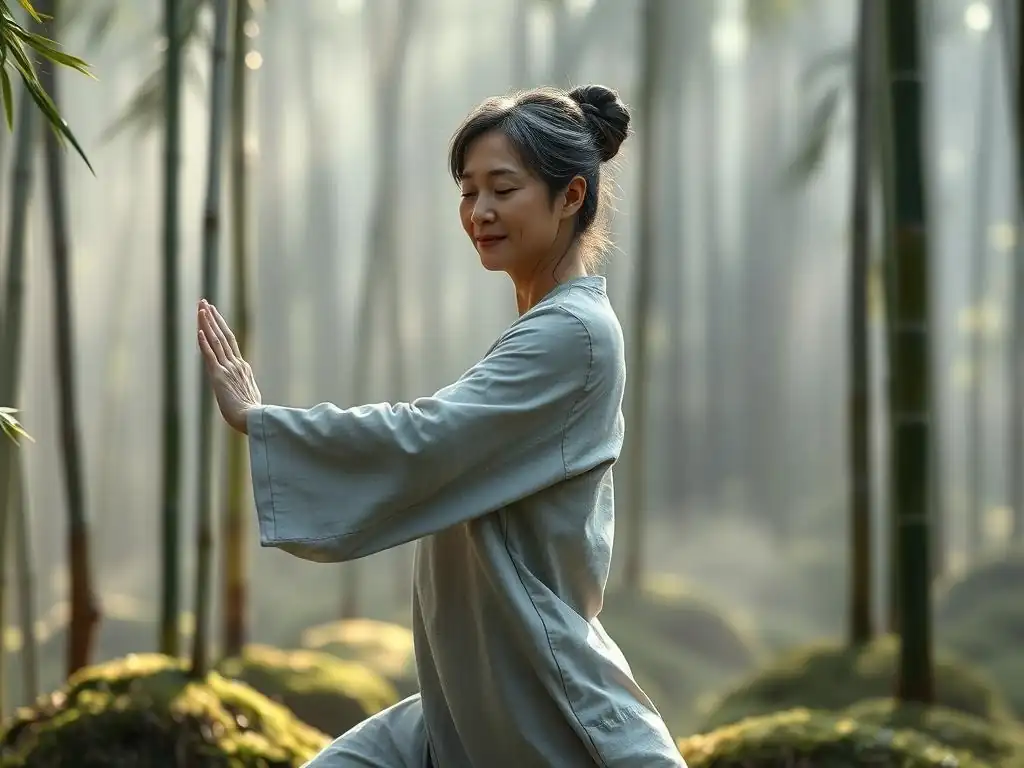
Qigong (pronounced "chee-gong") is an ancient Chinese mind-body practice that involves slow, deliberate movements, meditation, and controlled breathing techniques. The term "Qigong" translates roughly to "cultivating life energy." The practice is based on the principles of Traditional Chinese Medicine (TCM), which posits that health depends on the balanced flow of vital energy, or Qi, through the body's meridians. Imbalances or blockages in Qi are believed to contribute to physical and mental illness. Qigong aims to clear these blockages and promote harmonious energy flow, thereby improving overall health and emotional well-being.
As an Eastern bodymind practice for mental health, Qigong offers a unique approach by directly addressing the energetic dimension believed to underlie psychological states in TCM. Gentle movements, postures, and visualizations are used to guide and circulate Qi. This practice can alleviate physical tension, improve circulation, and calm the mind. Research on Qigong, though perhaps less extensive than for yoga or meditation, suggests benefits for stress reduction, improved mood, and reduced fatigue. For instance, some studies on cancer patients or individuals with chronic fatigue have reported improvements in mood scores and energy levels after engaging in Qigong.
Breathing Techniques for Emotional Balance
Breathing is a central element of Qigong. Specific breathing patterns, often slow, deep, and coordinated with movements, are used to regulate the nervous system and influence emotional states. Deep abdominal breathing, for example, stimulates the vagus nerve, which helps to lower heart rate and blood pressure, inducing a state of relaxation. By consciously controlling the breath, practitioners can learn to manage physiological responses to stress and anxiety, promoting emotional stability.
Different Qigong forms utilize various breathing techniques, such as long, slow breaths; short, sharp exhalations; or holding the breath. These techniques are designed to cultivate different energetic effects. For example, some breathing methods aim to calm agitated energy, while others seek to invigorate stagnant energy. Learning to use the breath as a tool for emotional regulation is a powerful skill gained through Qigong, reinforcing its value among Eastern bodymind practices for mental health.
Movements for Mental and Physical Harmony
The slow, flowing movements in Qigong are designed to be gentle and accessible. They are often repetitive and meditative, allowing the practitioner to enter a state of focused calm. These movements help to release physical tension, improve flexibility, and promote circulation. The coordination of movement, breath, and intention (mind) is key to cultivating harmony within the individual.
Examples of Qigong movements include "Eight Brocades" or "Five Animal Frolics," each series targeting specific energy channels and organs according to TCM principles. Practicing these forms regularly helps to integrate the physical and mental aspects of being, reducing feelings of fragmentation or disconnect that can accompany mental distress. The feeling of smooth, unimpeded movement is seen as a reflection of harmonious Qi flow, contributing to both physical comfort and emotional ease. This holistic approach makes Qigong a compelling option within Eastern bodymind practices for mental health.
Acupressure for Mental Health Support
Acupressure is a traditional Chinese healing technique that involves applying pressure to specific points on the body, known as acupoints or pressure points. These points lie along meridians, or energy channels, through which Qi is believed to flow. According to TCM, stimulating these points can help to restore the balance of Qi, remove blockages, and promote healing. While often associated with physical ailments, acupressure is also used to address emotional and mental imbalances, such as anxiety, stress, and insomnia.
As an Eastern bodymind practice for mental health, acupressure offers a non-invasive method for influencing the body's energetic and physiological systems. By applying pressure with fingers, thumbs, or palms, practitioners aim to stimulate the body's natural healing processes. While the precise mechanisms are still being explored by Western science, theories suggest that acupressure may stimulate nerve endings, influence blood circulation, and potentially affect the release of neurochemicals. Preliminary studies and anecdotal evidence suggest that acupressure can provide relief from stress and anxiety symptoms.
Acupressure and Neurotransmitters
One proposed mechanism for acupressure's effect on mental health involves its potential influence on neurotransmitters. Applying pressure to specific acupoints may stimulate the release of endorphins, the body's natural painkillers and mood elevators. Endorphins can induce feelings of well-being and reduce pain and stress. Additionally, some research suggests that acupressure might influence levels of other neurotransmitters like serotonin and dopamine, which play crucial roles in regulating mood, sleep, and appetite.
While direct, conclusive evidence from large-scale Western trials specifically linking acupressure to precise neurotransmitter changes for mental health is still evolving, the theoretical basis within TCM and promising preliminary findings from smaller studies support this possibility. For example, research on using acupressure for post-operative nausea, a stress-inducing condition, has shown effects potentially mediated by neurochemical pathways. This connection between acupressure points and neurological responses highlights its potential as a complementary approach within Eastern bodymind practices for mental health.
Acupressure Points for Stress Relief
Several acupressure points are commonly used for stress and anxiety relief. One well-known point is located in the web between the thumb and index finger (LI4 or Hegu). Applying firm pressure to this point is traditionally used to alleviate pain and reduce stress. Another point often recommended is located on the inner wrist, about three finger-widths below the wrist crease, between the two tendons (PC6 or Neiguan). This point is frequently used to calm the mind, relieve nausea, and reduce anxiety.
Another point, located on the sole of the foot in the depression just below the ball of the foot (KI1 or Yongquan), is used in TCM to ground excess energy and calm the spirit, often recommended for anxiety and insomnia. While self-acupressure can be helpful, consulting a qualified practitioner can ensure the correct points are used with appropriate pressure. Learning these simple techniques allows individuals to use acupressure as an accessible tool within their repertoire of Eastern bodymind practices for mental health support.
Benefits of Integrating Mind-Body Practices
Reduced Anxiety and Depression
Integrating Eastern bodymind practices for mental health has shown significant promise in reducing symptoms of anxiety and depression. Regular engagement in practices like yoga, meditation, Tai Chi, and Qigong can help regulate the nervous system, shifting it away from a chronic stress response towards a state of calm. This physiological shift is accompanied by psychological changes, such as improved emotional resilience and a greater capacity to observe difficult thoughts and feelings without being overwhelmed by them.
Numerous studies support these benefits. For instance, a review published in JAMA Internal Medicine concluded that mindfulness meditation programs had a moderate effect on reducing symptoms of anxiety and depression, comparable to the effect size often seen with antidepressant medication in some populations. Similarly, research on yoga has demonstrated reductions in cortisol levels and improvements in mood scales among participants with depressive symptoms. These findings provide a strong evidence base for incorporating these practices into mental health care plans.
Improved Stress Management
One of the most widely recognized benefits of Eastern bodymind practices is their ability to enhance stress management skills. These techniques provide individuals with practical tools to navigate stressful situations more effectively. By cultivating present moment awareness through meditation or focusing on breath during yoga or Tai Chi, individuals learn to interrupt the cycle of stress reactivity. Instead of being swept away by stress responses, they develop the capacity to pause, observe, and choose a more skillful response.
Furthermore, practices involving gentle physical movement like Tai Chi and Qigong help to release physical tension held in the body due to stress. The deep breathing techniques common to many of these practices directly activate the parasympathetic nervous system, counteracting the effects of the sympathetic nervous system's stress response. Learning to consciously regulate breathing provides an immediate tool to calm oneself in moments of acute stress. For example, practicing slow, deep breaths for just a few minutes can significantly lower heart rate and promote relaxation, offering a tangible benefit of Eastern bodymind practices for mental health.
Enhanced Emotional Regulation
Emotional regulation refers to the ability to understand and manage one's emotional responses. Eastern bodymind practices cultivate this skill by increasing self-awareness and fostering a non-judgmental attitude towards internal experiences. Through practices like Vipassana meditation, individuals learn to observe emotions as transient phenomena rather than fixed identities or overwhelming forces. This detachment allows for a more balanced and less reactive response to challenging feelings.
Yoga and Tai Chi also contribute to emotional regulation by fostering a greater connection with bodily sensations, which are often intimately linked with emotions. Learning to sit with physical discomfort in a yoga pose or move mindfully through a Tai Chi form can build tolerance for uncomfortable emotional states. As practitioners become more attuned to the subtle interplay between mind and body, they gain a greater capacity to identify emotions as they arise and respond to them with greater wisdom and compassion, making these essential Eastern bodymind practices for mental health.
Increased Well-being
Beyond symptom reduction, integrating Eastern bodymind practices for mental health contributes significantly to overall well-being. This encompasses feelings of happiness, life satisfaction, purpose, and connection. Regular practice can cultivate positive psychological traits such as self-compassion, gratitude, and resilience. The focus on presence and acceptance inherent in many of these traditions encourages a more appreciative and less critical view of oneself and the world.
Moreover, participation in classes or groups for practices like yoga or Tai Chi can foster a sense of community and belonging, which is vital for mental health. The emphasis on holistic harmony in practices like Qigong promotes a sense of integration and balance across different aspects of life. Ultimately, these practices empower individuals to become active participants in their own health journey, fostering a deeper connection to their inner resources and enhancing their overall quality of life and sense of flourishing.
Integrating Practices with Conventional Treatments
Complementary Approaches
Eastern bodymind practices are increasingly being viewed as valuable complementary approaches to conventional mental health treatments like therapy and medication. They are not typically intended as standalone replacements for professional medical or psychological care, especially for severe conditions. Instead, they can work alongside these treatments to provide additional support, enhance coping skills, and improve overall well-being. Integrating these practices can offer a more holistic and multi-faceted approach to mental health recovery and maintenance.
For instance, someone managing depression with medication and therapy might find that adding a regular meditation practice helps to reduce rumination and improve emotional regulation, skills that therapy might also address but are deepened through consistent practice. Similarly, a person with anxiety might use yoga to manage physical tension and calm the nervous system, complementing the cognitive restructuring learned in therapy. This combined approach leverages the strengths of both Western clinical interventions and traditional Eastern bodymind practices for mental health, potentially leading to more comprehensive and sustainable outcomes.
Finding a Qualified Practitioner
When integrating Eastern bodymind practices into a mental health plan, seeking guidance from qualified practitioners is crucial, especially if dealing with existing conditions. The quality of instruction can significantly impact the safety and effectiveness of the practice. A qualified yoga instructor, meditation teacher, Tai Chi master, Qigong practitioner, or acupressure therapist will have received extensive training and understand how to adapt practices for individuals with specific needs or health concerns.
Look for practitioners with certifications from recognized organizations or those with significant experience and a strong understanding of the mind-body connection. For example, a yoga therapist might have specialized training in working with trauma or anxiety. Similarly, a licensed acupuncturist (who may also practice acupressure) undergoes rigorous education. Don't hesitate to ask about their training, experience, and approach. Finding the right guide can make the difference between a superficial engagement and a deeply transformative experience with Eastern bodymind practices for mental health.
Considerations and Cautions [Consulting Healthcare Professionals]
While Eastern bodymind practices are generally safe, especially when practiced mindfully and appropriately, they are not without considerations and potential cautions. It is absolutely essential to consult with your primary healthcare provider or mental health professional before starting any new practice, particularly if you have a pre-existing medical condition, a severe mental health disorder, or are pregnant. They can help determine if a specific practice is suitable for your individual needs and ensure it won't interfere with existing treatments.
For example, certain yoga postures might be contraindicated for individuals with specific physical injuries or conditions. Intense meditation practices might not be suitable for someone experiencing psychosis or severe dissociation without professional guidance. Your healthcare team can offer personalized advice and help you find practitioners who are experienced in working with individuals with similar health profiles. Approaching Eastern bodymind practices for mental health with open communication between yourself, your chosen practitioner, and your medical team ensures the safest and most beneficial integration.
Case Studies and Research
Examples of Practices Improving Mental Health
Real-world examples highlight the effectiveness of Eastern bodymind practices for mental health. Consider the case of "Sarah," a 45-year-old professional experiencing chronic work-related stress and mild anxiety. After struggling with conventional stress management techniques, she began attending a weekly restorative yoga class and practicing short daily mindfulness meditations. Within three months, Sarah reported a significant reduction in her anxiety levels, improved sleep quality, and a greater ability to handle workplace pressures without feeling overwhelmed. She felt more present and less reactive in her daily life.
Another example is "David," a college student diagnosed with depression who found traditional therapy helpful but felt he needed additional support for persistent low mood and lack of motivation. He joined a Tai Chi group on campus, practicing three times a week. Over the semester, David noticed a gradual improvement in his energy levels, increased social engagement within the group, and a lifted mood.
The gentle movement and focus helped interrupt his negative thought loops, and the routine provided structure. These cases, while illustrative, reflect the types of positive changes reported in both anecdotal accounts and formal studies on the benefits of Eastern bodymind practices for mental health.
Scientific Evidence Supporting Effectiveness
The scientific community has increasingly turned its attention to the therapeutic potential of Eastern bodymind practices. Research utilizing randomized controlled trials and neuroimaging techniques is providing evidence for their impact on the brain and body. For example, a meta-analysis published in the Journal of Consulting and Clinical Psychology reviewed 39 studies involving over 1,100 participants and found moderate evidence that meditation programs could reduce anxiety and depression symptoms.
Another study, published in Biological Psychiatry, used fMRI to show that participants who completed an 8-week mindfulness-based stress reduction (MBSR) program exhibited decreased gray matter density in the amygdala (associated with fear) and increased density in the hippocampus (associated with learning and memory). Research on Tai Chi has demonstrated its effectiveness in reducing falls in older adults but also shown improvements in mood and reduced stress hormones like cortisol. While research is ongoing, the accumulating scientific evidence supports the integration of Eastern bodymind practices for mental health as valuable adjunctive therapies.
Getting Started
Resources for Learning
Embarking on the journey with Eastern bodymind practices for mental health doesn't require extensive resources, but finding reliable sources for learning is key. Numerous options are available, catering to different preferences and budgets. Online platforms offer a vast array of guided meditations, yoga classes, and Qigong or Tai Chi tutorials, ranging from free introductory sessions to subscription-based services providing in-depth instruction. Many reputable organizations and centers dedicated to these practices also offer online courses and workshops.
For those who prefer in-person learning, local yoga studios, community centers, and specialized wellness clinics often offer classes in yoga, Tai Chi, and Qigong. Seeking out centers that specifically mention therapeutic approaches or experienced instructors can be beneficial. Books and instructional videos can also serve as valuable resources for self-guided learning, though starting with a qualified teacher is often recommended to ensure proper technique and safety, especially when exploring complex practices like Tai Chi forms or specific breathing exercises within Qigong.
Creating a Personalized Routine
The most effective way to benefit from Eastern bodymind practices for mental health is by establishing a consistent, personalized routine. There is no one-size-fits-all approach; the best routine is one that fits your lifestyle, preferences, and specific mental health goals. Start small and gradually build up. Even 10-15 minutes of practice daily can yield significant benefits. Consider what time of day works best for you – some prefer morning practice to set a calm tone for the day, while others find evening practice helps unwind before sleep.
Experiment with different practices to see what resonates most with you. You might find that a combination works best, perhaps starting the day with gentle Qigong movements and ending with a short mindfulness meditation. Identify your goals: are you primarily seeking stress reduction, improved sleep, or better emotional regulation? Tailor your practice accordingly. For example, if stress is the main concern, focusing on relaxation techniques within yoga or calming breathing in Qigong might be prioritized. Flexibility is key; some days you might have more time than others, so have shorter options available for busy days to maintain consistency.
Maintaining Consistency
Consistency is arguably the most important factor in reaping the long-term benefits of Eastern bodymind practices for mental health. Like any new habit, establishing a regular practice requires discipline and patience. Don't get discouraged by missed days or perceived lack of immediate results. Progress is often gradual and cumulative. Find ways to make your practice enjoyable and sustainable. This could involve creating a dedicated space in your home, practicing with a friend or partner, or joining a class for external motivation and community support.
Integrate your practice into your daily schedule like any other important appointment. Use reminders or habit-tracking apps if helpful. Reflect on the positive changes you notice, no matter how small – perhaps you feel slightly calmer during a stressful meeting, or you're able to fall asleep a little faster. Acknowledging these shifts can reinforce your motivation. Remember that the journey with Eastern bodymind practices for mental health is ongoing; it's about cultivating a sustainable way of being that supports your well-being over the long term.
Conclusion: Embracing Mind-Body Wellness
The Future of Integrative Mental Healthcare
The increasing recognition of the mind-body connection and the growing body of evidence supporting Eastern bodymind practices for mental health point towards a future where integrative healthcare becomes the norm rather than the exception. As research continues to illuminate the physiological and psychological mechanisms behind these practices, their integration into mainstream mental health treatment plans is likely to accelerate. This could involve mental health professionals recommending or even incorporating elements of yoga, meditation, or other practices into therapy sessions, or healthcare systems offering access to qualified practitioners.
This shift represents a move towards a more holistic, personalized, and empowering model of mental healthcare. By combining the strengths of conventional treatments with the wisdom of ancient Eastern traditions, individuals will have access to a broader toolkit for managing mental health challenges and cultivating resilience. The emphasis will be not just on treating symptoms but on fostering overall well-being, recognizing the individual as a whole person with interconnected physical, mental, and spiritual dimensions. This integrative approach promises a more comprehensive path to healing and thriving.
Empowering Yourself with Mind-Body Practices
Ultimately, embracing Eastern bodymind practices for mental health is an act of self-empowerment. These practices provide individuals with tangible tools and techniques they can use actively to influence their own well-being. Unlike passive treatments, they require active participation, fostering a sense of agency and control over one's internal state. Learning to calm the nervous system, manage thoughts, and cultivate emotional balance through these practices builds inner strength and resilience.
By incorporating these ancient techniques into modern life, you are taking a proactive step towards nurturing your mental and emotional health. Whether it's through the mindful movement of Tai Chi, the calming breath of Qigong, the centering postures of yoga, or the focused awareness of meditation, these practices offer pathways to deeper self-understanding and inner peace. Exploring these Eastern bodymind practices for mental health can be a transformative journey, leading to greater harmony between your mind and body and a more fulfilling life.
Frequently Asked Questions
How do Eastern bodymind practices differ from traditional Western mental health approaches?
Eastern bodymind practices emphasize the interconnectedness of the mind and body, focusing on cultivating inner harmony through techniques like meditation and yoga. Western approaches often prioritize cognitive and pharmacological interventions.
What are some examples of Eastern bodymind practices that can benefit mental health?
Examples include yoga, meditation (including mindfulness and transcendental meditation), Tai Chi, and Qigong. These practices promote stress reduction, emotional regulation, and self-awareness.
How can Eastern bodymind practices help with anxiety and depression?
Many practices, such as meditation, help regulate the nervous system and reduce stress hormones like cortisol. This can lead to improved mood regulation and reduced symptoms of anxiety and depression.
Are Eastern bodymind practices a replacement for traditional mental health treatment?
No, they are not a replacement. Eastern bodymind practices can be a valuable complement to traditional treatments like therapy and medication. It's crucial to consult with a qualified mental health professional.
How do I get started with incorporating Eastern bodymind practices into my mental health routine?
Start with small, manageable steps, such as a daily 10-minute meditation. Explore different practices and find what resonates with you. Consider seeking guidance from a qualified instructor or practitioner.
Final Reflection: Embracing Eastern BodyMind Practices for Holistic Mental Health
The relevance of Eastern bodymind practices in today's fast-paced world cannot be overstated; they offer a profound pathway to achieving holistic mental health. As we navigate the complexities of modern life, the wisdom embedded in these ancient traditions serves as a beacon of hope, reminding us that mental well-being is not merely the absence of illness but a harmonious balance of mind, body, and spirit. The integration of practices such as yoga, tai chi, and mindfulness meditation into our daily routines can transform our approach to mental health, fostering resilience and inner peace.
The influence of Eastern bodymind practices extends far beyond individual well-being; they are reshaping our cultural and social landscapes. As more people embrace these practices, we witness a growing recognition of the interconnectedness of mental and physical health, leading to a more compassionate and holistic approach to wellness. The mind is everything. What you think you become.
– Buddha. This quote encapsulates the essence of how our thoughts and practices shape our reality, urging us to cultivate a mindset that nurtures our mental health through mindful living.
As we reflect on the insights shared in this article, I invite you to explore how Eastern bodymind practices can enrich your own life. Consider incorporating these transformative techniques into your daily routine, allowing them to guide you toward a more balanced and fulfilling existence. By taking this step, you not only invest in your own mental health but also contribute to a collective shift towards a more mindful and harmonious society. Embrace the journey of self-discovery and healing, and let the wisdom of the East illuminate your path to holistic mental health.
Unlock Your Inner Calm: Take the Next Step Towards Holistic Wellbeing
Thanks for exploring the power of Eastern BodyMind practices for improved mental health! We hope you gained valuable insights into how these ancient techniques can benefit your overall wellbeing. Now it's time to put that knowledge into action.
- Begin your journey with a guided meditation: Even 5 minutes a day can make a significant difference. Try focusing on your breath, or explore a guided meditation app. This is your first step towards cultivating inner peace.
- Share this article with someone who could benefit: Help spread the word about the transformative power of these practices. Let's build a supportive community focused on holistic mental wellness!
- Explore one new practice this week: Whether it's Tai Chi, Qigong, or Yoga, even a small commitment can create a ripple effect of positive change. Challenge yourself to find something that resonates and commit to just one session.
What small step will you take today to prioritize your mental and emotional wellbeing?